Best Places for Beginner Scuba Divers
The world's most welcoming destinations for new divers
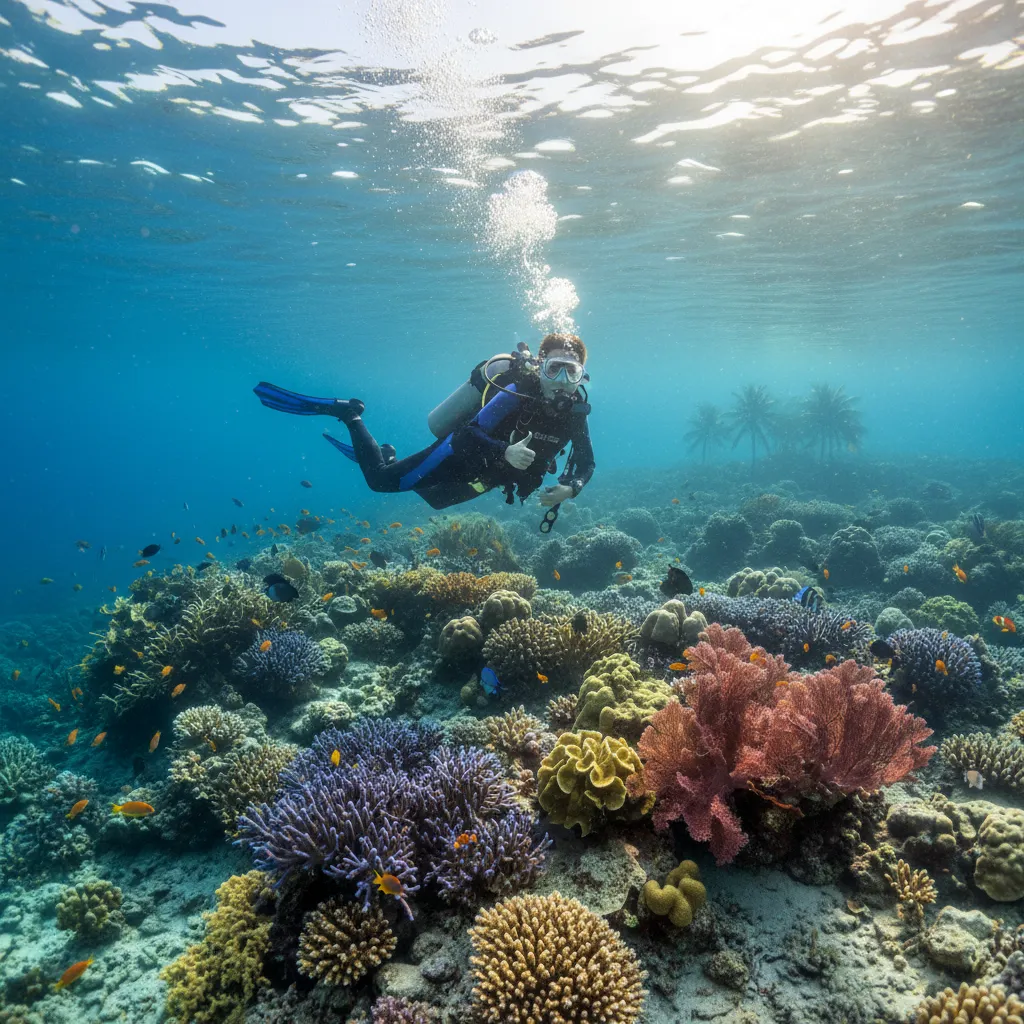
Taking your first breath underwater is an unforgettable experience, opening up a vibrant world hidden just beneath the surface. But choosing where to take that giant stride can feel overwhelming. The key to a successful and enjoyable first scuba diving adventure is picking a destination that's perfectly suited for beginners. The right location will transform your initial apprehension into pure wonder, setting the foundation for a lifelong passion for exploring the ocean. This guide is your passport to the world's most welcoming underwater classrooms.
What makes a dive destination beginner-friendly? It's a combination of ideal conditions and excellent support. Look for destinations with warm, tropical waters that don't require a thick, restrictive wetsuit. Calm seas with minimal currents and excellent visibility are crucial, allowing you to focus on your skills and the incredible marine life without battling the elements. The best spots for learning to dive feature shallow, protected coral reefs teeming with colourful fish, offering amazing sights just a few meters from the surface. Critically, these locations are home to reputable dive centres with patient, professional instructors who prioritize safety and fun.
When choosing your first dive destination, consider what you want from your trip. Are you looking for a dedicated dive resort in the Caribbean, a budget-friendly PADI course in Southeast Asia, or the chance to see specific marine life like turtles or manta rays? Research dive schools in your chosen area, looking for those with great reviews and certifications from internationally recognized agencies like PADI or SSI. Whether it's the gentle drift dives of Cozumel or the protected reefs of the Gili Islands, your perfect introductory dive site is out there waiting for you.
At a Glance
| Destination | Difficulty | Best Months |
|---|---|---|
| Cozumel, MexicoMexico | Beginner | Mar-May, Aug-Sep, Nov |
| Great Barrier Reef, AustraliaAustralia | Beginner | Jan-Dec |
| Sulawesi, IndonesiaIndonesia | Beginner | Jan-Dec |
| Florida Keys, United StatesUnited States | Beginner | Mar-Jun, Sep-Nov |
| Lombok & Gili Islands, IndonesiaIndonesia | Beginner | Jan-Dec |
| Similan Islands, ThailandThailand | Beginner | Jan-Dec |
| Southern Islands, SingaporeSingapore | Beginner | Jan-Dec |
| Bali, IndonesiaIndonesia | Beginner | Jan-Dec |
| North Malé Atoll, MaldivesMaldives | Beginner | Jan-Dec |
| Baa Atoll, MaldivesMaldives | Beginner | Jan-Dec |
| Raja Ampat, IndonesiaIndonesia | Beginner | Jan-Dec |
| Roatán, HondurasHonduras | Beginner | Jan-Dec |
| South Malé Atoll, MaldivesMaldives | Beginner | Jan-Dec |
| Klein Bonaire, BonaireBonaire | Beginner | Jan-Dec |
| Malpelo Island, ColombiaColombia | Beginner | Jan-Dec |
| Visayas, PhilippinesPhilippines | Beginner | Jan-Dec |
| Bohol, PhilippinesPhilippines | Beginner | Jan-Dec |
| Apo Reef, PhilippinesPhilippines | Beginner | Jan-Dec |
| Marsa Alam, EgyptEgypt | Beginner | Jan-Jul, Sep-Dec |
| Anilao, PhilippinesPhilippines | Beginner | Jan-Dec |
Cozumel, Mexico
Mexico
Cozumel is an excellent choice for new divers, providing ideal conditions for learning. Water temperatures average a consistent 27-30°C, making for comfortable extended dives. Visibility is consistently good, allowing you to focus on skills without distraction.
The island is known for its gentle drift diving. Mild currents assist your movement, reducing effort and allowing you to conserve air. This setup makes it easier to manage buoyancy and build confidence. You will be diving on the Mesoamerican Barrier Reef, the second-largest reef system globally, even on your initial dives. Beginner-friendly shallow sites feature vibrant coral, schools of tropical fish, sea turtles, and occasional eagle rays.
With 86 professional dive centers, finding a PADI Open Water course or a Discover Scuba Diving experience is straightforward. Our top pick for first-timers, Cozumel offers rewarding diving from March to May, August to September, and in November.
Difficulty
Beginner
Best Months
Mar-May, Aug-Sep, Nov
Water Temp
27-30°C
Visibility
21-25 nmi
Dive Centres
86
Practical Info
- dive Centres:
- 86
- avg Temp:
- 28°C
Did you know?
Cozumel's status as a world-class diving destination was cemented in 1961 after the legendary explorer Jacques Cousteau declared it one of the most beautiful places for scuba diving he had ever seen.
Great Barrier Reef, Australia
Australia
The Great Barrier Reef is an excellent choice for beginner divers, offering consistent conditions year-round. Water temperatures are warm, ranging from 25-30°C. Many of the 329 dive sites are in sheltered lagoons and coves, providing calm, clear, and protected waters ideal for learning. This makes it a safe environment for your initial dives.
You will see a wide variety of marine life here. Expect to encounter clownfish in anemones, sea turtles, and numerous species of reef fish. With 17 dedicated dive centres, you have ample options for beginner courses, including PADI Open Water certification. These operators are experienced in training new divers and will guide you to the most suitable sites on the reef.
Difficulty
Beginner
Best Months
Jan-Dec
Water Temp
25-30°C
Dive Centres
17
Practical Info
- dive Centres:
- 17
- avg Temp:
- 27°C
Did you know?
The Great Barrier Reef is so immense that it's the only living thing on Earth visible from space, spanning over 2,300 kilometres along the Queensland coast.
Sulawesi, Indonesia
Indonesia
Sulawesi, Indonesia, is an excellent choice for beginner divers. With water temperatures consistently between 29-30°C and a dive season running all year, from January to December, conditions are consistently favorable. We rate this highly for first-timers due to the generally calm seas and the sheer number of accessible sites.
You have 315 dive sites available, many of which feature gentle conditions ideal for skill development. Expect to see vibrant coral walls and extensive coral gardens. It's common for new divers to encounter sea turtles and various reef fish on their initial dives. There are 17 professional dive centers on the island, offering certifications like the PADI Open Water Diver or introductory Discover Scuba Diving experiences. They provide all necessary gear and instruction, focusing on safety and building confidence underwater.
Difficulty
Beginner
Best Months
Jan-Dec
Water Temp
29-30°C
Dive Centres
17
Practical Info
- dive Centres:
- 17
- avg Temp:
- 30°C
Did you know?
Sulawesi is located in the heart of the Coral Triangle, an area that contains the highest diversity of marine life on Earth, including over 600 species of reef-building coral.
Florida Keys, United States
United States
The Florida Keys is an excellent choice for new divers. With 308 dive sites, the majority featuring shallow, calm, and warm conditions, it serves as an ideal natural classroom. Water temperatures average a comfortable 26°C (79°F), ranging from 19-32°C, allowing you to focus on skills rather than cold. You have 88 dive centers available, making it easy to find an instructor or guide.
As a beginner, you will experience North America's only living barrier reef. Expect to see parrotfish, angelfish, and sergeant majors among coral gardens. Many beginner sites, such as the Christ of the Abyss statue at Key Largo Dry Rocks, are shallow enough to be engaging without being overwhelming. Dive centers offer everything from Discover Scuba Diving experiences to full Open Water Diver certifications. We recommend visiting between March and June or September and November for the best conditions.
Difficulty
Beginner
Best Months
Mar-Jun, Sep-Nov
Water Temp
19-32°C
Dive Centres
88
Practical Info
- dive Centres:
- 88
- avg Temp:
- 26°C
Did you know?
The Florida Keys are home to the only living coral barrier reef in the continental United States, making it a truly unique and vital ecosystem to explore.
Lombok & Gili Islands, Indonesia
Indonesia
Lombok and the Gili Islands are a top pick for beginner divers. We rate this destination highly for its consistent conditions and accessibility. You can dive here year-round, with water temperatures reliably between 28-30°C. The seas are generally calm and clear, which is ideal for building confidence during your initial dives.
With 182 dive centres across the region, you will easily find a reputable school for either a Discover Scuba Diving experience or your full Open Water certification. The shallow reefs around the Gili Islands offer immediate rewards. You are almost guaranteed to encounter sea turtles on your first dives. Expect to see vibrant coral gardens, clownfish, and angelfish. The abundance of marine life in these easily accessible, shallow sites makes every training dive feel like a true underwater exploration.
Difficulty
Beginner
Best Months
Jan-Dec
Water Temp
28-30°C
Dive Centres
182
Practical Info
- dive Centres:
- 182
- avg Temp:
- 29°C
Did you know?
Did you know the Gili Islands are often called the 'Turtle Capital of the World'? It's one of the few places where you are almost guaranteed to see both Green and Hawksbill sea turtles on a single beginner dive.
Similan Islands, Thailand
Thailand
The Similan Islands are a top choice for beginner divers, offering excellent conditions for your first underwater experiences. Water temperatures consistently range from 29-31°C, allowing you to focus on developing your skills in comfort. We rate this destination highly for its calm, clear waters and gentle currents, particularly from November to April.
You will find vibrant, shallow reefs populated by clownfish, sea turtles, and large schools of tropical fish. The protected bays act as natural classrooms, ideal for mastering buoyancy and other fundamental skills before exploring the beginner-friendly sites. With 119 dive centres in the region, access to professional instruction is extensive. Most centres provide PADI Open Water Diver certification courses and introductory discovery dives.
Difficulty
Beginner
Best Months
Jan-Dec
Water Temp
29-31°C
Dive Centres
119
Practical Info
- dive Centres:
- 119
- avg Temp:
- 29°C
Did you know?
The region boasts an incredible 238 distinct dive sites, meaning you could dive a new spot every day for almost eight months without ever repeating one!
Southern Islands, Singapore
Singapore
Singapore's Southern Islands present a uniquely accessible and ideal training ground for aspiring divers. With year-round warm water averaging a balmy 28.2°C, you can comfortably learn the ropes without the shock of a cold-water plunge. While the visibility is famously low, this creates a perfect, distraction-free environment to master fundamental skills like buoyancy control and underwater navigation, building a strong foundation that will make you a more confident diver in any condition.
Even with limited visibility, the underwater world here is full of macro treasures waiting to be discovered. Your training dives will be far from boring as you learn to spot colourful nudibranchs, anemonefish, and other small reef critters. This focus on the small-scale ecosystem teaches you to slow down and develop a keen eye for detail, turning every dive into an exciting treasure hunt.
Getting started is incredibly easy thanks to the 35 dive centres operating in the area. You can choose from a wide range of beginner courses, such as the full PADI Open Water Diver certification or a one-day Discover Scuba Diving experience. With so many professional operators, you're guaranteed to find a course that fits your schedule and budget, complete with all the necessary gear and expert guidance.
Difficulty
Beginner
Best Months
Jan-Dec
Water Temp
28-28°C
Dive Centres
35
Practical Info
- dive Centres:
- 35
- avg Temp:
- 28°C
Did you know?
Despite sharing its waters with one of the world's busiest shipping ports, Singapore is home to over 250 species of hard coral, representing about a third of the world's total diversity.
Bali, Indonesia
Indonesia
Bali is an excellent choice for new divers. The island offers 194 dive sites, with many perfectly suited for beginners. Water temperatures are consistently warm, averaging 30.1°C, and diving is possible year-round, from January through December. These stable, calm conditions make learning to dive comfortable.
You have 19 professional dive centers available to guide you through beginner certifications, typically PADI or SSI Open Water Diver. Your initial dives will expose you to colorful coral gardens, various tropical fish, and potentially a sea turtle. Bali provides a gentle introduction to diving, with both accessible shore dives and calm boat trips available.
Difficulty
Beginner
Best Months
Jan-Dec
Water Temp
29-31°C
Dive Centres
19
Practical Info
- dive Centres:
- 19
- avg Temp:
- 30°C
Did you know?
The famous USAT Liberty shipwreck in Tulamben is one of the most accessible wrecks in the world, lying so close to shore that even brand new divers can explore this piece of WWII history on one of their first dives.
North Malé Atoll, Maldives
Maldives
North Malé Atoll is a paradise for beginner divers, offering some of the most accessible and rewarding underwater experiences in the world. Imagine learning to breathe underwater in calm, bath-like waters that average a balmy 29.5°C all year round. The atoll's numerous sheltered lagoons and gentle reef slopes provide a safe, pool-like environment for your first dives, allowing you to build confidence while being mesmerized by the vibrant marine life. With 53 professional dive centres scattered across the islands, you're guaranteed to find expert instructors and top-notch facilities for your certification.
Your training dives here aren't just about learning skills; they're about instant immersion into a world of wonder. You'll explore stunning coral gardens teeming with colourful clownfish, angelfish, and graceful sea turtles. Most dive centres offer globally recognized courses like the PADI or SSI Open Water Diver, where you can get certified in just a few days. The sheer density of the 190 dive sites ensures that even on your first underwater adventures, you'll witness the incredible biodiversity that makes the Maldives a legendary diving destination.
Difficulty
Beginner
Best Months
Jan-Dec
Water Temp
29-31°C
Dive Centres
53
Practical Info
- dive Centres:
- 53
- avg Temp:
- 30°C
Did you know?
Despite being a world-class diving hub, many of North Malé Atoll's most beautiful and life-filled reefs are shallow enough for even first-time divers to explore.
Baa Atoll, Maldives
Maldives
Baa Atoll in the Maldives is an excellent choice for beginner divers, offering consistently warm water and calm conditions year-round. Water temperatures average between 29-30°C, meaning you won't get cold even on longer dives. This atoll provides gentle, sheltered conditions ideal for your initial underwater experiences and for mastering new skills.
You can expect to see a variety of marine life even on introductory dives. The shallow coral gardens and protected reefs are home to sea turtles, various reef fish, and vibrant coral formations. With 51 professional dive centers spread across the atoll, you have many options for completing your PADI Open Water certification or trying a Discover Scuba Diving experience. These centers are well-equipped to guide new divers safely and effectively.
Difficulty
Beginner
Best Months
Jan-Dec
Water Temp
29-30°C
Dive Centres
51
Practical Info
- dive Centres:
- 51
- avg Temp:
- 29°C
Did you know?
Did you know that Baa Atoll is a designated UNESCO Biosphere Reserve, recognized for its incredible marine biodiversity and unique harmony between man and nature?
Raja Ampat, Indonesia
Indonesia
Raja Ampat is an excellent choice for new divers, offering comfortable conditions year-round. Water temperatures consistently stay between 29-30°C. This region is considered the center of marine biodiversity, so you'll be learning in a rich ecosystem.
The protected lagoons here provide calm, shallow environments ideal for entry-level training. You can choose from 28 professional dive centers and explore 181 official dive sites, many of which are suitable for beginners. Whether you opt for a one-day Discover Scuba Diving experience or a full PADI Open Water certification, instructors will guide you through vibrant coral gardens. Expect to see reef fish, turtles, and schools of fusiliers, even on your training dives.
Difficulty
Beginner
Best Months
Jan-Dec
Water Temp
29-30°C
Dive Centres
28
Practical Info
- dive Centres:
- 28
- avg Temp:
- 30°C
Did you know?
Raja Ampat holds the world record for the most fish species identified on a single dive, making it a truly spectacular destination for marine life enthusiasts.
Roatán, Honduras
Honduras
Roatán is an underwater paradise tailor-made for new divers. Imagine learning in bathtub-warm waters, averaging a balmy 28.7°C year-round, with calm seas and crystal-clear visibility. The island is fringed by the Mesoamerican Barrier Reef, the second-largest in the world, which is so close to shore that many dive sites are just a short, easy boat ride away. This accessibility means less travel time and more time spent exploring the vibrant underwater world, making it a stress-free environment to take your first breaths underwater.
With over 40 professional dive centres scattered across the island, you're spoiled for choice when it comes to training. Most centres offer introductory 'Discover Scuba Diving' experiences and full PADI Open Water certification courses. On your training dives, you won't be in a boring quarry; you'll be exploring some of the 171 official dive sites, immediately surrounded by stunning coral gardens, schools of colourful tropical fish, graceful eagle rays, and gentle sea turtles. It's the perfect place to fall in love with diving.
Difficulty
Beginner
Best Months
Jan-Dec
Water Temp
27-30°C
Dive Centres
40
Practical Info
- dive Centres:
- 40
- avg Temp:
- 29°C
Did you know?
Roatán is part of the Mesoamerican Barrier Reef, the second-largest barrier reef system on the planet, stretching nearly 700 miles from Mexico to Honduras.
South Malé Atoll, Maldives
Maldives
South Malé Atoll is an exceptional destination for those taking their first breath underwater. With its year-round warm waters averaging a balmy 29.4°C and numerous protected dive sites, conditions are ideal for learning. The atoll's calm lagoons and gentle currents provide a safe and comfortable environment to build confidence. With 22 professional dive centres scattered across the islands, you'll have no trouble finding high-quality instruction for popular beginner courses like the PADI Open Water Diver certification.
Your first dives will be nothing short of magical. The vibrant coral reefs are teeming with life, and in the clear, sunlit waters you can expect to encounter graceful sea turtles, eagle rays gliding effortlessly through the blue, and vast schools of colourful reef fish. Many beginner-friendly sites are shallow coral gardens perfect for spotting moray eels peeking from crevices and anemones hosting their resident clownfish, making every dive an unforgettable adventure.
Difficulty
Beginner
Best Months
Jan-Dec
Water Temp
29-30°C
Dive Centres
22
Practical Info
- dive Centres:
- 22
- avg Temp:
- 29°C
Did you know?
South Malé Atoll's Guraidhoo Corner is so rich with marine life that it's often called a 'supermarket' for divers, where you can frequently spot grey reef sharks, eagle rays, and huge schools of fish all in one place.
Klein Bonaire, Bonaire
Bonaire
Welcome to a beginner diver's dream! Klein Bonaire, a pristine, uninhabited islet just a short boat ride from the main island, offers some of the calmest and clearest water in the Caribbean. With average water temperatures a balmy 28.1°C and visibility often exceeding 30 meters (100 feet), the conditions are perfect for building confidence. The lack of strong currents makes for relaxed, stress-free dives, allowing you to focus on your buoyancy and the incredible underwater world unfolding before you.
As part of the protected Bonaire National Marine Park, the reefs here are teeming with life. On your first dives, you'll be greeted by schools of vibrant parrotfish, angelfish, and sergeant majors, with a high chance of spotting sea turtles and eagle rays gliding by. Bonaire's 20 professional dive centres offer daily trips to Klein Bonaire and provide excellent entry-level courses, like the PADI Open Water Diver certification or a Discover Scuba Diving experience, ensuring your introduction to the underwater world is safe, comfortable, and absolutely unforgettable.
Difficulty
Beginner
Best Months
Jan-Dec
Water Temp
27-30°C
Dive Centres
20
Practical Info
- dive Centres:
- 20
- avg Temp:
- 28°C
Did you know?
The entire coastline around both Bonaire and Klein Bonaire has been a protected national marine park since 1979, one of the oldest marine reserves in the world.
Malpelo Island, Colombia
Colombia
Malpelo Island, Colombia, is an excellent choice for new divers. Despite its remote feel, the diving here is genuinely beginner-friendly. You have 166 dive sites to choose from, many offering sheltered coves and calm reef conditions ideal for initial dives.
Water temperatures average a comfortable 29.2°C year-round, so thermal comfort won't be a concern. This allows you to focus on buoyancy and marine life, which includes numerous reef fish, sea turtles, and various rays. There are 28 professional dive centers on Malpelo offering everything from discovery dives to full Open Water certification courses. This ensures comprehensive support as you learn.
Difficulty
Beginner
Best Months
Jan-Dec
Water Temp
28-30°C
Dive Centres
28
Practical Info
- dive Centres:
- 28
- avg Temp:
- 29°C
Did you know?
Despite its reputation for big marine life, Malpelo's 166 dive sites include numerous protected shallow reefs perfect for training, making it one of the most versatile dive destinations in Colombia.
Visayas, Philippines
Philippines
The Visayas region in the Philippines is an underwater paradise, especially for those just starting their diving journey. With an astonishing 165 dive sites accessible year-round, you'll never run out of places to explore. The water is a consistently warm 27.8°C, creating comfortable and inviting conditions perfect for learning. With 27 professional dive centres to choose from, you'll find plenty of expert support and a welcoming community to guide you through your first underwater breaths.
Most beginners start with an Open Water Diver certification, a course widely available throughout the Visayas. Your training will take you from the pool to shallow, protected reefs teeming with life. You can expect to see vibrant coral gardens, schools of colourful reef fish, and maybe even a gentle sea turtle gliding by. The calm conditions and incredible biodiversity make this one of the best and most rewarding places on earth to become a certified diver.
Difficulty
Beginner
Best Months
Jan-Dec
Water Temp
28-28°C
Dive Centres
27
Practical Info
- dive Centres:
- 27
- avg Temp:
- 28°C
Did you know?
The Visayas is part of the Coral Triangle, an area recognized as the global centre of marine biodiversity, containing nearly 600 species of reef-building corals alone.
Bohol, Philippines
Philippines
Bohol, Philippines, is a top pick for beginner divers. The conditions are consistently excellent, with an average water temperature of 29.2°C year-round. You can expect calm, forgiving seas, which makes it an ideal environment to learn and develop your diving skills. There are over 100 dive centers on the island, so finding a certified instructor for your PADI Open Water or Discover Scuba Diving course is straightforward.
Your initial dives in Bohol will focus on shallow, protected reefs. These sites offer a rich display of corals, damselfish, and clownfish in their anemones. It's common for new divers to encounter sea turtles even on their first open water dives. The combination of easy access and abundant marine life makes Bohol highly suitable for starting your scuba diving journey.
Difficulty
Beginner
Best Months
Jan-Dec
Water Temp
28-30°C
Dive Centres
103
Practical Info
- dive Centres:
- 103
- avg Temp:
- 29°C
Did you know?
Bohol boasts an incredible 162 registered dive sites, meaning you could explore a new underwater location every single day for more than five months and still not see them all.
Apo Reef, Philippines
Philippines
Apo Reef is an excellent choice for new divers, offering a consistently warm and calm environment. Water temperatures average 28-30°C year-round, making it comfortable for extended dives. We recommend this destination for its clear conditions and suitability for initial training.
You have ample options here, with 159 identified dive sites and 61 professional dive centers. This means finding an instructor and a site that matches your comfort level is straightforward. Expect to see sea turtles, large schools of jacks, and diverse reef fish on your early dives. Many sites feature gentle slopes, which are ideal for skill development. Nearly all local dive centers offer beginner courses like PADI or SSI Open Water Diver, ensuring a structured introduction to scuba diving.
Difficulty
Beginner
Best Months
Jan-Dec
Water Temp
28-30°C
Dive Centres
61
Practical Info
- dive Centres:
- 61
- avg Temp:
- 29°C
Did you know?
Apo Reef is the largest contiguous coral reef system in the Philippines and is on the tentative list to become a UNESCO World Heritage site due to its exceptional biodiversity.
Marsa Alam, Egypt
Egypt
Marsa Alam, Egypt, is a top pick for beginner divers. We rate it highly due to its consistently calm conditions and excellent visibility. Water temperatures are warm, ranging from 23°C to 31°C, with an average of 26.7°C, making it comfortable for extended time in the water. The primary dive season runs almost year-round, from January to July and September to December, offering flexibility for your travel plans.
You will find numerous sheltered bays and accessible house reefs here. These offer shallow, calm environments ideal for building your confidence. As a new diver, you can expect to see vibrant coral gardens close to shore, along with clownfish, parrotfish, moray eels, and blue-spotted rays. Marsa Alam has 127 official dive sites and 18 professional dive centres. These centres offer a full range of beginner courses, from a one-day Discover Scuba Diving experience to the complete PADI Open Water certification.
Difficulty
Beginner
Best Months
Jan-Jul, Sep-Dec
Water Temp
23-31°C
Dive Centres
18
Practical Info
- dive Centres:
- 18
- avg Temp:
- 27°C
Did you know?
Marsa Alam is one of the few places on Earth where you can regularly dive and snorkel with the rare and gentle Dugong, or 'sea cow', which often grazes on the seagrass in sheltered bays like Abu Dabbab.
Anilao, Philippines
Philippines
Anilao, Philippines is a world-class destination that's surprisingly perfect for beginner divers. With warm, inviting waters averaging 29.3°C year-round, you can leave the thick wetsuit at home and focus on your skills. The sheer number of options is staggering, with over 126 dive sites and 52 dive centres packed into the area. This means you'll have no trouble finding a supportive, professional instructor for a Discover Scuba Diving experience or your full Open Water certification, with plenty of gentle, shallow sites to build your confidence.
While Anilao is often called the "Nudibranch Capital of the World," you don't need a magnifying glass to appreciate its wonders. Beginners will be mesmerized by vibrant coral gardens teeming with clownfish, turtles, and colourful reef fish, all within easy reach of the shore. The focus here is often on the incredible macro life, which makes it an ideal learning environment. The most fascinating discoveries are often found in calm, shallow waters where you can take your time and perfect your buoyancy without needing vast, open-water visibility.
Difficulty
Beginner
Best Months
Jan-Dec
Water Temp
28-31°C
Dive Centres
52
Practical Info
- dive Centres:
- 52
- avg Temp:
- 29°C
Did you know?
Anilao is widely considered the birthplace of scuba diving in the Philippines, first becoming a popular destination for underwater explorers in the 1970s.
Frequently Asked Questions
What are the best places for beginner scuba divers?
The best places for beginner scuba divers combine warm, calm water with good visibility and plenty of beginner-friendly dive centres. Cozumel (Mexico) and Koh Tao (Thailand) consistently rank as the top two globally — Cozumel for its bathtub-warm Caribbean drift dives on the Palancar Reef system, and Koh Tao for its sheer concentration of dive schools and sheltered bays. Other standout beginner destinations include the Gili Islands (Indonesia), Bonaire (Caribbean), Roatán (Honduras), and Marsa Alam (Egypt). The Maldives and the Philippines (Bohol, Anilao) are exceptional choices if you want to dive in truly spectacular marine environments right from your first certification dives.
What makes a dive destination good for beginners?
Four factors make a destination genuinely beginner-friendly: water temperature above 26°C (so you can focus on skills, not staying warm), calm conditions with minimal current and good visibility, a high concentration of PADI or SSI-certified dive centres offering Open Water courses, and shallow reefs in the 5–18m range where most beginner dives take place. Avoid destinations known for strong currents (e.g. Komodo, Cocos Island) or cold water (e.g. British Columbia, Norway) until you have at least 20–30 logged dives.
Where is the cheapest place to learn to scuba dive?
Koh Tao in Thailand is consistently the cheapest place in the world to get PADI Open Water certified, with courses running $250–$350 USD including accommodation packages. The Philippines (Moalboal, Anilao) and Indonesia (Gili Islands, Bali) are close behind at $300–$400. Egypt (Dahab, Marsa Alam) is the cheapest option for European divers, with courses from around $250. Compare this to $500–$700 for the same course in the US, UK, or Australia.
Do I need a certification to try scuba diving?
Not necessarily. Most destinations offer a Discover Scuba Diving (DSD) or Try Dive experience where a certified instructor accompanies you in shallow water — no prior training required. These typically last 2–3 hours and cost $50–$150. However, to dive independently (without a constant instructor next to you), you need at least an Open Water certification, which takes 3–4 days and allows you to dive to 18m with a buddy.
Is scuba diving dangerous for beginners?
Scuba diving is very safe when done with proper training and within your certification limits. The injury rate is around 1 per 5,000 dives. The key risks for beginners are ascending too fast (which can cause decompression sickness), diving beyond your depth limit, and panicking underwater. All of these are addressed during your Open Water course. Choosing a beginner-friendly destination with quality dive supervision — like those in this guide — significantly reduces risk compared to diving in challenging conditions.
What is the minimum age to scuba dive?
PADI Junior Open Water certification starts at age 10, though most dive operators require parents or guardians to be present. Children aged 8–9 can do Bubblemaker sessions in shallow, supervised pools. There is no upper age limit — fitness and a medical clearance are the relevant factors, not age. Adults with heart conditions, asthma, or recent surgeries should consult a diving physician before enrolling in a course.