All Diving Countries
116 countries with scuba diving destinations worldwide

Albania
Mediterranean & Europe
Albania isn't on every diver's radar yet, and that's precisely its charm. We love the feeling of exploring somewhere genuinely new, particularly along the Ionian coast near Saranda and Ksamil. Here, the visibility is often excellent, perfect for poking around the dozens of wrecks, many from World War II, that are still being identified. Further north, around Vlora, you’ll find more dramatic caves and walls. Summer brings the warmest water, but spring and autumn offer quieter sites and cooler air, ideal for those longer surface intervals. You might not see manta rays, but the sheer abundance of common Mediterranean species like wrasse and scorpionfish, alongside the occasional razorfish or even a cowfish, makes every dive feel like a discovery.

Anguilla
Caribbean
Anguilla might be known more for its luxury resorts and quiet beaches, but the diving here offers a genuinely relaxed experience. We found the wreck diving particularly good, not just for the deliberately sunk vessels themselves, but for how quickly they become proper habitats. Think plane fuselages and old freighters attracting schools of Brown Chromis and the occasional inquisitive cowfish. Head out to Dog Island or Sandy Island for some really lovely reef dives, where we often spot the more unusual stuff like Band Cusk-eels peeking from crevices. With around 50 sites and very few divers, you often get a site to yourselves, a real treat in the Caribbean.

Antigua & Barbuda
Caribbean
Antigua & Barbuda delivers a solid, dependable Caribbean dive trip, especially if you appreciate a calm surface and a relaxed pace. We find the South Coast of Antigua offers the most variety, with some decent wrecks, like the Andes, and healthy patch reefs. Expect schools of grunts and snapper hanging out, plus plenty of angelfish checking you out. Barbuda is trickier to reach, but the shallower reefs there are worth the effort for their vibrant colours and surprisingly big parrotfish. The visibility here is usually excellent, making it a great spot for underwater photography, particularly in the summer months when the water is warmest and calmest. Don't come expecting massive pelagics or dramatic walls, but if you're after easy diving, sun, and sand, Antigua & Barbuda fits the bill.

Argentina
South America
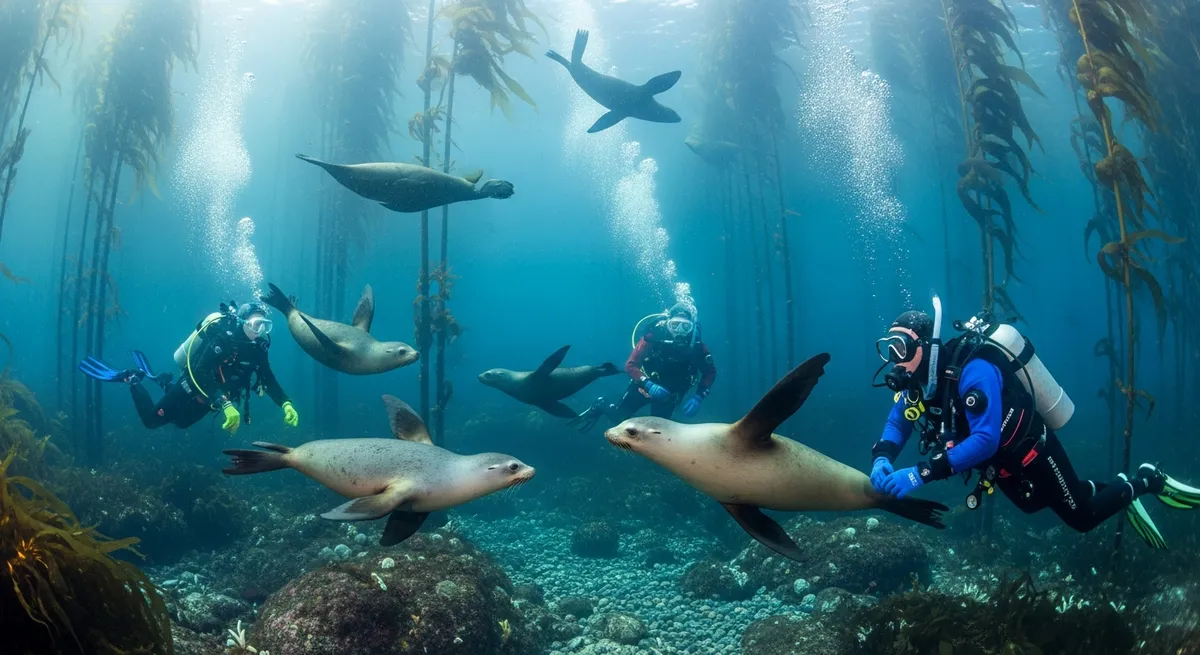
Argentina might not be the first place that springs to mind for a dive trip, but trust us, it’s got some truly memorable cold-water diving experiences. Forget tropical reefs; here, it’s all about dramatic landscapes and incredible marine mammal encounters. Puerto Madryn, in particular, is where we head for playful interactions with sea lions and the sheer spectacle of southern right whales cruising past. For something completely different, the rugged coastlines of Tierra del Fuego near Ushuaia offer dives in a truly wild, remote setting, often surrounded by Magellanic penguins. We’d suggest aiming for late spring through early autumn, roughly October to April, to catch the best of the wildlife and slightly calmer conditions, though "calm" is a relative term down here. It’s a place for divers who appreciate raw nature over technicolour corals.

Aruba
Caribbean
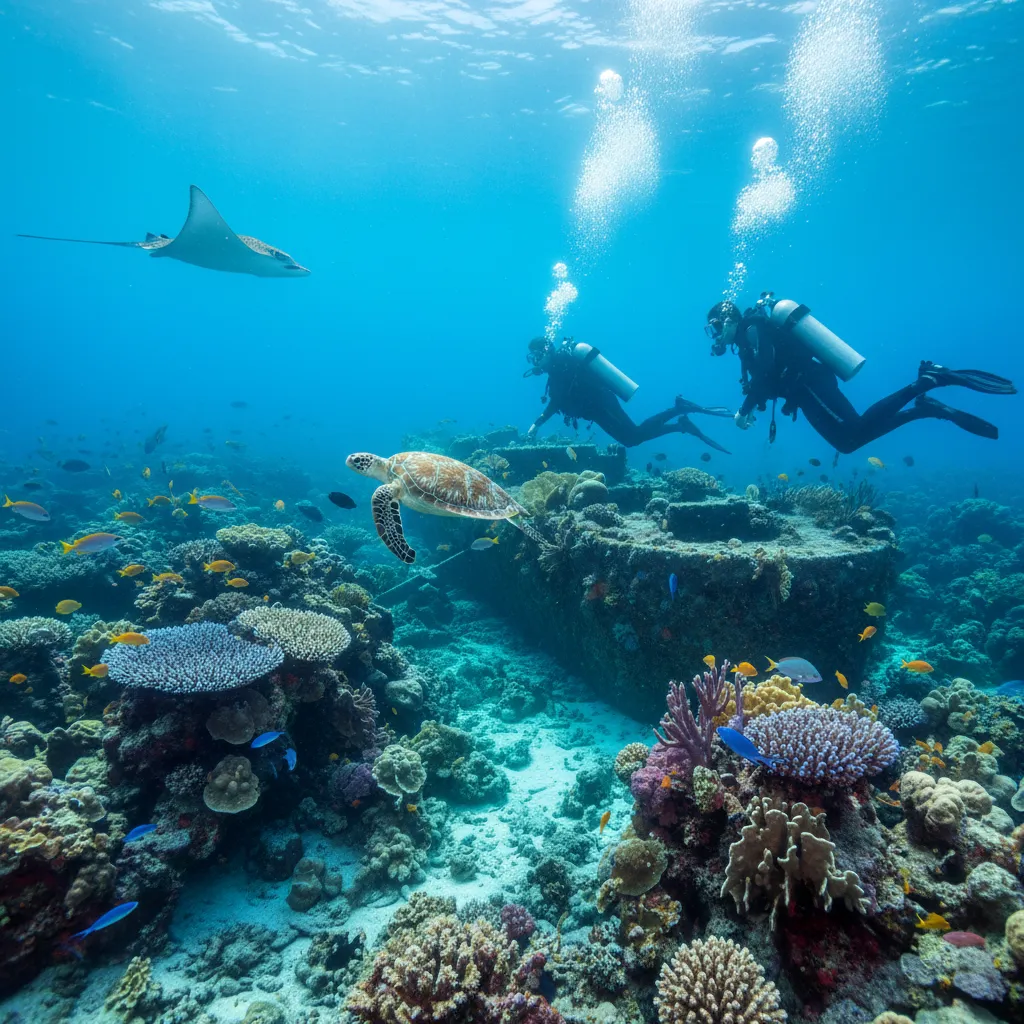
Aruba’s diving scene is, for us, all about the wrecks. The Antilla, a German freighter from WWII, is the biggest draw and we can see why. It’s huge, and you can spend an entire dive exploring its various sections, often surrounded by schools of snapper and barracuda. Beyond the Antilla, there are over a dozen other wrecks scattered along the calm leeward coast, making it a proper playground for anyone who loves exploring submerged history. We’ve found the year-round sunshine keeps the water reliably warm and visibility consistently good, rarely dipping below 20 metres. If you’re into macro, keep an eye out for banded jawfish peeking from the sand or the quirky fringed filefish near the reefs. It’s a solid, easy-to-dive destination, especially if wrecks are your thing.

Australia
Australasia
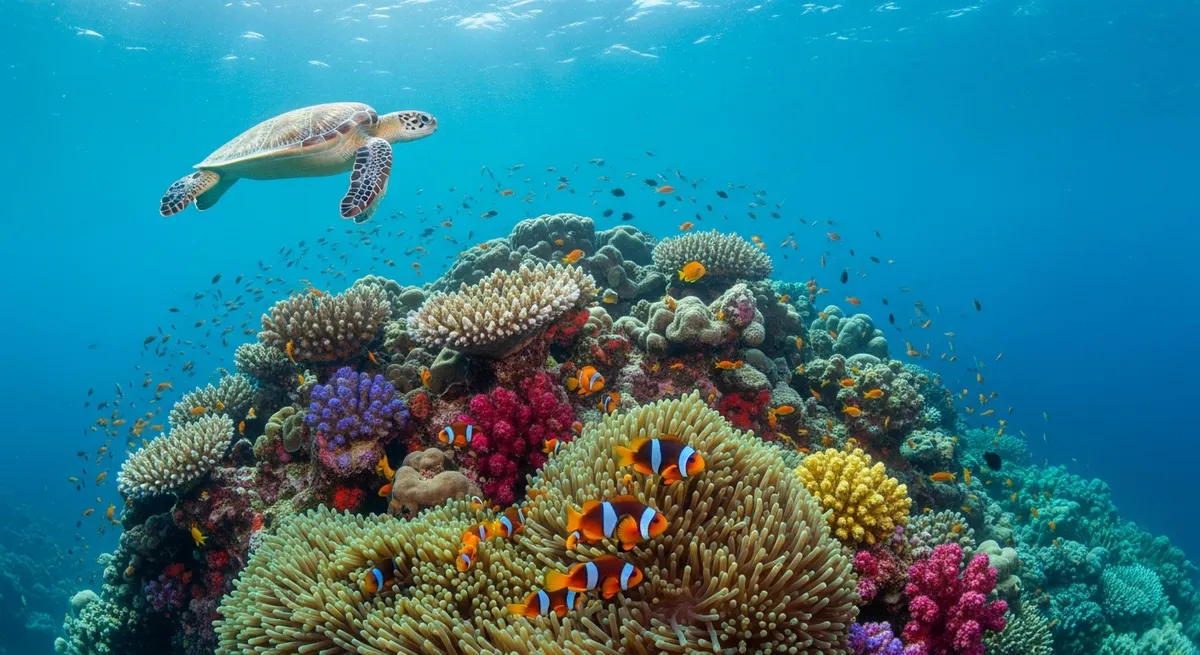
Australia isn't just the Great Barrier Reef, though that sprawling wonder certainly deserves its reputation. We're talking a continent that stretches from the tropical north, where whale sharks cruise Ningaloo and the Coral Sea's walls drop into the abyss, all the way to the chilly southern waters where leafy sea dragons drift amongst kelp forests. For us, the sheer variety is what truly sets it apart; you could spend a lifetime exploring and still find new things. If you’re planning a trip, consider splitting your time. The northern reef systems, like the GBR and Coral Sea, are best in the dry season (June-October) offering consistent conditions and big pelagics. But don't overlook South Australia for its dramatic wrecks and unique temperate species, or Western Australia for its remote, pristine atolls like the Rowley Shoals - a truly wild experience for the adventurous. Just be prepared for long journeys; Australia is vast, and getting to some of the best spots takes time and effort, but we promise, it’s always worth it.
Bahamas
Caribbean
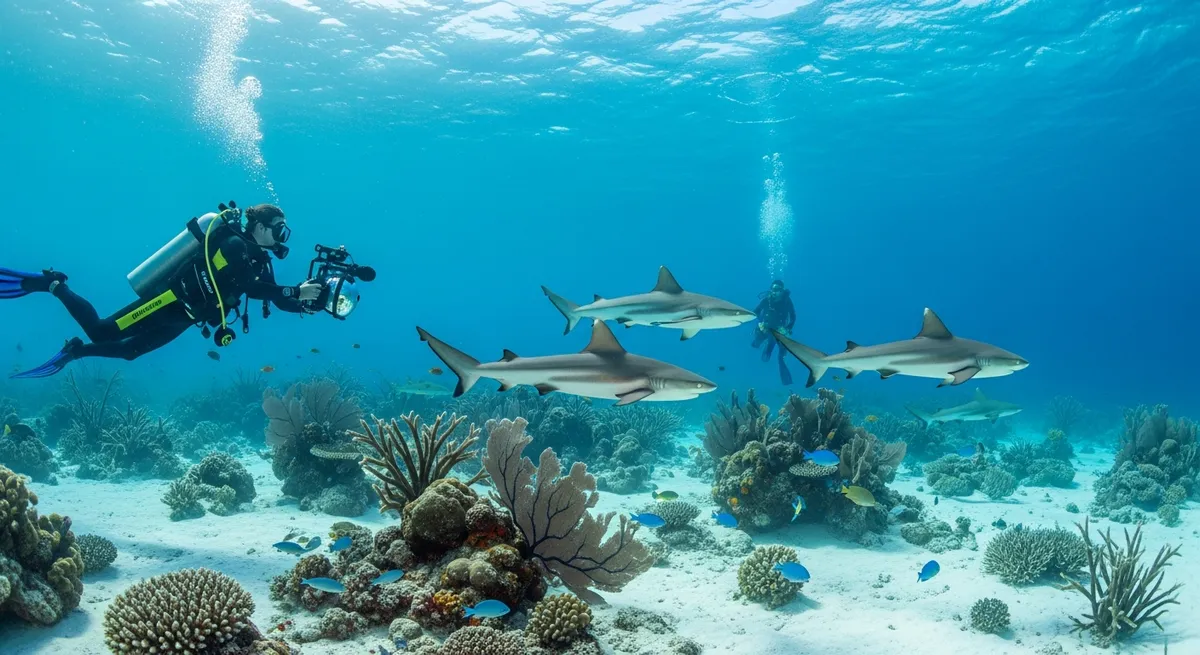
The Bahamas just hits different, doesn't it? We’re talking about a country that truly understands big animal encounters, particularly sharks. If you’re not tracking hammerheads in Bimini or dropping in on oceanic whitetips off Cat Island in spring, you’re missing a huge part of what makes diving here so special. Beyond the toothy grins, there are mind-bending blue holes in Andros, and the Exumas offer drift dives through gin-clear cuts loaded with schooling fish. Visibility is consistently great, making the sheer scale of the reefs, like those in the Tongue of the Ocean, all the more impressive. We’d suggest focusing on the outer islands for the real magic, leaving Nassau for a quick stopover.

Barbados
Caribbean
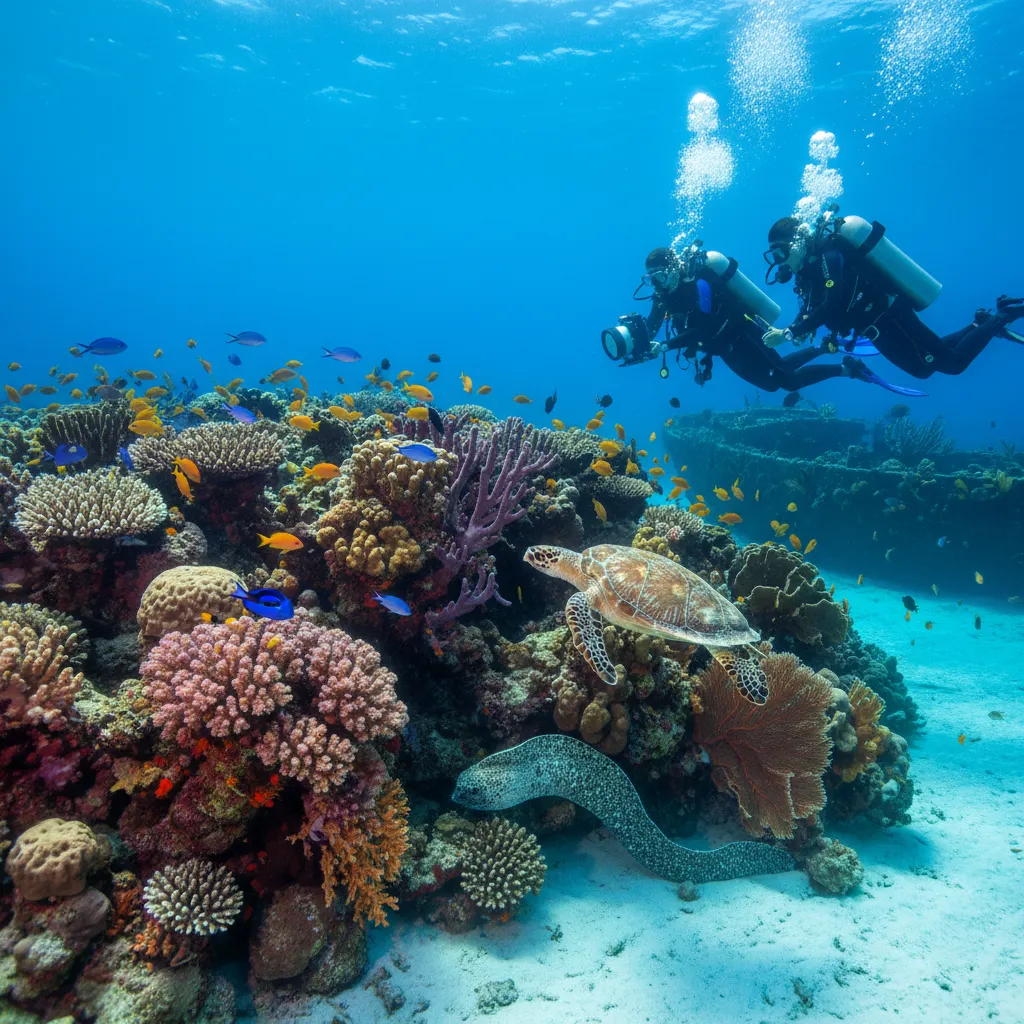
Barbados often gets overlooked for its flashy neighbours, but we've always found it a solid bet, particularly for wrecks. The south and west coasts are where you'll spend most of your time, offering a good mix of purpose-sunk vessels. We love the Stavronikita, a Greek freighter that's become a thriving artificial reef, full of schooling tarpon and the occasional turtle gliding past. Visibility is generally good year-round, though the calmer seas of summer make for an easier ride out. Beyond the metal, keep an eye out for some of the island's more unusual residents, like the pale cardinalfish, tucked into crevices, or the surprisingly shy dark-spotted snake eel peeking out from the sand.
Belize
Central America
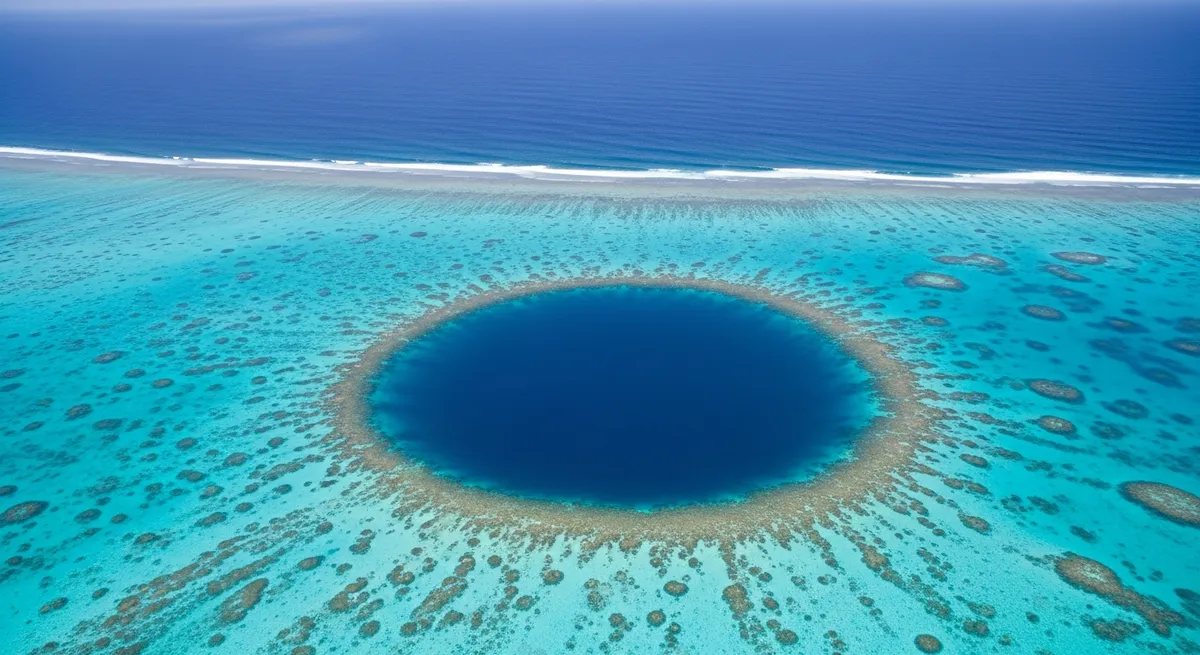
Belize diving feels like stepping back into a classic Caribbean scene, before the crowds found every quiet corner. We head here for the barrier reef, the second largest in the world, which delivers consistent wall dives and healthy, sprawling coral. Out at Lighthouse Reef Atoll, the Blue Hole is the obvious draw, and we've done it, but Half Moon Caye's vertical drops and resident sharks are often more memorable. Glover's Reef Atoll is our pick for liveaboards, offering truly remote diving and a slower pace. The dry season, roughly December to May, generally means calmer seas and better visibility, making it the sweet spot for exploring Belize's underwater tapestry.

Bermuda
Caribbean
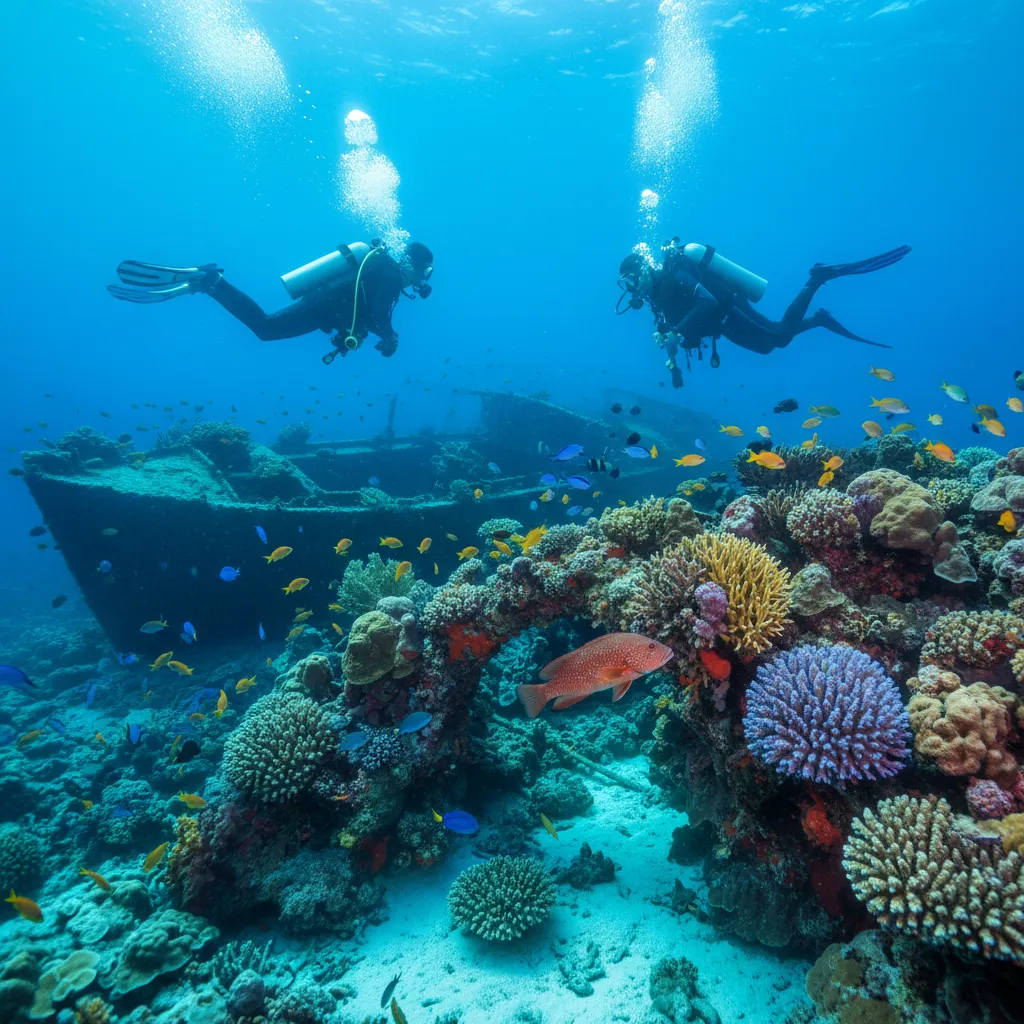
Bermuda, for us, is all about the wrecks. They’re everywhere, scattered across that shallow reef platform, and the history beneath the waves here really is palpable. We’ve found ourselves lingering over old steamships and sailing vessels, imagining their last moments, and the sheer number of them, over 300, means you can dive a different one every day for weeks. The clarity of the water helps, often offering 30-meter visibility, letting you take in the full scale of these artificial reefs. While the shipwrecks are the main draw, don’t overlook the reefs themselves. Being the northernmost coral system in the Atlantic, you get a cool blend of tropical fish darting amongst more temperate species - we’ve seen Creole Wrasse alongside Glaucus nudibranchs. The South Shore tends to be our pick for dramatic reef structures, while the Western Blue Cut offers some deeper exploration. We think late spring through early autumn is prime time for calm seas and comfortable water temperatures. Just remember, those currents can sometimes be a bit zippy, so pay attention to your dive brief.
Bonaire
Caribbean
Bonaire earns its 'shore diving capital' title honestly, with yellow rocks marking entry points for 80-plus sites along the coast. The sheer accessibility is what makes it special; we love the freedom of gearing up at your own pace, slipping into the water, and surfacing when you’re done, often right in front of your accommodation. Most of the action is along the west coast and around Klein Bonaire, where the reefs stay healthy and the fish populations, like the endless schools of Sergeant Majors or cruising parrotfish, are consistently good. It’s not about huge pelagics here, but rather the smaller, unique critters - we’ve spent hours hunting for Bearded Fireworms or watching Spotfin Dragonets on a night dive. Conditions are pretty consistent year-round, warm water and generally mild currents, making it an easy trip any time.

Brazil
South America
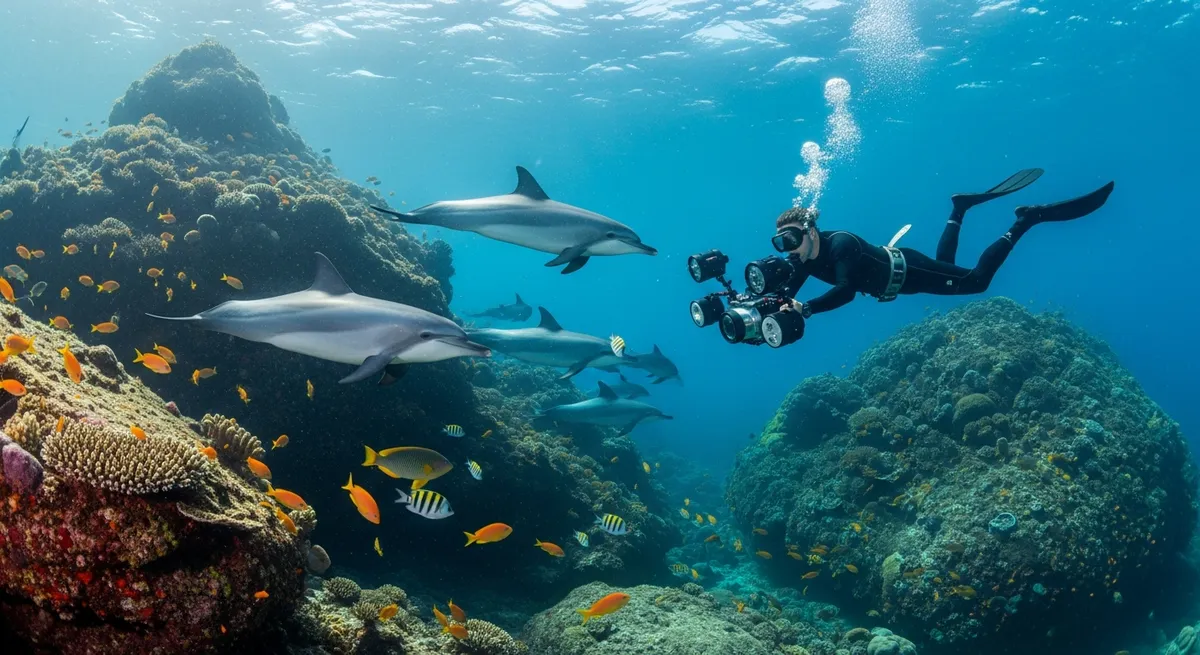
Brazil for diving means choices, often wildly different ones depending on where you land. If we’re talking about the best of the best, Fernando de Noronha is where you’ll find us, with those spinner dolphins putting on a show and the water so clear it feels like you’re flying. It’s an archipelago that really stands out, especially for its pelagic action. Beyond Noronha, the Abrolhos National Marine Park is essential, primarily for the humpback whale breeding season, usually July through November. We’ve seen them there, and it’s an emotional experience, truly something special. Down south, places like Arraial do Cabo offer cooler water and different species, like the occasional Southern Right whale passing through. The diving here isn’t always postcard perfect like some Caribbean spots; conditions can vary, currents can be strong, and some sites are weather dependent. But for sheer biodiversity, particularly the Atlantic species, and the chance to combine your diving with some incredible topside adventures, Brazil has a lot going for it. We love the feeling of discovery here. It’s a country that keeps giving.

British Virgin Islands
Caribbean
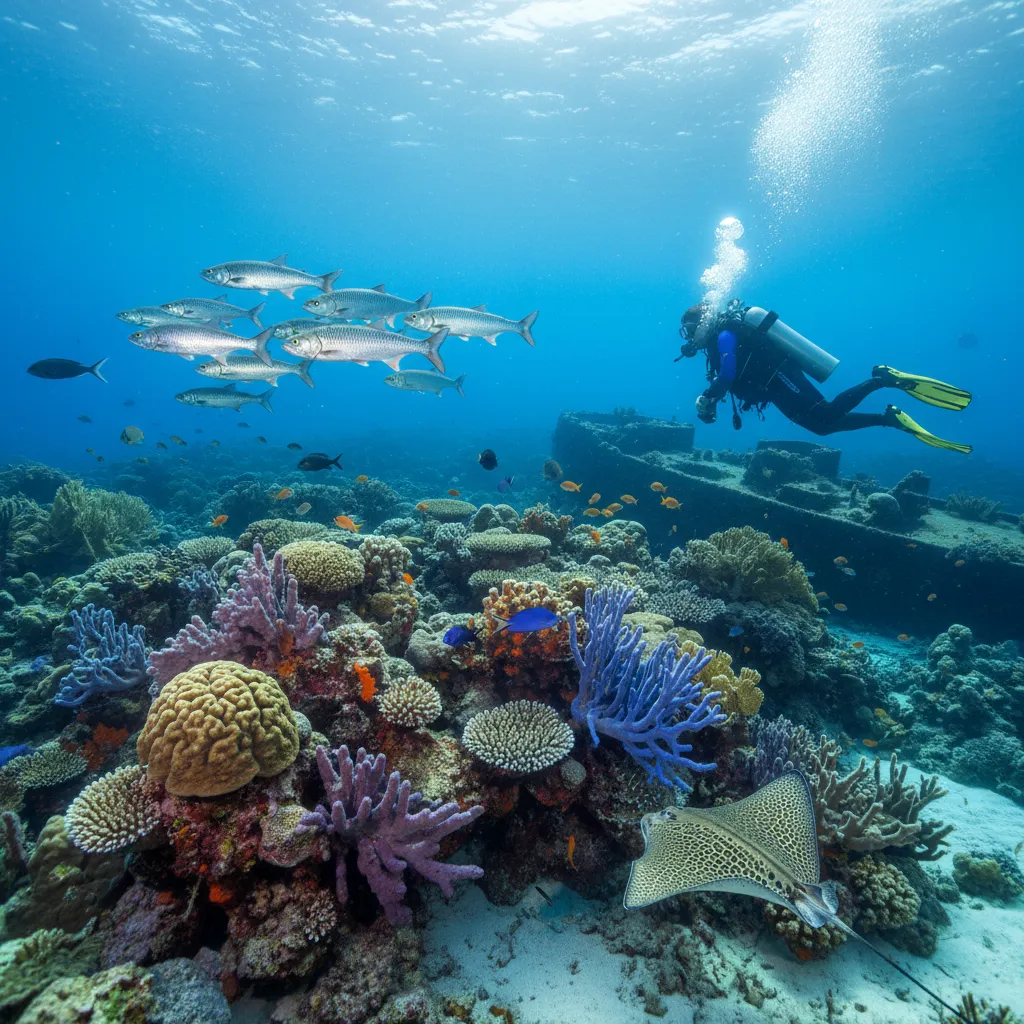
The British Virgin Islands are about laid-back boat diving and the sheer joy of being on the water all day. We find the liveaboard experience here particularly good, letting you hop from one island to the next with ease. Salt Island and Cooper Island are our top picks for good reason, home to the RMS Rhone, a wreck that genuinely lives up to its reputation. Swimming through its broken sections, seeing barracuda hang motionless in the current, it’s a proper expedition. Virgin Gorda and Anegada also offer some rewarding dives, especially if you’re keen to spot a scalloped hammerhead or a tarpon cruising the reef edge. Visibility is usually excellent, and the reefs feel healthy, often with dense schools of bicolor damselfish flitting among the corals.

Cambodia
Southeast Asia
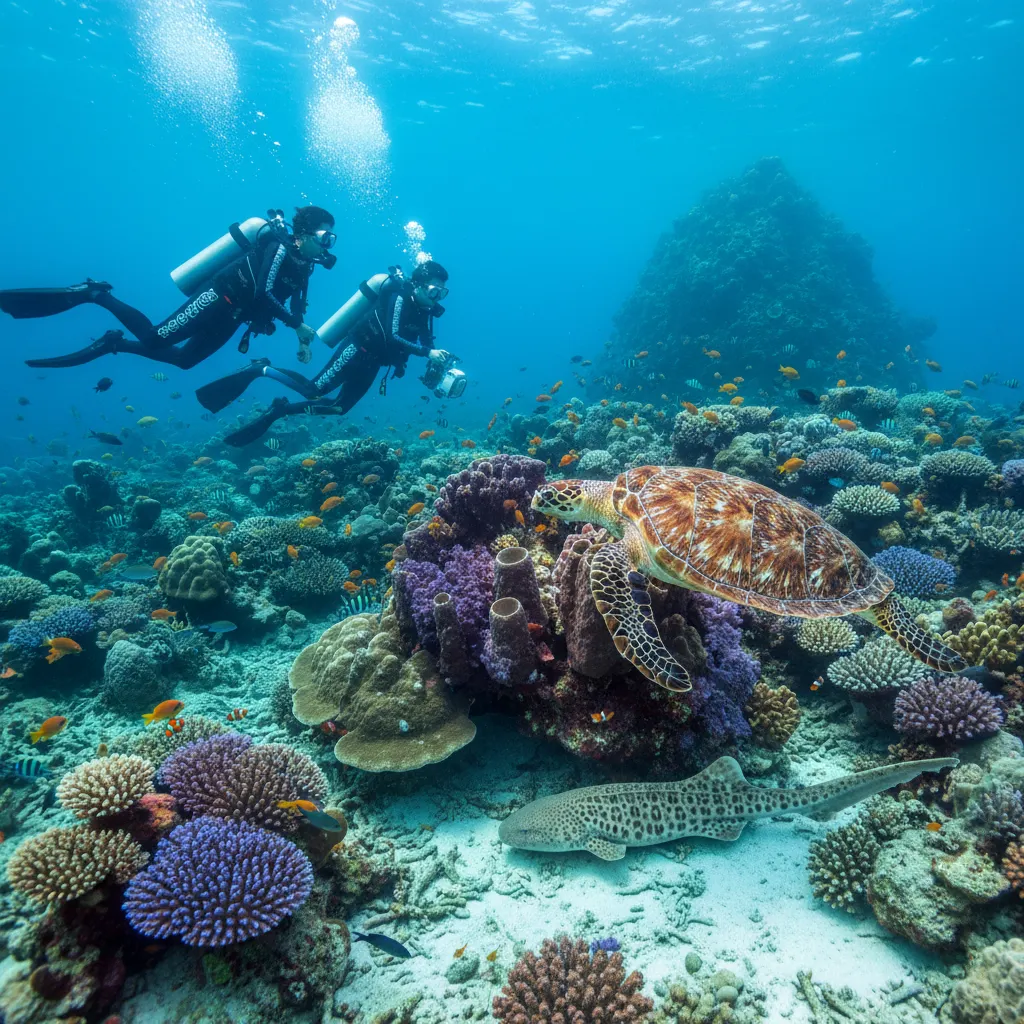
Look, we’ll be straight with you, Cambodia isn’t going to rival Raja Ampat for coral health or the Philippines for sheer number of species, but it absolutely holds its own unique charm. Think of it as Southeast Asia’s quiet achiever. The Koh Rong Archipelago is your go-to for easily accessible diving, with healthy stretches of reef still recovering and plenty of macro life if you take your time. We’ve found cleaner wrasse diligently working, horseshoe crabs plodding along the sand, and those shy pink anemonefish tucked into their homes. For something a bit more adventurous, and where Cambodia truly shines, head out to Koh Tang and the more distant offshore islands. The boat ride can be a bit of a commitment, but the reward is often clearer water and bigger schools of fusiliers. We’ve spotted narrow-barred Spanish mackerel darting through, and the deeper sections can reveal sharptooth snappers. Visibility is generally best from November to May, before the heavier rains stir things up. It’s a developing dive destination, for sure, but that’s part of its appeal - you’re often sharing the sites with just a handful of other divers, which we always appreciate.

Canada
North America
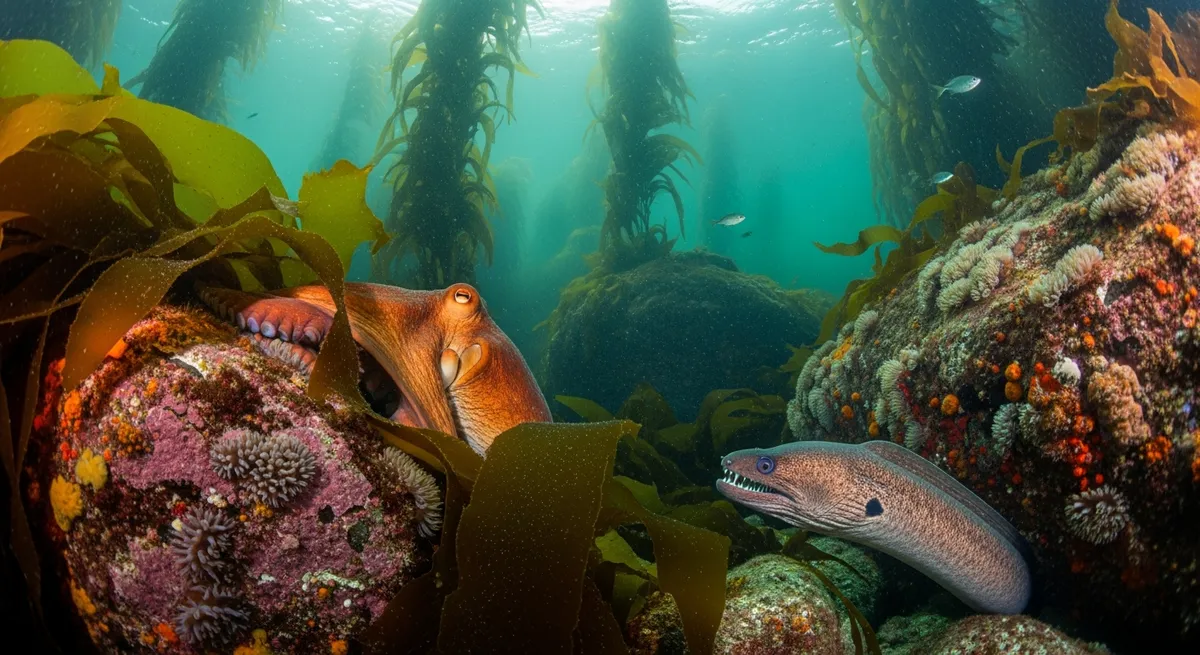
Canada isn't your typical tropical dive, and that's precisely its charm. We love it for the sheer variety of cold-water experiences, from the dramatic fjords of British Columbia to the surprising freshwater wrecks of the Great Lakes. If you're after something truly wild, head west for the Pacific's monstrous octopuses and wolf eels, best seen when the plankton blooms settle in late summer and fall, giving you decent visibility. Out east, the Atlantic provinces deliver wreck diving with a side of seal encounters; the Bay of Fundy, in particular, has some serious current, so time your dives. It’s a place for robust drysuit diving and spotting species you won't find anywhere else, like the quirky Newfoundland Eelpout.

Cape Verde
Indian Ocean & East Africa
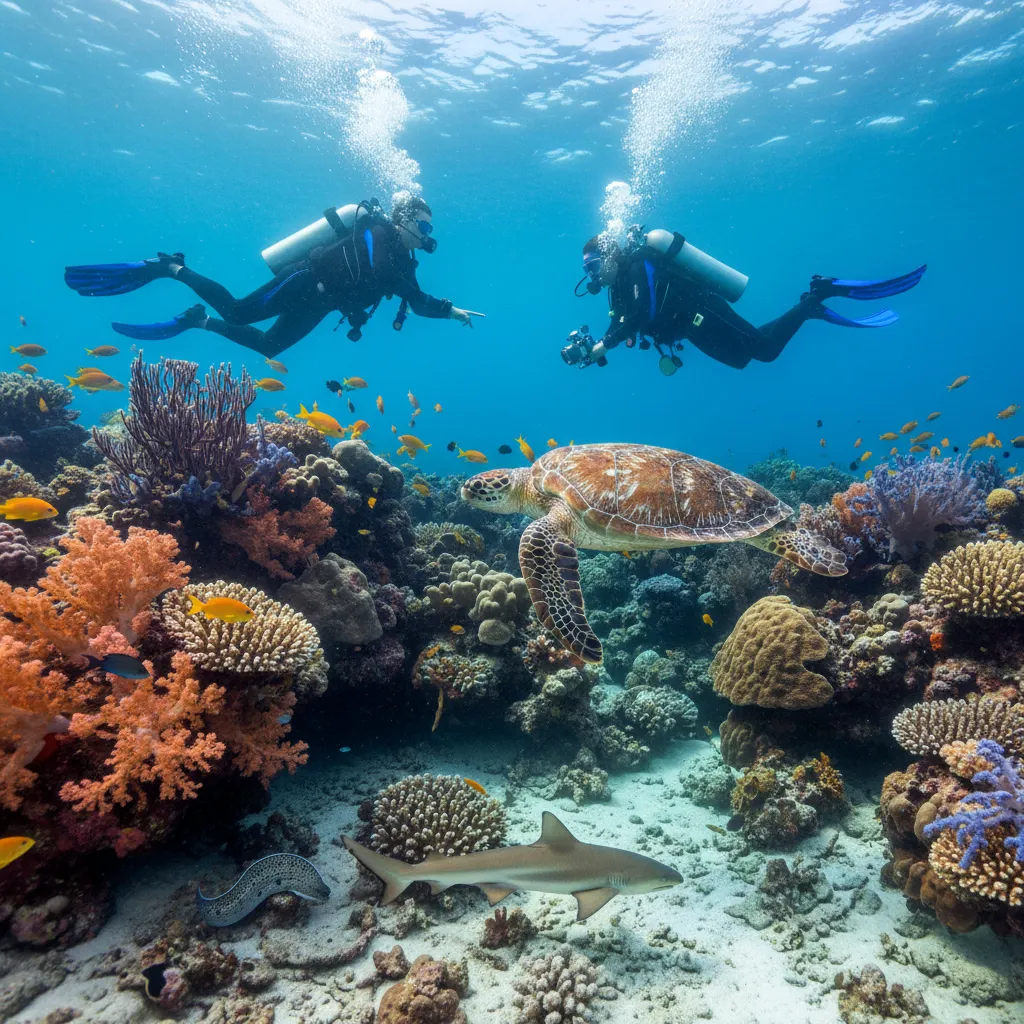
Cape Verde, sitting out in the Atlantic, feels a little different from your usual tropical dive spot. Here, it’s not just about the corals, though there are some interesting hard corals. What really gets us excited are the pelagics and those dramatic volcanic landscapes. We’ve had incredible encounters with whale sharks and manta rays here, especially around the nutrient-rich upwellings that bring in all the bigger stuff. Boa Vista and Sal are your go-to islands for established dive operations and a good variety of sites, from wrecks to lava formations. We’ve found the best visibility and conditions generally run from May to October, but you can dive year-round. Expect to see schools of blue runners, the occasional swordfish streaking by, and those curious Bastard soldierfish peeking from crevices. Exploring the underwater caves and swim-throughs formed by ancient lava flows is a highlight, a really unique sensation you don’t get everywhere.
Cayman Islands
Caribbean
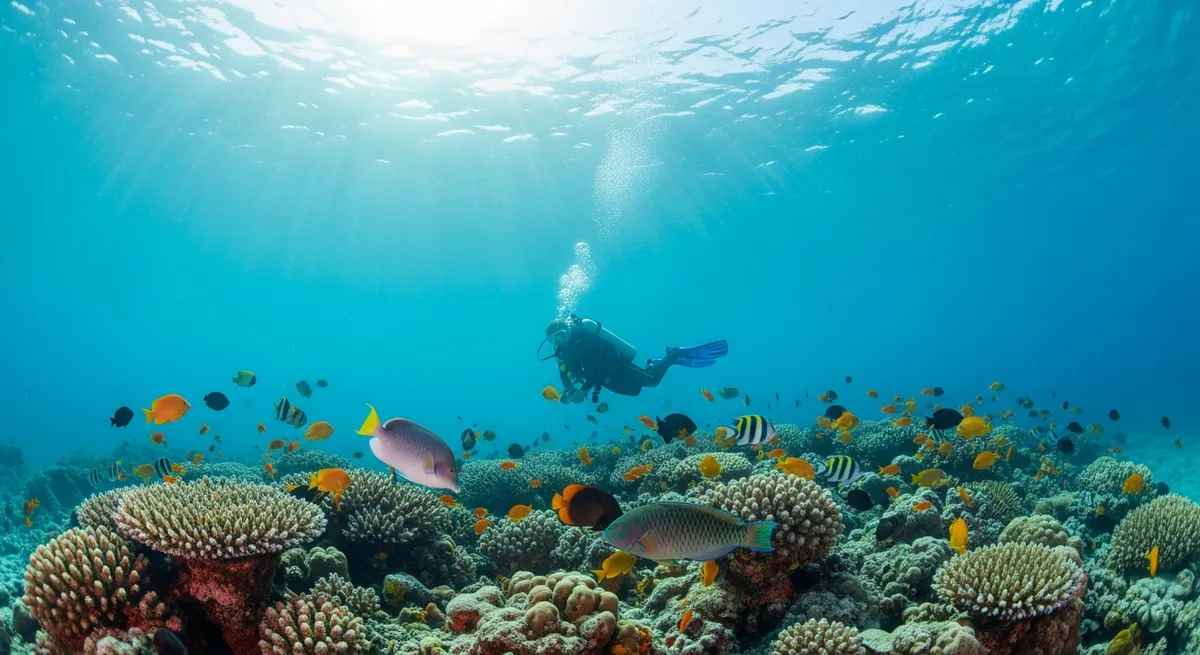
The Caymans feel like home, in a good way. We’ve logged more bottom time here than almost anywhere else in the Caribbean, and for good reason: the wall diving is simply magnificent. Grand Cayman delivers on classic Caribbean drift dives along dramatic drop-offs, often with sharks cruising the blue and schools of horse-eye jacks swirling off the points. Little Cayman, though, is where we tell our friends to go. Bloody Bay Wall, particularly the section around Jackson’s Bight, provides those glorious, long hang-time dives with turtles, eagle rays, and often a nurse shark or two peeking out from under a coral head. If you’re really lucky, you might even spot a Glaucus nudibranch drifting by, a genuine treat. Summer is usually calmer, but the diving is good year-round.

Chile
South America
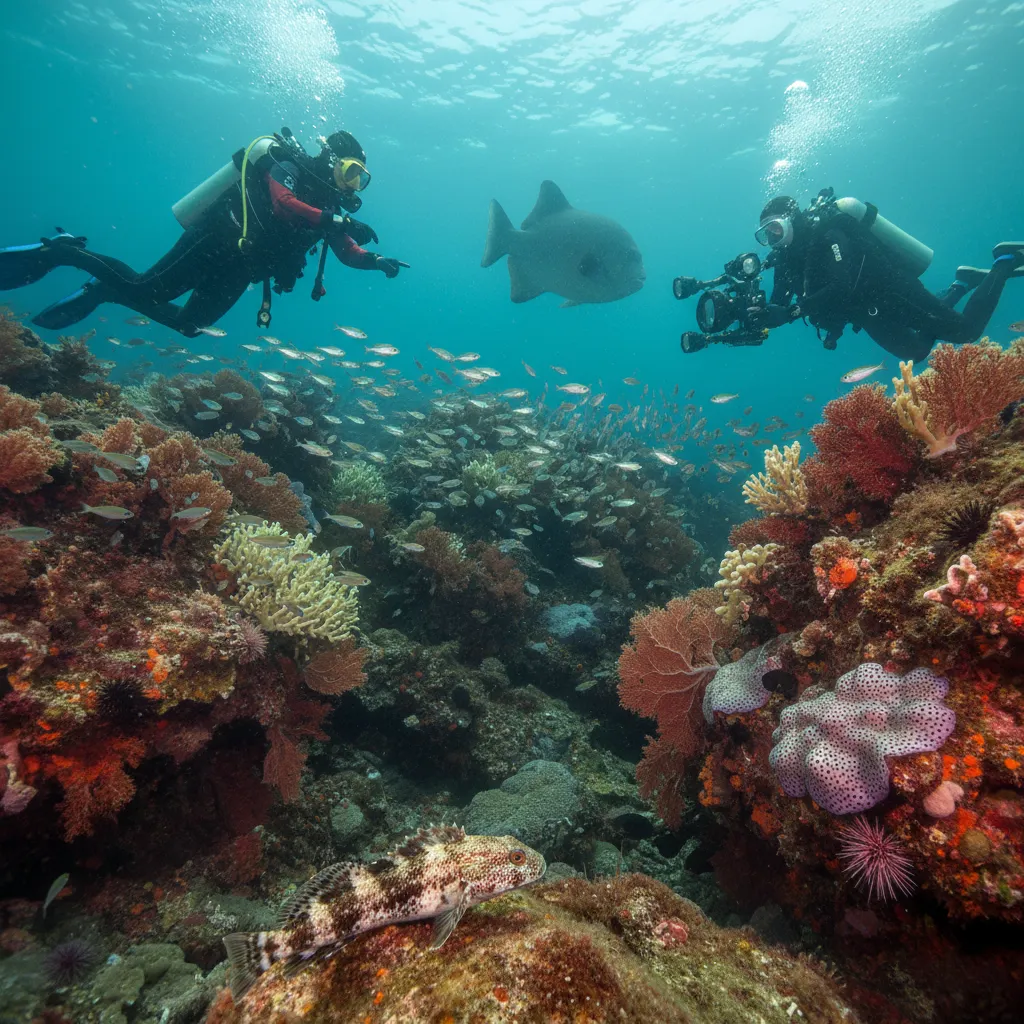
Chile isn't your typical Caribbean dive trip, and that's precisely why we love it. This is a destination for the adventurous, for those who appreciate the unique over the uniform. We're talking about two vastly different, utterly compelling sub-regions: the remote, volcanic wonder of Easter Island, or Rapa Nui as the locals call it, and the isolated biodiversity hotspot of the Juan Fernández Islands. Easter Island brings astonishing visibility, often exceeding 40 metres, alongside dramatic underwater lava formations and a surprising number of endemic species you won't spot anywhere else. Imagine diving alongside an underwater Moai, its silent gaze following you through the blue. The Juan Fernández archipelago, a UNESCO Biosphere Reserve, offers a completely different vibe, with kelp forests, fur seals, and the chance to encounter species like the curious Juan Fernández fur seal. Forget the tropical fish clichés; here, it's all about the odd, the endemic, and the extraordinary. We’d suggest visiting between November and March for the warmest water and best conditions.

Colombia
South America
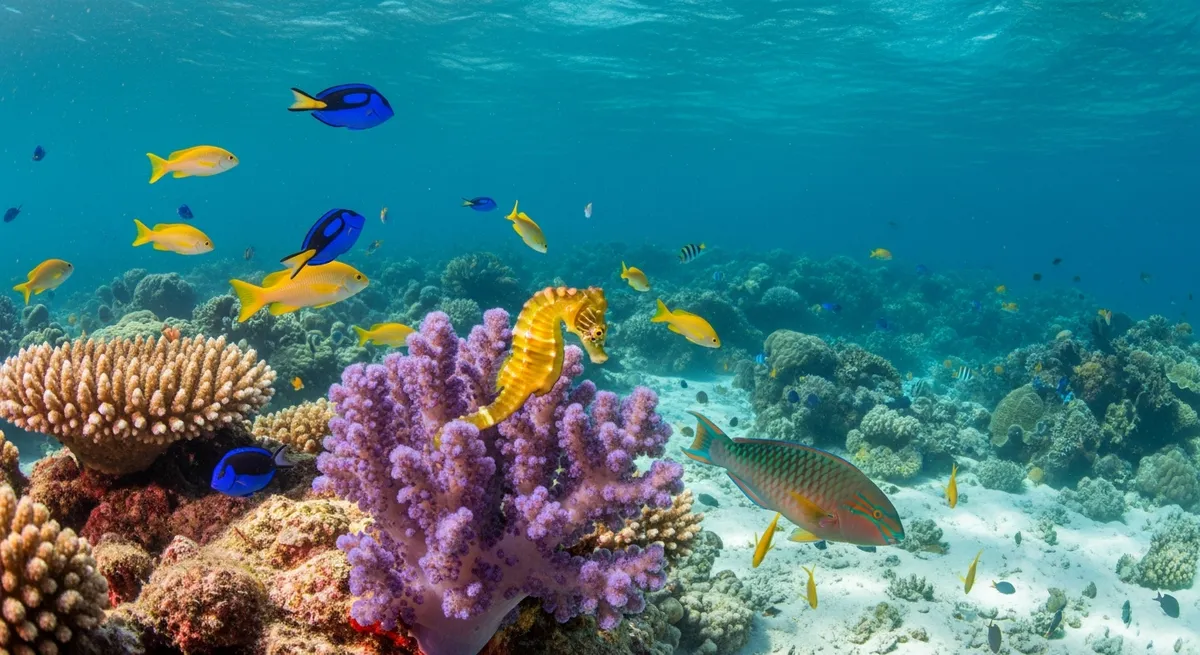
Colombia is a country that’s only just started to properly reveal its underwater secrets, and frankly, we’re thrilled about it. For years, Malpelo Island has been the poster child, a truly spectacular volcanic outcrop far out in the Pacific where you’re practically guaranteed to see hundreds of hammerheads and silky sharks cruising by. But there’s so much more. On the Caribbean side, places like San Andrés and Providencia dish out classic reef diving, all vibrant corals and slow drifts over the sand, perfect for spotting parrotfish and angelfish. Santa Marta and Tayrona offer a different vibe, with rocky reefs and a chance to dive into the national park's protected areas. The Pacific coast, especially around Gorgona Island, throws up bigger pelagics, with whale sharks and humpbacks making appearances depending on the season. If you’re looking for big animal action, we’d suggest August through October for Malpelo, when the hammerheads are really schooling. Currents can be fierce there, though, so it's not a spot for the faint of heart. Overall, Colombia feels like a proper adventure, a place where you’re still discovering new things on every trip.

Comoros
Indian Ocean & East Africa
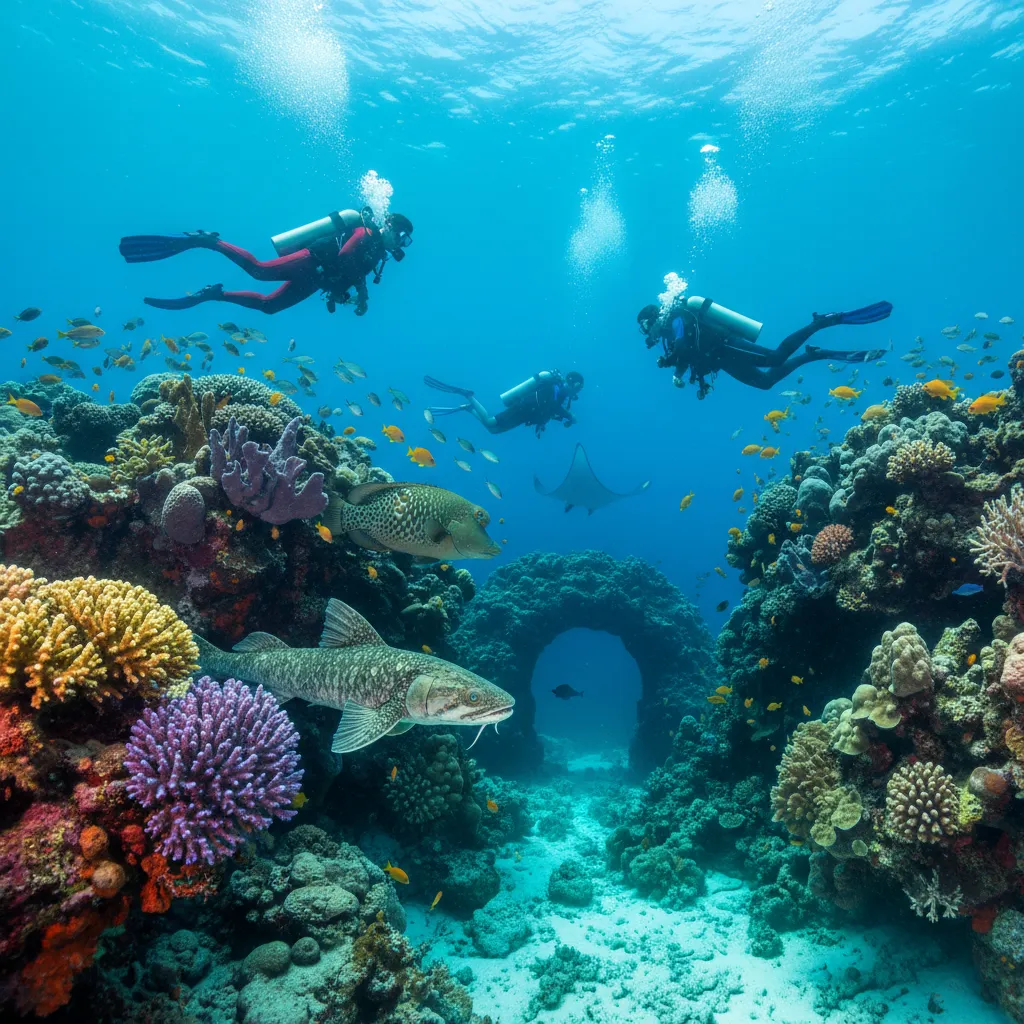
Comoros, way out in the Indian Ocean, feels like the edge of the map, and that’s precisely its draw for divers. We're talking proper expedition diving here, where you’re more likely to be sharing the water with a pod of dolphins than another dive boat. Moheli, in particular, is where we head for a real adventure, with its dramatic volcanic drop-offs and the chance of spotting a coelacanth, though those are deep and rare. What truly sets Comoros apart is the sense of discovery, the reefs are in incredible shape, full of staghorn and honeycomb corals, and the sheer number of blennies and triplefins darting about keeps things interesting. Head there between July and November for the best shot at calm seas and those legendary whale encounters.
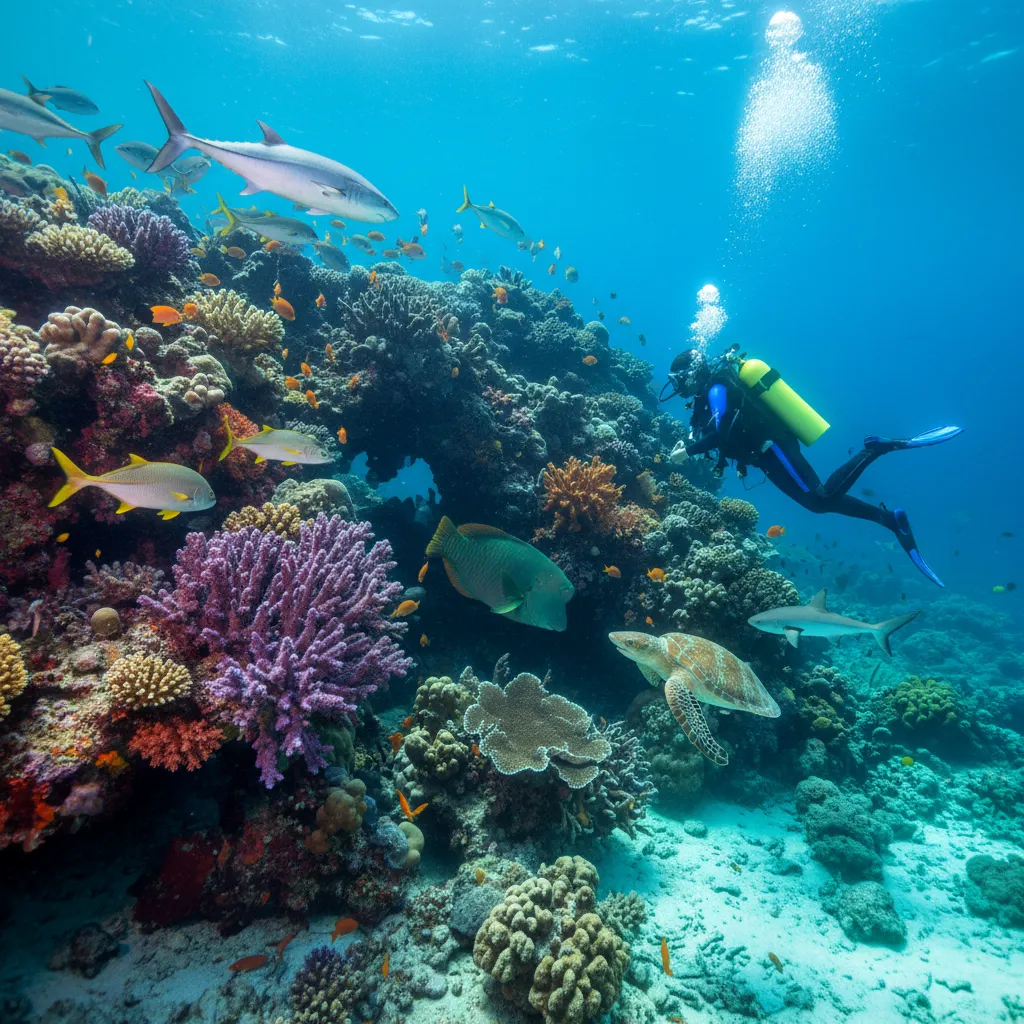

Cook Islands
Central & South Pacific
The Cook Islands might not be the first place that springs to mind for a dive trip, but that’s exactly why we love it. Rarotonga, in particular, offers some surprisingly dramatic wall dives and swim-throughs just a stone’s throw from shore, without the crowds you’ll find elsewhere. Think visibility that regularly pushes 30 meters, even 40 on a good day, opening up those deep blue chasms and revealing reef sharks cruising the current. Our pick for a standout experience would be drifting one of the many outer reef passages, keeping an eye out for the endemic species like Thomas’ Triplefin, or spotting a giant Black Teatfish on the sand. The dry season, roughly May to October, brings the calmest conditions.
Costa Rica
Central America
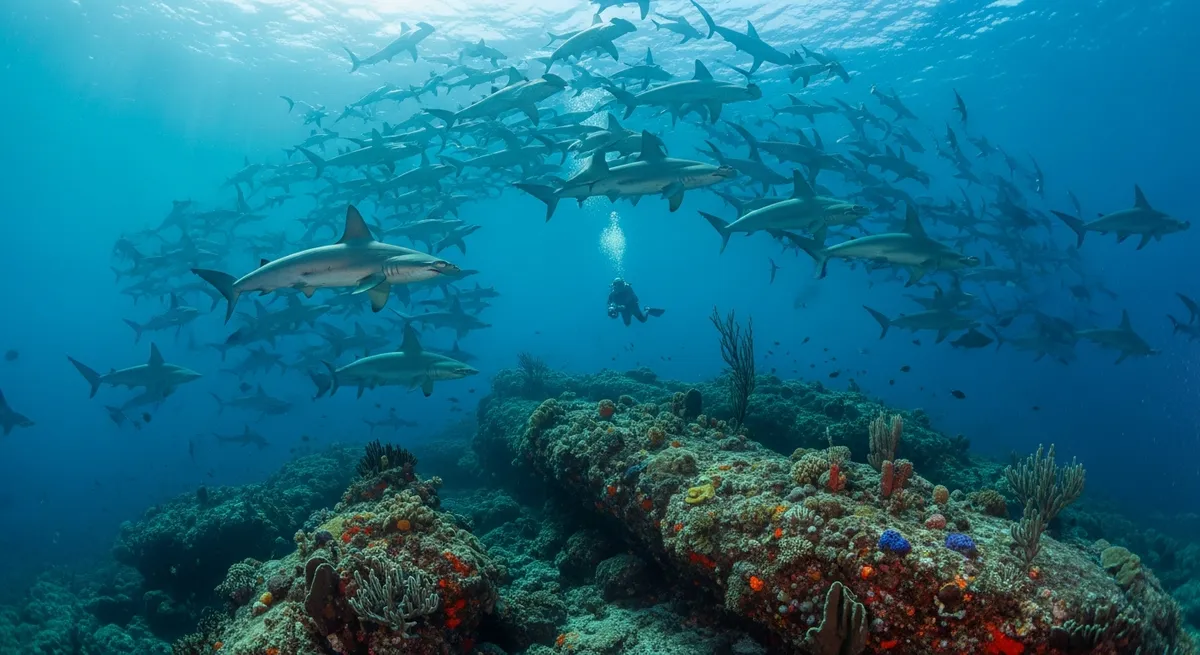
Costa Rica is really a tale of two very different diving experiences, and to be honest, it’s all about Cocos Island. Yes, the mainland Pacific coast out of Guanacaste has its moments, with schooling mobula rays and the occasional whale shark if you’re lucky, but we find the real draw here is that remote, rugged island. Cocos is an honest-to-goodness pelagic magnet, a place where you dive into hundreds of hammerheads circling overhead, the water thick with them. We’re talking big animal action, often with some current to contend with, so it's best for experienced divers. Forget the Caribbean side; that's more for mellow reef dives if you happen to be in the area, but it won't be the main reason you fly all this way. If you want those epic, bucket-list encounters, save up for a liveaboard to Cocos; it’s an investment, but the payoff is substantial.

Croatia
Mediterranean & Europe
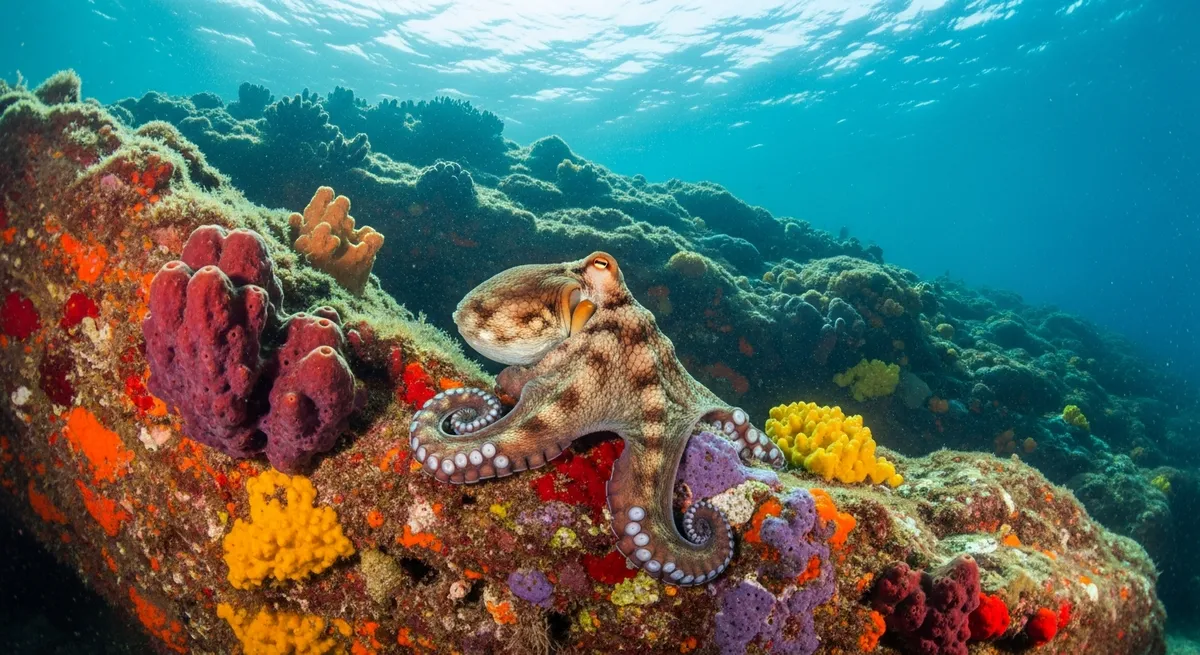
Croatia isn't your typical tropical dive destination; it's a place we keep coming back to for its sheer geological drama and layers of history. We’re talking about a coastline peppered with caves, dramatic walls, and an impressive collection of wrecks - a truly varied dive profile. For the best of it, head to Vis and Biševo for the caves and deep blue, or the Kornati Islands if you want to lose yourself in unspoiled rock formations. Summer offers the warmest water and best visibility, though spring and autumn can be glorious with fewer crowds. Diving a WWII wreck, then surfacing to an ancient walled city, really sums up the experience here.
Cuba
Caribbean
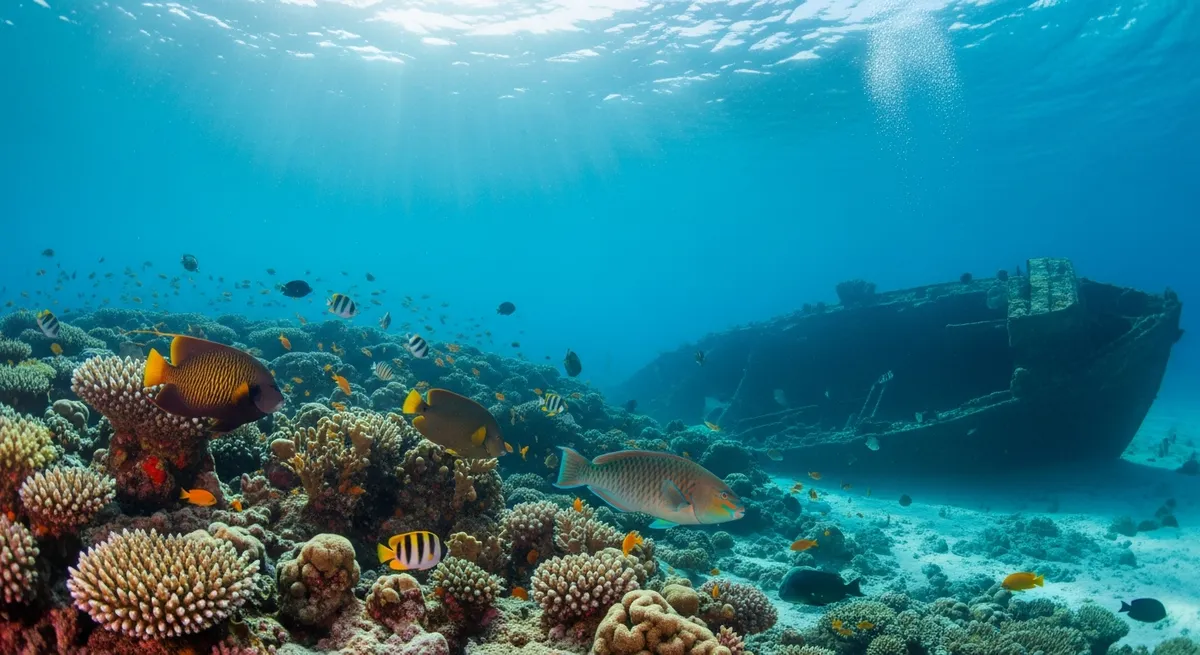
Cuba’s diving feels like stepping back in time, and we mean that in the best way. Sure, some of the dive ops might be a little rough around the edges, but that’s part of the charm, and it means the reefs themselves are generally in fantastic shape. We love the dramatic wall diving off María la Gorda in the west, and the Bay of Pigs offers some unique shore entry opportunities into cenotes and calm reefs perfect for shaking off dive rust. But if you’re coming to Cuba for the big stuff, it has to be Jardines de la Reina. Think silky sharks, Caribbean reef sharks, and even crocodiles if you’re brave enough to try a surface snorkel encounter. Go liveaboard there for a week; it’s a completely different rhythm, isolated and wild. Vis is generally great year-round, but avoiding hurricane season from August to October is a smart move.
Curaçao
Caribbean
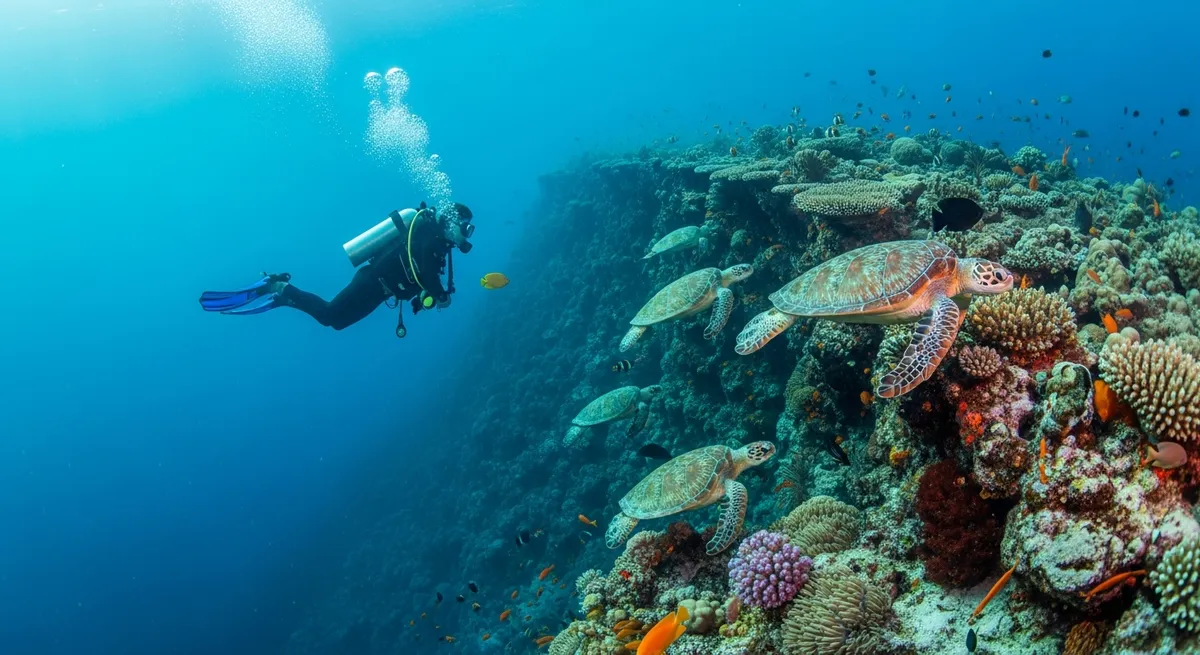
Curaçao is just… easy. That’s what we love about it. You can fly in, grab a rental car, and dive most of its 78 named sites right from shore. We found the southeast to have a slightly better density of dive shops, but the whole island pretty much delivers with good, healthy fringing reefs. The *Superior Producer* wreck, a cargo ship sunk intentionally in the 70s, is a genuinely moody dive, usually with plenty of tarpon lurking in its shadowed holds. For something completely different, don’t miss the Blue Room, a half-submerged cave where the light filters in, turning the whole space an electric blue. Visibility tends to be solid year-round, but avoiding peak hurricane season from August to October is always a smart move.

Cyprus
Mediterranean & Europe
Cyprus often gets pigeonholed as a Zenobia destination, and while that wreck absolutely delivers-it really is a superb dive, especially if you can hit it early before the crowds-there's more to the island if you know where to look. We tend to focus on the Larnaca area for the Zenobia, naturally, but Paphos and Coral Bay offer some surprising cavern and reef diving, often with better conditions in shoulder seasons. The Green Turtle sightings are a real draw, and we've had some fantastic encounters in the quieter bays. Visibility here is generally excellent through summer and into early autumn, making it a comfortable dive trip. For a Mediterranean spot, you’re looking at a decent number of sites, with a few real crackers beyond the famous wreck.

Denmark
Mediterranean & Europe
Forget those warm water assumptions you might have about Europe. Diving in Denmark is a different beast, more about history and hardy critters than coral. We head here for the wrecks, plain and simple - the sheer volume of them, scattered from the Viking era right through two World Wars, is incredible. The North Sea side, especially, can deliver some dramatic, current-swept dives on well-preserved ships, while Bornholm offers shallower, slightly calmer waters if you're keen on spotting those unique Baltic species like the Quagga Mussel or a Scale-rayed Wrasse. Summer brings the best visibility, but brace yourself for brisk temperatures; this is drysuit country for much of the year, and we wouldn't have it any other way.

Djibouti
Red Sea & Middle East
Djibouti is not for every diver, but for those seeking something genuinely different, it’s a revelation. We go for the young volcanic landscapes underwater, dramatic walls dropping into the deep, and the Red Sea corals that thrive without the crowds you find further north. The real draw, though, is the plankton bloom in the Gulf of Tadjoura from November to February, which brings in juvenile whale sharks - dozens of them, sometimes. It's an incredible experience, swimming with so many young sharks, a world away from the single adult you might spot elsewhere. Beyond the whale sharks, the sheer quiet of the reefs, the big argus groupers, and the intricate honeycomb corals make it a destination we think is worth the extra effort.

Dominica
Caribbean
Dominica isn't your typical Caribbean dive destination, and that’s precisely why we love it. Forget endless white sand beaches; here, the volcanic landscape plunges directly into the sea, creating dramatic walls, pinnacles, and even underwater hot springs that vent right from the seafloor. The Soufriere-Scotts Head Marine Reserve in the south is our pick for sheer variety, where sites like Soufriere Bay offer a chance to explore those bubbling thermal vents alongside healthy coral. You’ll spot some interesting critters too, like the shy brotula or a pygmy moray tucked into a crevice. Beyond the reefs, the chance to respectfully snorkel with sperm whales here is, for many, the ultimate experience - it’s powerful and humbling. We find the calmer conditions from November to May generally provide the best visibility for diving.
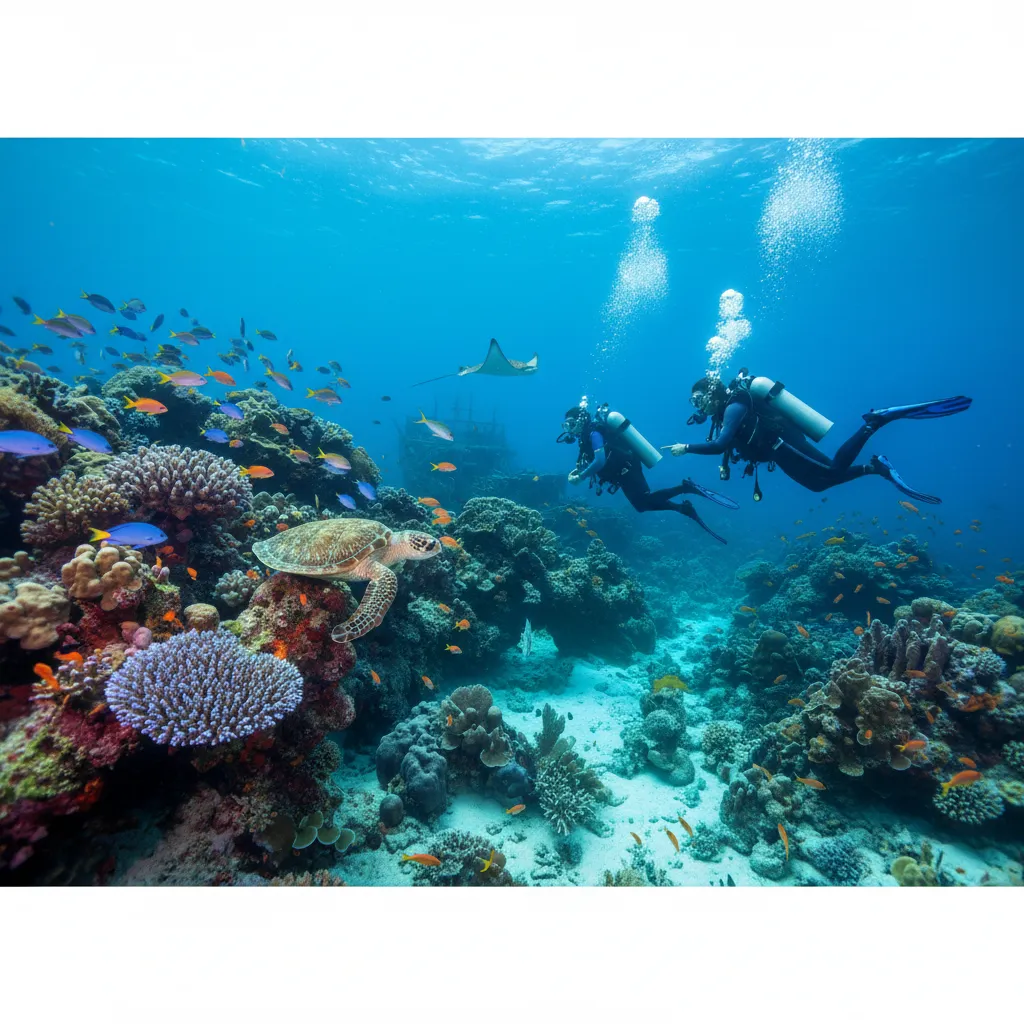

Dominican Republic
Caribbean
The Dominican Republic gives you a real mixed bag for diving, which we quite like. On the Caribbean side, Bayahibe and La Romana serve up those classic Caribbean vibes: calm, clear, and plenty of reef fish flitting around. We’ve seen everything from schooling grunts to playful hamlets there, and the underwater museum at Bayahibe adds a quirky element. Head north to Sosua and Puerto Plata, and you’re diving the Atlantic, which often means more dramatic topography and bigger currents, though the visibility can be less consistent. Our standout experience has to be the humpback whales at Silver Bank, an incredible place to snorkel with these giants during their breeding season. Best to aim for late winter to early spring for that. If it's just reef diving you're after, the south coast is good year-round, though hurricane season, from June to November, can bring unpredictable weather.
Ecuador
South America
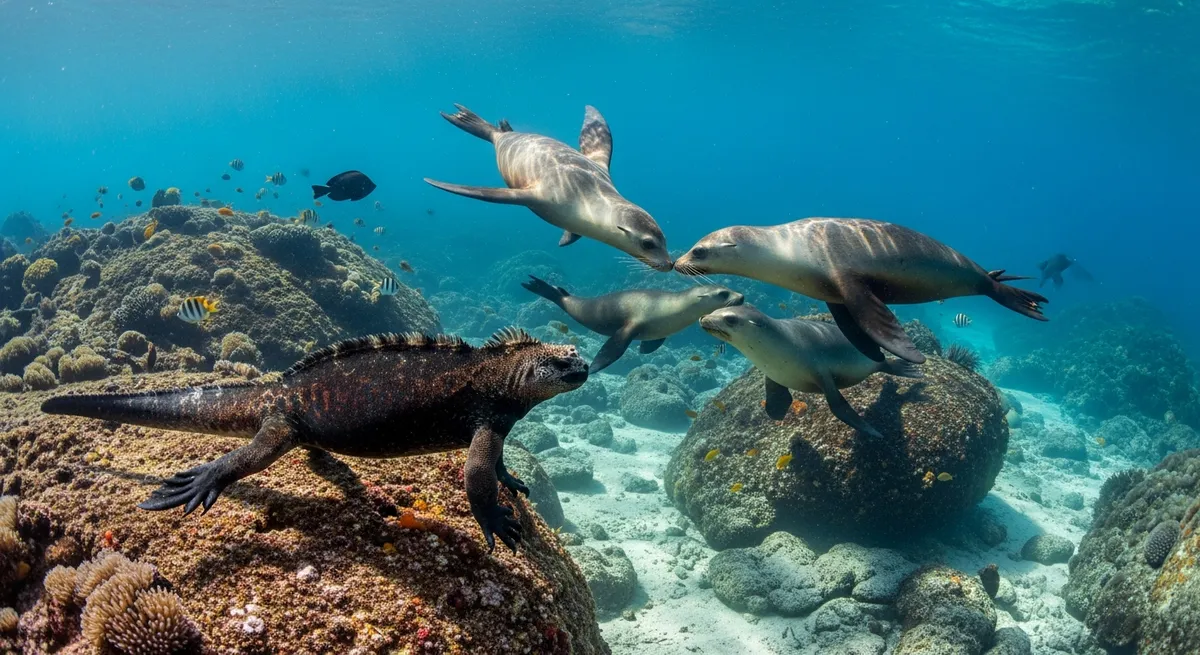
Ecuador, for most divers, means one thing: Galápagos. And honestly, it’s for good reason. Those central islands, particularly around Wolf and Darwin, deliver those heart-thumping pelagic encounters we all dream about - think schooling hammerheads, playful sea lions, and the sheer spectacle of marine iguanas foraging underwater. We’d suggest aiming for the warmer months, roughly December to May, for the best visibility, though the cooler season brings a greater chance of mola mola. Don't overlook Isla de la Plata off the mainland coast; it’s a compelling spot in its own right, especially for encountering oceanic manta rays without the full Galápagos price tag. While the mainland coast offers some interesting finds like the Blue Sea Catfish and Little Snook, the real draw, and where we’d focus our dive time, remains firmly out in the archipelago.

Egypt
Red Sea & Middle East
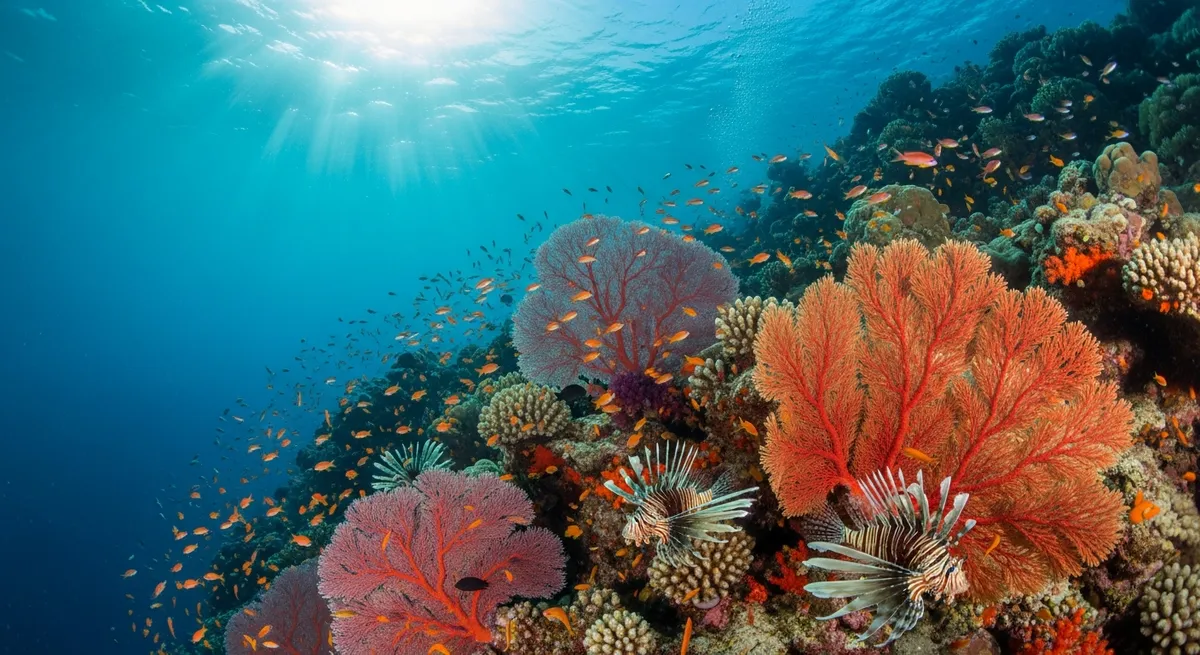
Egypt, for us, is one of those places you keep coming back to. The Red Sea is reliably warm, visibility is usually excellent, and the reefs are just packed with activity. If you're into wrecks, the SS Thistlegorm is legendary for a reason - diving those holds, seeing the trucks and motorbikes, it’s a proper step back in time. For pelagics, the Brothers Islands deliver, often with Oceanic whitetips making an appearance, but you need to be comfortable with current out there. We’d suggest spring or autumn for the best conditions, dodging the summer heat and winter winds.

Eritrea
Red Sea & Middle East
Eritrea is for divers who genuinely want to get off the grid. Forget dive centres and shore-side amenities here; we're talking full-on liveaboard adventures into the Dahlak Archipelago. It’s an archipelago of over 200 islands, many of them uninhabited, which means you’ll often have a site entirely to yourselves. Think untouched reefs, big schools of Arabian angelfish and blue-lined surgeonfish, and the occasional WWII wreck just waiting for you to explore. We’d suggest aiming for the cooler, drier months between October and April for the best visibility and calmer seas.
Fiji
Central & South Pacific
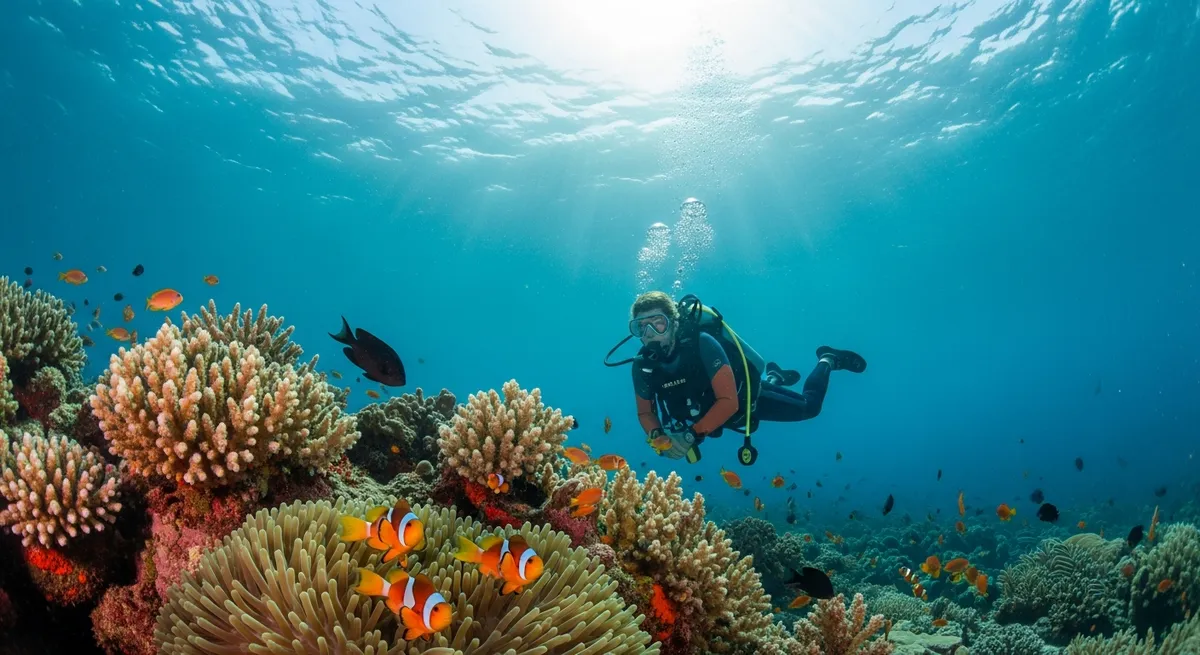
Fiji. Just saying the name makes you feel the warmth, right? We've clocked some serious bottom time here over the years, and it consistently delivers on the promise of vibrant, healthy reefs. If you’re into soft corals, the Somosomo Strait between Taveuni and Vanua Levu is your holy grail - the colours are just absurd when the current is running, schools of fusiliers so thick they block the light, and it’s a drift diver’s dream. Beyond the soft stuff, Bligh Water offers some serious pelagic action and deep pinnacles, while a trip down to Kadavu to explore the Great Astrolabe Reef feels wonderfully remote and untouched. For something completely different, the shark feed in Beqa Lagoon is an adrenaline shot, a dozen bull sharks cruising past within touching distance. Visibility is generally excellent, though the rainy season from November to April can bring some localised murkiness. We find May to October offers the most consistent conditions, with comfortable water temperatures year-round. It’s not just the diving, though; the Fijian hospitality makes every trip feel like coming home.

France
Mediterranean & Europe
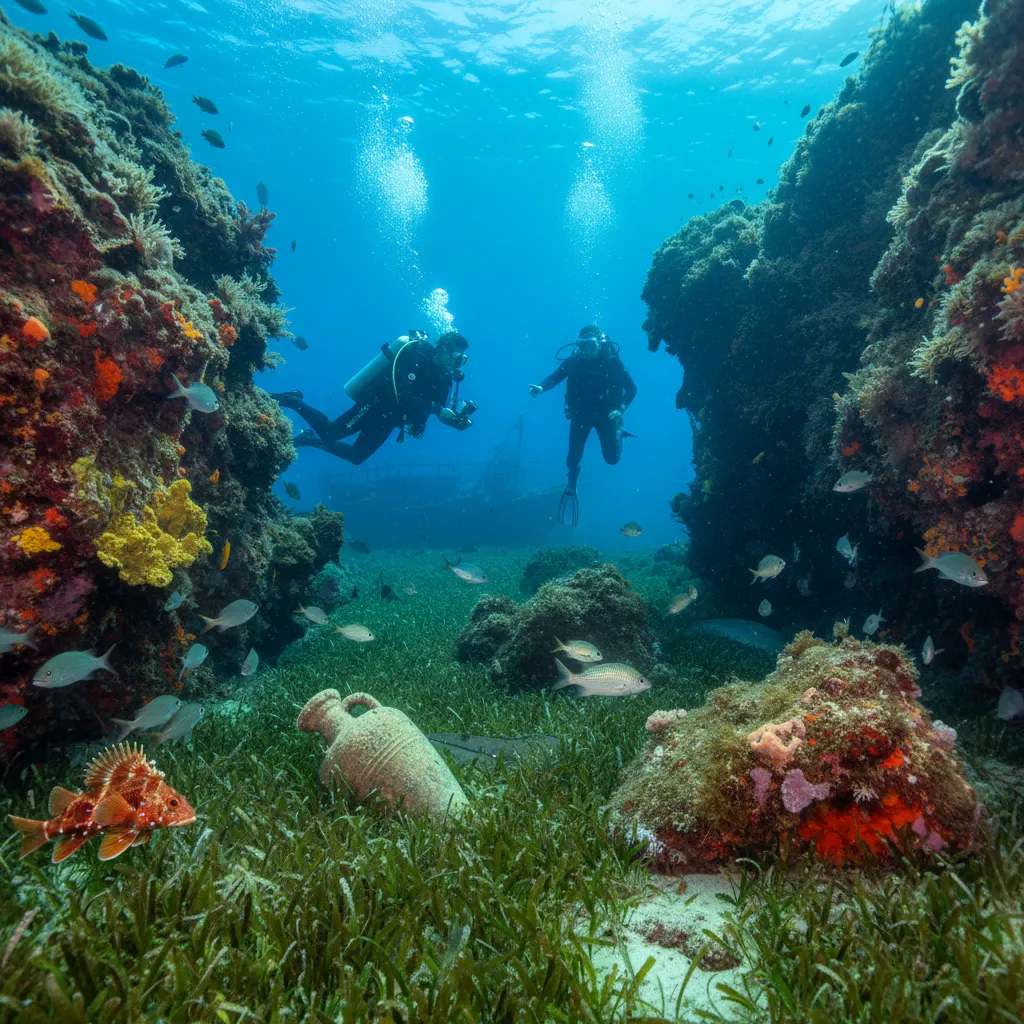
France, the very cradle of modern diving, holds a special place in our hearts. Beyond the historical significance, it’s the sheer variety that truly sets it apart. While the Atlantic offers interesting cold water dives, our focus definitely lies in the Mediterranean, particularly around Marseille and Corsica, where the water warms up nicely from June to September. You’ll find everything from impressive WWII wrecks, still carrying their secrets, to ancient Roman pottery scattered across the seabed, a tangible link to history. We particularly love the unexpected encounters with species like the Odd Bobtail Squid or the distinctive Axefish, tucked into the rocky crevices, proving there's always something new to spot, even in well-dived waters.
French Polynesia
Central & South Pacific
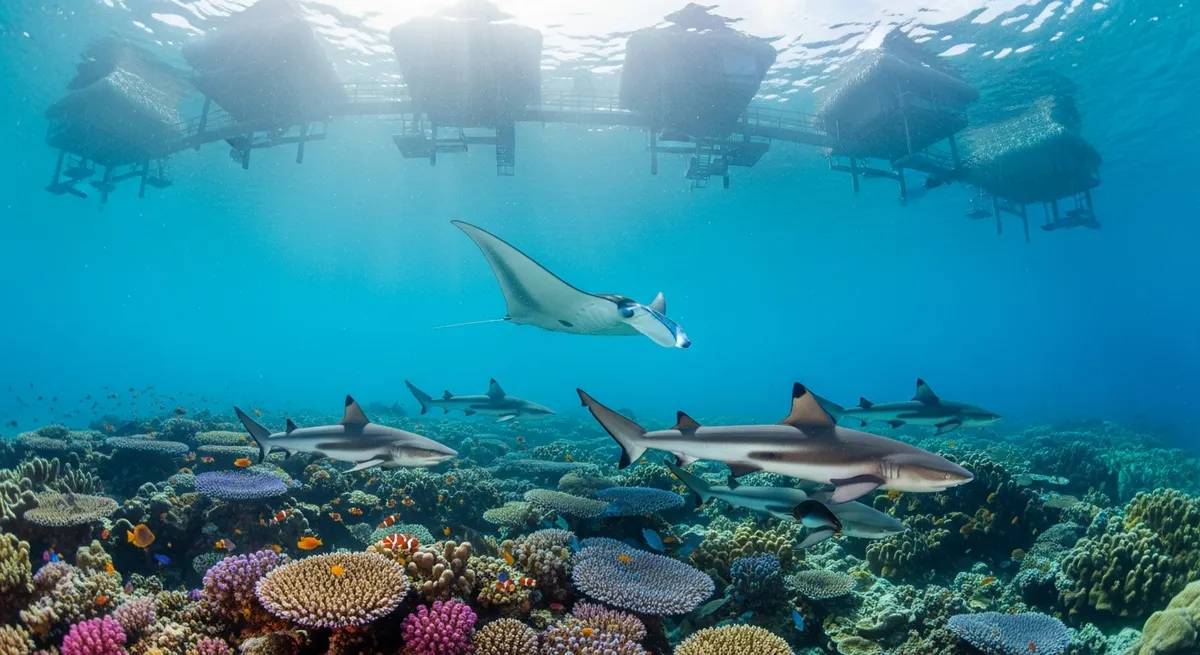
French Polynesia feels like the South Pacific’s grand dame of pelagic encounters. We've spent weeks here and still feel like we’ve only scratched the surface of its shark and dolphin-filled passes. Head to Fakarava or Rangiroa for the big animal action, especially if you’re comfortable with current; the drift dives through their atoll passes are genuinely thrilling. Beyond the famous shark walls, we’ve found some surprising macro critters if you slow down and look for them amongst the reef sharks. July to October offers the best chance to spot humpback whales around Moorea, a nice bonus to some already stellar diving. It’s not a budget destination, but for sheer scale of pelagics, it’s hard to beat.

Greece
Mediterranean & Europe
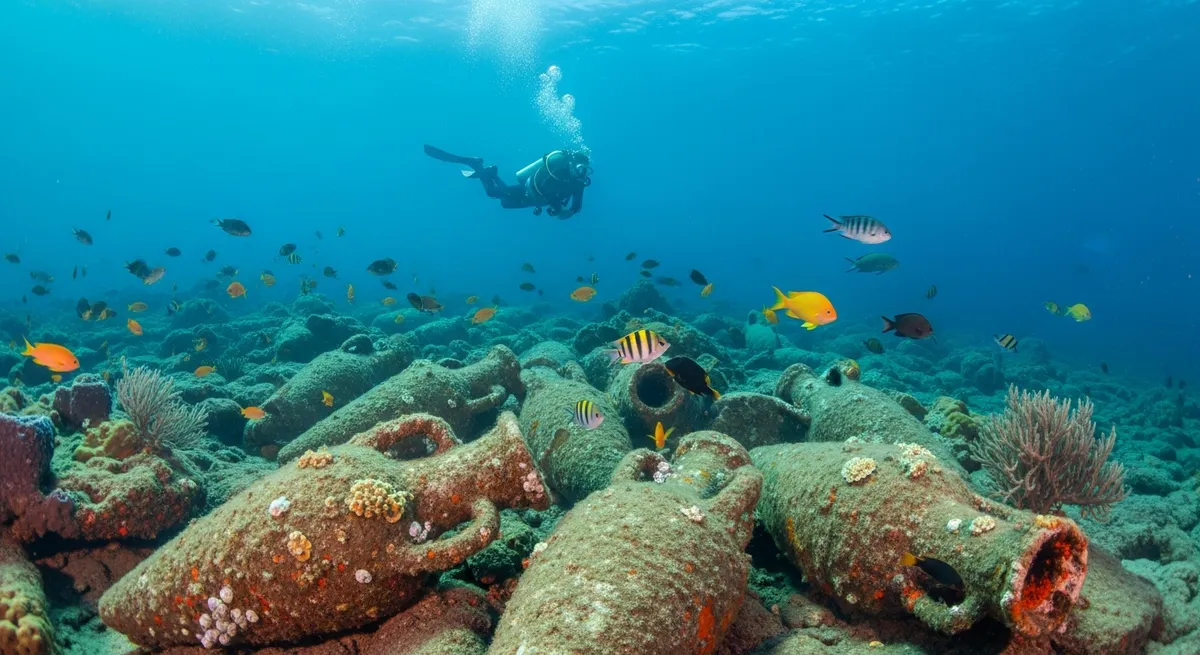
Greece, for us, isn’t about chasing pelagics. It’s a place where every dive feels like slipping into a warm bath, an archaeological expedition, and a quiet wildlife encounter all at once. We love the Aegean, particularly around the Cyclades, for its sun-drenched reefs that descend into dramatic drop-offs, often revealing ancient amphorae scattered like forgotten treasure. Down in Crete, the caves offer a different thrill, intricate and moody, while Alonissos Marine Park protects a vibrant, fish-filled ecosystem - keep an eye out for the monk seals that call it home. Summer and early autumn give you the calmest seas and best visibility, perfect for exploring those volcanic formations around Santorini or the newly accessible historical sites that are slowly opening up.

Grenada
Caribbean
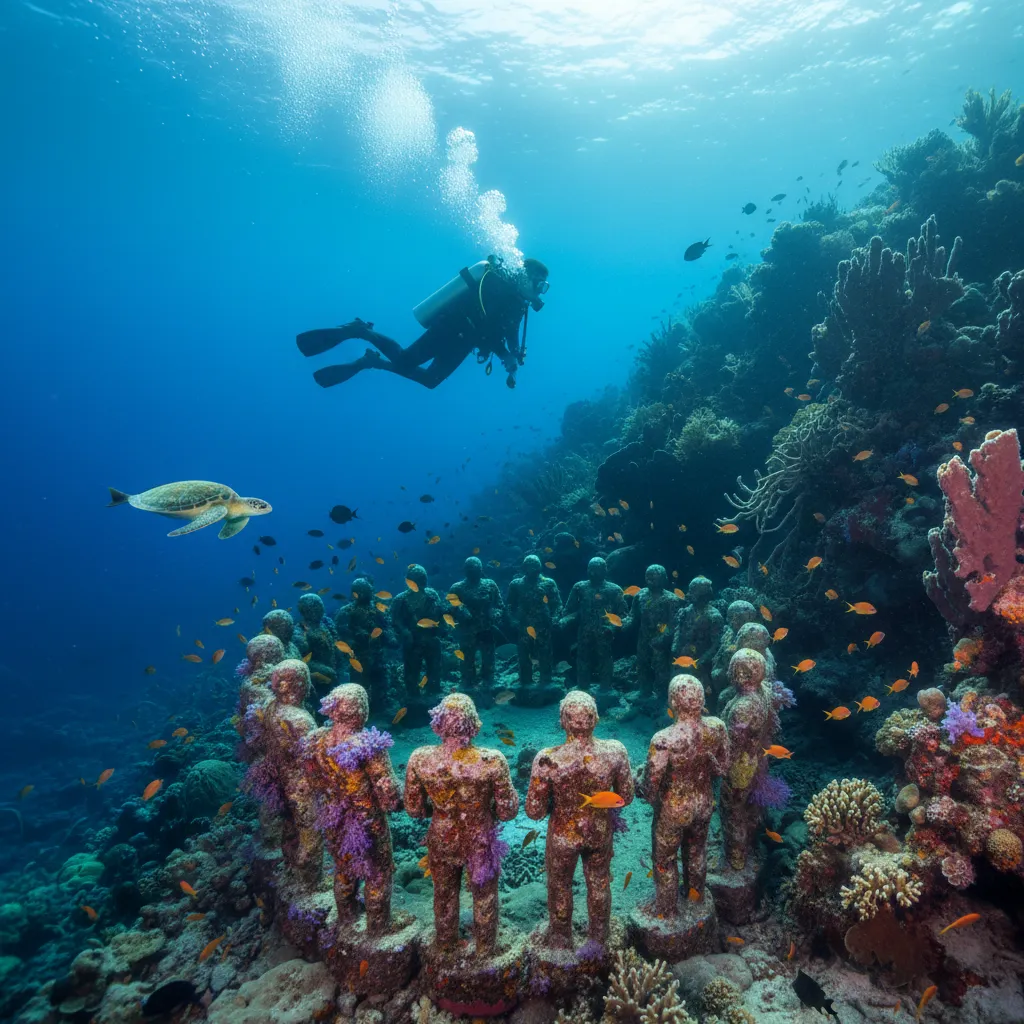
Grenada offers a different kind of Caribbean diving, less about endless healthy reef walls and more about fascinating wrecks and unique critters. We think the southwest coast is where the action is, particularly for the big draws. Everyone talks about the *Bianca C*, and for good reason-it’s a truly monumental wreck, resting at a depth that makes it accessible for advanced divers to explore its many decks. Then there’s the Molinere Underwater Sculpture Park, which, while a bit of a novelty, is still a pretty cool shallow dive, creating new habitat and offering some great photo ops. Beyond those, we’ve found the volcanic reefs hold some unusual finds; look out for Saddle Stargazers burying themselves in the sand or the camouflaged Mushroom Scorpionfish. Winter brings the calmest conditions, though we’ve had good visibility right through spring too.
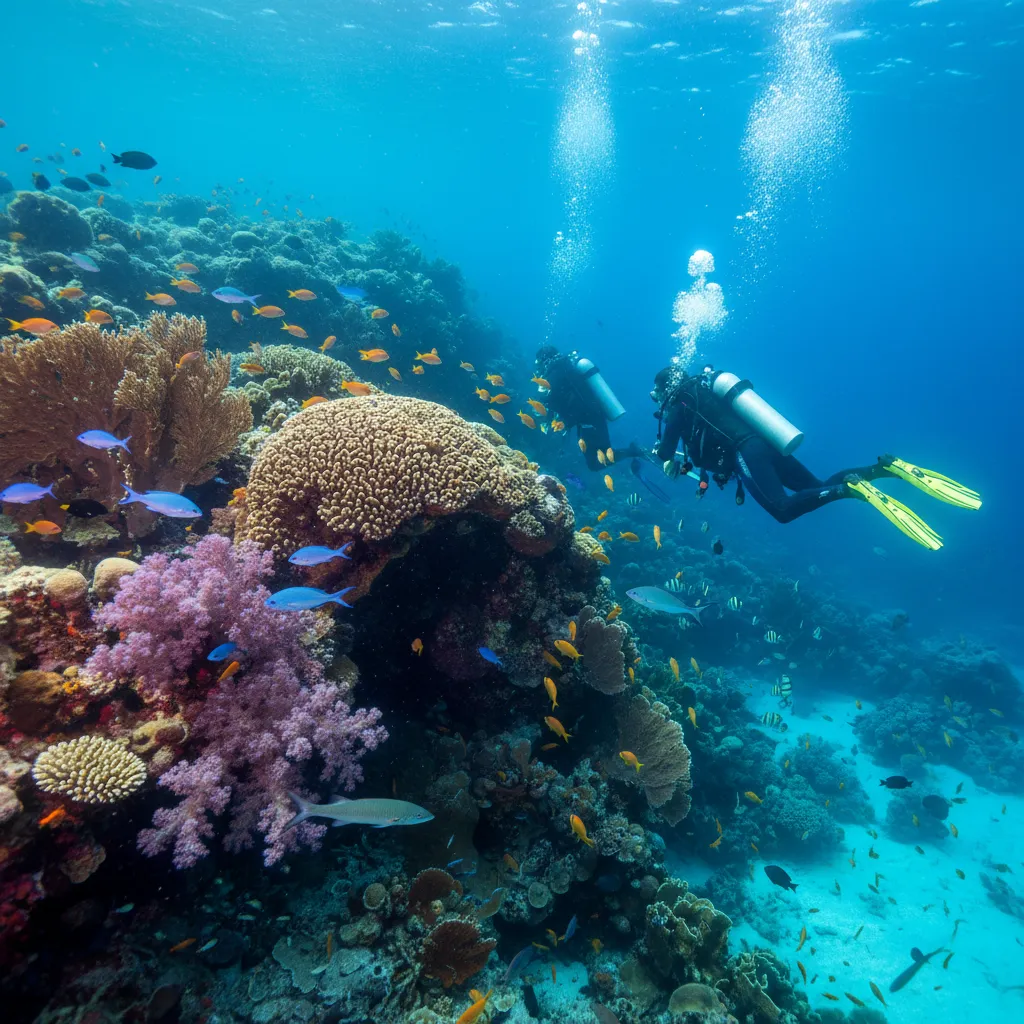

Guadeloupe
Caribbean
Guadeloupe offers a uniquely French Caribbean dive experience, feeling a bit more off-the-beaten-path than some of its neighbours. Most of the action, and frankly, where we’d tell you to spend your time, centres around the Cousteau Reserve off Pigeon Island. You’ll find some striking volcanic topography here, think swim-throughs and small caves, often decorated with robust Pillar coral and delicate Branched Finger coral. We’ve seen quite a few colourful residents too, like the vibrant Butterfly and the curious Greater Soapfish, tucked into crevices. Conditions are generally good year-round, but we prefer late spring for calmer seas and excellent visibility, perfect for exploring the deeper walls where you might spot a cruising Coalfish Whale.
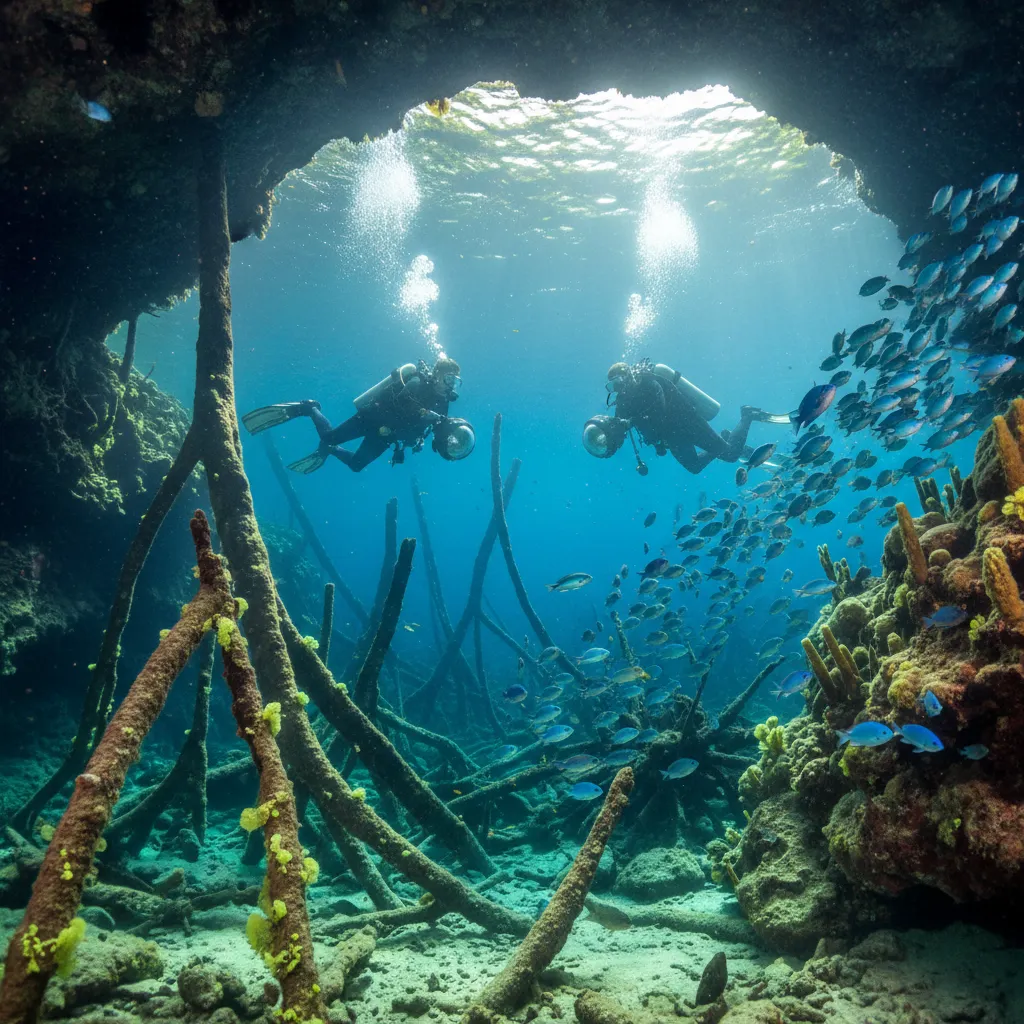

Guatemala
Central America
Guatemala might not be the first country that springs to mind for diving, and that’s precisely why we love it. Forget your typical Caribbean reef dives here; what makes Guatemala truly special is the one-two punch of Lake Atitlan’s otherworldly freshwater landscapes and the Rio Dulce’s brackish, mangrove-lined Caribbean stretches. We’d suggest focusing your efforts on Lake Atitlan, particularly for the sheer novelty of diving among submerged Mayan altars and volcanic rock formations - it’s a cooler, darker experience than most, certainly unique. The best time for the lake is really year-round, but aim for the dry season from November to April for the clearest conditions on the Caribbean side. It’s not about big pelagics or technicolour coral, but about diving into history and geology, finding those Bearded Gobies or a Trumpetfish hiding amongst the roots.
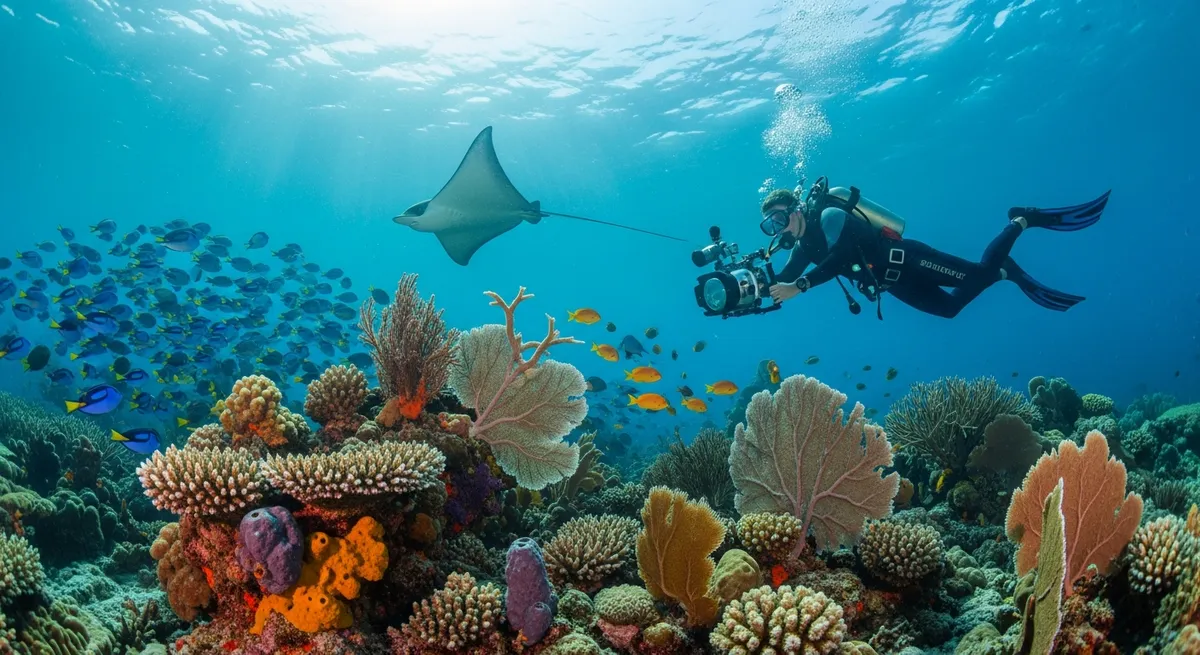
Honduras
Central America
Honduras. Not just the Bay Islands, though we’ll get to them. We’re talking about the Mesoamerican Barrier Reef, one of the biggest living things on the planet, and Honduras has a prime chunk of it. Think drift dives over walls covered in gorgonians, spotting juvenile drum fish dancing in crevices, or maybe a quick glance at a passing eagle ray. Roatán gives you those classic Caribbean reef dives and access to walls, generally calm and a great place to warm up your fins. But if you’re looking for a bit more adventure, Utila is where many divers head for the chance of encountering whale sharks, especially in the spring and late summer. For something a little quieter, Guanaja still feels untouched, with healthy coral and fewer boats. We’d suggest hitting it between February and September for the best conditions across the islands.

Iceland
Mediterranean & Europe
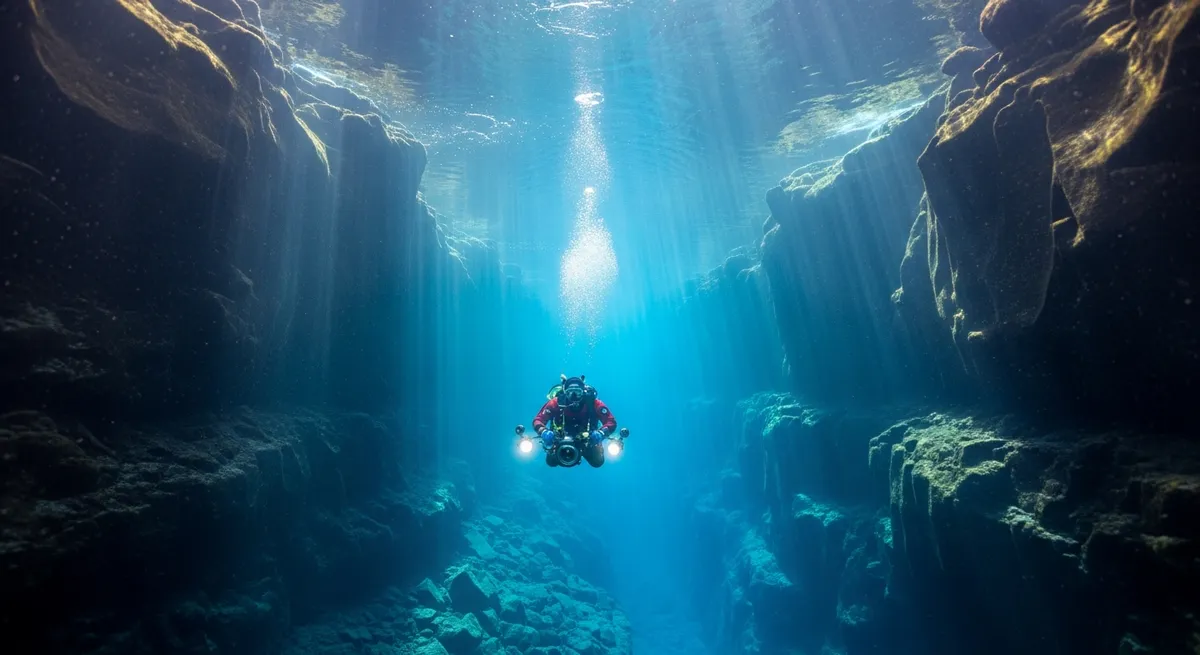
Iceland for diving? We know, it sounds a bit out there, but trust us, it’s brilliant. Forget your tropical fish, here you’re diving between continents, exploring geothermal vents, and maybe even spotting an orca or two. Silfra, in Thingvellir National Park, is the obvious draw. We’ve all seen the photos of divers suspended in that impossibly clear glacial meltwater, floating between the North American and Eurasian plates, and it really is as good as it looks. The visibility, often over 100 meters, is genuinely staggering. But there’s more to Iceland than just Silfra. Head north to Strytan for a completely different vibe, diving around unique geothermal chimneys that are absolutely buzzing with life, especially the impressive Norway lobsters. We think summer, June to August, is your best bet for better weather and calmer conditions across the board, though Silfra is a year-round affair. Just be prepared for cold water - this is Iceland, after all. The drysuit is non-negotiable, but the experience is truly unique and well worth the extra neoprene.

India
Indian Ocean & East Africa
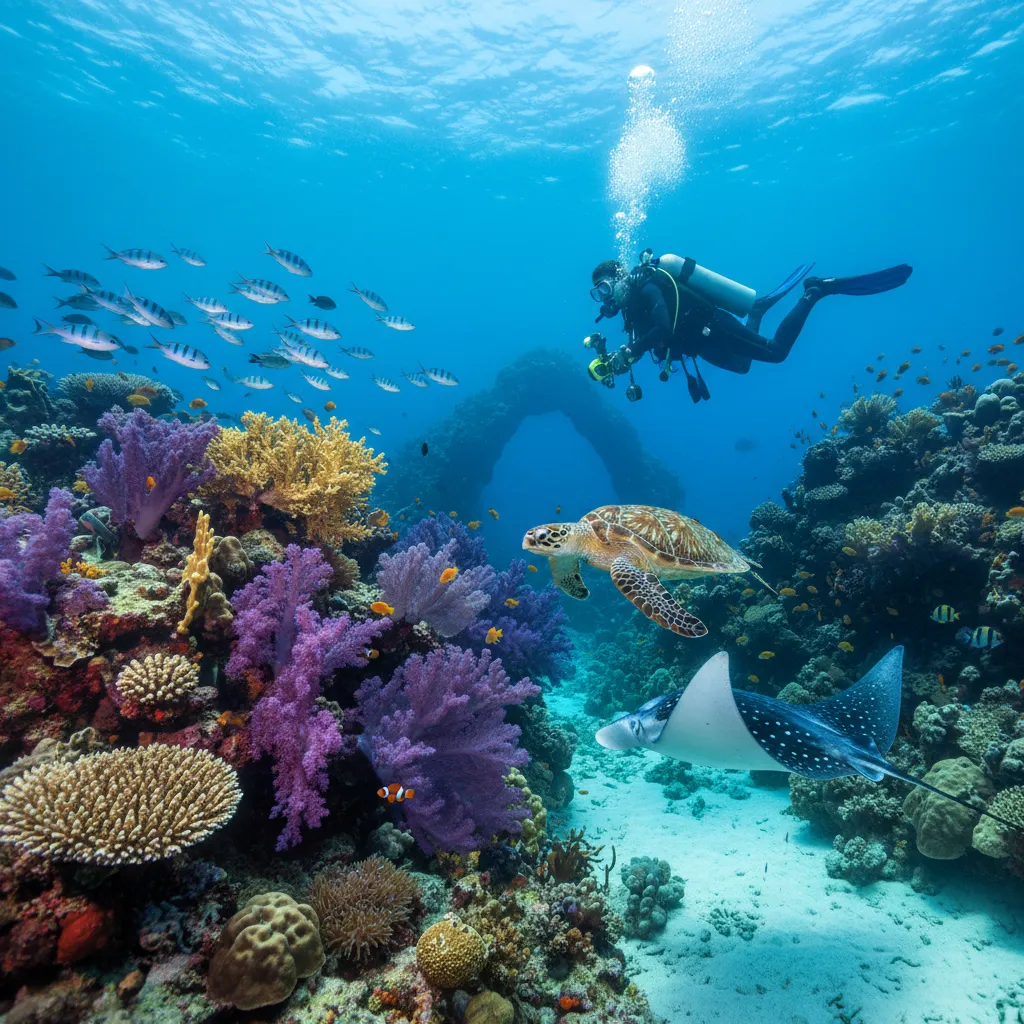
India might not be the first place that springs to mind for a dive trip, but we think that’s part of its charm. The real action, and what truly makes India special for divers, lies in its island territories: the Andamans and Lakshadweep. The Andaman Sea, in particular, delivers that raw, adventurous feeling with its volcanic landscapes, deep drops, and a genuine chance to explore sites few others have seen. We've encountered manta rays cruising at Dixon's Pinnacle and the sheer abundance of schooling fish is something else entirely. Beyond the islands, emerging spots off the Goa and Karnataka coasts are worth a look if you're already in the area, often revealing macro life and interesting wrecks. Aim for October to May for the calmest seas and best visibility across the board.

Indonesia
Southeast Asia
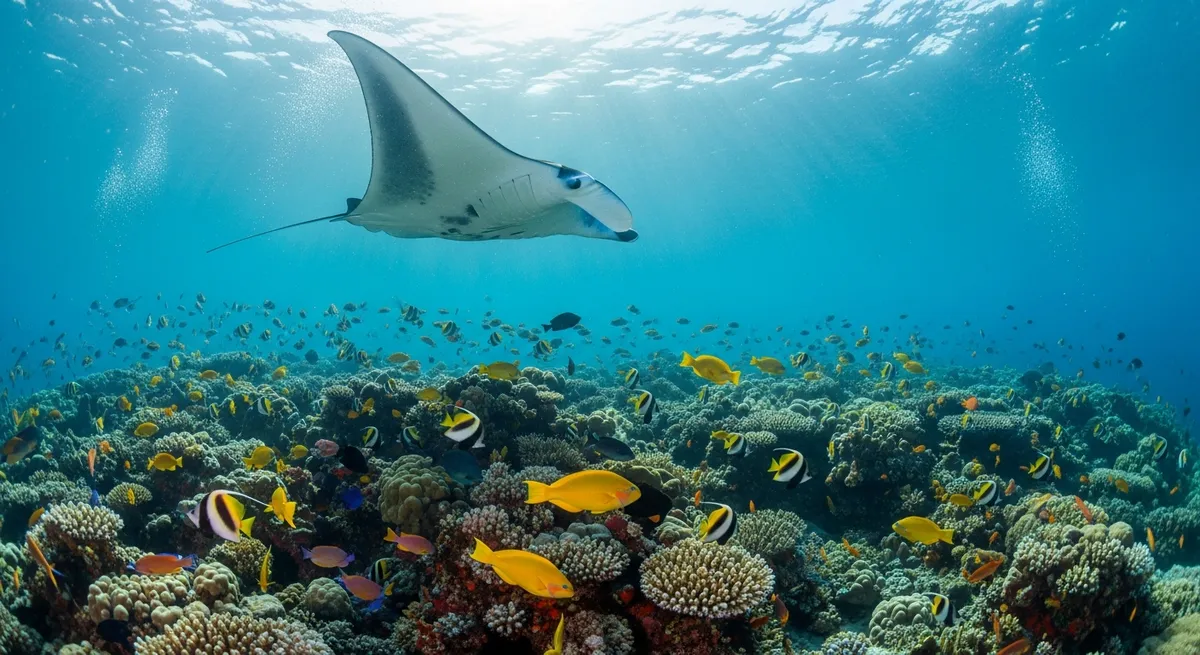
Indonesia is… a lot. If you’re a diver, it’s not just a country, it’s a commitment. We’re talking about the Coral Triangle’s absolute nucleus, a place where it feels like every single dive site on Earth wants to be. Forget just "a lot of fish," we mean a ridiculous, almost unbelievable amount of diversity - from the tiny, perfect Stobbs' Pygmygoby tucked into a coral head to the Gray Reef Sharks patrolling Komodo's famous currents. You could spend a lifetime here and barely scratch the surface, but if we had to pick, Raja Ampat in the east for sheer, unadulterated reef health, or Komodo for the exhilarating, fast-paced drift dives alongside its famous dragons. Bali, of course, offers a brilliant mix, including some fantastic macro life if you're into the smaller stuff. The diving generally holds up year-round somewhere, but for the wider eastern areas, May to October often brings calmer seas. Just remember, strong currents are part of the deal in many of the best spots; it’s a small price for seeing so much life.

Ireland
Mediterranean & Europe
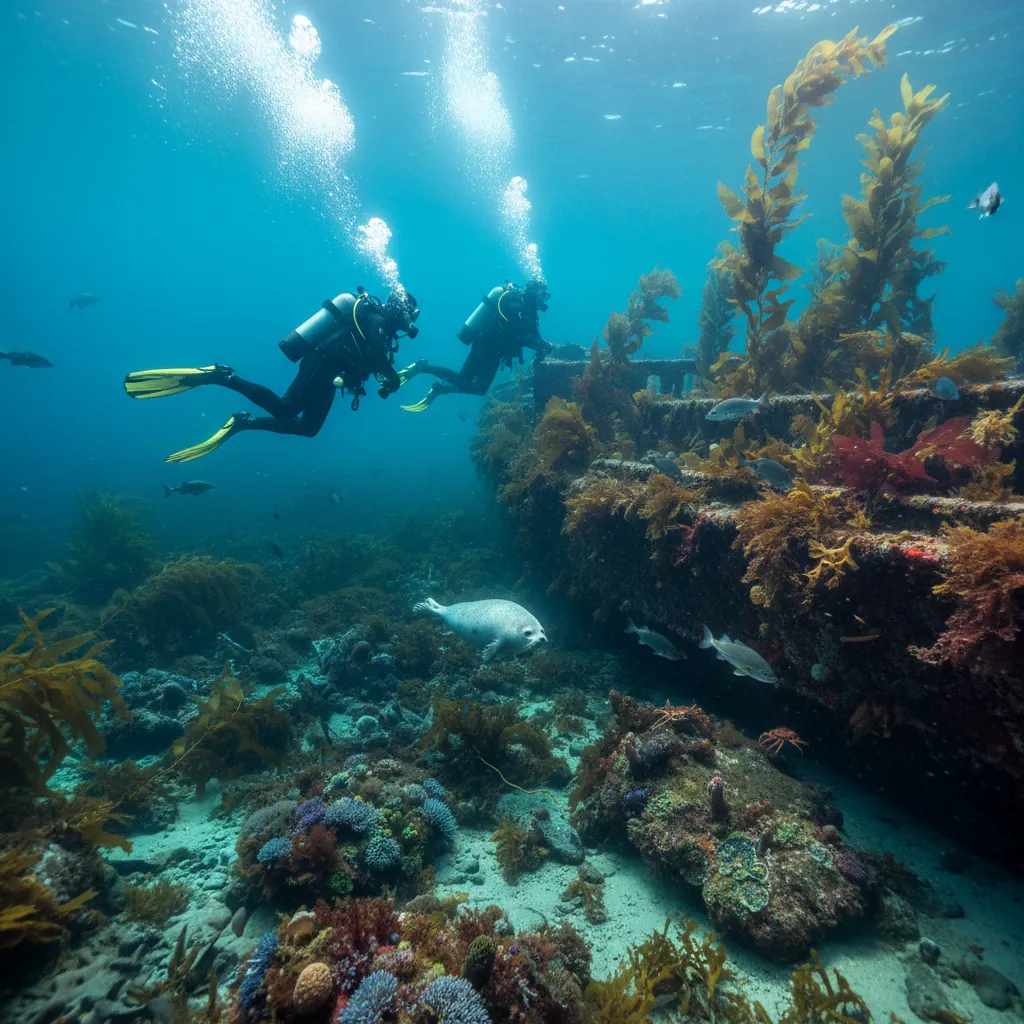
Alright, Ireland. Forget your stereotypes of balmy tropics; diving here is a different beast entirely, and we mean that in the best possible way. The Atlantic throws up some seriously dramatic underwater topography, especially along the West Coast where the visibility can actually be surprisingly good - think 20 to 30 meters on a calm summer’s day, letting you properly appreciate those deep walls and gullies. We’ve had incredible encounters with playful grey seals there, often right up in your face, checking you out. Head further south, and you might just stumble upon something truly spectacular like the monstrous Atlantic Bluefin Tuna, or even a basking shark cruising slowly past, filtering plankton. Wreck diving enthusiasts will find plenty to explore too, especially off the East Coast, where history lies scattered on the seabed. It’s not always easy diving; conditions can be challenging, but for those who embrace the chill and the rugged beauty, Ireland delivers a profoundly rewarding experience that feels genuinely wild. We always suggest late spring through early autumn for the most consistent conditions, though even then, prepare for anything.

Israel
Red Sea & Middle East
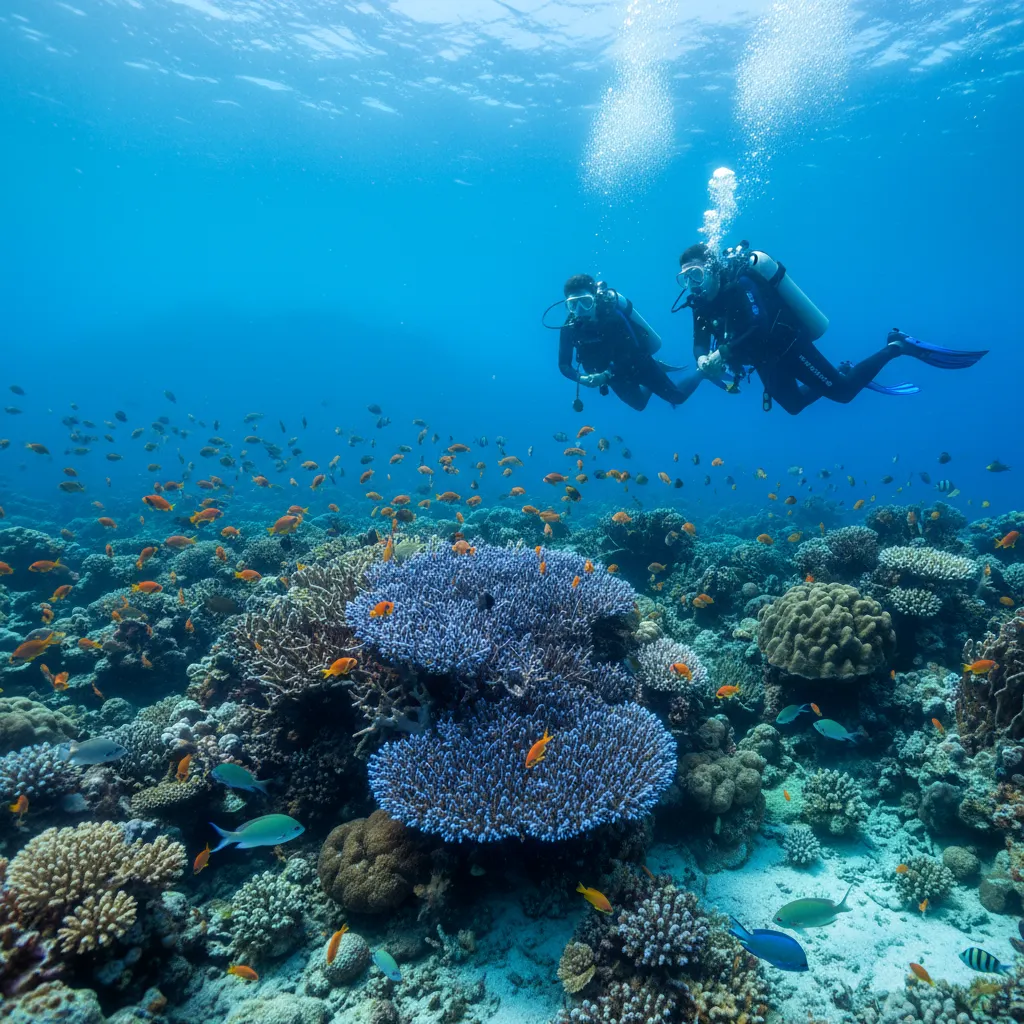
Eilat, Israel, offers a unique proposition for divers: a vibrant coral reef thriving where the stark desert landscape plunges into the Red Sea. We found it fascinating, particularly considering the Coral Beach Nature Reserve protects one of the world's northernmost coral ecosystems. While the number of dive centres is small, the sheer density of dive sites, over 60 of them, means there’s plenty to explore within a compact area. We often talk about species, and while you’ll see plenty of Blue Green Chromis and Dusky Parrotfish, it's the peculiar encounters that stick with you: spotting a Dollfus's octopus or the shimmering schools of Glassy Cardinalfish that often gather. Visibility tends to be excellent year-round, making it a reliable destination, though we particularly enjoy the slightly cooler, less crowded months of spring and autumn. You’re not getting the big pelagic action here, but for a unique reef experience, easily accessible and rich in smaller, captivating life, Eilat holds its own.

Italy
Mediterranean & Europe
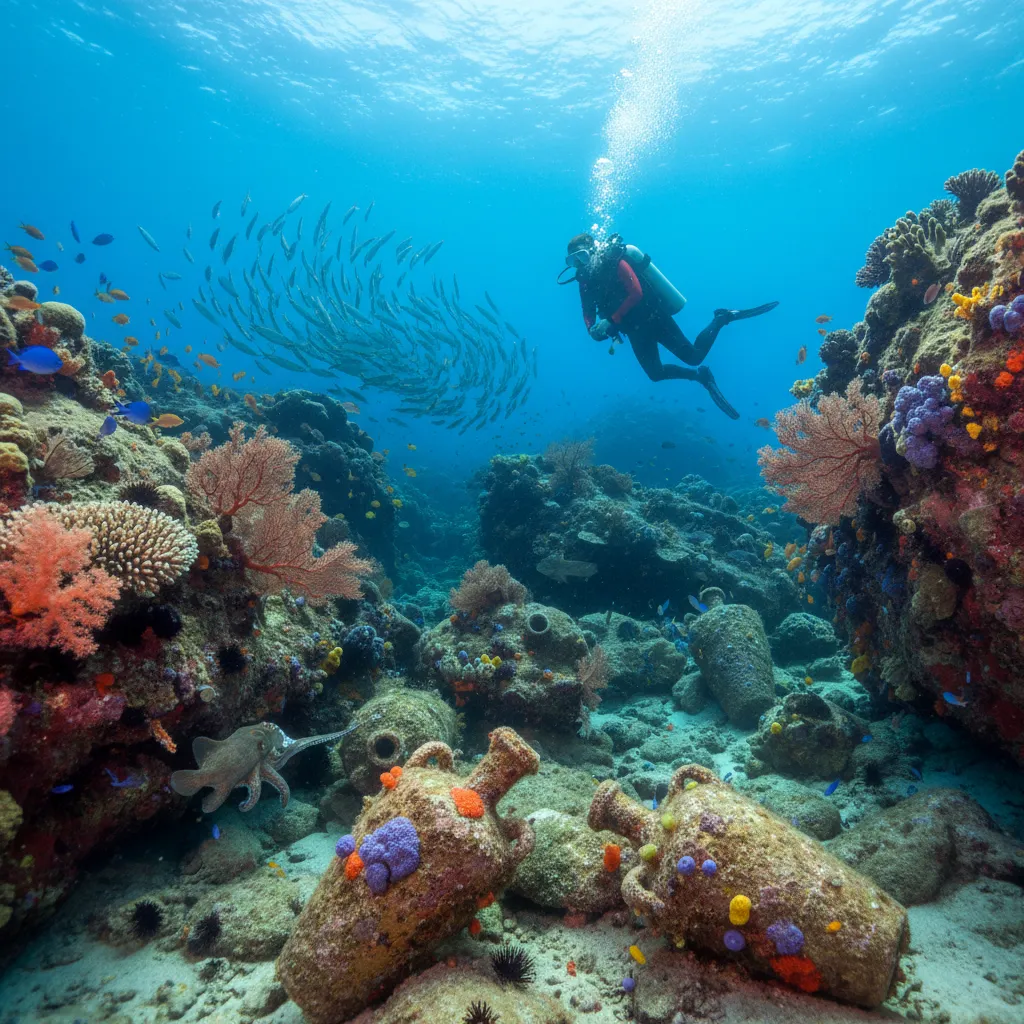
Italy’s appeal for divers often gets overshadowed by its pasta and ancient ruins, but that’s a mistake. We find the diving here to be distinctly Mediterranean - less about flamboyant coral and more about intriguing rock formations, historical relics, and the thrill of encountering larger pelagics in surprising places. Head south to Campania for submerged Roman cities near Naples, where history really does come alive underwater. Or, if the big stuff is your draw, Sardinia often delivers with barracuda schools and even dolphins, particularly around its offshore islands. Our best dives have always been in the marine protected areas like Ustica, where the local blackfish and corb are noticeably bolder, or the dramatic walls of Portofino, best explored during the shoulder seasons when the summer crowds thin out.

Jamaica
Caribbean
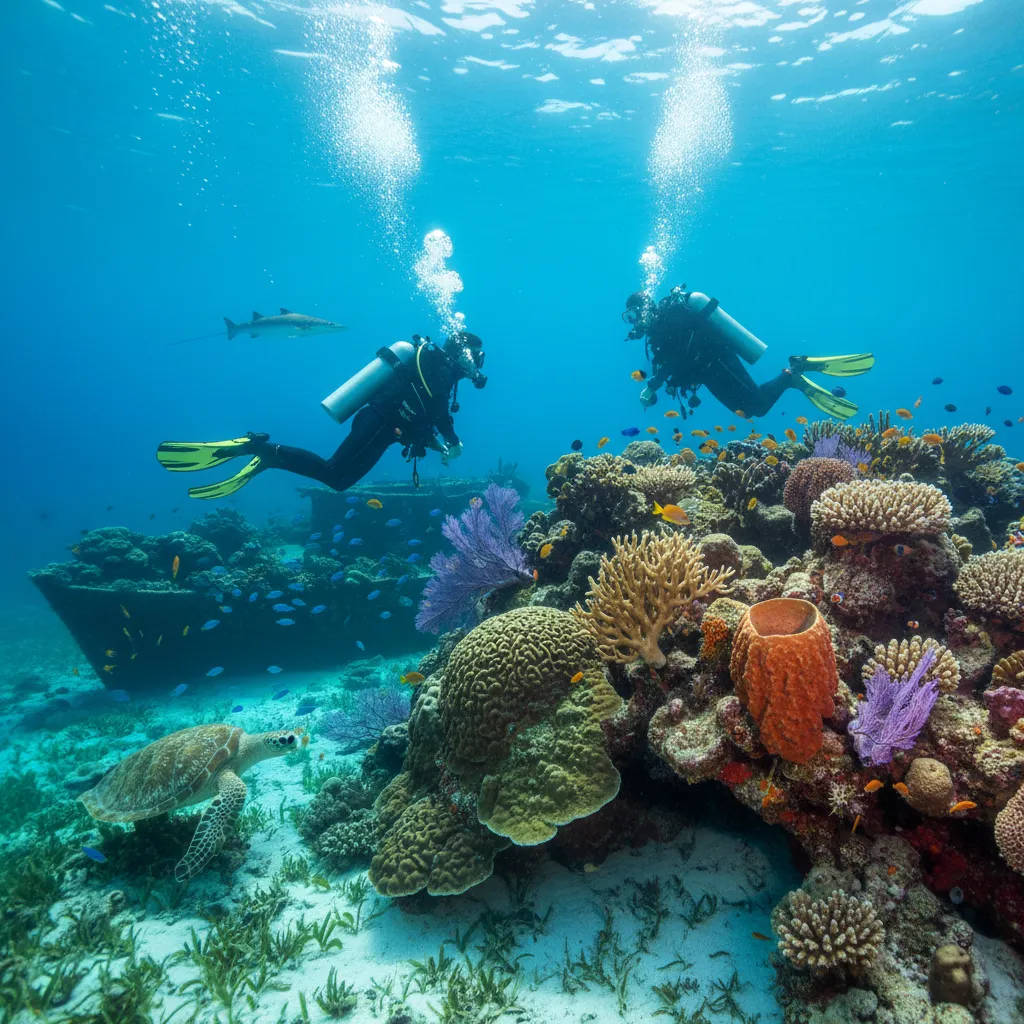
Jamaica, for us, has always been about that easy, breezy Caribbean vibe, both above and below the surface. We find the diving along the north coast to be consistently pleasant, with Montego Bay and Negril offering some particularly good spots. Think gentle wall dives, some interesting swim-throughs, and a few wrecks that are generally accessible. We’ve spent many a morning watching the Yellowhead Jawfish hover over their burrows, and the Elkhorn corals here are really coming back strong in some areas, which is great to see. Honestly, if you’re looking for straightforward, warm water diving with a proper laid-back island atmosphere, Jamaica delivers.

Japan
East Asia
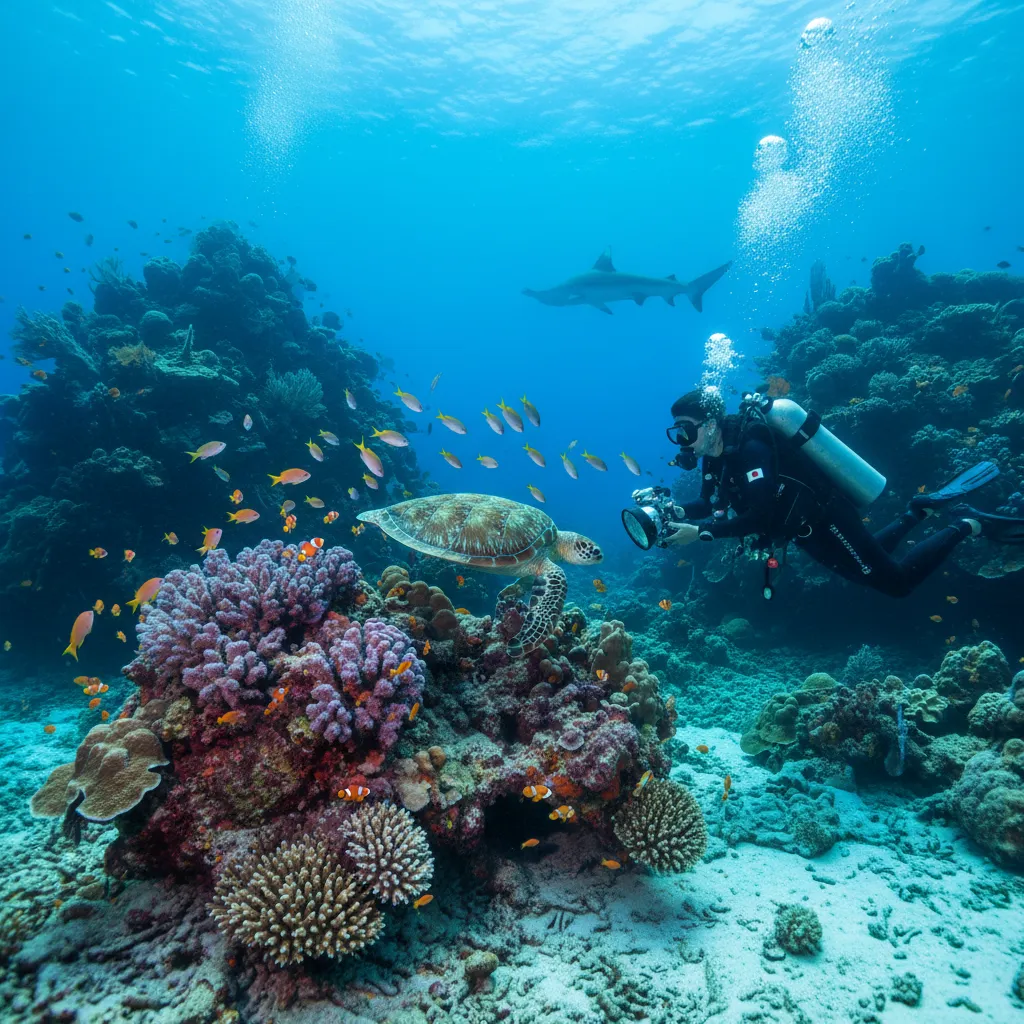
Japan isn't just one dive destination, it's a whole collection, each with its own personality. We've chased hammerheads off Yonaguni, drifted through coral gardens in the Keramas, and shivered slightly while admiring intricate nudibranchs in the Izu Peninsula's cooler waters. Our pick for sheer variety and those warmer temperatures would be Okinawa and the Yaeyama Islands; think manta rays at Ishigaki's Manta Scramble and the chance to spot humpbacks during winter. Timing really depends on what you're after, but summer and early autumn generally offer the calmest conditions across the board. If you're looking for something truly unique, consider the Ogasawara Islands for their pelagic action, though getting there is an adventure in itself.
Jordan
Red Sea & Middle East
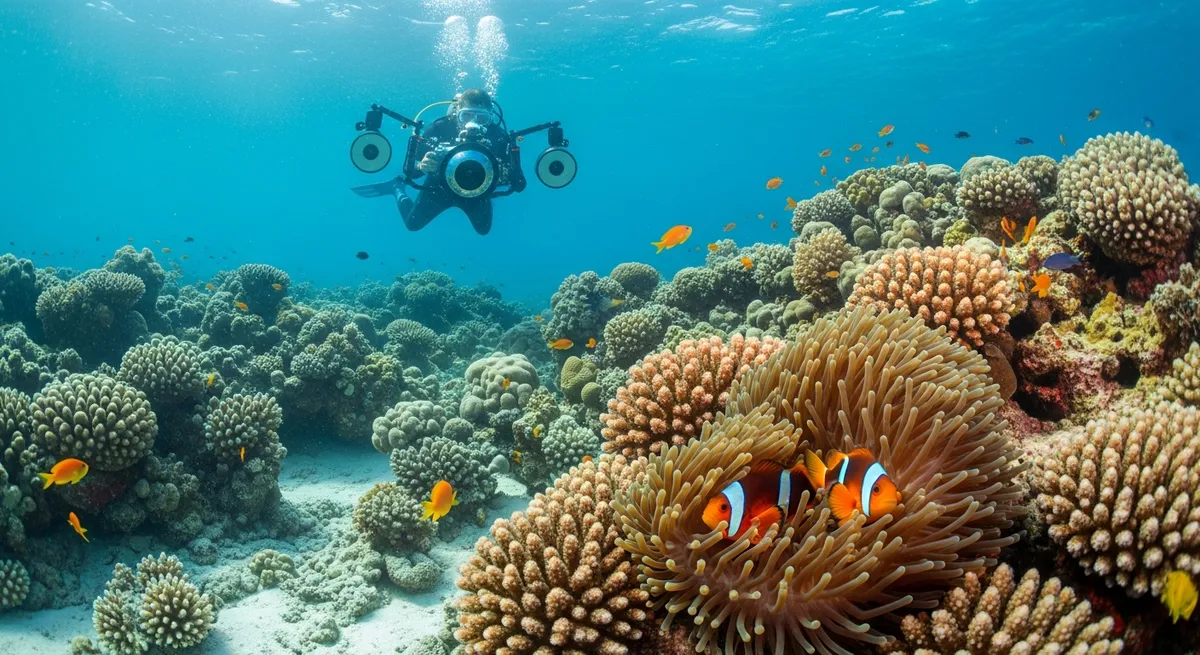
Jordan’s Red Sea coast near Aqaba is a small but mighty player in the dive world, easily accessible and surprisingly varied. We love how contained it is, meaning you can really get to know the sites in a short trip. The Aqaba Marine Park is where you’ll spend all your time, with around 44 dive sites packed into a manageable stretch of coastline, from vibrant coral patches to some truly unique wreck diving. Diving here is good year-round, though the shoulder seasons of spring and autumn offer pleasant topside temperatures. What makes Jordan special, for us, is the commitment to artificial reefs, particularly the military wrecks. The *Cedar Pride* is a classic, but the M42 Duster tank and the enormous *Hercules* C-130 plane are genuinely unusual dives, often teeming with Blacktail Butterflyfish and schools of Banded Blue Sprat. The corals themselves, like the Yellow Scroll and Staghorn varieties, are doing well, and if you have a good guide, there’s plenty of macro to spot, too - keep an eye out for Rama Rao's Scorpionfish lurking in the nooks.

Kenya
Indian Ocean & East Africa
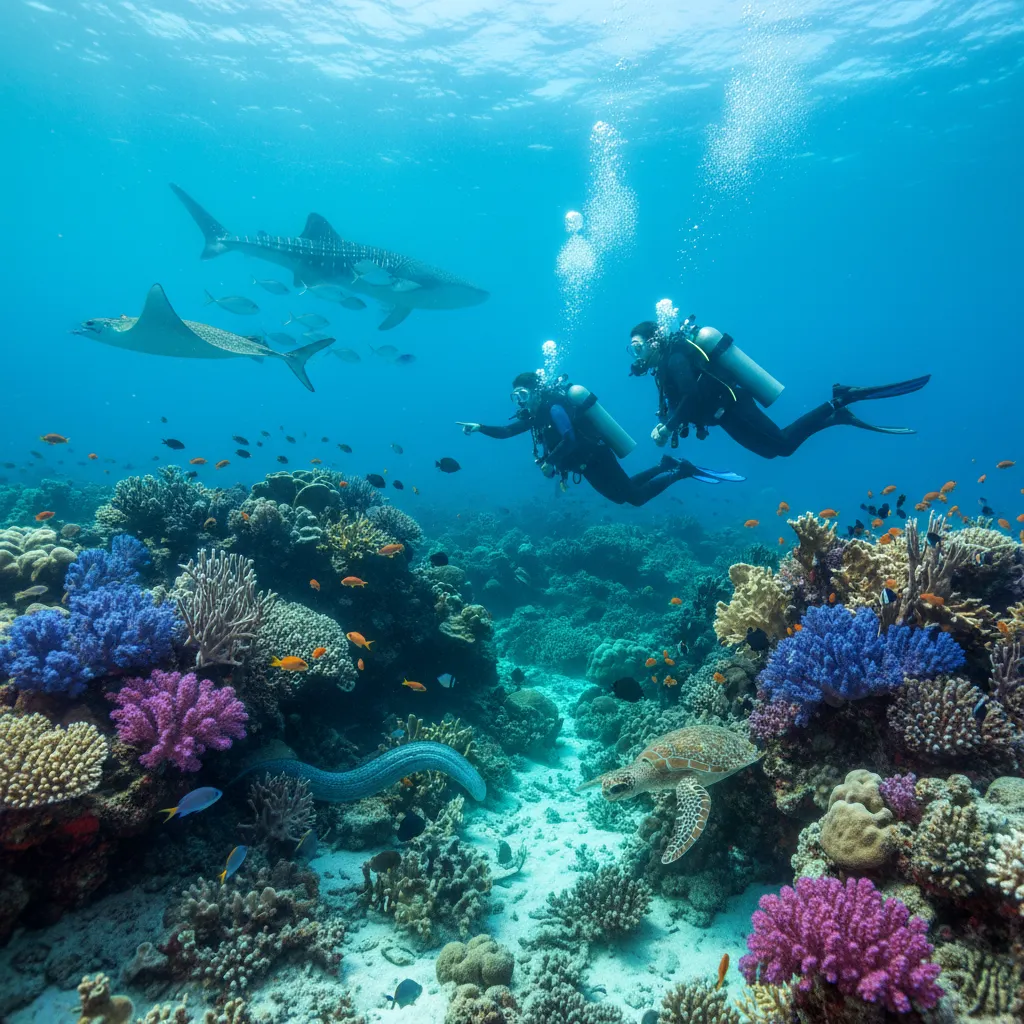
Kenya often gets overlooked for its safari, but the diving along its Indian Ocean coast is genuinely worth a look. We’ve found the reefs here to be surprisingly healthy, particularly within the protected marine parks around Watamu and Diani Beach. Think big schools of fusiliers, the flash of parrotfish, and a good chance of spotting something larger cruising past, like a whale shark if you’re there between October and March. Dive sites like the Canyon at Watamu offer dramatic topography, while the fringing reefs off Diani are perfect for slow drifts among the hard corals. It’s a solid choice for combining a land-based adventure with some quality time underwater.

Kiribati
Central & South Pacific
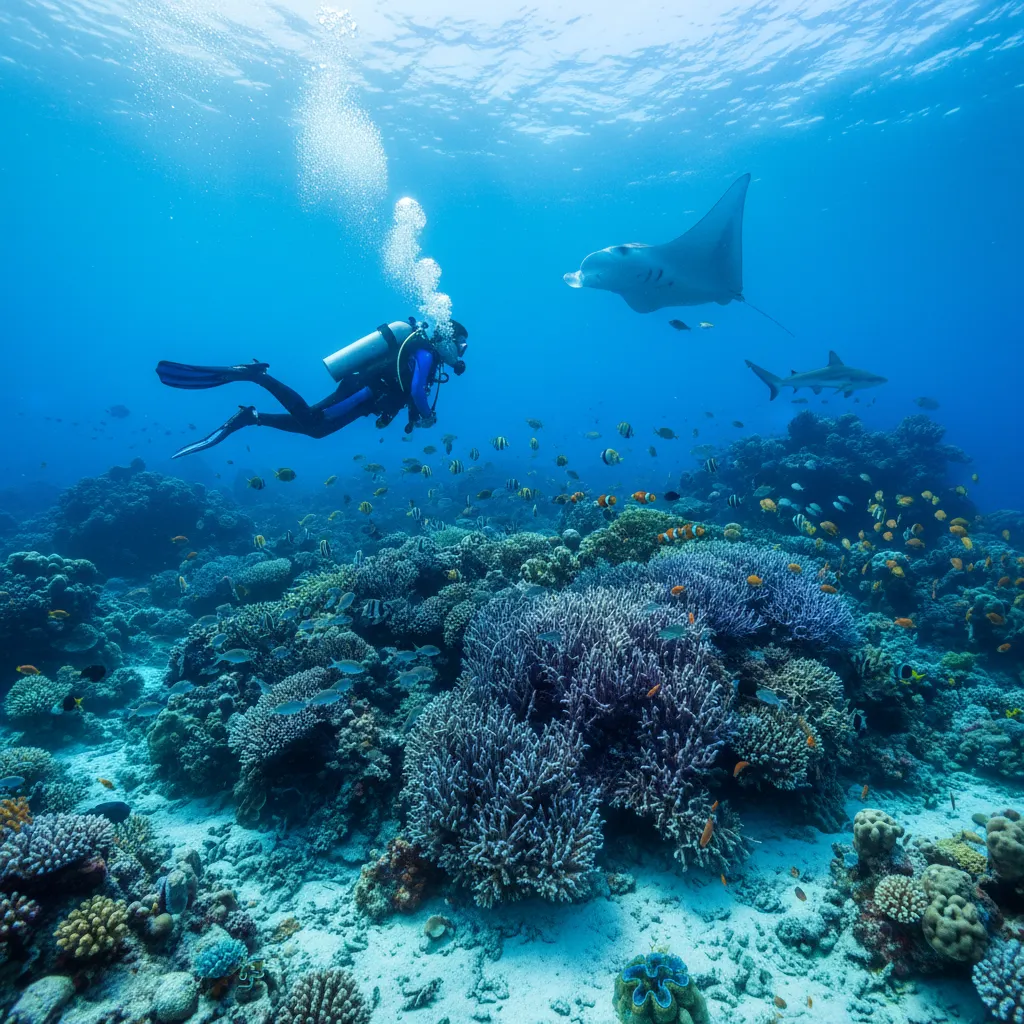
Kiribati is diving's final frontier, an expedition into the truly unknown. With zero dive centres, this isn't a trip you book, it's a trip you create - think liveaboard charters or self-sufficient operations from your own vessel. We'd point intrepid divers towards the Phoenix Islands Protected Area, a colossal marine reserve where the sheer scale of untouched reef is genuinely humbling. Expect encounters with pelagics like sperm whales cruising through pristine blue, and a bizarre collection of reef fish you'll struggle to find anywhere else, like the prickly spotted drupe or the snakehead cowrie. This is a journey for the self-reliant diver seeking true isolation and the kind of underwater discovery that feels like a first.

Lebanon
Red Sea & Middle East
Lebanon isn't your typical dive destination, and that’s precisely why we love it. Forget crowded reefs; here, you're diving through layers of history, with ancient Phoenician and Roman anchors scattered among World War II wrecks. The Mediterranean’s eastern reach offers surprisingly robust ecosystems, a real testament to the resilience of nature. Most of the action hugs the Beirut coast, but don’t overlook Byblos for its ancient harbour remains or the quieter, turtle-friendly waters off Tyre. We’ve spotted loggerheads here, along with playful groups of rough-toothed dolphins if you’re lucky. Expect visibility to average 15-20 metres, improving from late spring through early autumn, which is when we’d suggest planning your trip. Keep an eye out for the smaller, more unusual stuff too - boa dragonfish are a rare treat, and those thick schools of annular seabream are mesmerising. It’s a dive scene still emerging, making it feel wonderfully undiscovered.

Libya
Mediterranean & Europe
Let's be frank, Libya isn't on anyone's current dive radar, and for understandable reasons. But if we’re talking pure, unadulterated potential, the Libyan coastline is a frontier. Africa's longest stretch of the Med lies largely unexplored, a time capsule waiting to be opened. We're talking about ancient Greek and Roman harbours, some completely submerged, others just hinting at their past. And the wrecks - particularly from WWII - are numerous, undisturbed, and likely in excellent condition due to decades of minimal human interaction. Imagine the Cyrenaica region, specifically around Apollonia or Ptolemais, where ancient cities tumbled into the sea. Or the Tripoli coast, which promises a wealth of untouched reefs that haven't seen a fin since the 1980s. When stability returns, we anticipate calm summer months, perhaps June to September, offering the best visibility and conditions for discovery. The real draw here isn’t about specific species lists yet; it's the thrill of pioneering dives, the chance to be among the first to explore sites unseen for generations.
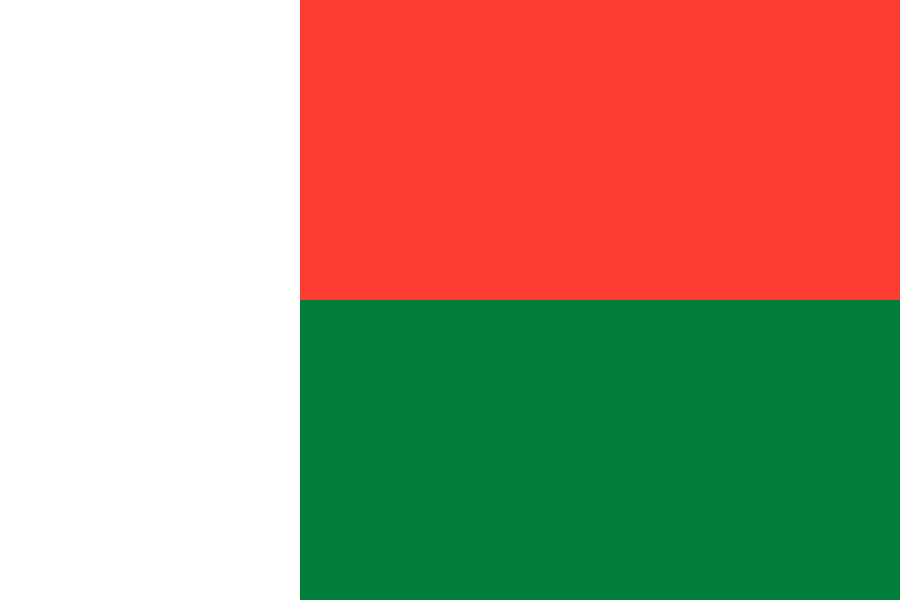
Madagascar
Indian Ocean & East Africa
Madagascar diving, for us, is about embracing the wild, untamed side of the Indian Ocean. It's not always easy, but the rewards are genuinely unique. Think Nosy Be and its archipelago for those iconic whale shark encounters and some seriously healthy soft corals, especially around Nosy Mitsio if you can make the trip. Further south, the Radama Islands and even Île Sainte-Marie offer a different vibe altogether, more remote and often with bigger pelagics passing through. We'd suggest aiming for October to December; the water is warm, and the whale sharks are usually in residence, making for some truly memorable dives amongst a marine ecosystem unlike anywhere else.

Malaysia
Southeast Asia
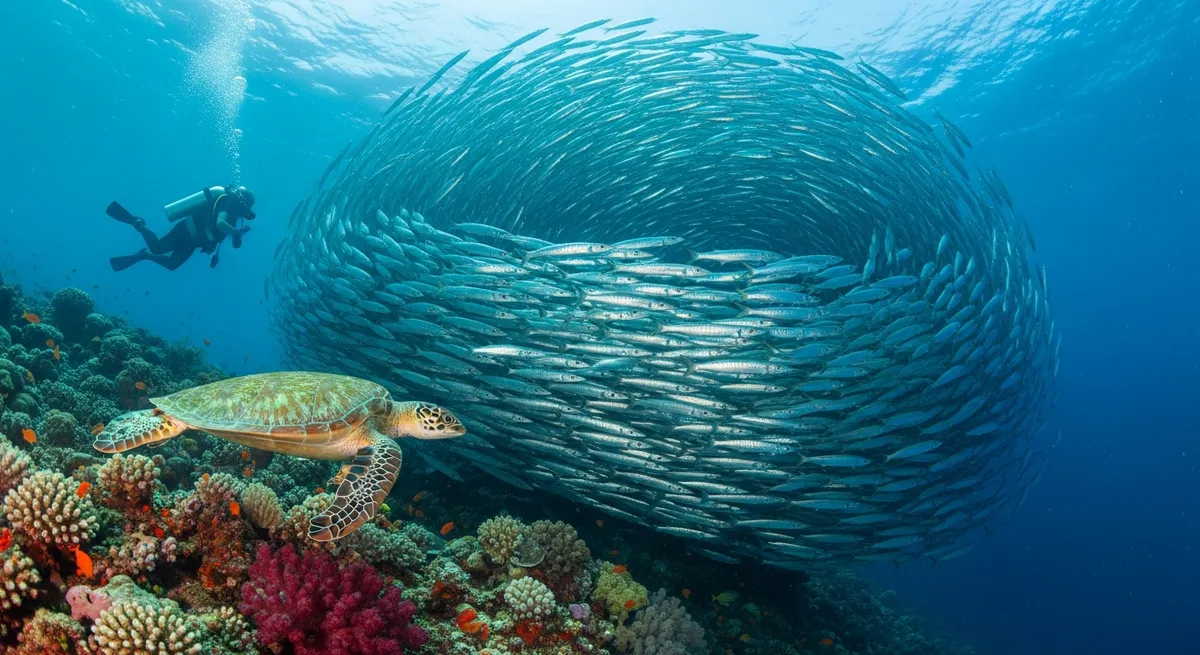
Malaysia, oh Malaysia. For a country that sometimes gets overshadowed by its neighbours, it consistently punches above its weight in the dive stakes. Most divers immediately think of Sipadan, and for good reason-that barracuda tornado and the sheer number of turtles are truly something else, a real bucket-lister. But we think it’s Layang-Layang that really captures the imagination with its hammerheads patrolling the deep walls, a completely different beast. Beyond these giants, there's a huge variety. Over on the Peninsular side, places like the Perhentians and Redang offer a more relaxed, accessible dive holiday, especially good for getting those initial fin kicks in. You’ll find a mix of macro life and some decent reef dives, a gentle introduction to Southeast Asian diving. The best window generally runs from March to October when the seas are calmer, particularly for the east coast islands, though Sabah’s diving can be more year-round. We’d suggest focusing on Sabah for the big stuff and Peninsular Malaysia for a laid-back, colourful reef experience.
Maldives
Indian Ocean & East Africa
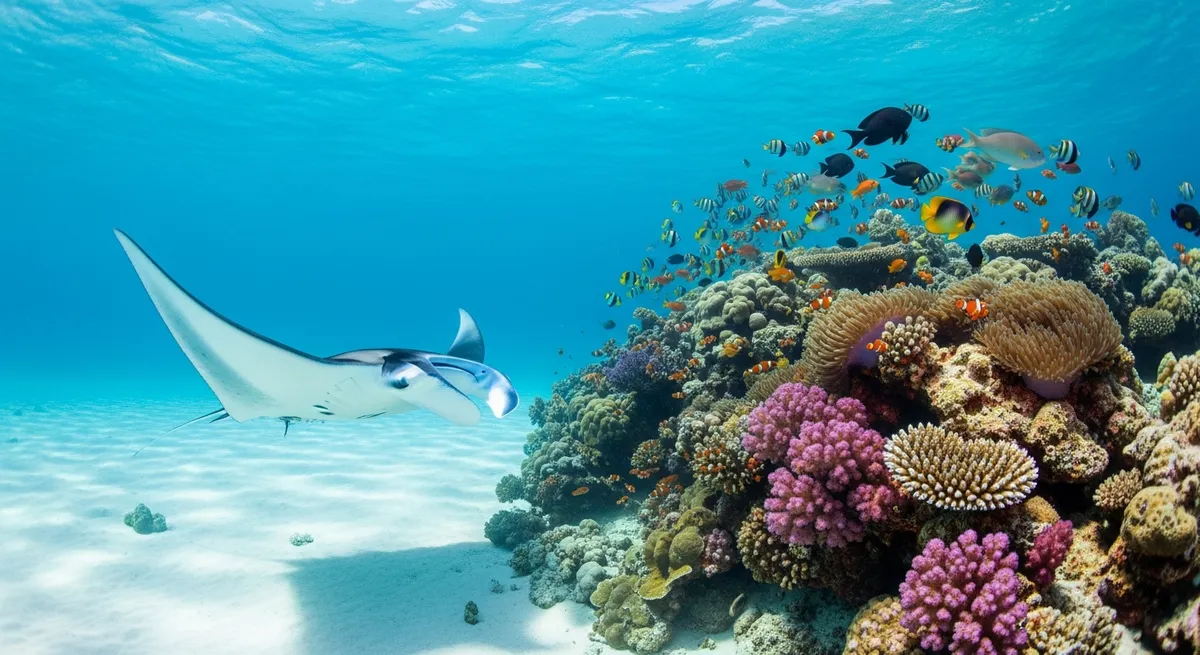
Maldives is a place we keep coming back to, mainly for the sheer predictability of big animal encounters. You’ve got the channel dives in South Malé and Vaavu Atolls, where the currents really rip, bringing in grey reef sharks, eagle rays, and schooling snappers. For mantas, Hanifaru Bay in Baa Atoll is legendary, especially during the southwest monsoon, roughly May to November. It gets busy, but seeing dozens of mantas filter feeding in a single spot is something else. Then there’s South Ari Atoll for whale sharks, often found cruising the outer reefs year-round. We’ve found the mornings tend to be less crowded if you can manage an early start. Visibility is generally excellent, often 20-30 meters, though those monsoon months can stir things up a bit. The sheer number of thilas and giris means you could spend a lifetime exploring and still find new corners. It's a proper liveaboard destination, allowing you to hit multiple atolls and really maximize your chances with the pelagics.
Malta
Mediterranean & Europe
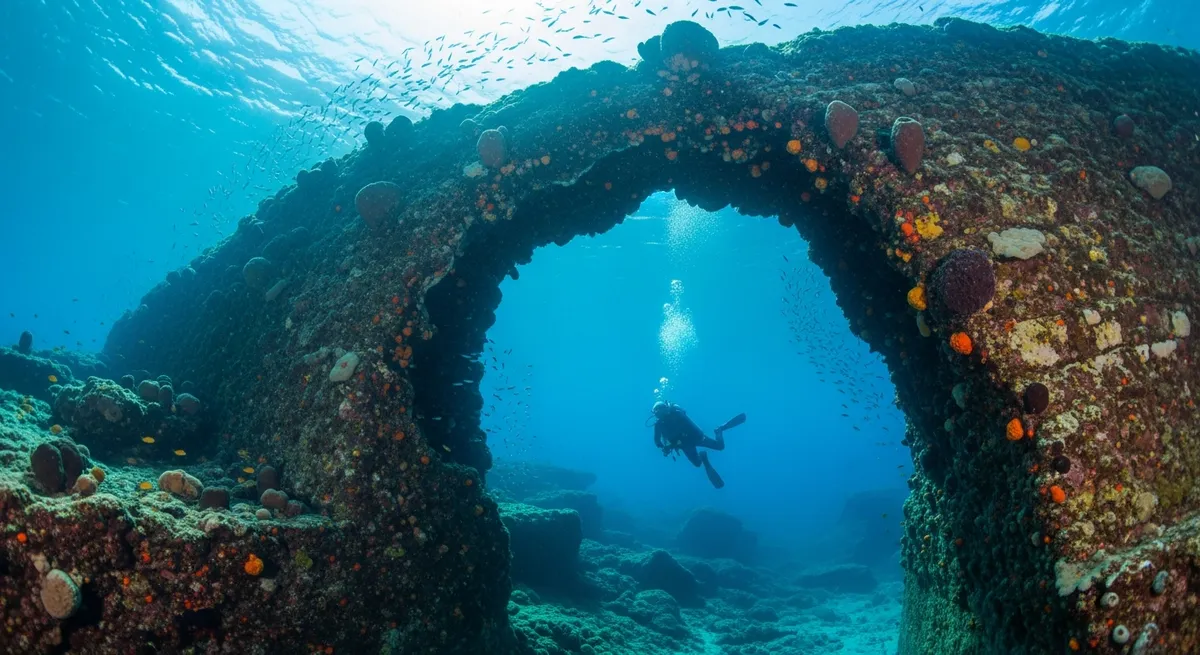
Malta isn't just about the history topside; the diving here holds its own, especially if you're into wrecks and dramatic topography. We find the main island of Malta itself has a surprising amount to offer, from the HMS Maori in Valletta’s Marsamxett Harbour - a surprisingly intact destroyer sitting in shallow water - to the deeper P29 patrol boat. For sheer spectacle, though, Gozo and Comino are where we always steer divers, with sites like the Blue Hole and the Inland Sea on Gozo delivering those classic arch and cavern experiences. Visibility is generally excellent throughout the summer months, though we think late spring and early autumn hit that sweet spot for comfortable water temperatures without the peak season crowds. Keep an eye out for dusky groupers lurking in the shadows and ornate wrasse flitting across the reefs.

Marshall Islands
Central & South Pacific
The Marshall Islands isn't for a casual dive trip, but for those willing to go the distance, it’s an experience that truly stands apart. Bikini Atoll, of course, is the big draw, a deep dive into history with its fleet of WWII warships sunk during nuclear tests. Dropping onto the USS Saratoga, seeing the sheer scale of it, really puts things into perspective; we’d suggest multiple dives here to properly take it all in. Beyond the wrecks, Majuro and Arno Atolls offer healthy reefs, a stark contrast to the atoll’s past. Expect strong currents and deep dives, so advanced certification is a must. We find the dry season, roughly May to October, offers the calmest conditions for reaching these remote sites.

Martinique
Caribbean
Martinique often flies a little under the radar in the Caribbean, but we think that’s part of its charm. It's a place where you can spend your morning exploring a French market, then dive an hour later on a volcanic reef that drops away into the blue. The real draw, for us, is the Saint-Pierre area, where the 1902 eruption of Mount Pelée created an accidental underwater museum of shipwrecks. Diving those historical wrecks, like the *Dalhia* or the *Roraïma*, covered in sponges and home to schools of grunt and cardinalfish, is a genuinely different experience from your typical Caribbean reef. Diamond Rock is also worth a look for its dramatic topography and the chance to spot bigger pelagics, especially around the deeper pinnacles. We find the dry season, roughly December to May, offers the calmest conditions and best visibility, though you can dive year-round.

Mauritius
Indian Ocean & East Africa
Mauritius in the Indian Ocean provides a solid dive holiday, though it’s not always the first place that springs to mind for us. The West Coast, particularly around Flic en Flac, is where most of the action is. You'll find a mix of volcanic topography and reef dives, with The Cathedral cavern being a definite highlight - the light rays streaming in are quite special in the mornings. For something a bit different, we'd suggest considering Rodrigues Island; it’s a quieter, more remote experience with some lovely drift dives and healthier corals. Visibility is generally good year-round, but April to June or September to December tends to offer calmer seas, making boat rides more pleasant. Keep an eye out for those big humphead wrasse and the abundant fusiliers.

Mayotte
Indian Ocean & East Africa
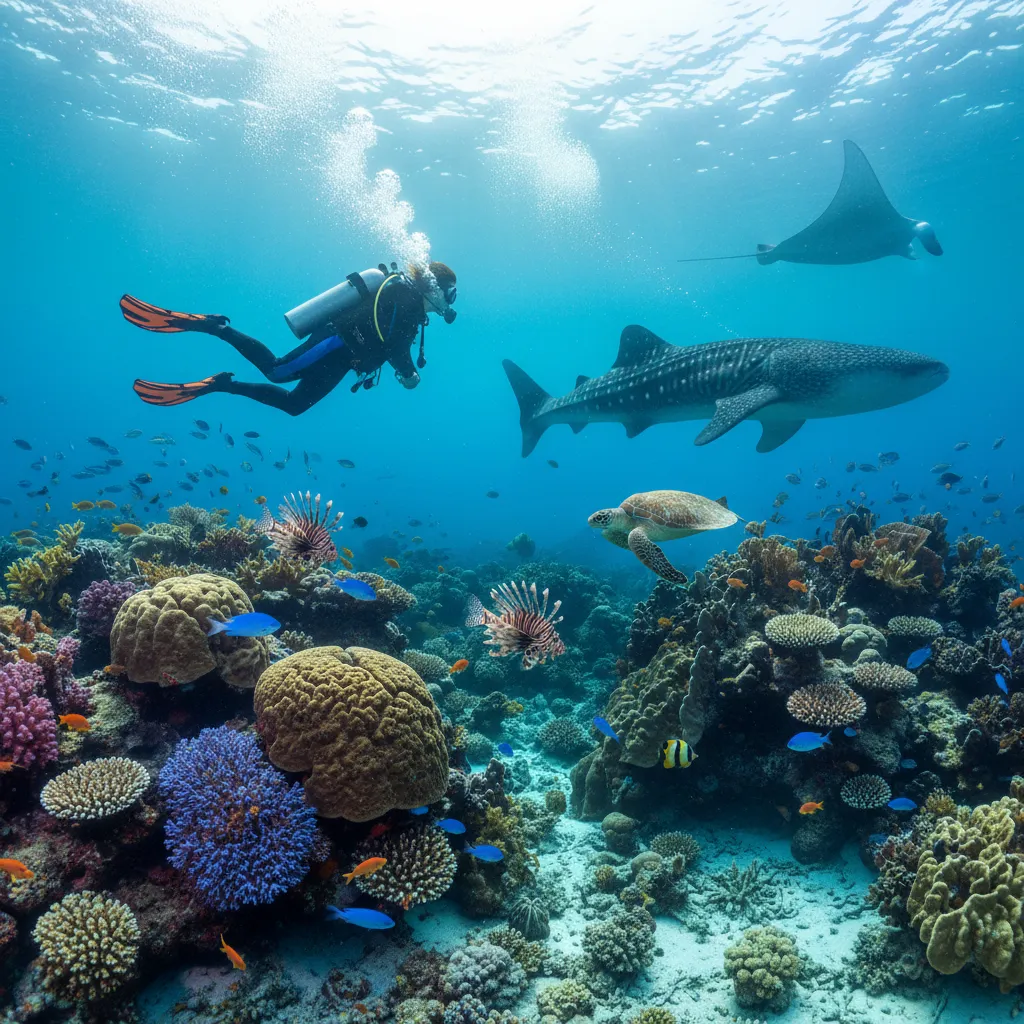
Mayotte? Picture a gigantic bathtub, filled with warm, clear water, tucked inside a double barrier reef. That’s essentially the Mayotte Lagoon. With just a couple of dive centres servicing 37 sites, you’re looking at some seriously uncrowded diving, which we always appreciate. We found the best diving concentrated within the lagoon, particularly along the outer barrier reef where the big stuff hangs out. Head there between May and October for the calmest conditions and the clearest water; it’s also when humpbacks drop by to say hello. Keep an eye out for those giant long-finned eels peeking from crevices, and the sheer number of fusiliers can be a bit overwhelming, in the best possible way. The healthy hard corals, especially those massive pagoda corals, really make the shallower dives memorable. It's a place to feel a bit like an explorer.

Mexico
North America
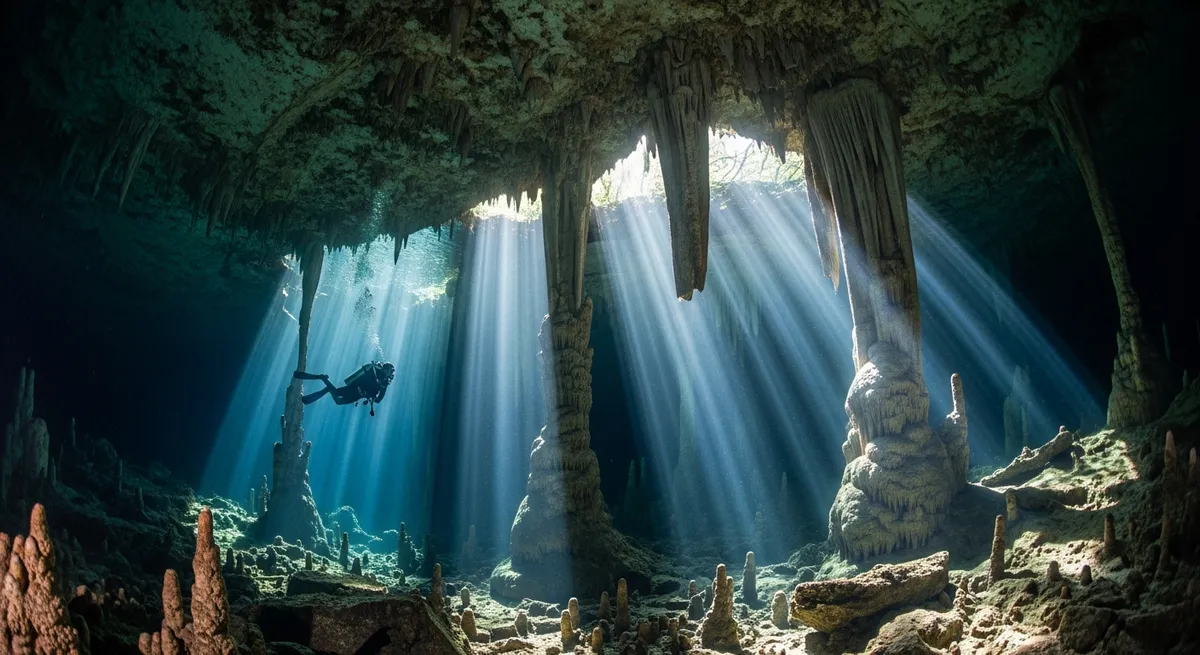
Mexico's a big country, and its diving landscape is just as varied. We're talking everything from the cool, dark cenotes of the Yucatán, where shafts of sunlight pierce through ancient rock formations, to the open Pacific where big animals cruise by. If you’re into the adrenaline of a drift dive, Cozumel really delivers, the current just pulls you along those healthy walls. But for us, the big draw has to be the Sea of Cortez and the Socorro Islands - the sheer volume of life out there, especially during the cooler months from November to May, is just phenomenal. Imagine having a massive manta ray hold still above you while you watch tiny cleaner wrasse do their work, or playfully interacting with sea lions. It's truly something else.

Micronesia
Central & South Pacific
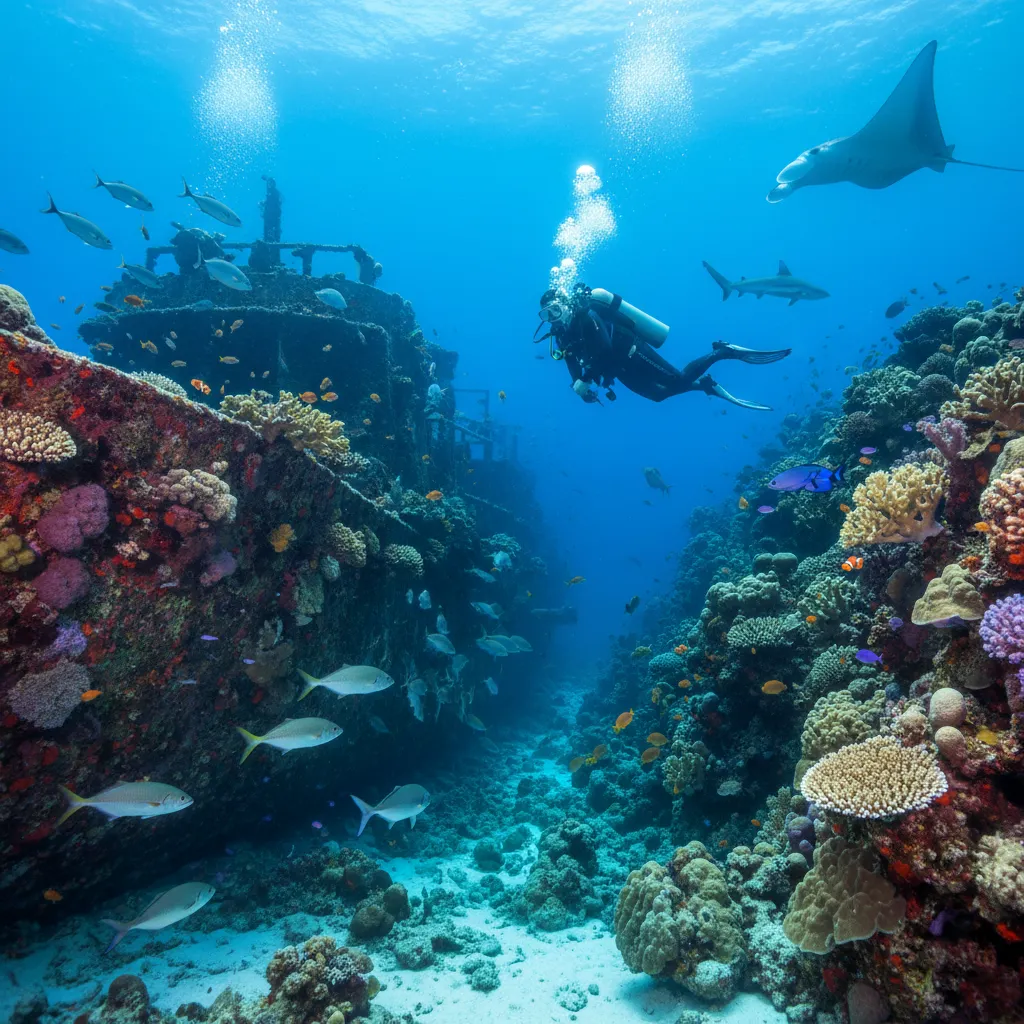
Micronesia isn't just a place you *go* diving, it's a place you *experience* diving, particularly if you’ve got a soft spot for history. Chuuk Lagoon, formerly Truk, is obviously the headline act; we've spent weeks there finning through ghostly WWII wrecks, seeing everything from Sake bottles to gas masks perfectly preserved. It’s an underwater museum unlike anywhere else. But beyond the wrecks, islands like Yap bring something completely different, offering reliable manta ray encounters - often up close in cleaning stations - alongside those fascinating mandarin fish twilight dives. We find the dry season, roughly November to April, usually offers the calmer conditions and best visibility, making those deeper wreck penetrations or open-ocean manta encounters a bit more comfortable.

Montenegro
Mediterranean & Europe
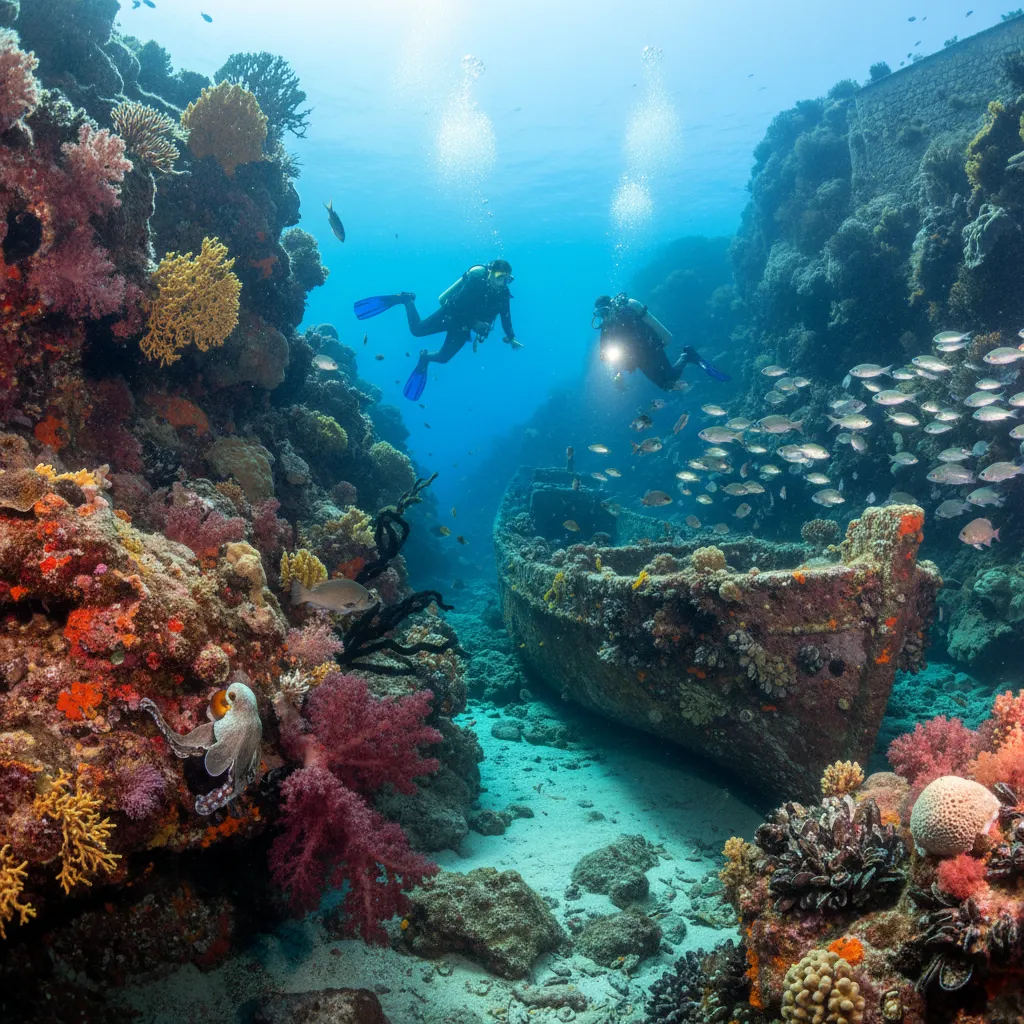
Montenegro might not be the first place that springs to mind for a Mediterranean dive trip, but we think it deserves a closer look, especially for wreck enthusiasts and those who appreciate dramatic seascapes. The diving here is less about colourful reefs and more about compelling history and geology. We're talking dramatic underwater cliffs, deep caves, and a genuinely fascinating submarine tunnel that feels straight out of a spy movie. The Bay of Kotor, with its unique mix of fresh and saltwater, creates some intriguing conditions and a different kind of dive experience. Head to the Budva and Bar regions for the bulk of the sites, particularly if you’re keen on exploring wrecks - there’s a surprising number of them down there. Summer, from June to September, offers the best visibility and warmest waters, but it can get busy topside. For a quieter trip with still pleasant conditions, we’d suggest late May or early October.

Montserrat
Caribbean
Montserrat offers a different kind of Caribbean diving, a place where the island’s dramatic volcanic history extends beneath the waves. We’re talking about an eerie, almost surreal experience around the buried capital of Plymouth, where you can fin over submerged buildings and imagine life before the ashfall. It’s not quite wreck diving, more like exploring an underwater Pompeii, and it’s unlike anything else in the region. Head to the northwest coast, and you’ll find healthy reefs growing on those same volcanic rock formations, providing a stark contrast to the south. We’ve had some truly unique encounters here, spotting everything from reef sharks cruising the current to tiny nudibranchs tucked into crevices. The best time to visit is during the drier months, roughly December to May, for calmer seas and better visibility, though the diving here is less about perfect conditions and more about the sheer uniqueness of the landscape.

Morocco
Mediterranean & Europe
Morocco isn't the first place most divers think of, but those who venture here find something truly different. Forget your usual tropical scene; this is rugged, wild Mediterranean diving, with a whisper of the Atlantic depending on where you drop in. We head straight for Al Hoceima National Park, a protected stretch on the Mediterranean coast where the underwater landscape is all dramatic rock formations, caves, and surprising amounts of fish life. It’s not about flashy colours, but the sheer volume of anchovies, herring, and hake, with a chance of spotting a lanternfish or even a sperm whale further out. Visibility can be a bit variable, especially in winter, but the quiet, uncrowded sites and the unique blend of species - like the chunky Blackfish or a Rufus Snake Eel - make it a genuine adventure. We’d suggest late spring or early autumn for the best conditions, when the water’s warmer and the summer crowds haven’t quite arrived, or have already left.
Mozambique
Indian Ocean & East Africa
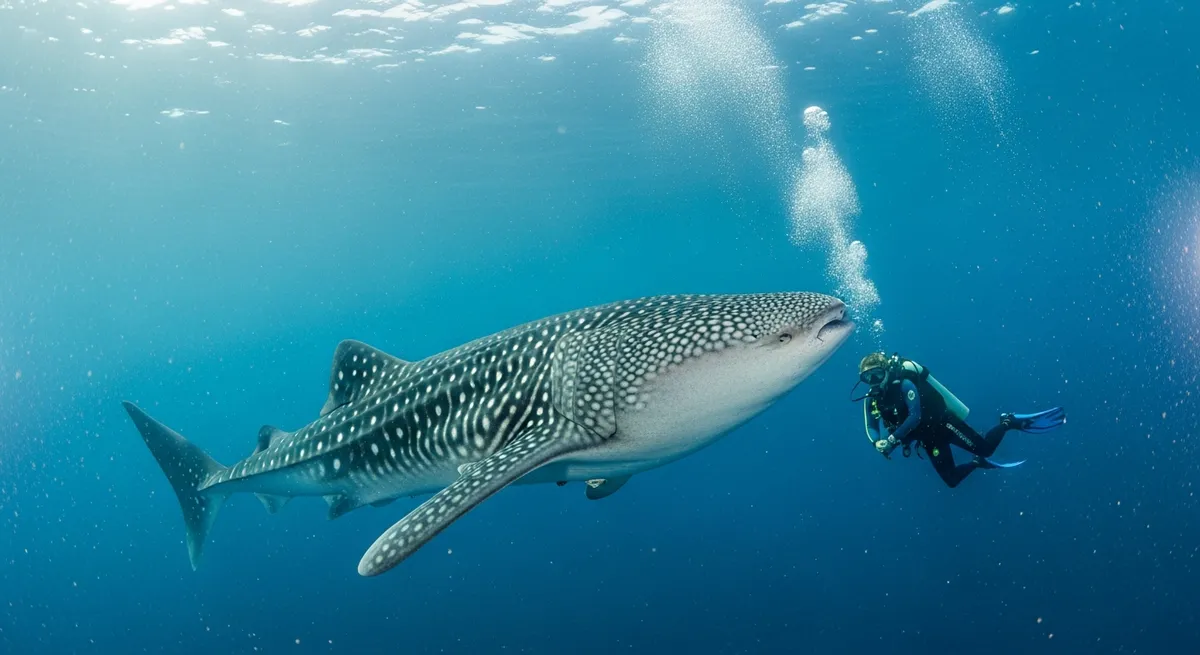
Mozambique throws up some proper surprises once you get in the water. We’ve found ourselves finning alongside whale sharks off Tofo more times than we can count, especially from October to March when they seem to cruise by with regularity. That whole Inhambane province, Tofo specifically, also reliably delivers manta rays gliding over cleaning stations. Further north, the Bazaruto Archipelago keeps things interesting with its robust reef systems and a good chance of spotting dugongs, though the Quirimbas Archipelago takes a bit more effort to reach. Expect strong currents in places and visibility that can drop after heavy rains, but the reward is often big pelagics and lively, relatively untouched coral. For us, Mozambique’s allure isn’t just the big stuff, it’s the sheer wildness of the place.
Myanmar
Southeast Asia
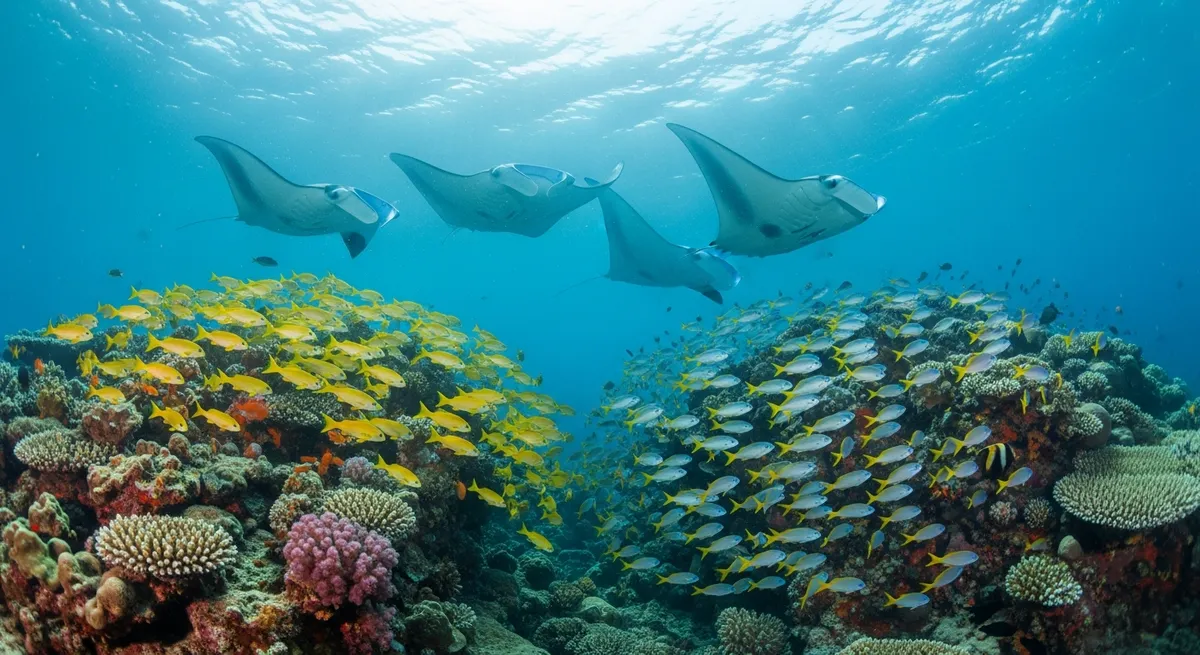
Myanmar, or Burma, diving feels like stepping back in time, largely because much of the Mergui Archipelago has remained untouched. We’re talking over 800 islands, many still unmapped underwater, creating a genuine sense of exploration you just don't find elsewhere in Southeast Asia anymore. This isn't a quick trip; liveaboards are the way to go, especially if you want to hit the Burma Banks, famed for their schooling Argus grouper and the chance of seeing something really big pass through. Visibility can vary, but when it’s good, the sheer density of some of the fish schools, like fusiliers or bannerfish, can be astounding. We’ve seen Blue Panchax flitting between lettuce corals and honeycomb morays peeking from crevices that likely haven't seen many divers. Go between November and May for the best conditions. It's not for everyone - strong currents are a real possibility on some of the offshore banks - but for divers who truly seek adventure and pristine reefs, Myanmar delivers an experience that’s increasingly rare.
New Caledonia
Australasia
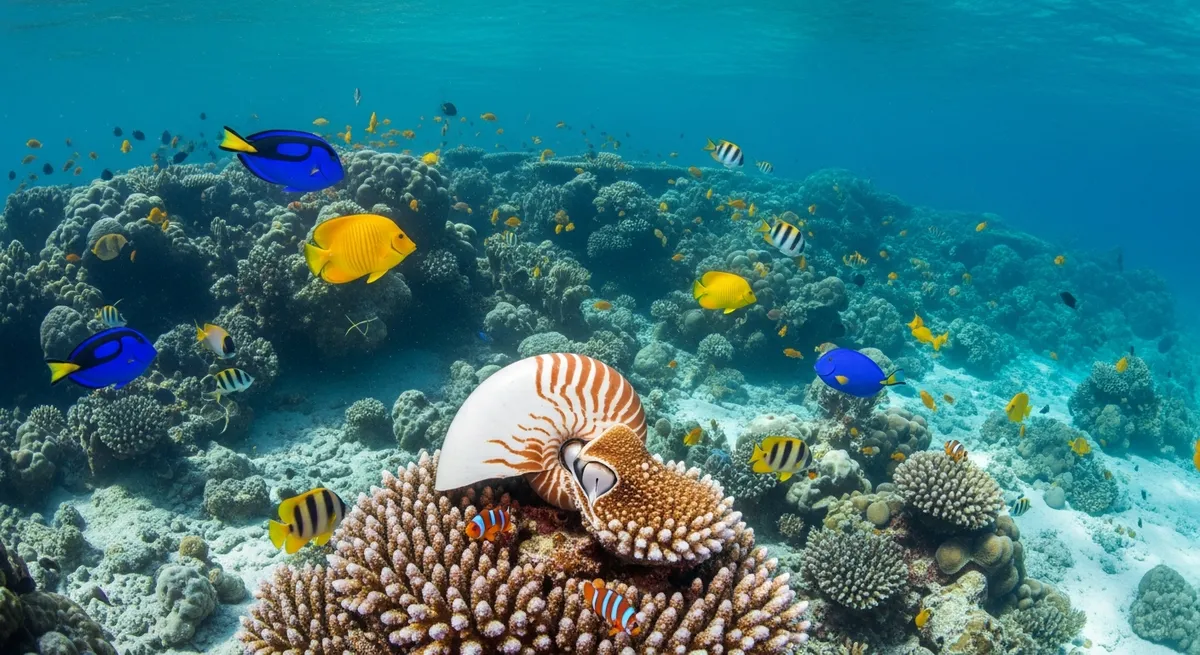
New Caledonia, that’s a different beat for Australasian diving, isn’t it? It’s not about huge pelagics or dizzying currents, not usually. What we love here is the sheer health of the Grand Lagoon, the scale of it, and the quiet chance of seeing something truly unique, like a nautilus gliding past on a deeper dive. We’d steer divers towards the Isle of Pines for those dramatic grottoes and cleaner water, or Prony Bay if you’re into the intricate nudibranch world and more sheltered dives. The best time for us is between September and December, after the winter winds die down and before the summer rains. Seeing those dugongs graze in the lagoon is a pretty special encounter, and the sheer number of endemic, smaller reef fish makes every dive a treasure hunt.

New Zealand
Australasia
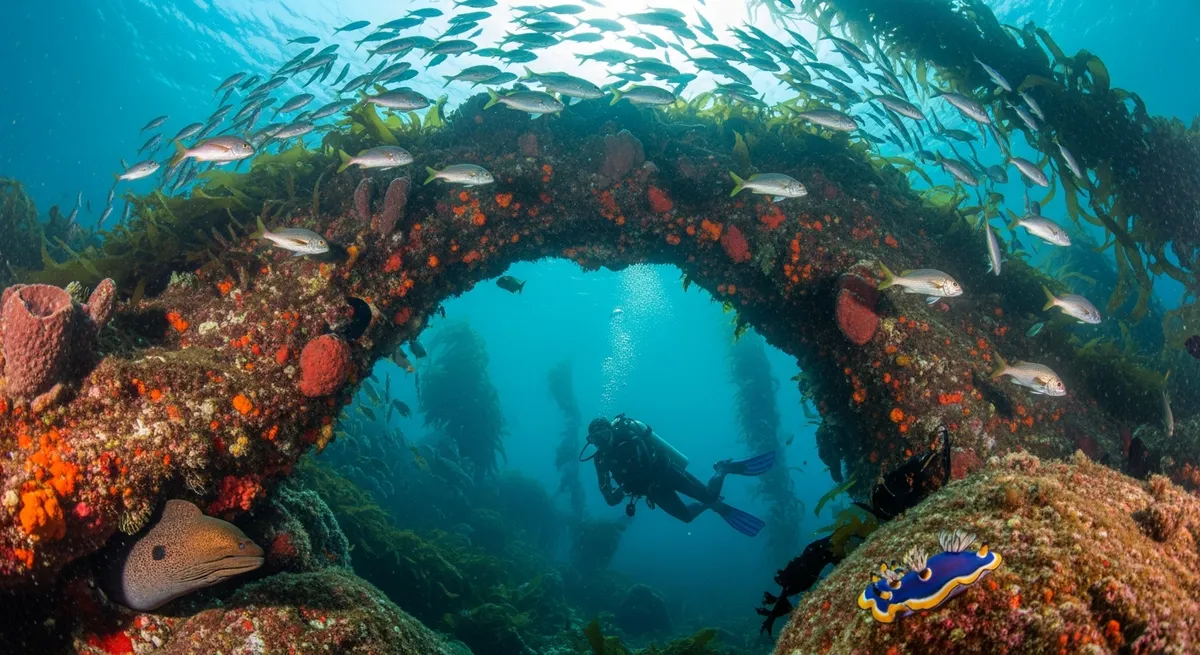
New Zealand doesn’t exactly scream "tropical dive destination", and that's precisely its charm. We're talking temperate water, a real mix of kelp forests and surprisingly vibrant reef systems, often with visibility that will genuinely surprise you. If you’re here for the big stuff and dramatic topography, the Poor Knights Islands are a no-brainer, famous for their sheer walls, archways, and a crazy amount of schooling fish, especially snapper. For something completely different, Fiordland offers these incredible black coral forests, usually found at much deeper, darker depths, right there in shallower water thanks to the freshwater layer. We think late summer, around February and March, offers the best conditions across the board, warmer water and calmer seas.

Nicaragua
Central America
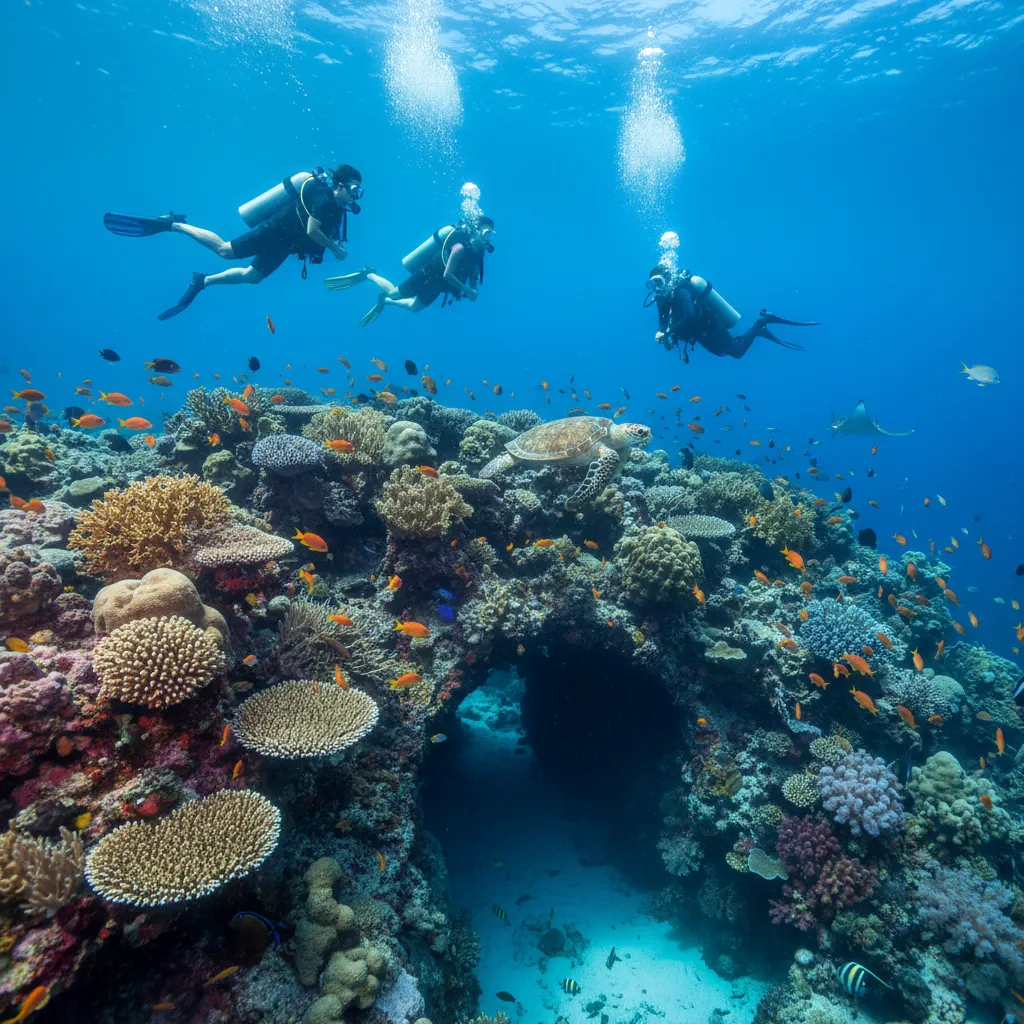
Nicaragua often gets overlooked for its flashier neighbours, but we think that's part of its charm. If you're looking for uncrowded sites and a truly relaxed vibe, the Corn Islands are where you need to be. Especially Little Corn, which has that perfect backpacker-friendly feel. The reefs here are surprisingly healthy, with good visibility most of the year. We’ve had some fantastic encounters with schools of French grunts and chalk bass, and if you’re lucky, you might even spot a lemon shark cruising by. Dive into the warm Caribbean waters and leave the crowds behind, it’s a refreshing change of pace.

Niue
Central & South Pacific
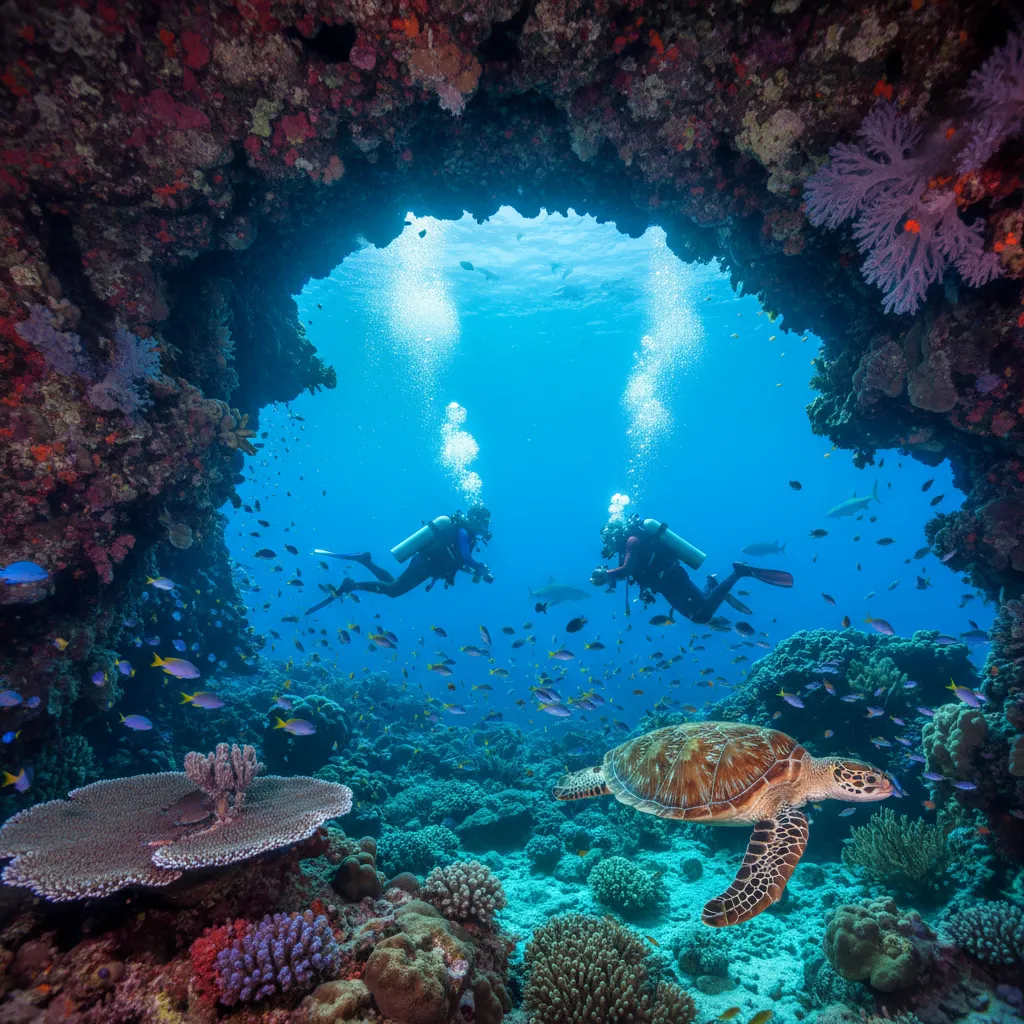
Niue isn't just a dive trip, it's an exercise in slow, quiet exploration. This raised coral atoll, just one dive operator on the whole island, promises a distinctly uncrowded experience on the West Coast, where its dramatic geological features truly shine. We’ve seen visibility stretch beyond 100 meters here, an almost unnerving clarity that lays bare the intricate cave systems and sun-dappled chasms. Drifting through formations like Snake Gully, where sea snakes often coil in crevices, or exploring the cathedral-like rooms of Chimney Cave, you really feel the island's unique character. Spinner dolphins often make an appearance, too, a playful bonus in these incredibly clear waters. If you’re after quiet, unhurried diving with spectacular topography, we’d suggest heading here between May and October, when the water is calmest.

Norway
Mediterranean & Europe
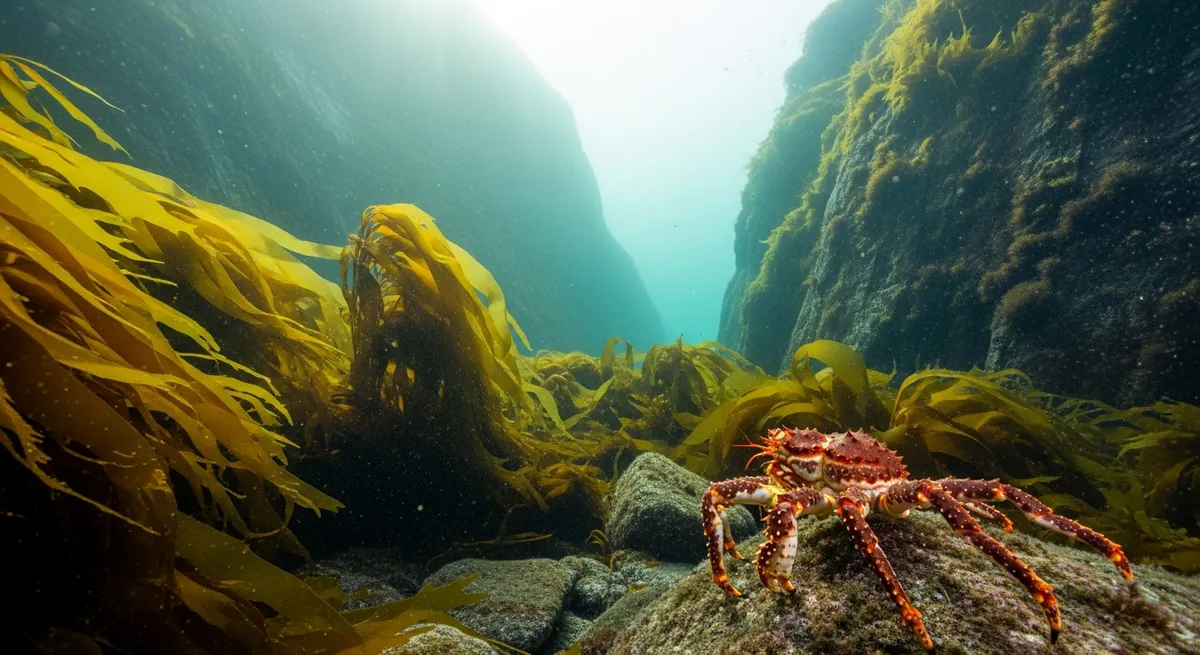
Norway isn't your typical tropical escape. It's a place for divers who appreciate the raw beauty of cold water, where kelp forests sway like ancient trees and the fjords plummet into the deep. We love the dramatic landscapes, both above and below the surface, particularly in the Lofoten Islands where the water clarity can be phenomenal. Heading north, especially around Tromsø, offers the genuine chance to encounter orcas in winter, a truly humbling experience if you're lucky. For something a little different, the Trondheimsfjorden offers unique cold-water coral formations, a real insight into a different kind of underwater ecosystem. Come in late spring or summer for the best visibility and conditions, though the orcas need that crisp winter chill.
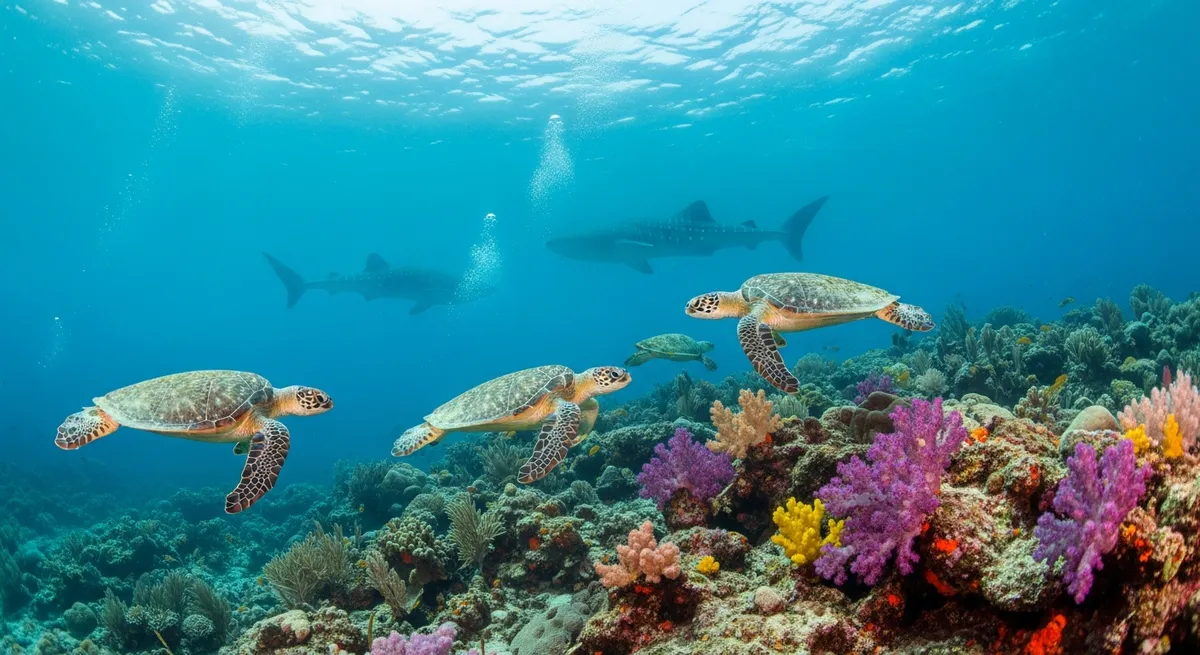

Oman
Red Sea & Middle East
Oman isn't the first place most divers think of, but it really should be. We’ve found ourselves drawn back repeatedly by the sheer wildness of the diving, particularly up in the Musandam Peninsula. It’s got that raw, adventurous feel you often miss in more developed destinations. The Daymaniyat Islands, just off Muscat, are probably the most accessible, and for good reason - the reefs there are genuinely beautiful, thick with cauliflower coral and loaded with green turtles. If you time it right, September to November, you stand a good chance of spotting whale sharks feasting in the nutrient-rich waters. Down south in Dhofar and Mirbat, the diving changes completely after the Khareef monsoon, revealing bizarre, kelp-like forests. It’s a completely different vibe, and we love how varied the diving is across the country.
Palau
Central & South Pacific
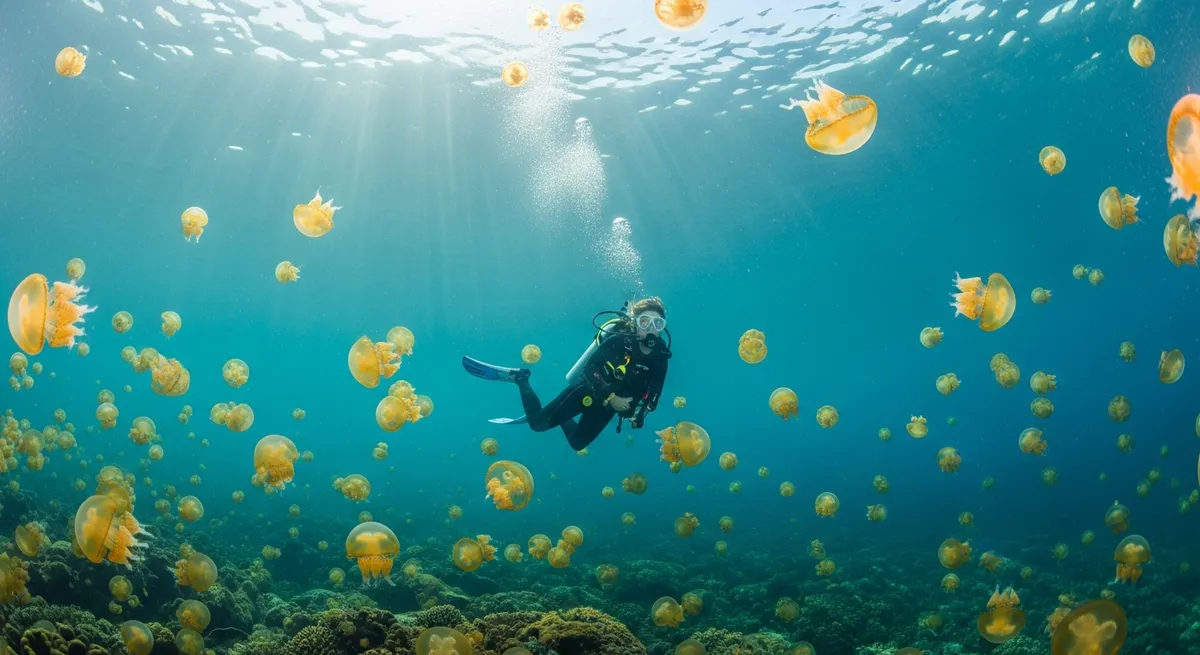
Palau is a place where you really feel the ocean's power. We go for the pelagics, the sheer numbers of sharks, and those legendary drift dives. Head to Ngemelis for Blue Corner - hook in, watch the show of grey reefs and whitetips patrol, and then feel that exhilarating rush as the current picks you up. German Channel over in Peleliu is our pick for mantas, especially if you catch it during a rising tide; the visibility can be a bit variable but the encounters are consistently good. It's a year-round destination, but for calmer surface conditions and fewer divers, we lean towards the shoulder seasons, April-May or September-October.
Panama
Central America
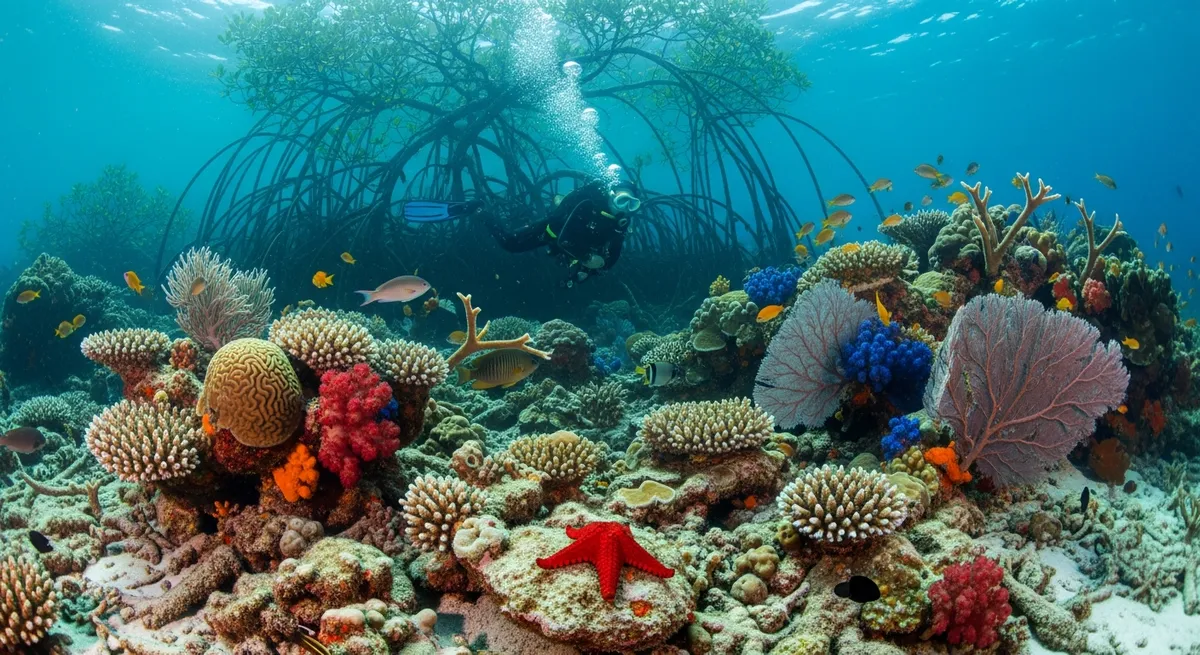
Panama’s a country that genuinely delivers on the "two oceans in one trip" promise, and that’s a big part of its appeal. We’d suggest focusing your time on either the Caribbean side’s Bocas del Toro for relaxed reef diving and incredible macro, or hitting the Pacific’s Coiba National Park for bigger pelagic encounters. Coiba often brings in whale sharks and manta rays, especially in the dry season from December to May, while Bocas has those nudibranchs and frogfish tucked into every crevice year-round. Don't expect dramatic coral walls everywhere, but what’s there is healthy, and the sheer variety across both coastlines makes for a really diverse trip. Just be aware of the currents in Coiba, they can be strong, but they also bring in the good stuff.
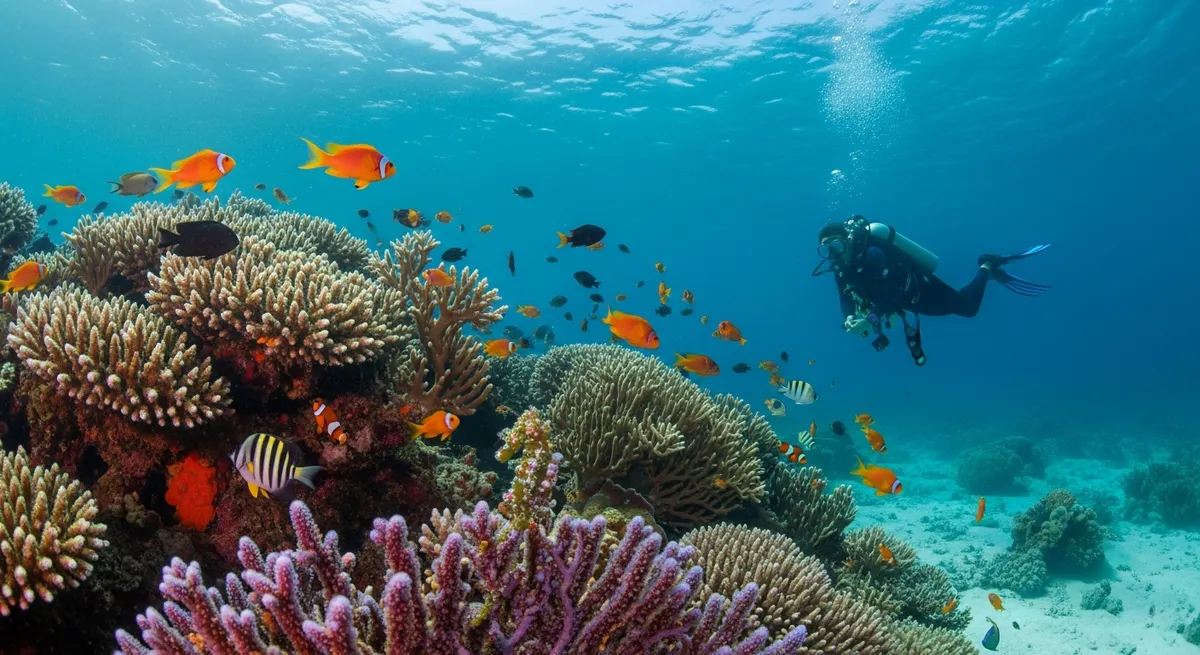
Papua New Guinea
Central & South Pacific
Papua New Guinea, it’s fair to say, isn’t for the casual diver. This is serious diving, a place where you earn your stripes and are rewarded with some truly unique encounters. We love Milne Bay for its muck diving, a weird and wonderful world of creatures like Rama Rao's scorpionfish and cone shell hermit crabs, often just a fin kick from shore. For vibrant reefs and bigger pelagics, Kimbe Bay and the Bismarck Sea deliver, sometimes with those big schools of fusiliers so thick they block the light. We usually aim for the drier months, roughly May to November, to dodge the worst of the rain, but honestly, PNG always brings the goods.
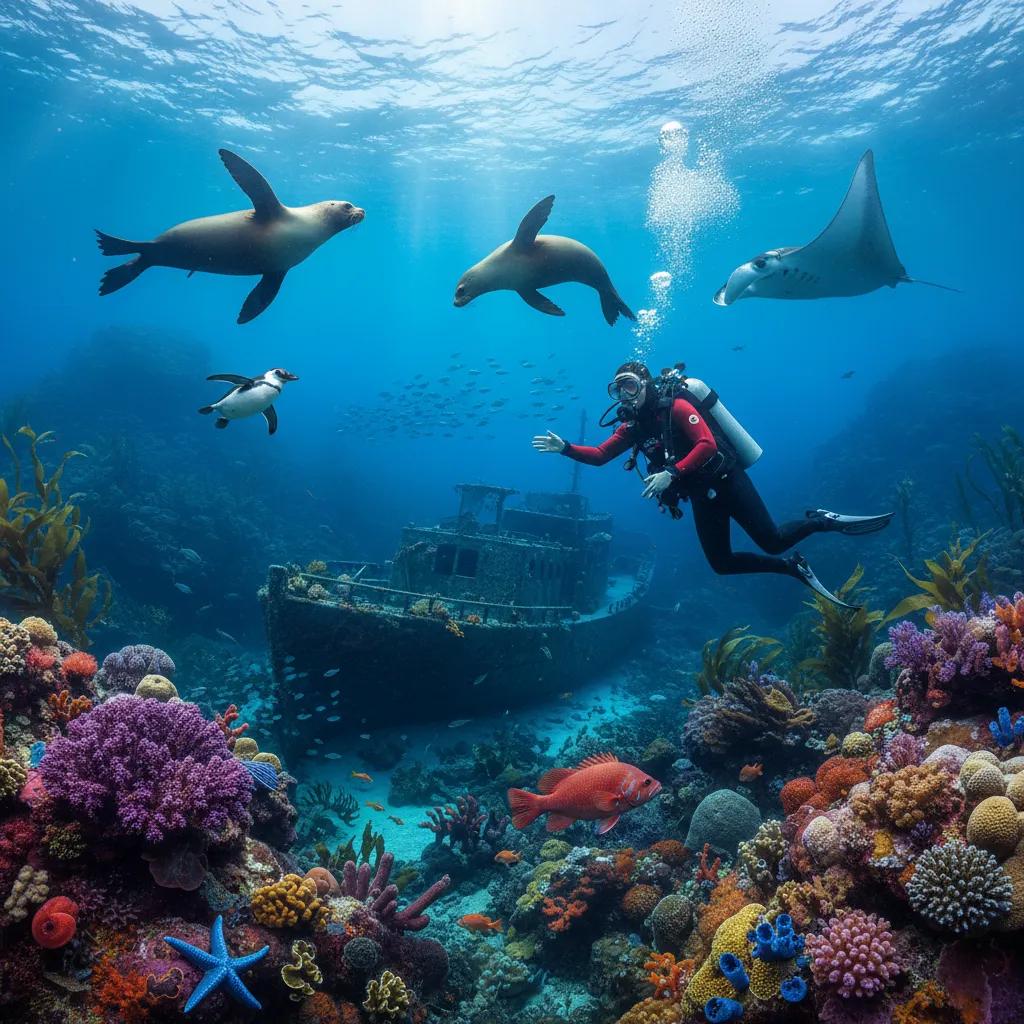

Peru
South America
When we talk about diving in South America, Peru often gets overlooked, and that’s a real shame because it offers something genuinely different. Forget the colourful reefs of the Caribbean; here, the Humboldt Current delivers an entirely unique, nutrient-rich experience. We’re talking about massive kelp forests, playful sea lion colonies, and surprisingly large octopus around Lima and the Palomino Islands - it’s a cooler water, macro-focused adventure. For a change of pace, the far north around Mancora gives you warmer water and a chance to spot species like smooth hammerheads, especially during the summer months from December to March. While it might not be a high-volume dive destination, the sheer productivity of the ecosystem and the chance to encounter barnacle blennies, blue bobos, or even orcas if you're very lucky, makes Peru a standout for the adventurous diver.
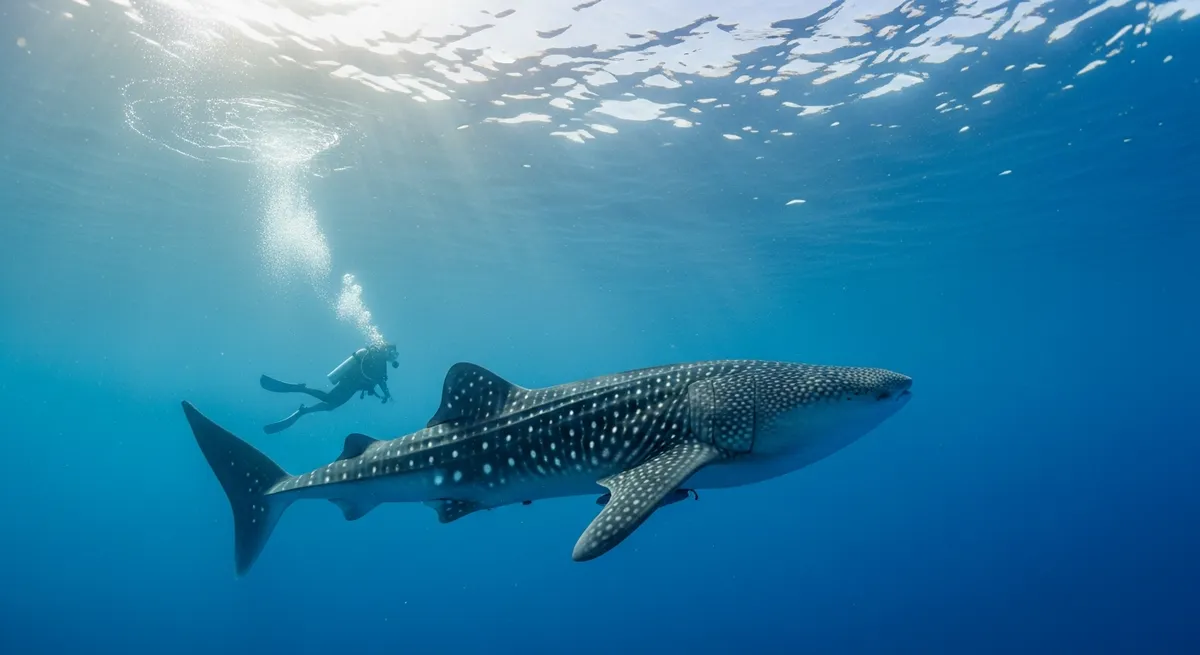

Philippines
Southeast Asia
The Philippines feels like a secret handshake among divers. You arrive expecting good diving, then discover just how varied it really is, island after island. We find ourselves drawn back to the Visayas for a classic liveaboard circuit, where you might spot thresher sharks in Malapascua one morning and be drifting over vibrant soft corals near Apo Island by afternoon. For a different vibe, Romblon’s muck diving delivers some truly bizarre critters, a macro photographer’s dream. If you’re lucky enough to snag a spot on a Tubbataha liveaboard, usually between March and June, you’ll experience some of the healthiest reefs we’ve ever seen, though it's a deep blue water trip, not for beginners. This isn’t a destination for one quick trip; it’s a country that rewards repeat visits.
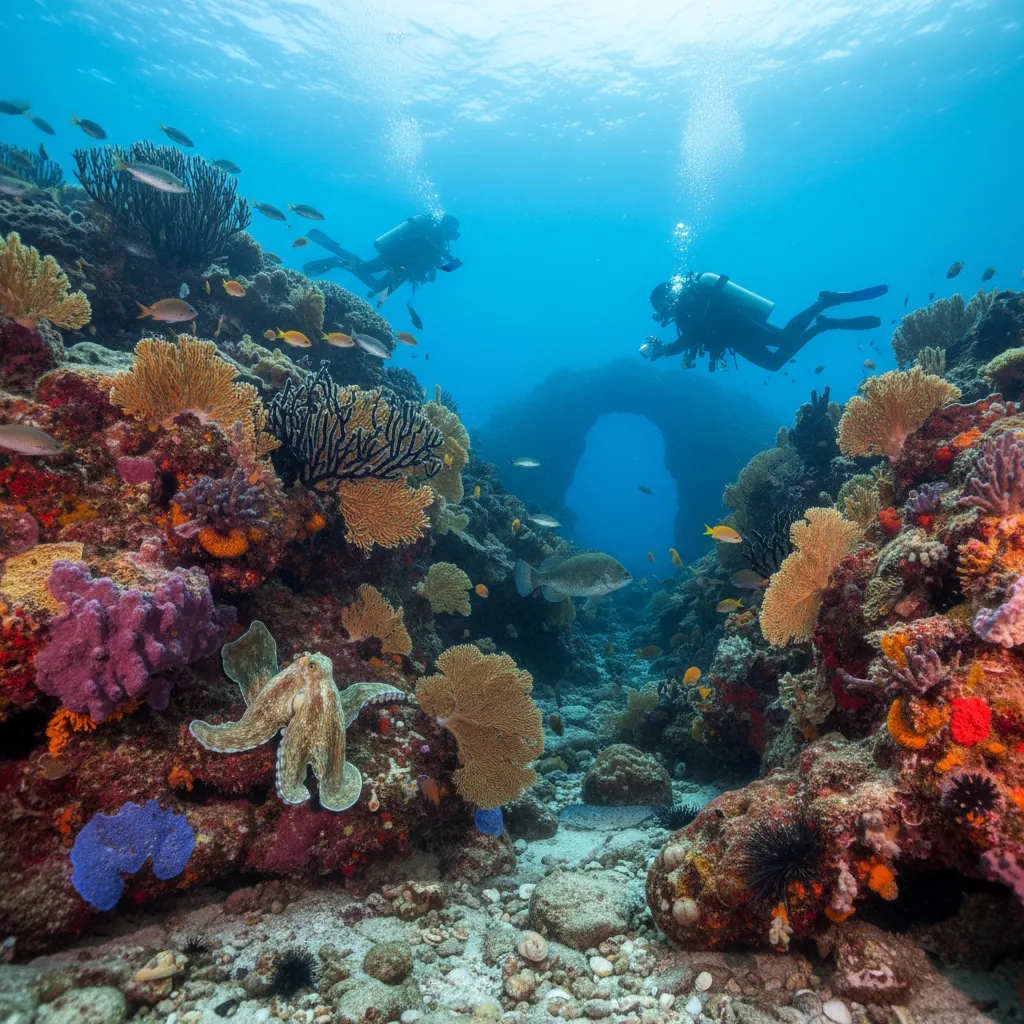

Portugal
Mediterranean & Europe
Portugal isn't always the first place that springs to mind for diving, and that's precisely what we like about it. Forget tropical reefs; this is raw, compelling Atlantic diving, where the ocean feels ancient and full of secrets. For pelagic action, the Azores are non-negotiable, offering genuine chances for open-ocean encounters with everything from mako sharks to sperm whales in summer. Closer to the mainland, the Algarve serves up some surprisingly rich coastal dives, especially around Sagres, with its dramatic drop-offs and the occasional sunfish gliding by. Our personal pick, though, has to be the Berlengas Nature Reserve - a small archipelago off Peniche, where the granite walls are plastered with jewel anemones and the occasional school of tuna flashes past. It’s rugged, often windy, but utterly captivating, best experienced from June to September.
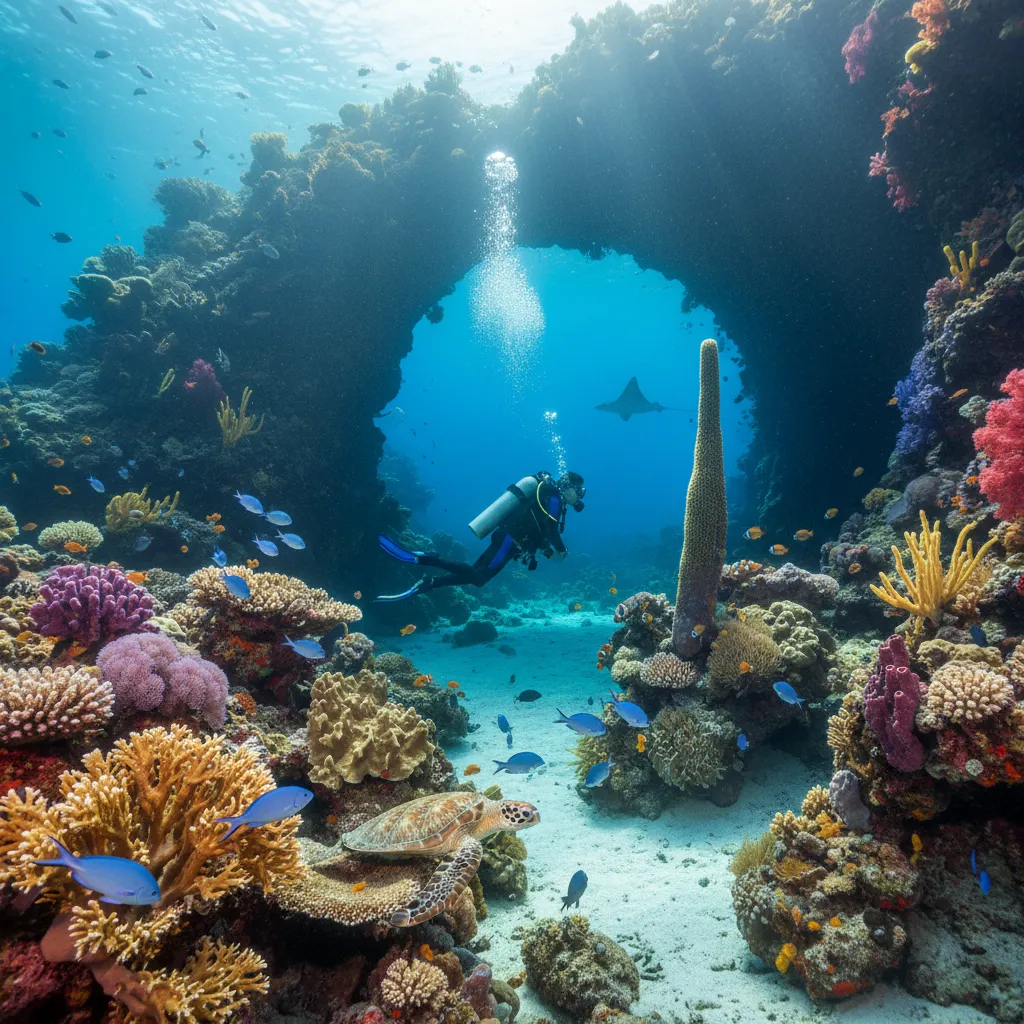

Puerto Rico
Caribbean
Puerto Rico is a place we think about often, mainly because of its surprising variety for a single island. Off the east coast, near Fajardo, you’ll find some lovely reef dives, typically calmer and good for getting back into the swing of things. But if you’re looking for a real dose of the wild Caribbean, La Parguera on the southwest is where it gets interesting - think dramatic wall dives dropping into the blue. For us, though, the crown jewel is a trip out to Mona Island. It’s a trek to get there, and conditions can be a bit challenging, but the payoff of those untouched walls and the chance to see larger pelagics makes it utterly worthwhile. Visibility is generally good year-round, but we’d aim for late spring or early summer to avoid the peak hurricane season and enjoy those calmer surface days.
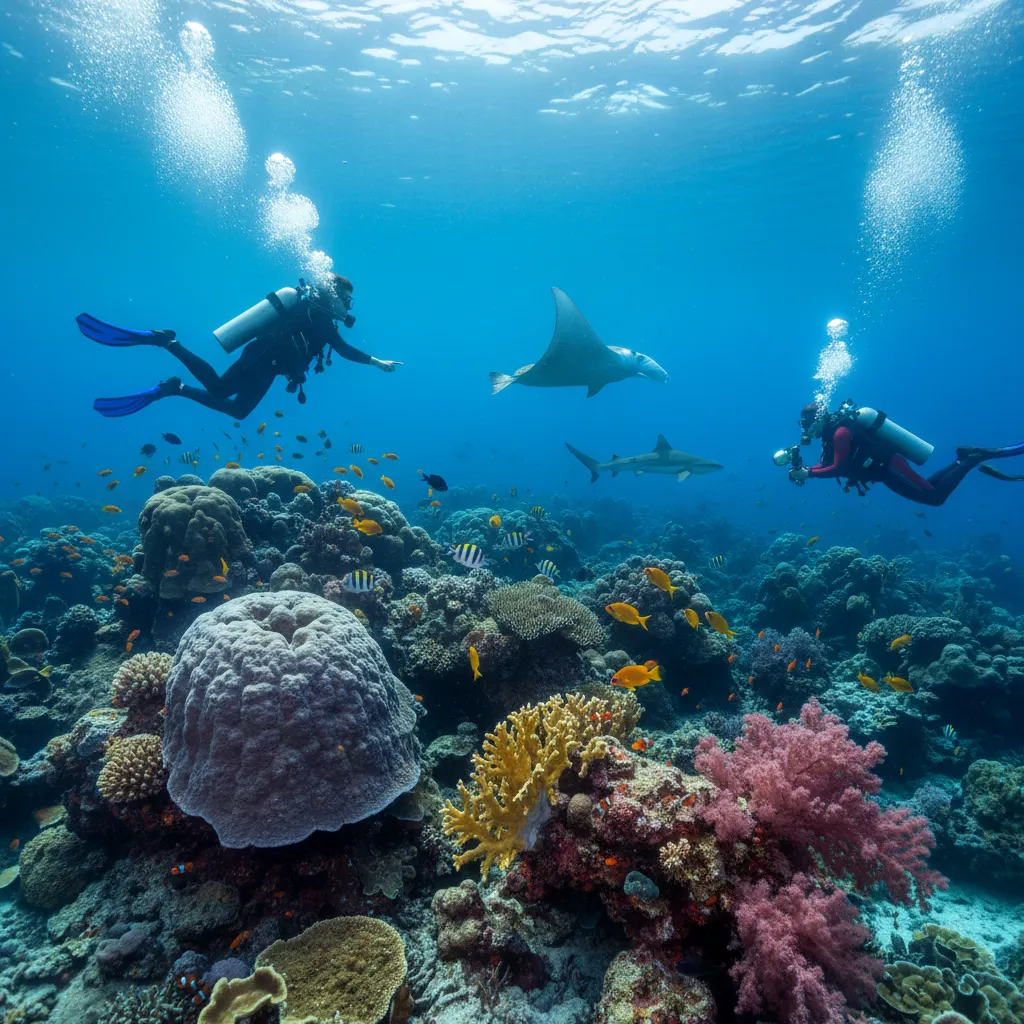

Réunion
Indian Ocean & East Africa
Réunion offers a different flavor of Indian Ocean diving, a place where dramatic volcanic topography meets vibrant reef life. Forget broad, flat reefs; here, we’re talking about lava tubes, archways, and sheer walls carved by ancient flows, especially around Saint-Gilles on the west coast. The L'Hermitage marine reserve keeps things lively with a good mix of species, from curious clown tangs darting through staghorn coral to the occasional ghost pipefish if you’ve got a sharp spotter. We particularly love the feeling of exploring those dark, moody swim-throughs before emerging into sunlit schools of bannerfish. Summer, from November to April, typically brings the calmest conditions, making those trickier entries a bit more forgiving. If you're looking for something beyond the usual postcard dive, Réunion delivers a truly unique underwater landscape.

Samoa
Central & South Pacific
Samoa really shines for divers who appreciate dramatic topography and a laid-back island vibe. The volcanic origins give you some seriously cool swim-throughs and lava tubes, especially around Upolu, which is also home to most of the dive operators. We’d suggest focusing your time there for sheer convenience, though Savai'i has its moments if you’re up for a bit more adventure. Look for Blacktip reef sharks patrolling the outer reefs, and keep an eye out for humpback whales passing through from July to October, a truly special encounter if you’re lucky. Visibility is consistently good, usually 20-30 metres, and the water stays a comfortable 27-29°C year-round. It's a place where you can really slow down and enjoy the reef without feeling rushed.

São Tomé & Príncipe
Indian Ocean & East Africa
Stepping onto São Tomé & Príncipe, you feel like you’ve found the edge of the diving map. This isn’t a place with a dozen dive centres and slick operations; it’s raw, real, and feels genuinely unexplored. We’re talking about a couple of spots, one on São Tomé and one on Príncipe, where you’ll dive volcanic architecture rather than sprawling coral fields. The draw here is the sheer sense of discovery, the pelagics that cruise by - we’ve seen African forktail snapper and great barracuda in numbers, and the occasional leatherback sea turtle glides past. Go between July and October for the calmest seas. Our pick is the drift dives around Príncipe, where the currents really bring the bigger fish to you. It’s not for everyone, but if you love pioneering a destination, this is it.

Saudi Arabia
Red Sea & Middle East
Saudi Arabia is, without question, the Red Sea's final frontier, and it’s finally opening up. We’re talking about vast stretches of coastline, well over 1,700km, that have seen almost no diving pressure. Think about that for a minute. The reef systems, especially around the Farasan Banks and the Al Lith islands, are genuinely untouched, full of dense coral structures like huge fields of staghorn and birdsnest coral, often in ridiculously shallow water. Visibility can often reach beyond 30 metres, especially further offshore, and the current development projects in NEOM and around The Red Sea Project are just starting to scratch the surface of what’s out there. We’ve seen healthy populations of reef sharks cruising through pristine hard coral gardens, and the sheer scale of the undisturbed reef means you’re often the only boat for miles. We’d suggest focusing on the Farasan Islands if you’re looking for true exploration, or heading out from Al Lith for some impressive offshore pinnacles. The shoulder seasons, late spring and early autumn, typically offer the best balance of calm seas and comfortable temperatures.

Senegal
Indian Ocean & East Africa
Senegal might not be the first place that comes to mind for a dive trip, but we think that’s part of its charm. The cold Canary Current sweeping down from the north mixes with warmer tropical flows here, creating a unique environment. You get species from both worlds, which is pretty cool. We’d suggest focusing on the Dakar peninsula, where you'll find a surprising number of wrecks and artificial reefs, often attracting big schools of barracuda and jacks. Keep an eye out for green turtles and manta rays gliding past. For something a little different, the chance of spotting a whale shark from August to November is a real draw, though it’s never guaranteed. If you’re looking for a pioneering dive experience in West Africa, Senegal certainly delivers.
Seychelles
Indian Ocean & East Africa
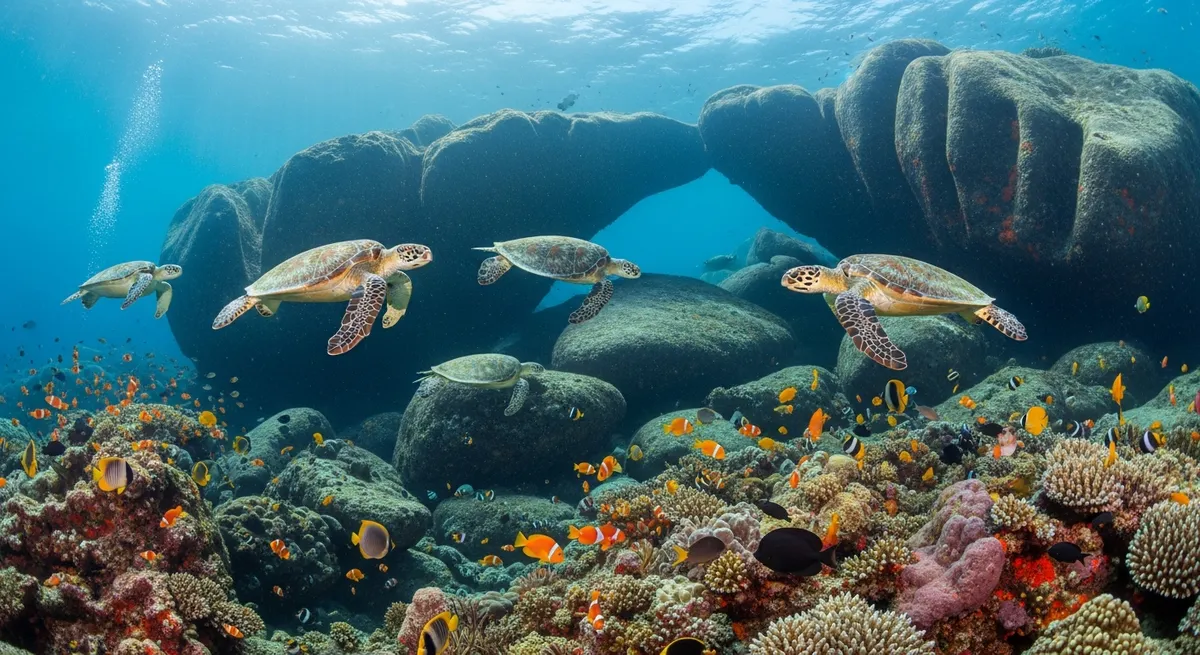
Seychelles gives you a really distinct feel, largely because of those enormous granite boulders scattered both above and below the surface. We love the Inner Islands for their easy-to-reach reefs, where you often find nurse sharks napping under ledges and schools of fusiliers swirling around the coral heads. For something truly special, you’ve got to consider the Outer Islands, particularly the UNESCO-protected Aldabra Atoll; it’s a proper wilderness dive, offering encounters with big pelagics and a sense of remoteness few places can match. Visibility is generally excellent year-round, but April to May and October to November avoid the stronger winds. If you're looking for unique underwater topography alongside some impressive marine life, Seychelles should definitely be on your radar.

Singapore
Southeast Asia
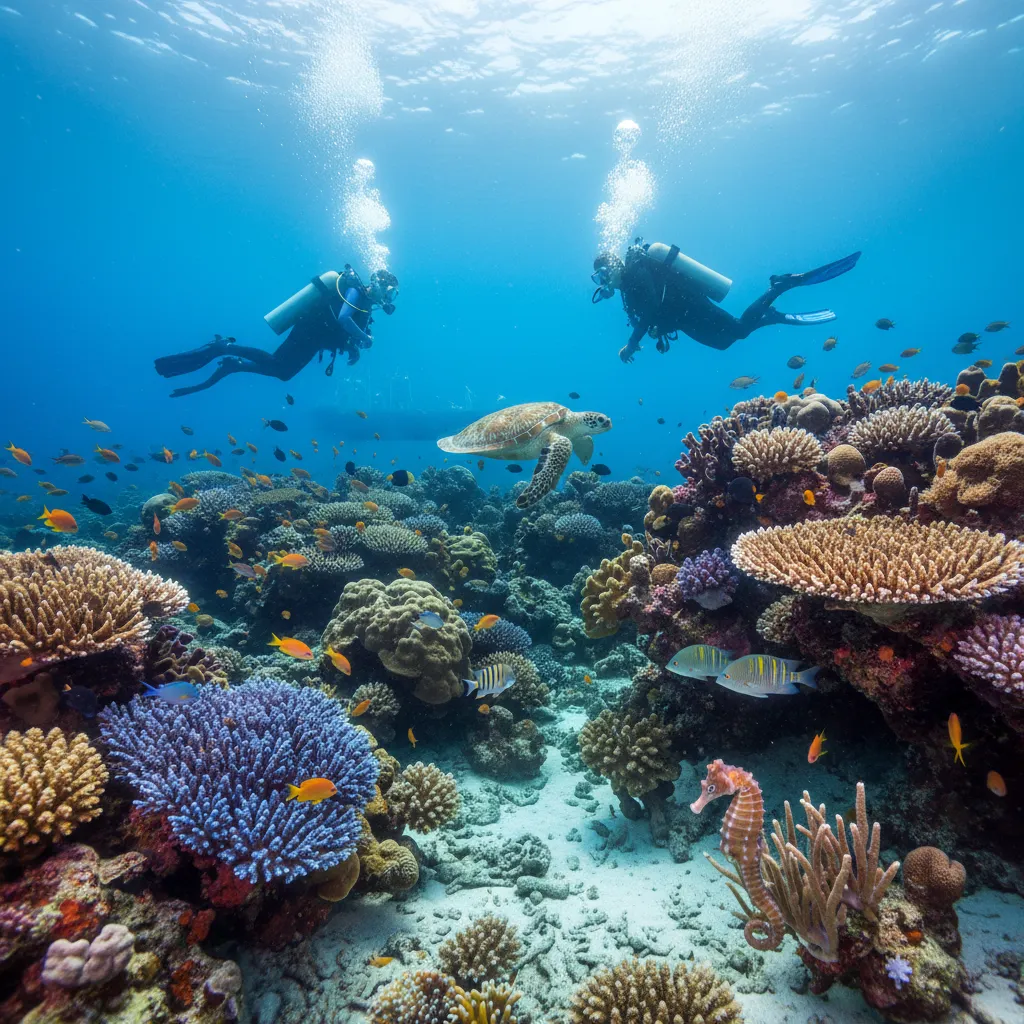
Singapore diving, it’s not what most people picture. Forget the usual suspects, because what you’ll find around the Southern Islands is a resilient, surprisingly busy ecosystem. We’re talking about Pulau Hantu and the Sisters' Islands Marine Park where, despite the city skyline in the distance, you can spot a Bowmouth Guitarfish cruising by or spend an entire dive looking for Blue-spot Blennies in the coral. Visibility here can be a bit of a lottery, often driven by currents and recent rainfall, but we’ve had some truly spectacular dives with 10-meter visibility, especially after a dry spell. It’s a macro playground; think nudibranchs, seahorses, and those tiny Whitespot Damsels darting through Lettuce Coral. We find the best diving is generally outside the monsoon season, from March to October, when conditions are a little more stable. It’s not about grand pelagic encounters, but rather the joy of discovery in an unexpected place.
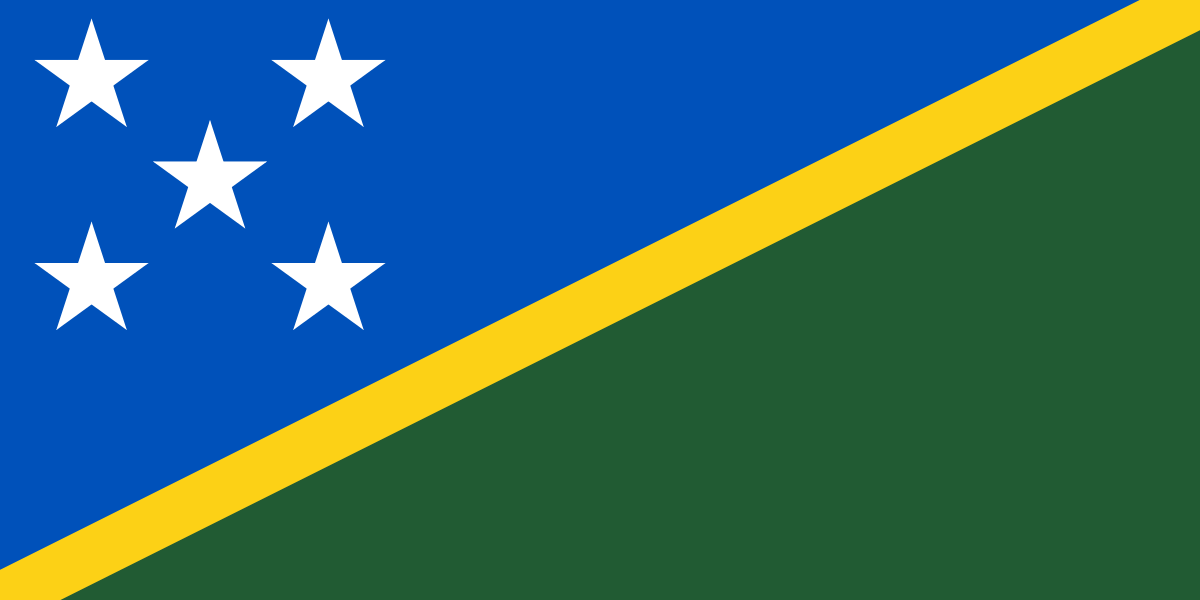
Solomon Islands
Central & South Pacific
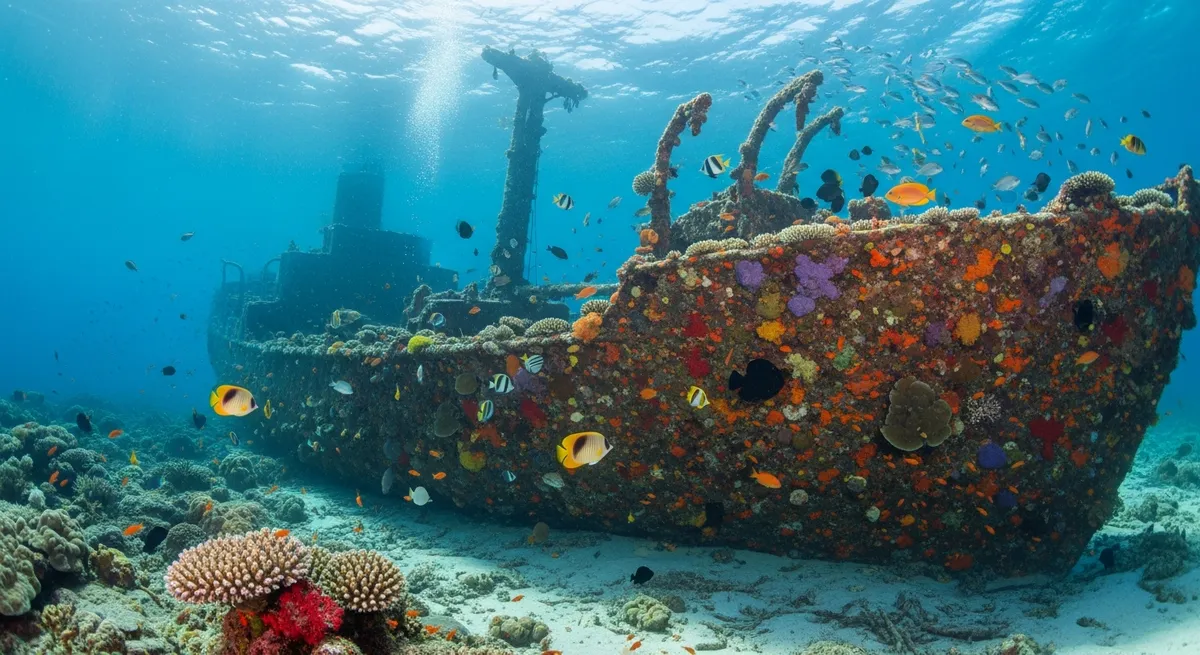
The Solomon Islands, for us, feel like stepping back in time, both underwater and on land. It’s less about manicured resorts and more about raw, untouched diving, often with a profound sense of history bubbling just beneath the surface. We always point divers towards Iron Bottom Sound for the sheer density of World War II wrecks - it’s a sombre, incredible experience to glide past these war relics. For vibrant reef diving, the Marovo Lagoon in the Western Province is exceptional, a place where the coral seems to grow with an almost wild abandon, dotted with the occasional banded maori wrasse. We’ve found the diving consistently good year-round, but avoiding the rainy season from November to April makes for easier travel between islands, especially if you’re planning on hopping around to explore places like the Florida Islands or Gizo.
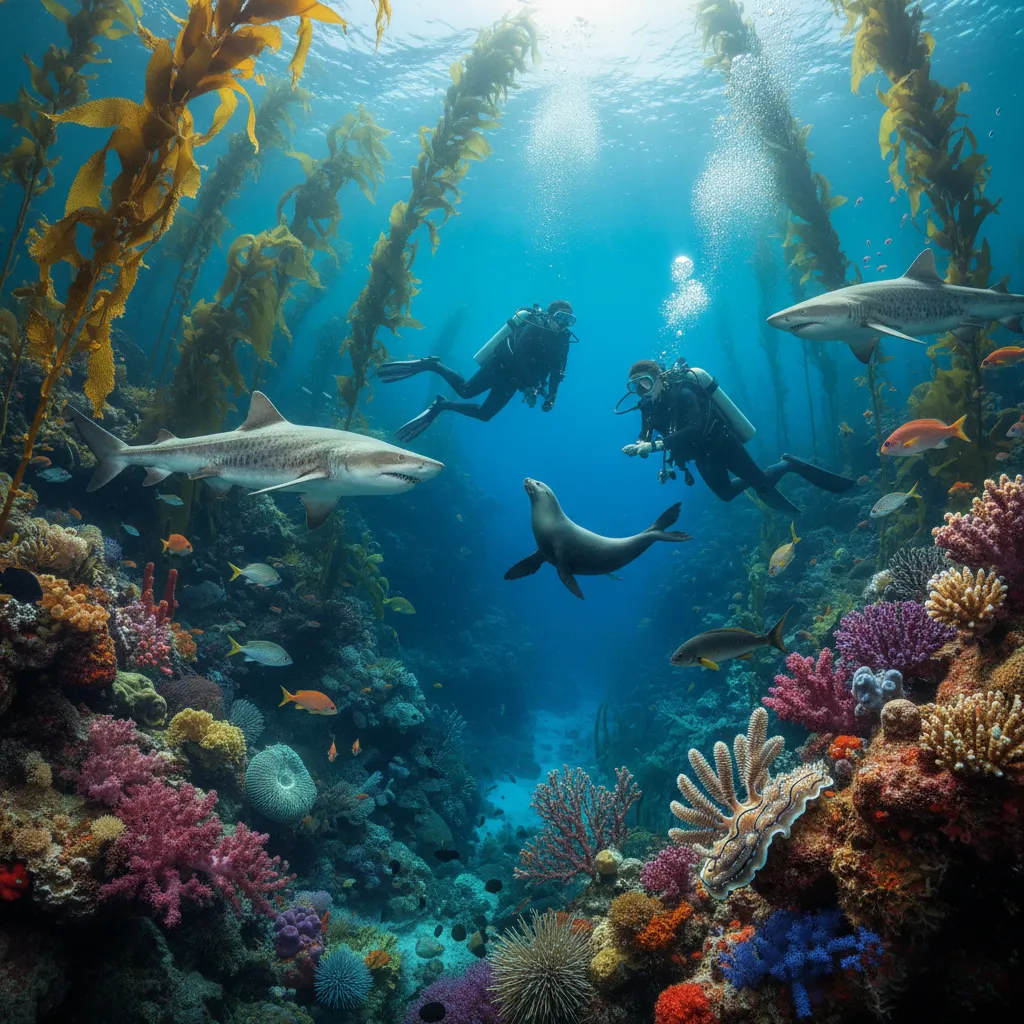

South Africa
Indian Ocean & East Africa
South Africa isn’t your typical warm-water reef destination, and that’s precisely why we love it. This is big animal territory, where the ocean feels raw and alive, pulling divers in with the sheer force of its wildness. You’ve got two main plays here: the chilly, kelp-strewn waters of the Western Cape for those iconic seven-gill cow sharks and seal colonies, or the warmer Indian Ocean currents off KwaZulu-Natal for serious shark action. If you’re coming for the big stuff, the Aliwal Shoal and Protea Banks are where you’ll spend your time, delivering regular encounters with tiger sharks, bull sharks, and hammerheads. And then there’s the Sardine Run, an absolute sensory overload that every diver should try to witness at least once - though be ready for unpredictable conditions and early mornings. We’d suggest aiming for their winter months, roughly June to October, for the best chances with the migratory species. Just be prepared for strong currents and variable visibility; this isn't a place for the faint of heart, but it absolutely delivers.

South Korea
East Asia
Diving in South Korea feels like tapping into a well-kept secret, especially if you’re used to tropical warmth. Forget the usual reef scenes; here, it’s all about the dramatic volcanic topography and a surprisingly robust temperate ecosystem. We always steer divers towards Jeju Island first. Its UNESCO-listed volcanic landscapes continue underwater, creating compelling backdrops for dives through unique soft coral forests. Watching the haenyeo, Jeju’s legendary free-diving women, work their craft before a dive always grounds the experience in something truly local. For the adventurous, Ulleungdo and its neighbouring Dokdo islets offer more rugged diving. Strong currents are common, but they bring in the larger pelagics - we’ve seen impressive schools of Bullet Mackerel and Oriental Bonito pass by. The East Coast has its moments too, especially if you’re keen on finding some of the more unusual bottom dwellers, like the Japanese Stargazer. Visibility can be variable, often dropping in spring with plankton blooms, but when it’s good, the sheer density of marine life - from Bigscale Duckbills to striking Star ascidians - is genuinely compelling. Pack a thick wetsuit; even in summer, the water has a refreshing chill.

Spain
Mediterranean & Europe
Spain is a sprawling country, and its diving is just as varied, pulling from both the warm Mediterranean and the wilder Atlantic. If you’re looking for big volcanic topography and a good chance of seeing angel sharks, we'd point you towards the Canary Islands, particularly El Hierro, which always feels a bit like stepping back in time. For classic Mediterranean diving, the marine reserves around the Medes Islands and Cabo de Palos deliver, with big schools of barracuda and often some seriously chunky groupers finning through the Posidonia meadows. We’ve found the summer months offer the most settled conditions, but places like the Canaries are reliable year-round. Don't overlook the chance to spot a stout bobtail squid or a painted comber; they’re often the quiet stars of a Spanish dive.

Sri Lanka
Indian Ocean & East Africa
Sri Lanka is a fascinating island above the water, and we think its diving scene shares that same kind of character - a bit wild, a bit unpredictable, and full of surprising moments. You’re really playing a monsoon lottery here, with the diving flipping from the west and south coasts (Hikkaduwa, Kalpitiya) in our winter months to the east (Trincomalee, Batticaloa) from May to October. We often find ourselves heading east for the season, particularly to Trincomalee, where the chance of spotting a blue whale from the boat on your way to a dive is genuinely high. The reefs around Pigeon Island are fine, but it’s the wreck diving that really grabs us, especially the HMS Hermes, a destroyer that went down in World War II. It’s a proper expedition dive, but the sense of history down there, alongside the resident schooling fish, is something pretty special.

St. Kitts & Nevis
Caribbean
St. Kitts and Nevis offers a quiet slice of Caribbean diving, a real escape from the busier islands. With only a handful of dive centres, you often feel like you have the reefs to yourself, which is a rare treat these days. We’ve found the diving around St. Kitts itself to be the most varied, especially for those who enjoy poking around wrecks and checking out volcanic architecture underwater. While the reefs are healthy, the real charm here is the chance to spot the smaller, shyer stuff - things like Antenna Codlets and the surprisingly well-camouflaged Mushroom Scorpionfish, if you have a good guide. Winter, from December to April, generally offers the calmest seas and best visibility, though summer diving can be very pleasant too.

St. Lucia
Caribbean
St. Lucia means diving the Pitons, pure and simple. Those twin volcanic peaks don't just dominate the skyline, they plunge straight down into the sea, forming some seriously dramatic walls around Soufriere. Head south from Anse La Raye and you’re into the Soufriere Marine Management Area, which protects reefs robust enough to weather the usual Caribbean storms. We’ve found the diving around here, particularly the Pinnacles, to be fantastic for spotting things like greenblotch parrotfish and the occasional blackfin spiderfish tucked away. Currents can pick up, so we always suggest checking conditions, but generally, the summer months bring calmer seas and excellent visibility, perfect for exploring those deep reef crevices for conger eels.

St. Vincent & the Grenadines
Caribbean
St. Vincent and the Grenadines isn’t for everyone, and that’s precisely why we like it. If you’re into big resorts and crowded boats, this isn't your spot. Here, the diving feels exploratory. We’re talking about a dramatic volcanic landscape on St. Vincent, where walls drop into black coral forests, and a keen eye will spot rare eels, like the Avocet Snipe Eel or a Collared Eel tucked into crevices. Then there are the Tobago Cays, a complete contrast with their shallower, sun-drenched reefs, perfect for spotting Spotted Trunkfish or a Yellowtail Parrotfish munching away. Come between November and May for the calmest conditions, though you might get lucky with Fourwing Flyingfish breaching year-round. It’s raw, it’s real, and it’s a refreshing change of pace from the usual Caribbean circuit.
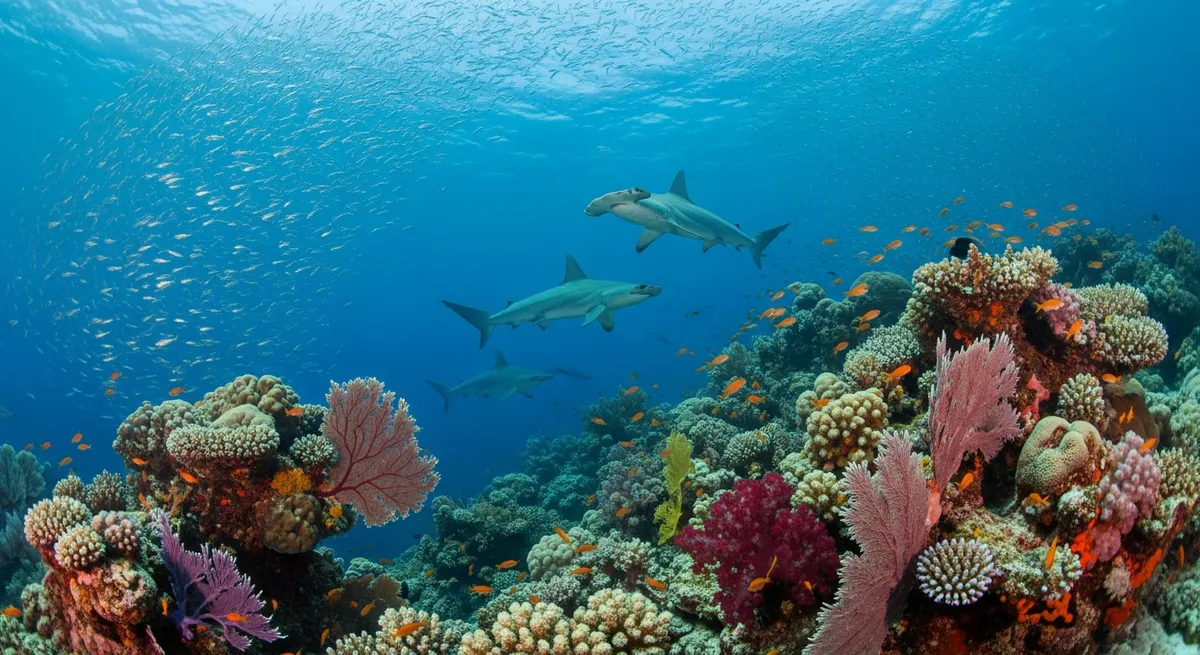
Sudan
Red Sea & Middle East
Sudan. Just the name conjures images of remote, wild diving, and honestly, that's exactly what you get. We’re talking about a stretch of Red Sea that feels genuinely untouched, a proper contrast to its busier northern neighbours. Head straight for Port Sudan and the offshore reefs, particularly Sha'ab Rumi and Sanganeb, if you want to experience the very best of it. This is where you’ll find Jacques Cousteau’s Conshelf II habitat and walls dropping into the blue, patrolled by schools of Batavian parrotfish and clown tangs. The winter months, roughly October to May, give you cooler water and typically better visibility, perfect for spotting the big pelagics that cruise through.

Sweden
Mediterranean & Europe
Forget tropical reefs. Diving in Sweden is about an entirely different kind of immersion, one steeped in history and a unique ecosystem. We think the real draw here is the Baltic Sea, particularly for its incredible shipwreck preservation. The low salinity and chilly temperatures act like a natural time capsule, leaving centuries-old wooden wrecks almost perfectly intact, a truly eerie and humbling experience. Head west, towards Gothenburg, and you’ll find the waters influenced by the North Sea, bringing a richer marine diversity. Expect encounters with things like snake blennies, butterfish, and the colourful Corkwing wrasse amongst fields of oarweed and Irish moss. Summer, from June to August, generally offers the best conditions for exploring, with slightly milder temperatures and better visibility. It’s not a numbers game for species, but the quality of the unique discoveries makes it a standout.
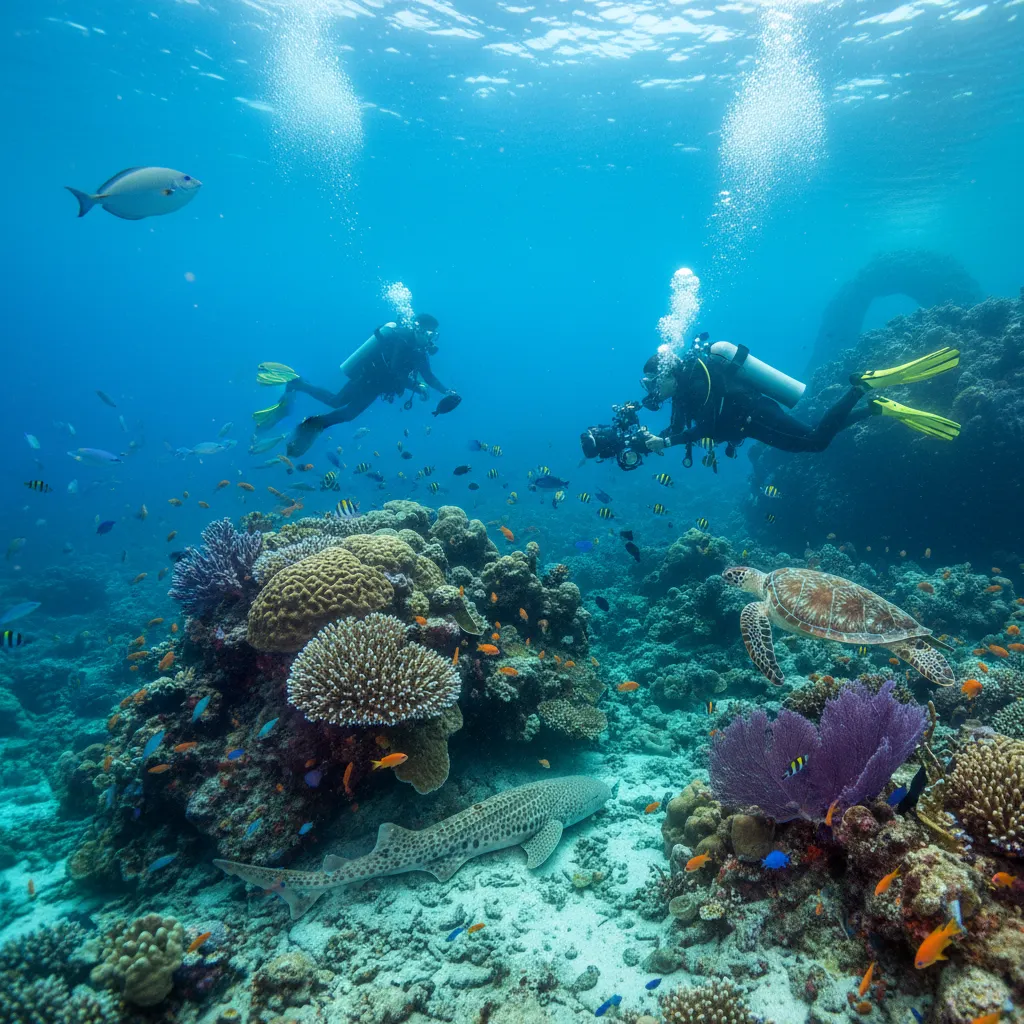

Taiwan
East Asia
Taiwan probably isn't the first place that springs to mind for a dive trip, and that's exactly why we love it. The island sits right in the path of the Kuroshio Current, bringing in some incredible species you just don't see everywhere else. If you’re into big pelagics and serious drift dives, Orchid Island and Green Island are your go-to, with currents that will whip you past schools of jacks and barracuda, sometimes even a passing sperm whale. Kenting National Park on the main island offers a gentler pace with healthy hard corals and a surprising array of reef fish, perfect for a longer bottom time. We’d suggest heading there in late spring or early autumn to avoid typhoon season and enjoy the best visibility.
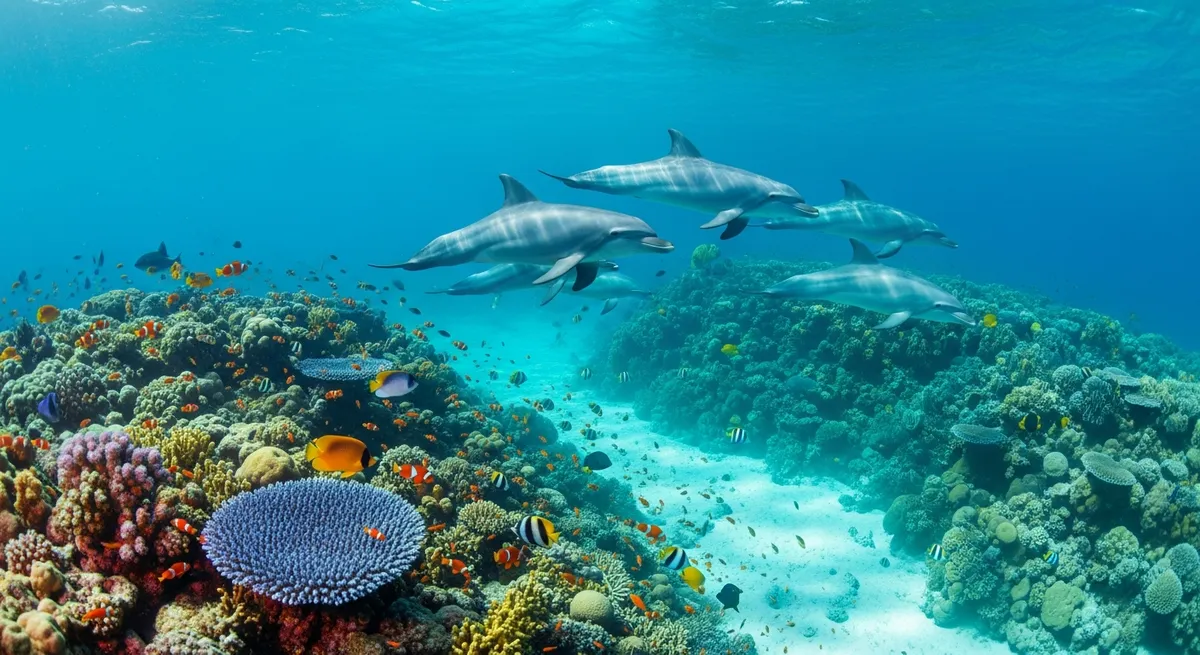

Tanzania
Indian Ocean & East Africa
Tanzania offers a truly unique slice of Indian Ocean diving, especially if you’re looking for a slower pace and fewer crowds. We love how remote some of these sites feel, particularly around Mafia Island, where the seasonal whale shark aggregations are something else entirely - swimming alongside those gentle giants is a humbling experience. Zanzibar and Pemba deliver on classic reef diving with plenty of wrasse and parrotfish, but for sheer unspoiled feeling, head south to Kilwa. Visibility holds up well for most of the dry season, June to October, making it ideal for exploring the healthy cauliflower coral formations. It’s not about ticking off a list here; it’s about absorbing the quiet beauty of a less-trodden dive path.
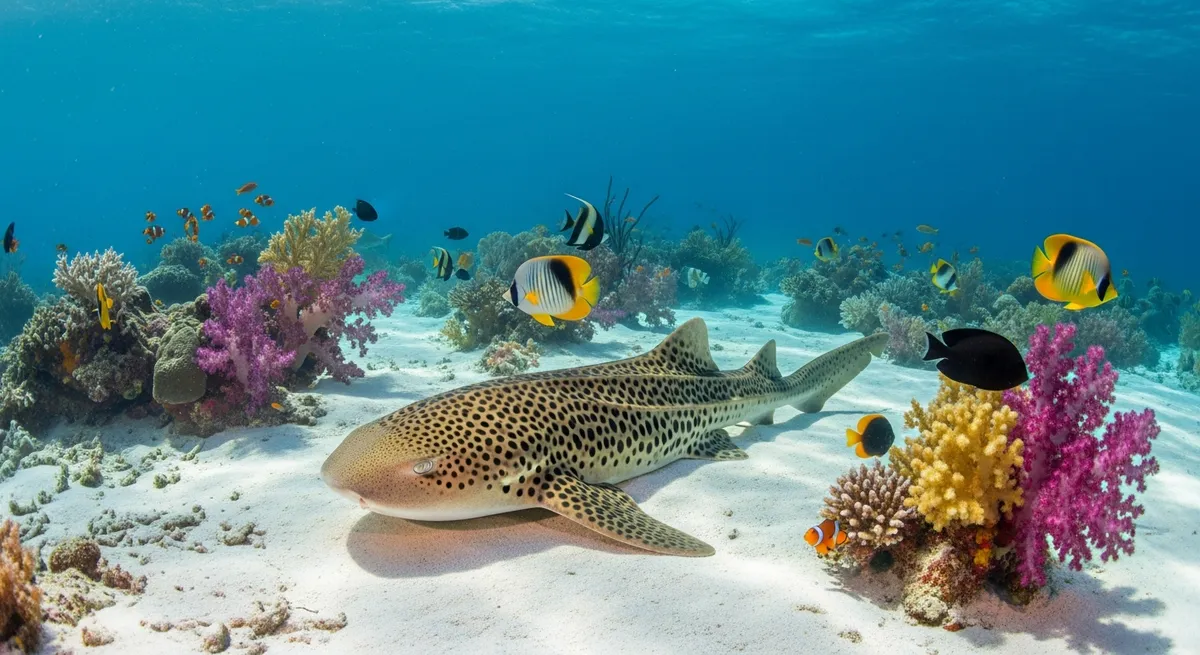

Thailand
Southeast Asia
Thailand is where a lot of us first strapped on a tank, and for good reason. The diving here is wonderfully accessible, warm, and often ridiculously pretty, a perfect mix for divers new and old. If you’re after big pelagics and dramatic underwater topography, the Similan and Surin Islands from November to April are our top pick, with healthy chances of manta rays and even whale sharks. For learning or just a chilled-out week of easy reef dives, Koh Tao in the Gulf offers a friendly vibe and calm conditions. We’ve had some truly memorable encounters with schools of fusiliers so thick they block the sun in the Andaman, and finding a tiny, colourful Delicate Blenny hiding in a coral head is always a win. Just expect crowds at the really popular spots, particularly during peak season.
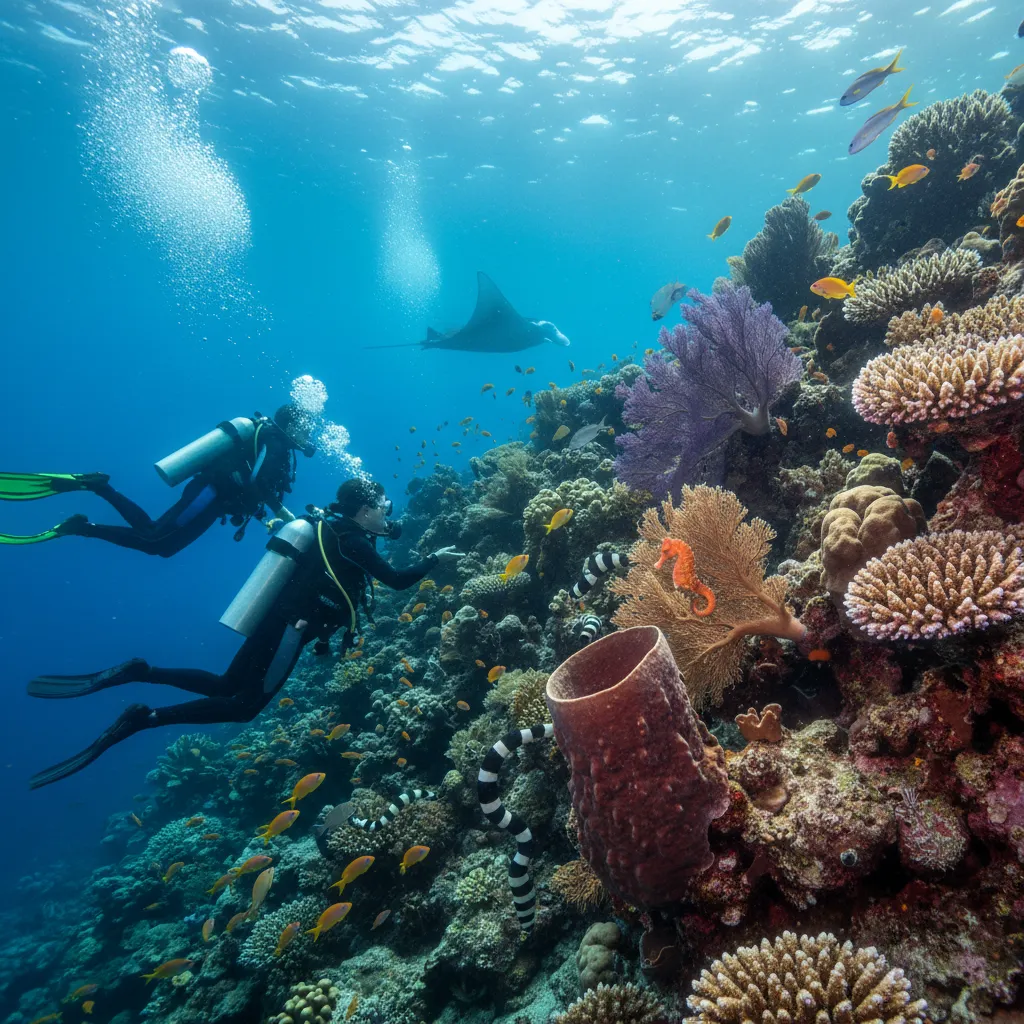

Timor-Leste
Southeast Asia
Timor-Leste still feels like a secret, even with its Coral Triangle address. We love it because it’s the real deal - reefs that genuinely see fewer divers in a year than some spots do in a day. You'll want to aim for Atauro Island, absolutely; its fish diversity is eye-popping, but the Dili coast offers surprising access to healthy shallow reef too. Think abundant, big schooling fish, often with nobody else around. The dry season, roughly May to November, usually brings the calmest seas and clearest water, ideal for exploring those vast staghorn fields.
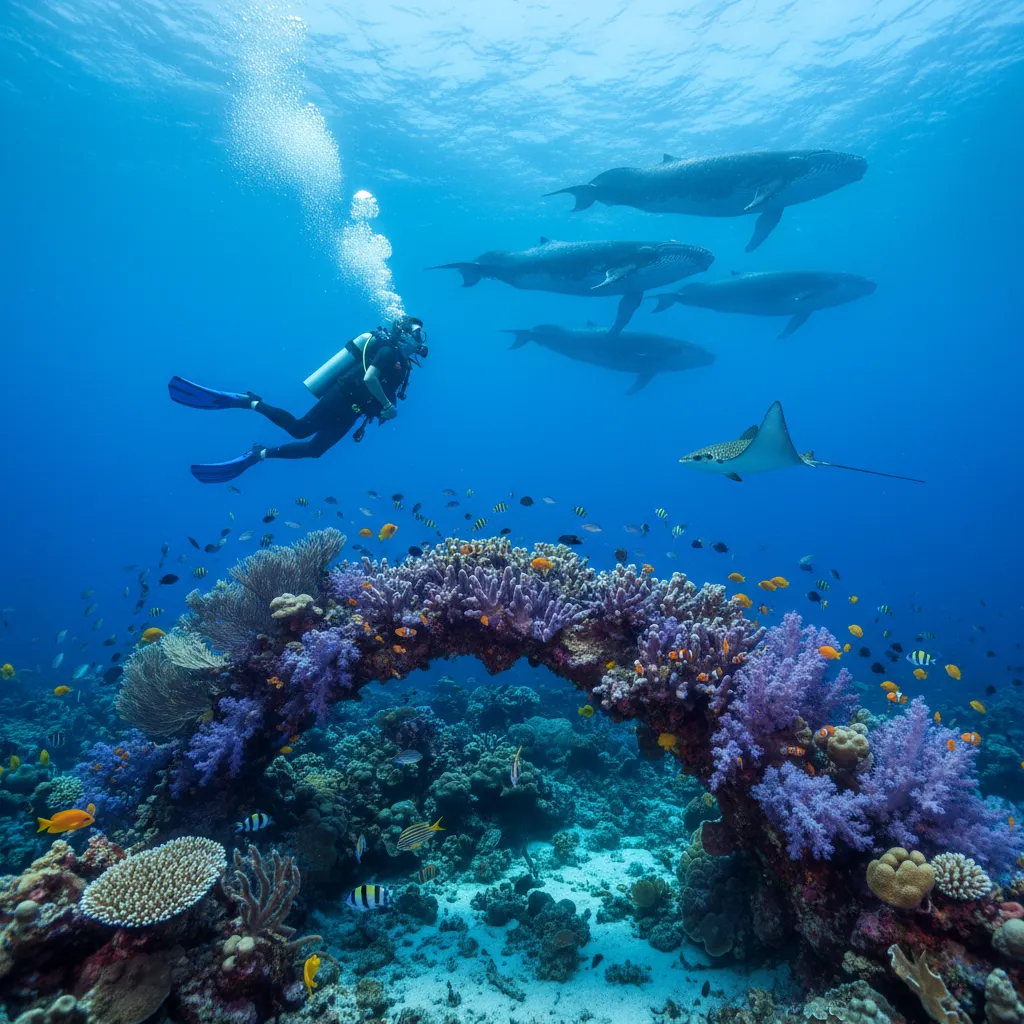

Tonga
Central & South Pacific
Tonga’s main draw is pretty obvious: humpback whales. From July to October, these giants migrate to the warm, shallow waters to calve and mate, and swimming alongside them is genuinely humbling. We’d suggest heading to Vava’u for the most consistent encounters, though Ha'apai offers a more remote, tranquil experience away from the crowds. Beyond the whales, the diving here is all about dramatic topography - think intricate caves and sharp drop-offs rather than sprawling reefs. Visibility is usually good, and you'll spot plenty of reef fish like Redfin Butterflyfish and Spangled Emperors, but it’s the sheer thrill of a close-up whale encounter that makes Tonga a truly special destination.

Trinidad & Tobago
Caribbean
If you’re heading to Trinidad & Tobago for a dive trip, you’re really heading to Tobago. That's where the two dive centres are, and it’s where the action happens. We love that Tobago sits right on the edge of the continental shelf, a geographical sweet spot that brings a real mix of Caribbean flair and Atlantic current, making for some seriously interesting drift dives. The Sisters Rocks, for example, often deliver big schools of jacks and the occasional manta, while the massive brain corals there are a sight to behold, some of the biggest we’ve ever seen. Expect healthy reefs and a good chance of seeing things like Bluespotted Searobins and Keeltail Needlefish, especially in the calmer conditions between December and May.

Tunisia
Mediterranean & Europe
If you’re after something a bit different in the Mediterranean, Tunisia offers a surprising mix of history and natural reef, often without the crowds you’ll find elsewhere. Most divers head to Tabarka, in the north, for its coral forests and rocky seascapes. We've seen Atlantic chub mackerel darting through crevices and even spotted the occasional pink cuttlefish camouflaged against the rocks there. Visibility is generally solid in the summer months, allowing you to really appreciate the scale of sites like the WWII wrecks or the ancient Punic and Roman ruins. It’s a compelling alternative to more well-trodden European dive spots, and often far kinder on the wallet.

Turkey
Mediterranean & Europe
Turkey often gets overlooked for its diving, which is a shame, because it’s got a genuine charm that makes for a great trip. We’re talking about a place where ancient history spills into the sea, particularly around Kas and Kekova. Think amphora fields scattered across the seabed, the ghostly silhouettes of World War I wrecks, and dramatic drop-offs that feel like you’re exploring a drowned city. Bodrum offers some good options too, but Kas is really where you want to focus your time. The visibility is usually excellent, and while you won't get the big pelagic action of other destinations, there’s a surprising amount of smaller stuff if you look closely - those Redcoats and Salema are always schooling, and keep an eye out for Rough Pitar and Undulated False Lucine in the sand. The best time to visit is late spring or early autumn, when the water is warm but the summer crowds have thinned out. It’s the kind of place you come for the history, and leave loving the easy, relaxed pace of the diving.
Turks & Caicos
Caribbean
Turks & Caicos diving is all about the wall, really. The islands sit on the edge of the Turks Island Passage, a deep trench that drops to over 2,000 metres, and the diving here feels like you’re peering over the edge of the world. We love the sheer drama of these sites, especially off Grand Turk and Providenciales, where the reefs give way to blue abyss. Visibility is often ridiculous, 30 metres plus on a good day, and those clear waters make sightings of tiger groupers or even a cruising longfin mako all the more impressive. Winter, particularly January to April, is when we’ve had the best luck spotting humpback whales during their migration, a truly special experience if you time it right.
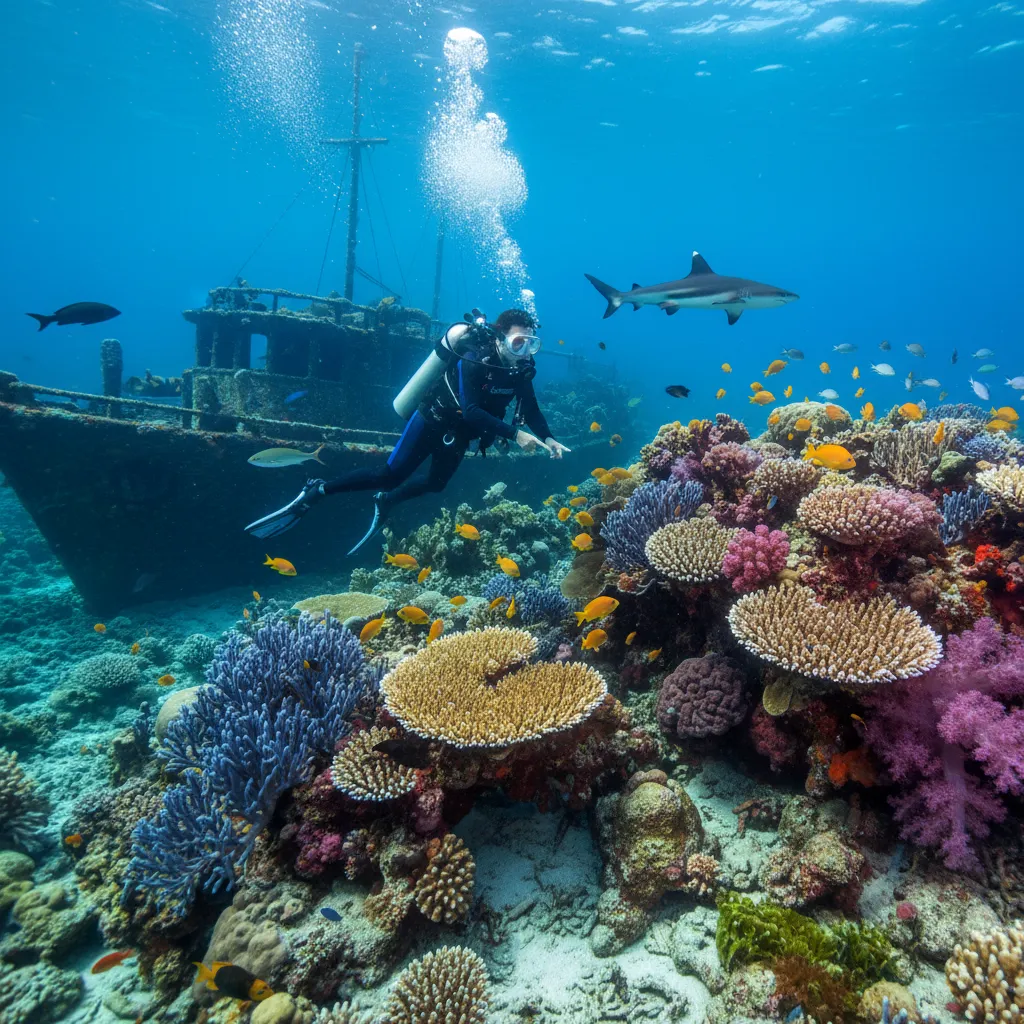

Tuvalu
Central & South Pacific
Tuvalu isn't just remote, it's practically undiscovered for divers. With no dive centres, you're looking at a true frontier experience, usually via liveaboard or by organising your own boat and gear. The real draw here is Funafuti Atoll, where the channel dives are excellent for encounters with grey reef sharks. We’ve seen healthy staghorn and montipora corals, and the sheer number of Batavian parrotfish grazing in the shallows is impressive. If you want genuine solitude and the feeling of diving somewhere few others ever will, Tuvalu delivers.
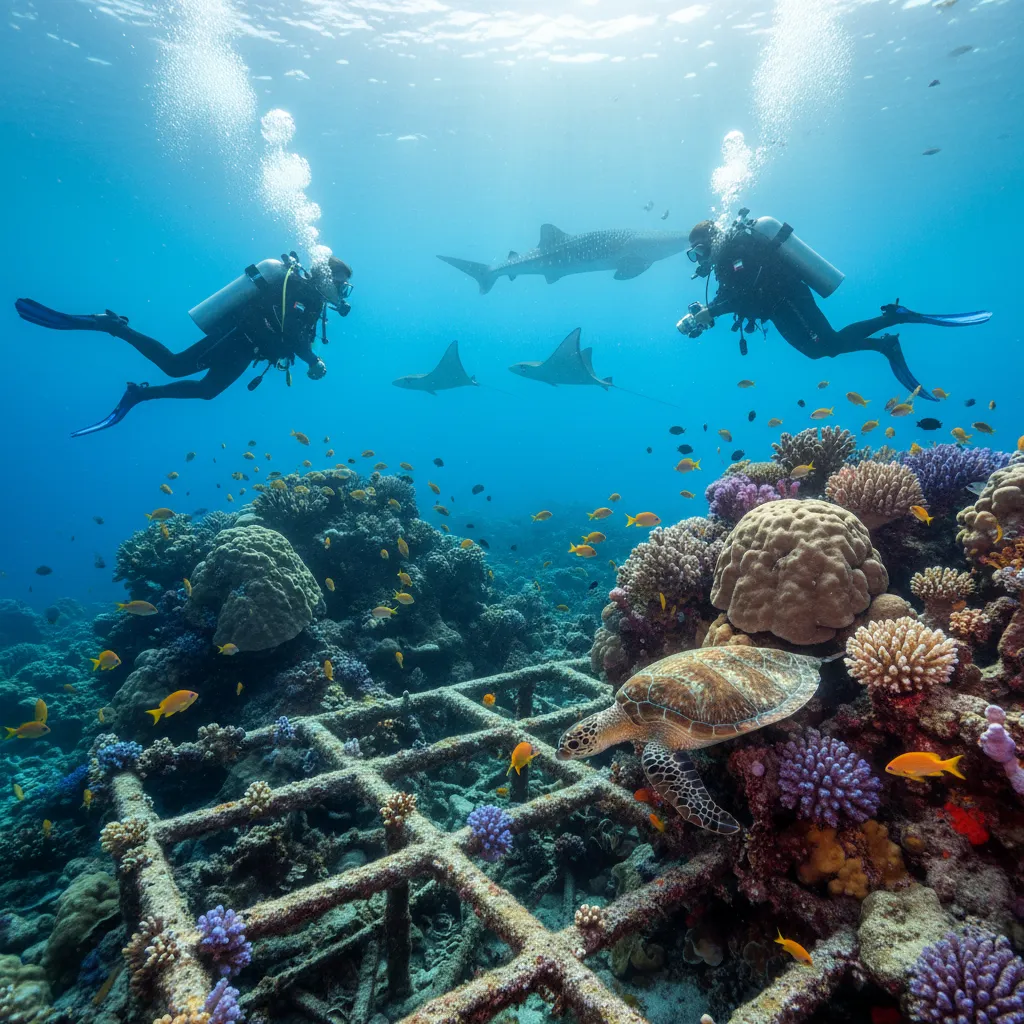

United Arab Emirates
Red Sea & Middle East
Okay, the UAE. We’re not going to pretend it rivals the Red Sea, but for a convenient escape with some surprisingly good diving, it holds its own. Most divers head straight for Fujairah on the east coast, and for good reason. That’s where you’ll find the decent stuff - artificial reefs, an old cement barge, and during the right season, even whale sharks cruising past. The Gulf side, around Dubai and Abu Dhabi, is mostly about wrecks and slightly murkier conditions, though still an interesting day out if you're already there. We’ve had some fantastic dives tracking those impressive blue-white dolphins and spotting unique species like the crescent grunter, making it a solid choice for a weekend trip, especially from October to May when the water is warm and conditions calm.
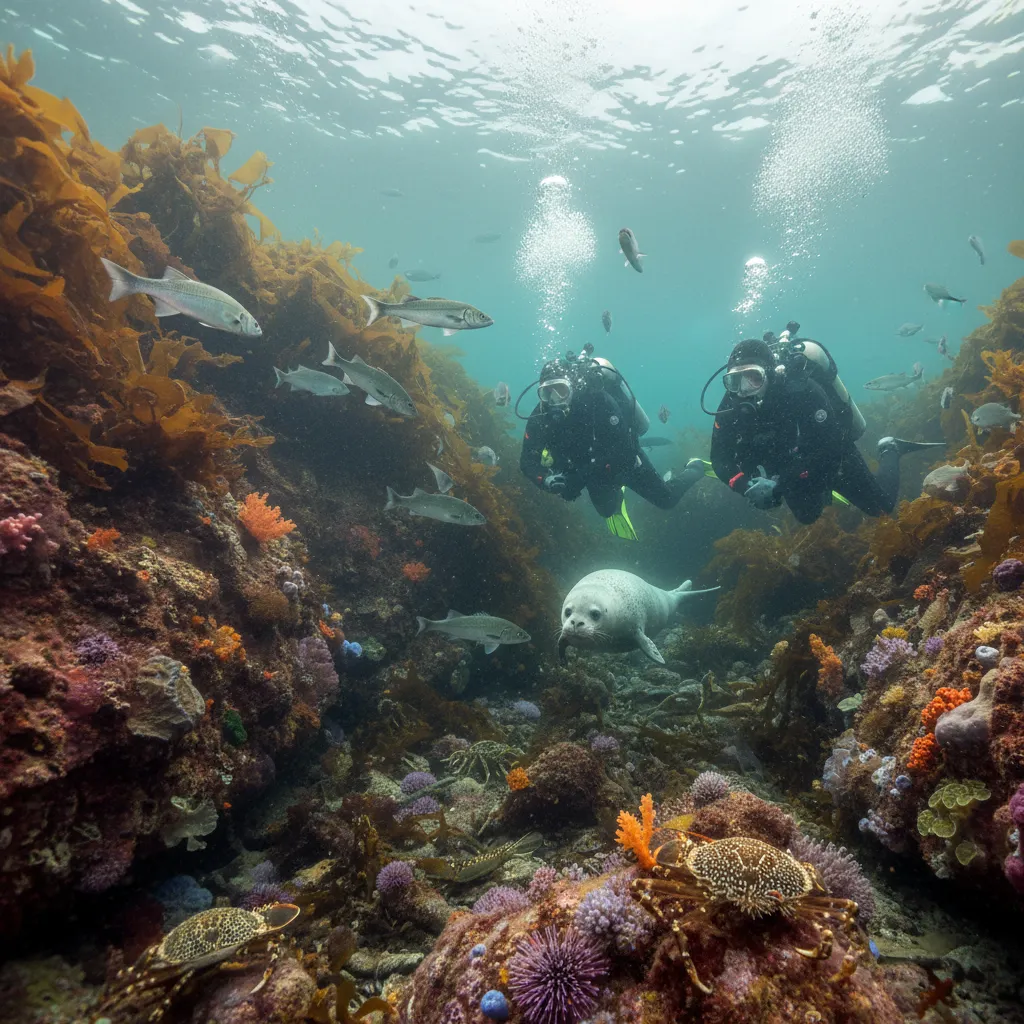

United Kingdom
Mediterranean & Europe
Forget your preconceived notions about UK diving. This isn't about warm water and colourful reef fish, but it is about some of the most compelling diving you'll find anywhere. We're talking about atmospheric wreck diving, a surprising amount of macro life, and dramatic kelp forests swaying in the surge. Head to Scapa Flow in Orkney for an unparalleled journey into maritime history, where the scuttled German High Seas Fleet lies scattered across the seabed, an experience we consider truly special. For something completely different, explore the Cornish coast; it's a graveyard of wrecks, yes, but also home to playful seals and an incredible density of small, fascinating creatures like stout bobtail squid and jewel anemones. The UK's temperate waters mean decent diving is available year-round, though summer and early autumn offer the calmest conditions and best visibility.

United States
North America
The sheer scale of diving in the United States often catches people off guard. We’re talking about everything from icy wrecks in the Great Lakes to lava tubes in Hawaii, and that's just scratching the surface. For warm water fans, the Florida Keys offer classic reef diving with barracuda and tarpon, while the freshwater springs inland are a completely unique experience, where you can drift past manatees. If you like it cooler, California’s kelp forests are truly special, a chance to swim with playful sea lions in a golden, swaying underwater forest. We’d suggest summer or early fall for the best conditions across most regions, though the Keys are good year-round.

US Virgin Islands
Caribbean
The US Virgin Islands give you classic Caribbean diving with a distinct American accent. We’re talking easy logistics for US citizens, no passport needed, and a familiar infrastructure, all wrapped up in that warm, clear water we chase. For dramatic walls and proper wreck diving, St. Croix takes the prize, especially with its famous 'Cane Bay Wall' drop-off. Over on St. Thomas and St. John, it's more about reef exploration, and we've spotted some interesting critters like Dwarf Frogfish and those tiny Darter Gobies tucked away. We find the sweet spot for a visit is generally November to May, dodging hurricane season and getting calmer seas for exploring the 49 dive sites.

Vanuatu
Central & South Pacific
Vanuatu throws a curveball at your typical South Pacific dive trip. It’s not just about healthy reefs and clear water, though it has plenty of that. For us, Vanuatu stands out because it offers a truly unique mix: monumental wreck diving, accessible volcanoes, and those incredible freshwater blue holes. You’re heading straight to Espiritu Santo, no question. This is where you’ll spend days, maybe even a week, exploring the SS President Coolidge. It’s a massive troop transport, completely penetrable, and you’ll find jeeps, cannons, and even a statue inside. It's a proper adventure. While you're there, don’t miss Million Dollar Point, where the US military dumped their surplus gear after WWII; it’s a bizarre, fascinating dive. Beyond Santo, Port Vila on Efate offers a handful of decent reef dives, but it’s more for a short stopover before or after the main event. We’d suggest aiming for the dry season, roughly May to October, when the trade winds keep things comfortable and visibility tends to be at its best. Keep an eye out for the anchor trunkfish and the vibrant bluefin filefish on the reefs, they’re always a pleasure to spot.

Venezuela
South America
Venezuela, particularly the Los Roques Archipelago, delivers a genuinely remote Caribbean dive trip that’s increasingly rare to find. We’re talking about an entire national park, largely undeveloped, where the sheer volume of fish like barbers, damselfish, and parrotfish can make it feel like swimming through a living current. Visibility often stretches to 30 meters plus, giving you endless views of the reef structure and the occasional spotted soapfish lurking in the shadows. For us, the move here is to base yourself on Gran Roque and explore the surrounding cays, hitting sites where the Lamarck's sheet coral thrives and schools of silverfish flash by. While Morrocoy and Chichiriviche offer more accessible diving, Los Roques is where you'll find the quiet, uncrowded dives we all dream about, especially from November to May when the weather is at its calmest.
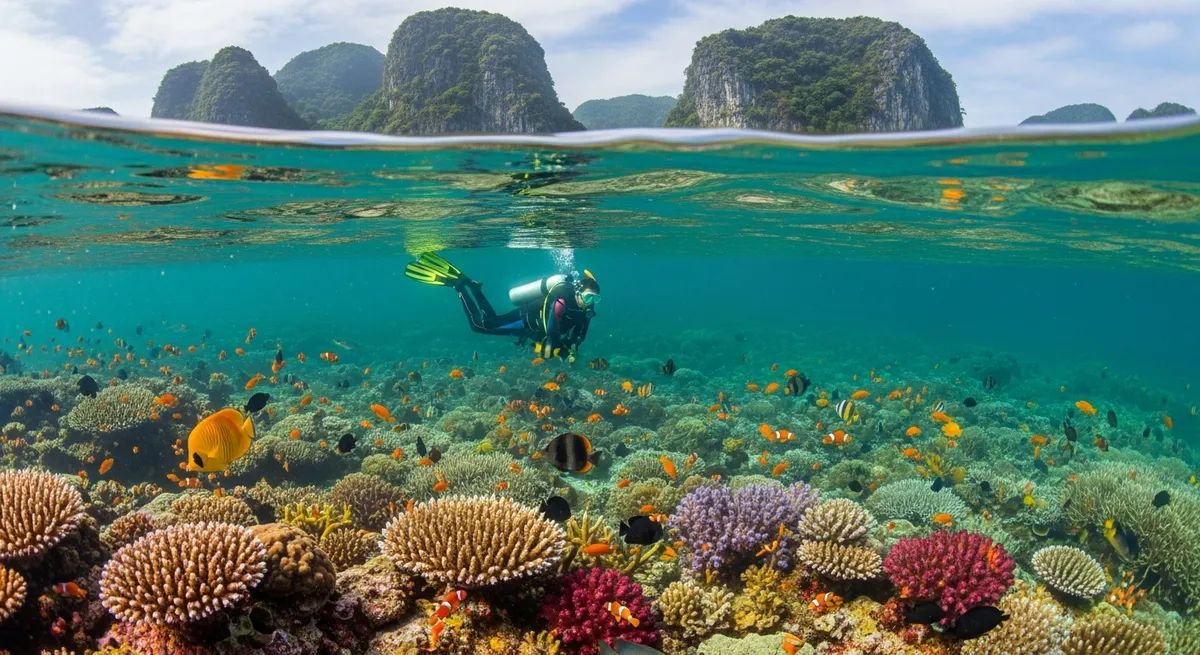

Vietnam
Southeast Asia
Vietnam’s dive scene is still finding its feet, but that's precisely what makes it exciting. You won't find the big pelagic action of some other Southeast Asian spots, but what you will get is a chance to explore sites that feel genuinely new, often with just your group and the local dive guide. We’ve had some fantastic dives around the Con Dao Islands, where the protected waters have healthier coral and more regular sightings of creatures like the sneaky wrasse and the colourful Diana’s hogfish than you'd expect. Over on Whale Island and in Van Phong Bay, it's all about the macro - think blotchfin scorpionfish tucked into crevices and common dragonets dancing in the sand. Visibility can be a bit hit or miss, especially during the rainy season, so we'd aim for May to September when the calmer seas give you the best chance to spot those black angelfish and golden-yellow cones. If you're looking for an honest, unpretentious dive trip with plenty of local flavour, Vietnam deserves a closer look.