Diving Knowledge Hub
Expert articles covering everything from your first breath underwater to advanced technical diving. Whether you're just starting out or looking to master new skills, find the knowledge you need here.
Beginner
Essential knowledge for new divers and those just getting started.
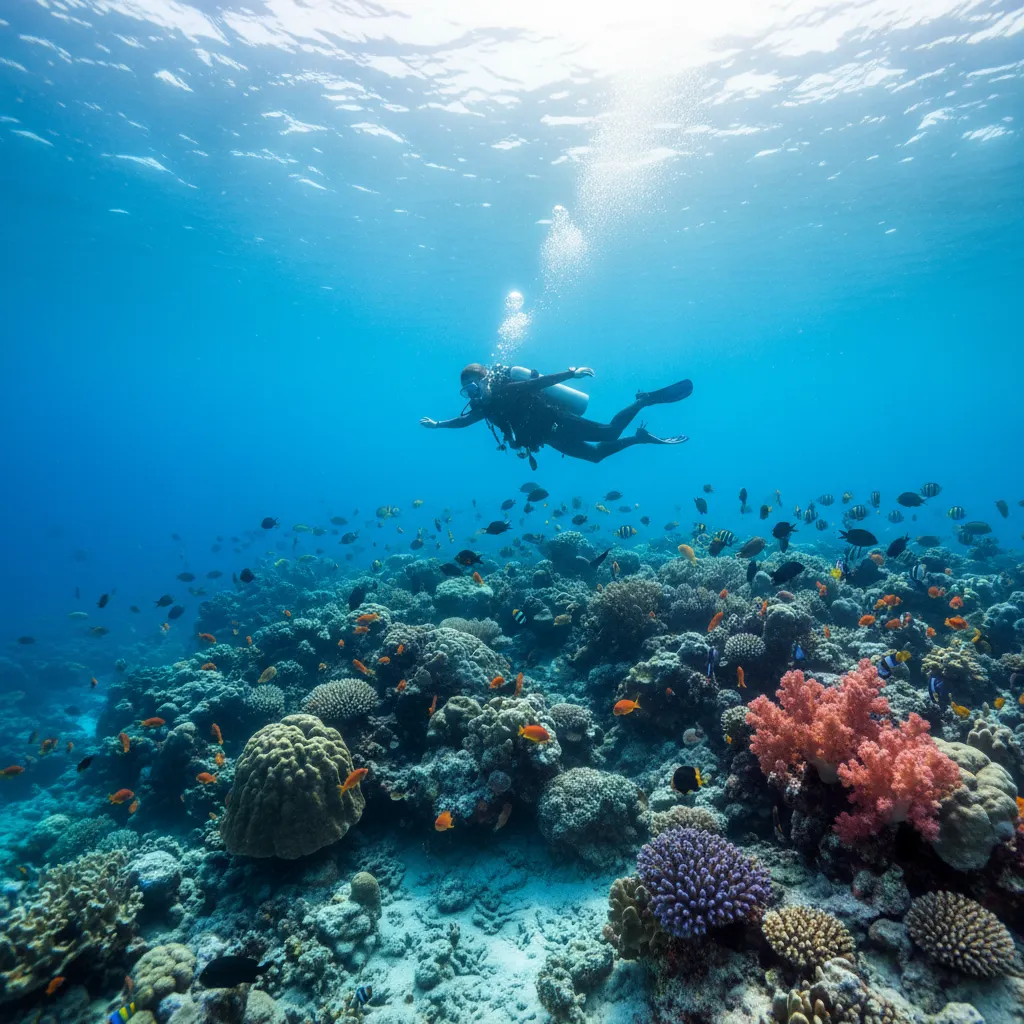
What Is Scuba Diving? A Complete Introduction
Scuba diving is one of the most transformative activities a person can experience. The acronym SCUBA stands for Self-Contained Underwater Breathing Ap...
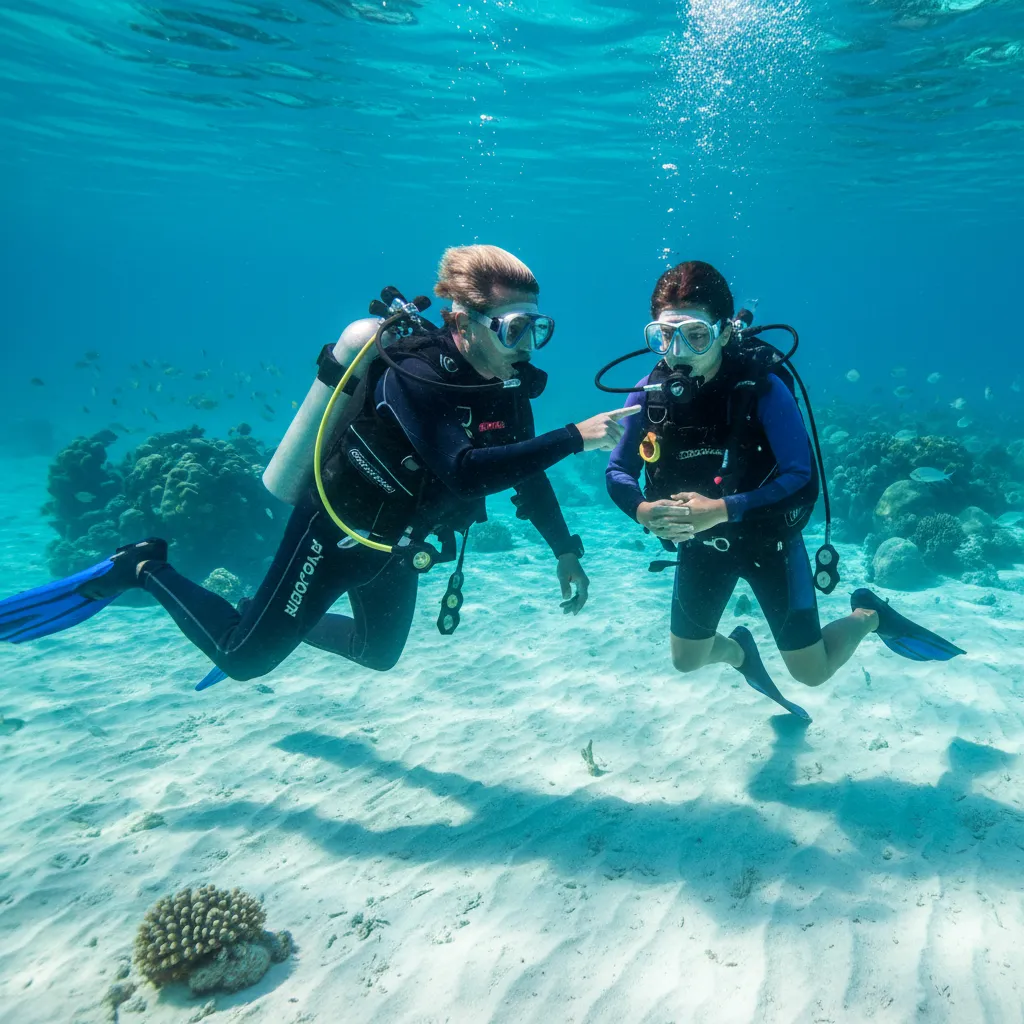
How to Get Scuba Certified: PADI, SSI & NAUI Compared
Getting scuba certified is the gateway to a lifetime of underwater exploration. The certification process - often called getting your C-card - involve...
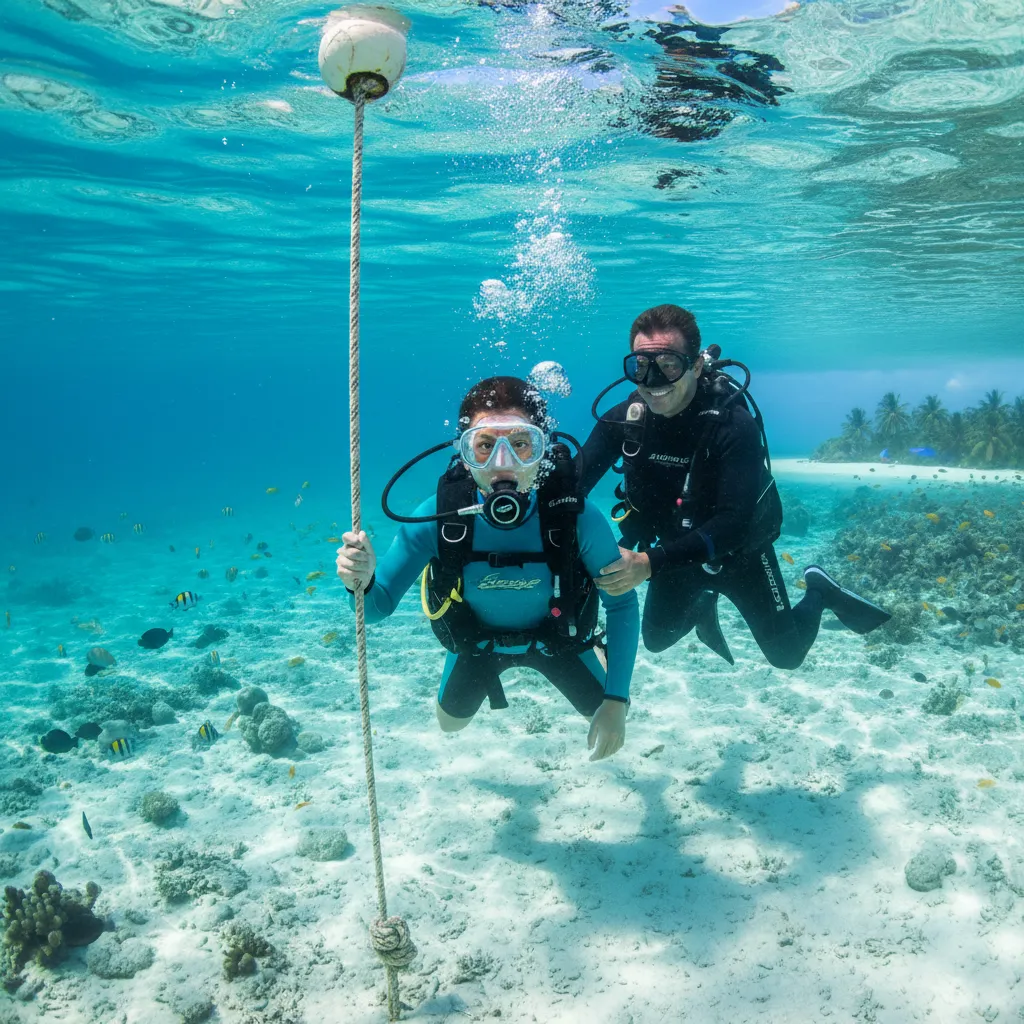
Your First Scuba Dive: What to Expect
Your first scuba dive is an experience you will remember for the rest of your life. Whether it is a Discover Scuba Diving experience, a try-dive at a ...
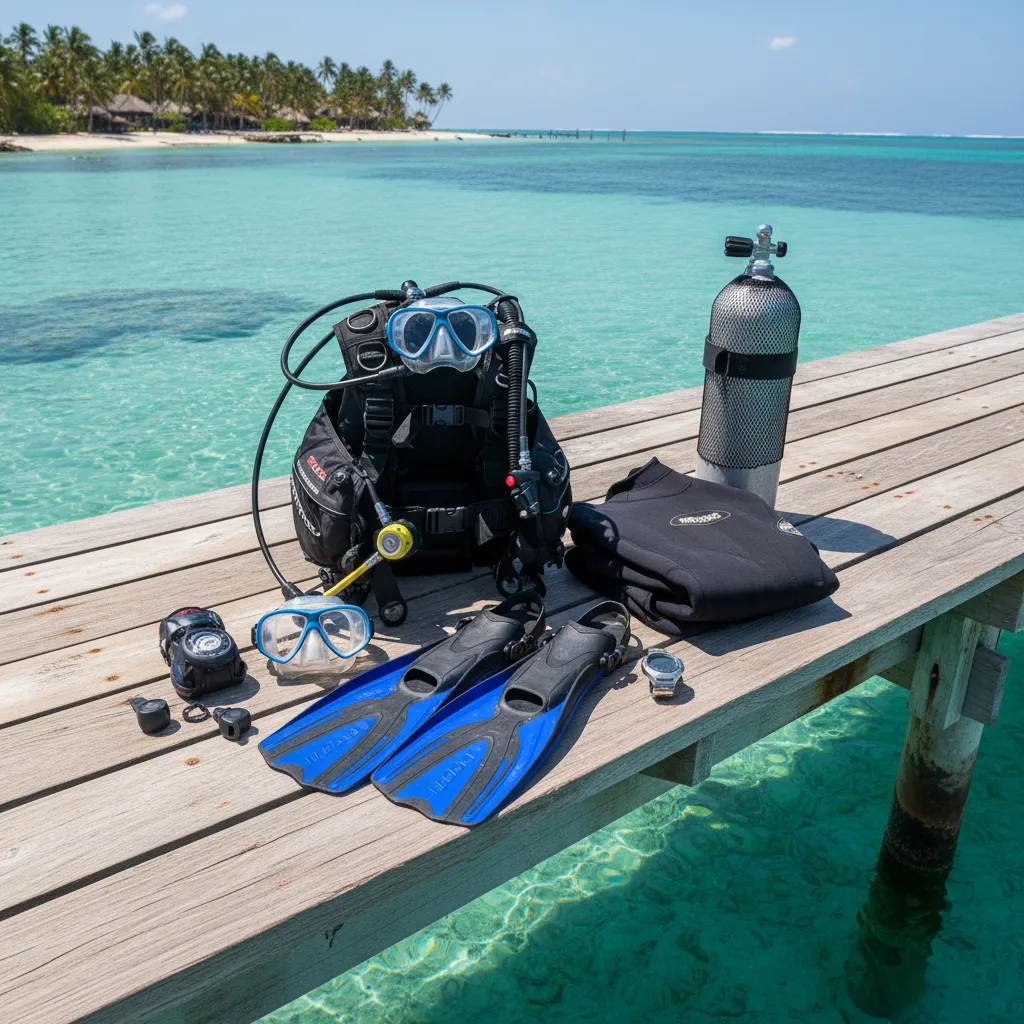
Essential Scuba Equipment: A Beginner's Guide
Understanding scuba equipment transforms you from a passenger to a participant. While rental gear gets you underwater, knowing how each piece of equip...
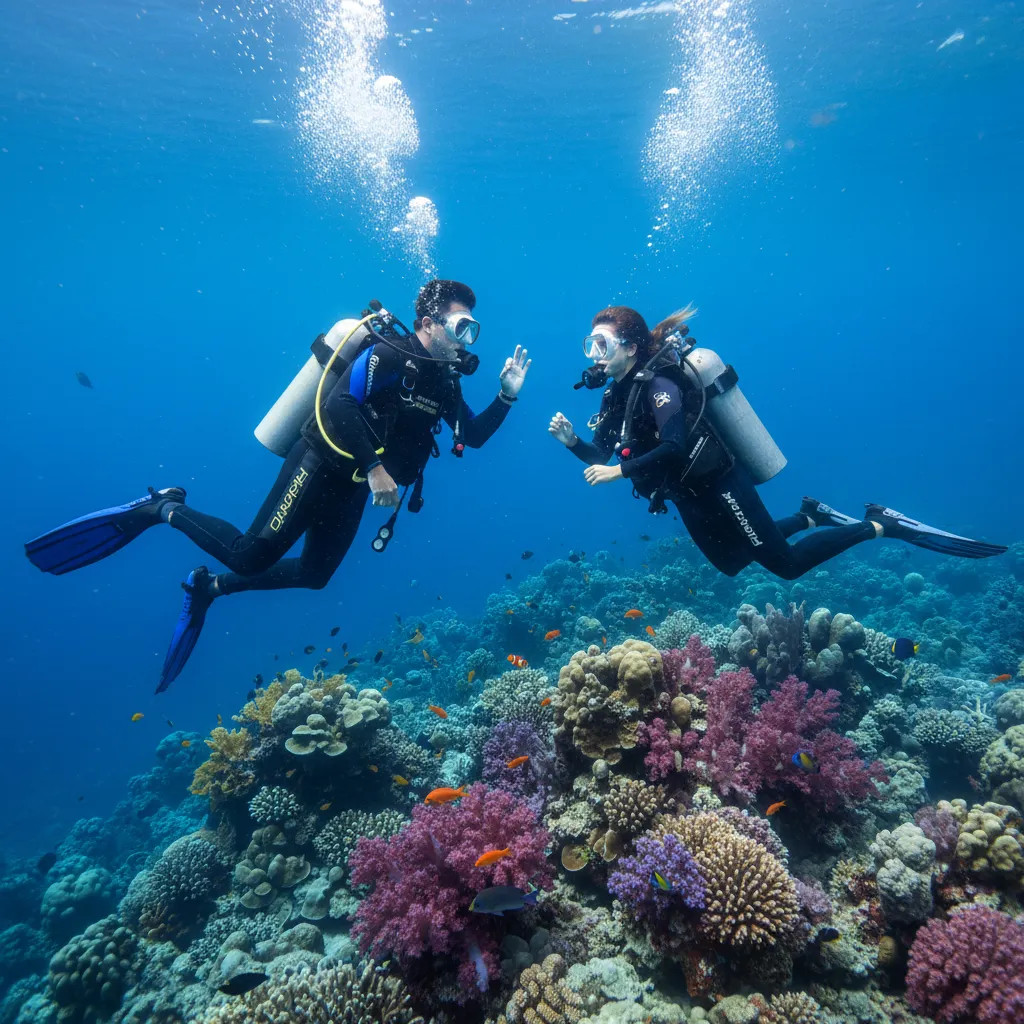
Scuba Hand Signals Every Diver Must Know
Communication underwater is fundamentally different from communication on land. Speech is impossible through a regulator, and the aquatic environment ...
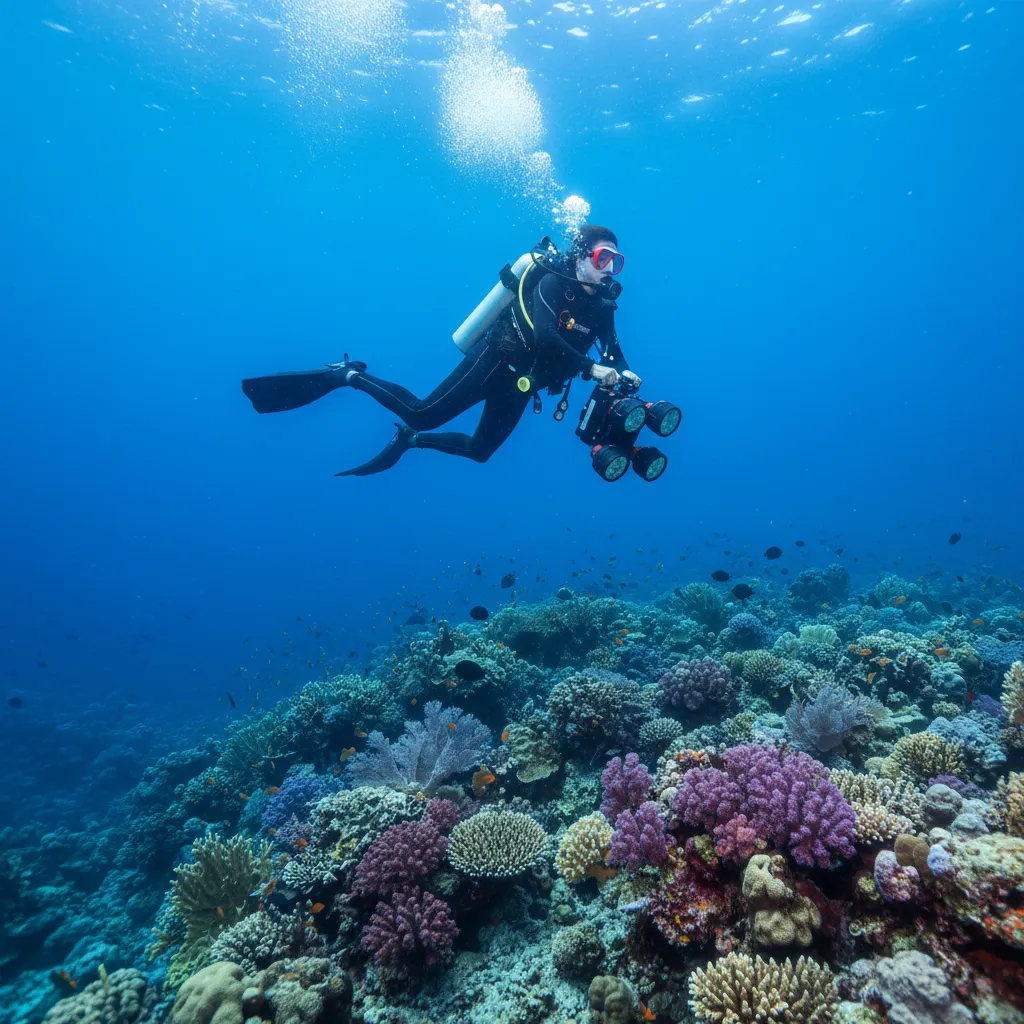
Mastering Buoyancy Control: The #1 Diving Skill
Ask any experienced diver to name the most important diving skill and the answer is almost always the same: buoyancy control. Good buoyancy is the fou...
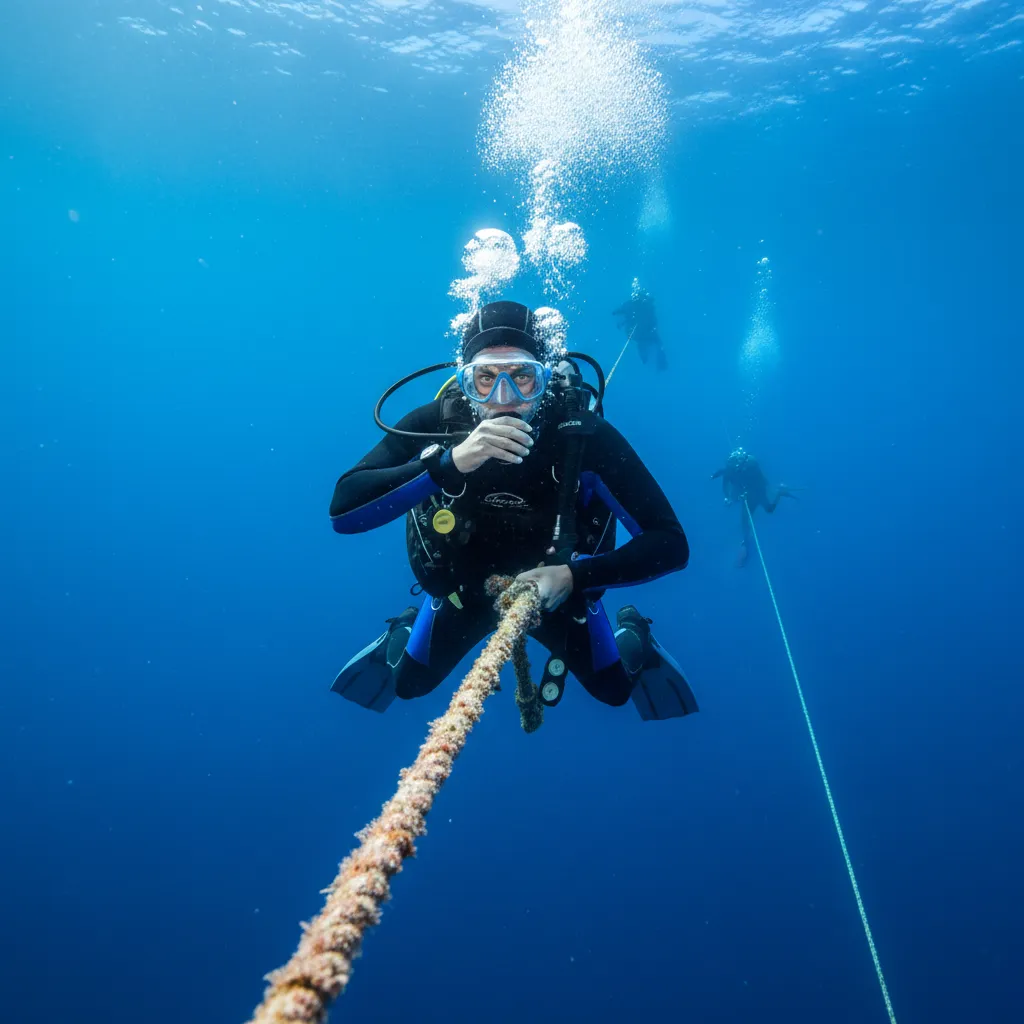
Ear Equalization Techniques for Scuba Divers
Ear equalisation is one of the most fundamental skills in scuba diving, yet it causes more frustration and aborted dives than almost any other issue. ...
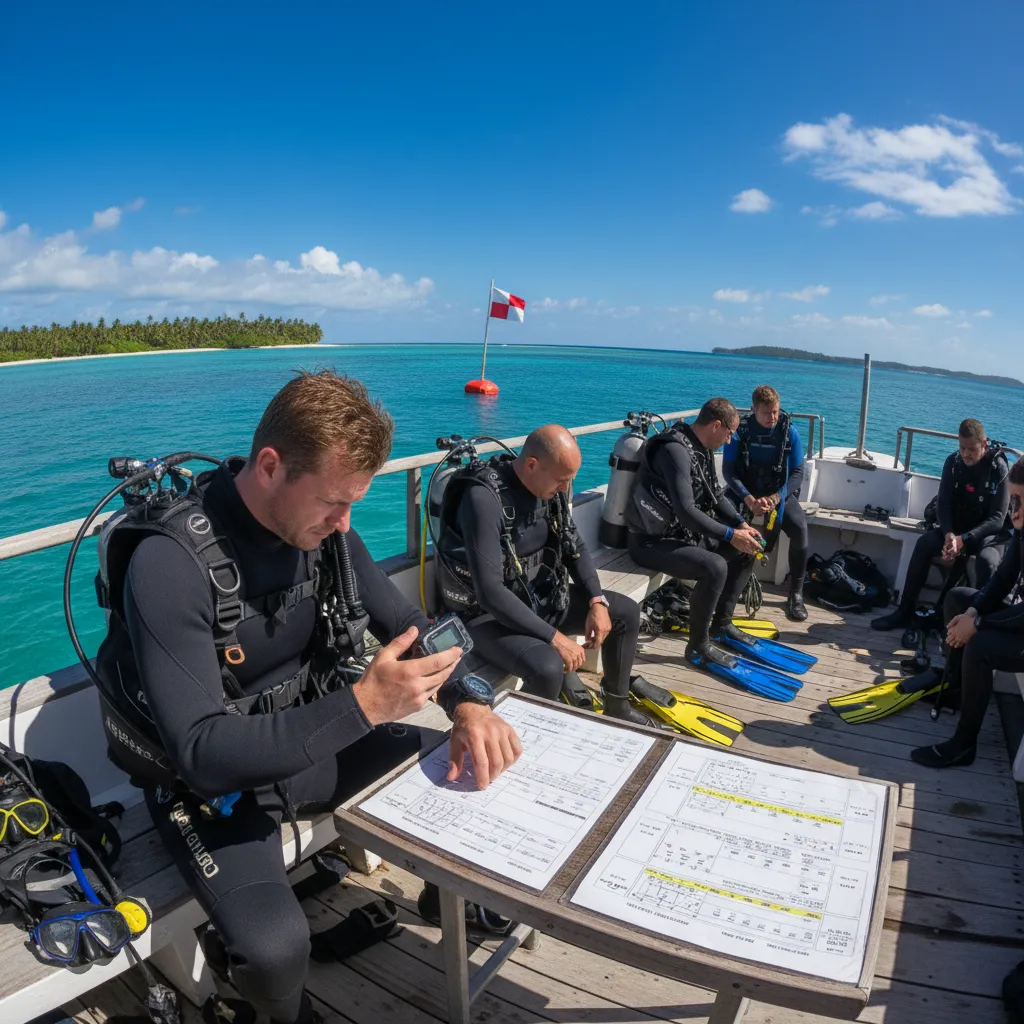
Dive Planning 101: Tables, Computers & Safety
Dive planning is the systematic process of preparing for a dive to maximise safety and enjoyment. A well-planned dive accounts for depth, time, gas su...
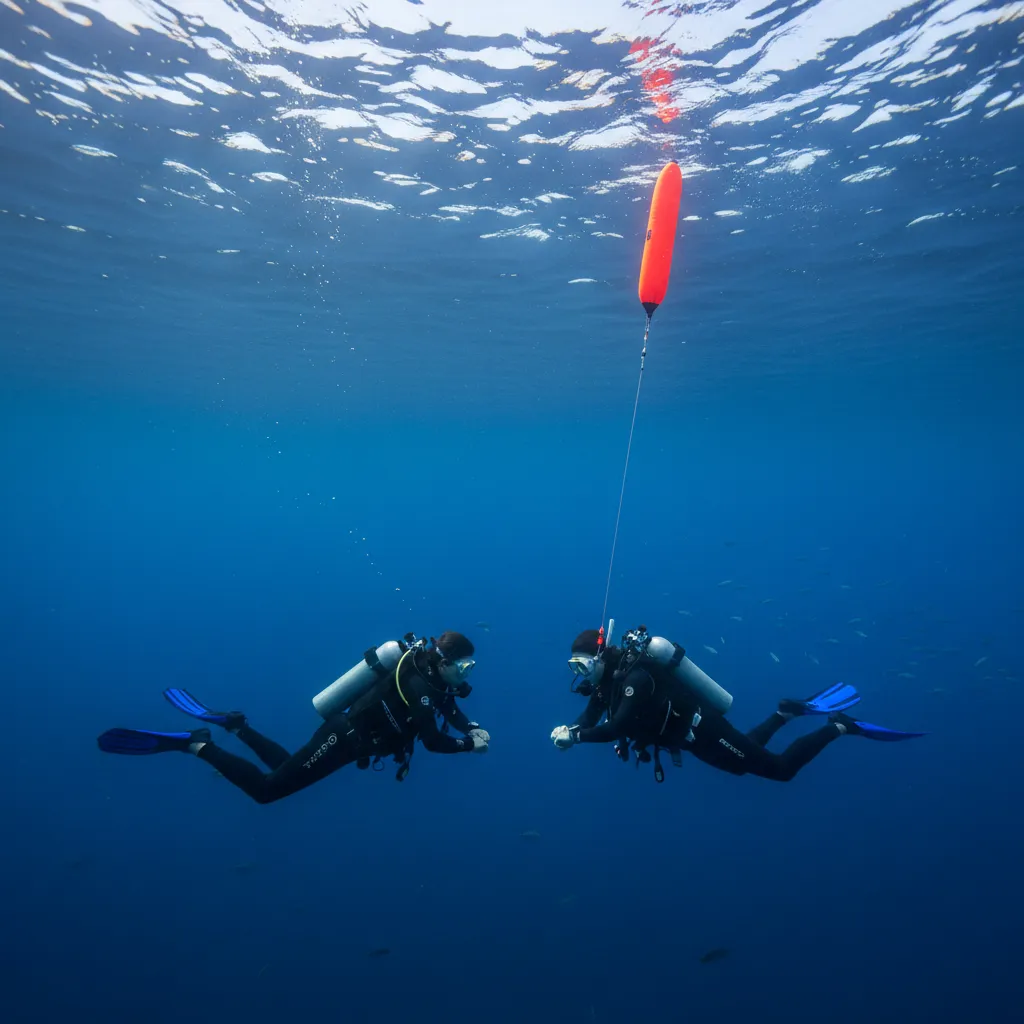
10 Essential Scuba Safety Rules
Scuba diving is a remarkably safe activity when conducted properly, but it takes place in an environment that is inherently unforgiving of carelessnes...

How to Choose Your First Dive Destination
Choosing your first dive destination is one of the most exciting decisions a newly certified diver faces - and one of the most important. The right de...
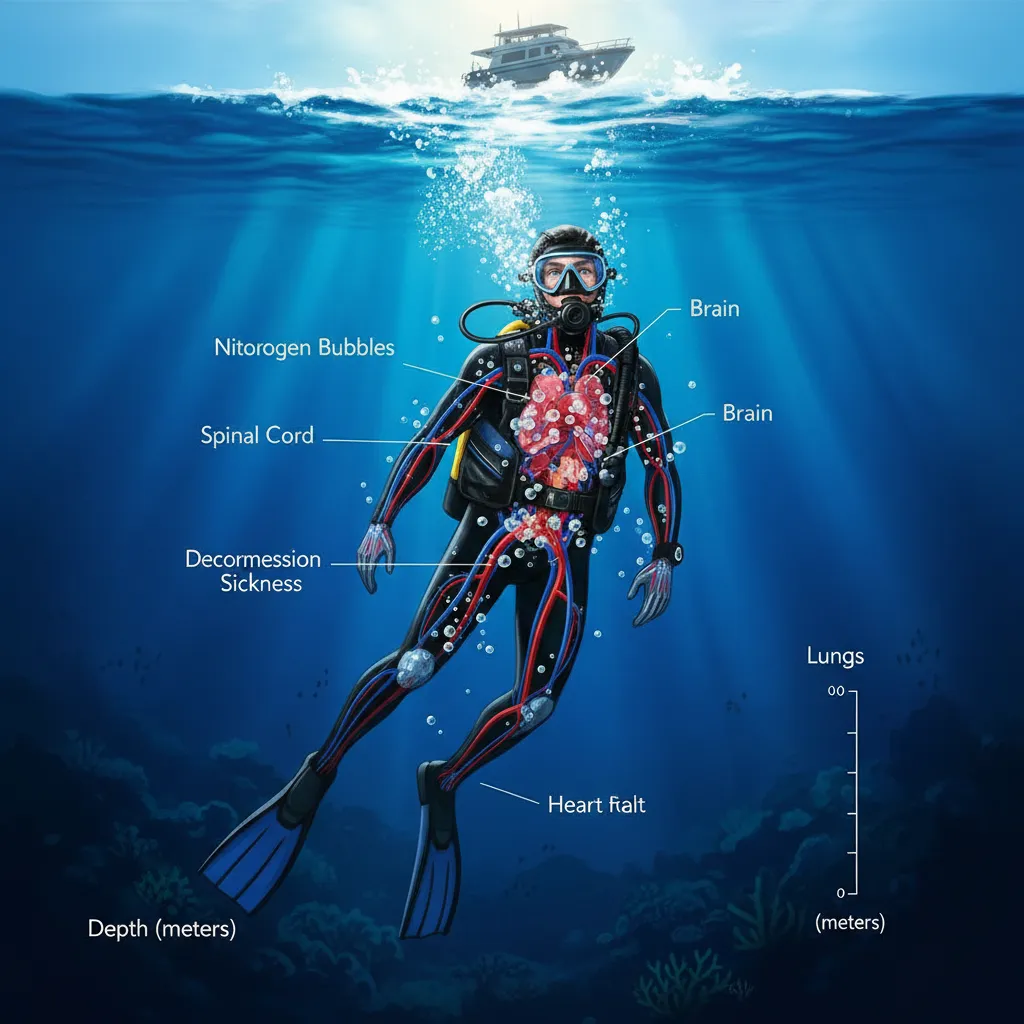
Decompression Sickness (The Bends): Causes, Symptoms & Prevention
Decompression sickness - commonly called "the bends" - is the condition divers fear most, yet with proper training and conservative dive practices, it...
Diving Medical & Fitness to Dive
Medical fitness is a non-negotiable prerequisite for scuba diving. The underwater environment places unique physiological demands on the body - pressu...
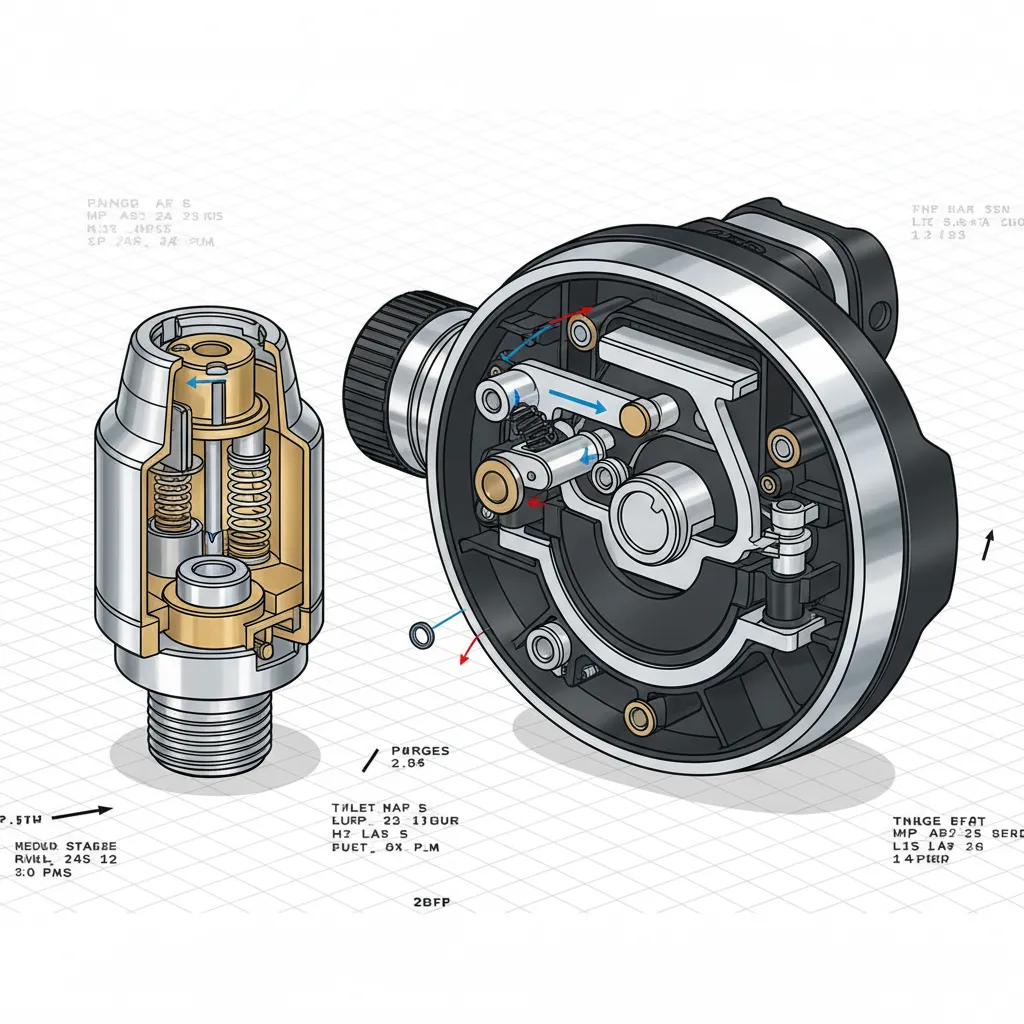
How a Scuba Regulator Works: First & Second Stage Explained
Your regulator is the single most critical piece of scuba equipment - it is the device that keeps you alive underwater by delivering breathing gas at ...

What Is a Liveaboard? The Complete Guide to Dive Safaris
A liveaboard is a boat you live on while diving - a floating hotel that takes you to dive sites that are too remote, too far offshore, or too numerous...
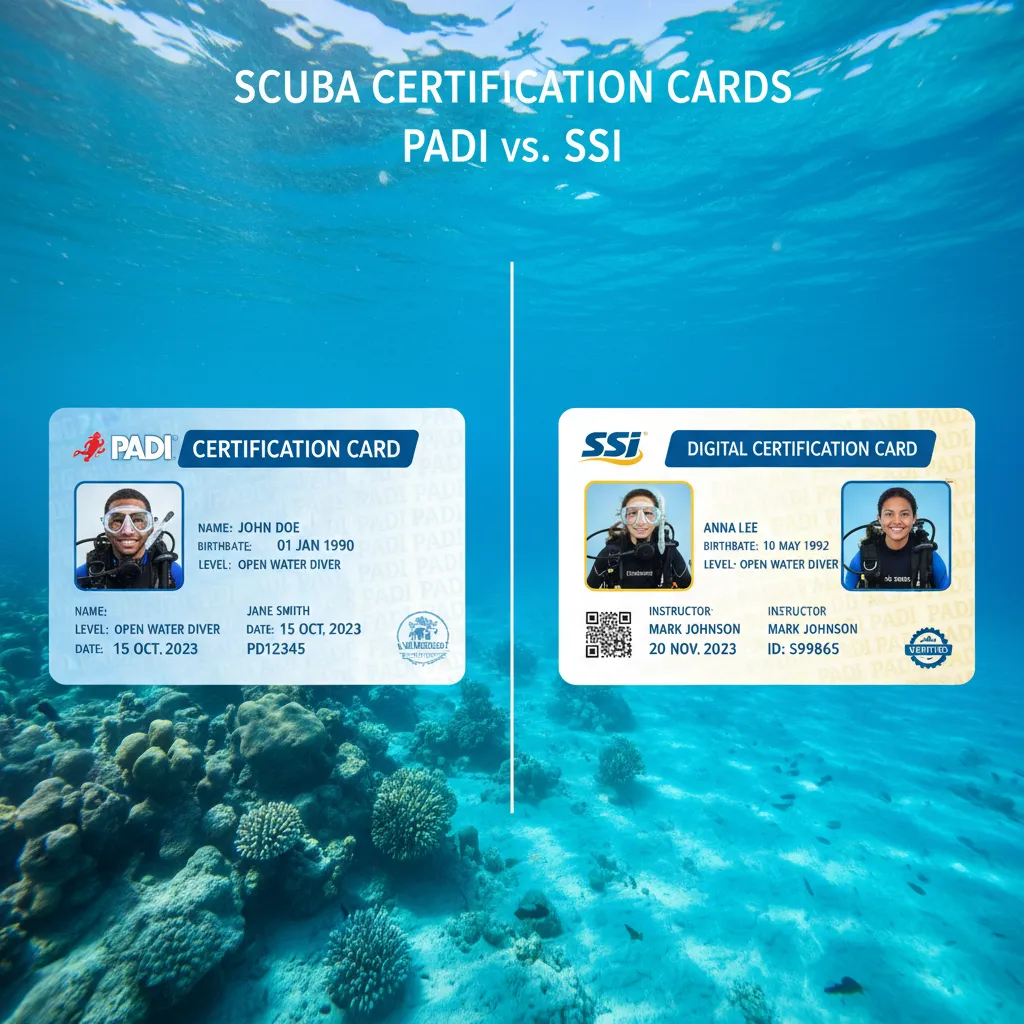
PADI vs SSI: Which Scuba Certification Is Right for You?
Choosing between PADI and SSI is one of the first decisions new divers face, and it can feel overwhelming. The good news is that both agencies are int...
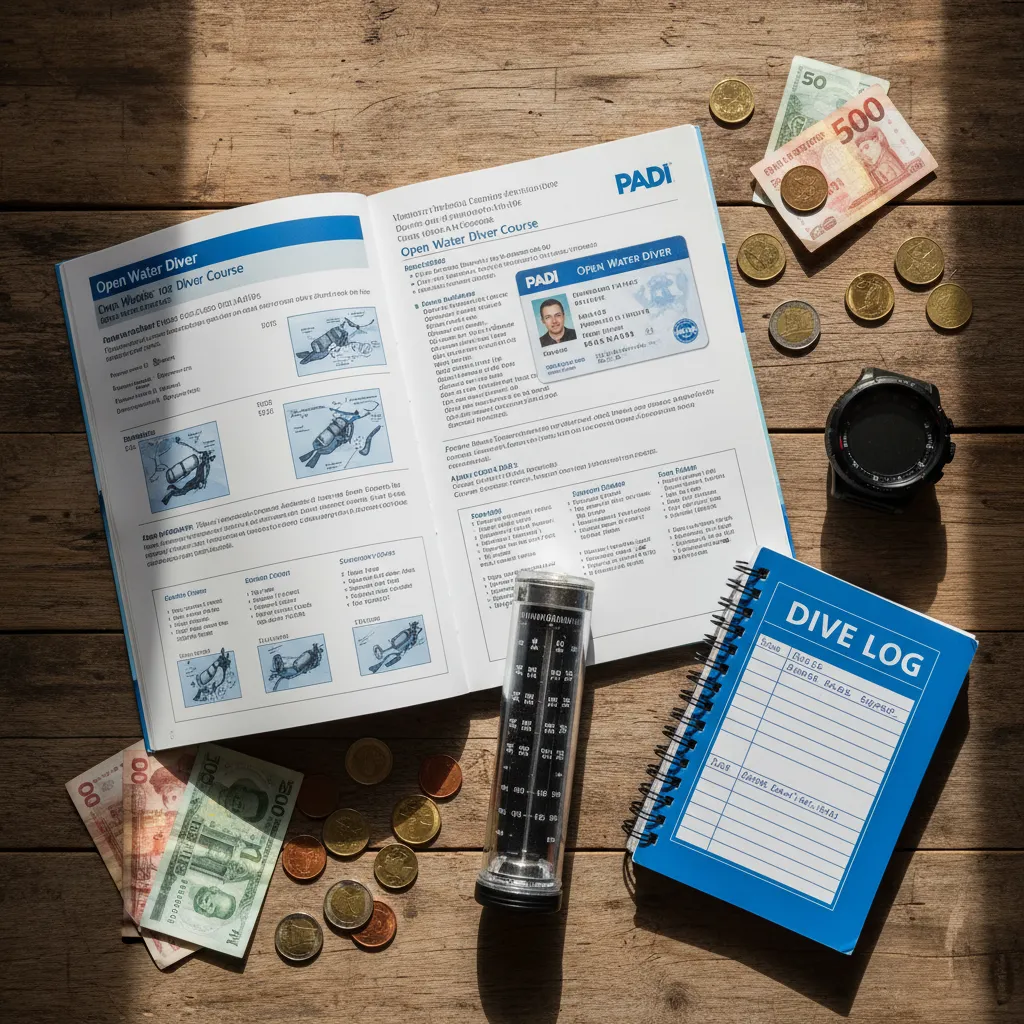
How Much Does Scuba Certification Cost? (Complete Guide)
Scuba certification costs vary dramatically depending on where you learn, which agency you choose, and what is included in the price. An Open Water co...
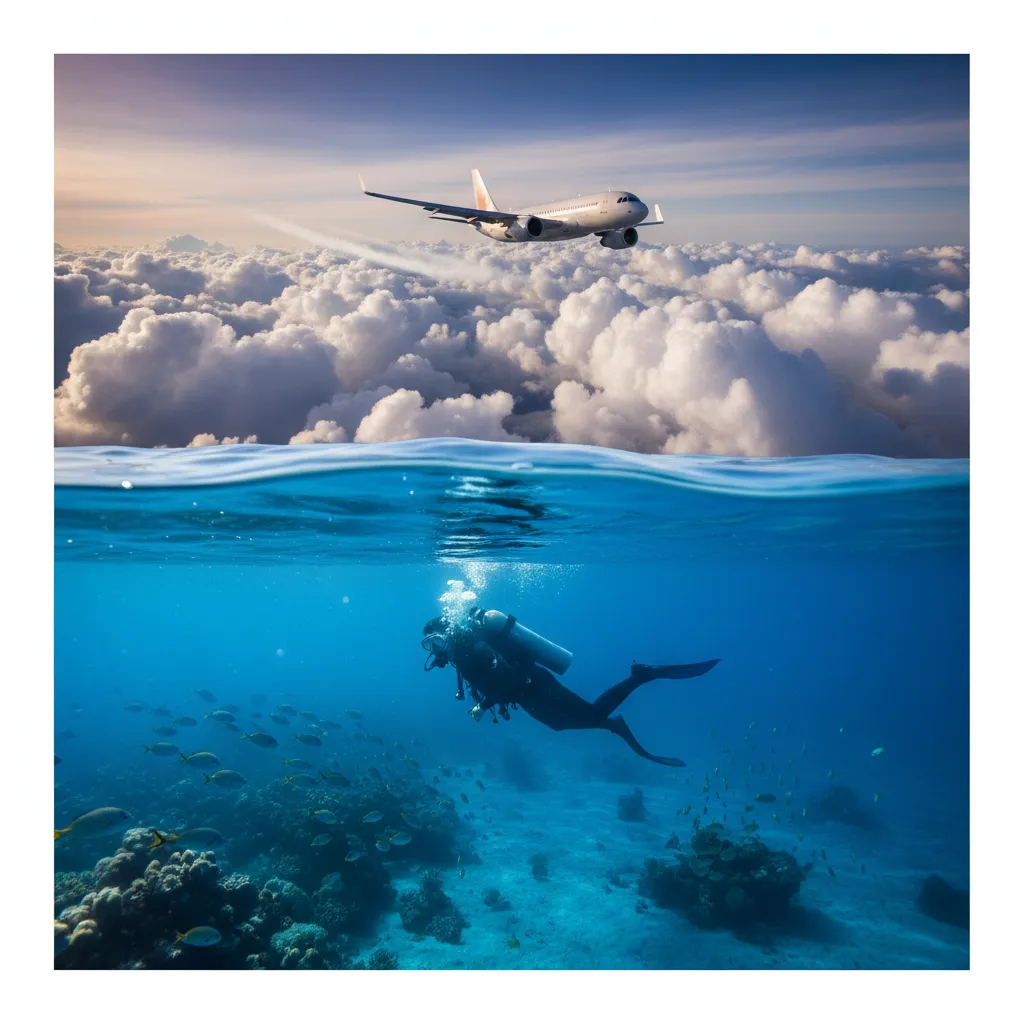
Flying After Diving: Rules, Risks & Safe Wait Times
Flying too soon after scuba diving is one of the most common ways divers put themselves at risk of decompression sickness. Aircraft cabins are pressur...
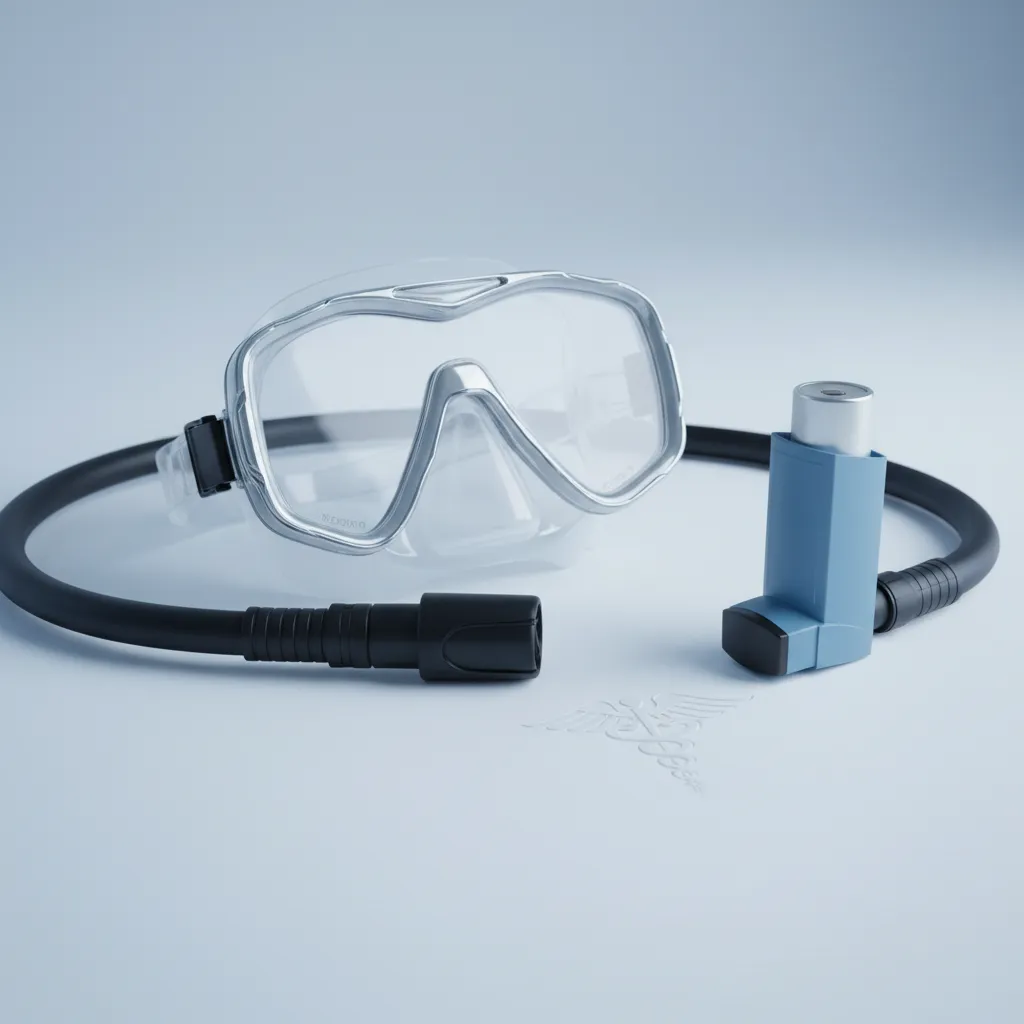
Scuba Diving with Asthma: Medical Guide & Safety Tips
For years, asthma was considered an absolute contraindication to scuba diving. That blanket ban has evolved significantly as medical understanding has...

Scuba Diving While Pregnant: What You Need to Know
The medical consensus on scuba diving during pregnancy is clear and unambiguous: do not dive. While there is limited research on humans for obvious et...
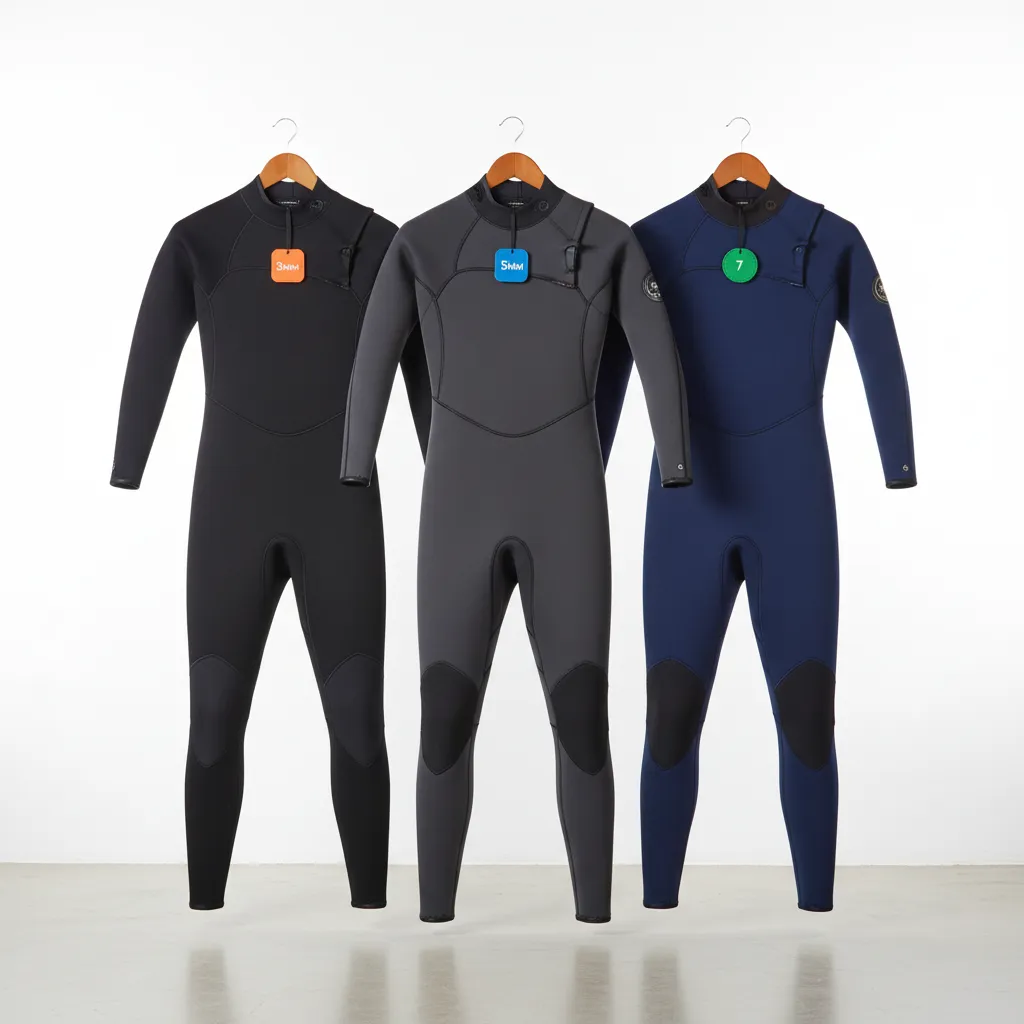
Wetsuit Thickness Guide: What mm Do You Need for Every Water Temperature?
Choosing the right wetsuit thickness can make or break your dive. Too thin and you'll be shivering within minutes; too thick and you'll overheat on th...
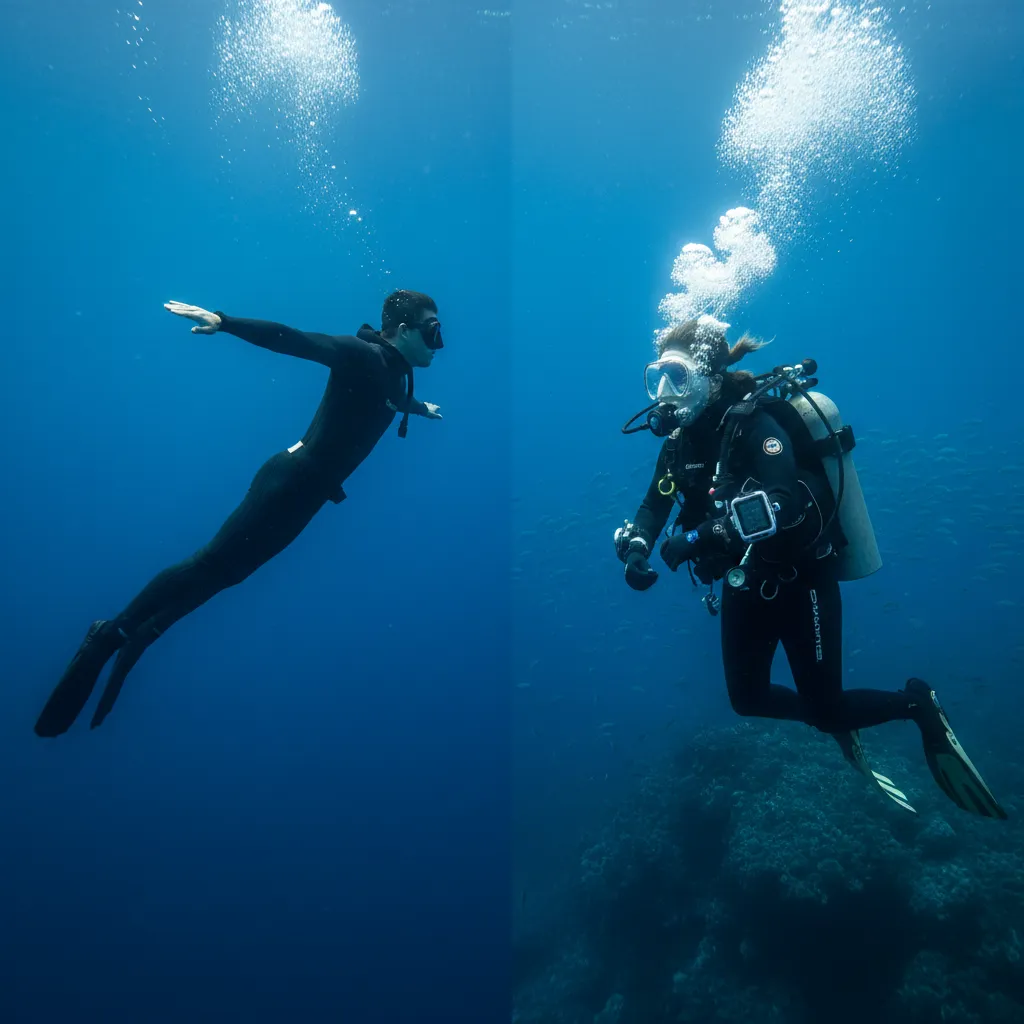
Freediving vs Scuba Diving: Key Differences Explained
Freediving and scuba diving both take you beneath the surface, but the experience couldn't be more different. One relies on a single breath and inner ...
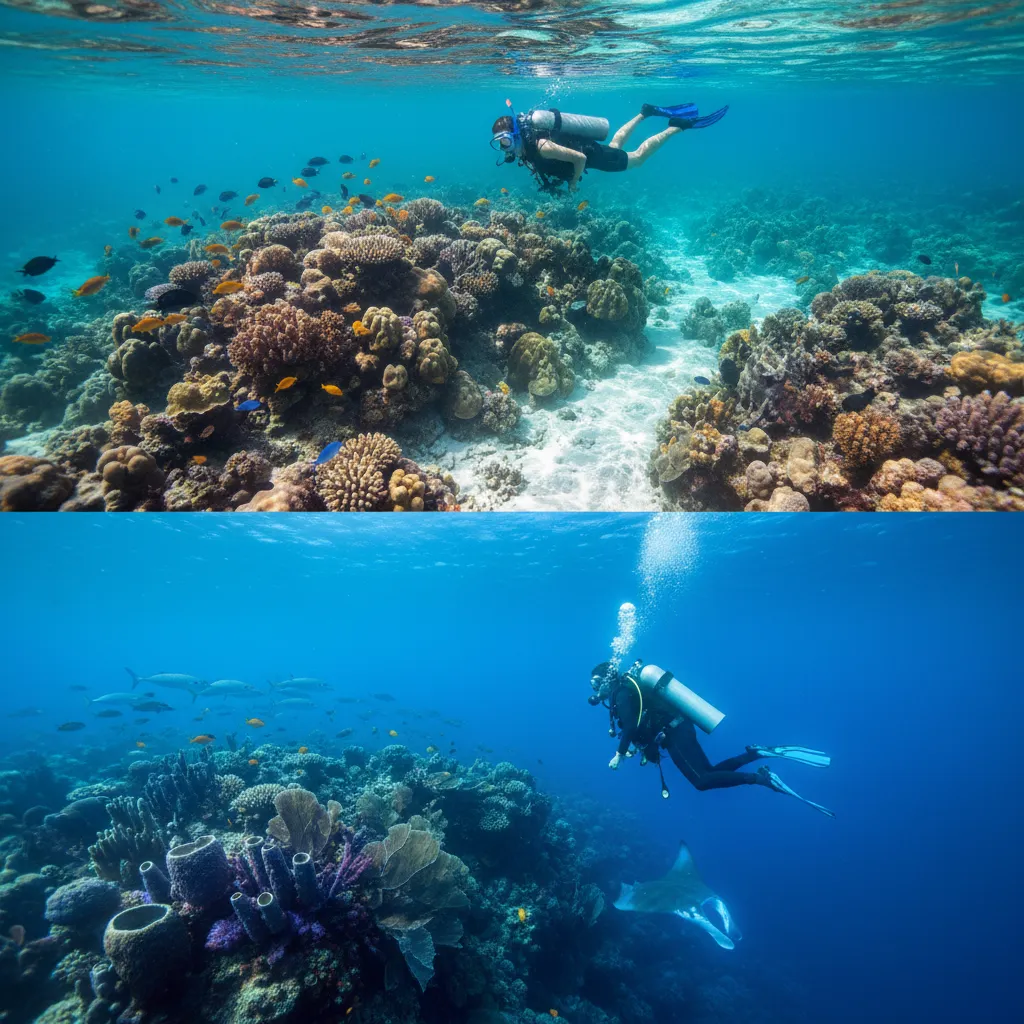
Snorkeling vs Scuba Diving: Which Is Right for You?
Snorkeling and scuba diving offer fundamentally different windows into the underwater world. One requires no training and minimal equipment; the other...
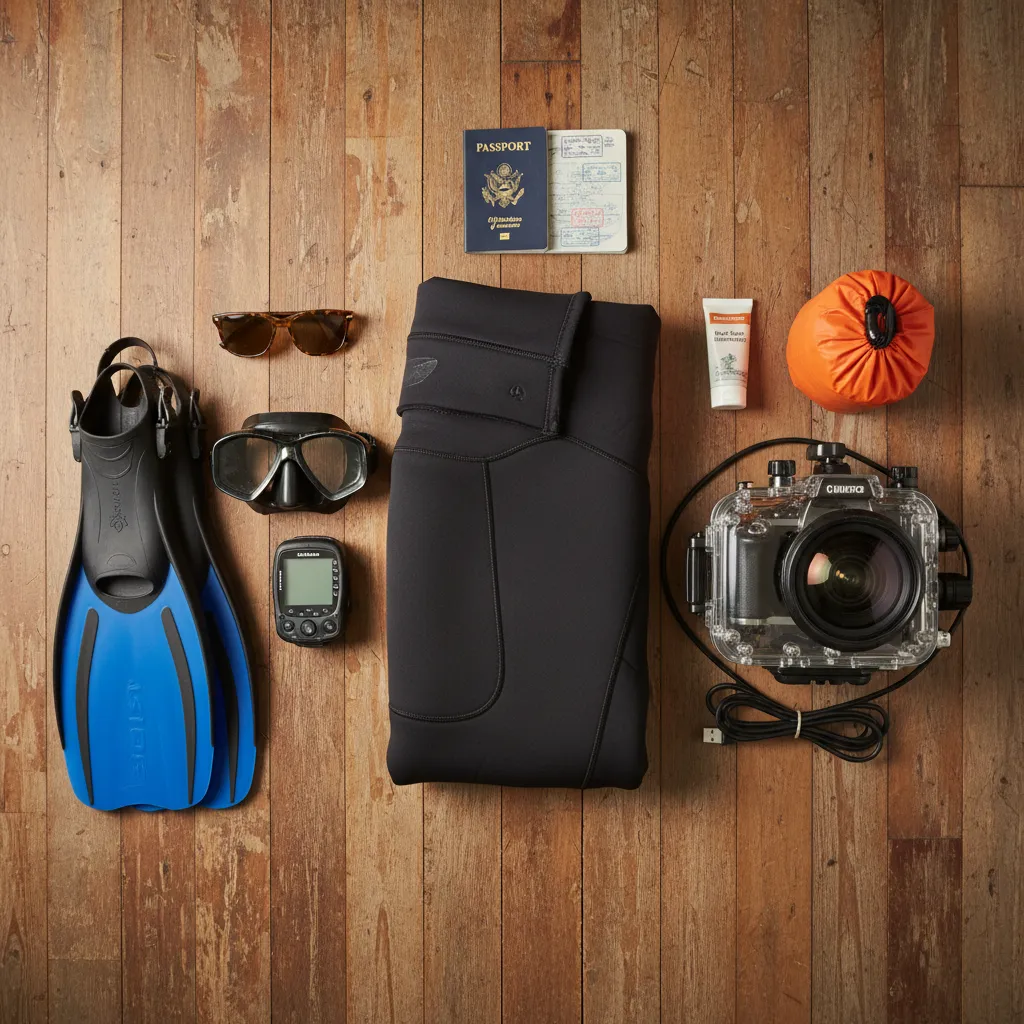
The Ultimate Dive Trip Packing List
Forgetting your certification card is annoying. Forgetting reef-safe sunscreen means damaging the very ecosystems you came to see. This comprehensive ...
Why Every Diver Needs Insurance - The Complete Guide
As passionate scuba divers, we meticulously plan our trips, select the best gear, and strive for perfect buoyancy. Yet, one crucial element often over...
What Does Dive Insurance Actually Cover?
As the world's most comprehensive scuba diving resource, DivePlnr.com emphasizes the critical importance of dive insurance. While most divers recogniz...
DAN Membership Explained - Is It Worth It?
Understanding DAN's Mission, Membership Tiers, and How it Protects Your Dives
Travel Insurance vs Dive Insurance - What's the Difference?
Choosing the right insurance for your dive trip isn't just about ticking a box; it's about safeguarding your health, your finances, and your passion. ...
Best Dive Insurance Providers - Compared
At DivePlnr.com, we understand that comprehensive dive insurance is as essential as your BCD and regulator. It’s not just about covering unexpected me...
Intermediate
Deepen your skills and expand your diving knowledge.
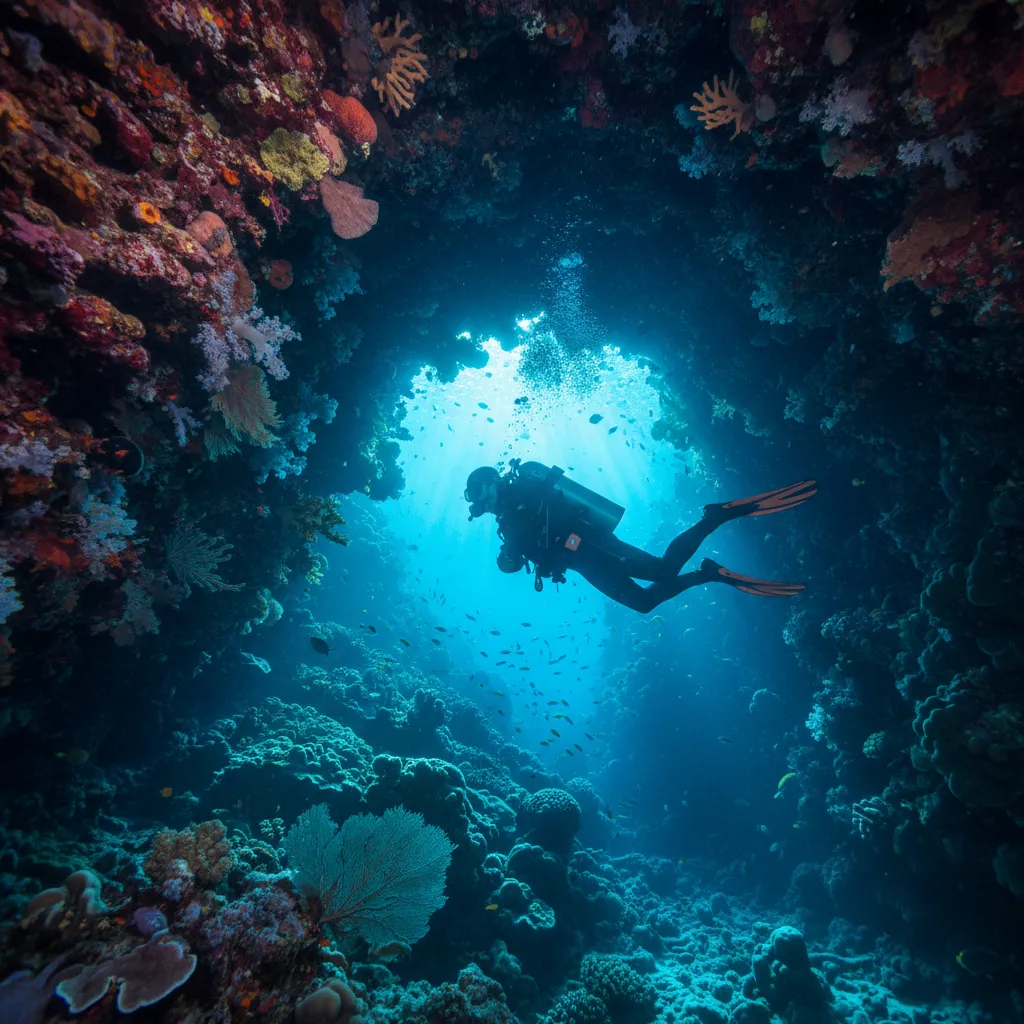
Advanced Buoyancy Techniques for Better Diving
If basic buoyancy control is about not crashing into the reef, advanced buoyancy is about achieving a state of effortless underwater flight. Divers wi...
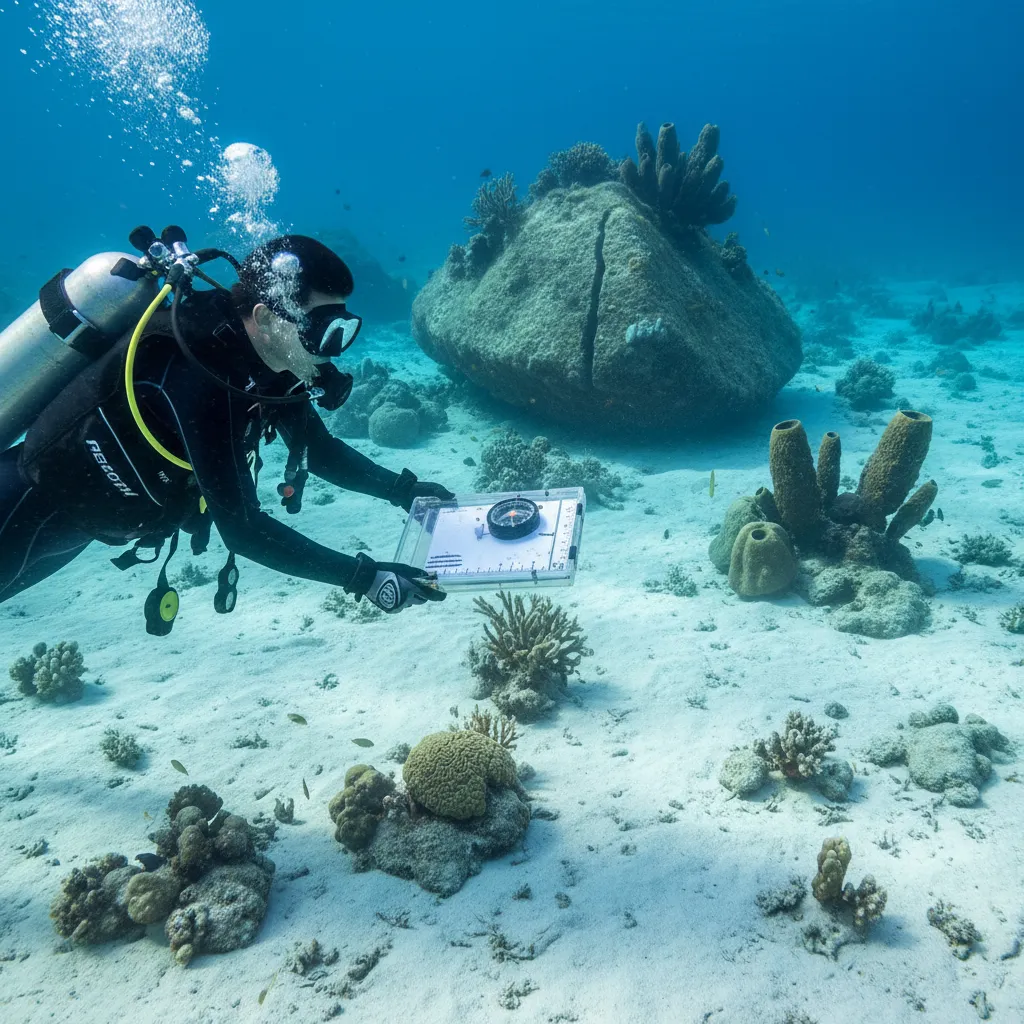
Underwater Navigation: Compass & Natural Methods
Underwater navigation is one of the most practical and rewarding skills a diver can develop. The ability to find your way to a specific site, navigate...
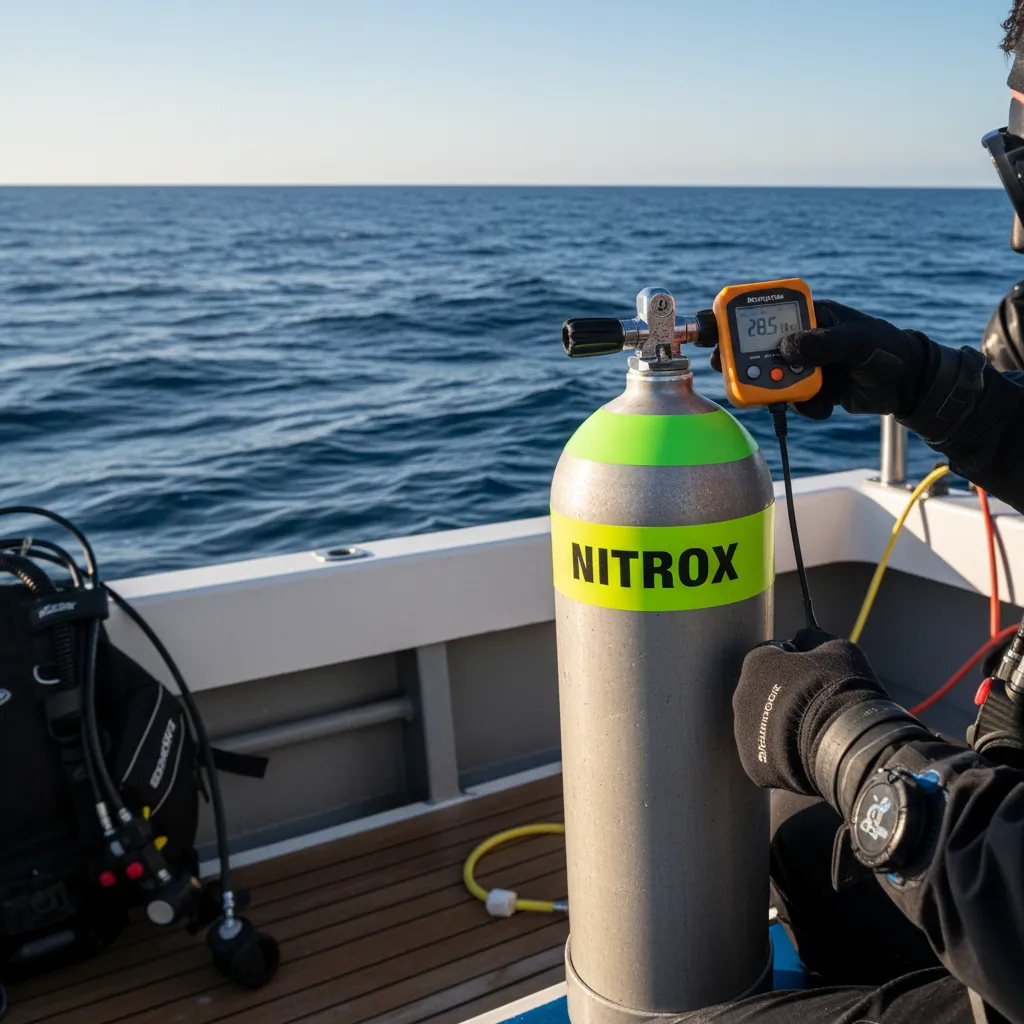
Nitrox (Enriched Air) Diving: Benefits & Considerations
Nitrox, also known as Enriched Air Nitrox (EANx), is a breathing gas mixture containing a higher percentage of oxygen than normal air. Standard air co...
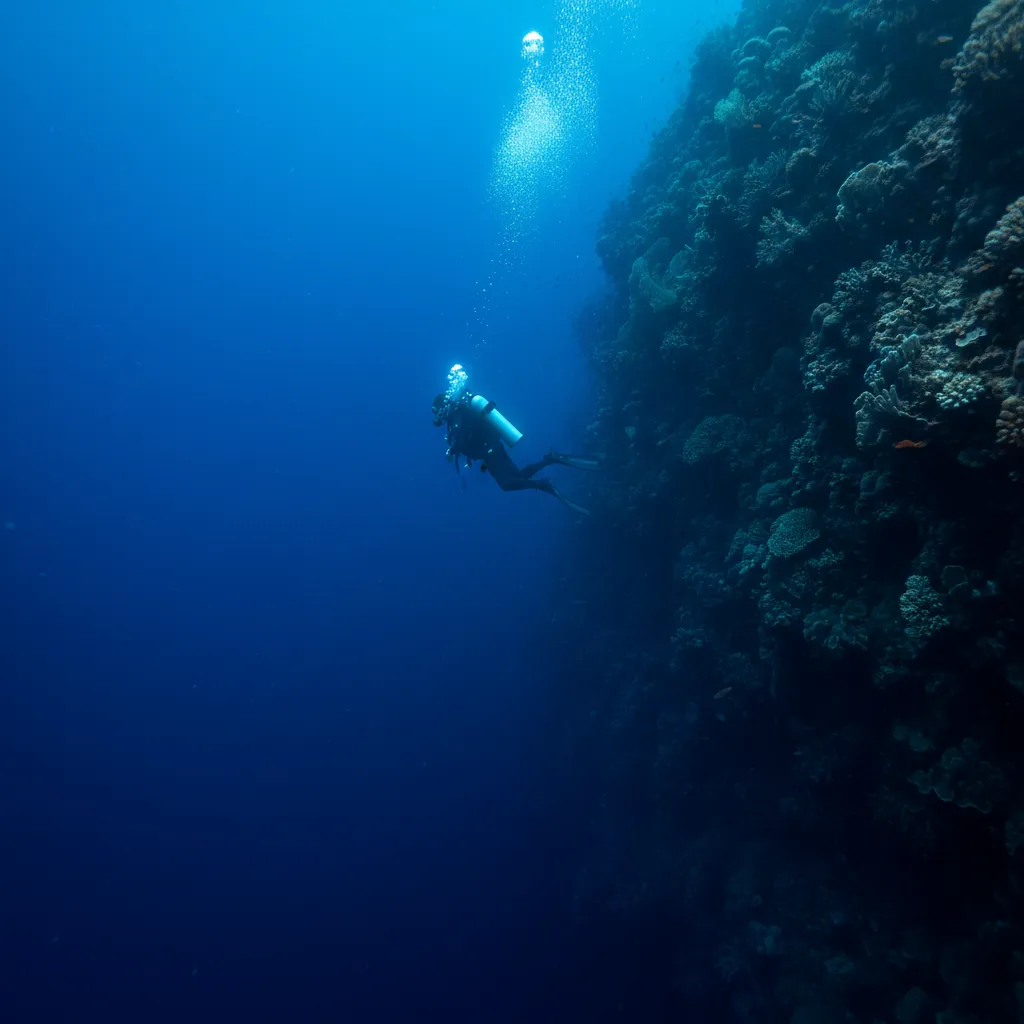
Deep Diving: Preparation, Risks & Techniques
Deep diving - generally defined as dives between 18 and 40 metres for recreational divers - opens access to spectacular underwater environments: deep ...
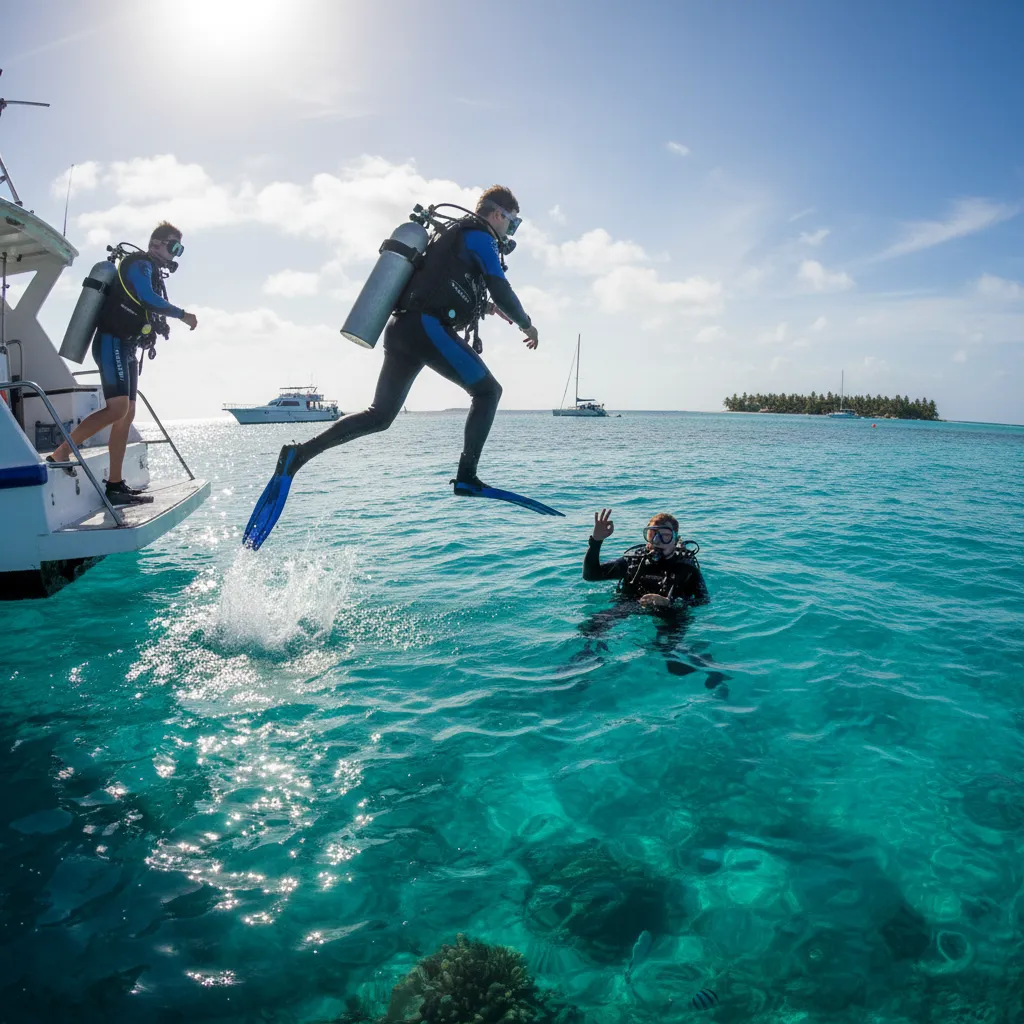
Boat Diving Guide: Etiquette, Entry & Safety
Boat diving opens up a world of dive sites inaccessible from shore - offshore reefs, deep walls, seamounts, current-swept channels, and remote islands...

Planning a Dive Trip: The Complete Checklist
A well-planned dive trip maximises underwater time, minimises stress, and ensures you have the right equipment, documentation, and insurance for your ...
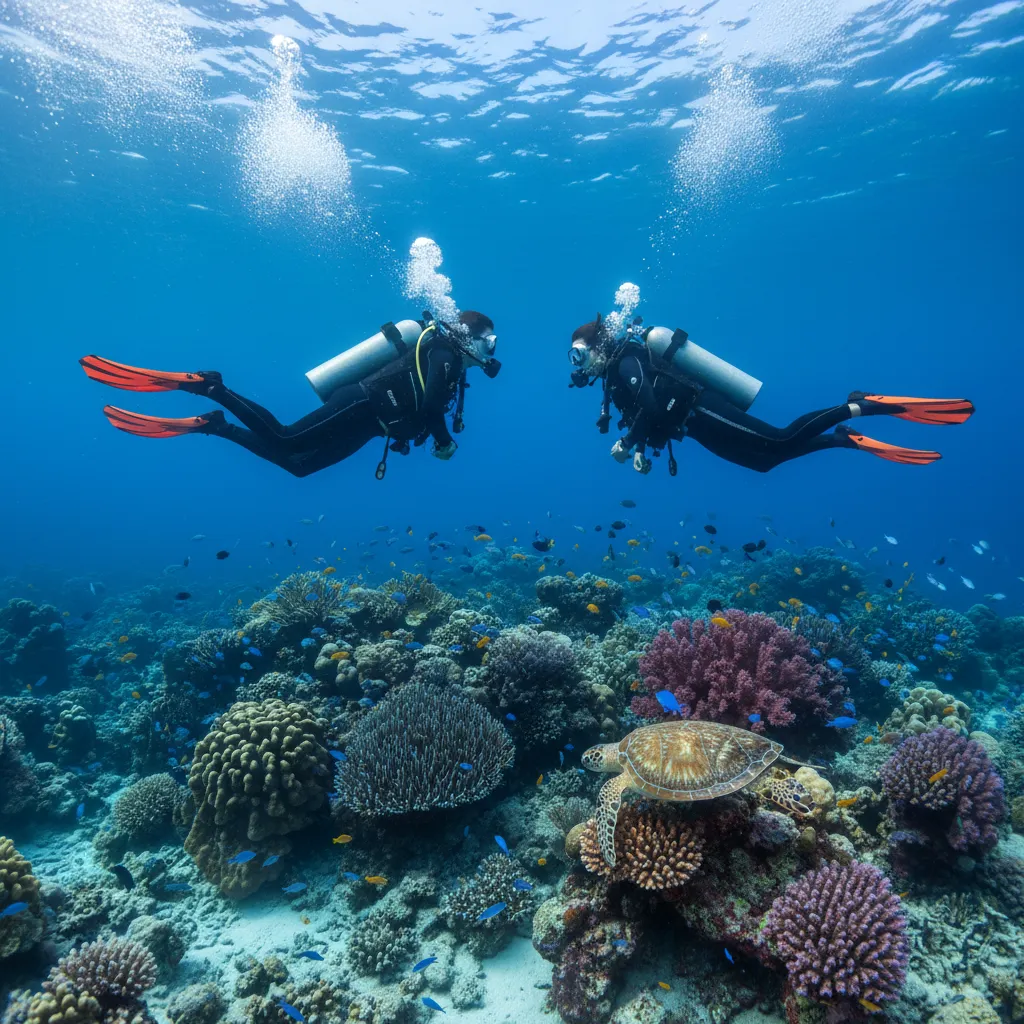
Buddy Diving Procedures & Communication
The buddy system is one of the foundational safety principles in recreational scuba diving. Your buddy is your redundant life support system, your sec...
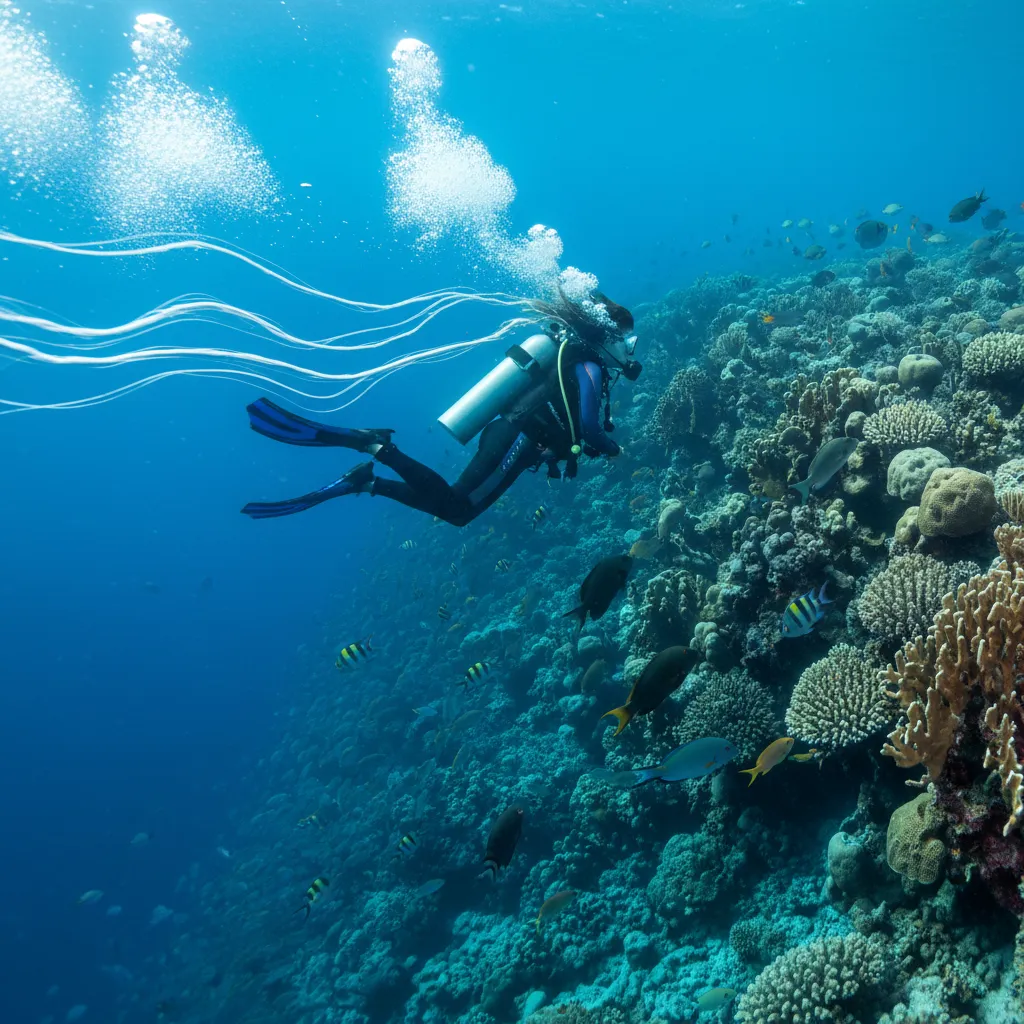
Diving in Currents: Drift Diving Techniques
Currents are a fact of life in the ocean, and learning to work with them rather than against them opens access to some of the most spectacular diving ...
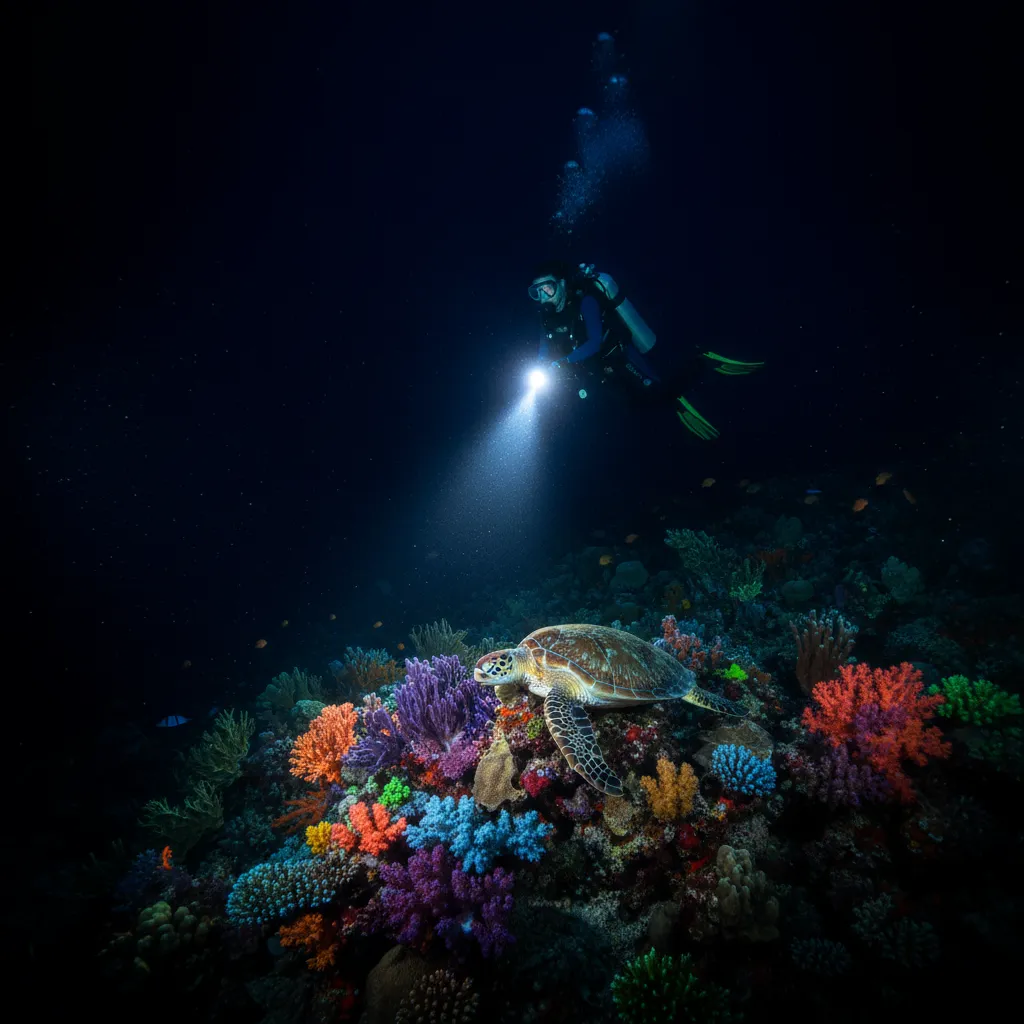
Night Diving: Techniques, Equipment & Best Practices
Night diving transforms a familiar dive site into an entirely different world. Creatures that hide during the day emerge to hunt - octopus prowl the r...
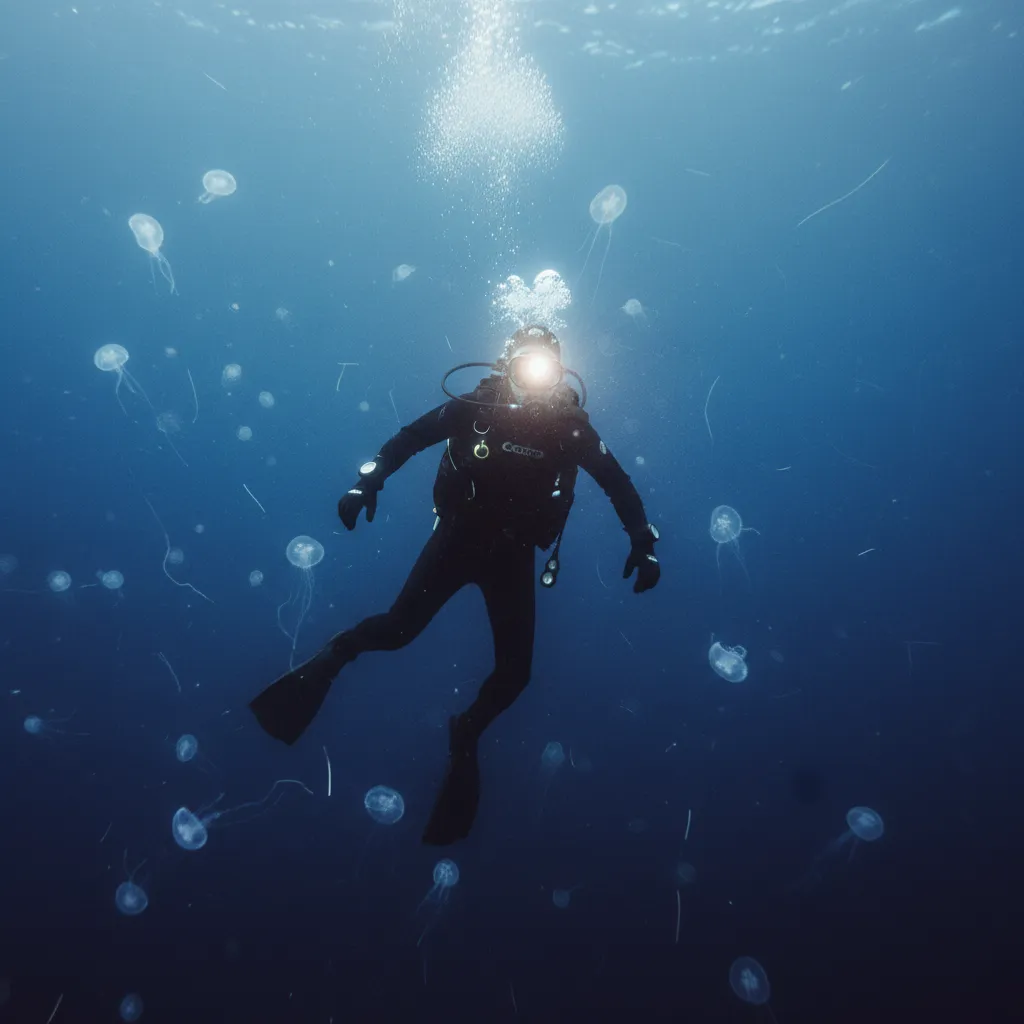
Nitrogen Narcosis: What Every Diver Should Know
Nitrogen narcosis is an altered mental state caused by breathing nitrogen at elevated partial pressures - typically noticeable beyond 30 metres (100 f...
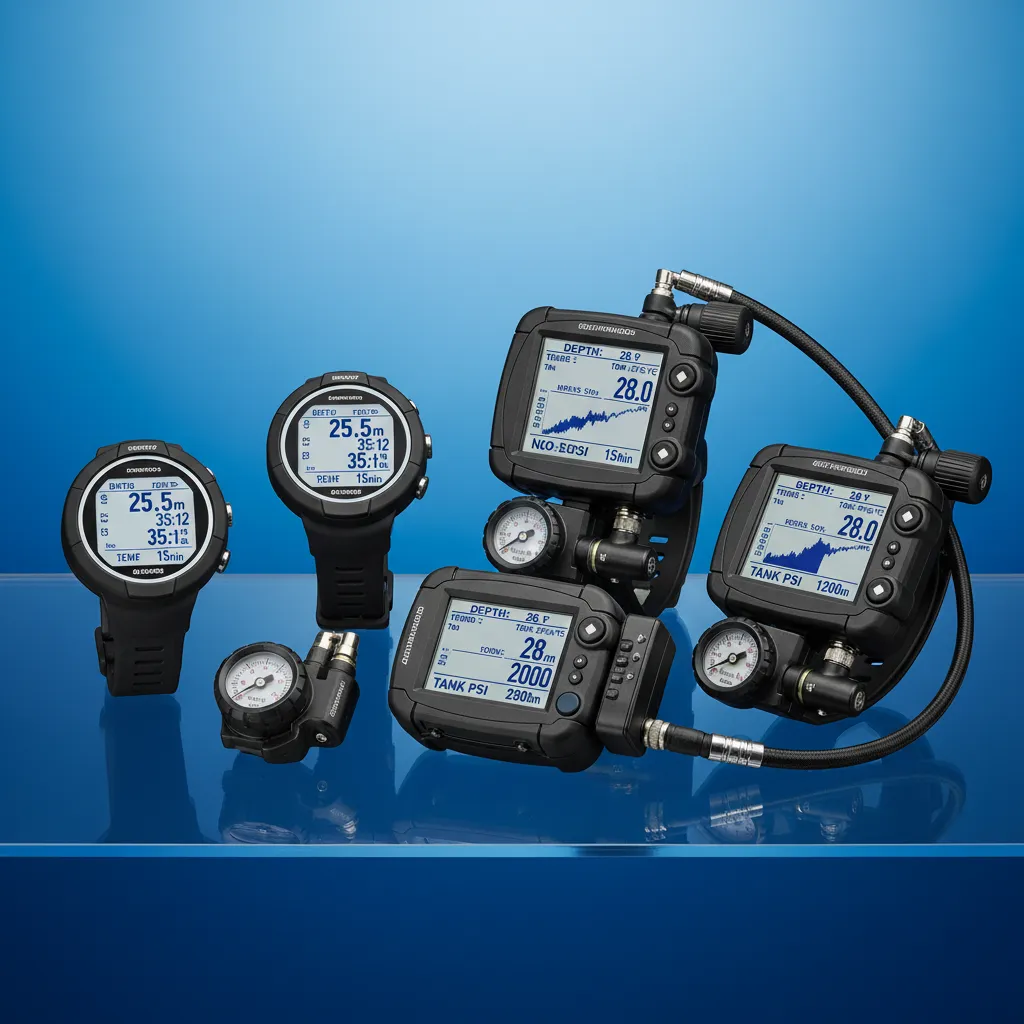
How to Choose a Dive Computer: Beginner to Advanced
A dive computer is arguably the most important piece of equipment a diver can own. It continuously tracks your depth, time, and ascent rate, calculati...
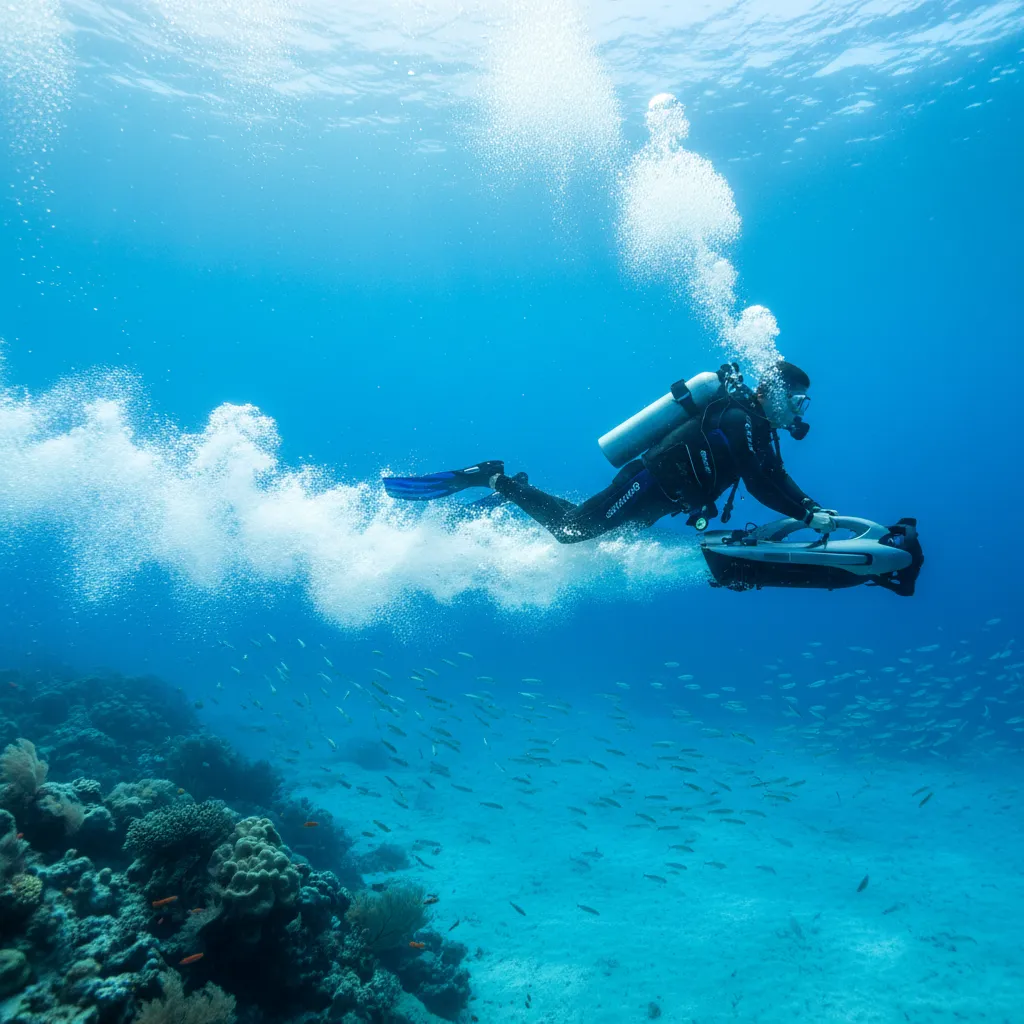
Underwater Scooters (DPVs): How They Work & Are They Worth It?
Diver propulsion vehicles (DPVs) - commonly called underwater scooters - are battery-powered devices that pull divers through the water at speeds far ...
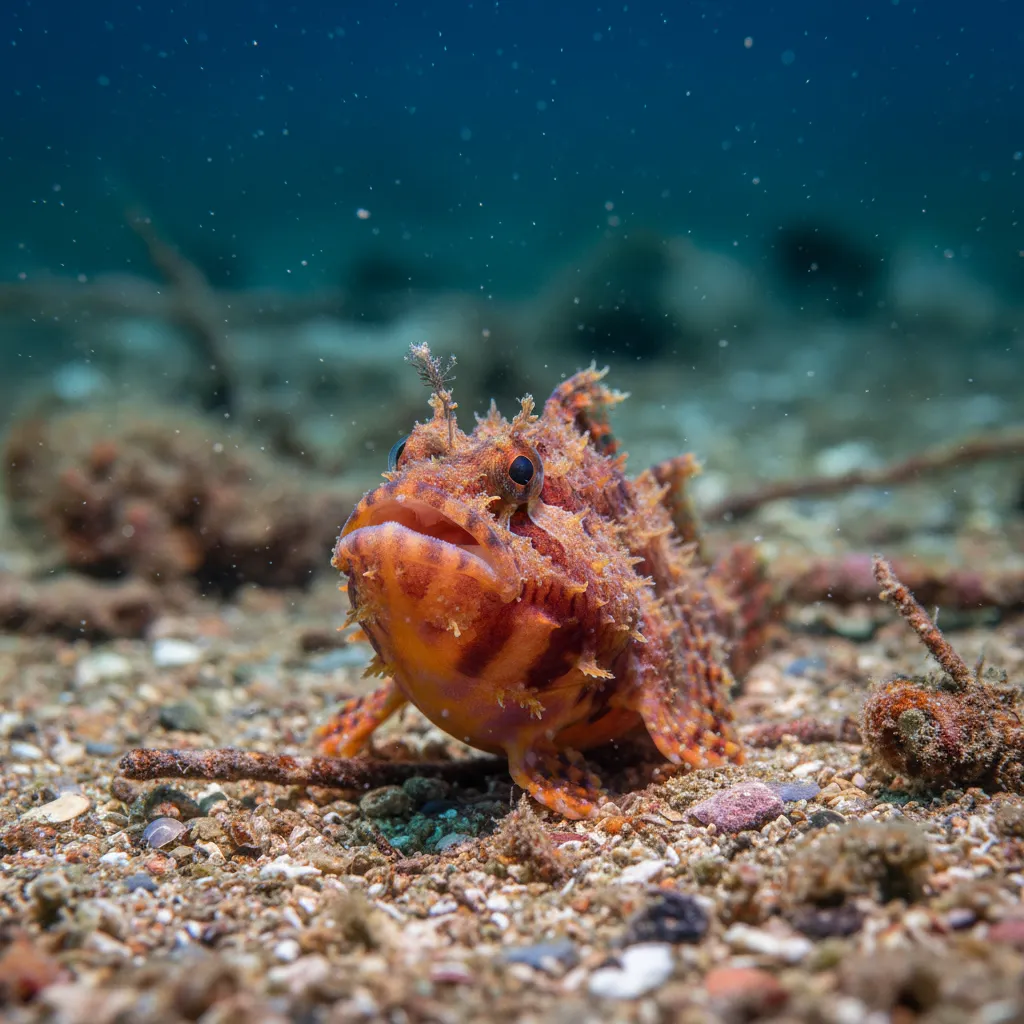
Muck Diving: The Art of Finding the Weird & Wonderful
Muck diving is the art of exploring sandy, silty, or rubble-strewn seabeds that most divers would swim right over - and finding some of the ocean's mo...
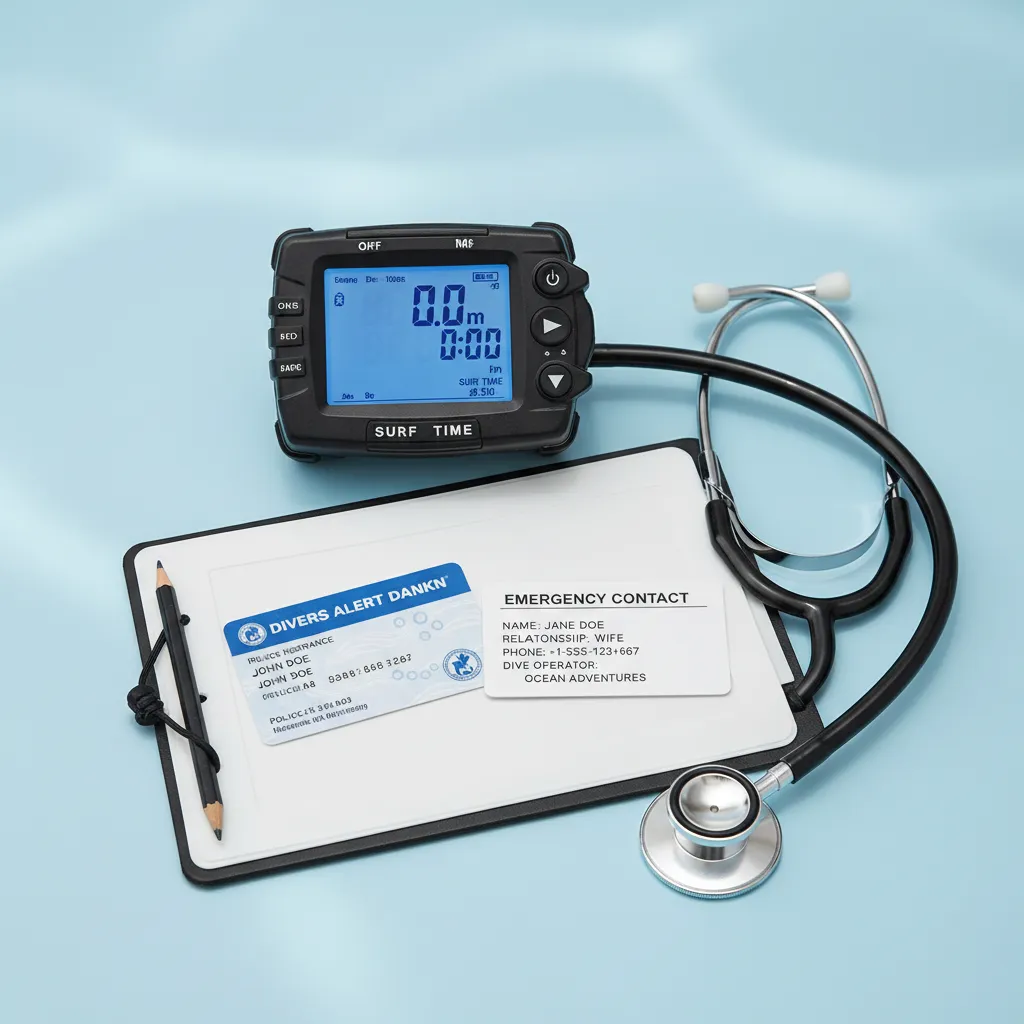
Dive Insurance: DAN vs Divers Alert vs Travel Insurance Compared
A single hyperbaric chamber session can cost anywhere from $5,000 to $50,000 or more. Dive insurance is one of the cheapest investments you can make r...
How to File a Dive Insurance Claim - Step by Step
Experiencing a dive incident is stressful enough without the added burden of navigating a complex insurance claim. At DivePlnr.com, we understand the ...
Insurance for Liveaboard Dive Trips
Liveaboard diving offers unparalleled access to remote, pristine dive sites, but these incredible adventures come with unique risks that demand specif...
Advanced
Expert-level topics for experienced divers.
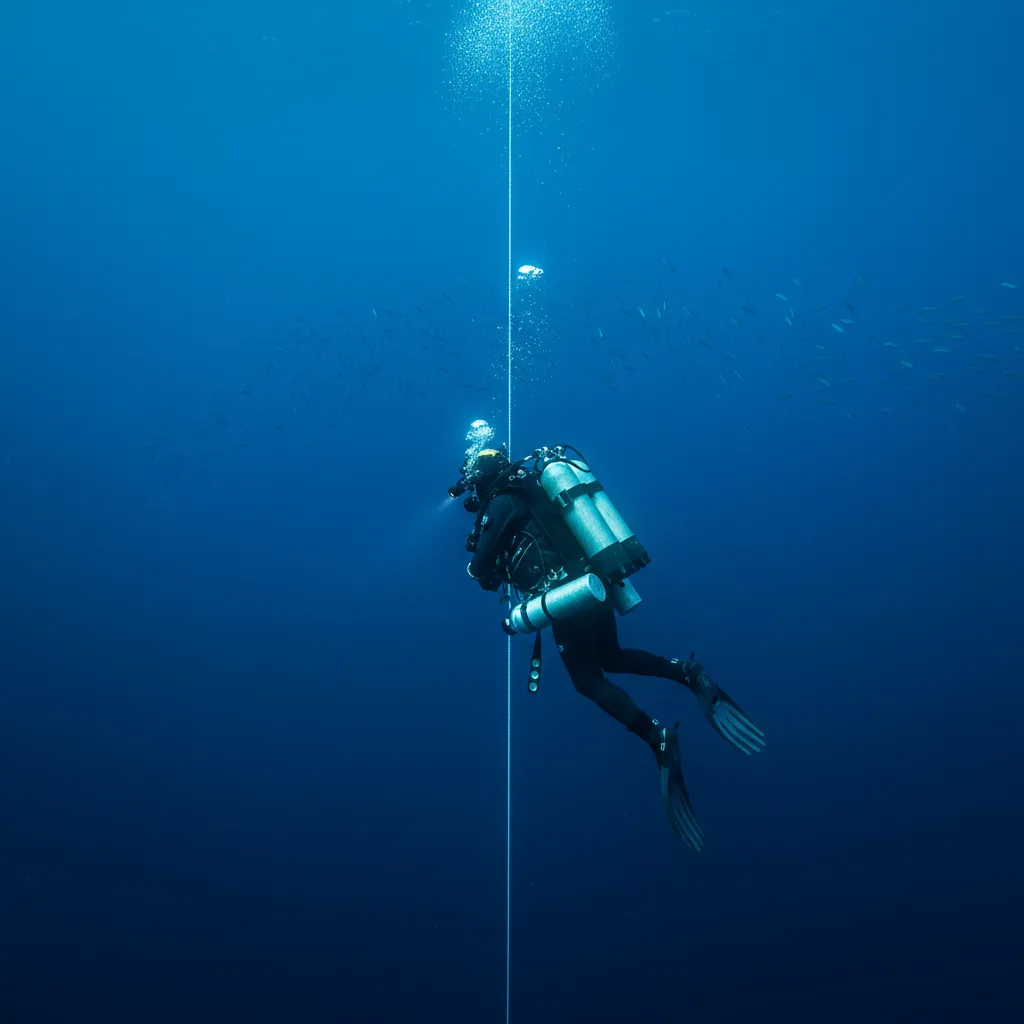
Introduction to Technical Diving
Technical diving begins where recreational diving ends. It encompasses any diving that exceeds recreational limits - depths beyond 40 metres, mandator...
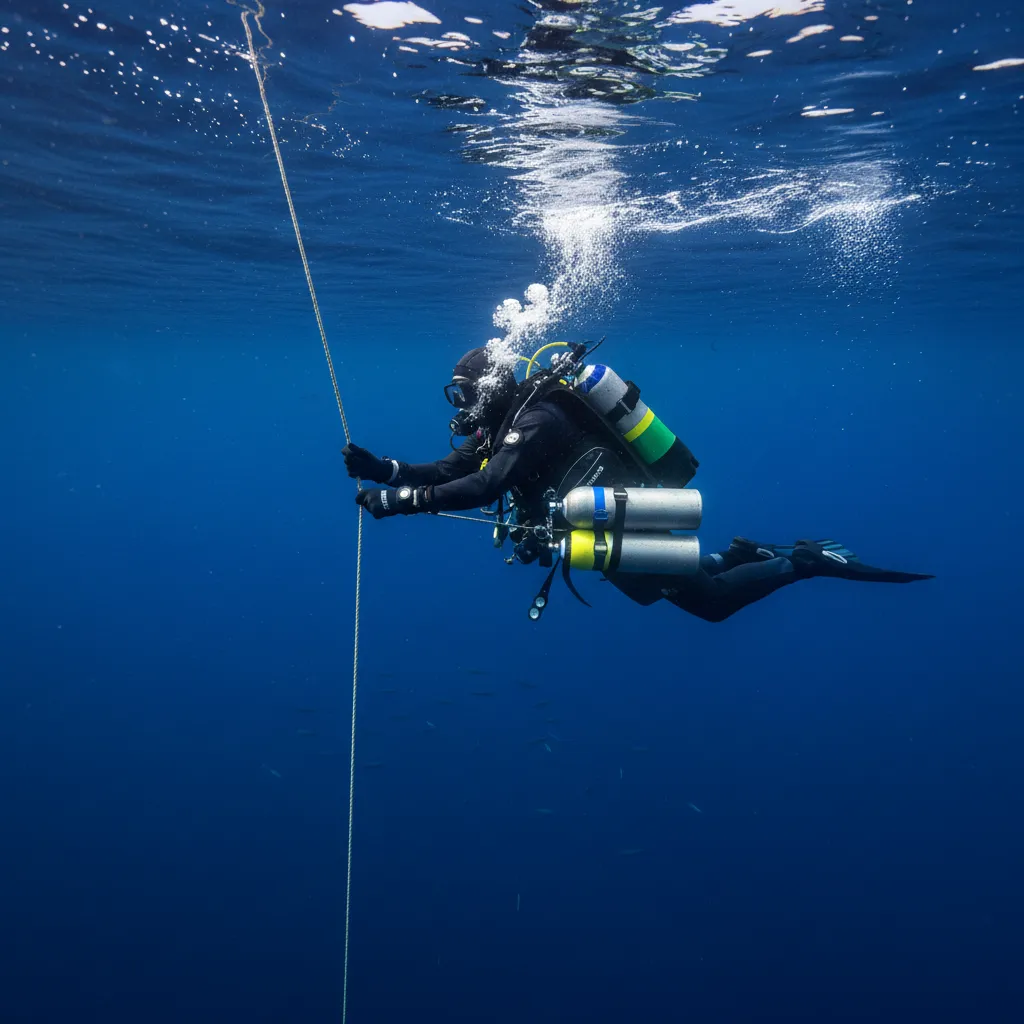
Decompression Theory: Understanding Deco Stops
Decompression theory is the scientific foundation upon which all scuba diving is built. Every dive - recreational or technical - involves decompressio...
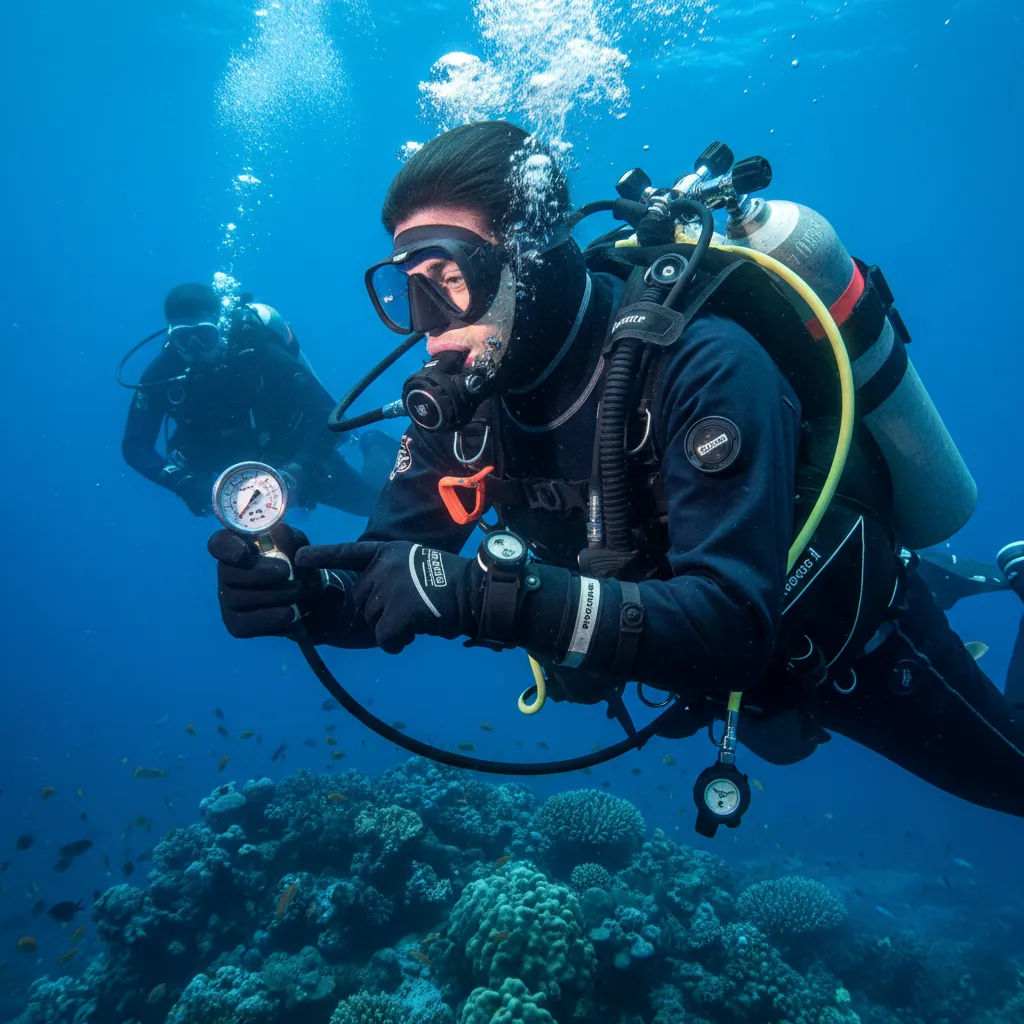
Gas Management & Planning for Extended Dives
Gas management is the discipline of ensuring you always have enough breathing gas to complete your dive safely, including reserves for emergencies. In...
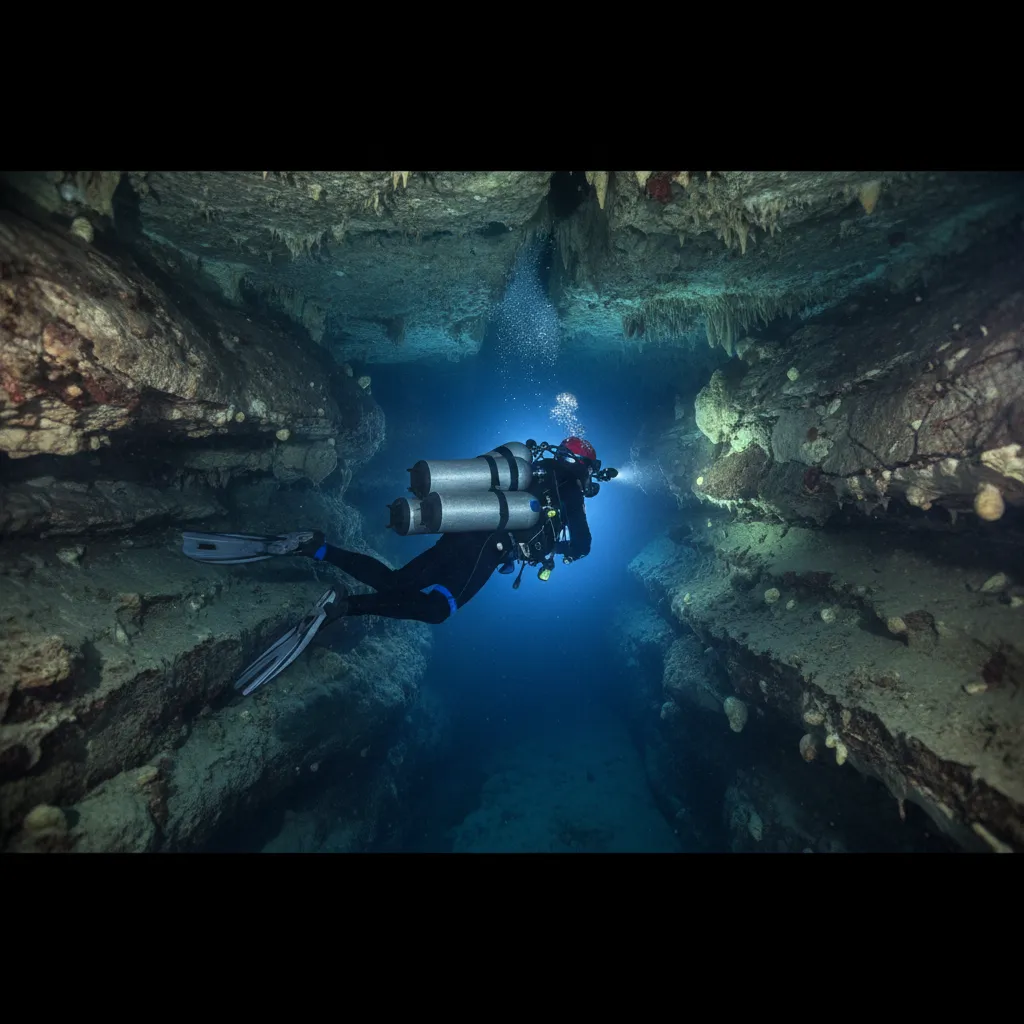
Sidemount Diving: Configuration & Techniques
Sidemount diving - carrying cylinders alongside the body rather than on the back - has evolved from a specialised cave diving technique into one of th...
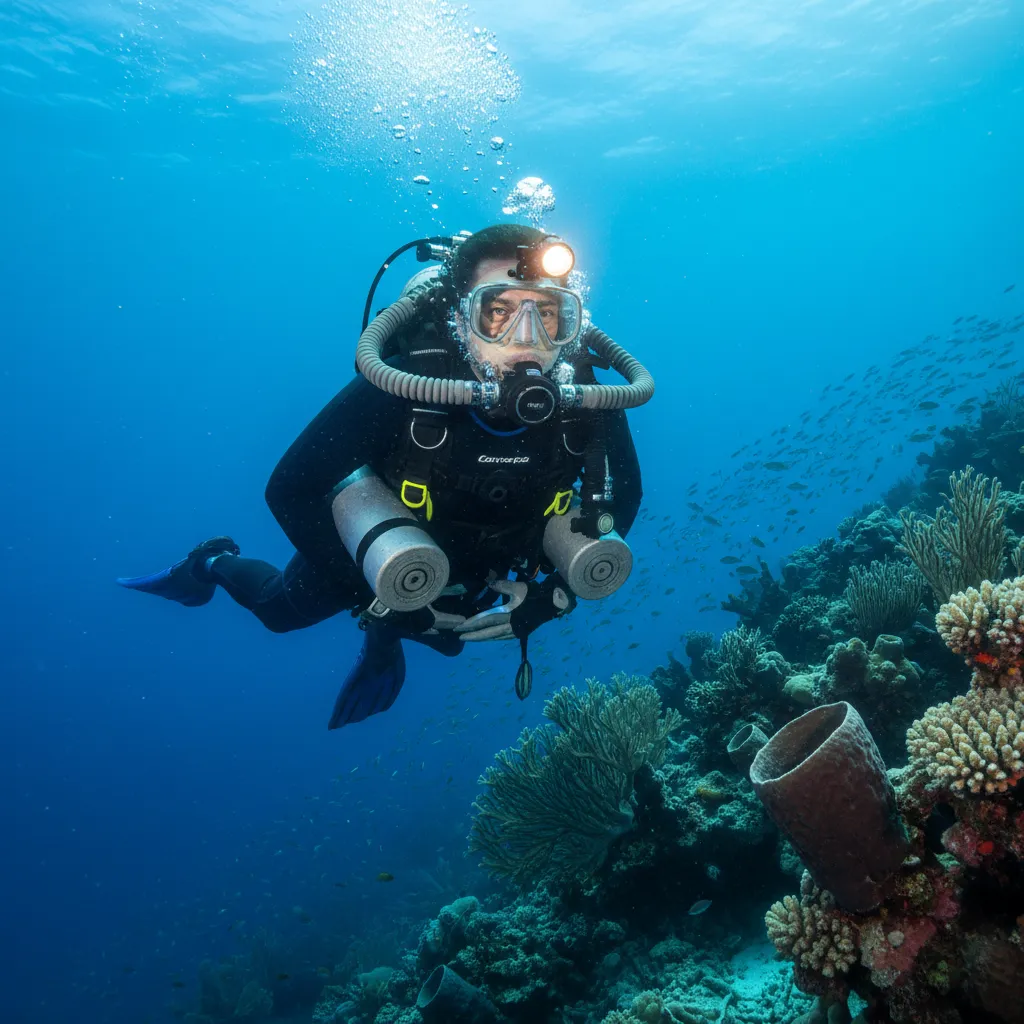
Rebreather Diving: How CCR Works
Rebreather diving represents the cutting edge of underwater exploration technology. Unlike open-circuit scuba, where every exhaled breath is vented as...
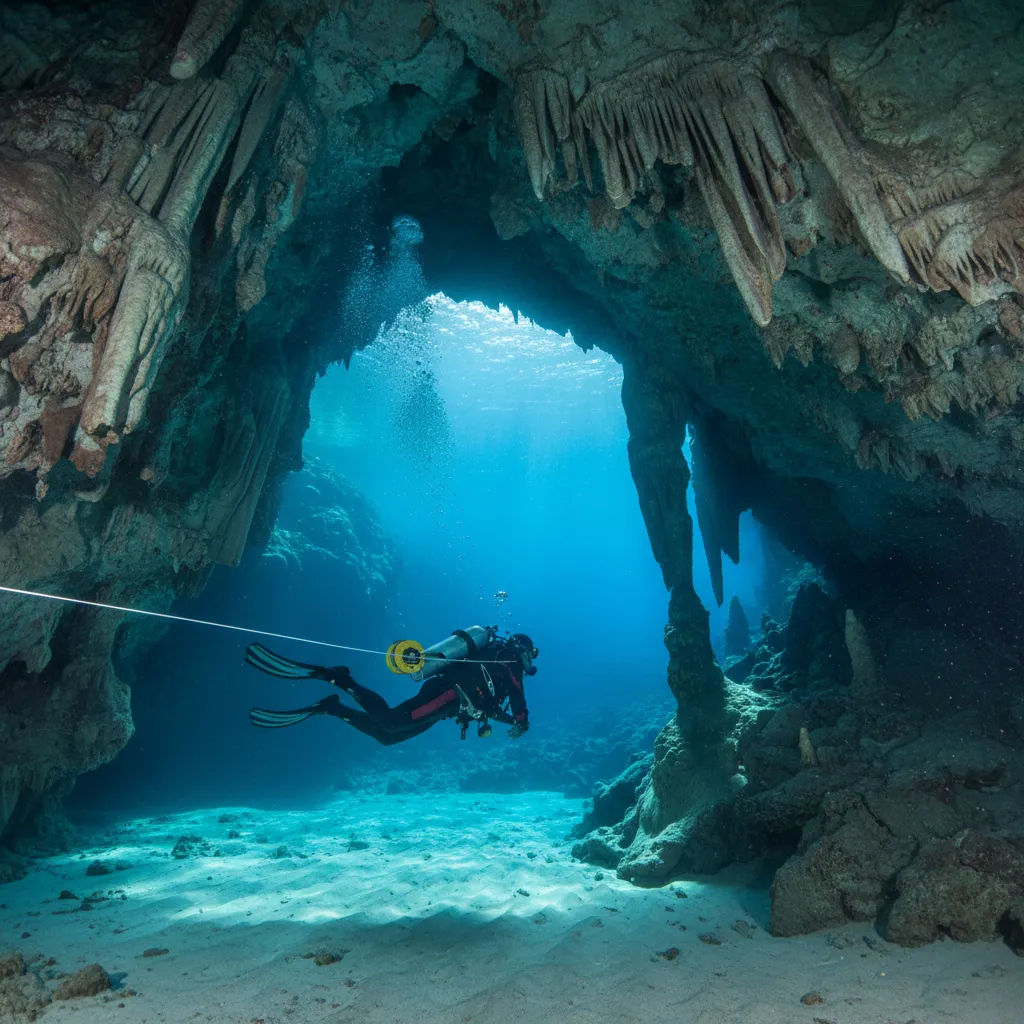
Cave & Cavern Diving: Training & Prerequisites
Overhead environment diving - caves, caverns, ice, and wreck interiors - is among the most demanding and rewarding forms of diving. The defining chara...

Cave Diving: Training, Risks & What It Takes
Cave diving is the exploration of underwater caves - and it is one of the most demanding, dangerous, and rewarding forms of diving on the planet. It i...
Insurance for Technical, Cave, and Rebreather Divers
For the adventurous few who push beyond recreational limits, technical diving opens up a world of extended bottom times, deeper explorations, and spec...