Best Cave & Cenote Diving Destinations
Underground rivers, blue holes, and ancient cenotes for the adventurous diver
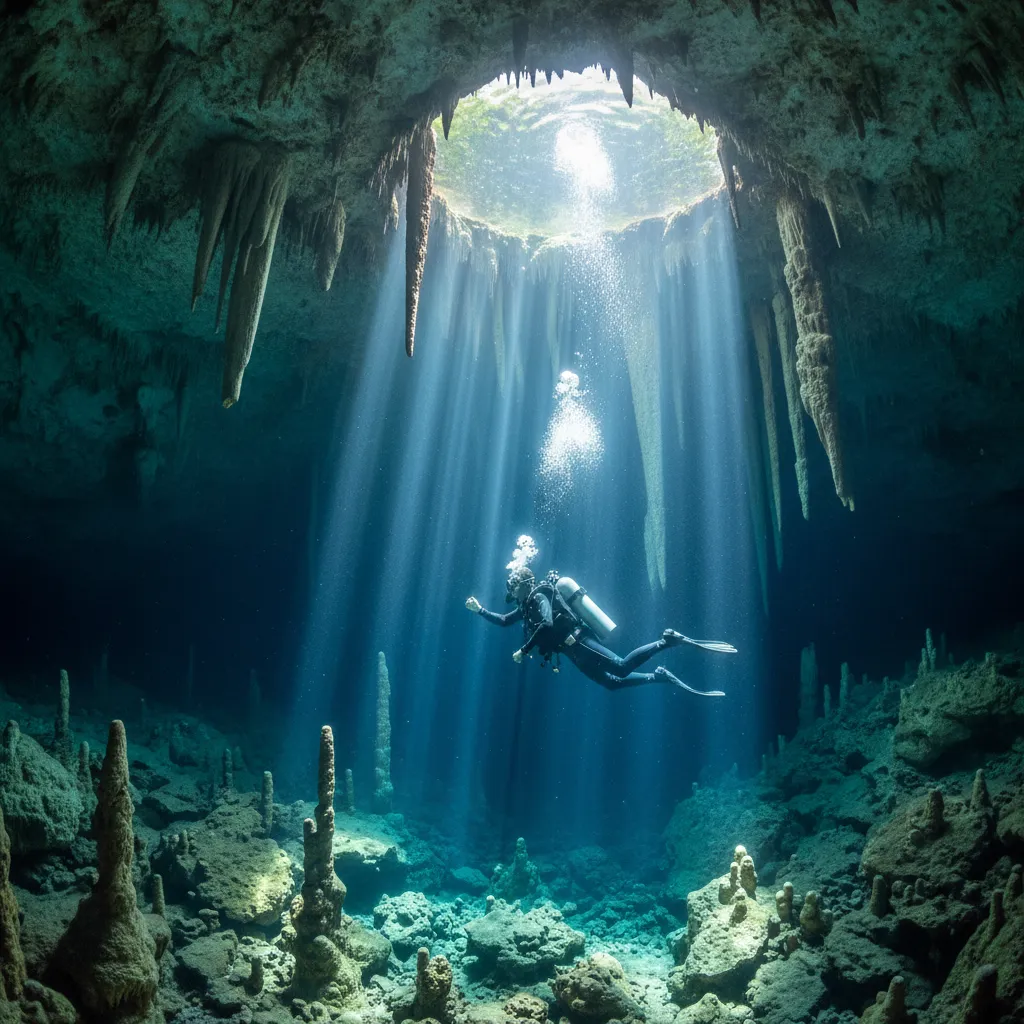
Venture beyond the reef and discover a world of silent, breathtaking beauty with cave and cenote diving. This advanced form of scuba diving invites you to explore submerged passages, vast underwater chambers, and geological wonders hidden from the sun. For many, the appeal lies in the unparalleled crystal-clear visibility, often exceeding 100 feet, and the ethereal light beams that pierce the darkness from openings above, creating a truly spiritual experience. It's a journey into the planet's subterranean heart, offering a unique sense of exploration and adventure unavailable in open water.
The world of overhead diving is diverse, encompassing several unique environments. Mexico's Yucatán Peninsula is famed for its cenotes-natural limestone sinkholes leading to extensive freshwater cave systems decorated with stunning stalactites and stalagmites. Along coastlines worldwide, you'll find sea caves, carved by the relentless power of wave action and often teeming with life. Other destinations, like Florida, offer intricate freshwater cave networks, while iconic blue holes are massive vertical marine caves that plunge deep into the earth.
Cave diving is not an activity to be taken lightly and requires a significant commitment to specialized training far beyond a standard open water certification. The fundamental rule is never to enter an overhead environment without the proper training and equipment. Because a direct ascent to the surface is impossible, divers learn critical skills like guideline navigation, advanced buoyancy control, and emergency procedures specific to confined spaces. Certifications typically progress from Cavern Diver, which stays within the ambient light zone, to Intro to Cave and Full Cave Diver for deeper, more complex explorations.
At a Glance
| Destination | Difficulty | Best Months |
|---|---|---|
| Cozumel, MexicoMexico | Advanced | Mar-May, Aug-Sep, Nov |
| Marseille & Calanques, FranceFrance | Advanced | - |
| Yucatán Cenotes, MexicoMexico | Advanced | - |
| Crete, GreeceGreece | Advanced | Jun-Oct |
| Florida Keys, United StatesUnited States | Advanced | Mar-Jun, Sep-Nov |
| Poor Knights Islands, New ZealandNew Zealand | Advanced | Jan-May, Nov-Dec |
| Baa Atoll, MaldivesMaldives | Advanced | Jan-Dec |
| Cape Town & Western Cape, South AfricaSouth Africa | Advanced | Jan-Dec |
| Gozo, MaltaMalta | Advanced | Jun-Nov |
| Canary Islands, SpainSpain | Advanced | Jan-Dec |
| Sydney & New South Wales, AustraliaAustralia | Advanced | - |
| Roatán, HondurasHonduras | Advanced | Jan-Dec |
| Istria Peninsula, CroatiaCroatia | Advanced | Jun-Sep |
| Medes Islands, SpainSpain | Advanced | Jun-Oct |
| Zakynthos & Ionian Islands, GreeceGreece | Advanced | - |
| Taveuni & Somosomo Strait, FijiFiji | Advanced | - |
| Ustica, ItalyItaly | Advanced | - |
| Loyalty Islands, New CaledoniaNew Caledonia | Advanced | Jan-Dec |
| Apo Reef, PhilippinesPhilippines | Advanced | Jan-Dec |
| Cabo de Palos, SpainSpain | Advanced | - |
Cozumel, Mexico
Mexico
Cozumel, a world-renowned diving paradise, offers more than just vibrant coral reefs. Among its 219 dive sites are 27 captivating cave and cenote systems, providing an otherworldly underwater adventure. With crystal-clear water temperatures consistently between 27-30°C, divers can explore these submerged caverns in comfort, especially during the prime months of March-May, August-September, and November. The unparalleled visibility in these cenotes creates a surreal experience, where shafts of sunlight pierce the darkness, illuminating the water in brilliant shades of blue and turquoise.
Venturing into Cozumel's underwater cave systems reveals a breathtaking geological wonderland. Divers navigate through intricate networks of tunnels and swim-throughs adorned with ancient stalactites and stalagmites. Famed sites like the dramatic Palancar Caves and the thrilling deep descent of Punta Sur's "Devil’s Throat" offer unforgettable experiences for advanced divers. For a truly unique cenote dive, Cenote Zapote mesmerizes with its bizarre, bell-shaped formations known as "Hells Bells." With 86 local dive centres, explorers of all certified levels can safely discover the silent, majestic beauty hidden beneath the surface of the Yucatan Peninsula.
Difficulty
Advanced
Best Months
Mar-May, Aug-Sep, Nov
Water Temp
27-30°C
Visibility
21-25 nmi
Dive Centres
86
Practical Info
- cave Count:
- 27
- cert Needed:
- Cavern Diver (minimum) / Full Cave Diver (recommended)
- estimated Cost:
- $100-200 per dive
Did you know?
Did you know Cozumel's legendary 'Sleeping Sharks Cave' is one of the few places in the world where you can observe sharks resting motionless on the sandy bottom, a rare behavior attributed to the cave's unique freshwater vents.
Discover the hidden underwater world of Marseille and the Calanques National Park, a premier destination for cave and cenote diving in the Mediterranean. Carved into dramatic limestone cliffs, this region boasts an incredible network of 27 distinct cave and grotto systems, offering a thrilling adventure for certified divers. From wide, sunlit arches to intricate tunnels, the geology here creates a breathtaking submerged landscape, all accessible through the area's 43 professional dive centres.
Plunge into the crystal-clear waters, where visibility often reveals stunning light shows as sunbeams pierce through overhead openings, illuminating the cavern walls. Divers can navigate through famous sites like the vertical shaft of "La cheminée" or marvel at the grand "L' Arche." Many of these caves, such as the renowned "Riou's coral cave" and "La Grotte a Corail," are adorned with vibrant red coral and colourful sponges, creating a unique ecosystem that thrives in the cool, sheltered environment. With stable water temperatures, the magic of the Calanques' caves can be explored year-round.
Difficulty
Advanced
Water Temp
14-14°C
Dive Centres
43
Practical Info
- cave Count:
- 27
- cert Needed:
- Cavern Diver (minimum) / Full Cave Diver (recommended)
- estimated Cost:
- $100-200 per dive
Did you know?
The Calanques National Park is home to several unique "coral caves," like the Grotte a Corail, where vibrant red coral and other delicate marine life flourish on the walls and ceilings, far from direct sunlight.
Yucatán Cenotes, Mexico
Mexico
Immerse yourself in the mystical underworld of the Yucatán Peninsula, a world-renowned destination for cave and cenote diving. These natural freshwater sinkholes, formed by the collapse of limestone bedrock, were considered sacred gateways to the underworld by the ancient Maya. Today, they offer divers an unparalleled experience in crystal-clear water with visibility that can exceed 100 meters. The region boasts an extensive network of submerged passages, with over 22 distinct cave and cenote sites accessible to divers, making it a truly unique underwater playground.
Prepare to be mesmerized as you descend into these subterranean realms. Sunlight pierces through the jungle canopy and cavern openings, creating ethereal laser-like beams that dance in the gin-clear water, a phenomenon famously witnessed at sites like Cenote El Pit. You'll navigate through breathtaking chambers adorned with ancient stalactites and stalagmites, geological wonders frozen in time. In deeper cenotes like Angelita, you can experience the surreal sensation of floating above a mystical hydrogen sulfide cloud. From the sprawling passages of Gran Cenote to the iconic twin sinkholes of Dos Ojos, each dive reveals a different facet of this subterranean paradise, accessible year-round.
Difficulty
Advanced
Dive Centres
2
Practical Info
- cave Count:
- 22
- cert Needed:
- Cavern Diver (minimum) / Full Cave Diver (recommended)
- estimated Cost:
- $100-200 per dive
Did you know?
The Yucatán's cenotes are entrances to the world's longest underwater cave systems, Sac Actun and Ox Bel Ha. The ancient Maya believed these sacred wells were portals to communicate with the gods and the spirits of the underworld, Xibalba.
Crete, Greece
Greece
Discover the hidden underworld of Crete, a premier destination for cave and cenote diving in the heart of the Mediterranean. With over 18 distinct cave and cavern sites carved into its limestone coastline, Crete offers an unparalleled adventure for certified divers. The island's unique geology has created a labyrinth of underwater passages, swim-throughs, and vast chambers, all bathed in the legendary clarity of the Aegean Sea. Divers can explore everything from simple, light-filled caverns to more intricate systems, enjoying comfortable water temperatures of 16-25°C during the prime season from June to October.
Inside these ancient formations, you'll witness breathtaking natural light shows as sunbeams pierce through cracks in the rock, illuminating the water in ethereal shades of blue. The experience is magical, revealing stunning stalactites and stalagmites that have formed over millennia. Each site tells a different story. Explore the world-famous Elephant Cave, home to prehistoric fossils, marvel at the grand, dome-like chamber of the Cathedral, or frame the perfect underwater photo at The Arch. Sites like St. George Cave and the Chimney Cave offer further proof of the incredible diversity waiting beneath the waves of Crete.
Difficulty
Advanced
Best Months
Jun-Oct
Water Temp
16-25°C
Dive Centres
46
Practical Info
- cave Count:
- 18
- cert Needed:
- Cavern Diver (minimum) / Full Cave Diver (recommended)
- estimated Cost:
- $100-200 per dive
Did you know?
Crete's famous Elephant Cave was only discovered in 1999 and contains the fossilized remains of an extinct, prehistoric species of elephant, including tusks, vertebrae, and teeth.
Florida Keys, United States
United States
Venture beyond the coastal reefs to explore Florida's hidden underworld of freshwater springs and caves. Formed by a unique limestone geology, the state is a world-renowned destination for cavern and cave diving, boasting access to the massive Floridan Aquifer. This results in countless dive sites with gin-clear visibility and comfortable, year-round water temperatures between 19-32°C. Divers can experience a subterranean world of immense chambers, ancient fossils, and intricate passageways carved out over millennia.
The experience is nothing short of magical. In cavern sites like Devil's Den and Ginnie Spring, you'll witness ethereal sunbeams piercing the darkness from openings above, illuminating the crystal-clear water. For certified cave divers, legendary systems like Eagle's Nest, often called the “Grand Canyon” of cave diving, offer a profound and challenging exploration of deep, dark passages. From the accessible beauty of Blue Grotto Spring to the extensive networks at Madison Blue Spring, Florida provides an unforgettable journey into the heart of the earth.
Difficulty
Advanced
Best Months
Mar-Jun, Sep-Nov
Water Temp
19-32°C
Dive Centres
88
Practical Info
- cave Count:
- 16
- cert Needed:
- Cavern Diver (minimum) / Full Cave Diver (recommended)
- estimated Cost:
- $100-200 per dive
Did you know?
Devil's Den is a prehistoric spring where the fossilized remains of extinct creatures from the Pleistocene Epoch, including mastodons and saber-toothed cats, have been discovered.
Poor Knights Islands, New Zealand
New Zealand
Venture beneath the surface at Poor Knights Islands, New Zealand, and discover a subterranean world sculpted by volcanic forces. This protected marine reserve is a premier destination for cave and cenote diving, featuring a staggering network of 16 distinct cave systems, arches, and tunnels. Divers can explore this intricate labyrinth where ancient lava flows have created a playground of complex structures. The water clarity is exceptional, allowing shafts of sunlight to pierce the darkness, creating ethereal light shows that dance across the cavern walls.
Each dive offers a unique spectacle, from navigating the tight passages of Red Baron Caves to marveling at the sheer scale of the Northern Arch. The most famous site is Riko Riko Cave, the largest sea cave in the world by volume, where the immense chamber and incredible acoustics create a cathedral-like atmosphere. Another must-see is the Blue MaoMao Arch, often filled with a shimmering, living curtain of thousands of blue maomao fish. The interplay of light, unique rock formations, and abundant marine life makes cave diving in the Poor Knights an unforgettable adventure.
Difficulty
Advanced
Best Months
Jan-May, Nov-Dec
Water Temp
16-22°C
Dive Centres
9
Practical Info
- cave Count:
- 16
- cert Needed:
- Cavern Diver (minimum) / Full Cave Diver (recommended)
- estimated Cost:
- $100-200 per dive
Did you know?
The Poor Knights Islands are home to Riko Riko Cave, which is recognised as the largest sea cave in the world by volume, so vast that tour boats can easily navigate inside its colossal chamber.
Baa Atoll, Maldives
Maldives
Beyond its famous manta ray aggregations, Baa Atoll conceals a secret world for adventurous divers: a spectacular network of 14 underwater caves and cenote-like structures. In the consistently warm 29-30°C waters, these sites offer a dramatic alternative to the sun-drenched reefs. Divers can explore intricate swim-throughs, vast caverns, and stunning overhead environments, discovering a quieter, more mysterious side of the Maldives.
The experience is a breathtaking play of light and shadow. Sunlight filters through cracks and openings in the reef, creating ethereal, cathedral-like beams that dance in the crystal-clear water. Unlike dark, enclosed systems, these Maldivian caves are often vibrant and full of life. Famous sites like Rainbow Caves and Cathedral are known for their spectacular light effects and walls adorned with colorful soft corals, while Turtle Caves often serves as a serene resting place for resident sea turtles, making for an unforgettable encounter.
Difficulty
Advanced
Best Months
Jan-Dec
Water Temp
29-30°C
Dive Centres
51
Practical Info
- cave Count:
- 14
- cert Needed:
- Cavern Diver (minimum) / Full Cave Diver (recommended)
- estimated Cost:
- $100-200 per dive
Did you know?
Baa Atoll's 'Blue Hole' is not a true vertical blue hole, but a large, deep cavern in the reef ceiling that creates a stunning visual effect as divers ascend through the brilliant blue opening into the light.
Cape Town & Western Cape, South Africa
South Africa
The Western Cape offers a unique and thrilling take on overhead environment diving, with 14 distinct cave and cavern sites sculpted from massive granite boulders and bedrock. Unlike the limestone cenotes of other regions, Cape Town's underwater cave systems are a dramatic labyrinth of swim-throughs, deep cracks, and expansive caverns. Divers are treated to a mesmerizing spectacle as sunlight filters through crevices in the rock, creating ethereal light beams that dance through the clear, cool 19°C Atlantic waters. The rugged topography creates a playground for exploration, with each site offering a different layout and challenge.
Among the most celebrated sites are Justin’s Caves, a fantastic network of interconnected caverns and swim-throughs that are a must-do for any visiting diver. Other notable locations like Di's Cracks, the Boardroom Pinnacle, and Pyramid Rock showcase incredible geological formations and offer stunning photographic opportunities. Navigating these passages reveals walls adorned with colourful sea fans, sponges, and anemones, while shy fish and rock lobster seek refuge in the crevices. With diving conditions excellent year-round, it’s a premier destination for adventurous divers seeking a different kind of cave experience.
Difficulty
Advanced
Best Months
Jan-Dec
Water Temp
19-19°C
Dive Centres
26
Practical Info
- cave Count:
- 14
- cert Needed:
- Cavern Diver (minimum) / Full Cave Diver (recommended)
- estimated Cost:
- $100-200 per dive
Did you know?
Unlike the world's more famous limestone cenotes, the Western Cape's 'caves' are actually complex systems of swim-throughs and caverns formed by immense granite boulders resting against each other on the sea floor.
Gozo, Malta
Malta
Gozo, Malta's sister island, is a subterranean paradise for divers, boasting an incredible network of 14 distinct cave and cavern sites. Carved from soft globigerina limestone over millennia, the island's coastline is a labyrinth of tunnels, swim-throughs, and vast underwater chambers. This geological wonderland offers certified divers a unique opportunity to explore the hidden architecture of the Mediterranean, with options suitable for both aspiring cavern divers and experienced cave specialists.
The experience is defined by breathtaking clarity and dramatic light play. As you venture into systems like the famous Cathedral Cave (Għar il-Katidral), brilliant shafts of sapphire light pierce the darkness, illuminating massive domes you can surface within. Other iconic sites include the Blue Hole, a stunning natural rock formation providing a dramatic entry point to the sea, and the extensive Billinghurst Cave, a long tunnel system teeming with life. The clear water reveals intricate rock formations and the vibrant marine life that has made these caverns home, creating an unforgettable underwater adventure.
Difficulty
Advanced
Best Months
Jun-Nov
Water Temp
15-28°C
Dive Centres
15
Practical Info
- cave Count:
- 14
- cert Needed:
- Cavern Diver (minimum) / Full Cave Diver (recommended)
- estimated Cost:
- $100-200 per dive
Did you know?
Did you know that Gozo's Calypso Cave is reputed to be the very cave described by Homer in 'The Odyssey,' where the beautiful nymph Calypso held the hero Odysseus captive for seven years?
The Canary Islands offer a truly unique cave diving experience, born from the archipelago's fiery volcanic origins. Instead of traditional limestone cenotes, divers here explore an intricate network of lava tubes, vast caverns, and dramatic archways carved by ancient lava flows. The crystal-clear Atlantic water provides exceptional visibility, often exceeding 30 meters, creating a mesmerizing playground of light and shadow. Sunlight pierces through openings in the rock, sending down ethereal beams that illuminate the dark, silent chambers and reveal the raw beauty of the volcanic rock formations.
Exploring these underwater labyrinths is an adventure for divers of all certified levels. Sites like the magnificent La Catedral off Gran Canaria resemble a submerged gothic cathedral with its massive arches and columns, while Playa La Bombilla and Perchel Caves offer stunning light effects and accessible cavern environments. More experienced divers can navigate the complex systems of Neptune’s Cave or Palm-mar Cave in Tenerife, discovering hidden passages and chambers that showcase the raw power of nature. Each dive reveals a world of geological wonders, from smooth, tube-like corridors to jagged, textured walls, making the Canary Islands a premier destination for cavern and cave diving enthusiasts.
Difficulty
Advanced
Best Months
Jan-Dec
Water Temp
19-24°C
Dive Centres
99
Practical Info
- cave Count:
- 12
- cert Needed:
- Cavern Diver (minimum) / Full Cave Diver (recommended)
- estimated Cost:
- $100-200 per dive
Did you know?
Unlike the famous limestone cenotes of the Yucatán Peninsula, the underwater caves in the Canary Islands are primarily volcanic lava tubes. These incredible formations were created by flowing magma, which cooled to form a hard outer crust while the molten rock inside drained away, leaving behind the spectacular subterranean passages divers explore today.
Sydney & New South Wales, Australia
Australia
Beyond the vibrant reefs of Sydney & New South Wales lies a subterranean world waiting to be explored by adventurous divers. The region is home to 12 distinct cave and cenote-style sites, offering everything from dramatic sea caverns and swim-throughs to intricate tunnels carved by millennia of ocean currents. These sites provide a thrilling alternative to open-water diving, showcasing the raw geological beauty hidden beneath the coastline.
Inside these aquatic caves, divers are greeted by breathtaking scenes of light and shadow. Sunbeams pierce through openings in the rock ceilings, creating ethereal light rays that dance in the exceptionally clear water. Famous sites like Fish Rock Cave, one of Australia's only true ocean caves, offer a 125-metre journey through an island often filled with Grey Nurse Sharks. Other notable spots include the stunning swim-through at Broughton Island's 'The Looking Glass' and the majestic 'The Arch' at Big Seal Rock, each promising a unique and unforgettable underwater experience.
Difficulty
Advanced
Dive Centres
21
Practical Info
- cave Count:
- 12
- cert Needed:
- Cavern Diver (minimum) / Full Cave Diver (recommended)
- estimated Cost:
- $100-200 per dive
Did you know?
Fish Rock Cave is one of the only true ocean cave dives in Australia, stretching 125 metres right through a small island and serving as a critical habitat for Grey Nurse Sharks.
Roatán, Honduras
Honduras
Beyond the vibrant coral gardens, Roatán offers a hidden world for certified divers: a network of 11 intricate cave and cavern systems carved into the ancient reef structure. These are not deep, technical caves, but rather stunning swim-throughs, grottos, and fissures that provide a thrilling sense of exploration. With exceptionally clear water and year-round temperatures of 27-30°C, divers can comfortably navigate these underwater labyrinths, discovering a quieter, more mysterious side of the island's marine ecosystem.
The experience inside Roatán's caverns is defined by the dramatic play of light and shadow. Sunbeams penetrate through openings in the reef ceiling, creating ethereal, cathedral-like rays that illuminate the vast chambers below. Divers can glide through famous sites like Calvin’s Crack, a narrow fissure that cuts deep into the reef wall, or emerge into the otherworldly glow of the Blue Cave. Other notable systems like the Airport Caves and Dolphins Den offer unique topographies and a chance to witness the island's complex geological history firsthand.
Difficulty
Advanced
Best Months
Jan-Dec
Water Temp
27-30°C
Dive Centres
40
Practical Info
- cave Count:
- 11
- cert Needed:
- Cavern Diver (minimum) / Full Cave Diver (recommended)
- estimated Cost:
- $100-200 per dive
Did you know?
The site 'Dolphins Den' was tragically named after a pod of dolphins became trapped and perished within the cavern system, their skeletons serving as a haunting reminder of the maze-like nature of these underwater passages.
Istria Peninsula, Croatia
Croatia
Discover the hidden underworld of Croatia's Istria Peninsula, a premier destination for cave and cenote diving. Beneath the stunning Adriatic coastline lies a labyrinth of submerged passages, caverns, and chambers waiting to be explored. With crystal-clear visibility, divers are treated to a mesmerizing spectacle of light as sunbeams pierce through openings in the rock, illuminating the ancient geological formations and creating an otherworldly atmosphere for a serene and thrilling dive.
The region boasts 11 distinct cave and cenote systems, each offering a unique adventure. Explore legendary sites like 'Katedrala' on Premuda Island, a breathtaking cavern where light filters through a porous dome ceiling, resembling a cathedral's stained-glass windows. Navigate the intricate passages of Medova Buža or the stunning Tunnel on Prvić island. With water temperatures ranging from 12-26°C, the best months from June to September provide ideal conditions for certified divers to delve into these natural wonders, easily accessed through the area's 134 dive centres.
Difficulty
Advanced
Best Months
Jun-Sep
Water Temp
12-26°C
Dive Centres
134
Practical Info
- cave Count:
- 11
- cert Needed:
- Cavern Diver (minimum) / Full Cave Diver (recommended)
- estimated Cost:
- $100-200 per dive
Did you know?
Istria's most famous underwater cave, 'Katedrala' on Premuda Island, is named for its massive submerged dome where sunlight filters through the porous rock ceiling, creating awe-inspiring light beams that look like they are shining through a cathedral's window.
Medes Islands, Spain
Spain
The Medes Islands are a premier destination for divers seeking to explore the world beneath the rock, offering a remarkable network of 11 distinct cave and cavern sites. Tucked within the area's 166 total dive spots, these underwater systems boast exceptional visibility, allowing you to fully appreciate the dramatic geological formations. As you navigate through tunnels and chambers, you'll be mesmerized by the crystal-clear Mediterranean waters that make every descent a vivid experience.
The true magic of diving here lies in the interplay of light and shadow, as sunlight pierces through openings, creating ethereal, cathedral-like effects. Famous sites like Cova de la Reina (“The Queen's Cave”) offer unforgettable journeys into vast submerged rooms and passages. With water temperatures ranging from 13-23°C, the best time to explore these subterranean wonders is between June and October, when conditions are at their peak for both comfort and clarity.
Difficulty
Advanced
Best Months
Jun-Oct
Water Temp
13-23°C
Dive Centres
79
Practical Info
- cave Count:
- 11
- cert Needed:
- Cavern Diver (minimum) / Full Cave Diver (recommended)
- estimated Cost:
- $100-200 per dive
Did you know?
Deep within the Medes Islands' Cova de la Reina, divers can surface in a large, hidden air chamber to find a submerged statue of the Virgin Mary, adding a touch of mystique to the dive.
The Ionian Islands, with Zakynthos at their heart, are a subterranean paradise for divers. The region's unique limestone geology has been sculpted over millennia into an extraordinary network of underwater caves, caverns, and swim-throughs. With crystal-clear visibility often exceeding 30 meters, divers can explore these intricate systems with breathtaking clarity. From wide, sunlit caverns perfect for beginners to more complex systems for experienced tec divers, the Ionian Sea offers a cave diving experience for every level.
Inside these aquatic cathedrals, the play of light is simply magical. Sunlight pierces through cracks and openings in the rock, creating ethereal blue curtains and dramatic spotlights that dance across ancient stalactites and stalagmites. Famous sites like the Keri Caves offer a series of interconnected archways and caverns, while the legendary Blue Cave is renowned for its impossibly vibrant azure waters. Other must-see locations include the vast Butterfly Cave and the impressive Vassilis Cavern, each providing a unique glimpse into the geological wonders hidden just beneath the waves.
Difficulty
Advanced
Dive Centres
7
Practical Info
- cave Count:
- 11
- cert Needed:
- Cavern Diver (minimum) / Full Cave Diver (recommended)
- estimated Cost:
- $100-200 per dive
Did you know?
Many of the stunning stalactites found in Zakynthos's underwater caves were actually formed in dry air thousands of years ago, before rising sea levels submerged them to create the dive sites we see today.
While Fiji's Somosomo Strait is famed for its vibrant soft corals, the volcanic island of Taveuni offers a thrilling secret for advanced divers: a spectacular network of underwater caves, tunnels, and cenotes. Carved by ancient geological forces, these 11 distinct sites provide a dramatic contrast to the bustling outer reefs. Divers can explore intricate labyrinths and grand grottos, experiencing a more structural and mysterious side of Fiji's underwater world.
The magic of diving in Taveuni's caverns lies in the interplay of light and shadow. As you navigate through passages, sunbeams pierce through openings in the ceiling, creating ethereal rays that illuminate the stunningly clear water. Sites like the Yellow Tunnel are famous for the vibrant corals that encrust its walls, while The Labyrinth and the Caves of Babylon challenge divers with their complex and rewarding swim-throughs. The experience is a serene yet exhilarating journey into the heart of the island itself.
Difficulty
Advanced
Dive Centres
2
Practical Info
- cave Count:
- 11
- cert Needed:
- Cavern Diver (minimum) / Full Cave Diver (recommended)
- estimated Cost:
- $100-200 per dive
Did you know?
The ominously named Cannibal’s Cave isn't just a diver's tale; local legend suggests the site was used for ancient ceremonies, adding a layer of thrilling history to your underwater exploration.
Ustica, Italy
Italy
Known as the 'Black Pearl of the Mediterranean', Ustica is a premier destination for cavern and cave diving, boasting a remarkable network of 10 distinct underwater grottos carved from its volcanic past. Within the protected waters of the Ustica Island Marine Reserve, divers are treated to exceptional visibility, often exceeding 30 meters. This clarity transforms the grottos into ethereal cathedrals of light, where sunbeams pierce through ceiling fissures and dance in the deep blue, illuminating the intricate volcanic rock formations and colourful sponge-encrusted walls.
Each grotto offers a unique adventure. The famous Grotta Azzurra and Grotta Cattedrale mesmerize with their vast, vaulted chambers and spectacular light shows. In Grotta dei Gamberi, divers can witness walls teeming with thousands of tiny shrimp, their eyes glittering in the torchlight. Meanwhile, the curiously named Grotta del Formaggio features porous rock formations that truly resemble a wheel of cheese. From wide-open caverns perfect for beginners to more complex systems, Ustica provides an unforgettable journey into the heart of the island.
Difficulty
Advanced
Water Temp
15-15°C
Dive Centres
25
Practical Info
- cave Count:
- 10
- cert Needed:
- Cavern Diver (minimum) / Full Cave Diver (recommended)
- estimated Cost:
- $100-200 per dive
Did you know?
One of Ustica's most curious sites, Grotta del Formaggio (Cheese Grotto), earned its name because its porous volcanic rock walls are riddled with holes, making them look just like a giant wheel of Swiss cheese.
Loyalty Islands, New Caledonia
New Caledonia
Journey into a hidden subterranean world in New Caledonia's Loyalty Islands, a premier destination for cavern and cenote diving. Carved into ancient coral limestone, this intricate network of caves boasts some of the clearest water on the planet, creating an ethereal, gin-clear environment. Divers can explore vast chambers and narrow passages adorned with stunning stalactites and stalagmites, perfectly preserved by the pristine conditions. The unique geology offers a truly unforgettable underground adventure.
The experience is defined by dramatic light play, where sunbeams pierce through openings in the rock, creating cathedral-like shafts of light that dance in the deep blue. With 10 distinct cave and cenote sites, there is a wealth of discovery awaiting certified divers. Explore famous sites like the immense "Pascaline," the dramatic vertical drop of "Vertigo," or the enchanting "Grottes aux Chats" (Cat's Caves). Thanks to warm water temperatures of 24-28°C, this incredible underwater realm can be explored year-round.
Difficulty
Advanced
Best Months
Jan-Dec
Water Temp
24-28°C
Dive Centres
3
Practical Info
- cave Count:
- 10
- cert Needed:
- Cavern Diver (minimum) / Full Cave Diver (recommended)
- estimated Cost:
- $100-200 per dive
Did you know?
Many of the Loyalty Islands' cave dive sites have whimsical names, such as "Zorglub," named after a villain from the famous Belgian comic strip "Spirou & Fantasio," adding a touch of playful mystery to the adventure.
Apo Reef, Philippines
Philippines
Beyond the vibrant coral gardens, the Apo Reef region harbors a secret world for advanced divers: a network of nine distinct cave and cenote systems. These submerged caverns offer a thrilling alternative to the open reef, with gin-clear visibility that creates an illusion of floating through air. Divers navigate through intricate passages and grand chambers, where the geology tells a story millions of years in the making. The experience is both serene and exhilarating, a journey into the planet's hidden architecture.
Inside these systems, the play of light is a primary attraction. Sunbeams pierce through openings in the ceiling, creating ethereal, cathedral-like effects that dance in the dark. Sites like the Agpanabat Caves & Canyons and the famous Blue Hole showcase stunning limestone formations, from delicate stalactites to massive columns. Exploring these ancient passages, such as Heinz Cave or Zac Cave, offers a profound sense of discovery, connecting divers with the raw, untouched beauty hidden beneath the islands.
Difficulty
Advanced
Best Months
Jan-Dec
Water Temp
28-30°C
Dive Centres
61
Practical Info
- cave Count:
- 9
- cert Needed:
- Cavern Diver (minimum) / Full Cave Diver (recommended)
- estimated Cost:
- $100-200 per dive
Did you know?
The aptly named Bat Cave is not just an underwater cavern; its entrance is a known roosting site for local bat colonies, offering a unique surface interval experience for visiting divers.
Cabo de Palos, Spain
Spain
Beyond its famous reefs, Cabo de Palos hides a secret world within its coastline: a network of spectacular underwater caves and caverns perfect for adventurous divers. The region's crystal-clear Mediterranean waters provide exceptional visibility, creating an ethereal experience as sunlight penetrates through cracks and entrances. Divers are treated to breathtaking light shows, with beams of blue and turquoise light dancing through submerged chambers and illuminating incredible geological formations.
The area boasts several must-see sites for cavern and cave enthusiasts. The Cueva del Agua is a unique coastal system known for its halocline and a massive air-filled chamber where divers can surface mid-dive. Other notable spots include El Tunel Naranja, famous for its vibrant sponge-covered walls, and the Cueva de la Virgen, which offers a magical swim-through experience. Exploring these tunnels and grottos reveals a tranquil, silent world of ancient rock and dramatic light, offering a completely different kind of underwater adventure.
Difficulty
Advanced
Dive Centres
42
Practical Info
- cave Count:
- 9
- cert Needed:
- Cavern Diver (minimum) / Full Cave Diver (recommended)
- estimated Cost:
- $100-200 per dive
Did you know?
The Cueva del Agua is not entirely submerged; it features a large, hidden air chamber where divers can surface inside the cave to admire the rock formations above the water.
Frequently Asked Questions
What certification do I need for cave diving?
You must have an Advanced Open Water certification as a prerequisite. From there, you need specialized overhead environment training from a technical agency, starting with a Cavern Diver certification and progressing to Intro to Cave and Full Cave Diver for more advanced penetrations.
Is cave diving dangerous?
Cave diving has inherent risks, but it can be done safely by following strict protocols. With proper training, redundant equipment, and adherence to rules like gas management and continuous guidelines, the risks are significantly mitigated. The vast majority of accidents involve untrained divers exceeding their limits.
What are the best cave diving destinations for beginners?
For divers new to overhead environments, Mexico's Yucatán cenotes are ideal. Many sites offer clear water, established guidelines, and large passages perfect for Cavern Diver training, where you remain within sight of a natural light source.
What special equipment is needed for cave diving?
Redundancy is key in cave diving equipment. This includes dual tanks (either sidemount or backmounted doubles), a primary dive light plus at least two backups, a primary reel and safety spools for running guidelines, and often two independent regulators.
What's the difference between a cenote and a sea cave?
A cenote is a freshwater-filled sinkhole formed in limestone, often serving as an entrance to a vast underwater cave system. A sea cave is formed by wave erosion on a coastline, contains saltwater, and typically does not lead to an extensive inland system.