Best Cold Water Diving Destinations
Kelp forests, seals, and extraordinary marine life in the world's coolest waters
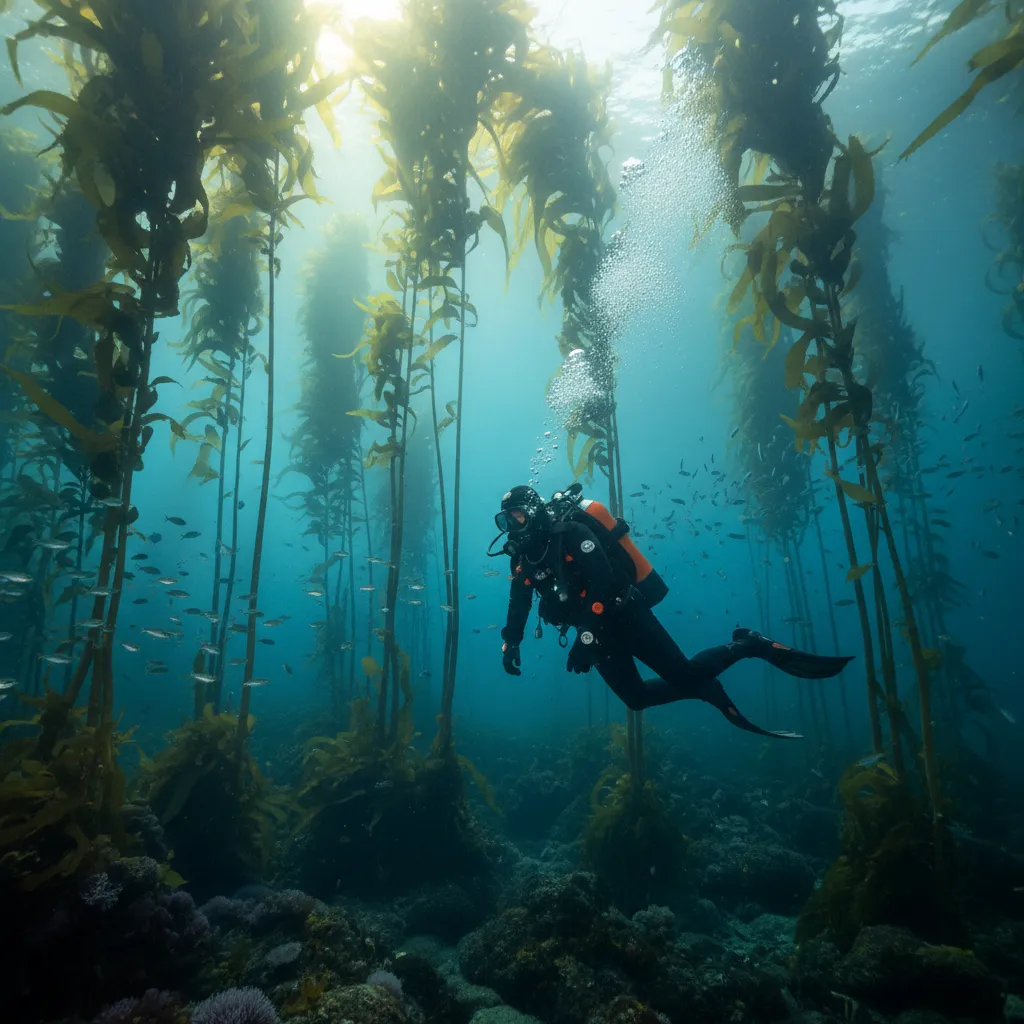
When you picture scuba diving, you might imagine warm, turquoise waters and vibrant coral reefs. But a whole other world of breathtaking adventure awaits beneath the surface of the planet's cooler seas. Cold water diving offers an experience that is profoundly different, yet equally rewarding. The nutrient-rich, cooler waters support incredibly dense and unique ecosystems, from towering kelp forests to rocky reefs teeming with life, offering a spectacle you simply won't find in the tropics.
The marine life in cold water regions is truly extraordinary. Instead of parrotfish, you'll encounter fascinating creatures like the elusive wolf eel, giant Pacific octopus, and countless species of colorful nudibranchs. Diving in these areas often means sharing the water with playful seals and sea lions, who are notoriously curious about divers. These encounters, set against the dramatic backdrop of emerald green waters and swaying kelp, create unforgettable memories for any adventurous diver.
Proper gear is the key to unlocking these incredible environments comfortably and safely. While a thick 7mm wetsuit with a hood, gloves, and boots can suffice for some, a drysuit is the gold standard for thermal protection, keeping you warm and dry throughout your dive. Specialized cold-water regulators are also essential to prevent freezing. With the right equipment and training, the temperature becomes just a number, allowing you to fully immerse yourself in the stunning scenery.
Many cold water diving destinations boast some of the best visibility in the world, particularly during the winter months, when visibility can exceed 30 meters (100 feet). The clarity reveals a rugged and dramatic underwater topography that is starkly beautiful. For divers looking to expand their skills and witness a completely different side of the underwater world, taking the plunge into colder waters is an adventure that offers unparalleled rewards.
At a Glance
| Destination | Difficulty | Best Months |
|---|---|---|
| Costa Brava, SpainSpain | Intermediate | Jun-Oct |
| Nova Scotia, CanadaCanada | Intermediate | - |
| Medes Islands, SpainSpain | Intermediate | Jun-Oct |
| Pacific Northwest, United StatesUnited States | Intermediate | - |
| Newfoundland, CanadaCanada | Intermediate | - |
| California, United StatesUnited States | Intermediate | Jun-Oct |
| Cornwall & Devon, United KingdomUnited Kingdom | Intermediate | - |
| North Sea Coast, DenmarkDenmark | Intermediate | - |
| Marseille & Calanques, FranceFrance | Intermediate | - |
| Bornholm, DenmarkDenmark | Intermediate | - |
| Algarve & Berlengas, PortugalPortugal | Intermediate | - |
| Corsica, FranceFrance | Intermediate | - |
| West Coast (Gothenburg), SwedenSweden | Intermediate | - |
| Al Hoceima, MoroccoMorocco | Intermediate | - |
| Ustica, ItalyItaly | Intermediate | - |
| Kaikōura, New ZealandNew Zealand | Intermediate | Jan-Mar |
| Azores, PortugalPortugal | Intermediate | - |
| Baltic Coast, SwedenSweden | Intermediate | - |
| South Coast, IrelandIreland | Intermediate | - |
| West Coast, IrelandIreland | Intermediate | - |
Costa Brava, Spain
Spain
Forget the warm, placid waters of the tropics; Costa Brava offers a thrilling dive experience where cooler temperatures fuel an explosion of life. With an average water temperature of 17°C, these nutrient-rich currents support a staggering 351 recorded marine species. Divers are rewarded with encounters not always common in warmer seas, from giant groupers patrolling rocky outcrops to elusive octopuses camouflaged against vibrant gorgonian fans. The cooler water creates a dynamic ecosystem that changes with the seasons, offering a new adventure on every dive.
The underwater landscape of Costa Brava is as dramatic as its coastal cliffs. Explore intricate networks of caverns, swim-throughs, and stunning rocky reefs teeming with moray eels, scorpionfish, and a kaleidoscope of colorful nudibranchs. While the water can dip to a brisk 11°C, the period from June to October offers the perfect balance of comfortable temperatures and spectacular underwater encounters. Braving the chill is a small price to pay for the sheer density and diversity of life that makes this region a premier Mediterranean cold-water destination.
Difficulty
Intermediate
Best Months
Jun-Oct
Water Temp
11-24°C
Dive Centres
78
Practical Info
- avg Temp:
- 17°C
- gear Needed:
- 7mm wetsuit or drysuit
- best For:
- Kelp forests, nudibranchs, rocky reefs
Did you know?
The cooler currents along the Costa Brava create ideal conditions for precious red coral to grow at shallower depths than almost anywhere else in the Mediterranean, allowing divers to witness crimson underwater forests firsthand.
Nova Scotia, Canada
Canada
Embrace the chill and discover the rugged underwater world of Nova Scotia, a premier cold-water diving destination. With over 140 dive sites accessible year-round, this Canadian province offers an adventure for every season. The Atlantic waters here average a brisk 8.9°C, creating a unique and thriving ecosystem that rewards divers with unparalleled sights. From sheltered coves to the open ocean, the diversity of experiences is as vast as the coastline itself.
Beneath the surface, divers are greeted by lush kelp forests swaying in the currents and dramatic rocky reefs teeming with life. The cold, nutrient-rich water supports a staggering 347 recorded marine species, including giant lobsters, colourful anemones, curious wolf eels, and playful seals. It's this incredible biodiversity and the dramatic underwater topography, including a trove of historic shipwrecks, that makes braving the cold absolutely worth it.
Difficulty
Intermediate
Water Temp
1-17°C
Dive Centres
13
Practical Info
- avg Temp:
- 9°C
- gear Needed:
- Drysuit essential
- best For:
- Kelp forests, seals, cold water species
Did you know?
Did you know the cold Atlantic waters of Nova Scotia hold more dissolved oxygen than warmer tropical seas? This oxygen-rich environment is the secret behind the region's incredibly dense and vibrant marine life.
Medes Islands, Spain
Spain
Embrace the thrill of cold water diving in Spain's magnificent Medes Islands, a protected marine reserve where the cooler temperatures fuel an explosion of life. With an average water temperature of 17.6°C, peaking at a more comfortable 23°C between June and October, these waters host one of the most vibrant ecosystems in the Mediterranean. The chill is a small price to pay for the sheer density of marine fauna you'll encounter, a direct result of the nutrient-rich currents that define this unique environment.
The underwater landscape is a dramatic tapestry of plunging walls, intricate caverns, and rocky reefs blanketed in colorful gorgonians. Divers can navigate through tunnels and swim-throughs while being surrounded by an astonishing 337 recorded marine species. Expect to come face-to-face with enormous, curious groupers, schools of shimmering barracuda, and graceful eagle rays. The incredible biodiversity and the sheer number of pristine dive sites make the Medes Islands a world-class destination where every dive proves the cold is absolutely worth it.
Difficulty
Intermediate
Best Months
Jun-Oct
Water Temp
13-23°C
Dive Centres
79
Practical Info
- avg Temp:
- 18°C
- gear Needed:
- 7mm wetsuit or drysuit
- best For:
- Kelp forests, nudibranchs, rocky reefs
Did you know?
The cooler, nutrient-rich waters of the Medes Islands Marine Reserve support such a high concentration of life that it's home to over 337 different marine species, making it one of the most important and biodiverse protected areas in the entire Mediterranean.
Pacific Northwest, United States
United States
Don your drysuit and discover the vibrant, emerald world beneath the waves of the Pacific Northwest. While the average water temperature of 11°C might seem brisk, it's the secret to one of the most biodiverse marine ecosystems on the planet. Divers are rewarded with breathtaking scenes of towering kelp forests, dramatic rocky reefs adorned with colorful invertebrates, and intriguing shipwrecks that have become havens for marine life. This isn't just diving; it's an exploration of a lush, underwater wilderness that thrives in the cool, nutrient-rich currents.
The sheer abundance of unique creatures makes every dive unforgettable. Come face-to-face with the elusive Giant Pacific Octopus, greet a curious wolf eel peering from its rocky den, or marvel at playful sea lions as they dart through the currents. The seascape is painted with countless species of vibrant nudibranchs, anemones, and rockfish. With over 200 marine species to encounter, the chilly water is a small price to pay for the privilege of witnessing such a dense and thriving underwater community, accessible to divers year-round.
Difficulty
Intermediate
Water Temp
7-17°C
Dive Centres
49
Practical Info
- avg Temp:
- 11°C
- gear Needed:
- Drysuit recommended, thick wetsuit minimum
- best For:
- Kelp forests, nudibranchs, rocky reefs
Did you know?
The Giant Pacific Octopus, a common sight for divers in the PNW, is the largest octopus species in the world and has three hearts, nine brains, and blue, copper-based blood.
Newfoundland, Canada
Canada
Embrace the chill and discover an underwater world of staggering vibrancy in Newfoundland, Canada. For the adventurous diver, the cold, nutrient-rich waters of the North Atlantic are not a barrier but a gateway to a thriving ecosystem. With over 310 marine species recorded, the seas here are teeming with life. The cold preserves history and fuels biodiversity, offering a unique diving experience where every descent reveals a world painted in the cool, clear colours of the north.
Explore the submerged history of WWII by diving the famous Bell Island shipwrecks, now artificial reefs colonized by colourful anemones and invertebrates. Weave through mystical kelp forests where wolf eels and lumpfish hide, or navigate the dramatic rocky reefs that define the rugged coastline. While the average water temperature hovers around 7°C, the reward is unparalleled: pristine conditions, incredible underwater photography opportunities, and the profound silence of a world seen by few. This is what makes Newfoundland a truly world-class cold water diving destination, accessible year-round for those ready for the adventure.
Difficulty
Intermediate
Water Temp
0-16°C
Dive Centres
1
Practical Info
- avg Temp:
- 7°C
- gear Needed:
- Drysuit essential
- best For:
- Kelp forests, seals, cold water species
Did you know?
The cold Labrador Current not only fuels the rich marine biodiversity but also carries majestic icebergs down from Greenland, offering divers the rare and breathtaking opportunity to witness these colossal, ancient giants of ice from below the surface.
California, United States
United States
Brave the chill and discover the vibrant, wild heart of California's underwater world. With water temperatures ranging from a brisk 14-21°C, a good wetsuit or drysuit is your key to unlocking one of the planet's most dynamic marine environments. The peak season from June to October offers the best conditions to explore the state's 213 dive sites, where the cooler water fuels an incredibly rich and diverse ecosystem that stands in breathtaking contrast to tropical reefs.
Plunge into towering kelp forests, where shafts of sunlight pierce the canopy to illuminate a world of wonder. These underwater cathedrals are home to playful sea lions, bright orange Garibaldi, and countless other species hiding among the rocky reefs. The sheer density of life, from horn sharks resting on the sandy bottom to colorful nudibranchs on the rocks, makes every dive an adventure. The unique underwater topography and the powerful presence of the Pacific Ocean make diving in California an unforgettable experience that is well worth the cooler temperatures.
Difficulty
Intermediate
Best Months
Jun-Oct
Water Temp
14-21°C
Dive Centres
120
Practical Info
- avg Temp:
- 17°C
- gear Needed:
- 7mm wetsuit or drysuit
- best For:
- Kelp forests, nudibranchs, rocky reefs
Did you know?
Did you know California's giant kelp is one of the fastest-growing organisms on Earth? Under ideal conditions, it can grow up to two feet per day, creating vast, dense underwater forests that are a vital habitat for hundreds of marine species.
Cornwall & Devon, United Kingdom
United Kingdom
Embrace the chill and discover the rugged underwater beauty of Cornwall and Devon, a premier UK cold water diving destination. With over 2153 dive sites accessible year-round, this dramatic coastline offers an adventure for every diver. The brisk average water temperature of 9.6°C is a small price to pay for the breathtaking scenery and vibrant marine ecosystems that await beneath the surface, supported by a network of 60 dive centres ready to guide you.
Submerge yourself in a world of emerald kelp forests, where playful seals dart between the swaying fronds. Explore rocky reefs teeming with colourful wrasse, pollock, and intricate invertebrates like jewel anemones and spiny spider crabs. The region is also a graveyard for historic vessels, offering world-class wreck diving opportunities that serve as artificial reefs for abundant sea life. The sheer diversity of the underwater landscape, from serene natural gullies to imposing sunken ships, makes every dive a unique and unforgettable exploration.
Difficulty
Intermediate
Water Temp
10-10°C
Dive Centres
60
Practical Info
- avg Temp:
- 10°C
- gear Needed:
- Drysuit essential
- best For:
- Kelp forests, seals, cold water species
Did you know?
The temperate waters off Cornwall and Devon are a seasonal hotspot for the second-largest fish in the world, the gentle, plankton-eating basking shark.
North Sea Coast, Denmark
Denmark
Embrace the ultimate challenge of cold water diving along Denmark's rugged North Sea coast. With water temperatures hovering around a brisk 5°C year-round, these dives are for the truly adventurous. The allure lies not in colourful reefs, but in a vast underwater museum of maritime history. The region is renowned for its countless shipwrecks, offering a ghostly and thrilling exploration for experienced divers. Navigating these silent giants in the famously challenging visibility is an unforgettable experience that rewards skill and preparation.
The underwater landscape holds a stark beauty of its own, with dramatic rocky reefs and dense kelp forests creating a moody, atmospheric backdrop for your dives. This is a world defined by topography and history, offering a meditative and profound connection with the raw power of the North Sea. The true reward is the sense of accomplishment and the solitude of an untouched environment. It's this unique combination of challenge, history, and pristine nature that makes braving the cold absolutely worth it.
Difficulty
Intermediate
Water Temp
5-5°C
Dive Centres
15
Practical Info
- avg Temp:
- 5°C
- gear Needed:
- Drysuit essential
- best For:
- Kelp forests, seals, cold water species
Did you know?
Did you know? The water temperature along Denmark's North Sea coast is remarkably stable, staying right around 5°C throughout the year, making it a predictable destination for properly equipped technical and wreck divers anytime.
Embrace the invigorating chill of the Mediterranean and discover a world of vibrant life beneath the waves of Marseille and the Calanques National Park. With water temperatures averaging a cool 14°C, these waters offer stunning visibility, revealing a dramatic underwater landscape. The famous limestone cliffs of the Calanques plunge into the sea, creating spectacular drop-offs, swim-throughs, and canyons for divers to explore. With over 425 dive sites accessible year-round, every descent promises a new adventure, from sheltered coves to challenging deep dives.
The cooler water supports a unique and bustling ecosystem, a stark contrast to the quiet surface. Divers are often greeted by majestic dusky groupers hiding in rocky crevices, schools of shimmering barracuda, and curious octopuses. The rocky reefs are carpeted in a kaleidoscope of color, with brilliant red gorgonian sea fans, yellow anemones, and countless species of nudibranchs. Exploring historic wrecks that rest on the seabed adds another layer of discovery, making the extra neoprene well worth it for the unforgettable encounters and pristine conditions.
Difficulty
Intermediate
Water Temp
14-14°C
Dive Centres
43
Practical Info
- avg Temp:
- 14°C
- gear Needed:
- Drysuit recommended, thick wetsuit minimum
- best For:
- Kelp forests, nudibranchs, rocky reefs
Did you know?
The vibrant red gorgonian sea fans, which create breathtaking underwater forests in the Calanques, thrive in these cooler, current-rich waters and are a protected species critical to the local marine biodiversity.
Bornholm, Denmark
Denmark
Embrace the chill and discover the rugged underwater world of Bornholm, Denmark. Plunging into the crisp Baltic Sea reveals a surprisingly vibrant and dramatic landscape. Divers can navigate through swaying kelp forests and explore intricate rocky reefs that provide shelter for hardy marine life such as cod, flounder, and colourful anemones. The cold, clear water creates an enchanting, almost mystical atmosphere, turning every dive into a serene exploration of a hidden realm.
What truly sets Bornholm apart is its incredible collection of historical shipwrecks. The cold, low-salinity water acts as a natural time capsule, preserving wooden vessels from centuries past in astonishing detail. Exploring these ghostly silhouettes resting on the seabed is a profound experience, connecting you directly to the island's rich maritime history. The thrill of discovery and the unique, stark beauty of the Baltic make braving the cold temperatures an unforgettable adventure for any certified diver.
Difficulty
Intermediate
Water Temp
3-3°C
Dive Centres
20
Practical Info
- avg Temp:
- 3°C
- gear Needed:
- Drysuit essential
- best For:
- Kelp forests, seals, cold water species
Did you know?
The cold, brackish waters of the Baltic Sea around Bornholm are so effective at preservation that they prevent the growth of shipworms, allowing centuries-old wooden wrecks to remain remarkably intact for divers to explore.
Algarve & Berlengas, Portugal
Portugal
Embrace the chill and discover the vibrant underwater world of Portugal's Algarve and Berlengas regions. While the Atlantic waters average a brisk 16.7°C, the rewards are immense. This is a landscape defined by dramatic topography: explore intricate rocky reefs, navigate thrilling swim-throughs, and uncover historical wrecks that have become artificial havens for marine life. The cooler temperature fosters a unique and densely populated ecosystem, offering a different kind of beauty than a tropical reef.
The nutrient-rich currents support a surprising explosion of life. Divers are often mesmerized by the macro world, with colorful nudibranchs and shy octopuses hiding in crevices. Look to the blue for schools of shimmering seabream and barracuda. The Berlengas Archipelago, a protected nature reserve, is particularly special, known as a hotspot for encounters with the magnificent ocean sunfish (Mola mola), making the extra neoprene well worth it for a chance to see these gentle giants.
Difficulty
Intermediate
Water Temp
17-17°C
Dive Centres
35
Practical Info
- avg Temp:
- 17°C
- gear Needed:
- 7mm wetsuit or drysuit
- best For:
- Kelp forests, nudibranchs, rocky reefs
Did you know?
The Berlengas Archipelago is a UNESCO Biosphere Reserve and one of the best places in Europe to spot the ocean sunfish, the heaviest known bony fish in the world.
Corsica, France
France
Embrace the thrill of the chill and discover Corsica's dramatic underwater world, where year-round diving offers a unique Mediterranean experience. With water temperatures averaging a brisk 13.9°C, the cold clarifies both the sea and the senses. Divers can explore a rugged seascape defined by granite boulders, sheer drop-offs, and historic wrecks resting in the deep. This challenging environment rewards the prepared diver with pristine conditions and an exhilarating sense of adventure across the island's 171 designated dive sites.
While it may seem stark, the cold water supports a surprisingly vibrant and unique ecosystem. The rocky reefs are often carpeted with colorful gorgonian sea fans, and patient divers can spot fascinating macro life like flamboyant nudibranchs. Encounters with resident groupers, moray eels, and schools of barracuda are common in these nutrient-rich waters. The absence of summer crowds and the raw, untamed beauty of the underwater landscape make braving the cold in Corsica an unforgettable and rewarding experience for any serious diver.
Difficulty
Intermediate
Water Temp
14-14°C
Dive Centres
32
Practical Info
- avg Temp:
- 14°C
- gear Needed:
- Drysuit recommended, thick wetsuit minimum
- best For:
- Kelp forests, nudibranchs, rocky reefs
Did you know?
Corsica's cooler water temperatures are essential for the health of its spectacular gorgonian sea fan forests, as the chilly, nutrient-rich currents allow these vibrant, filter-feeding animals to flourish.
Embrace the chill and discover the rugged beauty of Sweden's West Coast, a premier cold-water diving destination centered around Gothenburg. Submerge yourself in the nutrient-rich waters of the Skagerrak, where dramatic underwater landscapes are defined by massive granite formations, steep walls, and mysterious swim-throughs. The cold, clear water supports surprisingly vibrant ecosystems. Divers are often rewarded with encounters with impressive European lobsters, colourful nudibranchs, sprawling beds of starfish, and curious cod weaving through the currents. The challenge of the cold is a small price to pay for the pristine conditions and serene beauty that awaits beneath the waves.
Beyond the stunning natural reefs, the Bohuslän coast is a treasure trove for wreck diving enthusiasts. The seafloor is littered with the remains of vessels from different eras, each with its own story to tell. Drifting through the silent, swaying fronds of a dense kelp forest is another quintessential West Coast experience, offering a magical, cathedral-like atmosphere. The exceptional preservation afforded by the cold water means these underwater sites, both natural and man-made, remain remarkably intact. With the right drysuit and training, you'll find that the unique visibility and uncrowded dive sites make every descent an unforgettable adventure, proving that the greatest rewards are found in the cold.
Difficulty
Intermediate
Water Temp
2-2°C
Dive Centres
13
Practical Info
- avg Temp:
- 2°C
- gear Needed:
- Drysuit essential
- best For:
- Kelp forests, seals, cold water species
Did you know?
The cold, oxygen-rich waters of Sweden's West Coast allow many marine species, like the European lobster and certain anemones, to grow larger than their counterparts in warmer seas.
Al Hoceima, Morocco
Morocco
Plunge into the enigmatic waters of Al Hoceima, a premier destination for the truly adventurous cold water diver. With a constant water temperature of 16°C, this Moroccan coastline offers a unique challenge across its 156 documented dive sites. The experience here is not defined by colorful reefs, but by the profound mystery of its dark, silent world. Divers who brave the cold are rewarded with an unparalleled opportunity to hone their technical skills in the most demanding of conditions, making every descent a true test of nerve and navigation.
The underwater landscape of Al Hoceima is a blank canvas, where the thrill comes from pure exploration rather than observation. In these zero-visibility conditions, the diver's focus shifts inward, creating a meditative and intensely personal experience. The cold is worth it for the sheer challenge and the bragging rights that come with mastering a dive environment where your senses and training are all you have. It is the ultimate destination for those who believe the journey, not the destination, is the real reward.
Difficulty
Intermediate
Water Temp
16-16°C
Dive Centres
28
Practical Info
- avg Temp:
- 16°C
- gear Needed:
- 7mm wetsuit or drysuit
- best For:
- Kelp forests, nudibranchs, rocky reefs
Did you know?
Did you know? The unique conditions in Al Hoceima, with zero recorded marine species and zero visibility, make it a world-class destination for advanced technical and 'blackwater' dive training, where students can focus entirely on skills without any visual distractions.
Ustica, Italy
Italy
Embrace the thrill of the chill in Ustica, Italy's premier cold water diving destination. While the island enjoys a Mediterranean climate year-round, the waters maintain a crisp average of 15.5°C, offering a refreshingly different dive experience. Suited up in a thick wetsuit or drysuit, you'll descend into a world shaped by volcanic forces. The underwater landscape is a dramatic tapestry of dark rocky reefs, breathtaking drop-offs, and cavern systems, with over 122 official sites to explore.
This cooler environment supports a remarkably vibrant ecosystem. Divers can glide through dense Posidonia seagrass meadows, which act as a vital nursery for marine species. The rocky drop-offs are patrolled by huge schools of barracuda and frequented by large, curious dusky groupers, thriving in the protected waters. The cold makes the experience worth it, not just for the prolific life, but for the serene feeling of having this powerful, wild underwater world all to yourself.
Difficulty
Intermediate
Water Temp
15-15°C
Dive Centres
25
Practical Info
- avg Temp:
- 15°C
- gear Needed:
- 7mm wetsuit or drysuit
- best For:
- Kelp forests, nudibranchs, rocky reefs
Did you know?
Did you know that Ustica's cooler water temperatures are a key factor in its status as a premier marine reserve? These conditions support a high density of fish, allowing species like the dusky grouper to reach sizes rarely seen in warmer parts of the Mediterranean.
Kaikōura, New Zealand
New Zealand
Embrace the chill and discover the extraordinary underwater realm of Kaikōura, New Zealand, a premier cold water diving destination. With water temperatures averaging 15.7°C, a good wetsuit or drysuit is your key to unlocking a world of incredible biodiversity. The cooler waters here support a unique and thriving ecosystem, offering a diving experience that is vastly different from any tropical reef and utterly unforgettable.
Drift through majestic kelp forests and explore dramatic rocky reefs teeming with life. Kaikōura is home to over 108 recorded marine species, and divers are often greeted by playful New Zealand fur seals dancing through the water column. Look for giant crayfish (rock lobster) tucked into crevices, schools of vibrant fish, and the occasional octopus. The sheer density of marine life makes braving the cold temperatures more than worth it, providing photographers and nature lovers with unparalleled encounters.
Difficulty
Intermediate
Best Months
Jan-Mar
Water Temp
13-18°C
Dive Centres
13
Practical Info
- avg Temp:
- 16°C
- gear Needed:
- 7mm wetsuit or drysuit
- best For:
- Kelp forests, nudibranchs, rocky reefs
Did you know?
The exceptional richness of marine life in Kaikōura is fueled by the deep, cold, nutrient-rich waters upwelling from the nearby Kaikōura Canyon, supporting the entire food chain from plankton to whales.
Azores, Portugal
Portugal
Plunge into the mysterious temperate waters of the Azores, where the challenge is as unique as the destination. With a consistent average temperature of 16.8°C, the conditions are perfect for those seeking a different kind of dive. The region's most notable feature is its profound mystery; with zero recorded marine species and visibility at a constant zero, every descent is a journey into the pure, unfiltered unknown. This is not a dive for sightseeing, but an introspective experience for the explorer at heart.
Navigating the silent, dark waters is a true test of a diver's skill and courage. The allure lies not in what you can see, but in what you can imagine. The underwater landscape is a blank canvas, a world of potential rocky reefs and undiscovered formations waiting to be mapped by touch and sonar. The invigorating cold is worth it for the unparalleled sense of adventure and the bragging rights of having dived in one of the world's most enigmatic underwater environments, a place where the focus is entirely on the dive itself.
Difficulty
Intermediate
Water Temp
17-17°C
Dive Centres
18
Practical Info
- avg Temp:
- 17°C
- gear Needed:
- 7mm wetsuit or drysuit
- best For:
- Kelp forests, nudibranchs, rocky reefs
Did you know?
Due to its complete lack of recorded marine species and zero visibility, diving in the Azores is often called a 'sensory dive,' where explorers rely on instruments and feeling rather than sight.
Baltic Coast, Sweden
Sweden
Embrace the ultimate challenge of cold water diving along the starkly beautiful Baltic Coast of Sweden. With water temperatures hovering just above freezing, this is a realm reserved for the true adventurer. Donning a drysuit is essential, but the reward is an unparalleled sense of accomplishment and entry into a silent, submerged world where history is held in a frozen embrace.
The true treasure of the Swedish Baltic lies in its history, perfectly preserved by the cold, brackish waters. This region is a world-renowned destination for wreck diving, offering access to an underwater museum of ghost ships, their wooden timbers remarkably intact. Beyond the wrecks, the underwater landscape is a dramatic tapestry of glacier-carved rocky reefs and vast, silent plains. The experience is not about vibrant marine life, but about the profound solitude and the eerie beauty of a realm held in suspended animation.
What makes the cold worth it is the unique clarity of purpose. Diving here is a meditative journey into the past and a true test of your skills. The silence is absolute, allowing for a deep connection with the magnificent wrecks and dramatic geology. For those who dare, the Baltic Coast offers a profoundly rewarding adventure, proving that the most memorable dives are about what endures through time.
Difficulty
Intermediate
Water Temp
1-1°C
Dive Centres
7
Practical Info
- avg Temp:
- 1°C
- gear Needed:
- Drysuit essential
- best For:
- Kelp forests, seals, cold water species
Did you know?
The Baltic Sea's unique combination of low salinity and frigid temperatures prevents the survival of wood-boring organisms like shipworms, turning the seabed into a natural museum that preserves wooden shipwrecks for centuries.
South Coast, Ireland
Ireland
Dive into the invigorating waters of Ireland's South Coast and discover an underwater realm of breathtaking beauty. The dramatic coastal cliffs plunge into the sea, creating a spectacular submarine landscape of rocky reefs, deep gullies, and vast kelp forests. This region is a wreck diver's paradise, with countless historical vessels resting on the seabed, their stories preserved in the cold, clear Atlantic. While the water temperature hovers around 9°C, the exceptional adventures waiting below make every moment worth it.
The cold water environment here is surprisingly vibrant and full of life. The kelp forests sway in the currents, acting as a crucial nursery for fish and a playground for inquisitive grey seals who often become memorable dive buddies. Rocky surfaces are painted with a kaleidoscope of colourful anemones, sponges, and dead man's fingers. Exploring these sites reveals a bustling community of crabs, lobsters, and schools of pollock and wrasse, proving that the chilly temperatures support a rich and thriving ecosystem.
Difficulty
Intermediate
Water Temp
9-9°C
Dive Centres
3
Practical Info
- avg Temp:
- 9°C
- gear Needed:
- Drysuit essential
- best For:
- Kelp forests, seals, cold water species
Did you know?
The vast underwater kelp forests off the Irish coast are some of the most diverse and productive ecosystems in the world, often compared to terrestrial rainforests for their biodiversity.
West Coast, Ireland
Ireland
Embrace the thrill of the chill and discover the wild, untamed beauty of diving on Ireland's West Coast. Plunging into the brisk Atlantic waters, which average a cool 8.9°C, is a true adventure that rewards divers with some of Europe's most spectacular scenery. The same rugged, dramatic cliffs the coast is famous for continue beneath the waves, creating a breathtaking underwater landscape of deep gullies, rocky reefs, and historic wrecks across 89 distinct dive sites.
This cold, nutrient-rich environment is teeming with vibrant life. Sunlight filters through vast, swaying kelp forests where curious seals playfully weave between the fronds. Rocky walls are painted in the brilliant colors of jewel anemones, soft corals, and sponges, while large schools of pollock and wrasse patrol the reefs. The sheer biodiversity and the raw beauty of this underwater world make every moment in the cold water absolutely worth it, offering an unforgettable dive experience year-round.
Difficulty
Intermediate
Water Temp
9-9°C
Dive Centres
2
Practical Info
- avg Temp:
- 9°C
- gear Needed:
- Drysuit essential
- best For:
- Kelp forests, seals, cold water species
Did you know?
The cold, plankton-rich waters off the West Coast of Ireland make it a global hotspot for the second-largest fish in the world, the gentle and majestic basking shark.
Frequently Asked Questions
What special gear do I need for cold water diving?
Proper thermal protection is crucial. This typically means a drysuit or a thick semi-dry or full wetsuit (7mm or more), along with a hood, gloves, and boots. You will also need a regulator system that is environmentally sealed and rated for cold water use to prevent freezing.
Is a drysuit necessary for cold water diving?
While not always mandatory, a drysuit is highly recommended for diving in water below 15°C (60°F). It provides superior warmth and comfort, allowing for longer and safer dives compared to even the thickest wetsuits. Proper training is required to use a drysuit safely.
What are the best cold water diving destinations?
Some of the world's top cold water destinations include the incredibly biodiverse Costa Brava in Spain, the shipwreck-rich waters of Nova Scotia and Newfoundland in Canada, and the stunning kelp forests of the Pacific Northwest and California in the USA.
What kind of marine life will I see in cold water?
Cold water is teeming with unique life you won't find in the tropics. Expect to see towering kelp forests, playful seals and sea lions, giant Pacific octopus, wolf eels, and an incredible diversity of colorful nudibranchs, anemones, and rockfish.
How cold is too cold for scuba diving?
There is no absolute limit, as it depends entirely on your equipment, training, and experience. With the right drysuit, thermal undergarments, and specialized gear, certified ice divers can safely explore waters that are near freezing. For all divers, safety and comfort should always be the top priority.