Best Underwater Photography Destinations
Crystal-clear visibility and incredible marine life for the perfect shot
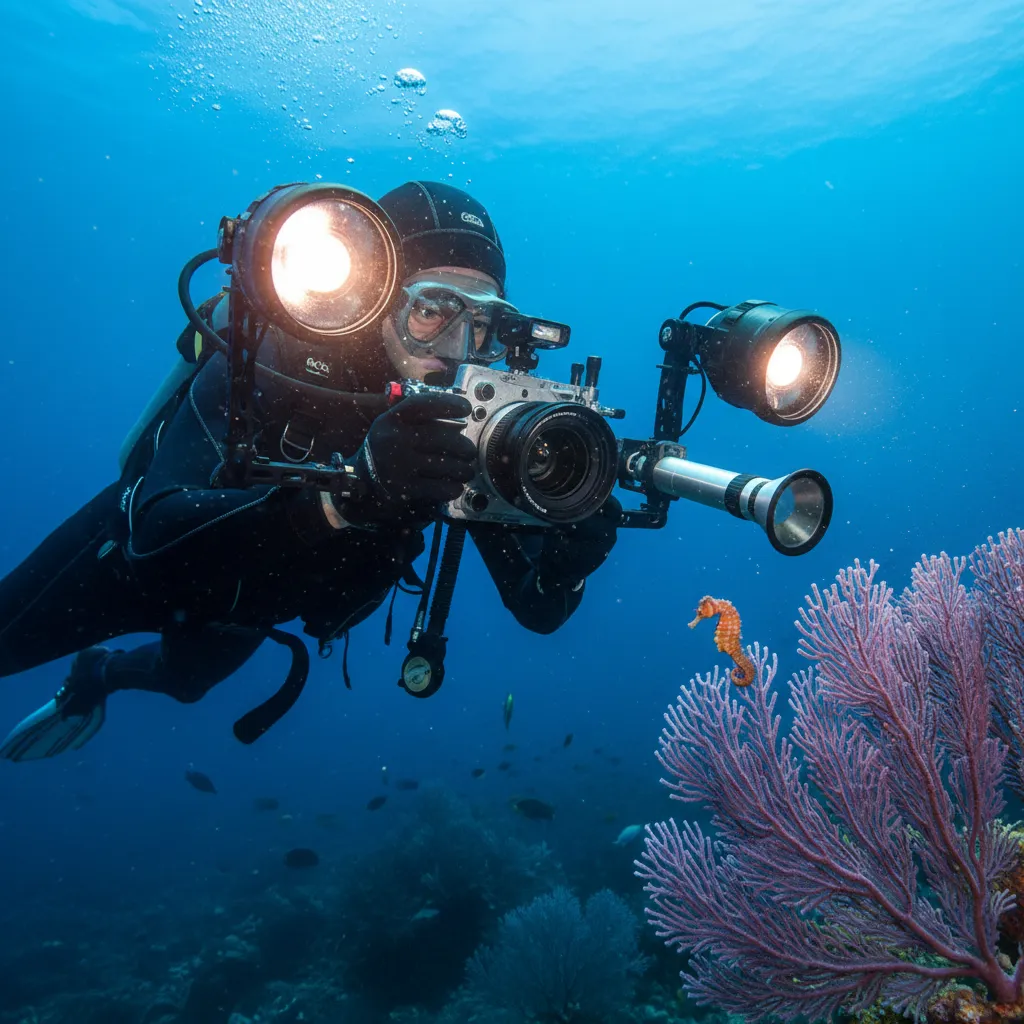
Capturing the vibrant, silent world beneath the waves is one of the most rewarding challenges for any photographer. The best underwater photography destinations offer a perfect blend of two key ingredients: immense biodiversity and excellent visibility. A high diversity of marine life, from the tiniest pygmy seahorse to majestic manta rays, provides an endless supply of subjects. Meanwhile, crystal-clear water allows for better light penetration and sharper, more colorful images, transforming a good shot into a breathtaking one.
Underwater photography is a diverse art form with several distinct styles. Wide-angle photography is used to capture expansive scenes like lush coral reefs, dramatic shipwrecks, and large animals like sharks or whales. In contrast, macro photography focuses on the small, intricate details of tiny critters such as nudibranchs, shrimp, and blennies. Many photographers also master shooting with ambient light for stunning silhouettes, or turn to video to capture the fluid motion of the underwater world. The best destinations often provide opportunities for both macro and wide-angle, ensuring every dive offers a new creative possibility.
Choosing your next dive trip depends heavily on your photographic goals. If you're passionate about macro, seek out destinations renowned for their critter-rich muck diving sites, like those found in Indonesia or the Philippines. For awe-inspiring wide-angle shots, prioritize locations with dramatic underwater topography, large pelagic species, and consistently clear visibility, such as the vibrant reefs of the Caribbean or the Coral Sea. Calm conditions are a universal bonus, allowing for the steady hand needed to compose and capture that perfect, once-in-a-lifetime shot.
At a Glance
| Destination | Difficulty | Best Months |
|---|---|---|
| Cozumel, MexicoMexico | All Levels | Mar-May, Aug-Sep, Nov |
| Curaçao Southeast, CuraçaoCuraçao | All Levels | Jan-Dec |
| Komodo, IndonesiaIndonesia | All Levels | Jan-Dec |
| Lombok & Gili Islands, IndonesiaIndonesia | All Levels | Jan-Dec |
| Sulawesi, IndonesiaIndonesia | All Levels | Jan-Dec |
| Bali, IndonesiaIndonesia | All Levels | Jan-Dec |
| Raja Ampat, IndonesiaIndonesia | All Levels | Jan-Dec |
| Grand Cayman, Cayman IslandsCayman Islands | All Levels | Jan-Dec |
| Klein Bonaire, BonaireBonaire | All Levels | Jan-Dec |
| Perhentian Islands, MalaysiaMalaysia | All Levels | Jan-Apr, Aug-Dec |
| Sipadan, MalaysiaMalaysia | All Levels | Jan-Dec |
| Arraial do Cabo, BrazilBrazil | All Levels | Jan-Dec |
| Alonissos Marine Park, GreeceGreece | All Levels | Jun-Oct |
| Inner Islands, SeychellesSeychelles | All Levels | Jan-Dec |
| Coral Sea, AustraliaAustralia | All Levels | Jan-Dec |
| Apo Reef, PhilippinesPhilippines | All Levels | Jan-Dec |
| Roatán, HondurasHonduras | All Levels | Jan-Dec |
| Balearic Islands, SpainSpain | All Levels | Jun-Oct |
| Similan Islands, ThailandThailand | All Levels | Jan-Dec |
| Bohol, PhilippinesPhilippines | All Levels | Jan-Dec |
Cozumel, Mexico
Mexico
Cozumel is an underwater photographer's dream, boasting conditions that feel tailor-made for capturing stunning images. With an average visibility of over 23 nautical miles and warm, crystal-clear water, the ambient light is simply spectacular. This Caribbean paradise is home to a staggering 418 recorded marine species, offering an endless parade of subjects against the backdrop of the vibrant Mesoamerican Reef. The sheer number of dive sites-219 to be exact-ensures that every dive presents a new canvas for your creativity, from gentle drifts to dramatic wall dives.
While you can certainly find macro subjects, Cozumel truly shines for wide-angle photography. The grand scale of the coral formations, swim-throughs, and towering pinnacles demands a wider perspective. This is the best way to capture the region's famous pelagic encounters in their natural environment. Frame your shots to include graceful spotted eagle rays gliding effortlessly through the blue, sea turtles munching on sponges, or sleek reef sharks patrolling the walls. The excellent visibility allows you to shoot from a distance, capturing the full majesty of these animals and the breathtaking seascape they inhabit.
Difficulty
All Levels
Best Months
Mar-May, Aug-Sep, Nov
Water Temp
27-30°C
Visibility
21-25 nmi
Dive Centres
86
Practical Info
- species Count:
- 418
- avg Visibility:
- 23 nmi
- best For:
- Wide-angle, pelagic encounters
Did you know?
Cozumel's average visibility of over 23 nautical miles is so clear that it's like shooting in an immense, naturally lit aquarium, often allowing you to see and photograph subjects from one end of a reef to the other.
Curaçao Southeast, Curaçao
Curaçao
Curaçao's southeastern coast is a dream destination for underwater photographers, offering a vibrant canvas teeming with life. With an astonishing 717 recorded marine species spread across 78 dive sites, the creative possibilities are endless. The consistently warm, clear waters provide excellent ambient light, allowing the brilliant colors of the reef to pop in your images. This region is a dual-threat paradise, perfectly suited for both expansive wide-angle reef scenes and detailed macro critter hunting, ensuring photographers of every style will leave with a full memory card.
For macro enthusiasts, the reefs are a treasure trove of tiny wonders. Keep your eyes peeled for well-camouflaged frogfish, delicate seahorses, and a plethora of shrimp and gobies hiding amongst the corals. Wide-angle shooters will be captivated by the healthy, sprawling coral gardens and massive, colorful sponges. Famous spots like the Tugboat wreck, a shallow and accessible site, offer an iconic subject matter, often surrounded by schools of fish and bathed in sunlight, creating the perfect conditions for a breathtaking shot.
Difficulty
All Levels
Best Months
Jan-Dec
Water Temp
27-30°C
Dive Centres
34
Practical Info
- species Count:
- 717
- avg Visibility:
- 0 nmi
- best For:
- Macro photography, wide-angle reef scenes
Did you know?
With over 717 recorded marine species, an underwater photographer could spend a lifetime in Curaçao's southeast and never run out of new subjects to capture.
Komodo, Indonesia
Indonesia
Komodo National Park is an underwater photographer's paradise, a vibrant realm where your camera's memory card will fill as fast as your dive tank empties. With a staggering 709 recorded marine species, the subject variety is simply world-class. The region is a rare gem that excels in both macro and wide-angle photography. One dive might have you framing a majestic manta ray gliding overhead at Manta Point, while the next could be spent hunting for a pygmy seahorse no bigger than your fingernail in a sheltered bay.
For wide-angle enthusiasts, iconic, current-swept sites like Batu Bolong present a kaleidoscope of colour, with pristine coral gardens teeming with anthias against a deep blue backdrop. Macro lovers will find their paradise meticulously searching for flamboyant nudibranchs, ornate ghost pipefish, and other cryptic critters. With warm water year-round (28-30°C) and generally clear conditions, your biggest challenge in Komodo won't be finding a subject, but deciding which lens to bring.
Difficulty
All Levels
Best Months
Jan-Dec
Water Temp
28-30°C
Dive Centres
30
Practical Info
- species Count:
- 709
- avg Visibility:
- 0 nmi
- best For:
- Macro photography, wide-angle reef scenes
Did you know?
The powerful currents Komodo is famous for are the secret to its photographic richness; they act as a constant conveyor belt of nutrients, supporting the immense biodiversity that makes every shot so full of life.
Lombok & Gili Islands, Indonesia
Indonesia
Lombok and the Gili Islands are an underwater photographer's dream, boasting an incredible 816 recorded marine species across vibrant coral reefs. The region is a macro paradise, with the warm, clear waters creating perfect conditions for spotting tiny, elusive critters. Photographers should pack their macro lenses to hunt for pygmy seahorses hiding in gorgonian fans, flamboyant nudibranchs crawling over sponges, and expertly camouflaged frogfish waiting for their next meal. The bright tropical sun provides excellent ambient light, making the colourful reef scenes pop.
While macro subjects are the main draw, a wide-angle lens is essential for capturing the breathtaking scale of the reefs and the larger inhabitants. The Gili Islands are famous for their resident sea turtle population, offering fantastic opportunities for wide-angle portraits against a backdrop of healthy coral. Dive sites like 'Meno Wall' and 'Hans Reef' around Gili Air are renowned for their mix of stunning reef topography and rich macro life, ensuring you'll be switching lenses between dives to capture the full spectrum of underwater beauty this Indonesian gem has to offer.
Difficulty
All Levels
Best Months
Jan-Dec
Water Temp
28-30°C
Dive Centres
182
Practical Info
- species Count:
- 816
- avg Visibility:
- 0 nmi
- best For:
- Reef photography, macro
Did you know?
The Gili Islands are a crucial sanctuary for both Green and Hawksbill sea turtles, giving photographers a unique opportunity for near-guaranteed encounters and intimate portraits on almost every single dive.
Sulawesi, Indonesia
Indonesia
Sulawesi is an underwater photographer's paradise, a global epicenter for marine biodiversity boasting an astonishing 1227 recorded species. With warm 29-30°C water and a year-round season, it's the perfect underwater studio. While the vibrant, sprawling reefs of Bunaken National Park are fantastic for wide-angle shots of dramatic walls and sea turtles, Sulawesi's true fame lies in its unparalleled macro photography. The region challenges you to get close and capture the unique critters that define its underwater world.
For the macro enthusiast, there is simply no better destination. The famous Lembeh Strait, the world's muck-diving capital, offers a treasure hunt for bizarre and beautiful subjects against dark volcanic sand. Focus your lens on elusive pygmy seahorses, flamboyant cuttlefish, hairy frogfish, and a dazzling array of colorful nudibranchs. The sheer density of life means every dive presents a new opportunity for a once-in-a-lifetime shot, so be sure to pack your macro lens and a good focus light-in Sulawesi, the smallest subjects make the biggest impact.
Difficulty
All Levels
Best Months
Jan-Dec
Water Temp
29-30°C
Dive Centres
17
Practical Info
- species Count:
- 1227
- avg Visibility:
- 0 nmi
- best For:
- Reef photography, macro
Did you know?
Sulawesi's Lembeh Strait is home to the mimic octopus, a master of disguise that photographers flock to capture; it's the only known marine animal that can impersonate up to 15 other species.
Bali, Indonesia
Indonesia
Bali is an underwater photographer's dream, offering a staggering canvas of over 2,000 recorded marine species. The sheer biodiversity means every dive presents a new opportunity, from the tiniest critters to majestic pelagics. With warm, inviting waters year-round, conditions are consistently ideal for capturing stunning images. The vibrant reefs are often bathed in bright, tropical sunlight, providing excellent natural lighting for both wide-angle and macro shots, making it a perfect destination for photographers of all skill levels.
The island truly caters to every photographic style. For macro lovers, the volcanic sands of Tulamben and Amed are world-famous "muck diving" hotspots, revealing a treasure trove of subjects like ornate ghost pipefish, flamboyant cuttlefish, and countless species of colourful nudibranchs. For wide-angle enthusiasts, the iconic USAT Liberty Wreck provides a dramatic backdrop of coral-encrusted structures and swirling schools of jackfish. A short trip to Nusa Penida offers the chance to capture breathtaking shots of giant manta rays gliding gracefully over cleaning stations, creating unforgettable reef scenes.
Difficulty
All Levels
Best Months
Jan-Dec
Water Temp
29-31°C
Dive Centres
19
Practical Info
- species Count:
- 2013
- avg Visibility:
- 0 nmi
- best For:
- Macro photography, wide-angle reef scenes
Did you know?
The famous USAT Liberty Wreck in Tulamben is one of the world's most accessible shipwrecks, with parts of it starting in just 3 meters of water, allowing photographers to capture stunning wide-angle shots using only natural sunlight.
Raja Ampat, Indonesia
Indonesia
Raja Ampat is an underwater photographer's paradise, a vibrant canvas at the heart of the Coral Triangle. With a staggering 851 recorded marine species, the region offers unparalleled opportunities for both macro and wide-angle enthusiasts. The clear, warm waters, consistently around 29-30°C year-round, create perfect conditions, allowing you to focus on capturing the perfect shot. The sheer density of life means every dive presents a new photographic challenge and reward.
For wide-angle shooters, the sprawling, healthy coral gardens at sites like Melissa's Garden create breathtaking reefscapes, while Manta Sandy is a world-famous cleaning station for capturing graceful reef mantas. The bright, tropical sunlight provides excellent natural lighting, making the vibrant colours of the reefs pop. At the other end of the spectrum, macro photographers will be in heaven searching for elusive pygmy seahorses on gorgonian fans, colourful nudibranchs, and a plethora of cryptic critters. Raja Ampat truly excels by offering world-class subjects for every lens in your camera bag.
Difficulty
All Levels
Best Months
Jan-Dec
Water Temp
29-30°C
Dive Centres
28
Practical Info
- species Count:
- 851
- avg Visibility:
- 0 nmi
- best For:
- Macro photography, wide-angle reef scenes
Did you know?
Did you know that a single dive site in Raja Ampat, Cape Kri, holds the world record for the most fish species identified in a 90-minute dive? For a photographer, this means an unmatched opportunity to capture an incredible diversity of subjects on just one tank of air.
Grand Cayman, Cayman Islands
Cayman Islands
Grand Cayman is an underwater photographer's dream, offering a stunning dual-specialty for both macro and wide-angle enthusiasts. The legendary Caribbean visibility allows ambient light to penetrate deep, illuminating dramatic walls and vibrant reefs perfect for wide-angle scenes. The island's North Wall presents sheer drop-offs decorated with sponges and sea fans, while iconic sites like the USS Kittiwake wreck and the unforgettable Stingray City provide world-class, big-subject opportunities. With over 965 marine species recorded, you can capture everything from majestic eagle rays gliding in the blue to serene green sea turtles cruising over the reef.
While the grand scale is captivating, don't forget to switch to your macro lens. The healthy reef systems are a bustling metropolis for tiny critters. Photographers should patiently explore coral heads and sandy patches to find fascinating subjects like sailfin blennies, Pederson's cleaning shrimp, and colourful arrow crabs. The warm, stable water temperatures (27-30°C) and the sheer number of accessible dive sites mean you can comfortably spend your entire dive hunting for the perfect shot, whether it's a frame-filling portrait of a friendly angelfish or the intricate details of a tiny goby. The conditions are consistently excellent, making any month a good time to visit.
Difficulty
All Levels
Best Months
Jan-Dec
Water Temp
27-30°C
Dive Centres
13
Practical Info
- species Count:
- 965
- avg Visibility:
- 0 nmi
- best For:
- Macro photography, wide-angle reef scenes
Did you know?
The Southern Stingrays at Grand Cayman's world-famous Stingray City are completely wild but have become habituated to humans over decades, allowing photographers to get incredibly close for unique wide-angle behavioral shots in just 12 feet of crystal-clear water.
Klein Bonaire, Bonaire
Bonaire
Klein Bonaire, an uninhabited islet just off the main island, is an underwater photographer's paradise, renowned for its calm, protected waters and pristine reef systems. The visibility is typically outstanding, allowing the bright Caribbean sun to illuminate the vibrant shallows, creating perfect natural light conditions. With an astonishing 526 marine species documented, the sheer diversity of subjects is a key attraction, offering endless opportunities from the reef top down to the sandy bottom.
While wide-angle lenses can capture the sprawling, healthy coral gardens, Klein Bonaire truly shines for macro photography. The area is a hotspot for finding cryptic critters that make for compelling subjects. Photographers should meticulously scan the reef for camouflaged frogfish, delicate seahorses, and a myriad of colourful shrimp and crabs. The entire coastline of the islet is a premier photo spot, but the shallow plateaus are particularly rewarding, allowing for long, comfortable dives to patiently compose the perfect shot of Bonaire's smallest, most fascinating marine life.
Difficulty
All Levels
Best Months
Jan-Dec
Water Temp
27-30°C
Dive Centres
20
Practical Info
- species Count:
- 526
- avg Visibility:
- 0 nmi
- best For:
- Reef photography, macro
Did you know?
Did you know? The entire coastline of Bonaire and Klein Bonaire has been a protected national marine park since 1979. This long-term conservation means fish are often incredibly curious and less timid, allowing photographers to get exceptionally close for that perfect shot.
Perhentian Islands, Malaysia
Malaysia
The Perhentian Islands are an underwater photographer's playground, offering a staggering palette of subjects across its vibrant coral reefs. With 441 recorded marine species, the creative possibilities are endless. This destination excels in both reef and macro photography, so packing two camera setups is highly recommended. For wide-angle enthusiasts, the sprawling hard coral gardens and sites like Tokong Laut (Temple of the Sea) provide breathtaking backdrops for capturing resident green sea turtles and blacktip reef sharks. While ambient light is often bright, external strobes are essential to truly make the vivid colours of the reef pop against the blue.
For those who love the small wonders, Perhentian is a macro paradise. Photographers should switch to a macro lens and slow down to explore the intricate ecosystems hiding in plain sight. Search the anemones for porcelain crabs, scour the sea fans for tiny shrimp, and keep an eye on the sandy bottoms for a dazzling variety of colourful nudibranchs. Famous spots like the Sugar Wreck offer a completely different texture, where the artificial reef structure has become a bustling hub for juvenile fish and unique macro critters, providing a perfect contrast to the natural reef scenes.
Difficulty
All Levels
Best Months
Jan-Apr, Aug-Dec
Water Temp
28-31°C
Dive Centres
30
Practical Info
- species Count:
- 441
- avg Visibility:
- 0 nmi
- best For:
- Reef photography, macro
Did you know?
With 441 recorded marine species, an underwater photographer could spend an entire year diving in the Perhentian Islands and still not capture them all.
Sipadan, Malaysia
Malaysia
Sipadan is a dream destination for underwater photographers, a veritable explosion of life with over 433 recorded marine species. This is where your wide-angle lens will truly shine. Prepare to capture the legendary vortex of barracudas at the world-famous Barracuda Point, a spectacle that defines epic underwater imagery. Beyond this, you'll encounter immense schools of jackfish, graceful sea turtles gliding effortlessly, and the awe-inspiring sight of bumphead parrotfish on their morning patrols. The dramatic wall dives and healthy coral gardens provide stunning backdrops for these incredible pelagic encounters.
While famous for its big-ticket attractions, Sipadan's reefs are a treasure trove for macro enthusiasts. The vibrant coral ecosystems, thriving in the warm 28-31°C waters, are home to a dazzling array of smaller critters. Patient photographers can find ornate ghost pipefish, colorful nudibranchs, and camouflaged frogfish hiding amongst the sponges and sea fans. Regardless of your lens choice, external strobes are a must. While the ambient light can be excellent, artificial light is crucial for restoring the brilliant reds and yellows of the reef and making your macro subjects pop with sharp, vibrant detail.
Difficulty
All Levels
Best Months
Jan-Dec
Water Temp
28-31°C
Dive Centres
21
Practical Info
- species Count:
- 433
- avg Visibility:
- 0 nmi
- best For:
- Reef photography, macro
Did you know?
The legendary oceanographer Jacques Cousteau famously declared Sipadan an "untouched piece of art," a testament to the pristine, vibrant underwater scenes that have been drawing photographers for decades.
Arraial do Cabo, Brazil
Brazil
Arraial do Cabo is a dream destination for underwater photographers, often hailed as the "Brazilian Caribbean" for its clear waters and staggering biodiversity. With over 427 marine species documented, the region is a macro photographer's paradise. Get your lens ready to focus on the intricate details of tiny seahorses hiding in seagrass, colorful nudibranchs crawling on rocks, and the expressive faces of blennies peeking from their holes. The sheer variety of small, vibrant life means your camera's sensor will never be bored.
While macro photography reigns supreme, don't leave your wide-angle lens at home. The vibrant, healthy reefs offer stunning seascapes, perfect for capturing schools of sergeant majors or the gentle glide of a sea turtle. For a truly iconic shot, head to the Gruta Azul (Blue Grotto). During certain times of the day, sunlight penetrates the cavern entrance, creating ethereal blue light rays that make for breathtaking, once-in-a-lifetime photographs. Mastering your strobe position here is key to balancing the ambient light with your foreground subject for a dramatic, perfectly exposed image.
Difficulty
All Levels
Best Months
Jan-Dec
Water Temp
22-27°C
Dive Centres
27
Practical Info
- species Count:
- 427
- avg Visibility:
- 0 nmi
- best For:
- Reef photography, macro
Did you know?
The incredible marine biodiversity in Arraial do Cabo is fueled by a rare coastal upwelling phenomenon, where cold, nutrient-rich deep water rises to the surface, creating a feast for marine life and unparalleled subject density for photographers.
Alonissos Marine Park is a dream destination for underwater photographers, boasting crystal-clear Aegean waters and an astonishing 450 recorded marine species. The sheer biodiversity means your lens will never be idle. While the park is a critical refuge for the rare Mediterranean monk seal, the real stars for most photographers are the smaller inhabitants. The vibrant reefs, bathed in sunlight, are perfect for capturing the intricate dance of damselfish, the lurking groupers in rocky crevices, and the vivid colours of countless invertebrates. The best conditions are found from June to October when the water is warm and visibility is at its peak.
Given the incredible density of small-scale life, a macro lens is an absolute essential for any trip to Alonissos. You'll want to get up close with ornate nudibranchs, shy blennies, and camouflaged scorpionfish that make the reefs their home. While macro photography reigns supreme, don't leave your wide-angle lens behind. Famous sites like the Blue Cave offer dramatic opportunities for capturing light rays and silhouettes, while the incredible Peristera shipwreck-an ancient vessel laden with amphorae-provides a truly unique backdrop for stunning reefscape and historical photography.
Difficulty
All Levels
Best Months
Jun-Oct
Water Temp
14-27°C
Dive Centres
65
Practical Info
- species Count:
- 450
- avg Visibility:
- 0 nmi
- best For:
- Reef photography, macro
Did you know?
Did you know Alonissos is home to the Peristera shipwreck, the first ancient wreck in Greece to be opened to recreational divers, offering a unique chance to photograph 5th-century BC history preserved on the seabed.
Inner Islands, Seychelles
Seychelles
The Inner Islands of Seychelles are an underwater photographer's paradise, boasting warm, clear waters and a staggering 419 recorded marine species. The region's unique geology, featuring massive granite boulders, creates dramatic underwater landscapes perfect for wide-angle photography. Capture sweeping reef scenes where vibrant corals cling to ancient rock, framed by schools of yellow fusiliers or a passing hawksbill turtle. The interplay of light on these granite formations offers endless opportunities for breathtaking compositions.
While the grand seascapes are a major draw, the Inner Islands are equally rewarding for macro enthusiasts. The diverse ecosystem is a treasure trove of tiny subjects. Patient photographers can hunt for ornate ghost pipefish, a dazzling variety of nudibranchs, and camouflaged scorpionfish hiding in plain sight. With conditions ideal for both wide-angle and macro, and excellent dive infrastructure, photographers can easily switch lenses between dives to capture the full spectrum of Seychelles' underwater beauty, from the immense to the intricate.
Difficulty
All Levels
Best Months
Jan-Dec
Water Temp
27-30°C
Dive Centres
21
Practical Info
- species Count:
- 419
- avg Visibility:
- 0 nmi
- best For:
- Macro photography, wide-angle reef scenes
Did you know?
Did you know that the Inner Islands are the world's only mid-ocean granitic islands? This unique geology creates unparalleled underwater photo opportunities with dramatic granite boulder formations, canyons, and swim-throughs you won't find anywhere else.
Coral Sea, Australia
Australia
The Coral Sea is an underwater photographer's paradise, a vast oceanic wilderness off Australia's coast teeming with life. With over 416 recorded marine species, the variety of potential subjects is simply staggering. The region is famed for its crystal-clear oceanic water, offering spectacular conditions perfect for wide-angle photography. Focus your lens on capturing the grand scale of pristine coral gardens, dramatic walls, and isolated pinnacles. Renowned locations like Osprey Reef provide unparalleled opportunities to photograph massive schools of fish, grey reef sharks, and silvertips against a stunning deep blue backdrop.
While the grand seascapes are a major draw, don't forget to pack your macro lens. The Coral Sea's intricate reef systems are a treasure trove for macro enthusiasts, hiding a world of tiny wonders from colourful nudibranchs to camouflaged scorpionfish. The sheer biodiversity means every dive offers a new photographic challenge. The consistently warm water, ranging from 21-28°C year-round, allows for long, comfortable dives, giving you ample time to patiently hunt for these minute and rewarding subjects.
Difficulty
All Levels
Best Months
Jan-Dec
Water Temp
21-28°C
Dive Centres
13
Practical Info
- species Count:
- 416
- avg Visibility:
- 0 nmi
- best For:
- Reef photography, macro
Did you know?
With 416 different marine species recorded in the Coral Sea, an underwater photographer could dive there for a lifetime and still not capture them all.
Apo Reef, Philippines
Philippines
Apo Reef is an underwater photographer's paradise, a sprawling canvas teeming with life. With over 405 recorded marine species, the challenge isn't finding a subject, but choosing where to point your lens. The vast, pristine coral gardens and dramatic drop-offs are perfect for wide-angle shots, capturing the sheer scale of the reef. Frame majestic sea turtles gliding over vibrant hard corals or schools of jacks swirling in the blue. The clear, sunlit waters provide excellent natural lighting, making the reef's colours pop, but keep an eye out for whitetip and blacktip reef sharks patrolling the edges for a truly dynamic shot.
While the grand seascapes are stunning, Apo Reef's true treasures are often found in the small details, making it a world-class macro photography destination. The healthy reef system is a haven for countless critters. Photographers should switch to their macro lens and hunt for colourful nudibranchs, camouflaged frogfish, and ornate ghost pipefish hiding amongst the corals and sponges. The calm conditions and warm 28-30°C water allow for long, comfortable dives perfect for patiently waiting for the perfect macro moment.
Difficulty
All Levels
Best Months
Jan-Dec
Water Temp
28-30°C
Dive Centres
61
Practical Info
- species Count:
- 405
- avg Visibility:
- 0 nmi
- best For:
- Reef photography, macro
Did you know?
With an incredible 156 distinct dive sites, photographers at Apo Reef have a virtually endless supply of unique backdrops and environments to capture, from shallow coral gardens to deep walls.
Roatán, Honduras
Honduras
Roatán is an underwater photographer's dream, offering a staggering variety of subjects against the backdrop of the vibrant Mesoamerican Barrier Reef. With 398 recorded marine species, the creative potential is limitless. The warm, clear Caribbean waters provide excellent ambient light, making colours pop and illuminating the healthy coral gardens. Photographers can expect to encounter everything from graceful sea turtles and eagle rays to colourful parrotfish and schools of blue tangs, ensuring every frame is filled with life.
While the dramatic reef walls and canyons at famous sites like Mary's Place are perfect for wide-angle shots, Roatán truly excels in the world of macro. Divers with a keen eye should switch to a macro lens to hunt for the island's hidden gems. The reefs and sandy patches are home to elusive seahorses, camouflaged frogfish, vibrant nudibranchs, and countless species of shrimp and blenny. The sheer density of tiny, fascinating critters makes Roatán a top-tier destination for capturing the small wonders of the ocean.
Difficulty
All Levels
Best Months
Jan-Dec
Water Temp
27-30°C
Dive Centres
40
Practical Info
- species Count:
- 398
- avg Visibility:
- 0 nmi
- best For:
- Reef photography, macro
Did you know?
With 398 recorded marine species and over 160 distinct dive sites, a photographer could dive in Roatán for months and still discover new subjects and compositions on every descent.
The Balearic Islands are a premier Mediterranean destination for underwater photographers, offering a staggering variety of subjects with 416 recorded marine species. Between June and October, the conditions are perfect, with warm water and exceptional visibility creating a vibrant, sun-drenched canvas. The clear, bright water allows for stunning natural light photography, especially in the shallower reefs and dramatic swim-throughs found across the islands.
While wide-angle lenses will beautifully capture the sprawling reefscapes and potential encounters with larger life like groupers and barracudas, the Balearics truly excel as a macro photography haven. Photographers should prepare to hunt for the small wonders, including colourful nudibranchs, elusive octopuses, and ornate moray eels peering from rocky crevices. The protected waters of marine reserves, such as the Cabrera Archipelago National Park south of Mallorca, offer pristine conditions and an abundance of life, making them a must-visit for any serious photographer.
Difficulty
All Levels
Best Months
Jun-Oct
Water Temp
15-27°C
Dive Centres
104
Practical Info
- species Count:
- 416
- avg Visibility:
- 0 nmi
- best For:
- Reef photography, macro
Did you know?
The world-renowned water clarity around Ibiza and Formentera is largely due to the vast meadows of Posidonia oceanica seagrass, a UNESCO World Heritage site that acts as a powerful natural filter.
Similan Islands, Thailand
Thailand
The Similan Islands are an underwater photographer's dream, offering a staggering palette of subjects against a backdrop of crystal-clear, warm water (29-31°C). With 389 recorded marine species, the creative possibilities are endless. While sweeping reef scenes captured with a wide-angle lens are always rewarding, the true magic of the Similans lies in the small details. The region is a world-class destination for macro photography, challenging shutterbugs to find and frame the incredible diversity of tiny critters that call these reefs home.
Photographers should pack their macro lenses to hunt for ornate ghost pipefish camouflaged amongst feather stars, vibrant nudibranchs crawling over sponges, and shy porcelain crabs hiding in anemones. Famous sites like Richelieu Rock are legendary for this, offering a concentration of life where you can spend an entire dive exploring just a few feet of pinnacle. The bright, sunlit shallows provide excellent natural light, but a good strobe is essential to pop the brilliant, true colors of your subjects and create stunning, professional-quality images of Thailand's underwater treasures.
Difficulty
All Levels
Best Months
Jan-Dec
Water Temp
29-31°C
Dive Centres
119
Practical Info
- species Count:
- 389
- avg Visibility:
- 0 nmi
- best For:
- Reef photography, macro
Did you know?
Richelieu Rock, often considered one of the world's best dive sites, is a single submerged pinnacle that acts as a magnet for marine life, offering such a high density of subjects that macro photographers often report finding dozens of unique species without ever leaving a ten-foot radius.
Bohol, Philippines
Philippines
Bohol is an underwater photographer's paradise, a vibrant canvas teeming with life. With an astounding 386 recorded marine species, the variety of subjects is nearly endless. The region is a dual-threat destination, excelling in both sprawling reefscapes and minute macro marvels. The clear, warm tropical waters provide excellent ambient light, allowing photographers to capture stunning wide-angle scenes of the lush coral gardens and dramatic walls. Famous sites like Balicasag Island are perfect for this, where you can frame sea turtles gliding over pristine reefs or get lost in a swirling vortex of jackfish.
While wide-angle opportunities are abundant, Bohol's true magic for many photographers lies in the small stuff. Switch to a macro lens and explore the dive sites around Anda or the rich slopes of Cabilao to hunt for cryptic critters. The challenge of finding and photographing pygmy seahorses clinging to sea fans, flamboyant nudibranchs crawling across the reef, or a perfectly camouflaged frogfish is immensely rewarding. While natural light is plentiful in the shallows, a good set of strobes is essential to reveal the incredible, hidden colours of these macro subjects and to fill in shadows on the sun-drenched reefs.
Difficulty
All Levels
Best Months
Jan-Dec
Water Temp
28-30°C
Dive Centres
103
Practical Info
- species Count:
- 386
- avg Visibility:
- 0 nmi
- best For:
- Reef photography, macro
Did you know?
With 386 recorded marine species, a photographer could spend an entire dive focusing on a single square meter of a Bohol reef and still not capture all the different critters living there.
Frequently Asked Questions
What is the best camera for a beginner in underwater photography?
A compact point-and-shoot camera with a quality underwater housing is an excellent starting point. They are affordable, easy to travel with, and modern versions offer great manual controls and video capabilities to help you learn and grow.
Should I use a macro or a wide-angle lens?
This depends on your subject. Use a macro lens for tiny subjects like nudibranchs and shrimp to capture intricate details. A wide-angle lens is for large scenes like reefs, wrecks, and big animals like sharks or turtles.
What is the best destination for macro photography?
Destinations within the Coral Triangle, such as Indonesia (Sulawesi, Bali) and the Philippines (Bohol), are world-famous for their incredible macro life. These locations boast unparalleled biodiversity, offering a treasure trove of tiny, rare critters for photographers.
How can I improve my underwater photos?
Mastering buoyancy control is the single most important skill for better photos, as it allows you to get steady and close to your subject. Also, learn to use external strobes or video lights to restore the vibrant colors that are lost underwater.
Why is lighting so important for underwater photography?
Water absorbs light, filtering out colors like red and orange the deeper you go, which can leave photos looking blue and flat. Using artificial light from a strobe or video light is crucial for restoring true color, reducing backscatter, and creating sharp, dynamic images.