Best Diving in the Mediterranean
Ancient wrecks, dramatic underwater landscapes, and surprising marine life
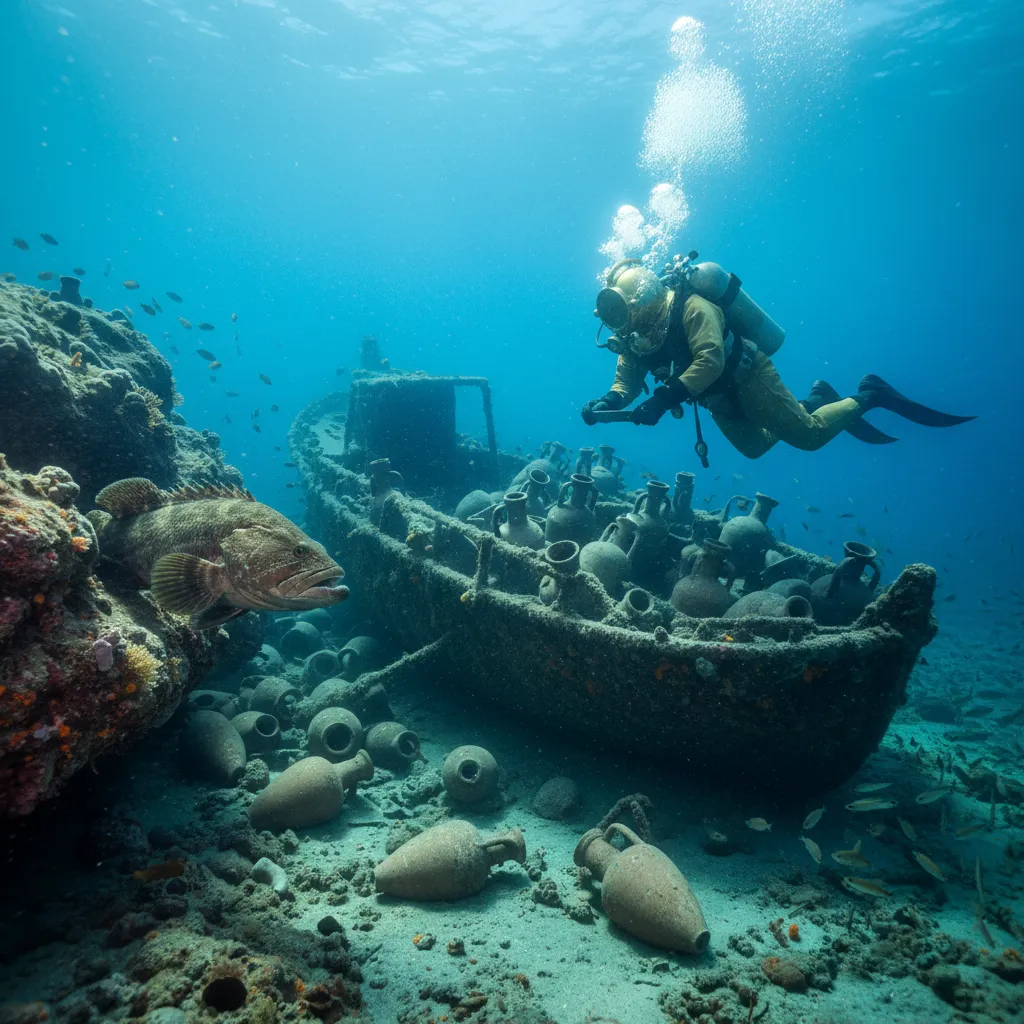
While the allure of tropical reefs is undeniable, the Mediterranean Sea offers a uniquely captivating scuba diving experience that is often overlooked. This ancient cradle of civilization combines crystal-clear waters with a rich tapestry of history, culture, and dramatic underwater landscapes. From sun-drenched islands to rugged coastlines, Mediterranean diving provides a distinct adventure for divers of all levels, blending thrilling exploration with serene beauty.
The region's underwater topography is a major draw, featuring spectacular rocky coastlines that plunge into the deep, creating dramatic walls, swim-throughs, and cavern systems. Divers can explore breathtaking underwater caves and grottos, particularly in places like Malta and Greece. Beyond the natural geology, the seafloor is a living museum, littered with ancient shipwrecks from Greek and Roman times that offer a tangible connection to a bygone era of maritime trade and conflict.
Contrary to popular belief, the Mediterranean is teeming with fascinating marine life. Look for dusky groupers hiding in crevices, moray eels peering from their lairs, and intelligent octopuses camouflaging themselves against the rocks. The vast meadows of Posidonia seagrass, the vital 'lungs of the Mediterranean', act as a nursery for countless species and create a unique, tranquil diving environment. This resilient ecosystem showcases the subtle and beautiful life of this historic sea.
In recent years, the establishment of marine protected areas (MPAs) has led to a remarkable resurgence of biodiversity. These protected zones, like the Medes Islands in Spain and Alonissos in Greece, are now home to thriving populations of fish and other marine creatures. This commitment to conservation is transforming the Mediterranean into an even more rewarding dive destination, proving that its best underwater days are still ahead.
At a Glance
| Destination | Difficulty | Best Months |
|---|---|---|
| Alonissos Marine Park, GreeceGreece | All Levels | Jun-Oct |
| Balearic Islands, SpainSpain | All Levels | Jun-Oct |
| Crete, GreeceGreece | All Levels | Jun-Oct |
| Medes Islands, SpainSpain | All Levels | Jun-Oct |
| Marsa Alam, EgyptEgypt | All Levels | Jan-Jul, Sep-Dec |
| Kornati Islands, CroatiaCroatia | All Levels | Jun-Oct |
| Canary Islands, SpainSpain | All Levels | Jan-Dec |
| Costa Brava, SpainSpain | All Levels | Jun-Oct |
| Istria Peninsula, CroatiaCroatia | All Levels | Jun-Sep |
| Hurghada, EgyptEgypt | All Levels | Jan-Dec |
| Sharm el-Sheikh, EgyptEgypt | All Levels | Jan-Dec |
| Halkidiki, GreeceGreece | All Levels | Jun-Oct |
| Safaga, EgyptEgypt | All Levels | Jan-Dec |
| Comino, MaltaMalta | All Levels | Jun-Nov |
| Marseille & Calanques, FranceFrance | All Levels | - |
| Portofino & Liguria, ItalyItaly | All Levels | - |
| Corsica, FranceFrance | All Levels | - |
| Cabo de Palos, SpainSpain | All Levels | - |
| Al Hoceima, MoroccoMorocco | All Levels | - |
| Naples & Campania, ItalyItaly | All Levels | - |
Discover Greece's first underwater museum in the pristine waters of the Alonissos Marine Park, a protected Aegean paradise easily reached from across Europe. This isn't your typical tropical reef dive; it's a journey through time. The underwater world here is defined by dramatic, rocky topography with steep drop-offs, intricate caverns, and stunning pinnacles. The crystal-clear visibility reveals a landscape where ancient history and vibrant marine life coexist, offering a truly unique Mediterranean diving experience.
The park is a world-class destination for wreck enthusiasts, headlined by the famous 5th-century BC Peristera shipwreck. Known as the 'Parthenon of Shipwrecks,' this ancient vessel's cargo of thousands of wine amphorae lies perfectly preserved on the seabed, now accessible to recreational divers. Beyond this historic marvel, over 100 other wrecks await exploration. As you navigate these submerged historical sites, you'll be greeted by the region's rich marine life, including dusky groupers, moray eels, and schools of damselfish. With water temperatures peaking at a comfortable 27°C between June and October, Alonissos offers an unforgettable adventure for divers seeking history, drama, and nature in one.
Difficulty
All Levels
Best Months
Jun-Oct
Water Temp
14-27°C
Dive Centres
65
Practical Info
- dive Sites:
- 144
- marine Species:
- 450
- avg Temp:
- 20°C
- wrecks:
- 102
Did you know?
The famous Peristera shipwreck in Alonissos, often called the 'Parthenon of Shipwrecks,' is the oldest accessible ancient shipwreck in the world, dating back to the 5th century BC.
Escape to the sun-drenched Balearic Islands, a premier Mediterranean diving destination just a short flight from most major European cities. Beneath the turquoise surface lies a world of dramatic underwater landscapes, from sheer cliffs and intricate cave systems in Mallorca to the crystal-clear waters of Formentera. With visibility often exceeding 30 meters and water temperatures climbing to a pleasant 27°C between the best months of June and October, the Balearics offer an accessible and breathtaking diving experience.
The islands are steeped in maritime history, making them a paradise for divers who love a story. With 38 documented wreck sites, you can journey back in time, exploring modern cargo ships transformed into thriving artificial reefs or searching for remnants of ancient Roman trade routes. This blend of natural beauty and submerged history provides a unique diving adventure where every descent can reveal a piece of the past, from a sunken freighter to ancient amphorae resting on the seabed.
The marine life is a captivating blend of species adapted to temperate waters. Look for large schools of barracuda shimmering in the blue, solitary groupers lurking in rocky crevices, and curious octopuses camouflaging themselves against the vibrant seabed. Moray eels peer from their lairs, while colourful nudibranchs add a splash of macro brilliance. The combination of stunning topography, historical wrecks, and unique marine life makes the Balearic Islands an unforgettable European dive destination.
Difficulty
All Levels
Best Months
Jun-Oct
Water Temp
15-27°C
Dive Centres
104
Practical Info
- dive Sites:
- 119
- marine Species:
- 416
- avg Temp:
- 20°C
- wrecks:
- 38
Did you know?
The vast Posidonia seagrass meadows between Ibiza and Formentera are a UNESCO World Heritage site and are considered one of the oldest living organisms on the planet, with some colonies estimated to be over 100,000 years old.
Crete, Greece
Greece
Crete, the largest of the Greek islands, offers a diving experience steeped in thousands of years of history and myth. Imagine descending into the crystal-clear Aegean Sea to explore a dramatic underwater world of canyons, caves, and steep walls, all easily accessible from major European cities. This is a place where ancient history is tangible, offering a unique adventure for divers seeking more than just vibrant reefs. The island's rugged coastline translates into a spectacular submerged landscape, promising discovery on every dive.
With 167 documented dive sites, Crete is a paradise for every type of diver, but it truly excels for enthusiasts of history and geology. The island is a premier wreck diving destination, boasting 51 wrecks that include everything from World War II aircraft, like the famous Messerschmitt fighter plane, to modern ships scuttled to create artificial reefs. Beyond the wrecks, sites like the Elephant's Cave and El Greco Cave offer breathtaking cavern experiences, where light filters through ancient rock formations to create an otherworldly atmosphere.
The temperate Mediterranean waters, with temperatures ranging from 16-25°C, support over 300 marine species adapted to this environment. Divers can expect encounters with curious groupers, moray eels, octopus, and large schools of damselfish. The prime diving season from June to October offers fantastic visibility and calm, warm seas, providing perfect conditions to uncover the unique blend of nature and submerged history that makes Crete an unforgettable European diving destination.
Difficulty
All Levels
Best Months
Jun-Oct
Water Temp
16-25°C
Dive Centres
46
Practical Info
- dive Sites:
- 167
- marine Species:
- 301
- avg Temp:
- 20°C
- wrecks:
- 51
Did you know?
Did you know that Crete is home to the incredible 'Elephant's Cave,' a partially submerged cavern where divers can swim alongside the 50,000-year-old fossilized remains of a prehistoric elephant?
Medes Islands, Spain
Spain
Just off Spain's Costa Brava, a short journey from major European hubs like Barcelona, the Medes Islands Marine Reserve offers a world-class diving experience in the heart of the Mediterranean. The underwater landscape is a dramatic spectacle of towering pinnacles, cavernous tunnels, and sheer gorgonian-covered walls plunging into the deep blue. Sites like 'Dofí Nord' and 'Carall Bernat' perfectly capture this rugged beauty, where divers navigate swim-throughs and caverns teeming with life, a direct result of the area's long-protected status.
With water temperatures ranging from 13-23°C, the ecosystem supports an incredible 337 marine species. Expect encounters with huge, curious groupers, swirling schools of barracuda, and vibrant nudibranchs. Beyond the thriving reefs, history awaits. The region is home to 37 wreck sites, including the famous 'Reggio Messina,' a massive ferry scuttled to create a spectacular artificial reef. These waters were once ancient Roman trade routes, and exploring them offers a unique blend of natural wonder and submerged history.
The prime diving season runs from June to October, providing the best conditions to explore the 166 documented dive sites. With 79 dive centres in the area, accessing this underwater realm is straightforward for divers of all levels. Whether you're captivated by dramatic topography, rich temperate marine life, or historical wrecks, the Medes Islands deliver an unforgettable and easily accessible European dive adventure.
Difficulty
All Levels
Best Months
Jun-Oct
Water Temp
13-23°C
Dive Centres
79
Practical Info
- dive Sites:
- 166
- marine Species:
- 337
- avg Temp:
- 18°C
- wrecks:
- 37
Did you know?
The Medes Islands have been a protected marine reserve since 1983, one of the first in the Mediterranean. This long-standing protection is why divers can encounter remarkably large and curious groupers that show little fear of human presence.
Marsa Alam, Egypt
Egypt
Discover Marsa Alam, Egypt's captivating Mediterranean diving secret, easily accessible with short flights from most major European hubs. This unique destination trades sprawling coral gardens for a dramatic, rocky underwater topography. Divers are treated to a labyrinth of canyons, archways, and intriguing caverns carved into the coastline. The region is steeped in history, with the allure of exploring submerged ancient ruins and maritime relics that whisper tales of bygone eras, making every dive a journey back in time.
The temperate Mediterranean waters, ranging from a comfortable 23-31°C, support a resilient ecosystem of 243 marine species. The main attraction for history buffs is the collection of nine distinct wreck sites, from modern vessels to the remnants of historical trade ships that now serve as artificial reefs. With a fantastic diving season running from January through July and again from September to December, Marsa Alam offers a unique and rugged diving experience focused on dramatic landscapes and submerged history.
Difficulty
All Levels
Best Months
Jan-Jul, Sep-Dec
Water Temp
23-31°C
Dive Centres
18
Practical Info
- dive Sites:
- 122
- marine Species:
- 243
- avg Temp:
- 27°C
- wrecks:
- 9
Did you know?
Among its historical sites, divers in Marsa Alam can explore the remnants of a sunken pier believed to date back to the Ptolemaic dynasty, offering a rare glimpse into the region's ancient maritime past.
Kornati Islands, Croatia
Croatia
Discover the dramatic underwater world of the Kornati Islands, a Croatian archipelago where limestone cliffs plunge into the deep blue Adriatic. Often called a “nautical paradise,” this national park offers a unique Mediterranean diving experience easily accessible from major European cities. The underwater landscape is a breathtaking maze of steep walls, hidden caves, and canyons adorned with vibrant red and yellow gorgonians. This stark, rocky beauty sets Kornati apart, offering a raw and thrilling adventure for divers of all levels.
With over 101 documented dive sites, the variety is immense. The region is a time capsule, boasting 24 wreck sites that tell stories of ancient trade routes and wartime naval history. The best season to visit is from June to October, when water temperatures climb from 14°C to a comfortable 26°C. During these months, the clear waters reveal a rich tapestry of temperate marine life. Keep an eye out for over 385 species, including curious octopuses, camouflaged scorpionfish, large groupers, and colourful nudibranchs hiding amongst the rocky reefs.
Difficulty
All Levels
Best Months
Jun-Oct
Water Temp
14-26°C
Dive Centres
44
Practical Info
- dive Sites:
- 101
- marine Species:
- 385
- avg Temp:
- 19°C
- wrecks:
- 24
Did you know?
Did you know that some dive sites in the Kornati Islands are like underwater museums, where you can find remnants of Roman amphorae scattered on the seabed, offering a glimpse into ancient maritime trade routes?
Just a short flight from major European cities, the Canary Islands offer a world-class, year-round diving destination. The dramatic volcanic landscapes that define the islands plunge directly into the sea, creating a spectacular underwater world of sheer cliffs, intricate lava tubes, and cavernous swim-throughs. With water temperatures holding steady between 19-24°C, these clear Atlantic waters provide exceptional visibility for exploring a rugged and ancient-feeling seascape unlike anywhere else in Europe.
This temperate environment is a sanctuary for unique marine life, including the iconic and endangered angel shark, various species of rays, and large schools of bream and barracuda. But the real historical treasure lies scattered across the seabed. The islands are a graveyard for maritime history, boasting an incredible 67 documented wreck sites. Divers can explore everything from modern fishing vessels turned artificial reefs to historic cargo ships, each telling a silent story of the past while providing a complex habitat for the 195 marine species that call these waters home.
Difficulty
All Levels
Best Months
Jan-Dec
Water Temp
19-24°C
Dive Centres
99
Practical Info
- dive Sites:
- 202
- marine Species:
- 195
- avg Temp:
- 21°C
- wrecks:
- 67
Did you know?
The Canary Islands are a premier wreck diving destination in Europe, offering divers the chance to explore 67 documented shipwrecks resting on the dramatic volcanic seabed.
Costa Brava, Spain
Spain
Discover the rugged, untamed underwater world of Costa Brava, where the Pyrenees plunge dramatically into the Mediterranean Sea. Easily accessible from major European cities like Barcelona, this Spanish coastline offers a diving experience defined by its dramatic topography. Explore stunning gorgonian-covered walls, intricate swim-throughs, and submerged canyons at iconic sites like the Medes Islands Marine Reserve, a protected haven where marine life thrives in astonishing numbers.
Costa Brava is a paradise for history buffs, boasting an incredible 36 wreck sites that tell stories from ancient Roman times to the modern era. These sunken treasures, like the famous Boreas wreck, have transformed into vibrant artificial reefs. They now host a fascinating array of temperate marine life, including large groupers, conger and moray eels, scorpionfish, and octopuses. With 99 distinct dive sites and water temperatures peaking at a comfortable 24°C between June and October, it’s a premier European diving destination for every skill level.
Difficulty
All Levels
Best Months
Jun-Oct
Water Temp
11-24°C
Dive Centres
78
Practical Info
- dive Sites:
- 99
- marine Species:
- 351
- avg Temp:
- 17°C
- wrecks:
- 36
Did you know?
The Medes Islands, Costa Brava's most famous dive area, were a notorious pirate hideout in the Middle Ages. Today, their protected status makes them one of the most important marine flora and fauna reserves in the western Mediterranean.
Istria Peninsula, Croatia
Croatia
Escape to the Istrian Peninsula, Croatia's underwater jewel, where the Adriatic Sea guards centuries of history beneath its waves. Easily accessible from major European cities, Istria offers a unique Mediterranean diving experience that trades vibrant coral gardens for dramatic, history-rich seascapes. Here, every descent is a journey back in time, blending the thrill of exploration with the serene beauty of the northern Adriatic.
Istria is a paradise for wreck enthusiasts, boasting over 100 sunken vessels from Roman galleys to WWII warships like the famous Baron Gautsch. Beyond the hauntingly beautiful wrecks, the underwater topography is a spectacle in itself, defined by dramatic limestone cliffs, intricate cave systems, and breathtaking drop-offs. Amidst these rocky formations, you'll encounter a vibrant ecosystem of temperate marine life. Look for elusive octopus hiding in crevices, scorpionfish camouflaged on the seabed, and shimmering schools of damselfish dancing in the clear, blue water.
With water temperatures reaching a comfortable 26°C between June and September, the prime diving season is perfect for exploring the region's 385 documented sites. Whether you're a novice diver captivated by the coastal reefs or an experienced technical diver plumbing the depths to a historic wreck, Istria's underwater world provides an unforgettable adventure.
Difficulty
All Levels
Best Months
Jun-Sep
Water Temp
12-26°C
Dive Centres
134
Practical Info
- dive Sites:
- 385
- marine Species:
- 231
- avg Temp:
- 18°C
- wrecks:
- 105
Did you know?
Istria is home to one of the most famous wrecks in the Mediterranean, the Austro-Hungarian passenger ship MS Baron Gautsch, often called the 'Titanic of the Adriatic'.
Hurghada, Egypt
Egypt
Discover the underwater treasures of Hurghada, a premier diving destination where the stark Egyptian desert meets the vibrant waters of the Red Sea. Just a short flight from most major European cities, this year-round paradise offers unparalleled accessibility to some of the world's most celebrated dive sites. With crystal-clear visibility and warm water temperatures ranging from 22-29°C, Hurghada provides the perfect conditions for divers of all levels to explore its rich marine ecosystems, from shallow coral gardens to breathtaking drop-offs.
The underwater landscape around Hurghada is a playground of diversity, boasting over 89 documented dive sites. Explore legendary coral reefs like Gota Abu Ramada, often called "The Aquarium" for its sheer density of fish life, or drift along the dramatic walls of the Giftun Islands. For history enthusiasts, the region is home to 10 fascinating wreck sites. Dive into the past at the El Mina, an Egyptian minesweeper sunk in 1970, or explore other vessels that have become thriving artificial reefs, each telling a unique story of the Red Sea's maritime history.
Difficulty
All Levels
Best Months
Jan-Dec
Water Temp
22-29°C
Dive Centres
43
Practical Info
- dive Sites:
- 89
- marine Species:
- 139
- avg Temp:
- 25°C
- wrecks:
- 10
Did you know?
The El Mina wreck, one of Hurghada's most popular dive sites, was a Soviet-built minesweeper that was sunk by Israeli forces during the War of Attrition in 1970.
A short flight from most major European cities, Sharm el-Sheikh is a legendary diving destination where the desert meets the vibrant Red Sea. The underwater world here is defined by dramatic topography, featuring sheer coral walls that plummet into the deep blue, intricate cave systems, and stunning pinnacles. This rocky landscape, particularly within the famous Ras Mohammed National Park, creates a breathtaking backdrop for encounters with a rich array of marine life, from colourful reef fish to larger pelagics patrolling the currents.
Sharm el-Sheikh is also a paradise for wreck diving enthusiasts, offering a submerged museum of maritime history. The star attraction is the world-famous SS Thistlegorm, a WWII cargo ship sunk in 1941, its holds still filled with perfectly preserved motorcycles, trucks, and rifles. With over 27 wreck sites to explore, from historic vessels to modern artificial reefs, divers can piece together stories from the past while exploring some of the most compelling dive sites on the planet. The year-round warm water and incredible visibility make it an accessible adventure for divers of all levels.
Difficulty
All Levels
Best Months
Jan-Dec
Water Temp
23-30°C
Dive Centres
32
Practical Info
- dive Sites:
- 104
- marine Species:
- 54
- avg Temp:
- 26°C
- wrecks:
- 27
Did you know?
The iconic SS Thistlegorm wreck was first discovered by the legendary oceanographer Jacques Cousteau in 1955, guided by information from local fishermen, before being rediscovered for sport diving in the early 1990s.
Halkidiki, Greece
Greece
Discover the underwater treasures of Halkidiki, a premier Mediterranean diving destination just a short flight from most major European cities. The crystal-clear Aegean Sea reveals a world where history and dramatic nature collide. Divers can explore a rugged underwater landscape of sheer walls, intricate caves, and stunning rock formations, all teeming with life. With over 45 dive sites and a prime season stretching from June to October, Halkidiki offers an accessible and unforgettable Greek diving adventure.
The region is a paradise for wreck enthusiasts and history buffs, boasting an incredible 28 documented wreck sites that span centuries. From ancient amphorae fields hinting at Roman trade routes to downed WWII aircraft, each dive tells a story. Beyond the wrecks, the rocky topography creates a perfect habitat for a diverse range of Mediterranean marine life adapted to temperate waters. Look for reclusive octopuses hiding in crevices, curious groupers patrolling the reefs, and colourful nudibranchs dotting the seafloor. With water temperatures peaking at a comfortable 27°C in summer and excellent visibility, the conditions are perfect for exploring this submerged historical landscape.
Difficulty
All Levels
Best Months
Jun-Oct
Water Temp
14-27°C
Dive Centres
25
Practical Info
- dive Sites:
- 45
- marine Species:
- 443
- avg Temp:
- 19°C
- wrecks:
- 28
Did you know?
Halkidiki's seabed is a submerged museum, home to 28 documented shipwrecks that include everything from ancient cargo vessels to WWII warships and aircraft.
Safaga, Egypt
Egypt
Just a short flight from most major European cities, Safaga is a premier Egyptian diving destination on the Red Sea coast. It offers a less crowded but equally spectacular alternative to its northern neighbours. The underwater topography is famously dramatic, characterized by sheer walls, deep canyons, and towering pinnacles that rise from the abyss. With over 91 distinct dive sites, divers can explore everything from gentle, sloping reefs teeming with life to challenging deep walls and drift dives that will thrill even the most experienced adventurer.
History lies submerged in Safaga's clear waters, which serve as the final resting place for 11 incredible shipwrecks. The most famous of these is the Salem Express, a passenger ferry that sank in 1991, now a haunting and poignant underwater memorial. Beyond the wrecks, sites like Panorama Reef and Abu Kafan are legendary for their breathtaking coral formations and encounters with pelagic species. While exploring, you'll be surrounded by the vibrant life of the Red Sea, including majestic Napoleon wrasse, giant moray eels, graceful eagle rays, and vast schools of colourful reef fish.
Difficulty
All Levels
Best Months
Jan-Dec
Water Temp
22-29°C
Dive Centres
35
Practical Info
- dive Sites:
- 91
- marine Species:
- 76
- avg Temp:
- 26°C
- wrecks:
- 11
Did you know?
Safaga is home to the wreck of the Salem Express, a large passenger ferry that is one of the most famous and controversial wreck dives in the entire Red Sea.
Comino, Malta
Malta
Just a short flight from most major European cities, the Maltese island of Comino is a premier Mediterranean diving destination, celebrated for its phenomenal water clarity and dramatic underwater landscapes. The season, running from June to November, offers idyllic conditions with water temperatures soaring to a comfortable 28°C. The island's coastline is a geological masterpiece, featuring a labyrinth of breathtaking caves, caverns, and swim-throughs, including the world-famous Santa Maria Caves, providing an adventure that perfectly blends natural beauty with thrilling exploration.
History is submerged just beneath the waves in Malta, which boasts an incredible 43 wreck sites. Off Comino, the star attraction is the P31 patrol boat, a wreck scuttled intentionally in 2009 that now rests perfectly upright on a sandy bottom, creating an accessible and fascinating site for certified divers. Exploring this and other historical remnants feels like a journey through time, where the dramatic, rocky topography of drop-offs and underwater arches serves as a stunning backdrop for these artificial reefs teeming with life.
The temperate Mediterranean waters support a rich ecosystem of over 159 marine species. While navigating the rocky reefs, divers can spot octopus cleverly camouflaged against the seabed, moray eels peering from crevices, and schools of barracuda patrolling the deep blue. The vibrant marine life, combined with the historical wrecks and unique geological formations, makes diving in Comino a truly complete and unforgettable experience.
Difficulty
All Levels
Best Months
Jun-Nov
Water Temp
15-28°C
Dive Centres
32
Practical Info
- dive Sites:
- 76
- marine Species:
- 159
- avg Temp:
- 21°C
- wrecks:
- 43
Did you know?
Did you know that the P31 patrol boat, one of Comino's most popular dive sites, was deliberately scuttled in 2009 to create an artificial reef and a spectacular, easily accessible playground for wreck divers?
Immerse yourself in the heart of the Mediterranean's dramatic beauty by diving in Marseille and the Calanques National Park. Easily accessible from major European cities, this region offers a unique blend of natural wonder and deep history. The underwater landscape is a direct extension of the famous limestone cliffs above, featuring breathtaking drop-offs, intricate cave systems, and stunning canyons. With over 425 documented dive sites catered to by more than 40 dive centres, divers of all levels can explore the rugged topography that makes the Côte Bleue an unforgettable destination.
Marseille's coastline is a submerged museum, a testament to its status as France's oldest city. The area is a wreck diver's paradise, boasting an incredible 89 wreck sites. Descend upon the ghostly silhouettes of WWII aircraft like the Messerschmitt Bf 109 or the P-38 Lightning, or explore historic passenger ships like Le Liban. Beyond the 20th-century wrecks, lucky divers might even spot remnants of ancient Roman trade, with fields of amphorae hinting at the millennia of maritime history resting on the seabed.
The cool, clear waters, with temperatures often around 14°C, support a vibrant ecosystem adapted to temperate seas. Look for reclusive moray eels and conger eels peering from rocky crevices, admire the camouflage of scorpionfish and octopus, and marvel at the large groupers that patrol the reefs. The excellent visibility and year-round diving season make Marseille and the Calanques a premier, accessible choice for anyone seeking adventure beneath the waves of the Mediterranean.
Difficulty
All Levels
Water Temp
14-14°C
Dive Centres
43
Practical Info
- dive Sites:
- 425
- avg Temp:
- 14°C
- wrecks:
- 89
Did you know?
The waters off Marseille are a true underwater museum, home to over 89 documented wrecks that span more than two millennia, from ancient Roman cargo ships to WWII fighter planes.
The dramatic, cliff-lined coast of Liguria, famously known as the Italian Riviera, offers an underwater world as breathtaking as its terrestrial scenery. Easily accessible from major European cities, this stretch of the Mediterranean is a diver's paradise, defined by steep drop-offs, rocky pinnacles, and hidden caverns. The crown jewel is the Portofino Marine Protected Area, a sanctuary where vibrant marine life thrives against a backdrop of spectacular underwater geology, offering a captivating blend of natural beauty and rich maritime history.
Liguria's allure lies in its incredible diversity and submerged past. With over 70 documented wrecks, including WWII vessels and ancient cargo ships, it's a playground for wreck enthusiasts. Beyond the metal giants, divers can explore iconic sites like the 'Christ of the Abyss,' a submerged bronze statue standing in silent welcome. The temperate waters are teeming with life; expect encounters with large groupers, schools of barracuda, curious moray eels, and walls adorned with precious red coral. Whether you're exploring a deep wreck or a sun-drenched reef, Liguria delivers an unforgettable Mediterranean adventure.
Difficulty
All Levels
Dive Centres
116
Practical Info
- dive Sites:
- 221
- avg Temp:
- Varies
- wrecks:
- 73
Did you know?
Did you know that Portofino's most iconic underwater landmark, the 'Christ of the Abyss,' is a 2.5-meter bronze statue intentionally submerged in 1954 to protect fishers and divers in the bay.
Corsica, France
France
Known as the "Island of Beauty," Corsica's dramatic allure extends far beneath the waves of the Mediterranean. A short flight from major European cities transports you to a diver's paradise defined by staggering underwater landscapes. Imagine descending along sheer granite cliffs that plunge into the deep blue, navigating through canyons and swim-throughs, and exploring massive boulder fields. The island's protected reserves, like the Scandola Nature Reserve, offer pristine conditions and exceptional visibility, making every dive a breathtaking exploration of its rugged, untamed character.
Corsica is a living museum, with a history that whispers from the seabed. The island is a premier wreck diving destination, boasting 37 documented sites that tell stories of maritime trade and wartime conflict. The star attraction is the remarkably preserved B-17 Flying Fortress bomber resting in the sand near Calvi, a poignant relic of World War II. Divers can also explore cargo ships and other historical wrecks, each offering a unique glimpse into the past and now serving as a thriving artificial reef for local marine life.
While the geology is the main draw, Corsica's temperate waters support a resilient ecosystem. With water temperatures holding steady at 14°C, diving here is a year-round adventure for those prepared with the right exposure suit. Look for dusky groupers peering from rocky lairs, moray eels in crevices, and shimmering schools of barracuda patrolling the blue. Vibrant red gorgonians cling to the rock faces, adding a splash of color to the deep and creating a captivating and uniquely Mediterranean diving experience.
Difficulty
All Levels
Water Temp
14-14°C
Dive Centres
32
Practical Info
- dive Sites:
- 171
- avg Temp:
- 14°C
- wrecks:
- 37
Did you know?
Corsica is home to one of the best-preserved B-17 bomber wrecks in the world. The American aircraft ditched off the coast of Calvi in 1944 and now lies almost perfectly intact at a depth of 28 meters, offering a hauntingly beautiful dive into history.
Cabo de Palos, Spain
Spain
Nestled on Spain's Costa Cálida, Cabo de Palos is a premier Mediterranean diving destination, easily accessible from major European cities. Its legendary status is built around the Islas Hormigas Marine Reserve, a protected area renowned for its dramatic underwater topography. Divers can explore a world of submerged mountain peaks, sheer drop-offs, and rocky canyons teeming with life. With over 169 dive sites and 42 dive centres, this Murcian gem offers unparalleled variety, from gentle coves for beginners to challenging deep dives for seasoned adventurers, all against a backdrop of crystal-clear temperate waters.
The history of Cabo de Palos is written on the seabed. This coastline was a critical maritime route for centuries, and its treacherous reefs have claimed numerous vessels, creating one of the Mediterranean's most impressive wreck graveyards. With 35 documented wreck sites, divers can journey back in time exploring everything from Roman amphorae remnants to colossal cargo ships like the famous 'Naranjito'. These submerged monuments now serve as thriving artificial reefs, creating a hauntingly beautiful intersection of history and nature that makes every dive a unique exploration.
The marine reserve's protected status has allowed marine life to flourish. Expect encounters with huge resident groupers, schools of barracuda, elegant eagle rays, and curious moray eels hiding in rocky crevices. In the right season, you might even spot the magnificent ocean sunfish (Mola mola) in the blue. While water temperatures vary, the excellent visibility and year-round diving season mean there's never a bad time to discover why Cabo de Palos is consistently ranked among the best dive spots in Europe.
Difficulty
All Levels
Dive Centres
42
Practical Info
- dive Sites:
- 169
- avg Temp:
- Varies
- wrecks:
- 35
Did you know?
The Islas Hormigas Marine Reserve is not only a haven for marine life but also a historic ship graveyard, home to the wreck of the SS Sirio, an Italian liner whose 1906 sinking was one of the greatest maritime disasters of its time.
Al Hoceima, Morocco
Morocco
Discover the rugged, historical coastline of Al Hoceima, a unique Mediterranean diving destination easily accessible from major European cities. The underwater world here is not one of coral gardens, but of dramatic, rocky topography featuring canyons, swim-throughs, and sheer walls. With a refreshing and consistent water temperature around 16°C and a year-round diving season, Al Hoceima offers a thrilling adventure for divers looking to explore a different side of the Mediterranean.
History is the main draw for divers in Al Hoceima. The region is a paradise for wreck enthusiasts, boasting an astonishing 125 wreck sites that serve as artificial reefs and windows into the past. Amidst these historical treasures and the craggy seascape, you'll find a resilient marine ecosystem adapted to temperate waters. Look for curious moray eels, camouflaged octopus, and schools of bream that patrol the ancient ruins and rocky outcrops. With over 156 official dive sites and 28 dive centres, the area is well-equipped to guide you through its submerged museum.
Difficulty
All Levels
Water Temp
16-16°C
Dive Centres
28
Practical Info
- dive Sites:
- 156
- avg Temp:
- 16°C
- wrecks:
- 125
Did you know?
The coastline of Al Hoceima is one of the Mediterranean's most significant hotspots for wreck diving, with an incredible 125 documented wrecks lying beneath the waves.
Diving in Naples and the Campania region is a profound journey through layers of history and dramatic geology. Unlike any other Mediterranean destination, the volcanic coastline has preserved entire cities beneath the waves. The star attraction is the Baia Underwater Archaeological Park, a submerged Roman city where divers can glide over intricate mosaic floors, past marble statues, and through the haunting remains of lavish villas. This is not just a dive; it's an exploration of a real-life Atlantis, offering a tangible connection to the ancient world, all set against a backdrop of stunning underwater landscapes.
Beyond the ancient ruins, the region boasts an incredible diversity of diving experiences across its 123 sites. With 54 documented wrecks from various eras, history enthusiasts have a wealth of submerged treasures to discover. The underwater topography, shaped by volcanic activity, features dramatic drop-offs, sheer cliffs, and intricate cave systems, particularly around the islands of Capri and Ischia. In these temperate waters, the rocky reefs are home to a resilient cast of marine life. Look for curious groupers lurking in caverns, moray eels peering from crevices, and cleverly camouflaged octopus. Easily accessible from major European cities and supported by 35 professional dive centres, Campania offers a world-class, year-round diving adventure for all levels.
Difficulty
All Levels
Dive Centres
35
Practical Info
- dive Sites:
- 123
- avg Temp:
- Varies
- wrecks:
- 54
Did you know?
The Baia Underwater Archaeological Park near Naples is a protected marine area where you can dive through a submerged ancient Roman city, exploring villas and streets that were drowned by volcanic activity nearly 2,000 years ago.
Frequently Asked Questions
When is the best time to dive in the Mediterranean?
The prime diving season runs from June to September when water temperatures are warmest and conditions are calmest. For fewer crowds and excellent visibility, consider the shoulder months of May and October.
What are the water temperatures like in the Mediterranean?
Water temperatures vary significantly by season and location. In summer, you can expect pleasant temperatures from 24-28°C (75-82°F), while winter sees them drop to 14-18°C (57-64°F).
Do I need a drysuit for Mediterranean diving?
A 5mm or 7mm wetsuit is sufficient for most divers during the summer months. A drysuit is generally not necessary unless you are planning deep technical dives or diving during the colder winter season.
Which countries offer the best diving in the Mediterranean?
Spain (including the Balearic and Canary Islands), Greece, Croatia, and Malta are consistently ranked among the top destinations. Each offers a unique blend of historical wrecks, vibrant marine life, and stunning underwater topography.
What marine life can I see in the Mediterranean?
You can expect to see a variety of life including large groupers, moray eels, octopus, barracuda, and scorpionfish. The region is also fantastic for spotting smaller critters like nudibranchs, seahorses, and a diverse range of invertebrates.