Best Macro & Muck Diving Destinations
Where to find the world's most extraordinary tiny marine creatures
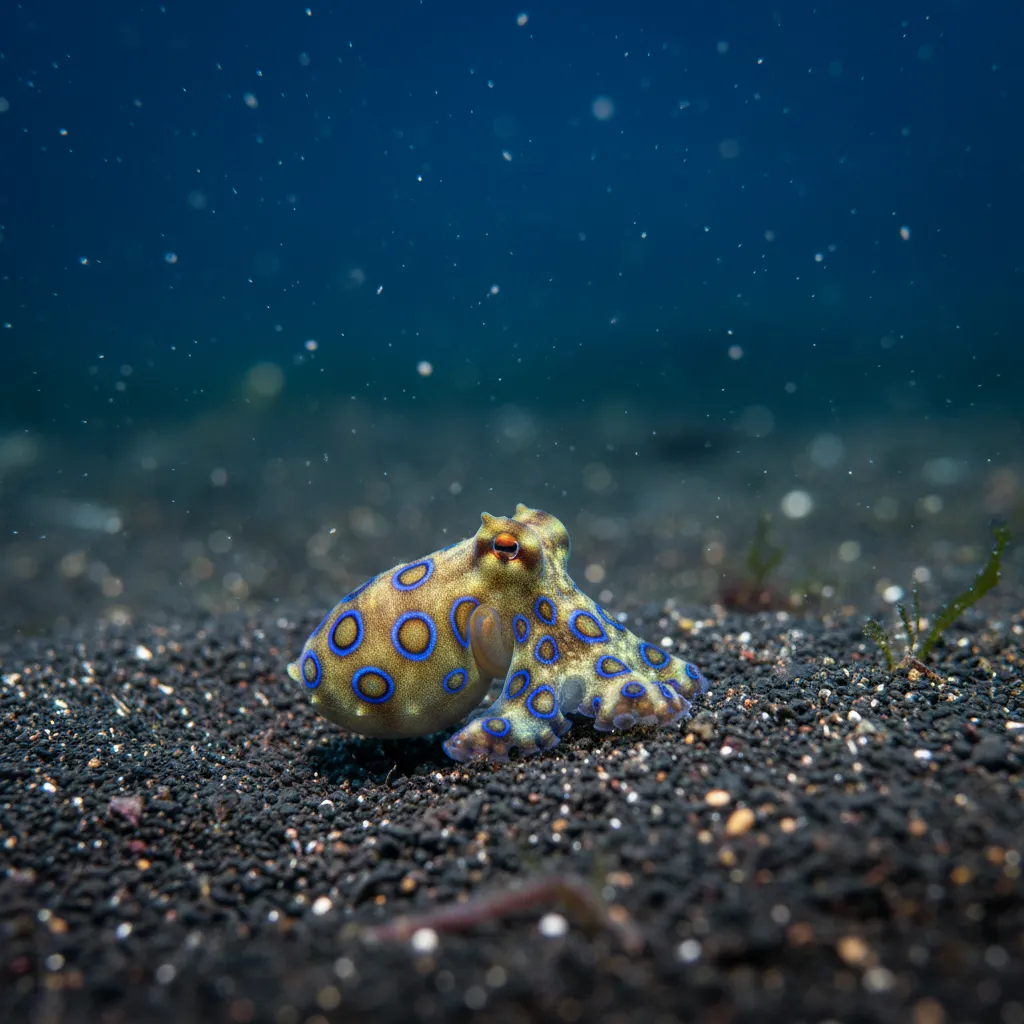
Welcome to the fascinating world of macro and muck diving, an underwater treasure hunt for the ocean's smallest and most bizarre inhabitants. Unlike reef diving, which focuses on vast coral landscapes and large fish, macro diving hones in on the details. Divers slowly explore seemingly barren seabeds of sand, silt, or rubble-the 'muck'-to uncover a hidden universe of tiny, camouflaged critters. This specialized form of diving has exploded in popularity, appealing to underwater photographers and any diver who loves the thrill of discovery and the challenge of spotting elusive marine life.
A world-class macro diving destination is defined by a few key ingredients. First and foremost is exceptional biodiversity; the more species present, the greater the chance of unique encounters. The presence of experienced local dive guides is also crucial, as their trained eyes can spot creatures a visiting diver would almost certainly miss. Finally, calm, clear conditions with minimal current are ideal, as they allow for the slow, methodical exploration required and prevent the silty bottom from being stirred up, ensuring great visibility for observation and photography.
The rewards of a successful muck dive are unforgettable encounters with some of the planet's strangest animals. Divers actively search for the masters of camouflage, such as the hairy frogfish, ornate ghost pipefish, and the mimic octopus, which can impersonate other sea creatures. The vibrant world of nudibranchs, with their thousands of psychedelic color patterns, is a primary draw. Other sought-after subjects include delicate pygmy seahorses, flamboyant cuttlefish, and a dazzling variety of unique shrimp and crabs, from the elegant harlequin shrimp to the comical emperor shrimp riding a sea cucumber.
At a Glance
| Destination | Difficulty | Best Months |
|---|---|---|
| Curaçao Southeast, CuraçaoCuraçao | All Levels | Jan-Dec |
| Komodo, IndonesiaIndonesia | All Levels | Jan-Dec |
| Lombok & Gili Islands, IndonesiaIndonesia | All Levels | Jan-Dec |
| Sulawesi, IndonesiaIndonesia | All Levels | Jan-Dec |
| Bali, IndonesiaIndonesia | All Levels | Jan-Dec |
| Raja Ampat, IndonesiaIndonesia | All Levels | Jan-Dec |
| Grand Cayman, Cayman IslandsCayman Islands | All Levels | Jan-Dec |
| Klein Bonaire, BonaireBonaire | All Levels | Jan-Dec |
| Cozumel, MexicoMexico | All Levels | Mar-May, Aug-Sep, Nov |
| Perhentian Islands, MalaysiaMalaysia | All Levels | Jan-Apr, Aug-Dec |
| Sipadan, MalaysiaMalaysia | All Levels | Jan-Dec |
| Arraial do Cabo, BrazilBrazil | All Levels | Jan-Dec |
| Inner Islands, SeychellesSeychelles | All Levels | Jan-Dec |
| Alonissos Marine Park, GreeceGreece | All Levels | Jun-Oct |
| Apo Reef, PhilippinesPhilippines | All Levels | Jan-Dec |
| Coral Sea, AustraliaAustralia | All Levels | Jan-Dec |
| Roatán, HondurasHonduras | All Levels | Jan-Dec |
| Balearic Islands, SpainSpain | All Levels | Jun-Oct |
| Bohol, PhilippinesPhilippines | All Levels | Jan-Dec |
| Goat Island & Hauraki Gulf, New ZealandNew Zealand | All Levels | Jan-Apr, Nov-Dec |
Curaçao Southeast, Curaçao
Curaçao
While Curaçao is famous for its vibrant coral reefs, the Southeast coast offers a different kind of treasure hunt for the keen-eyed diver: world-class macro and muck diving. In these seemingly barren sandy slopes and rubble fields, an incredible diversity of life thrives. Divers can spend an entire dive exploring a small patch, discovering masters of camouflage like elusive frogfish, longlured seahorses, and a dazzling array of nudibranchs. The calm, warm waters, hovering between 27-30°C year-round, make it the perfect environment to slowly and meticulously search for cryptic critters like decorator crabs and banded coral shrimp.
Iconic sites like the Tugboat and the sheltered waters of Director's Bay are hotspots for this type of underwater exploration. Here, the focus shifts from broad reefscapes to the minute details hidden among old pier pilings and scattered debris. The real magic, however, often happens after sunset. Night dives in Southeast Curaçao reveal a completely different cast of characters. Octopuses emerge from their dens to hunt, moray eels free-swim across the bottom, and strange crustaceans patrol the sand, offering photographers and critter-lovers an unforgettable spectacle.
Difficulty
All Levels
Best Months
Jan-Dec
Water Temp
27-30°C
Dive Centres
34
Practical Info
- species Count:
- 717
- dive Sites:
- 78
- best For:
- Macro photography, critter hunting, night diving
Did you know?
The elusive frogfish, a master of camouflage found in Curaçao's muck, doesn't chase its prey; it uses a built-in fishing lure on its head to attract unsuspecting fish right to its lightning-fast mouth.
Komodo, Indonesia
Indonesia
Beyond the thrilling currents and majestic manta rays, Komodo National Park hides a secret world of miniature marvels, making it a premier destination for macro and muck diving. The volcanic black sand slopes and rubble-strewn bottoms are a treasure trove for patient divers. Here, you can spend hours searching for camouflaged frogfish, ornate ghost pipefish, dozens of colourful nudibranch species, and the almost invisible pygmy seahorse clinging delicately to its gorgonian fan.
Legendary muck sites like Wainilu, Siaba Kecil, and the jetties near Rinca Island offer some of the best critter hunting in Indonesia. As the sun sets, these locations transform completely. Night dives reveal a different cast of characters, from hunting octopuses and bobtail squid to stargazers peering from the sand and the vibrant Spanish Dancer nudibranch performing its hypnotic, floating dance in the beam of your torch.
Difficulty
All Levels
Best Months
Jan-Dec
Water Temp
28-30°C
Dive Centres
30
Practical Info
- species Count:
- 709
- dive Sites:
- 109
- best For:
- Macro photography, critter hunting, night diving
Did you know?
The flamboyant cuttlefish, often spotted on Komodo's muck dives, is one of the only cuttlefish species known to 'walk' along the seafloor and possesses a unique toxicity in its muscle tissue, a rare trait among cephalopods.
Lombok & Gili Islands, Indonesia
Indonesia
Beyond the vibrant coral reefs, Lombok and the Gili Islands hide a secret world for macro photography enthusiasts and muck diving aficionados. The seemingly barren sandy slopes and rubble patches are treasure troves for the patient observer. Here, the thrill is in the hunt for the weird and wonderful, from the perfectly camouflaged frogfish and ornate ghost pipefish to a dazzling array of nudibranchs in every imaginable color. Divers can spend an entire dive exploring a small area, discovering rare crustaceans, flamboyant cuttlefish, and the elusive pygmy seahorse clinging to its host gorgonian fan.
The premier muck diving destinations are found around the protected bays of Southwest Lombok, particularly in the Sekotong area, and at specific sites near the Gili Islands like Teluk Nare and Gili Air's 'Frogfish Point'. These locations offer a unique underwater landscape where the sand comes alive after sunset. Night dives reveal a completely different cast of characters, including hunting bobtail squid, graceful Spanish dancers, and countless species of shrimp and crabs, making every dive a new and exciting discovery.
Difficulty
All Levels
Best Months
Jan-Dec
Water Temp
28-30°C
Dive Centres
182
Practical Info
- species Count:
- 816
- dive Sites:
- 233
- best For:
- Macro photography, critter hunting, night diving
Did you know?
The tiny Bargibant's pygmy seahorse, often found in this region, is so well-camouflaged that it spends its entire adult life on a single gorgonian sea fan, perfectly matching its color and texture.
Sulawesi, Indonesia
Indonesia
Welcome to the muck diving capital of the world. Sulawesi, and particularly the legendary Lembeh Strait, is a paradise for macro photographers and critter enthusiasts seeking the planet's most bizarre and wonderful marine life. Here, divers trade wide coral vistas for dark volcanic sand slopes, which serve as the perfect camouflage for an incredible density of creatures. With a keen eye, you'll spot hairy frogfish, flamboyant cuttlefish, wonderpus, blue-ringed octopuses, and a dazzling variety of colourful nudibranchs, all thriving in this unique underwater habitat.
The thrill of muck diving in Sulawesi lies in the hunt. At iconic sites like 'Hairball' and 'Nudi Falls', the focus is on discovering masters of disguise. Your dive guide will point out almost invisible ghost pipefish hiding in crinoids, pygmy seahorses clinging to gorgonian fans, and cleverly hidden stonefish. The experience is a true treasure hunt, where patience is rewarded with sightings of some of the rarest and most sought-after critters in the ocean, making every dive an unforgettable adventure of discovery.
As the sun sets, Sulawesi's muck sites reveal an entirely new cast of characters. Night dives here are simply spectacular, as nocturnal predators emerge from the sand to hunt. Your torch beam might catch the eerie eyes of a stargazer waiting in ambush, the iridescent flash of a hunting bobbit worm, or the hypnotic colour changes of a squid on the prowl. It's an electrifying experience that showcases the sheer biodiversity that makes this region a bucket-list destination for any serious diver.
Difficulty
All Levels
Best Months
Jan-Dec
Water Temp
29-30°C
Dive Centres
17
Practical Info
- species Count:
- 1227
- dive Sites:
- 308
- best For:
- Macro photography, critter hunting, night diving
Did you know?
Sulawesi is home to the flamboyant cuttlefish, one of the only known toxic cephalopods. While its vibrant, flashing colour display warns predators of its poisonous muscle tissue, it is completely harmless to divers.
Bali, Indonesia
Indonesia
Bali is a world-renowned paradise for macro and muck diving, where the volcanic black sand provides the perfect backdrop for the ocean's most bizarre and beautiful critters. With an astonishing 2,013 marine species recorded, every dive is a treasure hunt for the small and strange. Enthusiasts flock here to find elusive creatures like the pygmy seahorse clinging to its gorgonian fan, the perfectly camouflaged ornate ghost pipefish, countless species of vibrant nudibranchs, and the sought-after frogfish waiting patiently for its next meal.
The island's premier muck diving locations are legendary. Sites like Seraya Secrets and the Tulamben area are critter capitals, where the seemingly barren slopes reveal a world of macro life upon closer inspection. Night dives are a truly transformative experience in Bali; as the sun sets, the black sand comes alive with a different cast of characters. Nocturnal hunters like bobbit worms emerge, and creatures like boxer crabs and harlequin shrimp become more active, offering photographers and patient divers an entirely new and spectacular underwater show.
Difficulty
All Levels
Best Months
Jan-Dec
Water Temp
29-31°C
Dive Centres
19
Practical Info
- species Count:
- 2013
- dive Sites:
- 194
- best For:
- Macro photography, critter hunting, night diving
Did you know?
The mimic octopus, a prized sighting for muck divers in Bali, can impersonate the appearance and movements of up to 15 different animals, including venomous lionfish and sea snakes, to deter predators.
Raja Ampat, Indonesia
Indonesia
While famous for its sprawling coral reefs and manta rays, Raja Ampat is a world-class destination for macro and muck diving enthusiasts. The region's staggering biodiversity, with over 851 recorded marine species, translates into a treasure hunt on every dive. Look closely on sea fans for tiny Bargibanti's and Denise's pygmy seahorses, or scan the rubble for ornate ghost pipefish, flamboyant cuttlefish, and the elusive blue-ringed octopus. The variety of colourful nudibranchs is simply astounding, making every dive a new discovery for critter spotters.
For the ultimate muck experience, divers should explore the sandy slopes and jetties around Waigeo and Gam islands. Sites like 'Muck Bay' and the Arborek Jetty are legendary for their unique inhabitants. Here, the patient observer is rewarded with sightings of wonderpus, frogfish, and rare crustaceans hiding in plain sight. Night dives transform these sites completely, as nocturnal predators emerge. It's the best time to witness the famous Raja Ampat walking shark (epaulette shark) prowling the seafloor, alongside bobtail squid and decorator crabs, turning a simple dive into an unforgettable underwater safari.
Difficulty
All Levels
Best Months
Jan-Dec
Water Temp
29-30°C
Dive Centres
28
Practical Info
- species Count:
- 851
- dive Sites:
- 167
- best For:
- Macro photography, critter hunting, night diving
Did you know?
Did you know Raja Ampat is one of the only places in the world where you can see the epaulette shark, a remarkable species that uses its fins to 'walk' across the seabed in shallow water?
Grand Cayman, Cayman Islands
Cayman Islands
Beyond the famous walls and bustling reefs, Grand Cayman hides a secret world for macro and muck diving enthusiasts. This is a treasure hunt where the prize is discovering the island's tiniest, most fascinating inhabitants. Patient divers can spot elusive seahorses clinging to seagrass, well-camouflaged scorpionfish, and a dazzling variety of blennies and gobies peeking from their burrows. The sandy flats and rubble patches are playgrounds for arrow crabs, banded coral shrimp, and the occasional sharp-nosed pipefish, proving big wonders come in small packages.
The best part? Some of the premier muck diving is accessible right from the shore. Sites like Macabuca, Lighthouse Point, and the Sunset House house reef are legendary for their macro life. The experience transforms entirely on a night dive, which is a must-do in Grand Cayman. As darkness falls, the reef's nocturnal hunters emerge. Watch as octopuses flow over the rubble in search of a meal, lobsters venture from their dens, and every movement of your hand ignites a magical sparkle of bioluminescent plankton in the water.
Difficulty
All Levels
Best Months
Jan-Dec
Water Temp
27-30°C
Dive Centres
13
Practical Info
- species Count:
- 965
- dive Sites:
- 81
- best For:
- Macro photography, critter hunting, night diving
Did you know?
Did you know that the tiny Pederson's Cleaner Shrimp sets up a 'cleaning station' on an anemone, performing a distinctive dance to attract larger fish to come and be cleaned of parasites?
Klein Bonaire, Bonaire
Bonaire
While Bonaire's vibrant reefs get most of the attention, the small, uninhabited island of Klein Bonaire offers a secret paradise for macro and muck diving enthusiasts. The sandy patches and rubble fields nestled between pristine coral formations are treasure troves for the patient diver. Look closely to spot elusive longlure frogfish blending perfectly with sponges, seahorses clinging to gorgonians, and a dazzling array of shrimp, crabs, and gobies darting between the stones. Sites like 'Sampler' and 'Forest' on Klein Bonaire's western side provide gentle slopes where the reef gives way to sand, creating the perfect habitat for these tiny, fascinating critters.
The real magic of Klein Bonaire's macro world reveals itself after sunset. A night dive here transforms the sandy flats into a bustling metropolis of nocturnal life. With your torch beam, you can catch octopuses and squid on the hunt, basket stars unfurling their intricate arms to feed in the current, and sharp-tailed eels slithering from their burrows. The experience is an intimate encounter with the hidden ecosystem, where every small patch of sand or piece of rubble holds the potential for a new and exciting discovery, far from the lights of the main island.
Difficulty
All Levels
Best Months
Jan-Dec
Water Temp
27-30°C
Dive Centres
20
Practical Info
- species Count:
- 526
- dive Sites:
- 137
- best For:
- Macro photography, critter hunting, night diving
Did you know?
The elusive frogfish, a master of camouflage found in Bonaire's waters, can swallow prey larger than itself in just six milliseconds, one of the fastest feeding actions in the animal kingdom.
Cozumel, Mexico
Mexico
While Cozumel is celebrated for its dramatic walls and vibrant reefs, a closer look reveals a hidden world teeming with macro marvels. Muck diving enthusiasts and underwater photographers will delight in the treasure hunt for tiny critters hiding in the sand and rubble. Search for elusive seahorses, slender pipefish, and the comical-looking Splendid Toadfish, an endemic species found nowhere else on Earth. Popular sites for this slow-paced exploration include the sandy bottoms of Paradise Reef and the areas beneath the cruise ship piers, where discarded objects become havens for arrow crabs, juvenile drumfish, and colourful blennies.
The macro adventure in Cozumel truly comes alive after sunset. Night dives transform familiar sites into bustling nocturnal playgrounds. Armed with a torch, you can witness octopus and squid on the hunt, spot sleeping parrotfish in their cocoons, and discover a dazzling array of shrimp and crabs foraging in the dark. The thrill of illuminating a tiny, rare creature that is invisible during the day is an unforgettable experience, making Cozumel a surprisingly diverse destination for macro lovers.
Difficulty
All Levels
Best Months
Mar-May, Aug-Sep, Nov
Water Temp
27-30°C
Visibility
21-25 nmi
Dive Centres
86
Practical Info
- species Count:
- 418
- dive Sites:
- 219
- best For:
- Macro photography, critter hunting, night diving
Did you know?
Cozumel is the only place in the world you can find the Splendid Toadfish (Sanopus splendidus), a vibrant, colourful bottom-dweller known for its distinctive 'croaking' sound.
Perhentian Islands, Malaysia
Malaysia
Beyond the vibrant coral gardens and schooling fish, the Perhentian Islands hide a secret world for divers who love the small stuff. Muck and macro diving here is a treasure hunt on the sandy sea floor, revealing an incredible diversity of miniature marine life. Patient divers are rewarded with sightings of ornate ghost pipefish swaying near sea fans, camouflaged frogfish waiting to ambush their prey, and a dazzling array of nudibranchs in every imaginable colour. Keep your eyes peeled around jetty pilings and rubble patches for elusive seahorses, boxer crabs, and countless species of unique shrimp.
The adventure truly comes alive after sunset, as the islands offer spectacular night dives. Armed with a torch, you'll witness the reef's night shift, from hunting moray eels and scurrying crabs to the otherworldly glow of bobtail squid. Top sites for spotting these critters include the sandy bottoms near D'Lagoon and the pilings under the Teluk Pauh jetty, where slowing down and looking closely reveals a universe of life that many divers swim right past, making every dive a unique discovery.
Difficulty
All Levels
Best Months
Jan-Apr, Aug-Dec
Water Temp
28-31°C
Dive Centres
30
Practical Info
- species Count:
- 441
- dive Sites:
- 106
- best For:
- Macro photography, critter hunting, night diving
Did you know?
The Perhentian Islands are a hotspot for frogfish, masters of camouflage that can change their colour over several weeks to perfectly match their surroundings, from sponges to rubble.
Sipadan, Malaysia
Malaysia
While Sipadan is world-renowned for its swirling vortexes of barracuda and majestic sea turtles, the surrounding islands of Mabul and Kapalai offer a completely different, yet equally mesmerizing, underwater adventure: world-class muck and macro diving. With over 433 recorded marine species and an incredible 96 dive sites to explore, divers can trade the blue for the sand to uncover a universe of tiny, bizarre, and beautiful critters. The consistently warm waters, ranging from 28-31°C year-round, make it the perfect destination to spend hours searching for elusive pygmy seahorses, flamboyant nudibranchs, and expertly camouflaged frogfish.
Dive sites like Mabul's "Froggy Lair" and "Paradise 1" are legendary amongst macro enthusiasts. Here, the focus shifts from the vast reef to the seemingly barren sandy slopes, which are actually teeming with life. With the keen eye of an experienced guide, you'll discover ornate ghost pipefish hiding in plain sight, wonderpus octopuses hunting, and a dazzling array of crustaceans. The experience transforms at night, as the reef's nocturnal inhabitants emerge. A night dive here reveals a bustling city of bobtail squid, vibrant flamboyant cuttlefish performing their hypnotic displays, and countless other strange creatures that hide from the daylight, making every dive a unique treasure hunt.
Difficulty
All Levels
Best Months
Jan-Dec
Water Temp
28-31°C
Dive Centres
21
Practical Info
- species Count:
- 433
- dive Sites:
- 96
- best For:
- Macro photography, critter hunting, night diving
Did you know?
The flamboyant cuttlefish, a common sight on muck dives around Mabul, is one of the only known toxic species of cuttlefish and it prefers to 'walk' along the seafloor using its arms and fins rather than swim.
Arraial do Cabo, Brazil
Brazil
Beyond the dramatic shipwrecks and vibrant reefs, Arraial do Cabo hides a secret world for macro and muck diving aficionados. The region's nutrient-rich upwelling supports a staggering biodiversity, making its sandy bottoms a treasure trove for patient divers. With a keen eye, you can discover a universe of tiny wonders, from brilliantly colored nudibranchs and camouflaged frogfish to shy blennies peeking from crevices and the iconic Longsnout seahorse swaying gently with the current.
Prime muck diving sites like Saco do Cherne and Ponta do Anequim offer the perfect habitat for these elusive critters. The experience is elevated during a night dive, when the environment completely transforms. Nocturnal hunters like octopuses and squid emerge from their daytime lairs, crabs and shrimp scurry across the seafloor, and the water can come alive with the magical sparkle of bioluminescent plankton, turning your dive into an otherworldly spectacle.
Difficulty
All Levels
Best Months
Jan-Dec
Water Temp
22-27°C
Dive Centres
27
Practical Info
- species Count:
- 427
- dive Sites:
- 98
- best For:
- Macro photography, critter hunting, night diving
Did you know?
Did you know that Arraial do Cabo is a fantastic place to spot the Longsnout seahorse? In a fascinating role reversal, it's the male who carries the developing eggs in a specialized brood pouch until they are ready to hatch.
Inner Islands, Seychelles
Seychelles
While the Seychelles' Inner Islands are famed for their granite reefs and larger marine life, a hidden world of miniature marvels awaits the patient observer. The warm, clear waters create the perfect environment for macro and muck diving, a treasure hunt for the ocean's most bizarre and beautiful small inhabitants. Shifting your focus from the big picture to the tiny details reveals a bustling ecosystem where every grain of sand and piece of rubble can hide a cryptic creature. Divers can spend an entire dive exploring a small patch, discovering a wealth of life often missed by those just passing by.
The sheltered, sandy slopes and rubble patches near the main islands of Mahé and Praslin are prime hunting grounds. Here, you can find a dazzling array of critters, from the ornate ghost pipefish perfectly mimicking seagrass to flamboyant nudibranchs in every imaginable colour. Look closely for camouflaged frogfish, delicate porcelain crabs hiding in anemones, and countless species of shrimp. The experience transforms entirely during a night dive, as the reef's nocturnal residents emerge. Under the beam of a torch, you'll witness octopuses hunting, moray eels free-swimming, and the iridescent colours of sleeping parrotfish wrapped in their mucous cocoons-a truly magical spectacle.
Difficulty
All Levels
Best Months
Jan-Dec
Water Temp
27-30°C
Dive Centres
21
Practical Info
- species Count:
- 419
- dive Sites:
- 75
- best For:
- Macro photography, critter hunting, night diving
Did you know?
Did you know that many of the vibrant nudibranchs, or sea slugs, found in the Seychelles get their dazzling colours from the food they eat, often incorporating the toxins of their prey into their own bodies for self-defence.
Beyond the famous shipwrecks, Alonissos Marine Park is a treasure trove for macro and muck diving enthusiasts. With over 450 recorded marine species, the sandy bottoms and seagrass meadows hide a world of miniature wonders. Patient divers are rewarded with sightings of vibrant nudibranchs, camouflaged scorpionfish, countless species of shrimp, and shy octopuses. The thrill is in the slow, careful search, discovering the intricate details of life often overlooked on a reef dive.
The park's sheltered bays offer prime muck diving conditions, especially from June to October when the water is warmest. These sites are playgrounds for spotting unique critters like the elusive pipefish navigating blades of seagrass or a stargazer buried in the sand with only its eyes visible. Night dives transform these areas completely, revealing a different cast of characters. As darkness falls, nocturnal creatures like decorator crabs, hunting cuttlefish, and even the spectacular Spanish dancer nudibranch emerge, making for an unforgettable underwater macro photography session.
Difficulty
All Levels
Best Months
Jun-Oct
Water Temp
14-27°C
Dive Centres
65
Practical Info
- species Count:
- 450
- dive Sites:
- 144
- best For:
- Macro photography, critter hunting, night diving
Did you know?
The Alonissos Marine Park is a hotspot for the Flabellina, or 'purple lady' nudibranch, which recycles stinging cells from the hydroids it consumes and stores them in its own appendages for self-defense.
Apo Reef, Philippines
Philippines
While Apo Reef is famed for its dramatic walls and pelagic giants, a closer look reveals a hidden universe of miniature marvels. Muck and macro divers are rewarded with a treasure hunt across sandy slopes and rubble patches, searching for the ocean's most bizarre and beautiful critters. Keep your eyes peeled for the elusive frogfish, perfectly camouflaged and waiting for its next meal, vibrant nudibranchs in a kaleidoscope of colors, and the powerful punch of a peacock mantis shrimp. The intricate details of ghost pipefish hiding amongst crinoids and the delicate movements of cleaner shrimp make every dive a macro photographer's dream.
The sheltered areas around Apo Island and the shallow rubble fields are prime locations for dedicated critter hunting. But the real magic happens after sunset. Night dives in Apo Reef transform the seascape, as nocturnal hunters emerge from their daytime hideouts. Your torch beam might catch the iridescent flash of a bobtail squid, the creeping arms of a wonderpus octopus, or the scuttling of a decorator crab adorned with its carefully chosen camouflage. It's a completely different world, where the reef's smallest inhabitants take center stage, offering an intimate and unforgettable diving experience.
Difficulty
All Levels
Best Months
Jan-Dec
Water Temp
28-30°C
Dive Centres
61
Practical Info
- species Count:
- 405
- dive Sites:
- 156
- best For:
- Macro photography, critter hunting, night diving
Did you know?
The incredibly tiny Bargibanti pygmy seahorse, often found in Apo Reef, spends its entire adult life on a single gorgonian sea fan, perfectly matching its color and texture for camouflage.
Coral Sea, Australia
Australia
Beyond the grand reefs and pelagic giants, Australia's Coral Sea hides a secret world of miniature marvels, making it a premier destination for macro and muck diving enthusiasts. With 416 marine species recorded, the region's sandy slopes and rubble patches are a treasure trove for the keen-eyed diver. Hunt for ornate ghost pipefish swaying in the current, countless species of flamboyant nudibranchs, and perfectly camouflaged scorpionfish. The thrill is in the search, scanning the seemingly barren seafloor to suddenly find a rare pygmy seahorse or a pair of harlequin shrimp.
The adventure intensifies dramatically after sunset as the muck sites transform into bustling nocturnal playgrounds. A night dive here is an unforgettable experience where your torch beam might reveal a bobtail squid burying itself in the sand, a wonderpus octopus hunting for its next meal, or the intricate patterns of a Spanish dancer unfurling in the dark. These sheltered, seemingly simple dive sites offer a rewarding treasure hunt on every dive, proving that the greatest wonders often come in the smallest packages.
Difficulty
All Levels
Best Months
Jan-Dec
Water Temp
21-28°C
Dive Centres
13
Practical Info
- species Count:
- 416
- dive Sites:
- 96
- best For:
- Macro photography, critter hunting, night diving
Did you know?
The Coral Sea is home to the Electric Clamp (Ctenoides ales), a fascinating bivalve that creates its own light show by rapidly unfurling a highly reflective tissue on its lip, producing a flashing display to ward off predators.
Roatán, Honduras
Honduras
Beyond Roatán's famous walls and vibrant reefs lies a hidden world, perfect for macro enthusiasts and muck divers. The island's sandy slopes and seagrass beds are a treasure trove for the patient observer. Here, you can hunt for elusive Longsnout Seahorses, camouflaged Scorpionfish, and the comical sight of a Yellowhead Jawfish tending to its burrow. It’s a completely different kind of diving that challenges you to slow down and appreciate the intricate details of the marine ecosystem, where every piece of rubble could hide a tiny, fascinating creature.
Prime muck diving sites like Half Moon Bay Wall and the shallows around West End offer a playground for spotting macro life. Divers can find decorator crabs, Spotted Cleaner Shrimp, and a variety of colorful nudibranchs. The experience transforms entirely during a night dive, which is a must-do in Roatán. As darkness falls, the reef's nocturnal residents emerge. Watch octopuses hunt across the sand, see lobsters and crabs venture from their crevices, and witness the magical sparkle of bioluminescent ostracods, often called 'string of pearls', lighting up the water around you.
Difficulty
All Levels
Best Months
Jan-Dec
Water Temp
27-30°C
Dive Centres
40
Practical Info
- species Count:
- 398
- dive Sites:
- 167
- best For:
- Macro photography, critter hunting, night diving
Did you know?
The Lettuce Sea Slug, a common find in Roatán, can absorb chloroplasts from the algae it consumes, allowing it to generate energy from sunlight through photosynthesis just like a plant.
While the Balearic Islands are famed for their crystal-clear waters and dramatic underwater landscapes, a closer look reveals a hidden world teeming with miniature marvels. Muck and macro diving here is a treasure hunt for the patient observer. The sandy bottoms, seagrass meadows, and rocky crevices are home to a spectacular array of critters. Divers can spend hours searching for colourful nudibranchs, camouflaged scorpionfish, shy blennies peeking from their holes, and the elusive seahorse clinging to seagrass. Sites like Cala Llonga in Ibiza and the sheltered bays around Dragonera Island Marine Reserve in Mallorca are hotspots for discovering this vibrant small-scale ecosystem.
The experience transforms entirely after sunset. Night dives in the Balearics unveil a different cast of characters, making it a macro photographer's dream. As the daytime fish retreat, nocturnal hunters emerge. Watch as octopuses and cuttlefish glide through the dark, their colours shifting in the beam of your torch. Keep an eye out for slipper lobsters, moray eels on the prowl, and a fascinating variety of crabs and shrimp scurrying across the seabed. The darkness heightens your senses, allowing you to focus on the intricate details and behaviours of the Mediterranean's most secretive inhabitants.
Difficulty
All Levels
Best Months
Jun-Oct
Water Temp
15-27°C
Dive Centres
104
Practical Info
- species Count:
- 416
- dive Sites:
- 119
- best For:
- Macro photography, critter hunting, night diving
Did you know?
The Dusky Grouper (Epinephelus marginatus), a common sight in the Balearic's marine reserves, is a protogynous hermaphrodite. They are all born female and can later change sex to become male as they grow older and larger.
Bohol, Philippines
Philippines
Bohol is a true paradise for macro photography and muck diving enthusiasts, offering a year-round season with balmy water temperatures of 28-30°C. While the region is famous for its vibrant reefs, the true treasures are often found on the sandy, silty slopes. This is the world of muck diving: a patient hunt for the weird and wonderful. Divers can spend an entire dive exploring a small patch of sand, discovering a hidden universe of bizarre critters, turning what seems like a barren landscape into a bustling metropolis of miniature marine life, part of the incredible 386 marine species recorded here.
The Anda coast, on the eastern side of Bohol, is the undisputed capital of muck diving in the region. Sites like Paradise Garden and Dap Dap are legendary for their critter-filled seabeds where you can hunt for a spectacular cast of characters, including elusive ghost pipefish, camouflaged frogfish, countless species of colourful nudibranchs, and the mesmerizing flamboyant cuttlefish. The experience is elevated during a night dive, when the beam of your torch reveals a whole new world. Nocturnal hunters emerge, and the sand comes alive with bobtail squid, stargazers, and if you're exceptionally lucky, the venomous blue-ringed octopus, making every dive a thrilling underwater treasure hunt.
Difficulty
All Levels
Best Months
Jan-Dec
Water Temp
28-30°C
Dive Centres
103
Practical Info
- species Count:
- 386
- dive Sites:
- 161
- best For:
- Macro photography, critter hunting, night diving
Did you know?
The flamboyant cuttlefish, a common sight on Bohol's muck dives, is one of the only cuttlefish species known to walk along the seafloor and carries a poison as potent as a blue-ringed octopus.
Goat Island & Hauraki Gulf, New Zealand
New Zealand
While the Hauraki Gulf is famous for its dramatic coastal scenery, a closer look beneath the waves reveals a world of miniature marvels perfect for macro and muck diving enthusiasts. With over 413 recorded marine species, the temperate waters around Goat Island are a treasure trove for patient divers. You can spend an entire dive spotting dozens of colourful nudibranch species, camouflaged triplefins perched on kelp, and shy blennies peeking out from rocky crevices. The thrill is in the search, discovering the intricate details of this vibrant ecosystem one tiny creature at a time.
The best muck diving is found in sheltered bays and harbours like Leigh Harbour, where the silty seafloor hides some of the area's most unique critters. Sifting through the sand can reveal elegant pipefish, elusive seahorses, and a variety of decorator crabs. The experience transforms completely after sunset. On a night dive, the entire ecosystem changes as nocturnal hunters like octopuses and conger eels emerge, crayfish march across the reef, and the water can come alive with the magical sparkle of bioluminescence with every movement of your fins.
Difficulty
All Levels
Best Months
Jan-Apr, Nov-Dec
Water Temp
14-22°C
Dive Centres
17
Practical Info
- species Count:
- 413
- dive Sites:
- 84
- best For:
- Macro photography, critter hunting, night diving
Did you know?
Many of the vibrant nudibranchs found here get their defensive stinging cells from their food, absorbing the stinging nematocysts from anemones and hydroids to use against their own predators.
Frequently Asked Questions
What camera gear is best for macro underwater photography?
For great macro shots, a dedicated macro lens is essential. External strobes are also crucial to properly light your tiny subjects and bring out their vibrant colors, while a diopter or 'wet lens' can be added underwater for super-macro magnification.
What skill level is required for macro diving?
Macro diving is accessible to all certified divers, but excellent buoyancy control is the most important skill. You need to hover motionless without disturbing the silty bottom or harming the delicate marine life you're observing.
Where are the best macro diving destinations in the world?
The Coral Triangle, particularly Indonesia and the Philippines, is the global epicenter for macro life due to its incredible species diversity. Destinations like Sulawesi, Bali, and Bohol are legendary, but fantastic macro sites can be found worldwide.
What kind of creatures can I expect to see on a muck dive?
Muck dives reveal a world of bizarre and beautiful critters. Expect to find various species of frogfish, ghost pipefish, seahorses, countless colorful nudibranchs, mimic octopus, and unique crustaceans like harlequin shrimp and boxer crabs.
Are night dives better for macro life?
Night dives are fantastic for macro as many critters are nocturnal hunters and are far more active after sunset. You'll often see different species than during the day, making it a completely new and exciting experience on the same dive site.