Best Manta Ray Diving Destinations in the World
Where to swim with the ocean's most graceful giants
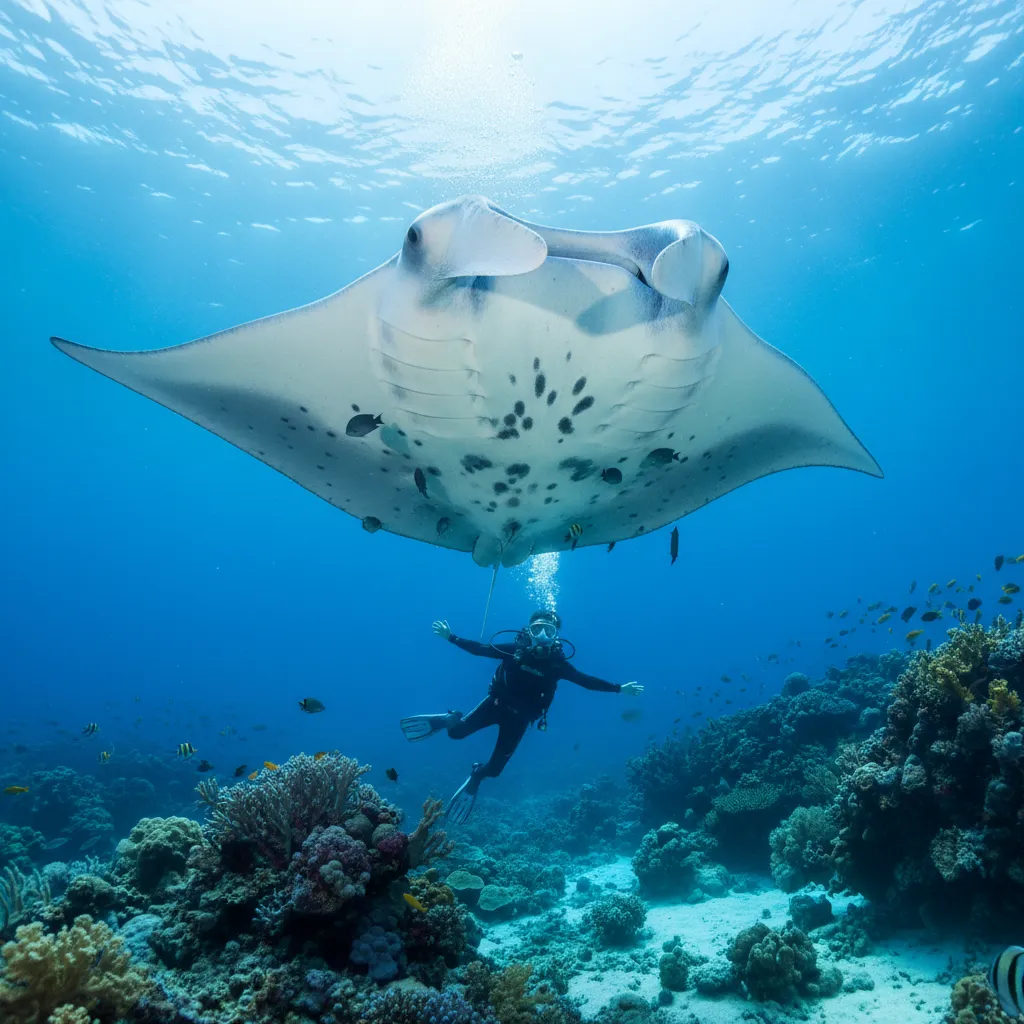
Few experiences in scuba diving compare to the silent, graceful flight of a manta ray. Witnessing these majestic creatures, with wingspans that can exceed 20 feet, glide effortlessly through the water is a moment that stays with you forever. Manta rays are highly intelligent and curious, and a respectful encounter often involves them looping back to observe the strange, bubble-blowing creatures in their domain. Planning a trip dedicated to manta ray diving is a journey to witness one of the ocean's most awe-inspiring spectacles.
The manta family is primarily divided into two magnificent species: the giant oceanic manta ray (Manta birostris) and the smaller, more coastal reef manta ray (Manta alfredi). Oceanic mantas are true pelagic wanderers, migrating across vast oceans and growing to enormous sizes, while reef mantas tend to be more residential, often found in consistent locations near coastlines and atolls. Understanding which species you're likely to see helps in choosing the perfect destination for your underwater adventure.
The best manta ray encounters often happen at specific, predictable locations. Divers seek out 'cleaning stations,' coral bommies where mantas hover patiently while smaller fish remove parasites from their skin. Other incredible sightings occur during seasonal plankton blooms, which can attract dozens of mantas for incredible feeding aggregations. For a truly unique experience, some destinations offer famous night dives where lights are used to attract plankton, bringing mantas in for a breathtaking, close-up feeding frenzy.
As privileged observers in their world, responsible interaction is paramount for the conservation of these vulnerable animals. Always follow the golden rules of passive observation: never touch, chase, or block a manta's path. Maintain a respectful distance of at least 10 feet (3 meters), approach calmly from their side, and let them control the encounter. By following these guidelines, we ensure these gentle giants remain safe and that future generations of divers can share in this incredible experience.
At a Glance
| Destination | Difficulty | Best Months |
|---|---|---|
| Lombok & Gili Islands, IndonesiaIndonesia | All Levels | Jan-Dec |
| Siargao, PhilippinesPhilippines | All Levels | Jan-Dec |
| Bali, IndonesiaIndonesia | All Levels | Jan-Dec |
| Bocas del Toro, PanamaPanama | All Levels | Jan-Dec |
| Komodo, IndonesiaIndonesia | All Levels | Jan-Dec |
| Raja Ampat, IndonesiaIndonesia | All Levels | Jan-Dec |
| Bora Bora, French PolynesiaFrench Polynesia | All Levels | Jan-Dec |
| Bazaruto Archipelago, MozambiqueMozambique | All Levels | Jan-Dec |
| Isla de la Plata, EcuadorEcuador | All Levels | Jan-Dec |
| Loyalty Islands, New CaledoniaNew Caledonia | All Levels | Jan-Dec |
| Nova Scotia, CanadaCanada | All Levels | - |
| Christmas Island, AustraliaAustralia | All Levels | Jan-Dec |
Lombok & Gili Islands, Indonesia
Indonesia
Discover the underwater ballet of Lombok and the Gili Islands, a year-round sanctuary for graceful manta rays. With balmy water temperatures hovering between 28-30°C, every month is the perfect month to dive into this Indonesian paradise. The region's vibrant reefs serve as crucial hubs for these gentle giants, offering divers unparalleled opportunities to witness them in their natural habitat, supported by over 182 local dive centres.
The most magical encounters often occur at specific 'cleaning stations,' where mantas patiently queue for smaller fish to remove parasites, or at plankton-rich feeding areas where they perform mesmerizing barrel rolls. This isn't just a one-manta show; the region is a critical habitat for five distinct species of manta and mobula rays. Beyond the rays, you'll be immersed in a world teeming with life, as these waters are home to over 816 other marine species, from majestic sea turtles to colourful reef fish, ensuring every one of the 233 dive sites offers a unique adventure.
Difficulty
All Levels
Best Months
Jan-Dec
Water Temp
28-30°C
Dive Centres
182
Practical Info
- manta Species:
- 5
- best Season:
- Jan-Dec
- typical Encounter:
- Cleaning stations, feeding aggregations
Did you know?
Did you know the waters around Lombok and the Gili Islands are a biodiversity hotspot for rays? An incredible five different species of manta and mobula rays have been recorded here, making it one of the best places in the world to observe their diverse family.
Siargao, Philippines
Philippines
Siargao is an exceptional year-round destination for manta ray diving, offering divers warm 28-30°C waters and a vast underwater playground with 71 dive sites. The area is a known hotspot for four distinct species of manta and mobula rays, making it a unique location for elasmobranch enthusiasts. The most magical encounters typically happen at specific cleaning stations where the rays patiently hover while being groomed by smaller fish, or in plankton-rich feeding areas where they glide effortlessly through the water, often in groups.
One of Siargao's biggest draws is its year-round diving season, providing consistent opportunities to see these gentle giants from January through December. While dedicated night manta dives are not yet a staple, some of the island's 17 dive centres may offer special excursions depending on conditions, allowing for a unique view of their feeding behaviour. Beyond the majestic rays, the vibrant reefs are teeming with life, and divers can expect to encounter a huge diversity of the 361 recorded marine species, including sea turtles, reef sharks, and colourful schools of fish.
Difficulty
All Levels
Best Months
Jan-Dec
Water Temp
28-30°C
Dive Centres
17
Practical Info
- manta Species:
- 4
- best Season:
- Jan-Dec
- typical Encounter:
- Cleaning stations, feeding aggregations
Did you know?
Did you know that Siargao is one of the few places in the Philippines where divers can potentially encounter four different species of manta and mobula rays in the same region?
Bali, Indonesia
Indonesia
Dive into the warm, tropical waters of Bali, a world-renowned paradise for manta ray encounters. With water temperatures a balmy 29-31°C year-round, any month is the perfect time to visit one of the region's 194 dive sites. The nutrient-rich currents around islands like Nusa Penida create the ideal conditions for these gentle giants, especially at 'cleaning stations.' Here, divers can witness the incredible spectacle of mantas hovering gracefully as small reef fish remove parasites from their skin, offering unforgettable, up-close interactions.
While Bali is famous for these daytime encounters at cleaning stations, divers are also treated to a staggering display of marine biodiversity. The area is home to over 2013 marine species, from the elusive mola mola to vibrant macro life. Although dedicated night manta dives are not a common offering, the year-round presence of at least three different manta and mobula ray species means every dive holds the potential for a majestic encounter. With 19 dive centres to choose from, accessing this underwater spectacle is easy for divers of all levels.
Difficulty
All Levels
Best Months
Jan-Dec
Water Temp
29-31°C
Dive Centres
19
Practical Info
- manta Species:
- 3
- best Season:
- Jan-Dec
- typical Encounter:
- Cleaning stations, feeding aggregations
Did you know?
The waters around Bali are a critical habitat within the Coral Triangle, making it one of the few places on Earth where divers have the chance to encounter three different species of manta and mobula rays.
Bocas del Toro, Panama
Panama
Immerse yourself in the warm Caribbean waters of Bocas del Toro, a year-round haven for manta ray encounters. With water temperatures a consistent 28-29°C, any time is the perfect time to explore this underwater paradise. The region is home to two recorded species of manta and mobula rays, offering divers a unique opportunity to witness these gentle giants as they glide effortlessly through the vibrant blue.
Encounters are most common at specific cleaning stations, where the rays hover gracefully while smaller fish attend to them. While you await their majestic arrival, you'll be surrounded by staggering biodiversity, with over 300 marine species to discover across the area's 26 dive sites. With 10 local dive centers to guide you, you can explore the rich coral gardens and walls. Be sure to ask your dive operator about the potential for thrilling night dives, which can offer a completely different perspective on the rays' feeding habits and the reef's nocturnal life.
Difficulty
All Levels
Best Months
Jan-Dec
Water Temp
28-29°C
Dive Centres
10
Practical Info
- manta Species:
- 2
- best Season:
- Jan-Dec
- typical Encounter:
- Cleaning stations, feeding aggregations
Did you know?
Did you know that Bocas del Toro is a special Caribbean destination where divers have the opportunity to encounter not just one, but two distinct species of manta and mobula rays?
Komodo, Indonesia
Indonesia
Komodo National Park is a world-renowned sanctuary for manta rays, offering divers the chance for breathtaking encounters year-round. The key to these reliable sightings lies in famous dive sites like Manta Point (Karang Makassar), a vast shallow flat that serves as both a crucial cleaning station and a nutrient-rich feeding ground. Here, you can witness the incredible ballet of reef mantas as they queue up for a spa day with cleaner wrasse or gracefully filter-feed in the currents. The warm, clear waters, typically between 28-30°C, make for comfortable and unforgettable dives with these gentle giants.
While Komodo is a manta magnet, dedicated night manta dives are not a typical offering; the magic here happens under the sun. The great news is that with a resident population, mantas are present throughout the year, so you can plan your trip for any season. Beyond the magnificent mantas, Komodo's underwater world is astonishingly diverse, boasting over 700 marine species across its 100+ dive sites. You can expect to see everything from vibrant coral gardens and schooling fish to reef sharks, sea turtles, and a treasure trove of macro critters, making every dive a unique adventure.
Difficulty
All Levels
Best Months
Jan-Dec
Water Temp
28-30°C
Dive Centres
30
Practical Info
- manta Species:
- 1
- best Season:
- Jan-Dec
- typical Encounter:
- Cleaning stations, feeding aggregations
Did you know?
While only one species of manta/mobula ray is officially recorded in Komodo, the region is home to a massive and healthy year-round population, making guaranteed encounters a highlight of diving here.
Raja Ampat, Indonesia
Indonesia
Raja Ampat is a legendary, year-round paradise for manta ray encounters, thanks to its nutrient-rich waters and consistent tropical temperatures of 29-30°C. Divers flock to world-famous 'cleaning stations' like Manta Sandy, where these gentle giants gracefully hover for a spa day, allowing smaller fish to remove parasites. It's a breathtaking spectacle of natural symbiosis, offering unparalleled opportunities for observation and photography as the mantas circle patiently, again and again.
Beyond the cleaning stations, you can often witness mantas feeding in large groups, gliding effortlessly through plankton blooms. While dedicated night manta dives are not a common feature in Raja Ampat, the sheer biodiversity more than makes up for it. With 851 other marine species recorded across 167 dive sites, every descent promises something new. From vibrant coral gardens teeming with reef fish to encounters with sharks and turtles, diving here is an immersion into one of the most pristine and life-filled marine ecosystems on the planet.
Difficulty
All Levels
Best Months
Jan-Dec
Water Temp
29-30°C
Dive Centres
28
Practical Info
- manta Species:
- 1
- best Season:
- Jan-Dec
- typical Encounter:
- Cleaning stations, feeding aggregations
Did you know?
Did you know that the manta rays in Raja Ampat have unique spot patterns on their undersides that act like fingerprints, allowing researchers to identify and track individual rays over many years?
Bora Bora, French Polynesia
French Polynesia
Bora Bora's legendary turquoise lagoon is a world-class destination for encountering graceful reef manta rays year-round. With balmy water temperatures of 27-29°C and exceptional visibility, conditions are always perfect for a dive. The magic happens at 'cleaning stations,' specific coral bommies where these gentle giants congregate. Divers can hover peacefully and watch in awe as the mantas glide in to have parasites and dead skin removed by small, dedicated cleaner wrasse, offering truly intimate and unforgettable underwater moments.
While the manta rays are the star attraction, they are just one of the 362 marine species that call this paradise home. During your dives at one of the 39 local sites, you can also expect to see blacktip reef sharks patrolling the edges of the reef, lemon sharks resting on the sandy bottom, and schools of vibrant tropical fish. While night manta dives focused on feeding are not a staple here, the reliable daytime activity at the cleaning stations provides some of the most serene and predictable manta ray encounters on the planet, easily accessible through the island's eight dive centres.
Difficulty
All Levels
Best Months
Jan-Dec
Water Temp
27-29°C
Dive Centres
8
Practical Info
- manta Species:
- 1
- best Season:
- Jan-Dec
- typical Encounter:
- Cleaning stations, feeding aggregations
Did you know?
Bora Bora's main manta ray dive site is a cleaning station so reliable and popular with the local population that it has been nicknamed the 'Manta Ballroom'.
Bazaruto Archipelago, Mozambique
Mozambique
Discover the underwater paradise of the Bazaruto Archipelago, a premier, year-round destination for unforgettable manta ray encounters. With crystal-clear waters ranging from a balmy 23-28°C and 25 pristine dive sites to explore, Mozambique offers a spectacular stage for these gentle giants. The resident reef manta rays gracefully patrol the vibrant coral ecosystems, making almost every dive a potential once-in-a-lifetime experience, no matter which of the 10 local dive centres you choose.
The key to incredible sightings lies in visiting the renowned cleaning stations, where smaller fish meticulously service the mantas. Sites like the famous Two Mile Reef offer unparalleled opportunities for observation and photography as the rays hover patiently. While dedicated night manta dives are not a typical offering in Bazaruto, the daytime activity is more than enough to thrill. Beyond the majestic mantas, you'll be immersed in a biodiverse haven, sharing the water with some of the 312 marine species recorded here, including turtles, reef sharks, and vast schools of colourful fish.
Difficulty
All Levels
Best Months
Jan-Dec
Water Temp
23-28°C
Dive Centres
10
Practical Info
- manta Species:
- 1
- best Season:
- Jan-Dec
- typical Encounter:
- Cleaning stations, feeding aggregations
Did you know?
Did you know the Bazaruto Archipelago is one of the few places in the world where reef manta rays can be reliably spotted all year long, thanks to its rich currents and protected marine environment.
Isla de la Plata, Ecuador
Ecuador
Often called the “Little Galápagos,” Isla de la Plata is one of the world's most reliable year-round destinations for diving with giant oceanic manta rays. With consistently warm water between 25-27°C, divers can comfortably spend their time observing these magnificent creatures as they glide through the rich Pacific currents. The peak of activity happens at submerged cleaning stations, where mantas hover gracefully for long periods, allowing for incredible, up-close, and non-intrusive encounters.
While the mantas are the main draw, the underwater ecosystem here is incredibly vibrant. The region's 27 dive sites are home to 378 documented marine species, meaning you're likely to see sea turtles, massive schools of fish, and other pelagics on any given dive. The best encounters happen when divers remain calm and respectful, allowing the naturally curious mantas to approach. While specific, baited night manta dives are not a feature here, the nocturnal life is still rich and worth exploring with one of the area's five professional dive centres.
Difficulty
All Levels
Best Months
Jan-Dec
Water Temp
25-27°C
Dive Centres
5
Practical Info
- manta Species:
- 1
- best Season:
- Jan-Dec
- typical Encounter:
- Cleaning stations, feeding aggregations
Did you know?
Isla de la Plata is one of the largest known aggregation sites for a single species, the giant oceanic manta ray, making it a globally important location for research and conservation of these animals.
Loyalty Islands, New Caledonia
New Caledonia
Discover the serene underwater world of the Loyalty Islands, a premier year-round destination for encountering graceful manta rays. With balmy water temperatures hovering between 24-28°C throughout the year, any time is the perfect time to dive in. While one species of manta or mobula ray has been officially recorded here, these gentle giants are frequently sighted. The most reliable encounters often occur at specific cleaning stations, where the rays patiently hover while smaller fish remove parasites, offering divers a truly mesmerizing and prolonged spectacle.
Beyond the majestic mantas, the Loyalty Islands boast a rich tapestry of marine life, with over 363 species calling these waters home. Divers can expect vibrant coral gardens teeming with reef fish, curious sea turtles, and the occasional reef shark patrolling the drop-offs. While dedicated, baited night manta dives are not a common offering, the region's 39 dive sites provide endless opportunities for exploration. Be sure to check with one of the three local dive centres about their schedules and the possibility of night dives to see the reef's nocturnal inhabitants come to life.
Difficulty
All Levels
Best Months
Jan-Dec
Water Temp
24-28°C
Dive Centres
3
Practical Info
- manta Species:
- 1
- best Season:
- Jan-Dec
- typical Encounter:
- Cleaning stations, feeding aggregations
Did you know?
Unlike many other global manta ray hotspots with distinct high and low seasons, the Loyalty Islands offer consistent, year-round opportunities to dive with these magnificent creatures.
Nova Scotia, Canada
Canada
While Nova Scotia is more famous for its historic shipwrecks and vibrant cold-water reefs, it holds a rare treasure for the patient diver: the occasional sighting of a mobula ray. With only one species ever recorded in these chilly Atlantic waters, which range from 1-17°C, an encounter is a truly unique and serendipitous event. The region's 13 dive centres offer year-round diving opportunities, but spotting these elusive rays requires a good dose of luck and a keen eye on the open blue.
Unlike tropical destinations, Nova Scotia does not have established manta cleaning stations or organized night dives focused on these animals. Encounters are opportunistic and most likely to happen in plankton-rich feeding areas where currents concentrate food. Divers exploring any of the 140 dive sites should remain vigilant, as a mobula could glide by at any moment during a dive focused on other attractions. The best strategy is simply to dive often and hope for a fortunate surprise.
Beyond the slim possibility of a ray sighting, the underwater world here is spectacular. Divers can expect to be mesmerized by dense kelp forests, curious seals, and an incredible diversity of life, with 347 marine species calling these waters home. From colourful anemones and wolf eels to immense schools of fish, Nova Scotia provides a world-class cold-water diving experience on every single descent, with or without a mobula appearance.
Difficulty
All Levels
Water Temp
1-17°C
Dive Centres
13
Practical Info
- manta Species:
- 1
- best Season:
- Year-round
- typical Encounter:
- Cleaning stations, feeding aggregations
Did you know?
Did you know? The single mobula ray species found in Nova Scotia represents one of the northernmost sightings for these typically warm-water animals in the Atlantic, making any encounter here an exceptionally rare event for scientists and divers alike.
Christmas Island, Australia
Australia
Christmas Island, a remote jewel in the Indian Ocean, offers a truly unique and intimate diving experience for manta ray enthusiasts. The warm tropical waters, consistently ranging from 27-29°C, provide a year-round haven for a resident species of manta or mobula ray. With only three main dive sites and a complete absence of commercial dive centres, divers who venture here are rewarded with pristine conditions and uncrowded encounters. This exclusivity means you can witness these gentle giants in a serene, natural setting, far from the bustling crowds of more popular destinations.
Manta encounters around Christmas Island typically occur as they gracefully cruise along the vibrant coral drop-offs and reef edges. While there aren't heavily frequented cleaning stations like in other famous manta locations, the sightings feel wild and unpredictable. Given the expeditionary nature of diving here, organised night manta dives are not an option. Instead, your dives will be filled with the incredible biodiversity of the region, which includes over 336 marine species, from colourful reef fish and turtles to occasional pelagic visitors, making every plunge a rich and rewarding adventure.
Difficulty
All Levels
Best Months
Jan-Dec
Water Temp
27-29°C
Practical Info
- manta Species:
- 1
- best Season:
- Jan-Dec
- typical Encounter:
- Cleaning stations, feeding aggregations
Did you know?
Despite its incredible marine biodiversity, Christmas Island is known for a single, resident species of manta or mobula ray, making year-round sightings a uniquely special part of the island's diving appeal.
Frequently Asked Questions
When is the best time of year to see manta rays?
The best time for manta ray diving varies significantly by destination. It often coincides with plankton blooms, which attract feeding mantas, or specific seasons when they visit cleaning stations. Always research the peak season for your chosen location to maximize your chances.
Are manta rays dangerous to divers?
No, manta rays are not dangerous to humans. They are gentle giants and filter feeders with no teeth or stinger. Their only defense is to swim away, so they pose no threat to respectful divers.
Can you snorkel with manta rays?
Absolutely! In many destinations where mantas feed on plankton near the surface, snorkeling offers a fantastic and accessible way to witness them. It's a great alternative for non-divers to experience their magic.
How close can you get to a manta ray?
Responsible diving guidelines recommend staying at least 10 feet (3 meters) away and never touching a manta ray. The best approach is to remain still and let their curiosity bring them closer to you.
What is a manta ray night dive like?
Manta ray night dives are a truly unforgettable experience. Divers use powerful lights to attract swarms of plankton, and the mantas then swoop in to feed in the beams of light, creating a mesmerizing underwater ballet.