Best Night Diving Destinations
Discover the ocean's hidden nocturnal world under torchlight
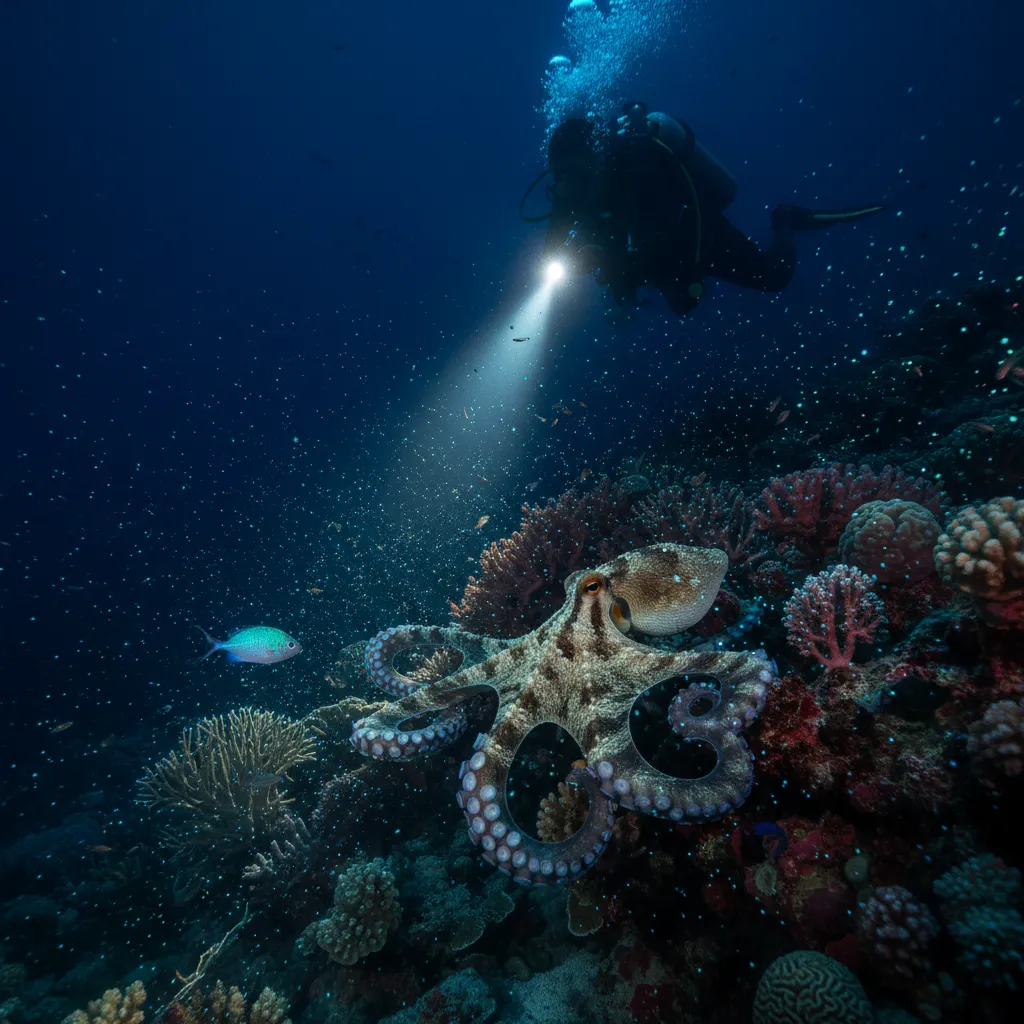
Plunging into the ocean after sunset reveals a world transformed. Familiar reefs become an entirely new landscape under the beam of a dive torch, where the daytime inhabitants have retreated to sleep. In their place, a vibrant cast of nocturnal creatures emerges, from hunting octopuses and moray eels to delicate crustaceans and colourful basket stars unfurling their arms to feed. One of the most enchanting experiences is witnessing bioluminescence, where a simple wave of your hand can ignite a sparkling constellation of light in the water.
The best night diving destinations offer more than just fascinating marine life. Ideal locations feature calm, clear, and warm waters, making for comfortable and safe exploration. Accessible shore dives and diverse reef structures provide the perfect underwater stage, while a strong network of experienced dive operators ensures proper guidance and safety protocols. These destinations combine predictable conditions with incredible biodiversity, creating unforgettable nocturnal adventures.
To fully enjoy this unique experience, divers need specific skills and equipment. Excellent buoyancy control is paramount to avoid disturbing the fragile nocturnal environment and its inhabitants. Essential gear includes a reliable primary dive torch, a smaller backup light, and a compass for navigation. While countless sites offer fantastic night dives, some have achieved legendary status, like the famous manta ray night dive in Kona, Hawaii, which highlights the incredible encounters only possible after dark.
At a Glance
| Destination | Difficulty | Best Months |
|---|---|---|
| Sulawesi, IndonesiaIndonesia | All Levels | Jan-Dec |
| Lombok & Gili Islands, IndonesiaIndonesia | All Levels | Jan-Dec |
| Bali, IndonesiaIndonesia | All Levels | Jan-Dec |
| Raja Ampat, IndonesiaIndonesia | All Levels | Jan-Dec |
| Komodo, IndonesiaIndonesia | All Levels | Jan-Dec |
| Grand Cayman, Cayman IslandsCayman Islands | All Levels | Jan-Dec |
| Curaçao Southeast, CuraçaoCuraçao | All Levels | Jan-Dec |
| Klein Bonaire, BonaireBonaire | All Levels | Jan-Dec |
| Perhentian Islands, MalaysiaMalaysia | All Levels | Jan-Apr, Aug-Dec |
| Sipadan, MalaysiaMalaysia | All Levels | Jan-Dec |
| Inner Islands, SeychellesSeychelles | All Levels | Jan-Dec |
| Apo Reef, PhilippinesPhilippines | All Levels | Jan-Dec |
| Roatán, HondurasHonduras | All Levels | Jan-Dec |
| Florida Keys, United StatesUnited States | All Levels | Mar-Jun, Sep-Nov |
| Similan Islands, ThailandThailand | All Levels | Jan-Dec |
| Bohol, PhilippinesPhilippines | All Levels | Jan-Dec |
| Great Barrier Reef, AustraliaAustralia | All Levels | Jan-Dec |
| Siargao, PhilippinesPhilippines | All Levels | Jan-Dec |
| Arraial do Cabo, BrazilBrazil | All Levels | Jan-Dec |
| Tioman Island, MalaysiaMalaysia | All Levels | Jan-Dec |
Sulawesi, Indonesia
Indonesia
When the sun sets over Sulawesi, the underwater world awakens in a completely new way. The calm, bathtub-warm 30°C waters, accessible year-round, transform familiar reefs into otherworldly landscapes. With your torch beam cutting through the darkness, you'll witness a changing of the guard among the region's staggering 1227 marine species, as daytime dwellers retreat and the creatures of the night emerge to hunt and forage under the cover of darkness.
Prepare to be mesmerized by the nocturnal theatre. Hunting moray eels slither free from their crevices, colourful Spanish Dancers perform their hypnotic ballet, and decorator crabs scuttle across the seafloor in their intricate camouflage. The experience is often punctuated by moments of pure magic; simply turn off your torch and wave your hands to ignite the water with sparkling bioluminescence. While dedicated manta ray night dives are rare, many of the 17 dive centres offer incredible squid night dives, where swarms of cephalopods are drawn to the lights in a dazzling, inky display.
Difficulty
All Levels
Best Months
Jan-Dec
Water Temp
29-30°C
Dive Centres
17
Practical Info
- species Count:
- 1227
- water Temp:
- 30°C avg
- best For:
- Bioluminescence, nocturnal creatures, macro photography
Did you know?
Did you know that Sulawesi's reefs are a prime spot to find the epaulette shark? This remarkable 'walking' shark uses its pectoral fins to crawl along the seabed at night while hunting for small crustaceans and worms.
Lombok & Gili Islands, Indonesia
Indonesia
As the sun sets over the Indonesian archipelago, the underwater world of Lombok and the Gili Islands undergoes a breathtaking transformation. With an incredible 816 marine species recorded, many of which are nocturnal, a night dive here reveals a secret side to the reef. The calm, bath-like 29°C water creates a serene and comfortable environment, allowing you to focus on the drama unfolding in your torch beam. Creatures that hide during the day, like ornate ghost pipefish, colourful Spanish dancer nudibranchs, and various species of crabs and lobsters, emerge to hunt and forage under the cover of darkness.
The experience is a true sensory shift. Your world narrows to the focused light in front of you, revealing moray eels free-swimming in search of a meal and octopuses changing colour as they crawl across the coral. One of the most magical moments is when the dive guide signals for everyone to turn off their lights. By waving your hands through the water, you can spark a galaxy of bioluminescent plankton, creating glittering trails of light in the pitch-black sea. While dedicated manta ray night dives are rare, the sheer biodiversity means every dive is unpredictable, and specialized squid night dives are often available, offering a chance to witness these intelligent cephalopods in action.
Difficulty
All Levels
Best Months
Jan-Dec
Water Temp
28-30°C
Dive Centres
182
Practical Info
- species Count:
- 816
- water Temp:
- 29°C avg
- best For:
- Bioluminescence, nocturnal creatures, macro photography
Did you know?
Did you know that at night, you can often find parrotfish sleeping soundly inside a protective, transparent mucus cocoon they secrete around themselves to mask their scent from predators like moray eels?
Bali, Indonesia
Indonesia
When the sun sets over Bali, an entirely new underwater world awakens, offering a completely different diving experience. The warm, placid waters, averaging 30°C with virtually no waves, create the perfect conditions for exploring the nocturnal side of the island's staggering biodiversity. With your dive torch cutting through the darkness, you'll discover a hidden ecosystem where the shy and secretive creatures of the day emerge to hunt and play, transforming familiar dive sites into mysterious and thrilling new landscapes.
The true stars of Bali's night dives are the critters. Your light beam will catch the flamboyant undulations of a Spanish dancer nudibranch, the intricate camouflage of decorator crabs, and the glowing eyes of countless shrimp. Cuttlefish and octopus patrol the reefs, and with a flick of your wrist to agitate the water, you can ignite a mesmerizing spectacle of bioluminescent plankton, creating a personal underwater galaxy. While specific manta or squid night dives aren't a staple, the sheer abundance of unique macro life and the enchanting atmosphere make every nocturnal plunge an unforgettable adventure.
Difficulty
All Levels
Best Months
Jan-Dec
Water Temp
29-31°C
Dive Centres
19
Practical Info
- species Count:
- 2013
- water Temp:
- 30°C avg
- best For:
- Bioluminescence, nocturnal creatures, macro photography
Did you know?
The vibrant Spanish Dancer, a large sea slug often seen on night dives in Bali, not only 'dances' through the water to move but also lays its eggs in a beautiful, rose-like ribbon.
Raja Ampat, Indonesia
Indonesia
When the sun dips below the horizon in Raja Ampat, the world's most biodiverse marine ecosystem reveals its second act. The famously placid and warm 30°C waters become a stage for a completely new cast of characters. With 851 recorded marine species, many of which are nocturnal, a night dive here is an entirely different experience, showcasing the bustling, hidden life of the reef under the quiet cover of darkness.
Your dive torch will illuminate creatures you'd never see during the day. Hunting octopuses, free-swimming moray eels, and countless species of crustaceans emerge from their daytime hideouts. A truly magical moment is turning off your torch to witness the spectacle of bioluminescence, where a wave of your hand ignites a sparkling cloud of plankton. While dedicated manta ray or large-scale squid night dives aren't a staple attraction, the sheer density of macro life and reef activity, from feeding coral polyps to hunting cuttlefish, makes every night dive an unforgettable exploration.
Difficulty
All Levels
Best Months
Jan-Dec
Water Temp
29-30°C
Dive Centres
28
Practical Info
- species Count:
- 851
- water Temp:
- 30°C avg
- best For:
- Bioluminescence, nocturnal creatures, macro photography
Did you know?
Raja Ampat is home to the epaulette shark, a unique species that 'walks' along the seafloor on its pectoral fins at night to hunt for small crustaceans in the shallow reefs.
Komodo, Indonesia
Indonesia
When the sun dips below the horizon in Komodo National Park, a completely different world awakens beneath the waves. The calm, 29°C waters, with an average wave height of zero, create the perfect glass-like surface for a descent into the dark. Your dive torch becomes your paintbrush, illuminating a secret world as the daytime reef dwellers retreat and the nocturnal predators emerge. The atmosphere is one of serene mystery, where every sweep of your light reveals a new creature or a hidden behaviour, turning a familiar dive site into an entirely new adventure.
The sheer biodiversity, with over 709 marine species, truly shines after dark. You'll encounter moray eels free-swimming on the hunt, decorator crabs meticulously arranging their camouflage, and the vibrant colours of Spanish Dancer nudibranchs. Keep an eye out for octopus and cuttlefish flashing their chromatophores, and don't forget to turn off your torch for a moment and wave your hands to ignite the dazzling spectacle of bioluminescence. While specific squid or manta night dives are not standard charters, the possibility of chance encounters with these majestic animals adds an extra layer of thrilling unpredictability to every dive.
Difficulty
All Levels
Best Months
Jan-Dec
Water Temp
28-30°C
Dive Centres
30
Practical Info
- species Count:
- 709
- water Temp:
- 29°C avg
- best For:
- Bioluminescence, nocturnal creatures, macro photography
Did you know?
Many of Komodo's parrotfish secrete a protective mucus cocoon to sleep in at night, which not only shields them from parasites but also masks their scent from predators like moray eels.
Grand Cayman, Cayman Islands
Cayman Islands
When the sun dips below the horizon in Grand Cayman, the reef's vibrant day shift gives way to a mysterious and thrilling new world. The famously calm and warm waters, averaging 29°C, make for an incredibly comfortable and serene entry into the darkness. Your dive torch will reveal the reef's hidden nocturnal residents among the 965 marine species recorded here. Watch as octopus unfurl from their dens to hunt, spiny lobsters march across the sand, and intricate basket stars open their feathery arms to feed in the current.
The true magic of a Cayman night dive often happens when the lights go out. A simple wave of your hand ignites a cascade of bioluminescence, creating an unforgettable underwater light show. While dedicated manta ray feeding dives are not a staple here, the thrill of encountering hunting squid and moray eels is just as captivating. With year-round ideal conditions and numerous dive centres offering nightly excursions, discovering the secrets of the reef after dark is an essential Grand Cayman experience.
Difficulty
All Levels
Best Months
Jan-Dec
Water Temp
27-30°C
Dive Centres
13
Practical Info
- species Count:
- 965
- water Temp:
- 29°C avg
- best For:
- Bioluminescence, nocturnal creatures, macro photography
Did you know?
Did you know that parrotfish in Grand Cayman create a protective mucus cocoon to sleep in at night? This slimy sleeping bag masks their scent, hiding them from nocturnal predators like moray eels while they rest.
Curaçao Southeast, Curaçao
Curaçao
When the sun dips below the horizon in Southeast Curaçao, the reef undergoes a magical transformation. The calm, 28°C waters, with an average wave height of zero, provide a perfectly serene stage for the ocean's night shift. Your dive light becomes a spotlight, revealing a world hidden during the day, where the colors appear more vibrant and the atmosphere is one of quiet discovery and thrilling encounters.
The coral gardens come alive with a new cast of characters from the region's 717 recorded marine species. Watch as octopus and squid hunt across the reef, moray eels free-swim in search of prey, and spiny lobsters march boldly across the sand. A wave of your hand can ignite a dazzling display of bioluminescence, creating sparks of light in the darkness. While Curaçao is not known for organized manta ray night dives, the sheer density of nocturnal activity, from hunting tarpon to delicate basket stars unfurling their arms, makes every night dive an unforgettable adventure.
Difficulty
All Levels
Best Months
Jan-Dec
Water Temp
27-30°C
Dive Centres
34
Practical Info
- species Count:
- 717
- water Temp:
- 28°C avg
- best For:
- Bioluminescence, nocturnal creatures, macro photography
Did you know?
Many of Curaçao's parrotfish secrete a protective mucus cocoon to sleep in at night. This 'sleeping bag' is believed to mask their scent from nocturnal predators like moray eels.
Klein Bonaire, Bonaire
Bonaire
As the Caribbean sun dips below the horizon, the tranquil waters surrounding Klein Bonaire transform into an entirely new world. With an average water temperature of a balmy 28°C and virtually no waves, Bonaire offers some of the most serene and accessible night diving experiences on the planet. Your dive light becomes a spotlight, cutting through the darkness to reveal a secret side of the reef. The vibrant daytime ecosystem gives way to a bustling nocturnal metropolis, where many of the island's 526 recorded marine species, from hunting moray eels to giant lobsters, emerge from their daytime hiding spots to forage under the cover of night.
The magic of a Bonaire night dive lies in these incredible encounters. You might spot an octopus gracefully flowing over the coral, its skin changing colors in the beam of your torch, or find a parrotfish sleeping soundly inside a protective mucus bubble it creates each evening. Turn off your light for a moment and wave your hands through the water to witness the breathtaking spectacle of bioluminescence, as thousands of tiny organisms create a sparkling, starry sky beneath the waves. This otherworldly light show is a highlight for many divers, adding a layer of pure enchantment to the experience.
While some destinations are famous for specific large animal night dives, like manta ray or squid congregations, Bonaire's night diving focuses on the incredible biodiversity of its protected reefs. The thrill here is in the exploration and discovery of the intricate web of nocturnal life. You'll be captivated by the smaller, often-overlooked creatures that take center stage after dark, making every dive a unique and unforgettable adventure into the mysterious heart of the reef.
Difficulty
All Levels
Best Months
Jan-Dec
Water Temp
27-30°C
Dive Centres
20
Practical Info
- species Count:
- 526
- water Temp:
- 28°C avg
- best For:
- Bioluminescence, nocturnal creatures, macro photography
Did you know?
Did you know that many parrotfish on Bonaire's reefs sleep in a self-made mucus cocoon? This slimy sleeping bag helps mask their scent from nocturnal predators like moray eels.
Perhentian Islands, Malaysia
Malaysia
As the sun dips below the horizon, the calm, 30°C waters of Malaysia's Perhentian Islands reveal an entirely new world. The vibrant daytime reef gives way to a mysterious, thrilling landscape illuminated only by your dive torch. With over 441 recorded marine species, many of which are nocturnal, a night dive here is like attending a secret, after-hours party on the reef. The tranquil conditions, with an average wave height of zero, create a serene yet exhilarating atmosphere for exploring this hidden dimension of the ocean.
Your torch beam will catch the glint of a hunting moray eel's eye, or reveal a colourful parrotfish sleeping soundly in its self-made mucus cocoon. Look closely in the crevices for scuttling crabs, lobsters, and sleeping turtles tucked away for the night. The real magic happens when you switch off your light; a wave of your hand through the water can ignite a spectacular display of bioluminescent plankton, sparkling like underwater stars. While dedicated manta or squid night dives are not a standard offering, the sheer diversity on a regular night dive is astounding, with squid often seen hunting in the torchlight and an entirely different cast of characters emerging from the reef.
Difficulty
All Levels
Best Months
Jan-Apr, Aug-Dec
Water Temp
28-31°C
Dive Centres
30
Practical Info
- species Count:
- 441
- water Temp:
- 30°C avg
- best For:
- Bioluminescence, nocturnal creatures, macro photography
Did you know?
Many parrotfish species in the Perhentians create a protective, transparent mucus cocoon to sleep in each night. This slimy sleeping bag masks their scent, hiding them from nocturnal predators like moray eels.
Sipadan, Malaysia
Malaysia
As the sun sets over Sipadan, the reef's daily hustle gives way to a mysterious and thrilling new world. With the water temperature a balmy 30°C and the waves often perfectly calm, conditions are ideal for exploring the nocturnal side of this biodiverse paradise. The familiar daytime sights transform as the beam of your torch cuts through the darkness, revealing the hidden lives of creatures that emerge only after dusk. It's a serene, yet exhilarating, atmosphere as you witness the reef's 'night shift' take over.
The sheer diversity, with 433 recorded marine species, means every dive is a unique discovery. You'll encounter moray eels free-swimming on the hunt, decorator crabs meticulously arranging their camouflage, and perhaps even sleeping turtles tucked safely into coral alcoves. Turn off your torch and wave your hands to ignite the magic of bioluminescence, watching the water sparkle with living light. While dedicated manta or squid night dives are not a primary offering, the abundance of life means encounters with hunting cephalopods and other fascinating nocturnal predators are a common and unforgettable part of the Sipadan night diving experience.
Difficulty
All Levels
Best Months
Jan-Dec
Water Temp
28-31°C
Dive Centres
21
Practical Info
- species Count:
- 433
- water Temp:
- 30°C avg
- best For:
- Bioluminescence, nocturnal creatures, macro photography
Did you know?
Sipadan's famous giant Bumphead Parrotfish create their own sleeping bags at night by secreting a transparent mucus cocoon around their bodies, which masks their scent from hunting predators.
Inner Islands, Seychelles
Seychelles
When the sun dips below the horizon in the Seychelles' Inner Islands, a completely new underwater world awakens. The famously calm and warm 29°C waters provide the perfect, serene stage for a night dive. As you descend into the dark, your torch beam becomes your entire world, cutting through the black to reveal the reef's hidden nocturnal life. The familiar daytime hustle is replaced by a tranquil, mysterious atmosphere, where the focus shifts from panoramic reefscapes to the intricate details of creatures emerging from their daytime hideouts.
This is when many of the area's 419 marine species become active. Moray eels leave their lairs to hunt freely, crabs and lobsters scuttle across the seafloor, and you might spot a parrotfish sleeping soundly inside a self-made mucus cocoon. Waving your hand through the water can trigger a magical explosion of bioluminescent plankton, like a personal underwater fireworks display. While specific, organised manta ray or squid night dives are not common attractions in the Seychelles, the thrill of encountering these and other cephalopods on any given night dive is a very real and exciting possibility.
Difficulty
All Levels
Best Months
Jan-Dec
Water Temp
27-30°C
Dive Centres
21
Practical Info
- species Count:
- 419
- water Temp:
- 29°C avg
- best For:
- Bioluminescence, nocturnal creatures, macro photography
Did you know?
Did you know that many parrotfish in the Seychelles build a transparent mucus cocoon around themselves to sleep in at night? This slimy sleeping bag helps mask their scent from nocturnal predators like moray eels.
Apo Reef, Philippines
Philippines
When the sun dips below the horizon at Apo Reef, the underwater world undergoes a breathtaking transformation. The calm, 29°C waters, often with zero wave height, become a stage for the reef's nocturnal residents. With your dive torch as your guide, you'll see the familiar coral gardens in a completely new light, revealing the hidden behaviours of a vast ecosystem. The atmosphere is one of serene mystery, where the sounds of the day are replaced by the quiet movements of creatures emerging from their daytime slumber among the 405 recorded marine species.
Your light beam will catch the glowing eyes of hunting moray eels, scuttling crabs, and vibrant lobsters. You might spot sleeping parrotfish tucked into their protective mucus cocoons or discover cephalopods like squid and octopus changing colours as they hunt. A truly magical experience is turning off your torch to witness the natural light show of bioluminescence, where every fin kick ignites a trail of sparkling plankton. While dedicated manta ray night dives are uncommon, the possibility always exists in such a rich environment; however, many of the 61 local dive centres can arrange spectacular squid night dives, a must-do for any visiting diver.
Difficulty
All Levels
Best Months
Jan-Dec
Water Temp
28-30°C
Dive Centres
61
Practical Info
- species Count:
- 405
- water Temp:
- 29°C avg
- best For:
- Bioluminescence, nocturnal creatures, macro photography
Did you know?
Many parrotfish in Apo Reef create a protective, transparent mucus cocoon to sleep in each night, which not only shields them from parasites but also masks their scent from nocturnal predators.
Roatán, Honduras
Honduras
When the sun dips below the horizon in Roatán, the world-famous Mesoamerican Reef reveals its other, secret life. The calm, warm waters, averaging a blissful 29°C, set the perfect stage for a completely different cast of characters to emerge from the coral. With over 398 marine species recorded here, a night dive transforms a familiar site into a thrilling new world, where your torch beam becomes a spotlight for the hidden drama of the reef after dark.
Follow your light to discover octopus hunting along the reef, their skin flashing with changing colours, or spot spiny lobsters marching boldly in the open. You'll see delicate basket stars unfurl their intricate arms to feed and might be lucky enough to witness the thrilling sight of squid jetting through the darkness. A highlight of any Roatán night dive is switching off your torch to experience the magic of bioluminescence, especially the famous "string of pearls" phenomenon. While organized manta ray night dives are not a staple here, the sheer abundance of active nocturnal life, from crabs to moray eels, makes every descent an unforgettable adventure.
Difficulty
All Levels
Best Months
Jan-Dec
Water Temp
27-30°C
Dive Centres
40
Practical Info
- species Count:
- 398
- water Temp:
- 29°C avg
- best For:
- Bioluminescence, nocturnal creatures, macro photography
Did you know?
The spectacular "string of pearls" light show often seen on Roatán night dives is a bioluminescent mating display created by tiny crustaceans known as ostracods.
Florida Keys, United States
United States
When the sun dips below the horizon in the Florida Keys, the vibrant coral reefs undergo a breathtaking transformation. The daytime crowds of fish retreat, and a new cast of characters emerges under the focused beam of your dive light. With exceptionally calm, warm waters averaging 26°C, you can drift effortlessly through a serene, yet thrilling, underwater world. The darkness amplifies every sound and movement, creating an intimate and mysterious atmosphere that's completely different from a day dive.
The reef's 'night shift' is a spectacular sight, with many of the region's 389 marine species revealing their nocturnal habits. Watch as spiny lobsters march across the sand, octopuses hunt for crabs, and moray eels free-swim in the open. If you turn off your light and wave your hands, you may witness the magic of bioluminescence, creating glittering trails of plankton in the dark. While organized manta ray feeding dives aren't a feature of the Keys, the abundance of other life, including frequent encounters with squid and hunting nurse sharks, provides more than enough nocturnal excitement.
Difficulty
All Levels
Best Months
Mar-Jun, Sep-Nov
Water Temp
19-32°C
Dive Centres
88
Practical Info
- species Count:
- 389
- water Temp:
- 26°C avg
- best For:
- Bioluminescence, nocturnal creatures, macro photography
Did you know?
Did you know that many parrotfish in the Florida Keys create a protective mucus cocoon to sleep in at night? This slimy sleeping bag masks their scent from nocturnal predators like moray eels.
Similan Islands, Thailand
Thailand
When the sun sets over the Andaman Sea, the Similan Islands reveal a completely different, magical personality. Descending into the calm, warm 29°C waters at night is a serene yet thrilling experience. Your dive torch illuminates a world in motion, as the reef's nocturnal inhabitants emerge from their daytime hiding spots to hunt and forage. The atmosphere is one of quiet discovery, where the familiar underwater landscape feels brand new and full of secrets.
With 389 marine species recorded here, the night shift is busy. You'll likely encounter hunting moray eels, scuttling crabs, and colorful Spanish Dancers. One of the most enchanting experiences is witnessing bioluminescence; simply turn off your light and wave your hands to see the water sparkle with living light. While the Similans are not specifically known for organized manta or squid night dives, the sheer number of dive sites and centers means it's always worth inquiring about special charters to witness these incredible nocturnal events.
Difficulty
All Levels
Best Months
Jan-Dec
Water Temp
29-31°C
Dive Centres
119
Practical Info
- species Count:
- 389
- water Temp:
- 29°C avg
- best For:
- Bioluminescence, nocturnal creatures, macro photography
Did you know?
Many of the parrotfish you see during the day in the Similans create a protective mucus cocoon to sleep in at night. This 'sleeping bag' masks their scent from nocturnal predators like moray eels.
Bohol, Philippines
Philippines
When the sun sets over Bohol, the underwater world awakens in a completely different way. The calm, bath-warm waters, averaging 29°C with virtually no waves, create the perfect conditions for an unforgettable night dive. As daylight fades, the vibrant colours of the reef give way to a mysterious, focused world illuminated only by your torch beam, revealing the secret lives of creatures that hide during the day.
Prepare to be mesmerized as the reef's nocturnal residents emerge. Witness moray eels free-swimming from their crevices, decorator crabs scuttling across coral, and the masters of camouflage like octopuses and squid hunting in the dark. While dedicated manta night dives are not a staple, the sheer biodiversity means incredible encounters are always on the table. For a truly magical moment, turn off your torch and wave your hands through the water to spark a dazzling light show of bioluminescent plankton, an experience that feels like floating through the stars.
Difficulty
All Levels
Best Months
Jan-Dec
Water Temp
28-30°C
Dive Centres
103
Practical Info
- species Count:
- 386
- water Temp:
- 29°C avg
- best For:
- Bioluminescence, nocturnal creatures, macro photography
Did you know?
Did you know many of Bohol's 386 recorded marine species are nocturnal? This means the reef completely transforms after dark, revealing a vibrant community of hunters and foragers that remain hidden during the day.
Great Barrier Reef, Australia
Australia
When the sun dips below the horizon on the Great Barrier Reef, the underwater world undergoes a breathtaking transformation. The bustling daytime reef gives way to a serene, mysterious landscape, revealed only by the focused beam of your dive torch. In the calm, warm 27°C waters, you'll discover a completely different cast of characters as the nocturnal inhabitants emerge from their daytime hideouts. It's a peaceful yet thrilling experience, like exploring an entirely new reef for the first time.
The reef's 'night shift' is a spectacular sight, featuring many of the 372 recorded marine species. Watch as reef sharks patrol the coral gardens, octopuses and cuttlefish hunt for prey, and colourful crustaceans like painted crayfish venture out to forage. While large, organised manta ray night dives are not a staple here, you will frequently encounter squid and other cephalopods in your torch beam. The true magic often happens when you turn your light off completely; wave your hands and witness the water ignite with sparkling bioluminescence, creating an unforgettable underwater light show.
Difficulty
All Levels
Best Months
Jan-Dec
Water Temp
25-30°C
Dive Centres
17
Practical Info
- species Count:
- 372
- water Temp:
- 27°C avg
- best For:
- Bioluminescence, nocturnal creatures, macro photography
Did you know?
Did you know that many parrotfish on the Great Barrier Reef create a protective mucus cocoon to sleep in at night? This transparent sleeping bag helps mask their scent from nocturnal predators like moray eels.
Siargao, Philippines
Philippines
When the sun sets on Siargao, the underwater world reveals its other self. The calm, glassy waters, averaging a balmy 29°C year-round, create the perfect stage for a nocturnal spectacle. As you descend into the quiet dark, your dive torch beam cuts through the water, illuminating a reef transformed. The daytime frenzy is replaced by a serene, mysterious atmosphere where many of Siargao's 361 recorded marine species begin their nightly routines.
Your light will catch moray eels free-swimming from their crevices, octopuses hunting across the coral, and countless crustaceans scuttling over the seafloor. A truly magical moment is turning off your torch and waving your hands to ignite the bioluminescent plankton, creating glittering trails of light in the darkness. While specific manta ray night dives aren't a staple here, encounters with hunting squid are common, and the sheer abundance of unique macro life, from Spanish Dancers to sleeping parrotfish, makes every night dive an essential Siargao experience.
Difficulty
All Levels
Best Months
Jan-Dec
Water Temp
28-30°C
Dive Centres
17
Practical Info
- species Count:
- 361
- water Temp:
- 29°C avg
- best For:
- Bioluminescence, nocturnal creatures, macro photography
Did you know?
Many parrotfish in Siargao create a protective mucus cocoon to sleep in each night. This transparent bubble masks their scent, making them invisible to nocturnal predators like moray eels.
Arraial do Cabo, Brazil
Brazil
When the sun sets over Arraial do Cabo, the underwater world reveals its other, more mysterious self. The famously calm and clear waters provide the perfect stage for a mesmerizing nocturnal performance, where many of the region's 427 marine species emerge to hunt and forage. As daytime fish retreat into crevices, your dive light will catch the glowing eyes of lobsters, the silent hunt of an octopus, and moray eels free-swimming in search of a meal, transforming familiar dive sites into thrilling new landscapes.
One of the most magical experiences is witnessing the natural light show of bioluminescence. Simply waving your hand through the water can trigger a sparkling cloud of light from microscopic plankton. While specific manta ray night dives aren't a standard offering, encounters with various species of rays and fast-moving squid are common highlights for nocturnal explorers. With 27 dive centers in the area, you'll have expert guidance to witness this incredible after-dark spectacle year-round.
Difficulty
All Levels
Best Months
Jan-Dec
Water Temp
22-27°C
Dive Centres
27
Practical Info
- species Count:
- 427
- water Temp:
- 24°C avg
- best For:
- Bioluminescence, nocturnal creatures, macro photography
Did you know?
Many of Arraial do Cabo's coral species are nocturnal feeders, extending their colorful polyps to catch plankton only after dark, creating a fuzzy, vibrant texture on the reef that is completely invisible to daytime divers.
Tioman Island, Malaysia
Malaysia
As the sun dips below the horizon on Tioman Island, the vibrant coral reefs undergo a breathtaking transformation. Plunging into the calm, warm 30°C waters at night is like entering another dimension. With your dive torch cutting through the darkness, the familiar underwater landscape reveals a secret world, where a new cast of characters emerges from the shadows to hunt, feed, and explore under the cover of darkness.
Among the 346 marine species recorded here, many are nocturnal. You'll witness moray eels free-swimming from their crevices, colourful crabs and lobsters scuttling across the seabed, and sleeping parrotfish tucked away in their protective mucus cocoons. A truly magical moment is turning off your torch and waving your hands to ignite the bioluminescent plankton, creating a sparkling underwater light show. While dedicated manta ray night dives are uncommon, many of the island's 36 dive centres offer incredible opportunities to witness squid and cuttlefish as they hunt, their skin flashing with hypnotic, changing colours.
Difficulty
All Levels
Best Months
Jan-Dec
Water Temp
28-31°C
Dive Centres
36
Practical Info
- species Count:
- 346
- water Temp:
- 30°C avg
- best For:
- Bioluminescence, nocturnal creatures, macro photography
Did you know?
Did you know that many of the parrotfish on Tioman's reefs create a protective mucus bubble around themselves to sleep in at night? This clever cocoon helps mask their scent, hiding them from nocturnal predators like moray eels.
Frequently Asked Questions
Is night diving scary?
While it can be intimidating at first, most divers find night diving to be a calm and peaceful experience. Your focus narrows to the beam of your torch, reducing sensory overload and revealing details you might miss during the day. Proper training and diving with an experienced guide will quickly build your confidence.
What certification is needed for night diving?
To go night diving, you typically need at least an Open Water Diver certification and should complete a night dive as part of an Advanced Open Water course or a dedicated Night Diver specialty course. These courses teach you essential skills like navigation, communication, and safety procedures for diving in the dark.
What can you see on a night dive that you can't see during the day?
Night dives reveal a completely different set of marine life, including nocturnal hunters like octopuses, moray eels, and various sharks. You'll also see crustaceans like lobsters and crabs foraging, corals extending their polyps to feed, and often witness the magical glow of bioluminescent plankton.
What is the best type of torch for night diving?
The best primary dive torch has a powerful, focused beam (typically over 800 lumens) and a long battery life. It's crucial to also carry a smaller, reliable backup torch in case your primary light fails. Many divers prefer lights with adjustable brightness settings to adapt to different situations.
How deep do you go on a night dive?
Night dives are almost always conducted in shallow water, typically less than 18 meters (60 feet). This is because much of the most active nocturnal life is found in shallower reef areas. Staying shallow also conserves air and extends bottom time for a more relaxed dive.