Best Whale Shark Diving Destinations
Swim alongside the world's largest fish in these bucket-list destinations
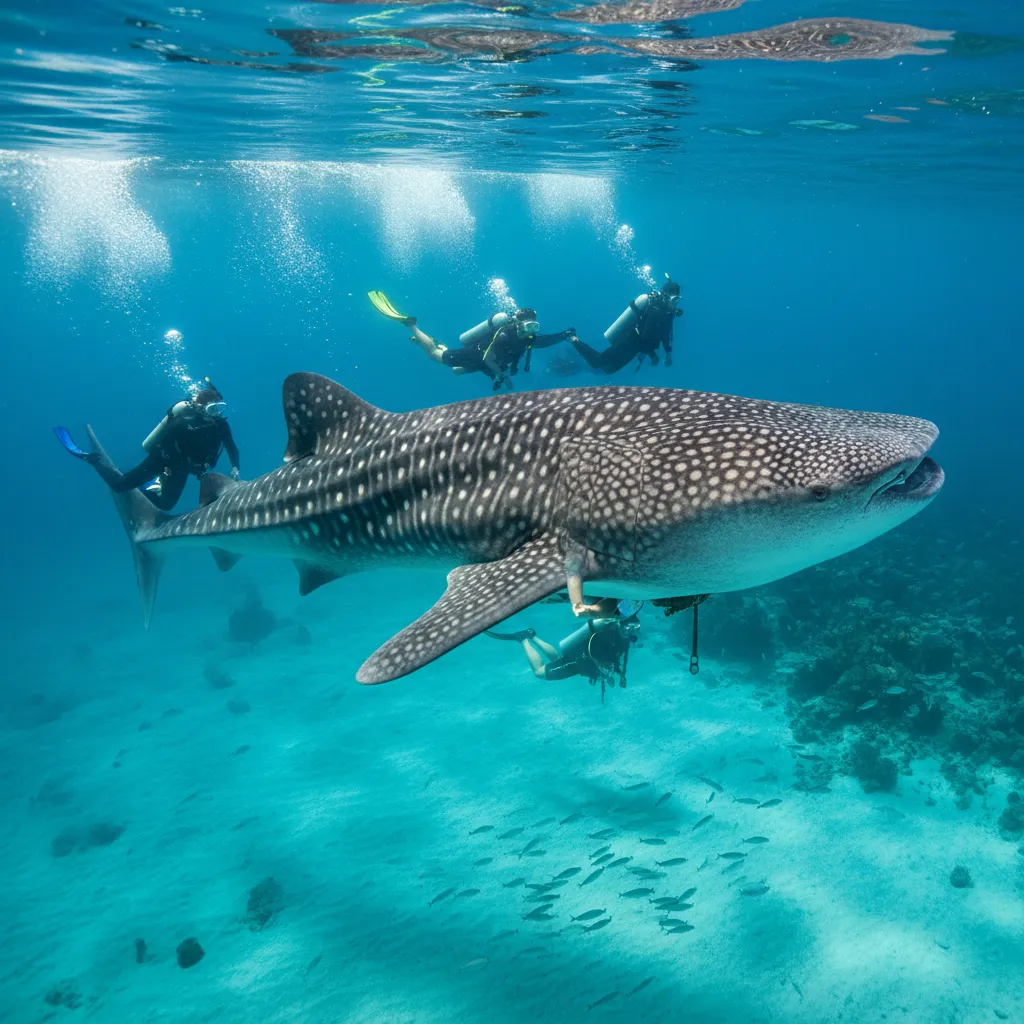
Swimming alongside a whale shark is the ultimate bucket-list experience for any ocean lover. As the largest fish in the sea, these gentle giants can reach lengths of over 18 meters (60 feet), yet their placid nature and filter-feeding diet make them harmless companions in the water. An encounter with these magnificent, star-dusted creatures is a humbling and unforgettable moment that connects you directly to the wild, untamed beauty of the marine world. Planning a trip to see them is a journey to witness one of nature's greatest spectacles.
Despite their massive size, whale sharks (Rhincodon typus) are not whales, but rather the world's largest species of fish. They are filter feeders, cruising the upper layers of the ocean with their cavernous mouths open to consume vast quantities of plankton, krill, and small fish. Each whale shark possesses a unique pattern of white spots and stripes on its dark grey skin, which acts like a fingerprint, allowing researchers to identify and track individuals. This docile behaviour and surface-feeding habit make them accessible and safe to observe in their natural habitat.
Whale shark encounters are highly seasonal, as these migratory animals follow plankton blooms around the globe. This leads to predictable aggregations in specific hotspots, creating incredible opportunities for both scuba divers and snorkelers. In many top destinations, snorkeling is the primary way to interact with them, as they often feed right at the surface. Whether you're floating above them or observing from a respectful distance on scuba, the key is to time your visit with the peak whale shark season for the best chance of a magical encounter.
To protect these vulnerable creatures, responsible tourism is paramount. Always choose operators who follow strict interaction guidelines. This includes maintaining a safe distance (at least 3 meters away), never touching the animal, avoiding flash photography, and not blocking their swimming path. By following these simple rules, you help ensure that whale sharks remain safe and that future generations can continue to marvel at their majestic presence in our oceans. Your responsible choices contribute directly to the conservation of this incredible species.
At a Glance
| Destination | Difficulty | Best Months |
|---|---|---|
| Cozumel, MexicoMexico | All Levels | Mar-May, Aug-Sep, Nov |
| Bali, IndonesiaIndonesia | All Levels | Jan-Dec |
| Lombok & Gili Islands, IndonesiaIndonesia | All Levels | Jan-Dec |
| Nassau & New Providence, BahamasBahamas | All Levels | Jan-Dec |
| Utila, HondurasHonduras | All Levels | Jan-Dec |
| Galápagos Islands, EcuadorEcuador | All Levels | Jan-Dec |
| Sipadan, MalaysiaMalaysia | All Levels | Jan-Dec |
| South Malé Atoll, MaldivesMaldives | All Levels | Jan-Dec |
| Tioman Island, MalaysiaMalaysia | All Levels | Jan-Dec |
| Marsa Alam, EgyptEgypt | All Levels | Jan-Jul, Sep-Dec |
| North Malé Atoll, MaldivesMaldives | All Levels | Jan-Dec |
| Vaavu Atoll, MaldivesMaldives | All Levels | Jan-Dec |
| Rasdhoo Atoll, MaldivesMaldives | All Levels | Jan-Dec |
| Sulawesi, IndonesiaIndonesia | All Levels | Jan-Dec |
| Sharm el-Sheikh, EgyptEgypt | All Levels | Jan-Dec |
| Siargao, PhilippinesPhilippines | All Levels | Jan-Dec |
| Perhentian Islands, MalaysiaMalaysia | All Levels | Jan-Apr, Aug-Dec |
| Similan Islands, ThailandThailand | All Levels | Jan-Dec |
| Roatán, HondurasHonduras | All Levels | Jan-Dec |
| Bazaruto Archipelago, MozambiqueMozambique | All Levels | Jan-Dec |
Cozumel, Mexico
Mexico
Cozumel is a diver's dream, and for those hoping to encounter the ocean's largest fish, it serves as a fantastic launchpad for whale shark expeditions. While occasional sightings are recorded in Cozumel's waters, the most reliable encounters happen during the summer aggregation in the waters north of the Yucatan Peninsula, easily accessible as a day trip. To protect these gentle giants as they feed near the surface, interactions are exclusively done while snorkeling, not on scuba. This allows for an intimate, unobtrusive experience as you swim alongside these magnificent, polka-dotted creatures in the warm, blue sea.
Beyond the whale shark quest, Cozumel's underwater ecosystem is breathtakingly diverse. The water temperature hovers between a blissful 27-30°C, creating perfect conditions to explore some of the 219 official dive sites. When you're not looking for whale sharks, you can expect to see some of the other 12 pelagic species that frequent the area, including majestic eagle rays, sea turtles, and seasonal billfish. The best months to visit for optimal diving conditions are March through May, August through September, and November, offering a wide window to plan your adventure.
Difficulty
All Levels
Best Months
Mar-May, Aug-Sep, Nov
Water Temp
27-30°C
Visibility
21-25 nmi
Dive Centres
86
Practical Info
- best Season:
- Mar-May, Aug-Sep, Nov
- typical Encounter:
- Seasonal aggregations, plankton-rich areas
- snorkel Or Dive:
- Both - snorkelling often preferred for surface encounters
Did you know?
The whale shark aggregation near the Yucatan Peninsula is the largest known gathering of its kind in the world, often referred to as the 'Afuera', where hundreds of sharks convene to feed on plankton.
Bali, Indonesia
Indonesia
While Bali is famed for its vibrant reefs and mola mola, the gentle giants of the ocean, whale sharks, are also a spectacular highlight for lucky visitors. Sightings are recorded year-round, often becoming more predictable as the sharks aggregate around traditional fishing platforms known as 'bagans'. They are drawn to the small baitfish that slip from the fishermen's nets, creating a unique opportunity for interaction. Because the whale sharks feed near the surface in these situations, snorkeling often provides an equally, if not more, immersive experience than scuba diving, allowing for extended, unencumbered viewing time.
Encounters typically take place in incredibly warm waters, averaging 30°C, making for exceptionally comfortable conditions. Beyond the main attraction, Bali's rich ecosystem is a pelagic paradise, home to over 40 different species of open-ocean dwellers. Divers exploring the island's 194 dive sites might also cross paths with majestic manta rays, reef sharks, and seasonal oceanic sunfish. With 19 dive centres operating across the island, accessing these incredible underwater adventures is seamless for any ocean enthusiast.
Difficulty
All Levels
Best Months
Jan-Dec
Water Temp
29-31°C
Dive Centres
19
Practical Info
- best Season:
- Jan-Dec
- typical Encounter:
- Seasonal aggregations, plankton-rich areas
- snorkel Or Dive:
- Both - snorkelling often preferred for surface encounters
Did you know?
Did you know that Bali's whale shark encounters are unique due to their relationship with local fishermen? The sharks have learned to gather around 'bagan' fishing platforms to feed on leftover baitfish, creating one of the most predictable sighting opportunities in Indonesia.
Lombok & Gili Islands, Indonesia
Indonesia
Lombok and the Gili Islands offer a tantalizing opportunity for divers dreaming of an encounter with the ocean's gentle giant, the whale shark. While not a mass aggregation site, these majestic creatures are spotted year-round in the warm, inviting waters, which average a blissful 29°C. Encounters are often a delightful and unexpected surprise, adding a touch of magic as these filter-feeders cruise through the rich Indonesian currents while you explore one of the area's 233 dive sites.
The most common sightings occur near local fishing platforms, known as 'bagans', where the whale sharks are drawn to feed on small baitfish that slip from the nets. This often makes for incredible snorkeling opportunities, allowing you to observe them from the surface. For scuba divers, the thrill lies in the chance encounter; a whale shark might glide past while exploring a vibrant reef or deep wall, turning a fantastic dive into an unforgettable one. The excellent water temperatures and generally good visibility create perfect conditions for these magical moments.
Beyond the possibility of a whale shark, the marine biodiversity here is staggering. The region is home to 33 other pelagic species, meaning encounters with manta rays, reef sharks, and sea turtles are common. With 182 dive centres catering to all levels, exploring the vibrant underwater world of Lombok and the Gilis is an accessible and rewarding adventure for every diver.
Difficulty
All Levels
Best Months
Jan-Dec
Water Temp
28-30°C
Dive Centres
182
Practical Info
- best Season:
- Jan-Dec
- typical Encounter:
- Seasonal aggregations, plankton-rich areas
- snorkel Or Dive:
- Both - snorkelling often preferred for surface encounters
Did you know?
Unlike seasonal aggregation sites, whale sharks are recorded in the waters around Lombok and the Gili Islands throughout the entire year, making any month a potential time for a lucky encounter.
Encounters with the magnificent whale shark are a rare but thrilling possibility in the waters surrounding Nassau & New Providence. While not a guaranteed aggregation site, these gentle giants are spotted year-round, making any dive trip a potential once-in-a-lifetime experience. The sheer awe of sharing the water with the world's largest fish against the backdrop of the deep Bahamian blue is an unforgettable moment for any diver.
These encounters typically occur in open water, making scuba diving the best way to increase your chances of a sighting. As you explore the area's 23 dive sites, you'll be immersed in warm, clear waters averaging a pleasant 27°C. While you keep an eye out for a passing whale shark, you'll also be treated to a spectacular array of other marine life, as the region is home to over 33 different pelagic species, including reef sharks, eagle rays, and majestic sea turtles.
Difficulty
All Levels
Best Months
Jan-Dec
Water Temp
25-30°C
Dive Centres
7
Practical Info
- best Season:
- Jan-Dec
- typical Encounter:
- Seasonal aggregations, plankton-rich areas
- snorkel Or Dive:
- Both - snorkelling often preferred for surface encounters
Did you know?
Unlike many global hotspots with specific seasons, whale sharks have been recorded in the waters of Nassau & New Providence every month of the year, making a lucky encounter possible anytime you visit.
Utila, Honduras
Honduras
Utila, Honduras, is a world-renowned hotspot for whale shark encounters, distinguished by the incredible fact that sightings are recorded year-round. While many destinations have a strict whale shark season, the nutrient-rich waters off Utila's coast attract these gentle giants throughout the year, offering a consistent opportunity to witness them feeding on plankton blooms. The warm Caribbean sea, with an average temperature of 29°C, provides the perfect backdrop for these magical moments.
Encounters with whale sharks in Utila are typically surface events, making snorkelling the primary and most effective way to swim alongside them. This allows for a less intrusive and more personal experience as they glide through the water. Beyond the main attraction, Utila's marine ecosystem is teeming with life. The area boasts 17 diverse dive sites where divers can explore vibrant reefs and potentially spot some of the 10 other pelagic species that frequent these waters, including dolphins, marlin, and eagle rays, ensuring every trip out on the water is an adventure.
Difficulty
All Levels
Best Months
Jan-Dec
Water Temp
27-30°C
Dive Centres
21
Practical Info
- best Season:
- Jan-Dec
- typical Encounter:
- Seasonal aggregations, plankton-rich areas
- snorkel Or Dive:
- Both - snorkelling often preferred for surface encounters
Did you know?
Utila is one of the only places in the world where whale sharks can be spotted during any month, earning it the title of the 'Whale Shark Capital of the Caribbean'.
Galápagos Islands, Ecuador
Ecuador
The Galápagos Islands offer one of the planet's most profound diving experiences: coming face-to-face with the magnificent whale shark. While these gentle giants are spotted throughout the year, they aggregate in greater numbers from June to November, especially around the legendary northern islands of Darwin and Wolf. Due to the strong currents and deep, blue-water conditions where these animals are found, encounters are almost exclusively for scuba divers, often on liveaboard trips designed for experienced adventurers. It's a true pilgrimage for those wanting to see whale sharks in a wild, remote, and incredibly vibrant setting.
When you finally see that colossal, star-dusted shadow emerge from the blue, the experience is unforgettable. In water temperatures averaging a pleasant 25°C, you'll witness not just the world's largest fish, but a spectacular showcase of marine biodiversity. The Galápagos is a pelagic superhighway, and divers can also expect to see massive schools of scalloped hammerheads, Galápagos sharks, silky sharks, and graceful eagle rays. With over 15 incredible pelagic species frequenting the area, every dive is a testament to the raw, untamed beauty of the ocean.
Difficulty
All Levels
Best Months
Jan-Dec
Water Temp
23-27°C
Dive Centres
21
Practical Info
- best Season:
- Jan-Dec
- typical Encounter:
- Seasonal aggregations, plankton-rich areas
- snorkel Or Dive:
- Both - snorkelling often preferred for surface encounters
Did you know?
The Galápagos is a globally unique location for whale shark research, as over 99% of the individuals identified here are massive, pregnant females, suggesting the area is a critical stop on their journey to giving birth.
Sipadan, Malaysia
Malaysia
Sipadan is a legendary destination where the ocean's grandest resident, the whale shark, graces divers with its presence. Unlike destinations with specific seasons, the rich currents of the Celebes Sea provide a year-round chance to encounter these gentle giants. They are often seen cruising the deep blue along the island's famous walls, drawn to the area's incredible biodiversity. The consistently warm water, averaging 30°C, creates perfect conditions for these magical, albeit unpredictable, sightings.
While snorkelers might get a lucky glimpse near the surface, the most profound encounters typically happen for scuba divers exploring Sipadan's dramatic drop-offs. Imagine descending along a vibrant coral wall and seeing a school-bus-sized shadow emerge from the blue – it's an unforgettable experience. Even if a whale shark doesn't appear on your dive, the spectacle is far from over. Sipadan is a pelagic paradise, home to 9 different species, including massive schools of barracuda and jackfish, reef sharks, and an abundance of sea turtles, making every dive an adventure.
Difficulty
All Levels
Best Months
Jan-Dec
Water Temp
28-31°C
Dive Centres
21
Practical Info
- best Season:
- Jan-Dec
- typical Encounter:
- Seasonal aggregations, plankton-rich areas
- snorkel Or Dive:
- Both - snorkelling often preferred for surface encounters
Did you know?
The whale sharks seen around Sipadan are part of a larger, highly mobile population that travels the vast Coral Triangle, using the protected, nutrient-rich waters of the park as a vital feeding and transit point.
South Malé Atoll, Maldives
Maldives
South Malé Atoll is a remarkable year-round destination for encountering the ocean's largest fish, the majestic whale shark. Unlike other seasonal hotspots, sightings of these gentle giants are recorded throughout the year, thanks to the warm, plankton-rich waters. With an average water temperature of a balmy 29°C and over 164 dive sites serviced by numerous dive centres, accessing these incredible encounters is both comfortable and convenient for divers of all levels.
Encounters with whale sharks in South Malé Atoll often happen in the upper water column as they feed, making it a fantastic location for both snorkelers and divers. While divers can enjoy extended bottom times in the warm currents, snorkelers often get breathtaking, up-close views from the surface. Beyond the awe-inspiring whale sharks, the atoll is a hub for pelagic life. Divers can expect to share the water with at least nine other pelagic species, including graceful manta rays, eagle rays, and schools of tuna, making every dive an unpredictable adventure.
Difficulty
All Levels
Best Months
Jan-Dec
Water Temp
29-30°C
Dive Centres
22
Practical Info
- best Season:
- Jan-Dec
- typical Encounter:
- Seasonal aggregations, plankton-rich areas
- snorkel Or Dive:
- Both - snorkelling often preferred for surface encounters
Did you know?
Did you know that unlike many other global whale shark hotspots with distinct seasons, South Malé Atoll offers the incredible opportunity to spot these gentle giants any month of the year?
Tioman Island, Malaysia
Malaysia
Imagine the crystal-clear waters of Tioman Island suddenly revealing a gentle giant. Encounters with the magnificent whale shark are a highlight for many divers in this Malaysian paradise. While sightings are not guaranteed, they are recorded year-round, making any trip a potential opportunity. These gentle filter-feeders are often spotted cruising near the surface in the warm, inviting waters, which average a balmy 30°C. The best chances for an encounter often come unexpectedly, turning a great dive into an unforgettable one.
Because whale sharks in Tioman tend to swim in shallower depths to feed, both divers and snorkelers have a chance for a magical encounter. Divers exploring the outer reefs and deeper pinnacles might spot them passing by in the blue, while snorkelers on a boat trip could be treated to a surface-level view. Conditions are typically excellent, with great visibility allowing you to appreciate the full scale and patterned beauty of the world's largest fish. Local dive centres, of which there are over 36 on the island, are well-versed in responsible interaction protocols, ensuring these encounters are safe for both the animals and the observers.
Beyond the thrilling prospect of whale shark diving, Tioman Island is a pelagic wonderland. The area is home to at least 8 other pelagic species, including blacktip reef sharks, barracuda, and majestic sea turtles. With 97 documented dive sites ranging from vibrant coral gardens to dramatic granite boulder formations, every dive offers something new. So while you're scanning the blue for that iconic spotted silhouette, you'll be captivated by the sheer diversity and health of Tioman's underwater ecosystem.
Difficulty
All Levels
Best Months
Jan-Dec
Water Temp
28-31°C
Dive Centres
36
Practical Info
- best Season:
- Jan-Dec
- typical Encounter:
- Seasonal aggregations, plankton-rich areas
- snorkel Or Dive:
- Both - snorkelling often preferred for surface encounters
Did you know?
While whale sharks are migratory, Tioman Island's rich waters provide feeding opportunities that lead to sightings being recorded throughout the entire year, a rare consistency for whale shark destinations.
Marsa Alam, Egypt
Egypt
Marsa Alam has solidified its reputation as a top-tier Red Sea destination for incredible encounters with the ocean's largest fish, the whale shark. While sightings are always a gift from the ocean, they are frequently recorded in these nutrient-rich waters, with the best chances from January through July and again from September to December. These gentle giants are often spotted cruising near the surface, making encounters possible for both snorkelers and divers, though a dive offers a more immersive, three-dimensional experience with these majestic creatures.
When you're not scanning the blue for a spotted giant, the underwater world of Marsa Alam is a spectacle in itself. The water temperature is a welcoming 23-31°C (73-88°F), perfect for exploring some of the 122 dive sites in the area. The region is a magnet for large marine life, with 8 different pelagic species recorded, so a whale shark encounter might be accompanied by sightings of dolphins, turtles, or even the elusive dugong. With 18 dive centres catering to all experience levels, you're well-equipped for an unforgettable adventure.
Difficulty
All Levels
Best Months
Jan-Jul, Sep-Dec
Water Temp
23-31°C
Dive Centres
18
Practical Info
- best Season:
- Jan-Jul, Sep-Dec
- typical Encounter:
- Seasonal aggregations, plankton-rich areas
- snorkel Or Dive:
- Both - snorkelling often preferred for surface encounters
Did you know?
The Red Sea is a globally significant nursery for juvenile whale sharks, meaning many of the encounters in Marsa Alam are with younger, smaller sharks.
North Malé Atoll, Maldives
Maldives
North Malé Atoll offers a thrilling, year-round opportunity to encounter the ocean's largest fish, the magnificent whale shark. While sightings are a special occasion rather than a daily guarantee, the moment one of these gentle giants glides out of the blue is an unforgettable experience. The warm, clear waters, averaging a balmy 30°C, provide the perfect backdrop for these awe-inspiring encounters, making it a bucket-list destination for any marine life enthusiast.
Because whale sharks often cruise near the surface, encounters in North Malé Atoll are incredible for both snorkelers and scuba divers, with neither group having a distinct advantage. Beyond the star attraction, the atoll is a pelagic paradise. Divers can explore some of the 185 dive sites and may be rewarded with sightings of up to 8 different pelagic species, including manta rays and various sharks. With 53 dive centres in the region, you'll have plenty of expert guidance to help you find these incredible underwater treasures.
Difficulty
All Levels
Best Months
Jan-Dec
Water Temp
29-31°C
Dive Centres
53
Practical Info
- best Season:
- Jan-Dec
- typical Encounter:
- Seasonal aggregations, plankton-rich areas
- snorkel Or Dive:
- Both - snorkelling often preferred for surface encounters
Did you know?
While many whale shark destinations are highly seasonal, North Malé Atoll is unique in that sightings have been recorded in every month of the year, offering a chance for an encounter no matter when you visit.
Vaavu Atoll, Maldives
Maldives
Vaavu Atoll is rapidly gaining a reputation as one of the Maldives' most reliable hotspots for whale shark encounters. Unlike other regions with distinct seasons, these gentle giants are spotted here throughout the year, making it a dream destination for any dive holiday. Encounters often happen in the warm, clear surface waters where the whale sharks come to feed, offering incredible opportunities for both divers and snorkelers to witness these magnificent creatures up close in their natural habitat.
Whether you're a seasoned diver or prefer snorkeling, Vaavu Atoll delivers unforgettable experiences. The consistent water temperatures, averaging a balmy 30°C, make for comfortable and extended interactions. Beyond the main attraction, the atoll is a pelagic paradise, home to at least eight other large species, including graceful manta rays, reef sharks, and schools of tuna. With 58 distinct dive sites serviced by 17 professional dive centers, you'll have endless opportunities to explore the vibrant channels and reefs that make this area a world-class diving destination.
Difficulty
All Levels
Best Months
Jan-Dec
Water Temp
29-31°C
Dive Centres
17
Practical Info
- best Season:
- Jan-Dec
- typical Encounter:
- Seasonal aggregations, plankton-rich areas
- snorkel Or Dive:
- Both - snorkelling often preferred for surface encounters
Did you know?
Did you know that while many whale shark destinations are seasonal, Vaavu Atoll is one of the few places in the world where these majestic fish are sighted consistently all year round?
Rasdhoo Atoll, Maldives
Maldives
Rasdhoo Atoll is a celebrated hotspot in the Maldives for encountering the ocean's largest fish, the magnificent whale shark. Unlike many seasonal aggregation sites, sightings are recorded here year-round, offering a constant window of opportunity for a truly unforgettable swim. The warm, inviting waters, consistently between 29-31°C, create perfect conditions for these gentle giants as they cruise through the atoll's channels, feeding on plankton.
The encounters in Rasdhoo are exceptional as they cater to everyone. Snorkelers can easily keep pace with the whale sharks as they glide near the surface, providing an incredibly intimate and accessible experience. Meanwhile, scuba divers are treated to a different, awe-inspiring perspective from below, watching the immense, star-dusted silhouette pass overhead. Beyond the main attraction, divers can explore a rich ecosystem across 58 dive sites, which are home to 7 other pelagic species, including manta rays and sharks, all supported by the atoll's 41 professional dive centres.
Difficulty
All Levels
Best Months
Jan-Dec
Water Temp
29-31°C
Dive Centres
41
Practical Info
- best Season:
- Jan-Dec
- typical Encounter:
- Seasonal aggregations, plankton-rich areas
- snorkel Or Dive:
- Both - snorkelling often preferred for surface encounters
Did you know?
While many whale shark aggregations are seasonal, Rasdhoo Atoll is one of the rare global locations where these gentle giants can be spotted throughout the entire year.
Sulawesi, Indonesia
Indonesia
Sulawesi, Indonesia, is a premier, year-round sanctuary for encountering the ocean's largest fish, the majestic whale shark. In the warm, clear waters averaging a balmy 30°C, these gentle giants are known to aggregate near local fishing platforms. This unique, symbiotic relationship provides an incredible opportunity for sightings, as the sharks are drawn to the small baitfish dropped by the fishermen, allowing for predictable and respectful encounters.
The nature of these interactions makes snorkeling an exceptionally rewarding experience, often even better than scuba diving. As the whale sharks typically feed near the surface, you can swim alongside them unencumbered by heavy gear. Floating in the calm, 29-30°C water as these magnificent creatures glide by is an unforgettable adventure suitable for all experience levels. The encounters are intimate, awe-inspiring, and happen in near-perfect conditions practically every day of the year.
While whale sharks are the main draw, they are just the beginning of what Sulawesi's underwater world offers. The region is a biodiversity hotspot with 308 diverse dive sites and a robust network of 17 dive centres. Beyond the whale sharks, divers can spot at least 6 other incredible pelagic species, from manta rays to reef sharks, making every dive a new adventure and cementing Sulawesi's status as a world-class diving destination.
Difficulty
All Levels
Best Months
Jan-Dec
Water Temp
29-30°C
Dive Centres
17
Practical Info
- best Season:
- Jan-Dec
- typical Encounter:
- Seasonal aggregations, plankton-rich areas
- snorkel Or Dive:
- Both - snorkelling often preferred for surface encounters
Did you know?
Unlike most whale shark destinations that have a specific season, Sulawesi is one of the few places on Earth where you can reliably encounter them any month of the year, from January through December.
Encountering the world's largest fish is a bucket-list moment, and Sharm el-Sheikh offers a spectacular stage for this very experience. While sightings are a special treat rather than a guarantee, whale sharks are recorded in these vibrant Red Sea waters throughout the year, from January to December. These gentle giants often cruise near the surface to feed, meaning encounters are just as likely for snorkelers on a boat trip as they are for divers exploring the famous reef walls of the Tiran Straits or Ras Mohammed National Park.
The conditions for a potential whale shark encounter in Sharm el-Sheikh are idyllic, with water temperatures ranging from a comfortable 23°C to a balmy 30°C and typically excellent visibility. Even if a whale shark doesn't appear, your dive will be far from disappointing. The area is a pelagic hotspot, home to 6 other incredible open-ocean species, and with 104 dive sites serviced by over 32 dive centres, there is a vast underwater world teeming with life waiting to be explored.
Difficulty
All Levels
Best Months
Jan-Dec
Water Temp
23-30°C
Dive Centres
32
Practical Info
- best Season:
- Jan-Dec
- typical Encounter:
- Seasonal aggregations, plankton-rich areas
- snorkel Or Dive:
- Both - snorkelling often preferred for surface encounters
Did you know?
Did you know? The northern Red Sea is a recognized migratory path for whale sharks, and many of the individuals spotted near Sharm el-Sheikh are juvenile males on their epic journeys across the ocean.
Siargao, Philippines
Philippines
Siargao is rapidly emerging as a premier destination for encountering the ocean's gentle giants, the whale sharks. Unlike other seasonal locations, sightings of these magnificent creatures are recorded year-round, offering a unique opportunity for divers and snorkelers whenever they choose to visit. The encounters typically take place in warm, tropical waters averaging a blissful 29°C, creating comfortable and ideal conditions for extended time in the water with these filter-feeding sharks.
While snorkeling offers a fantastic, accessible way to witness whale sharks near the surface, scuba diving in Siargao provides a more immersive experience. Descending into the blue allows you to observe their majestic movements from a different perspective and explore the vibrant marine ecosystem they inhabit. Beyond the whale sharks, the region is a hotspot for marine biodiversity, boasting 71 diverse dive sites where divers can also encounter at least five other pelagic species. With 17 dive centres catering to all skill levels, Siargao is perfectly equipped to guide you on an unforgettable underwater adventure.
Difficulty
All Levels
Best Months
Jan-Dec
Water Temp
28-30°C
Dive Centres
17
Practical Info
- best Season:
- Jan-Dec
- typical Encounter:
- Seasonal aggregations, plankton-rich areas
- snorkel Or Dive:
- Both - snorkelling often preferred for surface encounters
Did you know?
Did you know that unlike many other global hotspots with distinct whale shark seasons, Siargao offers the incredible possibility of encountering these gentle giants any month of the year? This makes it a rare, year-round destination for swimming with the world's largest fish.
Perhentian Islands, Malaysia
Malaysia
The crystal-clear waters of the Perhentian Islands offer a thrilling possibility for divers: a chance encounter with the majestic whale shark. While sightings are not guaranteed, these gentle giants are known to cruise through the area, particularly during the prime diving months of January to April and August to December. The warm, inviting water, averaging 30°C, creates perfect conditions for exploring the vibrant marine ecosystem where these magnificent creatures have been spotted.
Whale shark encounters in the Perhentians are often a matter of luck and timing, making each sighting an incredibly special event. As they are filter feeders frequently found near the surface, both snorkelers and divers have a chance to witness them. A dive, however, provides a unique, immersive perspective of their immense size and grace. Beyond the hunt for whale sharks, the region is a pelagic paradise, boasting at least five other major pelagic species. With over 106 dive sites managed by 30 dive centres, every trip offers a rich adventure, even if the biggest fish in the sea remains elusive.
Difficulty
All Levels
Best Months
Jan-Apr, Aug-Dec
Water Temp
28-31°C
Dive Centres
30
Practical Info
- best Season:
- Jan-Apr, Aug-Dec
- typical Encounter:
- Seasonal aggregations, plankton-rich areas
- snorkel Or Dive:
- Both - snorkelling often preferred for surface encounters
Did you know?
While not a major aggregation site, the Perhentian Islands lie within the migratory path of whale sharks, meaning sightings are a treasured and often unexpected highlight for divers exploring the area's rich coral reefs.
Similan Islands, Thailand
Thailand
The Similan Islands are a dream destination for many divers, and the chance to encounter the ocean's largest fish, the whale shark, is a major draw. Sightings of these gentle giants are recorded throughout the year, making any month a potential window for a life-changing dive. Imagine descending into the warm, crystal-clear waters, averaging a balmy 29°C, and seeing the unmistakable spotted pattern of a whale shark emerge from the blue. It's an experience that defines a diving career, and the Similans provide the perfect stage for it.
While surface encounters can happen, diving offers the most profound and immersive way to witness whale sharks in their natural habitat. At world-renowned sites, these filter-feeders are often seen cruising gracefully through nutrient-rich currents, providing divers with an eye-level view of their immense scale. Beyond the main attraction, the area is a hotspot for marine biodiversity, home to at least four other major pelagic species, ensuring that every dive is filled with anticipation. With over 220 dive sites to explore, the opportunities for adventure are as vast as the Andaman Sea itself.
Difficulty
All Levels
Best Months
Jan-Dec
Water Temp
29-31°C
Dive Centres
119
Practical Info
- best Season:
- Jan-Dec
- typical Encounter:
- Seasonal aggregations, plankton-rich areas
- snorkel Or Dive:
- Both - snorkelling often preferred for surface encounters
Did you know?
Unlike many other global hotspots with short seasons, the Similan Islands region records whale shark sightings year-round, offering divers a chance to encounter these magnificent creatures in any month.
Roatán, Honduras
Honduras
Roatán, a gem in the Honduran Caribbean, offers divers a tantalizing chance for one of the ocean's most awe-inspiring encounters: swimming with a whale shark. While not a guaranteed aggregation site like others around the world, sightings of these gentle giants are recorded year-round in the warm, clear waters surrounding the island. With water temperatures averaging a balmy 29°C (84°F), conditions are always perfect for an adventure into the blue in search of the planet's largest fish.
Encounters with whale sharks in Roatán are typically opportunistic, often happening as they feed on plankton near the surface. This makes snorkeling an exceptional way to witness them, allowing for an unencumbered and intimate experience. Divers might get lucky during a surface interval or spot one gliding past in the open ocean. Beyond the whale shark lottery, Roatán's marine ecosystem is spectacular, boasting 167 distinct dive sites, a thriving reef, and sightings of 4 different pelagic species, ensuring every dive is packed with potential discoveries.
Difficulty
All Levels
Best Months
Jan-Dec
Water Temp
27-30°C
Dive Centres
40
Practical Info
- best Season:
- Jan-Dec
- typical Encounter:
- Seasonal aggregations, plankton-rich areas
- snorkel Or Dive:
- Both - snorkelling often preferred for surface encounters
Did you know?
Unlike many global hotspots with predictable seasons, Roatán offers the rare possibility of encountering a whale shark any month of the year, making every boat trip a potential once-in-a-lifetime experience.
Bazaruto Archipelago, Mozambique
Mozambique
The Bazaruto Archipelago in Mozambique is a world-class, year-round sanctuary for encountering the ocean's largest fish, the magnificent whale shark. These gentle giants frequent the plankton-rich waters of the Mozambique Channel, offering divers and snorkelers incredible opportunities for interaction. With warm water temperatures consistently hovering between 23-28°C, conditions are perfect for long, comfortable excursions in search of these spotted leviathans.
Encounters with whale sharks in Bazaruto are often at the surface as they feed, making snorkeling an equally, if not more, thrilling option than scuba diving. You can glide alongside them for a truly unforgettable experience. But the adventure doesn't stop there; the archipelago is a hotspot for marine megafauna, boasting at least 13 other pelagic species. It's common to share your dive with graceful manta rays, playful dolphins, and sea turtles, all supported by a network of 10 dive centres exploring over 25 distinct dive sites.
Difficulty
All Levels
Best Months
Jan-Dec
Water Temp
23-28°C
Dive Centres
10
Practical Info
- best Season:
- Jan-Dec
- typical Encounter:
- Seasonal aggregations, plankton-rich areas
- snorkel Or Dive:
- Both - snorkelling often preferred for surface encounters
Did you know?
Unlike many other global hotspots with distinct whale shark seasons, the Bazaruto Archipelago offers a rare opportunity to encounter these gentle giants any month of the year.
Frequently Asked Questions
When is the best time of year to see whale sharks?
The best time varies by location as whale sharks are migratory. For example, peak season in Mexico's Caribbean is June to September, while in the Philippines it's typically November to June. Always research the specific destination's season before booking your trip.
Is it better to snorkel or scuba dive with whale sharks?
Both offer amazing experiences, but snorkeling is often the best and most common method. Whale sharks frequently feed at or near the surface, allowing snorkelers incredible, unobstructed views. Some locations, like the Galápagos, are better known for deeper scuba diving encounters.
How close can you get to a whale shark?
Responsible interaction guidelines require you to stay at least 3 meters (10 feet) away from the body and 4 meters (13 feet) from the powerful tail. You should never touch a whale shark or swim directly in front of it, as this can disturb its natural behaviour.
Are whale sharks dangerous to humans?
No, whale sharks are not dangerous. They are slow-moving, gentle filter-feeders with no interest in humans as a food source. Despite their immense size, they are known for their docile nature, making them safe to swim with when following proper guidelines.
What are the best countries to see whale sharks?
Some of the most reliable countries for whale shark sightings include Mexico, the Philippines, Indonesia, the Maldives, and Ecuador (Galápagos Islands). Each location offers a unique experience and has a specific season for the best chances of an encounter.