Best Wreck Dives in the World
Explore the world's most spectacular shipwrecks and underwater relics
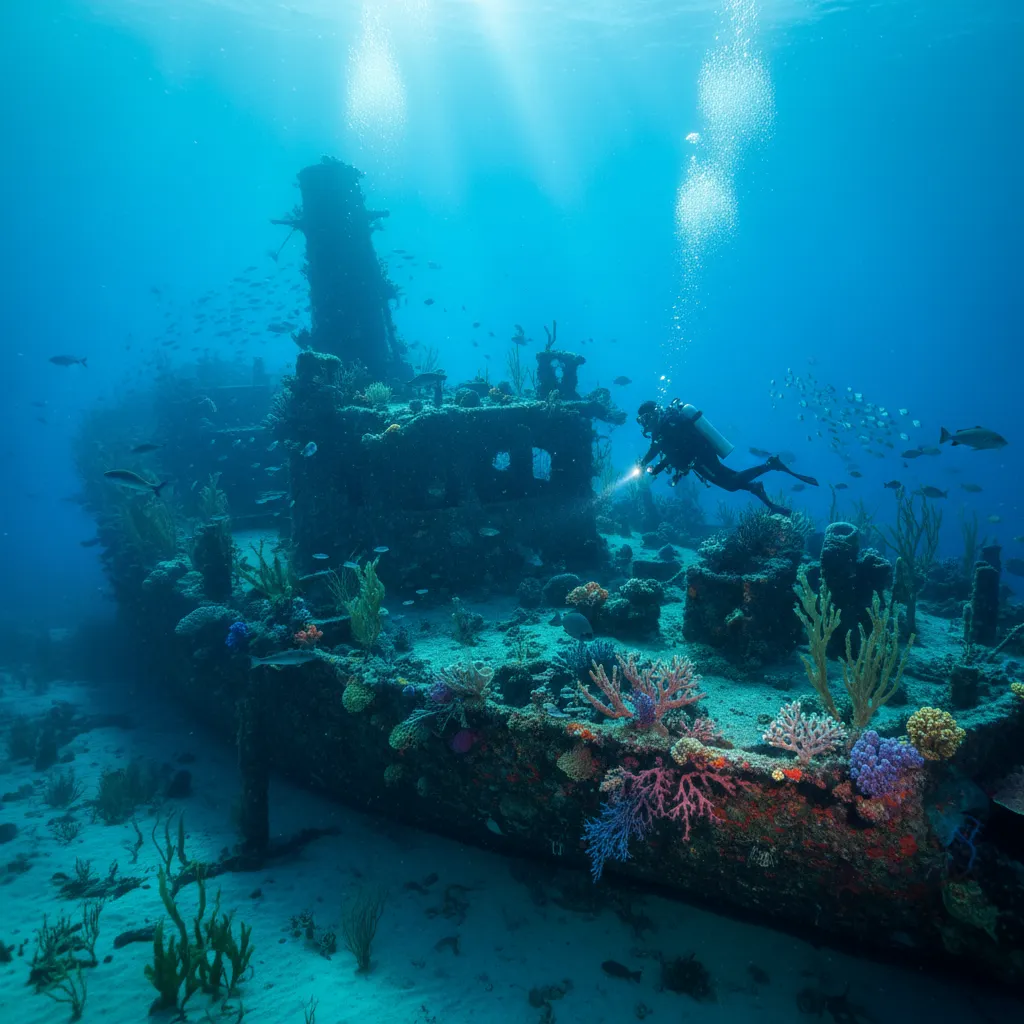
There's a unique magic to wreck diving that draws scuba divers to the depths time and time again. Descending onto a sunken vessel is like entering a time capsule, a silent world where history and nature have intertwined. These submerged structures, from mighty warships to humble cargo ships and even fallen aircraft, become hauntingly beautiful artificial reefs, teeming with marine life. Each wreck tells a story of its final moments, offering a tangible connection to the past that you simply can't find in a museum.
The sheer variety of underwater wrecks is staggering. One day you could be exploring the ghost fleet of German warships scuttled in Scapa Flow, Orkney, a monumental moment in naval history preserved beneath the waves. The next, you might be drifting over the USAT Liberty in Bali, a WWII casualty that now rests in shallow tropical waters, encrusted in vibrant corals and swarmed by fish. This diversity means there is a wreck dive to capture the imagination of every diver, whether you're a history buff, a photographer, or a marine life enthusiast.
What transforms a region into a world-class wreck diving destination? It's often a combination of factors: a high concentration of accessible wrecks, historical significance, and favourable diving conditions. The coastlines of the United Kingdom, for instance, are littered with over 5,000 documented wrecks in areas like Cornwall & Devon and the Scottish coasts, making it a global hotspot. Other key elements include good visibility, manageable currents, and the richness of the ecosystem that has claimed the wreck as its own, turning a man-made tragedy into a natural wonder.
At a Glance
Cornwall & Devon, United Kingdom
United Kingdom
The waters lapping against this historic coastline hold one of the world's most concentrated collections of underwater treasures. With over 2,000 documented wrecks, this area is a veritable museum of maritime history, offering divers a chance to journey back in time. The seabed is a graveyard for vessels from every era, from WWI U-boats like the UB1195 and armed WWII merchant ships like the iconic James Egan Layne, to more unusual wartime remnants. The sheer variety ensures that every dive tells a different story of conflict, trade, or tragedy.
Exploring these submerged relics is an unforgettable experience. As you descend, you'll find that nature has reclaimed these man-made structures, transforming them into vibrant artificial reefs teeming with life. With sites ranging from shallow, shore-accessible wrecks to deeper technical dives reaching nearly 60 metres, there are underwater adventures suitable for every level of certified diver. Whether you're peering into the cargo hold of a sunken freighter or marveling at the unique sight of a submerged military landing craft, the history preserved beneath the waves is simply breathtaking.
Difficulty
Advanced
Water Temp
10-10°C
Depth
0-59m
Dive Centres
60
Practical Info
- cert Needed:
- Technical
- cost Range:
- $50-120 per dive
- wreck Count:
- 2033
- total Sites:
- 2153
Did you know?
Did you know that among the thousands of shipwrecks, you can also dive on submerged WWII military vehicles, including a perfectly preserved Valentine Tank resting on the seabed in Bracklesham Bay?
Northumberland & Northeast, United Kingdom
United Kingdom
The coastline of this historic region is a veritable underwater museum, boasting an astonishing concentration of shipwrecks. With over a thousand wrecks scattered across the seabed, divers can explore a timeline of maritime history, from majestic steamships like the ANGLIA to humble cargo vessels. Many of these silent giants met their end during the tumultuous World Wars, transforming the seafloor into a poignant memorial and offering a unique connection to the past.
Diving here is an experience for all levels. The wrecks lie in depths ranging from the shallows down to 40 metres, making them accessible to newly certified divers and seasoned veterans alike. As you explore these artificial reefs, you'll be greeted by a vibrant ecosystem where anemones, crabs, and shoals of fish have claimed the structures as their home. With a network of 47 dive centres and opportunities for exploration year-round, uncovering the secrets of wrecks like the AUCHENARDEN or the ANN SUMNER has never been easier.
Difficulty
Advanced
Depth
0-40m
Dive Centres
47
Practical Info
- cert Needed:
- Advanced Open Water + Deep Specialty
- cost Range:
- $50-120 per dive
- wreck Count:
- 1195
- total Sites:
- 1240
Did you know?
Did you know that an incredible 96% of all recorded dive sites in this area are shipwrecks? This makes it one of the most concentrated and historically significant wreck diving destinations in the world.
Scottish West Coast, United Kingdom
United Kingdom
Plunge into a submerged museum where history is suspended in time. The waters off this rugged coastline cradle an astonishing collection of nearly one thousand shipwrecks, each with a unique story to tell. From humble fishing vessels like the Annie Jane to casualties of two World Wars, the seabed is a testament to centuries of maritime heritage. Divers of all levels can explore these hauntingly beautiful sites, with many wrecks resting in accessible depths from 0-60m, offering a direct connection to the region's dramatic past.
As you descend onto these artificial reefs, you'll discover that nature has reclaimed them with spectacular results. Ghostly superstructures are now draped in jewel-like anemones, and dark cargo holds provide shelter for colossal conger eels and curious lobsters. Exploring the passenger liner Athenia, the first British vessel sunk in WWII, or the intact fishing boat Whispering Hope offers a powerful and unforgettable experience. The combination of rich history and abundant marine life makes every dive a unique adventure into a lost world.
Difficulty
Advanced
Depth
0-60m
Dive Centres
12
Practical Info
- cert Needed:
- Technical
- cost Range:
- $50-120 per dive
- wreck Count:
- 998
- total Sites:
- 1020
Did you know?
The wreck of the passenger liner Athenia was the very first British ship sunk in World War II. It was torpedoed just ten hours after Britain's declaration of war on Germany, and its wreck now lies as a somber historical monument beneath the waves.
Scottish East Coast & Borders, United Kingdom
United Kingdom
Beneath the waves of the North Sea lies a staggering underwater museum, boasting nearly 900 documented shipwrecks. This vast graveyard of maritime history offers an unparalleled diving experience, with sites ranging from shallow waters accessible to novices to challenging 60-meter descents for technical divers. Many of these vessels met their fate during the tumultuous World Wars, serving as poignant reminders of the area's strategic importance, turning every dive into a historical exploration.
Each descent is a journey back in time. You might find yourself exploring the remains of the steamer Anlaby or investigating the wreckage of a vessel identified as the Archangel. Over the decades, these steel skeletons have transformed into vibrant artificial reefs, now patrolled by conger eels, lobsters, and dense shoals of fish. The often-moody visibility only adds to the atmosphere of mystery and discovery, making it a truly unforgettable experience for wreck diving enthusiasts year-round.
Difficulty
Advanced
Depth
0-60m
Dive Centres
11
Practical Info
- cert Needed:
- Technical
- cost Range:
- $50-120 per dive
- wreck Count:
- 893
- total Sites:
- 905
Did you know?
Did you know that over 98% of all charted dive sites in this region are wrecks? This incredible concentration makes it one of the United Kingdom's premier destinations for underwater historical exploration.
Scapa Flow, Orkney, United Kingdom
United Kingdom
Step into a submerged museum of maritime history, a legendary graveyard for warships that has become a bucket-list destination for divers worldwide. The seabed here is dominated by the monumental remains of the German High Seas Fleet, intentionally scuttled in 1919 following World War I. Divers can explore the colossal forms of battleships and cruisers, swimming through gun turrets, over armoured decks, and past portholes that offer a haunting glimpse into a pivotal moment in naval history. These awe-inspiring wrecks, alongside numerous others from different eras, create an unparalleled underwater playground.
The experience is as varied as it is profound. With depths ranging from the shallows down to 60 metres, there are sites suitable for both novice and highly experienced technical divers. While the chilly 8°C waters demand a drysuit, the visibility can be excellent, revealing structures now encrusted with vibrant marine life. Beyond the famous German fleet, you'll discover intentionally sunk blockships from WWII, such as the ANVERS and AORANGI, which now form dramatic artificial reefs teeming with life. Each dive offers a unique connection to the past, revealing stories of conflict, strategy, and the eventual reclamation by nature.
Difficulty
Advanced
Water Temp
8-8°C
Depth
0-60m
Dive Centres
1
Practical Info
- cert Needed:
- Technical
- cost Range:
- $50-120 per dive
- wreck Count:
- 778
- total Sites:
- 782
Did you know?
The scuttling of the German High Seas Fleet in 1919 was the greatest single loss of shipping in history. Over 50 warships were deliberately sent to the seabed in a single day, creating the world-renowned wreck diving site we know today.
North Sea Coast, Denmark
Denmark
Beneath the often-turbulent surface lies a vast underwater museum, a testament to centuries of maritime trade, conflict, and the unforgiving nature of the sea. With over 500 documented wrecks, this coastline offers an unparalleled opportunity to explore history frozen in time. Divers can navigate the ghostly remains of everything from small fishing trawlers and cargo ships like the SUSSI PETER and KIAN to vessels with stories lost to the waves. These sunken giants, casualties of storms and wartime events, now rest on the seabed, waiting to be discovered by those willing to brave the chilly waters.
The experience of descending onto one of these wrecks is truly unique. As you explore structures like the ANN HELEN CLAUSEN or the ASTRAEA, you'll find they have been completely reclaimed by nature. Anemones, crabs, and schools of cod have transformed these steel skeletons into thriving artificial reefs. The diving here is accessible to many, with sites ranging from just a few meters below the surface to deeper, more challenging technical dives at 50 meters. The cold, clear water often provides excellent visibility, perfectly preserving the wrecks and offering photographers a chance to capture hauntingly beautiful images of a world where nature and history have intertwined.
Difficulty
Advanced
Water Temp
5-5°C
Depth
0-50m
Dive Centres
15
Practical Info
- cert Needed:
- Technical
- cost Range:
- $50-120 per dive
- wreck Count:
- 538
- total Sites:
- 643
Did you know?
This region is a true wreck diver's paradise, where an incredible 84% of all local dive sites are sunken vessels, representing one of the densest concentrations of explorable shipwrecks in Northern Europe.
Mar del Plata, Argentina
Argentina
Just off the coast of this bustling Argentinian port city lies an underwater world unlike any other, a veritable graveyard of maritime history. With over 400 sunken vessels scattered across the seabed, it has become a premier destination for wreck enthusiasts. These are not deep, technical dives; the majority of sites rest in accessible depths between 0 and 26 meters, welcoming divers of all certification levels. From purposefully scuttled fishing trawlers to cargo ships that met an untimely end, each wreck tells a unique story, now draped in vibrant marine life and waiting to be explored.
Divers can expect to navigate the ghostly superstructures of famous local wrecks like the MARABU, the BRASIL, and the Angela Francisca. The temperate waters, ranging from 11-27°C, support a rich ecosystem, and these artificial reefs are now home to schools of fish, crabs, and colorful invertebrates. The prime diving season runs through the warmer months from November to March, offering the best visibility and conditions to witness this incredible concentration of maritime history. With nearly 30 dive centers in the area, accessing these submerged treasures is easier than ever.
Difficulty
Intermediate
Best Months
Jan-Mar, Nov-Dec
Water Temp
11-27°C
Depth
0-26m
Dive Centres
29
Practical Info
- cert Needed:
- Advanced Open Water
- cost Range:
- $50-120 per dive
- wreck Count:
- 437
- total Sites:
- 445
Did you know?
This Argentinian dive hub is almost exclusively a wreck diving destination, with an incredible 98% of its 445 dive sites being sunken vessels.
Bornholm, Denmark
Denmark
This Danish island in the Baltic Sea is a veritable underwater museum, a final resting place for hundreds of vessels lost throughout maritime history. Its strategic position on major trade routes, combined with the perils of war and treacherous weather, has created one of the world's most concentrated collections of shipwrecks. Divers can explore a vast array of submerged history, from historic wooden schooners to modern steel-hulled freighters and fishing trawlers, each with a unique story waiting to be discovered on the seabed.
The experience below the surface is as varied as the wrecks themselves. With sites ranging from shallow waters accessible to beginners to challenging technical dives reaching 60 meters, there is an adventure for every certification level. You can explore iconic sites like the imposing freighter SALLY, the remarkably intact trawler RONNI JENSEN, or the mysterious PM 1001 BALTIKA. The cold, low-salinity Baltic water provides incredible preservation, allowing divers to see these historical time capsules in a state of condition rarely found elsewhere.
Difficulty
Advanced
Water Temp
3-3°C
Depth
0-60m
Dive Centres
20
Practical Info
- cert Needed:
- Technical
- cost Range:
- $50-120 per dive
- wreck Count:
- 318
- total Sites:
- 393
Did you know?
This region is a wreck diver's paradise, where over 80% of all charted dive sites are shipwrecks, creating one of the densest underwater historical landscapes on the planet.
South Coast, Ireland
Ireland
Beneath the waves of this storied coastline lies a veritable underwater museum, boasting an incredible 173 wrecks waiting to be explored. From mighty cargo ships and humble fishing trawlers to the haunting silhouette of a German U-boat, each site tells a dramatic tale of maritime history, often linked to the turbulent events of the World Wars. These sunken vessels, now silent witnesses to the past, offer a unique and poignant diving experience, inviting you to connect with stories sealed by the sea.
Divers of all certification levels can find their perfect adventure here, with depths ranging from shallow coastal sites to challenging 60-meter descents. While the consistent 9°C water temperature demands a good drysuit, the reward is year-round access to world-class wreck diving. Imagine descending onto the famous UC42 submarine off Cork Harbour or exploring the vast hull of The Chicago. With so many historical treasures preserved in the cool, clear waters, every dive promises a new discovery.
Difficulty
Advanced
Water Temp
9-9°C
Depth
0-60m
Dive Centres
3
Practical Info
- cert Needed:
- Technical
- cost Range:
- $50-120 per dive
- wreck Count:
- 173
- total Sites:
- 181
Did you know?
Did you know that over 95% of the dive sites along this coastline are wrecks? This incredible concentration makes it one of the premier destinations in Europe for underwater historical exploration.
Southern Islands, Singapore
Singapore
Beneath the bustling shipping lanes lies a hidden graveyard of maritime history, making this one of Southeast Asia's premier wreck diving destinations. With an astonishing 173 wrecks to explore, divers can descend upon a diverse collection of sunken vessels. From World War II relics like the Japanese cargo ship Nipo Maru to more modern casualties of the sea such as the tankers Angsa 3 and Assimi III, each site tells a unique story of its final voyage. These submerged giants now serve as artificial reefs, their steel hulls draped in corals and sponges, creating a hauntingly beautiful underwater landscape.
As you explore these underwater museums, you'll witness nature's power to reclaim. Schools of fish dart through cargo holds, moray eels peer from pipes, and vibrant nudibranchs crawl along rusted railings. Wrecks like the Regulus and Seng Hing are accessible to a range of divers, with structures resting in depths from just a few meters to the technical range of 60m. The constant warm water temperature of 28°C and year-round diving season mean the secrets of wrecks like the Mandiri I and Laut Lancar are always waiting to be discovered.
Difficulty
Advanced
Best Months
Jan-Dec
Water Temp
28-28°C
Depth
1-60m
Dive Centres
35
Practical Info
- cert Needed:
- Technical
- cost Range:
- $80-150 per dive
- wreck Count:
- 173
- total Sites:
- 202
Did you know?
This region is a true wreck diving paradise, with over 85% of its 202 dive sites being sunken ships and vessels.
Beneath the chilly, dark waters of the Skagerrak lies a submerged museum of maritime history. This coastline is a premier destination for wreck enthusiasts, boasting an incredible concentration of nearly 150 sunken vessels. The cold, low-salinity environment has created a time capsule, preserving everything from historic merchant ships like the ANNA PETERS to the remnants of wartime conflict. Each dive offers a unique story, revealing the secrets of vessels that once navigated these busy and treacherous Nordic shipping lanes.
Divers can explore a remarkably diverse collection of underwater sites. The area is famed for its variety, featuring the imposing German submarine U 534, the cargo ship PANDALUS NAVIGATOR, and even a downed seaplane, LN-PAA. With depths ranging from 0 to 50 meters, these wrecks are accessible to divers of all experience levels. Over time, these structures have transformed into thriving artificial reefs, where marine life now flourishes on the very hulls and decks that once sailed the seas, creating a hauntingly beautiful intersection of history and nature.
Difficulty
Advanced
Water Temp
2-2°C
Depth
0-50m
Dive Centres
13
Practical Info
- cert Needed:
- Technical
- cost Range:
- $50-120 per dive
- wreck Count:
- 149
- total Sites:
- 171
Did you know?
Among the vast collection of wrecks is the German submarine U 534, a WWII relic sunk by RAF bombers in May 1945, just days before Germany's surrender.
Al Hoceima, Morocco
Morocco
Beneath the turquoise surface of the Mediterranean lies a submerged museum, a testament to the region's rich maritime history. With over 125 documented wrecks, this coastline offers an unparalleled underwater adventure for divers of all levels. These silent giants, ranging from cargo ships and fishing trawlers to naval vessels, were claimed by storms and treacherous waters over decades. Now, they rest on the seabed at depths from the shallows down to 55 meters, each with a unique story to tell.
As you descend, you'll witness how nature has reclaimed these man-made structures, transforming them into vibrant artificial reefs teeming with life. Schools of fish dart through rusted portholes, while moray eels peek from sheltered crevices. Iconic sites like the PECIO PUERTO PAJARES and the ASTENE III offer breathtaking explorations, allowing you to glide through cargo holds and along barnacle-encrusted hulls. With clear waters and year-round diving conditions, every visit promises a new perspective on legendary wrecks such as the ARALAR, FEDRA, and the VIRGEN DE ICIAR.
Difficulty
Advanced
Water Temp
16-16°C
Depth
0-55m
Dive Centres
28
Practical Info
- cert Needed:
- Technical
- cost Range:
- $50-120 per dive
- wreck Count:
- 125
- total Sites:
- 156
Did you know?
With 125 wrecks out of 156 total dive sites, nearly 80% of the diving opportunities in this Mediterranean haven are dedicated to exploring sunken history.
Istria Peninsula, Croatia
Croatia
The Adriatic waters lapping this Croatian peninsula hold a silent, submerged museum of maritime history, making it a premier destination for wreck diving enthusiasts. With over 100 wrecks scattered across the seabed, the area offers a staggering variety of underwater time capsules. These sites tell the tales of intense naval battles from two World Wars, unfortunate maritime accidents, and the long history of trade in the region. Divers can explore everything from mighty warships and submarines like the U 65 to humble cargo vessels such as ANNI and ROSA AMERICA, each with its own unique story preserved beneath the waves.
Exploring these artificial reefs is an unforgettable experience for divers of all levels, with depths ranging from just a few meters to beyond 50. Shallower sites, like the tugboat Remorker, are perfect for novice wreck explorers, while technical divers can delve into the deeper, more challenging remains of historic vessels like the Austro-Hungarian dreadnought VIRIBUS UNITIS. These structures are now teeming with marine life; conger eels peer from pipes, schools of fish dance around superstructures, and vibrant sponges add a splash of color to the rusting steel. The clear, blue waters provide excellent visibility, especially from June to September, ensuring every descent is a spectacular journey back in time.
Difficulty
Advanced
Best Months
Jun-Sep
Water Temp
12-26°C
Depth
0-50m
Dive Centres
134
Practical Info
- cert Needed:
- Technical
- cost Range:
- $50-120 per dive
- wreck Count:
- 105
- total Sites:
- 385
Did you know?
One of the most famous wrecks in the area is the VIRIBUS UNITIS, the flagship of the Austro-Hungarian Navy, which was sunk by Italian frogmen just days before the end of World War I in 1918.
Beneath the turquoise surface lies an unparalleled underwater museum, a testament to centuries of maritime history. This protected area is a true graveyard for ships, boasting an incredible concentration of over 100 wrecks waiting to be explored by certified divers. From colossal modern cargo ships like the EUROBULKER X and PIRAEUS II to older, more mysterious vessels, each site tells a unique story of its final voyage, now preserved in the calm, clear Aegean waters.
Descending into the blue, you'll witness how nature has reclaimed these man-made giants. Superstructures, cargo holds, and massive propellers have become thriving artificial reefs, providing shelter for groupers, moray eels, and vast schools of fish. With excellent visibility and warm water temperatures from June to October, divers can fully appreciate the scale of these magnificent wrecks. The diverse depth range makes the area accessible for various skill levels, offering everything from shallow explorations to deeper, more technical dives into maritime history.
Difficulty
Advanced
Best Months
Jun-Oct
Water Temp
14-27°C
Depth
0-58m
Dive Centres
65
Practical Info
- cert Needed:
- Technical
- cost Range:
- $50-120 per dive
- wreck Count:
- 102
- total Sites:
- 144
Did you know?
With 102 documented wreck sites, this region contains one of the highest concentrations of modern and historical shipwrecks in the entire Mediterranean Sea.
Cape Town & Western Cape, South Africa
South Africa
Known for centuries as the 'Cape of Storms', this dramatic coastline has claimed countless vessels, creating a submerged museum for today's divers. The seabed is a graveyard of history, featuring everything from WWI-era steamships to modern fishing trawlers and deliberately scuttled naval frigates. These wrecks tell tales of maritime trade, treacherous weather, and the raw power of the ocean, offering a unique window into the past with every descent.
Exploring these underwater time capsules reveals more than just weathered steel; they have transformed into vibrant artificial reefs teeming with life. Divers can navigate the intact structures of vessels like the SAS Gelderland, witness the vast debris fields of ships like the Oriental Pioneer, or explore the holds of Japanese trawlers. These wrecks are now encrusted with colourful anemones and sponges, providing a rich habitat for dense schools of fish, shy catsharks, and curious seals, making every dive a dynamic encounter between history and nature.
Difficulty
Advanced
Best Months
Jan-Dec
Water Temp
19-19°C
Depth
2-60m
Dive Centres
26
Practical Info
- cert Needed:
- Technical
- cost Range:
- $50-120 per dive
- wreck Count:
- 94
- total Sites:
- 264
Did you know?
Did you know that many of the region's most famous wrecks, including the Japanese trawlers Meisho Maru No.38 and Otori Maru No.8, met their end on the same fateful night during a ferocious storm in the 1970s?
Algarve & Berlengas, Portugal
Portugal
Beneath the sun-drenched waves of this Portuguese coastline lies a hidden world of maritime history, a veritable underwater museum with over 90 documented wreck sites. These submerged time capsules range from historic cargo ships like the SARASTONE and LLANCARVAN to fishing vessels and purpose-sunk ships that now serve as thriving artificial reefs. Each wreck tells a unique story, offering a silent testament to the region's rich naval past and its commitment to marine conservation.
The experience of descending onto these wrecks is nothing short of magical. As you glide through the clear Atlantic waters, you'll witness how nature has reclaimed these man-made giants. Decks and hulls are now carpeted with colorful anemones and sponges, while schools of sea bream and bass patrol the corridors. With sites ranging from shallow depths perfect for novice explorers to deeper, more challenging wrecks like the massive ANNE SOPHIE, there is an unforgettable underwater adventure waiting for every certified diver.
Difficulty
Advanced
Water Temp
17-17°C
Depth
0-55m
Dive Centres
35
Practical Info
- cert Needed:
- Technical
- cost Range:
- $50-120 per dive
- wreck Count:
- 90
- total Sites:
- 224
Did you know?
With 90 distinct wreck sites, this region of Portugal is home to one of the highest concentrations of explorable underwater wrecks in Europe.
Beneath the turquoise surface of the French Riviera lies a submerged museum, a graveyard of maritime history waiting to be explored. With nearly 90 documented wrecks scattered across the seabed, this stretch of coastline offers an unparalleled diving experience. From World War II vessels and cargo ships to historic passenger liners, each site tells a unique story of conflict, commerce, or catastrophe. These artificial reefs, now draped in vibrant corals and teeming with marine life, provide a hauntingly beautiful backdrop for divers of all levels, with depths ranging from shallow, sunlit sites to challenging deep-water explorations.
Imagine descending upon the remarkably intact form of a military helicopter, L'hélicoptère, or navigating the grand corridors of the passenger ship, the *Liban*, which met its tragic end in 1903. Other legendary sites like the cargo vessel *Ville de Grasse* and the tugboat *Spahi* have become bustling underwater metropolises for conger eels, scorpionfish, and schools of damselfish. The clear Mediterranean waters offer excellent visibility, allowing you to appreciate not just the grand scale of these sunken giants, but also the intricate details of their slow return to nature, making every dive a memorable journey through time.
Difficulty
Advanced
Water Temp
14-14°C
Depth
3-55m
Dive Centres
43
Practical Info
- cert Needed:
- Technical
- cost Range:
- $50-120 per dive
- wreck Count:
- 89
- total Sites:
- 425
Did you know?
Among the dozens of sunken ships, the region is famously home to the wreck of a Puma military helicopter, which crashed during an exercise and now rests upright on the seabed at 47 meters.
Fujairah, United Arab Emirates
United Arab Emirates
Beneath the calm surface of the Gulf of Oman lies an underwater graveyard that has become a diver's paradise. With over 80 documented wrecks, this destination offers an unparalleled opportunity to explore submerged history. Many of these vessels, from humble barges like the XYLOS to imposing cargo ships, were intentionally sunk to create thriving artificial reefs. This deliberate effort has transformed the seabed into a complex and fascinating landscape, where steel giants now rest, draped in corals and teeming with life, waiting for explorers to uncover their secrets.
Divers of all experience levels can find their perfect underwater adventure here. Shallow wrecks resting in just a few meters of water provide a gentle introduction for beginners, while technical divers can challenge themselves on deeper sites plunging to 50 meters. As you navigate the ghostly corridors and decks of famous sites like the INCH CAPE 1 or the VICTORIA STAR, you'll be greeted by a vibrant ecosystem. Schools of snapper, resident moray eels, curious turtles, and countless invertebrates have claimed these structures as their home, turning each dive into a dynamic encounter with both history and nature.
Difficulty
Advanced
Depth
1-50m
Dive Centres
26
Practical Info
- cert Needed:
- Technical
- cost Range:
- $50-120 per dive
- wreck Count:
- 84
- total Sites:
- 155
Did you know?
Did you know that many of the area's most popular wrecks were deliberately sunk to create artificial reefs, boosting marine biodiversity and forming a world-class underwater playground for divers?
Bali, Indonesia
Indonesia
Discover an underwater world where maritime history is reclaimed by nature. With an astonishing 80 submerged vessels, this region is a premier destination for wreck diving enthusiasts of all levels. The collection is incredibly diverse, featuring everything from intentionally scuttled ships like the TANTO HARI and SWAKARYA, which now serve as thriving artificial reefs, to historic casualties of war that rest silently on the seabed. With a depth range stretching from the shallows to 60 meters, there are captivating underwater museums waiting for every certified diver.
Plunge into consistently warm waters, averaging 29-31°C throughout the year, making any month the perfect time to explore. These wrecks are far from empty relics; they are vibrant, living ecosystems. Expect to see the hulls of vessels like the KM JOURNEY and LONG MARAK completely encrusted with colourful corals and sponges. Schools of fish patrol the decks, moray eels peek from pipes, and countless macro critters camouflage themselves on the rusting metal, transforming these man-made structures into spectacular havens for marine life.
Difficulty
Advanced
Best Months
Jan-Dec
Water Temp
29-31°C
Depth
0-60m
Dive Centres
19
Practical Info
- cert Needed:
- Technical
- cost Range:
- $80-150 per dive
- wreck Count:
- 80
- total Sites:
- 194
Did you know?
With 80 wrecks among its 194 total dive sites, this area boasts an incredible concentration of wreck dives, meaning over 40% of its underwater locations are a journey into maritime history.
Lofoten Islands, Norway
Norway
Beneath the dramatic peaks and frigid, clear waters of northern Norway lies a submerged museum of maritime history. This region is a world-class destination for wreck diving, offering an unparalleled concentration of historical sites. The fjords serve as the final resting place for dozens of vessels, many of which were sunk during the pivotal naval battles of World War II, creating an underwater landscape steeped in history and solemn beauty.
The sheer variety is staggering. Divers can explore formidable German destroyers like the Z19 Herrman Kunne and Wilhelm Heidkamp, casualties of the fierce Battle of Narvik, or descend upon the Norwegian coastal defence ship HNoMS Odin. These once-mighty warships now lie on the seabed at depths suitable for various certification levels, some remarkably intact and bristling with armaments. The cold, clear water often provides excellent visibility, allowing divers to fully appreciate the scale of these historical artifacts and the vibrant marine life that has colonized them, turning solemn memorials into thriving artificial reefs.
Difficulty
Advanced
Depth
0-72m
Dive Centres
14
Practical Info
- cert Needed:
- Technical
- cost Range:
- $50-120 per dive
- wreck Count:
- 75
- total Sites:
- 92
Did you know?
The Ofotfjord holds one of the world's densest concentrations of WWII wrecks from a single naval engagement, with at least ten German destroyers sunk here during the Battles of Narvik in April 1940.
Frequently Asked Questions
What certification do I need for wreck diving?
An Advanced Open Water certification is often the minimum requirement due to the depth of many wrecks. For entering a wreck, a dedicated Wreck Diver specialty certification is essential to learn the necessary safety protocols and techniques.
Is wreck diving dangerous?
Wreck diving carries unique risks like entanglement, sharp metal edges, and potential structural collapse. However, with proper training, meticulous dive planning, and the right equipment, these risks are effectively managed for a safe dive.
What is the difference between penetrating a wreck and swimming around it?
Swimming around the exterior of a wreck is an exploration open to most certified divers. Penetration involves entering the wreck's interior, an overhead environment with no direct ascent to the surface, which requires specialized training and equipment.
Do I need special equipment for wreck diving?
For external surveys, your standard scuba gear is usually sufficient, though a good dive light is recommended. Penetration diving requires specialized gear, including primary and backup lights, a dive knife or cutting tool, and a guideline and reel.
Where are the best wreck diving destinations for beginners?
Beginners should look for shallow wrecks in clear, calm water. Destinations like Bali (USAT Liberty), Fujairah, and some sites in the Mediterranean offer fantastic, accessible wrecks that allow new divers to build confidence safely.