First Time Diving in Anguilla - A Beginner's Complete Guide
Everything you need to know before your first dive in Anguilla
Why Anguilla for Your First Dives?
Anguilla offers an excellent setting for your inaugural scuba diving adventures, particularly for those just starting out. With 28 of its 50 dive sites specifically rated for beginners, the island prioritizes accessible and comfortable underwater experiences. The calm, warm waters of the Caribbean Sea are a major draw. Water temperatures consistently hover between 26-29°C (79-84°F) year-round, eliminating the need for thick wetsuits and making longer bottom times more comfortable. Visibility is consistently good, often exceeding 20 meters (65 feet), which is crucial for new divers to maintain orientation and enjoy their surroundings without feeling overwhelmed.
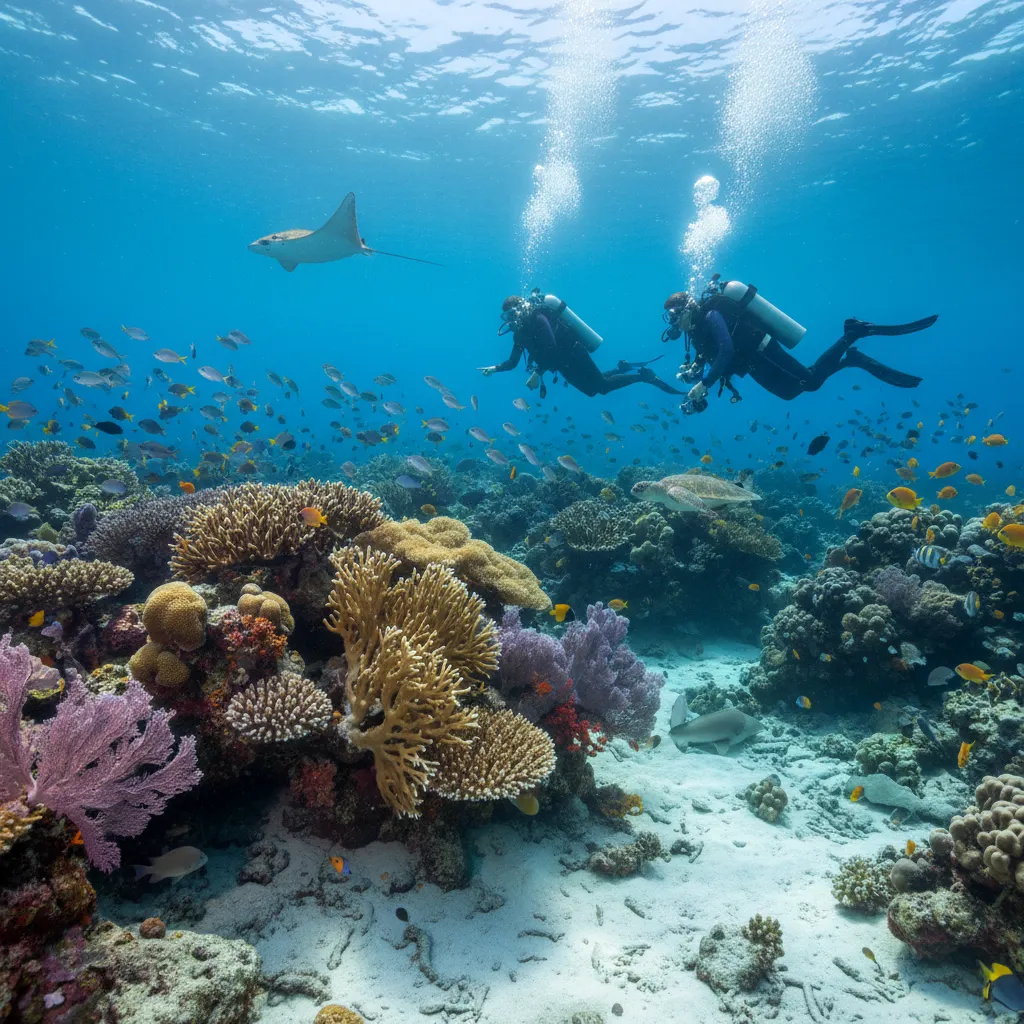
Beyond the comfortable conditions, Anguilla's marine environment provides a gentle introduction to underwater ecosystems. You'll encounter vibrant coral formations and a diverse array of reef fish, but typically without strong currents or complex navigation challenges. This allows beginners to focus on buoyancy control and enjoying the experience rather than battling difficult conditions. The island's commitment to marine conservation also means healthy reefs, offering a rewarding visual experience for those new to the underwater world.
Best Beginner-Friendly Regions
Sandy Island: This small cay, located just a short boat ride from Anguilla's main island, is a fantastic starting point for beginners. The waters around Sandy Island are typically very calm and shallow, making it ideal for practicing basic skills and getting comfortable underwater. Specific sites like 'Sandy Island Reef' offer gentle slopes and abundant fish life, providing an enjoyable first dive experience without strong currents or deep profiles.
Shoal Bay: Known for its iconic long stretch of white sand, Shoal Bay also boasts several accessible dive sites. The reefs here are relatively shallow and protected, offering calm conditions suitable for new divers. Sites within the Shoal Bay area often feature healthy coral gardens and a good variety of smaller reef fish, allowing beginners to observe marine life in a relaxed environment. The proximity to shore also means shorter boat rides, which can be beneficial for those new to boat diving.
Dog Island: While slightly further afield than Sandy Island or Shoal Bay, Dog Island offers some excellent beginner-friendly sites, particularly on its leeward side. The 'Dog Island Reef' site, for instance, provides a gentle drift over a vibrant reef system. While it requires a slightly longer boat trip, the payoff is often clear water and healthy ecosystems that are still manageable for those with limited experience. Dive operators will typically select sites around Dog Island that are appropriate for the skill level of their group.
What Certification Do You Need?
To participate in guided fun dives in Anguilla, you will typically need a PADI Open Water Diver certification or an equivalent from another recognized agency such as SSI, NAUI, or CMAS. This certification demonstrates that you have completed the necessary training in confined water and open water environments, covering essential skills like equipment use, buoyancy control, and emergency procedures. If you don't have a certification yet, Anguilla's local dive centers offer PADI Open Water Diver courses, which usually take 3-4 days to complete. Many centers also provide 'Discover Scuba Diving' experiences, which allow uncertified individuals to try diving under direct instructor supervision in shallow water, without committing to a full course.
Best Time to Visit
The best time to visit Anguilla for diving is generally from December to July. During these months, the weather is consistently dry and sunny, with minimal rainfall. Air temperatures average between 27-30°C (81-86°F). Water temperatures remain warm throughout the year, typically ranging from 26-29°C (79-84°F), making comfortable diving possible at any time. The hurricane season officially runs from August to November, and while direct hits are rare, there is an increased chance of tropical storms and rougher sea conditions during this period. Visibility tends to be excellent year-round, but is often at its peak during the drier months due to less sediment runoff.
What to Expect on Your First Dive
Your first dive experience in Anguilla will typically begin at a local dive center. Upon arrival, you'll check in, complete any necessary paperwork, and then be fitted for your dive gear-mask, fins, wetsuit (if desired, though often not needed in Anguilla's warm waters), BCD (Buoyancy Control Device), and regulator. Your instructor or divemaster will then conduct a comprehensive pre-dive briefing. This will cover the dive plan, safety procedures, hand signals, marine life you might encounter, and specific details about the dive site, including entry and exit points.
Most dives in Anguilla are conducted from a boat. After gearing up, you'll typically perform a controlled backward roll or giant stride entry into the water. Once in the water, you'll perform a final buddy check and descend slowly with your instructor, equalizing your ears as you go. Underwater, Anguilla's typical dive style is calm and current-free, especially at beginner sites. You'll likely follow your instructor along a reef, observing fish, corals, and other marine life. The pace is generally relaxed, focusing on enjoyment and comfort. After surfacing, you'll re-board the boat, and the crew will assist with gear removal. Most dive trips include surface intervals between dives, often with snacks and water provided.
Budget Guide
Diving in Anguilla offers various price points depending on your experience level and package choice. A 'Discover Scuba Diving' experience, ideal for uncertified beginners, typically costs between $120-150 USD. If you're looking to get certified, a PADI Open Water Diver course will range from $550-700 USD, often including all equipment rental and certification fees. For certified divers, a two-tank fun dive trip usually costs $100-130 USD, which often includes tanks, weights, and guide services. Full equipment rental (BCD, regulator, mask, fins, wetsuit) can add an extra $30-50 USD per day if not included in your dive package. Accommodation in Anguilla varies significantly; budget-friendly guesthouses might start around $150-250 USD per night, while mid-range hotels can be $300-600 USD per night. All prices are generally quoted in USD, which is widely accepted.
Essential Tips
- Book your dive trips and courses in advance, especially during peak season (December-April), as dive operators can fill up quickly.
- Stay hydrated by drinking plenty of water before and after your dives, as the warm climate can contribute to dehydration.
- Bring reef-safe sunscreen to protect both your skin and Anguilla's delicate coral ecosystems.
- Confirm the dive operator's policy on wetsuits; while waters are warm, some beginners prefer a thin 3mm suit for added comfort and protection.
- Be prepared for boat dives; most of Anguilla's best sites, including beginner-friendly ones, are accessed via short boat rides.
- Listen carefully to your dive briefing; Anguilla's dive sites are generally calm, but understanding the plan is crucial for a safe experience.
- Carry small denominations of USD for tips, as it's customary to tip dive boat crew and instructors for good service.
At a Glance
| Destination | Difficulty | Best Months |
|---|---|---|
| Sandy IslandAnguilla | Beginner | - |
| Shoal BayAnguilla | Beginner | - |
| Dog IslandAnguilla | Beginner | - |
Frequently Asked Questions
Do I need a certification to dive in Anguilla?
Yes, for guided fun dives, you need a PADI Open Water Diver certification or equivalent. However, if you're uncertified, you can participate in a 'Discover Scuba Diving' experience under direct instructor supervision, or enroll in a full certification course offered by local dive centers.
How much does diving cost in Anguilla?
A 'Discover Scuba Diving' experience typically costs $120-150 USD. A PADI Open Water Diver course ranges from $550-700 USD. For certified divers, a two-tank fun dive trip is usually $100-130 USD, with equipment rental adding an extra $30-50 USD if not included.
What is the best time to dive in Anguilla?
The best time to dive in Anguilla is from December to July, characterized by dry, sunny weather and minimal rainfall. Water temperatures consistently stay between 26-29°C (79-84°F) year-round, ensuring comfortable diving conditions.
Is Anguilla safe for beginner divers?
Yes, Anguilla is very safe for beginner divers. With 28 beginner-friendly sites, warm waters, good visibility, and generally calm conditions without strong currents, it provides an excellent and comfortable environment for learning and enjoying your first dives.
What marine life will I see in Anguilla?
In Anguilla, you can expect to see a variety of colorful reef fish such as parrotfish, angelfish, snapper, and damselfish. You'll also encounter vibrant coral formations, sea turtles, stingrays, and occasionally nurse sharks or barracuda, especially around healthy reef systems.
Related Guides
Planning when to go?
See the month-by-month conditions guide