First Time Diving in Australia - A Beginner's Complete Guide
Everything you need to know before your first dive in Australia
Why Australia for Your First Dives?
Australia, with its incredible underwater landscapes and diverse marine ecosystems, might seem like an adventurous choice for a first dive, and it truly is. The country boasts 1047 dive sites across 10 distinct dive regions, offering a mix of experiences. While some areas are known for more challenging conditions, Australia also provides excellent opportunities for beginners, particularly in sheltered reefs and calm bays. Water temperatures generally range from comfortable tropical warmth in the north to cooler, temperate waters in the south, making year-round diving possible depending on the region you choose. Visibility is often excellent, especially on the outer reefs, allowing for clear views of the vibrant marine life.
For those taking their first fins-first plunge, Australia presents a unique blend of accessibility and awe-inspiring sights. You can expect to encounter an incredible array of marine species, from colorful reef fish and turtles to smaller sharks and rays. While some of Australia's iconic dive sites, like parts of the Coral Sea, are better suited for experienced divers due to currents or depth, many locations within key regions are specifically designed for introductory experiences and open water training. The extensive network of professional dive operators ensures safety and proper guidance for new divers.
Best Beginner-Friendly Regions
Great Barrier Reef
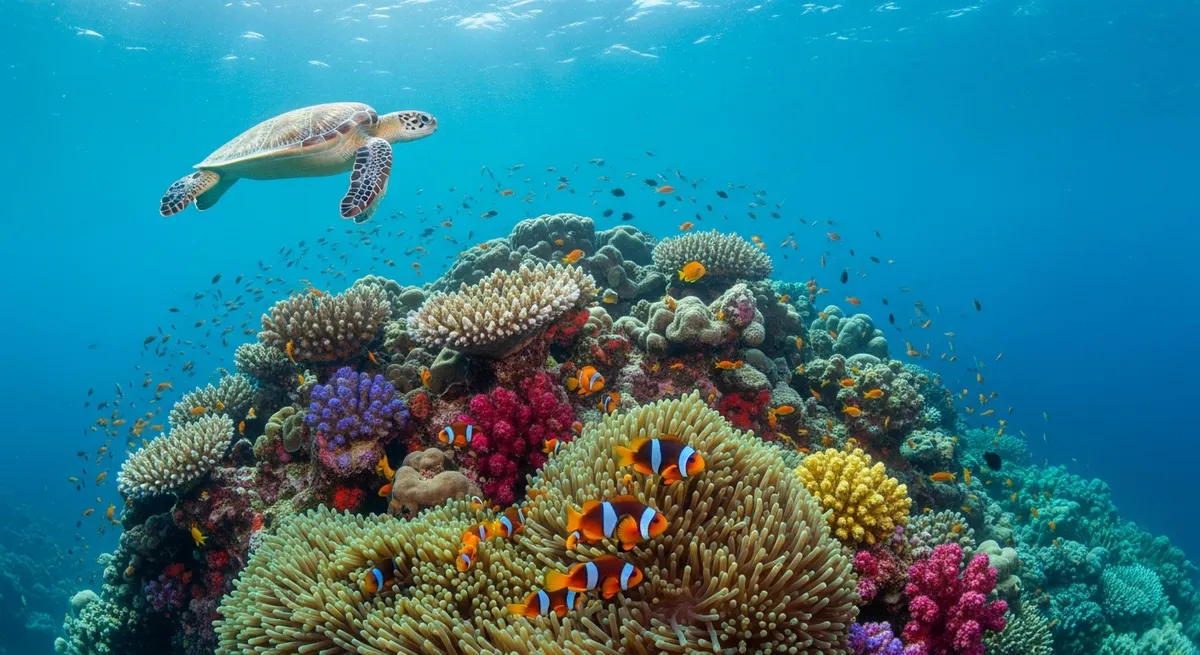
The Great Barrier Reef is an iconic destination and surprisingly accessible for beginners, especially around Cairns and Port Douglas. Many tour operators offer introductory dives (Discover Scuba Diving) in shallow, protected reef areas. Sites like Michaelmas Cay or Hastings Reef provide calm conditions, good visibility, and a high chance of seeing clownfish, parrotfish, and even green sea turtles. The sheer scale and beauty of the reef make it an unforgettable first dive experience.
Sydney & New South Wales
While often associated with city life, Sydney and the wider New South Wales coast offer surprisingly good beginner diving, particularly in sheltered bays and estuaries. Sites like Bare Island in La Perouse, Sydney, are known for calm, shallow waters and diverse macro life, including seadragons and nudibranchs. Further north, areas around Jervis Bay offer clear waters and excellent shore diving opportunities, with abundant fish life in protected coves.
Western Australia - South
The southern coast of Western Australia, particularly around Perth and Rottnest Island, provides suitable conditions for beginner divers, especially during the warmer months. Rottnest Island boasts numerous shallow, sheltered bays with clear water and limestone reef formations. You can expect to see various temperate fish species, rays, and even friendly quokkas on the island itself. The water here is generally cooler than the tropical north, requiring a thicker wetsuit, but visibility is often good.
What Certification Do You Need?
To participate in certified dives in Australia, you will need a PADI Open Water Diver certification or an equivalent certification from another recognized agency, such as SSI, NAUI, or CMAS. This certification demonstrates that you have completed the necessary training to dive safely to a maximum depth of 18 meters (60 feet) with a buddy. If you are not yet certified, you can complete a PADI Open Water course (or equivalent) at one of the many dive centers located throughout Australia. Alternatively, for a taste of diving without commitment to a full course, you can try a Discover Scuba Diving experience, which allows you to dive under direct instructor supervision in shallow water without prior certification.
Best Time to Visit
The best time to visit Australia for diving depends significantly on the region you plan to explore. For the tropical northern regions like the Great Barrier Reef and Coral Sea, the dry season from May to October offers the most consistent conditions, with less rain, lower humidity, and generally good visibility. Water temperatures during this period range from 24-28°C (75-82°F). In contrast, for southern regions like Sydney and Western Australia - South, the warmer months from November to April are often preferred for diving. Water temperatures can range from 18-24°C (64-75°F) in these areas, and a 5mm or 7mm wetsuit is typically recommended. Always check specific regional weather patterns and water temperatures for your chosen destination.
What to Expect on Your First Dive
Your first dive in Australia will typically begin at a dive center or on a dive boat. After check-in, you'll receive a comprehensive briefing covering safety procedures, equipment use, communication signals, and an overview of the dive site and marine life you might encounter. You'll then be fitted with your gear-wetsuit, BCD, regulator, mask, and fins. Most beginner dives, especially on the Great Barrier Reef, are conducted from boats that take you to sheltered reef locations. Entry is usually a giant stride from the boat, or sometimes a controlled backward roll. Once in the water, your instructor will help you adjust your buoyancy and practice basic skills before descending. Underwater, expect a guided tour, where your instructor points out marine life and ensures your comfort and safety. Dives are generally calm, with minimal current in beginner areas, allowing you to focus on the experience. The dive concludes with a safe ascent and return to the boat or shore, followed by debriefing.
Budget Guide
- Discover Scuba Diving (Introductory Dive): Expect to pay AUD $150-$250 (approx. USD $100-$170) for a single introductory dive experience, often part of a day trip package.
- PADI Open Water Course: A full Open Water certification course typically costs AUD $500-$800 (approx. USD $340-$550), which usually includes equipment rental and certification fees.
- Certified Fun Dives: A two-tank boat dive for certified divers can range from AUD $120-$200 (approx. USD $80-$135), depending on the location and operator. Shore dives are generally cheaper.
- Equipment Rental: Daily equipment rental (full set) is often included in course fees or package deals. If rented separately, expect to pay AUD $50-$80 (approx. USD $35-$55) per day.
- Accommodation: Budget hostel dorm beds can be found for AUD $30-$60 (approx. USD $20-$40) per night. Mid-range hotels often cost AUD $150-$250 (approx. USD $100-$170) per night, while luxury options can exceed AUD $300 (USD $200+).
Essential Tips
- Book your dive trips and courses well in advance, especially during peak seasons (dry season for the north, summer for the south) to secure your spot.
- Be aware of stingers (jellyfish) in tropical waters, particularly from November to May. Many operators provide stinger suits, which are recommended for protection.
- Always listen carefully to your dive brief and follow your instructor's directions, especially regarding currents and local marine life interactions.
- Consider travel insurance that specifically covers scuba diving, as standard policies may not include this activity.
- Stay hydrated, especially in the warmer northern climates, to help prevent decompression sickness.
- Respect the marine environment-do not touch coral or marine life, and ensure proper buoyancy control to avoid damaging the reefs.
- Sun protection is crucial in Australia. Use reef-safe sunscreen, wear a hat, and seek shade when not diving.
At a Glance
| Destination | Difficulty | Best Months |
|---|---|---|
| Great Barrier ReefAustralia | Beginner | Jan-Dec |
| Sydney & New South WalesAustralia | Beginner | - |
| Western Australia - SouthAustralia | Beginner | Jan-Dec |
| Coral SeaAustralia | Beginner | Jan-Dec |
| Ningaloo ReefAustralia | Beginner | Jan-May, Oct-Dec |
Great Barrier Reef
Australia
Difficulty
Beginner
Best Months
Jan-Dec
Water Temp
25-30C
Dive Centres
17
Practical Info
- dive Sites:
- 349
- dive Centres:
- 17
Sydney & New South Wales
Australia
Difficulty
Beginner
Dive Centres
24
Practical Info
- dive Sites:
- 225
- dive Centres:
- 24
Western Australia - South
Australia
Difficulty
Beginner
Best Months
Jan-Dec
Water Temp
19-22C
Dive Centres
10
Practical Info
- dive Sites:
- 157
- dive Centres:
- 10
Coral Sea
Australia
Difficulty
Beginner
Best Months
Jan-Dec
Water Temp
21-28C
Dive Centres
13
Practical Info
- dive Sites:
- 139
- dive Centres:
- 13
Ningaloo Reef
Australia
Difficulty
Beginner
Best Months
Jan-May, Oct-Dec
Water Temp
17-23C
Dive Centres
8
Practical Info
- dive Sites:
- 56
- dive Centres:
- 8
Frequently Asked Questions
Do I need a certification to dive in Australia?
Yes, for certified dives, you need a PADI Open Water Diver certification or equivalent. However, you can experience an introductory 'Discover Scuba Diving' program under direct instructor supervision without prior certification.
How much does diving cost in Australia?
A Discover Scuba Dive typically costs AUD $150-$250. A PADI Open Water course is around AUD $500-$800. Certified two-tank fun dives range from AUD $120-$200. Equipment rental is often included or costs AUD $50-$80 daily.
What is the best time to dive in Australia?
For tropical northern regions (Great Barrier Reef), May to October is ideal with stable weather and water temperatures of 24-28°C. For southern regions (Sydney, WA South), November to April offers warmer waters (18-24°C) and better conditions.
Is Australia safe for beginner divers?
Yes, Australia is safe for beginner divers. Reputable dive operators prioritize safety, especially in designated beginner-friendly areas with calm conditions and professional instruction. Awareness of local conditions like stingers in tropical waters during certain seasons is important, and operators provide necessary precautions.
What marine life will I see in Australia?
You can expect to see a wide array of marine life, including colorful reef fish, clownfish, parrotfish, green sea turtles, various species of rays, reef sharks, and diverse coral formations. In temperate waters, you might also encounter unique species like seadragons and nudibranchs.
Related Guides
Planning when to go?
See the month-by-month conditions guide