First Time Diving in Belize - A Beginner's Complete Guide
Everything you need to know before your first dive in Belize
Why Belize for Your First Dives?
Belize offers a compelling introduction to scuba diving, particularly for those just starting out. While it boasts a total of 131 dive sites across five regions, presenting a mix of difficulties, there are several locations specifically well-suited for beginners. The country's Caribbean waters are consistently warm, typically ranging from 79-84°F (26-29°C), which means no need for thick wetsuits and a more comfortable experience overall. Visibility is generally excellent, often exceeding 80 feet (25 meters), allowing new divers to feel less confined and more at ease as they learn to control their buoyancy and take in their surroundings.
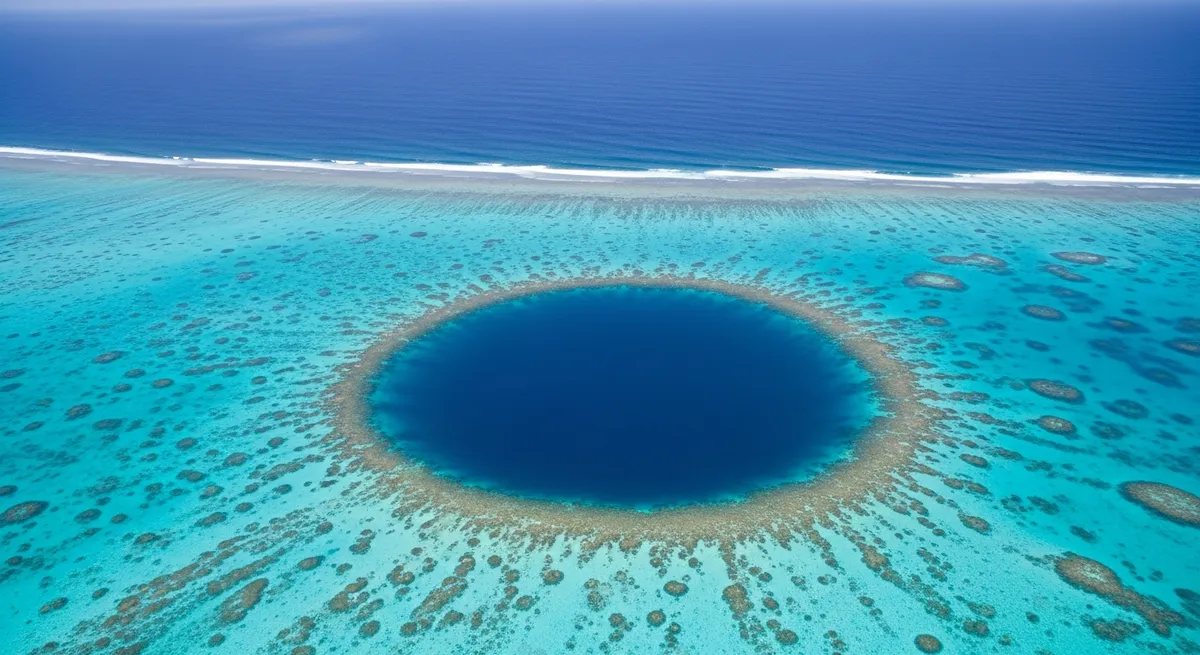
The marine environment in Belize is vibrant and relatively shallow in many key beginner areas, reducing concerns about depth and allowing for longer bottom times within no-decompression limits. Expect to encounter a diverse array of colorful reef fish, gentle nurse sharks, stingrays, sea turtles, and various species of coral. While some of Belize's more famous sites, like the Blue Hole, are definitely for experienced divers, the country thoughtfully provides numerous sheltered lagoons and barrier reef sites that are calm and current-free, ideal for practicing fundamental skills. This balanced approach means new divers can build confidence without being overwhelmed.
Best Beginner-Friendly Regions
For your initial dives in Belize, focus on regions that prioritize calm conditions and accessible depths.
Ambergris Caye
Ambergris Caye, particularly around San Pedro, is an excellent base for beginners. The Belize Barrier Reef runs very close to the island, creating numerous protected, shallow sites. Dive sites like Hol Chan Marine Reserve, while popular, offer very gentle currents and abundant marine life at depths easily managed by new divers. Shark Ray Alley, within Hol Chan, provides a unique opportunity for snorkelers and divers to interact with nurse sharks and stingrays in a controlled, shallow environment, boosting confidence before deeper dives.
Caye Caulker
Similar to Ambergris Caye, Caye Caulker offers a laid-back atmosphere and access to the inner barrier reef. The dive sites here are generally very calm and shallow, making it perfect for skill development. Many local operators conduct PADI Open Water courses in these protected waters. The proximity to the reef means short boat rides, reducing the time spent traveling and maximizing time underwater. Expect to see a variety of reef fish and healthy coral formations.
Glover's Reef Atoll
While an atoll might sound remote, Glover's Reef offers some surprisingly good beginner opportunities, especially through liveaboard operations or resorts located directly on the atoll. The inner lagoon of the atoll is expansive and shallow, providing very sheltered conditions for learning. Some outer reef sites are also accessible and relatively shallow, with less current than exposed deep walls. This region is known for its clarity and healthy coral gardens, offering a beautiful backdrop for your first underwater experiences.
What Certification Do You Need?
To participate in guided fun dives in Belize, you will need a PADI Open Water Diver certification or an equivalent certification from another recognized agency such as SSI, NAUI, or CMAS. If you are not yet certified, you can complete your PADI Open Water Diver course directly in Belize. Most dive centers offer the full course, which typically takes 3-4 days, or referral courses where you complete your academic and confined water training elsewhere and finish your open water dives in Belize. For those who want to try diving without committing to a full course, a Discover Scuba Diving (DSD) experience is available, allowing you to dive under direct instructor supervision to a shallow depth.
Best Time to Visit
The best time to visit Belize for diving is during the dry season, which runs from late November to May. During these months, you can expect stable, sunny weather and calmer seas. Water temperatures remain consistently warm, typically between 79-82°F (26-28°C). While diving is possible year-round, the wet season (June to November) brings higher chances of rain, particularly in September and October, and the occasional tropical storm or hurricane. Visibility can still be excellent during the wet season, but sea conditions may be rougher, which can be less comfortable for new divers. For whale shark sightings, plan your trip around the full moon periods of March, April, May, and June, though these encounters are not guaranteed and are typically at specific, more advanced sites.
What to Expect on Your First Dive
Your first dive experience in Belize, whether it's a Discover Scuba Dive or your initial Open Water training dive, will typically begin at a local dive shop. You'll check in, complete any necessary paperwork, and then receive a thorough briefing from your instructor or dive guide. This briefing will cover the dive plan, safety procedures, communication signals, and an overview of what you might see. You'll be fitted with rental gear - mask, fins, wetsuit (usually a shorty or rash guard), BCD, regulator, and weights. Most diving in Belize is boat-based, so you'll head to a comfortable dive boat. Once at the dive site, your instructor will help you gear up. Entry into the water is usually a giant stride off the side of the boat, or a back roll for smaller boats. Once in the water, you'll perform a final buddy check and then begin your descent, usually along an anchor line or directly with your instructor. Expect generally calm conditions on beginner sites, with minimal current. Your instructor will guide you at a slow pace, allowing you to get comfortable with breathing underwater and observing the marine life around you. Dives for beginners are typically shallow, often around 20-40 feet (6-12 meters), and last for about 45-60 minutes, depending on air consumption.
Budget Guide
Diving in Belize can vary in cost depending on your choices. A Discover Scuba Diving experience typically costs around $120-150 USD per person. A full PADI Open Water Diver course ranges from $450-600 USD, often including equipment rental and certification fees. For certified divers, a two-tank fun dive usually costs $90-120 USD, with additional fees for specific sites like the Blue Hole (which is not recommended for beginners) or Hol Chan Marine Reserve entrance fees (around $10 USD). Equipment rental for fun dives is often included in the price, but sometimes mask, fins, and snorkel are rented separately for $5-10 USD per day. Accommodation varies widely: budget hostels and guesthouses can be found for $40-80 USD per night, mid-range hotels for $100-200 USD, and resorts upwards of $250 USD. Food costs can range from $20-50 USD per day for casual dining. All prices are approximations and are usually quoted in USD, as it is widely accepted alongside the Belizean Dollar (BZD), with a fixed exchange rate of 2 BZD to 1 USD.
Essential Tips
- Book in Advance: Especially during the dry season (November-May), dive operators and popular accommodations can book up quickly. Secure your spots a few months ahead.
- Marine Park Fees: Be aware that many popular dive sites, such as Hol Chan Marine Reserve, require a separate entrance fee. Confirm with your dive operator if this is included in your dive package.
- Hydration is Key: The warm climate and sun can lead to dehydration. Drink plenty of water before and after your dives to prevent fatigue and help with decompression.
- Sun Protection: The Caribbean sun is strong. Use reef-safe sunscreen, wear a hat, and bring sunglasses, especially on boat rides.
- Local Currency & USD: While Belizean Dollars are the official currency, US Dollars are widely accepted. It's useful to have small denominations of USD for tips or small purchases.
- Listen to Your Guide: Belize has specific marine park regulations to protect its delicate ecosystem. Always follow your dive guide's instructions regarding marine life interaction and buoyancy control.
- Consider a Liveaboard for Atolls: If you're interested in regions like Turneffe or Glover's Reef, a liveaboard can be an efficient way to access multiple sites and maximize your dive time, though they are a higher budget option.
At a Glance
| Destination | Difficulty | Best Months |
|---|---|---|
| Ambergris CayeBelize | Beginner | Jan-Dec |
| Lighthouse ReefBelize | Beginner | Jan-Dec |
| Turneffe AtollBelize | Beginner | Jan-Dec |
| Caye CaulkerBelize | Beginner | - |
| Glover's ReefBelize | Beginner | - |
Ambergris Caye
Belize
Difficulty
Beginner
Best Months
Jan-Dec
Water Temp
27-30C
Dive Centres
26
Practical Info
- dive Sites:
- 60
- dive Centres:
- 26
Lighthouse Reef
Belize
Difficulty
Beginner
Best Months
Jan-Dec
Water Temp
27-30C
Dive Centres
17
Practical Info
- dive Sites:
- 47
- dive Centres:
- 17
Turneffe Atoll
Belize
Difficulty
Beginner
Best Months
Jan-Dec
Water Temp
27-27C
Dive Centres
2
Practical Info
- dive Sites:
- 24
- dive Centres:
- 2
Frequently Asked Questions
Do I need a certification to dive in Belize?
Yes, to participate in guided fun dives in Belize, you need a PADI Open Water Diver certification or an equivalent from another recognized agency. If you're not certified, you can complete the course in Belize or try a Discover Scuba Diving experience under instructor supervision.
How much does diving cost in Belize?
A Discover Scuba Diving experience is typically $120-150 USD. A full PADI Open Water course costs $450-600 USD. Two-tank fun dives for certified divers are $90-120 USD. Equipment rental is often included. Accommodation and food costs are additional.
What is the best time to dive in Belize?
The best time to dive in Belize is during the dry season, from late November to May. This period offers stable, sunny weather, calmer seas, and water temperatures of 79-82°F (26-28°C).
Is Belize safe for beginner divers?
Yes, Belize is safe for beginner divers, especially in regions like Ambergris Caye and Caye Caulker. These areas offer calm, shallow sites with good visibility, allowing new divers to learn and gain confidence in a controlled environment. Always dive with a reputable operator and follow instructor guidance.
What marine life will I see in Belize?
On your dives in Belize, you can expect to see a variety of colorful reef fish, nurse sharks, stingrays, sea turtles (green, hawksbill, loggerhead), barracuda, moray eels, and diverse coral formations, including brain coral and fan coral.
Related Guides
Planning when to go?
See the month-by-month conditions guide