First Time Diving in Bermuda - A Beginner's Complete Guide
Everything you need to know before your first dive in Bermuda
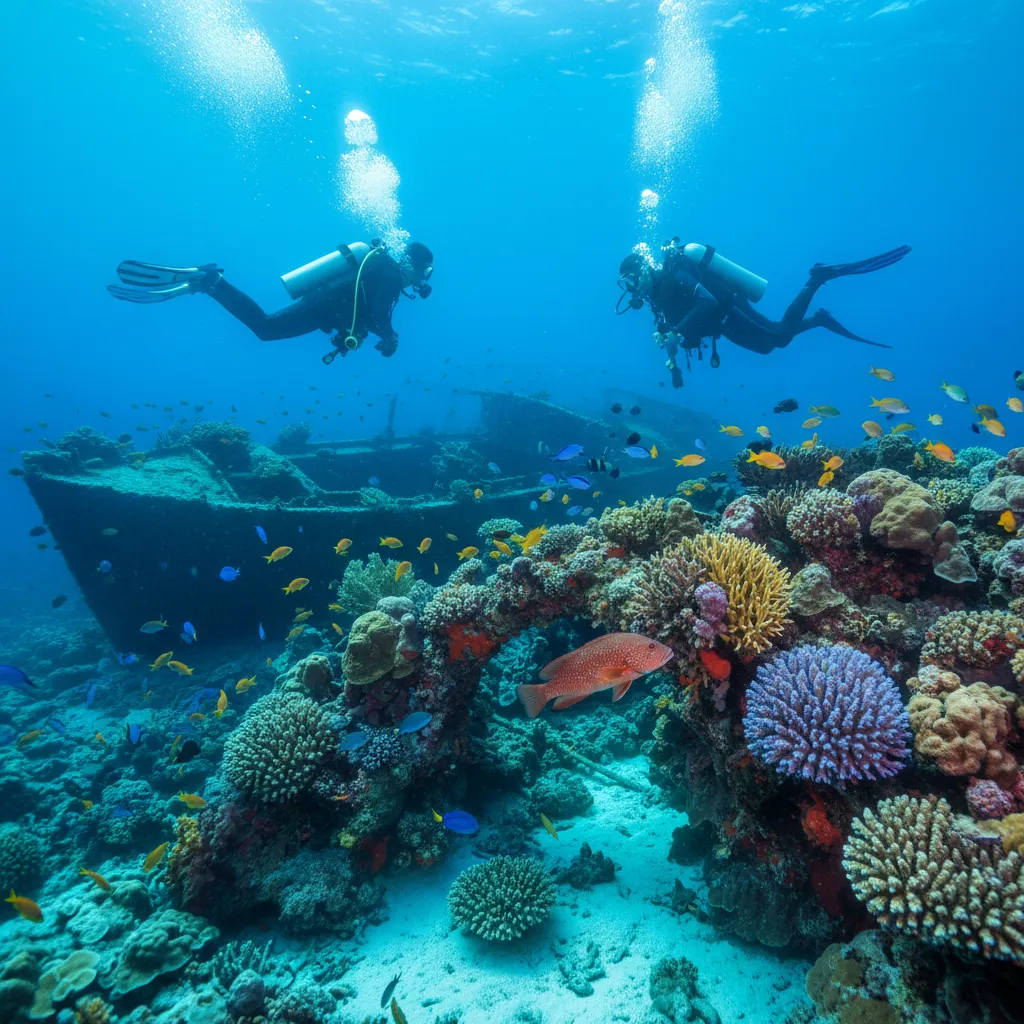
Why Bermuda for Your First Dives?
Bermuda offers a surprisingly accessible entry point for beginner divers, despite its reputation for deep shipwrecks. The island's unique geology, formed by volcanic activity and coral growth, creates a diverse underwater landscape with numerous shallow reefs and sheltered coves ideal for initial training and discovery dives. Water temperatures are comfortable for much of the year, typically ranging from 70°F (21°C) in spring to 85°F (29°C) in summer and early autumn. Visibility is consistently good, often exceeding 80-100 feet, allowing new divers to feel more comfortable and absorb their surroundings without the added challenge of murky conditions.
While Bermuda is renowned for its extensive collection of shipwrecks-over 300 in total-many of these are at depths suitable for advanced divers. However, there are also shallower wreck sites and abundant reef systems that provide excellent opportunities for beginners to encounter diverse marine life. Expect to see vibrant coral formations, parrotfish, angelfish, barracuda, various snapper species, and occasionally sea turtles. The generally calm conditions within the reef systems and protected areas mean new divers can focus on buoyancy and basic skills without battling strong currents, making it a suitable and enjoyable environment for building confidence underwater.
Best Beginner-Friendly Regions
North Shore
The North Shore offers numerous shallow, protected reef systems that are perfect for beginners. The waters here are often calmer due to the prevailing winds, making it an ideal location for initial training dives and Discover Scuba Diving experiences. Sites like the Vixen Wreck, while a shipwreck, sits in very shallow water (around 20-30 feet) allowing snorkelers and beginner divers to explore its remnants and surrounding reef. The abundance of healthy coral and smaller reef fish makes for a visually engaging first underwater experience without significant depth or current challenges.
South Shore
While the South Shore can experience more wave action, it also features numerous coves and protected areas that are excellent for beginners. The reefs here are vibrant and relatively shallow, with many sites accessible via short boat rides. Dive sites like Church Bay, known for its sheltered cove and easy shore access, can be suitable for calm water training, though most beginner dives will be boat-accessed to reach the outer reefs. Expect diverse reef fish and good coral coverage in these areas, often at depths of 20-40 feet.
Western Blue Cut
The Western Blue Cut, located on the western side of Bermuda, is a broad channel that provides access to the open ocean but also features extensive shallow reef systems along its edges. These reefs benefit from good water circulation, leading to healthy coral growth and a variety of marine life. Many dive operators utilize the inner parts of the Cut for beginner dives due to its generally calm waters and manageable depths, typically 30-50 feet. It's a great place to experience the scale of Bermuda's reef system without venturing into deeper or more exposed areas.
What Certification Do You Need?
For your first independent dives in Bermuda, you will need to hold a PADI Open Water Diver certification or an equivalent certification from another recognized agency such as SSI, NAUI, or BSAC. This certification qualifies you to dive to a maximum depth of 60 feet (18 meters) with a buddy. If you are not yet certified, Bermuda's local dive centers offer Discover Scuba Diving programs, which allow you to experience diving under direct instructor supervision in shallow water without prior certification. They also provide full Open Water Diver courses, typically completed over 3-4 days, which include classroom sessions, confined water training, and open water dives. PADI is the most widely recognized certification agency on the island, with several professional dive centers offering their full range of courses.
Best Time to Visit
The best time to visit Bermuda for diving, especially for beginners, is from May through October. During these months, the weather is consistently warm and sunny, and the water temperatures are at their most comfortable. From May to June, water temperatures range from 70-78°F (21-26°C). The peak season, July through September, sees water temperatures reaching their highest, typically 80-85°F (27-29°C), making for very pleasant diving conditions with minimal thermal protection needed. October still offers good conditions, with water temperatures usually around 75-80°F (24-27°C) before starting to cool in November. Visibility remains excellent throughout this period, often exceeding 80 feet, providing clear views of the underwater landscape. Hurricane season officially runs from June 1st to November 30th, with the highest risk in August and September, so it's advisable to monitor weather forecasts if traveling during these months, though direct hits are infrequent.
What to Expect on Your First Dive
Your first dive in Bermuda will typically begin at a local dive center, where you'll check in, complete any necessary paperwork, and attend a detailed briefing. This briefing will cover the dive site, marine life you might encounter, safety procedures, and communication signals. You'll then be fitted with rental gear-mask, fins, wetsuit (if needed), BCD, and regulator. Most beginner dives in Bermuda are boat-based, as the prime reef and shallow wreck sites are a short ride offshore. You'll gear up on the boat, and your instructor or dive guide will assist you. Entry is usually a controlled giant stride from the side of the boat. Once in the water, you'll practice basic skills on the surface before descending slowly with your instructor. The underwater experience will focus on controlled breathing, buoyancy, and enjoying the surroundings. Bermuda's typical dive style for beginners is generally calm within the reef systems, with minimal currents, allowing for a relaxed and immersive introduction to the underwater world. Expect a dive duration of 30-45 minutes, depending on air consumption.
Budget Guide
Diving in Bermuda can be a moderate to high-cost activity compared to some other destinations. A Discover Scuba Diving experience, which is a single supervised dive for uncertified individuals, typically costs around $150-$200 USD. A full PADI Open Water Diver course usually ranges from $600-$800 USD, often including all equipment rentals and certification fees. For certified divers, a two-tank fun dive trip will cost approximately $150-$180 USD, including tanks and weights. Full equipment rental (BCD, regulator, wetsuit, mask, fins) usually adds an extra $50-$75 USD per day if not included in a package. Accommodation prices vary widely: budget guesthouses can start around $150-$250 USD per night, mid-range hotels $300-$500 USD per night, and luxury resorts upwards of $600 USD per night. All prices are generally quoted in Bermuda Dollars (BMD), which are pegged 1:1 with the US Dollar (USD), and US currency is widely accepted.
Essential Tips
- Book in Advance: Especially during peak season (May-October), dive trips and courses can fill up quickly. Book your spots with dive centers several weeks ahead of your visit.
- Reef-Safe Sunscreen: Bermuda is committed to protecting its marine environment. Use mineral-based, reef-safe sunscreen to minimize impact on corals.
- Hydrate: The warm climate and sun can lead to dehydration. Drink plenty of water before and after your dives.
- Check Cruise Ship Schedules: Bermuda is a popular cruise destination. Dive sites can be busier on days when multiple cruise ships are in port.
- Understand Local Currents: While beginner sites are generally calm, be aware that currents can be present in certain areas, especially near cuts and channels. Your dive guide will brief you.
- Respect Marine Life: Do not touch or disturb corals or marine animals. Maintain a respectful distance and observe from afar.
- Bring a Rash Guard: Even in warm waters, a rash guard can provide sun protection on the surface and a little extra warmth underwater, especially for extended dives.
At a Glance
| Destination | Difficulty | Best Months |
|---|---|---|
| North ShoreBermuda | Beginner | - |
| South ShoreBermuda | Beginner | - |
| Western Blue CutBermuda | Beginner | - |
Frequently Asked Questions
Do I need a certification to dive in Bermuda?
Yes, for independent diving, you need a PADI Open Water Diver certification or equivalent. However, you can try a Discover Scuba Diving program under instructor supervision without prior certification, or complete your full Open Water course on the island.
How much does diving cost in Bermuda?
A Discover Scuba Diving experience typically costs $150-$200 USD. A full Open Water course is around $600-$800 USD. For certified divers, a two-tank fun dive trip costs $150-$180 USD, with equipment rental an additional $50-$75 USD per day. Prices are in BMD, which is 1:1 with USD.
What is the best time to dive in Bermuda?
The best time for diving in Bermuda is from May through October. Water temperatures range from 70-85°F (21-29°C) and visibility is consistently excellent, often exceeding 80 feet, making for comfortable and clear dives.
Is Bermuda safe for beginner divers?
Yes, Bermuda is very safe for beginner divers. The island offers numerous shallow, protected reef systems with generally calm conditions and good visibility. Dive centers are professional and focus on safety, making it an excellent place to learn and build confidence.
What marine life will I see in Bermuda?
On your first dives in Bermuda, you can expect to see vibrant coral formations, parrotfish, angelfish, barracuda, various snapper species, groupers, and often sea turtles. The reefs host a diverse array of smaller reef fish and invertebrates.
Related Guides
Planning when to go?
See the month-by-month conditions guide