First Time Diving in Cambodia - A Beginner's Complete Guide
Everything you need to know before your first dive in Cambodia
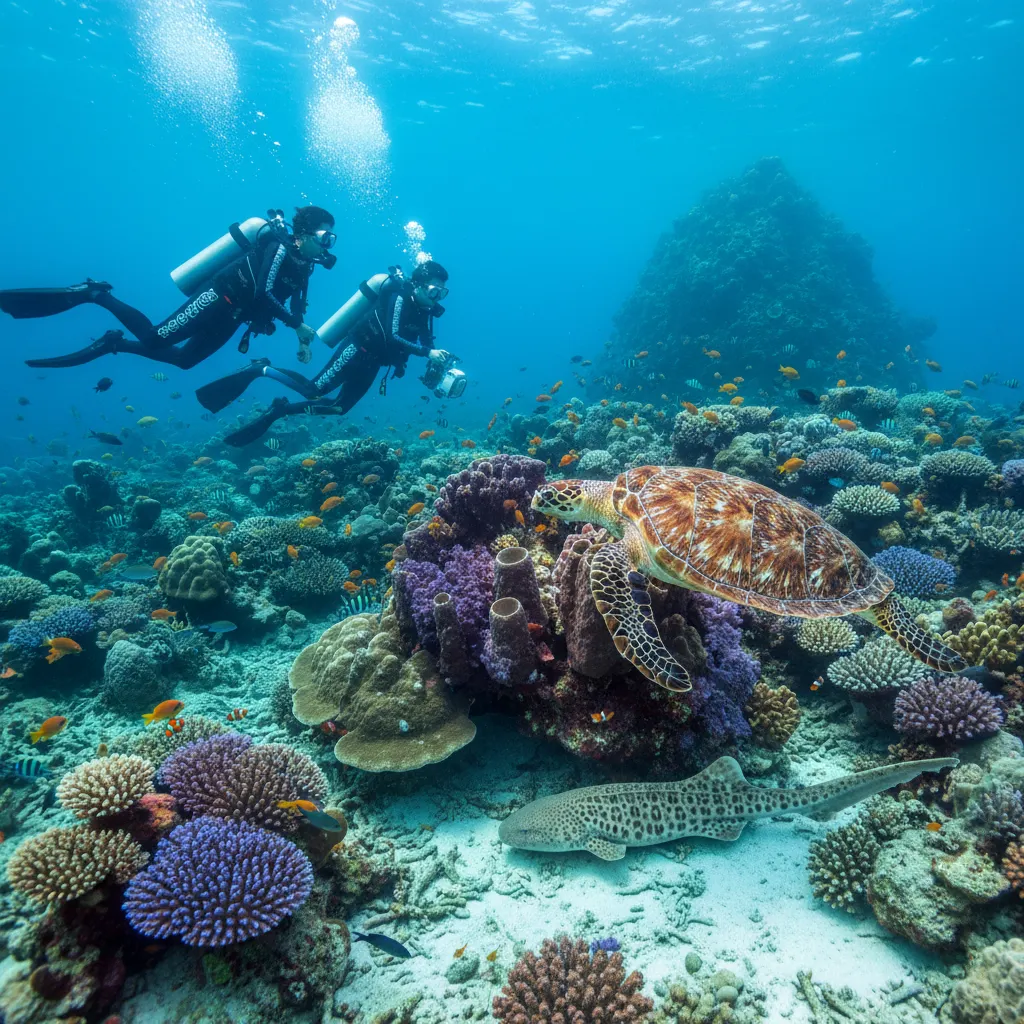
Why Cambodia for Your First Dives?
Cambodia offers a surprisingly accessible and rewarding introduction to scuba diving, especially for beginners. With 33 out of its 49 dive sites rated as beginner-friendly, the country prioritizes calm, shallow waters ideal for learning. You won't find strong currents or complex dive profiles here, allowing new divers to focus on buoyancy and basic skills without added stress.
The warm tropical waters, consistently around 28-30°C (82-86°F), eliminate the need for thick wetsuits, making gear easier to manage and dives more comfortable. Visibility typically ranges from 5-15 meters, which is ample for observing the diverse macro life and soft corals. While not known for large pelagics, Cambodia's underwater environment is rich in nudibranchs, seahorses, pipefish, and various reef fish, providing plenty of interesting sights for a first-time diver.
Best Beginner-Friendly Regions
Koh Rong Archipelago: This region is the undisputed champion for beginner divers in Cambodia. Its numerous islands and sheltered bays provide consistently calm and shallow conditions. Sites like Koh Rong Samloem's Lazy Beach and Koh Koun offer gentle slopes and depths rarely exceeding 12-15 meters, perfect for practicing skills and enjoying extended bottom times. Expect to see colorful reef fish, small crabs, and the occasional stingray in these protected areas.
Koh Tang & Offshore: While some sites in this region are deeper, there are specific areas around Koh Tang that are suitable for Open Water certified beginners. These sites are generally more exposed to open ocean conditions, meaning slightly better visibility but also the potential for mild currents. Dive operators carefully select sites based on conditions, often choosing sheltered coves for less experienced divers. The journey to Koh Tang is longer, making it a multi-day trip, but it offers a more remote and pristine experience.
What Certification Do You Need?
To participate in guided fun dives in Cambodia, you will generally need a PADI Open Water Diver certification or an equivalent certification from another recognized agency like SSI, NAUI, or CMAS. Most dive centers in Sihanoukville and Koh Rong offer PADI courses, from Discover Scuba Diving (an introductory experience that doesn't result in certification) to Open Water and Advanced Open Water. If you are not certified, you can complete your Open Water course in Cambodia, which typically takes 3-4 days and includes confined water training and four open water dives.
Best Time to Visit
The best time to visit Cambodia for diving is during the dry season, which runs from November to May. During these months, the weather is generally sunny, and the seas are calmest, leading to the most consistent visibility. Water temperatures remain warm throughout the year, typically between 28-30°C (82-86°F). The peak season for tourism and diving is from December to February, so booking in advance is advisable during this period. The monsoon season from June to October can bring heavier rain and rougher seas, potentially impacting dive schedules and visibility.
What to Expect on Your First Dive
Your first dive experience in Cambodia, whether a Discover Scuba Dive or your first Open Water training dive, will typically start with a check-in at a local dive center on Koh Rong or Sihanoukville. After a thorough briefing covering equipment, hand signals, and basic safety procedures, you'll be fitted with gear. Most dives in Cambodia are boat dives, meaning you'll travel by boat to a sheltered dive site. Entry into the water is usually a giant stride off the boat. The initial underwater experience will focus on shallow, calm conditions, allowing you to get comfortable breathing underwater, practice essential skills like mask clearing and regulator recovery, and then enjoy a guided tour of the reef. Expect a relaxed pace, with your instructor or guide always nearby, pointing out marine life. Dives are generally shallow, around 5-12 meters, ensuring plenty of bottom time and a gentle introduction to the underwater world.
Budget Guide
Diving in Cambodia is relatively affordable. A Discover Scuba Diving experience, which includes equipment and instruction, typically costs around $70-90 USD (280,000-360,000 KHR). A full PADI Open Water Diver course ranges from $350-450 USD (1,400,000-1,800,000 KHR), usually including all materials, equipment, and certification fees. For certified divers, a fun dive package (two dives) costs approximately $60-80 USD (240,000-320,000 KHR), with discounts often available for multiple-day packages. Equipment rental is usually included in course and fun dive prices. Accommodation on Koh Rong and Koh Rong Samloem ranges from budget guesthouses at $15-30 USD per night to mid-range bungalows at $50-100 USD per night, with some luxury options exceeding $150 USD.
Essential Tips
- Book in Advance: Especially during peak season (December-February), dive centers and popular accommodations can fill up quickly.
- Bring Cash: While some larger establishments accept cards, many smaller businesses and island vendors operate on cash (USD is widely accepted).
- Sun Protection is Key: The tropical sun is strong. Use reef-safe sunscreen, wear a hat, and consider a rash guard for surface intervals.
- Stay Hydrated: Drink plenty of water before and after dives, especially in the warm climate.
- Check for Current Conditions: While generally calm, always ask your dive operator about the day's expected visibility and any mild currents.
- Respect Marine Life: Observe, but do not touch or disturb any marine creatures or corals.
- Consider Travel Insurance: Ensure your travel insurance covers scuba diving activities, including potential medical emergencies and recompression chamber access (though none are currently in Cambodia, requiring evacuation).
At a Glance
| Destination | Difficulty | Best Months |
|---|---|---|
| Koh Rong ArchipelagoCambodia | Beginner | Jan-Dec |
| Koh Tang & OffshoreCambodia | Beginner | Jan-Dec |
Koh Rong Archipelago
Cambodia
Difficulty
Beginner
Best Months
Jan-Dec
Water Temp
29-29C
Dive Centres
16
Practical Info
- dive Sites:
- 33
- dive Centres:
- 16
Koh Tang & Offshore
Cambodia
Difficulty
Beginner
Best Months
Jan-Dec
Water Temp
29-29C
Dive Centres
4
Practical Info
- dive Sites:
- 16
- dive Centres:
- 4
Frequently Asked Questions
Do I need a certification to dive in Cambodia?
To go on guided fun dives, you need a PADI Open Water Diver certification or equivalent. However, you can do a Discover Scuba Diving experience without certification, or complete your Open Water course at local dive centers in Cambodia.
How much does diving cost in Cambodia?
A Discover Scuba Dive costs around $70-90 USD. A PADI Open Water course is typically $350-450 USD. Two fun dives for certified divers are approximately $60-80 USD. Equipment rental is usually included.
What is the best time to dive in Cambodia?
The best time to dive in Cambodia is during the dry season, from November to May. This period offers calm seas, consistent visibility, and warm water temperatures (28-30°C).
Is Cambodia safe for beginner divers?
Yes, Cambodia is very safe for beginner divers. Most dive sites are shallow, have calm conditions, and are free from strong currents. Dive centers prioritize safety and offer experienced instructors for new divers.
What marine life will I see in Cambodia?
In Cambodia, you can expect to see a variety of macro life like nudibranchs, seahorses, and pipefish, along with numerous reef fish, small crabs, and soft corals. While not known for large pelagics, the reefs are vibrant.
Related Guides
Planning when to go?
See the month-by-month conditions guide