First Time Diving in Canada - A Beginner's Complete Guide
Everything you need to know before your first dive in Canada
Why Canada for Your First Dives?
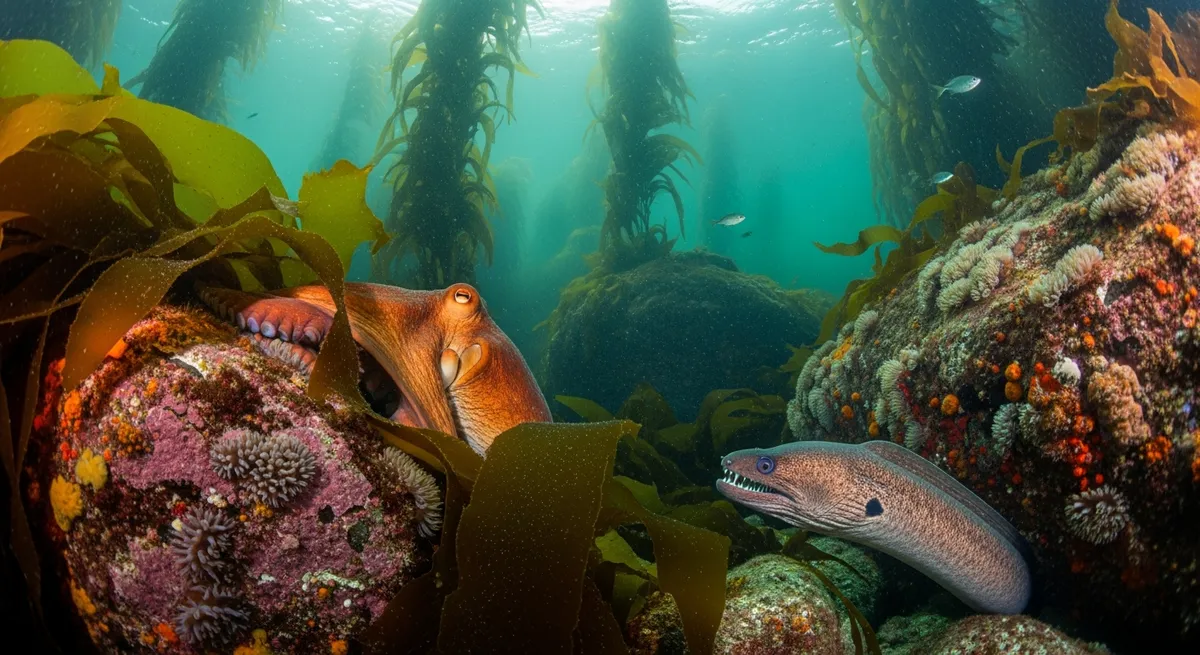
Canada, with its 479 dive sites across 7 regions, might not be the first place that comes to mind for a beginner diver, but it offers a unique and rewarding experience. While often associated with colder waters, many sites, especially in the summer months, become more accessible. The underwater landscapes are characterized by dramatic rock formations, kelp forests, and surprisingly vibrant invertebrate life. Visibility can vary significantly by region and season, ranging from 10-30 feet in some lake environments to 50-100 feet in parts of the Atlantic.
It's important to be honest: Canada is not a tropical diving destination. Water temperatures are cooler, requiring proper thermal protection like a 7mm wetsuit or drysuit. This makes it a challenging but highly rewarding destination for those looking to expand their diving skills beyond warm, shallow reefs. The marine life highlights include various species of fish, crabs, lobsters, seals, and an incredible array of colorful nudibranchs and anemones. With 7 sites specifically rated for beginners, and another 7 for intermediate divers, there are suitable options, particularly when guided by experienced local dive operators.
Best Beginner-Friendly Regions
Québec: While known for its colder waters, Québec offers several sheltered lakes and rivers that provide calm conditions suitable for initial training and beginner dives. The St. Lawrence River, in particular, has areas with minimal current and interesting historical artifacts. Dive sites are often accessible from shore, simplifying logistics for new divers. The visibility in these freshwater environments can be quite good, and the cooler temperatures mean less crowded sites, allowing for a more focused learning experience.
Nova Scotia: The Atlantic province of Nova Scotia boasts numerous sheltered coves and bays, especially around the Halifax area, which are ideal for beginners. The province is dotted with easily accessible shore dives and shallow boat dives that offer a glimpse into the rich marine history of the region, including shipwrecks in shallower depths. The kelp forests provide a habitat for various crustaceans and fish, making for an engaging first dive. Local dive shops are well-equipped to handle new divers and provide appropriate gear for the cooler temperatures.
Ontario Great Lakes: Ontario's vast Great Lakes offer a unique freshwater diving experience. While the water can be cool, the lack of strong currents and the generally good visibility in many areas make it suitable for beginners. Shore entry is common, and numerous shallow historical wrecks provide fascinating dive sites that don't require advanced skills. The clear, fresh water means you'll encounter different marine life than in saltwater, primarily various freshwater fish species, making for a distinct first dive experience.
What Certification Do You Need?
To participate in guided fun dives in Canada, you will need a PADI Open Water Diver certification or an equivalent entry-level certification from a recognized agency like SSI, NAUI, or CMAS. If you are not yet certified, you can complete a Discover Scuba Diving experience, which is an introductory dive under direct instructor supervision, typically in a confined water setting or very shallow, calm open water. Many local dive centers across Canada, particularly in the key diving regions, offer Open Water courses. PADI is widely popular, and you'll find numerous PADI Dive Centers. Drysuit specialty certification is highly recommended and often necessary for comfortable diving outside of peak summer months due to the colder water temperatures.
Best Time to Visit
The best time to visit Canada for diving, especially for beginners, is during the summer months, typically from June to September. During this period, surface water temperatures are at their warmest, ranging from 10°C-18°C (50°F-64°F) in most accessible regions, though they can be cooler at depth or in more northern areas. Air temperatures are also more comfortable, making for a more pleasant overall experience. Visibility generally improves in the summer after spring run-off has settled. While diving is possible year-round, the colder months (October-May) require drysuit certification and offer more challenging conditions better suited for experienced divers.
What to Expect on Your First Dive
On your first dive in Canada, expect a thorough briefing from your dive guide or instructor, covering the dive plan, safety procedures, and points of interest. You'll typically check in at a local dive center, where you'll be fitted for rental gear, including a wetsuit (7mm or thicker) or drysuit, BCD, regulator, mask, fins, and weights. Many beginner-friendly dives are shore entries, meaning you'll gear up near the water and walk in. For boat dives, expect a stable vessel with an easy entry/exit platform. The underwater experience will likely involve exploring kelp forests, rock formations, and potentially shallow wrecks. Currents are generally minimal at beginner sites, but always be prepared for cooler water and be mindful of your buoyancy. The focus will be on comfort, safety, and enjoying the unique temperate marine environment.
Budget Guide
Diving in Canada requires a realistic budget. A Discover Scuba Diving experience typically costs around CAD $120-$180 (approx. USD $90-$135). An Open Water Diver certification course, including gear rental, ranges from CAD $600-$900 (approx. USD $450-$675). Fun dives (certified divers) usually cost CAD $70-$120 (approx. USD $50-$90) per dive, often with discounts for multi-dive packages. Equipment rental, if not included in a package, can be CAD $50-$80 (approx. USD $35-$60) per day for a full set. Accommodation varies widely: budget hostels/motels might be CAD $80-$150 (approx. USD $60-$110) per night, while mid-range hotels could be CAD $150-$300 (approx. USD $110-$225) per night. Factor in transportation and food costs, which are comparable to other Western countries.
Essential Tips
- Thermal Protection is Key: Always opt for a 7mm wetsuit or a drysuit, even in summer. Water temperatures are consistently cooler than tropical destinations.
- Book in Advance: Especially during peak summer months, dive operators and popular courses can fill up quickly. Book your dives and courses well ahead of time.
- Consider Drysuit Certification: If you plan to dive outside of July and August, or want maximum comfort, a drysuit specialty course is highly recommended and widely available.
- Check Local Conditions: Visibility and currents can change rapidly due to weather or tides. Always check with local dive shops for the most current conditions before planning your dive.
- Respect Marine Life: Observe marine life without touching. Many delicate invertebrates and kelp forests are easily damaged.
- Factor in Travel Time: Canada is vast. Account for significant travel time between dive regions, especially if you're exploring different provinces.
- Learn About Local Regulations: Some areas may have specific dive regulations or marine park rules regarding access or artifact preservation.
At a Glance
| Destination | Difficulty | Best Months |
|---|---|---|
| QuébecCanada | Beginner | - |
| Nova ScotiaCanada | Beginner | - |
| Ontario Great LakesCanada | Beginner | Jan-Oct |
| New Brunswick & Bay of FundyCanada | Beginner | - |
| NewfoundlandCanada | Beginner | - |
Nova Scotia
Canada
Difficulty
Beginner
Water Temp
1-17C
Dive Centres
50
Practical Info
- dive Sites:
- 140
- dive Centres:
- 50
Ontario Great Lakes
Canada
Difficulty
Beginner
Best Months
Jan-Oct
Dive Centres
23
Practical Info
- dive Sites:
- 56
- dive Centres:
- 23
Difficulty
Beginner
Dive Centres
4
Practical Info
- dive Sites:
- 35
- dive Centres:
- 4
Newfoundland
Canada
Difficulty
Beginner
Water Temp
0-16C
Dive Centres
1
Practical Info
- dive Sites:
- 31
- dive Centres:
- 1
Frequently Asked Questions
Do I need a certification to dive in Canada?
Yes, to participate in guided fun dives in Canada, you will need a PADI Open Water Diver certification or an equivalent entry-level certification from a recognized agency. If you are not certified, you can try a Discover Scuba Diving experience under direct instructor supervision.
How much does diving cost in Canada?
A Discover Scuba Diving experience costs around CAD $120-180. An Open Water certification course typically ranges from CAD $600-900. Fun dives for certified divers are usually CAD $70-120 per dive. Equipment rental is CAD $50-80 per day.
What is the best time to dive in Canada?
The best time for beginner diving in Canada is during the summer months, from June to September. Water temperatures are warmest, ranging from 10°C-18°C, and visibility generally improves during this period. This makes for a more comfortable and accessible experience.
Is Canada safe for beginner divers?
Yes, Canada is safe for beginner divers, provided you dive with reputable local operators and are appropriately trained and equipped for the cooler water conditions. Many sites are specifically rated for beginners, offering calm, sheltered environments. Proper thermal protection like a 7mm wetsuit or drysuit is essential.
What marine life will I see in Canada?
In Canada, you can expect to see various marine life including different species of fish, crabs, lobsters, seals, and an incredible array of colorful nudibranchs and anemones. Freshwater sites in the Great Lakes will feature freshwater fish species. The underwater landscapes also include dramatic rock formations and kelp forests.
Related Guides
Planning when to go?
See the month-by-month conditions guide