First Time Diving in Cook Islands - A Beginner's Complete Guide
Everything you need to know before your first dive in Cook Islands
Why Cook Islands for Your First Dives?
The Cook Islands, with its 36 dive sites concentrated around Rarotonga, offers a surprisingly accessible entry point for new divers, despite its modest number of beginner sites. The primary appeal for first-timers lies in the consistently warm tropical waters, which typically range from 25-29°C (77-84°F) year-round. This comfortable temperature eliminates the need for thick wetsuits, making the experience more enjoyable and less cumbersome for those getting accustomed to dive gear. Visibility is generally excellent, often exceeding 20 meters (65 feet), allowing for clear views of the underwater landscape and making navigation easier for new divers.
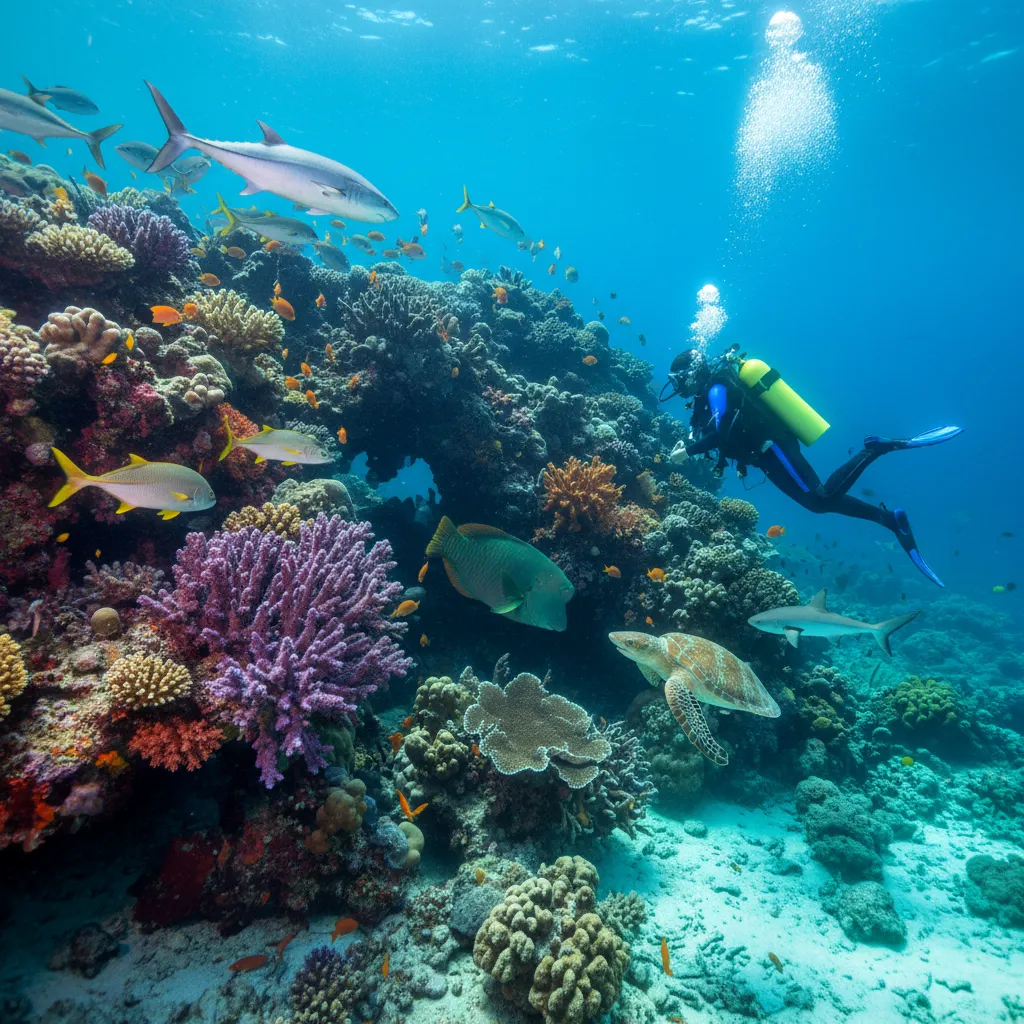
While the Cook Islands might not boast the sheer volume of beginner sites found in larger dive destinations, the one designated beginner site offers a calm and protected environment ideal for initial underwater experiences. Marine life encounters are a significant draw, even for beginners. Expect to see a variety of reef fish, small sharks, turtles, and colorful corals. The relatively calm lagoon areas and sheltered reef sections provide a gentle introduction to the underwater world, minimizing strong currents that can be daunting for novices. It’s a destination where you can focus on mastering your buoyancy and enjoying the scenery without feeling overwhelmed.
Best Beginner-Friendly Regions
For beginner divers in the Cook Islands, Rarotonga is the undisputed main region. With all 36 dive sites located here, it's where you'll find the dedicated beginner-friendly options. The island's fringing reef creates sheltered lagoons and channels that offer protected environments for learning. While specific named beginner sites are not extensively publicized, local dive operators on Rarotonga are adept at selecting calm, shallow areas within the lagoon or just beyond the reef where conditions are ideal for Discover Scuba Diving experiences and initial Open Water training dives. These locations typically feature gentle slopes, good visibility, and a diverse array of smaller reef fish and coral formations.
What Certification Do You Need?
To participate in guided fun dives in the Cook Islands, you will need a PADI Open Water Diver certification or an equivalent certification from another recognized agency such as SSI, NAUI, or CMAS. This certification demonstrates that you have completed the necessary theoretical knowledge and practical skills to dive safely. If you are not yet certified, local dive centers in Rarotonga offer Discover Scuba Diving programs, which allow you to experience diving under direct supervision without full certification. They also provide full Open Water Diver courses, typically over 3-4 days, enabling you to get certified on the island. PADI is the most prevalent certification agency in the Cook Islands, so finding a PADI-affiliated dive center is straightforward.
Best Time to Visit
The Cook Islands offers good diving conditions year-round, but the dry season, from May to October, is generally considered the best time to visit for optimal weather. During these months, you can expect less rainfall, lower humidity, and more consistent sunshine. Water temperatures during the dry season range from 25-27°C (77-81°F). The wet season, from November to April, brings higher humidity and more frequent, though often short, rain showers. However, water temperatures are slightly warmer, averaging 27-29°C (81-84°F), and visibility remains good. Humpback whales are typically present from July to October, offering a chance for surface encounters or distant underwater sightings, though direct interaction while diving is regulated.
What to Expect on Your First Dive
Your first dive in the Cook Islands, especially if it's a Discover Scuba Diving experience or the first day of your Open Water course, will typically begin at a local dive center on Rarotonga. You'll start with a check-in process, completing any necessary paperwork and health declarations. Following this, you'll receive a comprehensive briefing from your instructor, covering the basics of dive theory, equipment use, communication signals, and safety procedures specific to the dive site. You'll then be fitted with your dive gear - mask, fins, BCD, regulator, and wetsuit (often a shorty or rash guard due to warm water). Most dives in the Cook Islands are boat dives, so you'll board a dive boat for a short ride to a sheltered lagoon or a calm, shallow reef area. Entry into the water is usually a controlled giant stride or back roll from the boat. Once in the water, your instructor will guide you through initial breathing exercises and skill practice in shallow water before descending. The underwater experience will be calm, with a focus on buoyancy control and observing the marine life, which often includes parrotfish, butterflyfish, and possibly small reef sharks or turtles. Currents are generally minimal in beginner areas.
Budget Guide
Diving in the Cook Islands requires a realistic budget. A Discover Scuba Diving experience typically costs around NZD $180-220 (approximately USD $110-135). If you decide to pursue full certification, a PADI Open Water Diver course will generally range from NZD $700-900 (approximately USD $430-550), which usually includes all equipment rental, instruction, and certification fees. For certified divers, a two-tank fun dive trip usually costs around NZD $150-180 (approximately USD $90-110), with single tank dives being less common. Equipment rental, if not included in a package, can add NZD $30-50 (approximately USD $18-30) per day. Accommodation on Rarotonga varies widely: budget guesthouses can start from NZD $80-120 (USD $50-75) per night, mid-range resorts from NZD $200-400 (USD $125-250), and luxury options can exceed NZD $500 (USD $300) per night. Factor in additional costs for food, transportation, and other activities.
Essential Tips
- Book your dives and courses in advance, especially during the peak dry season (May-October), as dive operators on Rarotonga can have limited capacity.
- Be mindful of local customs and traditions; the Cook Islands has a strong cultural heritage.
- Reef shoes are highly recommended for walking on the beaches and near the lagoon, as coral fragments can be sharp.
- While visibility is generally excellent, occasional plankton blooms can temporarily reduce it; these are natural occurrences and not a cause for concern.
- Stay hydrated, both on the boat and throughout your stay, due to the warm tropical climate.
- Sun protection is crucial; use reef-safe sunscreen, hats, and rash guards.
- The Cook Islands uses the New Zealand Dollar (NZD); ensure you have some local currency, although credit cards are widely accepted in tourist areas.
At a Glance
| Destination | Difficulty | Best Months |
|---|---|---|
| RarotongaCook Islands | Beginner | Jan-Dec |
Rarotonga
Cook Islands
Difficulty
Beginner
Best Months
Jan-Dec
Water Temp
26-26C
Dive Centres
5
Practical Info
- dive Sites:
- 36
- dive Centres:
- 5
Frequently Asked Questions
Do I need a certification to dive in Cook Islands?
Yes, for guided fun dives, you need a PADI Open Water Diver certification or equivalent. However, you can do a Discover Scuba Diving experience without certification, or complete your Open Water course on Rarotonga.
How much does diving cost in Cook Islands?
A Discover Scuba Diving experience costs around NZD $180-220 (USD $110-135). A full Open Water course is typically NZD $700-900 (USD $430-550). Two-tank fun dives for certified divers are about NZD $150-180 (USD $90-110).
What is the best time to dive in Cook Islands?
The dry season, from May to October, offers optimal weather with less rain and consistent sunshine. Water temperatures range from 25-27°C (77-81°F). Humpback whales are present from July to October.
Is Cook Islands safe for beginner divers?
Yes, the Cook Islands, particularly Rarotonga, offers sheltered lagoons and calm reef areas suitable for beginners. Dive operators are experienced in guiding new divers in safe, controlled environments with minimal currents.
What marine life will I see in Cook Islands?
Beginner divers can expect to see a variety of reef fish like parrotfish and butterflyfish, small sharks, and green sea turtles. Colorful corals are also a common sight in the calmer, shallower areas.
Related Guides
Planning when to go?
See the month-by-month conditions guide