First Time Diving in Cuba - A Beginner's Complete Guide
Everything you need to know before your first dive in Cuba
Why Cuba for Your First Dives?
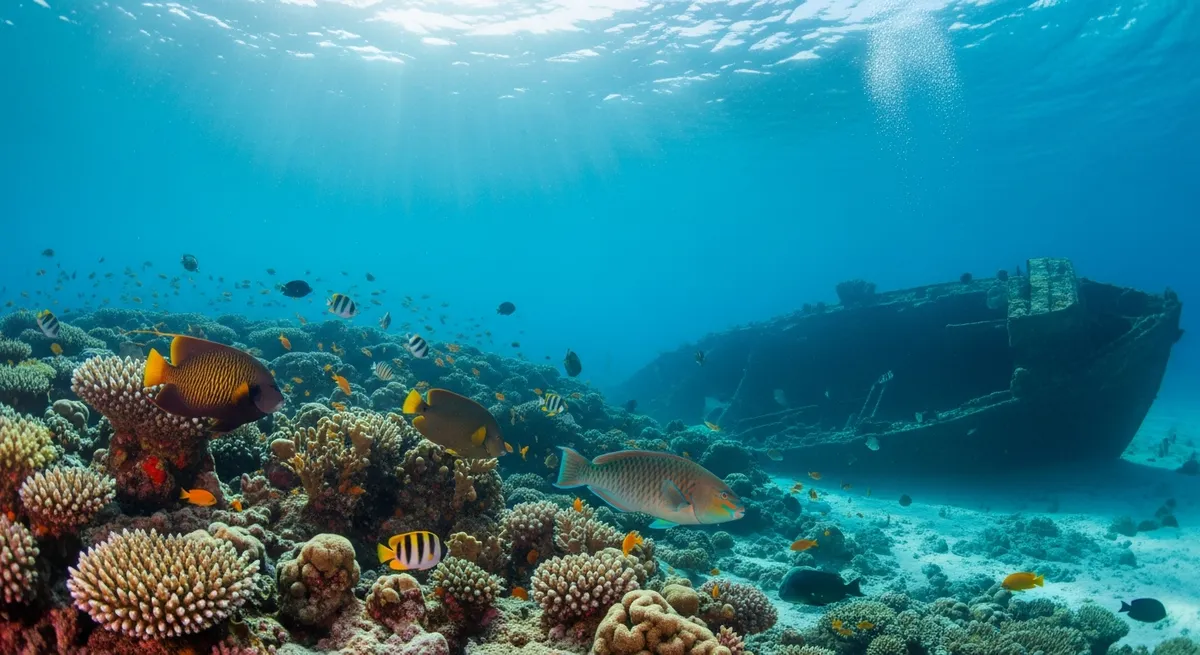
Cuba offers a welcoming environment for beginner divers, making it an excellent choice for your first underwater adventures. The country boasts calm, warm waters with average temperatures ranging from 26-29°C (79-84°F) year-round, eliminating the need for thick wetsuits and making longer dives more comfortable. Visibility is consistently good, often exceeding 20 meters (65 feet), which helps new divers maintain orientation and reduces anxiety.
While some areas like Jardines de la Reina offer more advanced experiences, many of Cuba's 135 dive sites, particularly in regions like María la Gorda and the Bay of Pigs, are specifically suited for beginners. These sites feature shallow reefs, gentle currents, and abundant, accessible marine life such as colorful reef fish, vibrant corals, and occasional sightings of turtles and rays. The relaxed pace of Cuban dive centers also contributes to a positive first-time diving experience.
Best Beginner-Friendly Regions
For those new to diving, Cuba has several regions that stand out for their calm conditions and accessible sites. María la Gorda, located on the western tip of the island, is renowned for its excellent visibility and protected bay. Dive sites like 'El Acuario' and 'Las Tetas de María' offer shallow depths and diverse coral formations, ideal for practicing buoyancy and observing marine life without strong currents. The dive operations here are well-established and cater specifically to divers of all levels.
The Bay of Pigs (Bahía de Cochinos), particularly the area around Playa Girón and Playa Larga, is another fantastic choice for beginners. This region is famous for its shore diving, meaning you can walk directly into the water from the beach, eliminating the need for boat entries and exits which can sometimes be intimidating for new divers. Sites like 'Punta Perdiz' and 'Cueva de los Peces' feature natural cenotes and vibrant reef walls just a short swim from shore, with depths suitable for Open Water certification. The calm, enclosed nature of the bay ensures minimal currents.
Varadero, while a popular tourist destination, also offers several beginner-friendly dive sites. Its proximity to many resorts makes it convenient, and the local dive centers are experienced in introducing new divers to the underwater world. Sites near the Hicacos Peninsula often feature gentle slopes and good visibility, allowing for comfortable first dives. While not as pristine as more remote locations, Varadero provides a good entry point to Cuban diving with easy access and established infrastructure.
What Certification Do You Need?
To participate in guided recreational dives in Cuba, you will typically need a PADI Open Water Diver certification or an equivalent certification from another recognized agency such as SSI, NAUI, or CMAS. This certification demonstrates that you have completed the necessary theoretical and practical training to dive safely to a maximum depth of 18 meters (60 feet).
If you are not yet certified, many dive centers across Cuba offer Discover Scuba Diving (DSD) experiences. This allows you to try diving under direct instructor supervision in shallow water without needing full certification. It's a great way to see if diving is for you before committing to a full course. Local dive centers are readily available in all major dive regions, and PADI is a very popular and widely recognized agency in Cuba, ensuring consistent training standards.
Best Time to Visit
The best time to visit Cuba for diving is generally during the dry season, which runs from November to April. During these months, you can expect stable weather conditions, minimal rainfall, and calm seas. Air temperatures average around 25-30°C (77-86°F).
Water temperatures during the dry season range from 26-28°C (79-82°F), making a 3mm shorty wetsuit or even just a rash guard sufficient for most divers. While diving is possible year-round, the wet season (May to October) can bring increased rainfall, higher humidity, and the potential for tropical storms, which may lead to dive cancellations. Visibility remains generally good throughout the year, but calm conditions of the dry season are preferable for beginners.
What to Expect on Your First Dive
Your first dive in Cuba will typically start at a local dive center. You'll begin by checking in, confirming your booking, and presenting your certification card if you have one. If you're doing a Discover Scuba Diving experience, you'll complete some paperwork and receive a basic safety briefing covering essential hand signals and equipment use.
Next, you'll be fitted with your gear- wetsuit, BCD, regulator, mask, fins, and weights. Cuban dive operations are generally relaxed, and instructors will take their time to ensure you're comfortable. Many beginner dives, especially in the Bay of Pigs, are shore dives. This means you'll gear up on land and walk into the water, gradually submerging. For boat dives, you'll typically have a short ride to a nearby reef, followed by a controlled backward roll or giant stride entry.
Underwater, your instructor will guide you through shallow, calm waters, focusing on buoyancy control and breathing. You'll have ample opportunity to observe the marine life, which often includes schools of colorful fish, vibrant corals, and possibly small rays or turtles. The pace is usually slow, allowing beginners to acclimate to the underwater environment. Exits are typically easy, either by walking out of the water on shore dives or climbing back onto the boat via a ladder.
Budget Guide
Diving in Cuba offers good value, especially compared to some other Caribbean destinations. Here's a realistic budget guide:
- Discover Scuba Diving (DSD) Experience: Expect to pay around 60-80 CUC (approximately $60-80 USD). This usually includes equipment rental and instructor supervision for one introductory dive.
- PADI Open Water Course: A full Open Water certification course typically costs between 350-500 CUC (approximately $350-500 USD). This covers theory, confined water sessions, and four open water dives, plus certification fees and equipment rental.
- Fun Dives (Certified Divers): A single fun dive usually costs 30-45 CUC (approximately $30-45 USD), while a two-tank dive trip is often 50-70 CUC (approximately $50-70 USD). These prices generally include tanks, weights, and guide services. Full equipment rental is usually an additional 10-15 CUC per day.
- Equipment Rental: If not included in a package, full equipment rental (BCD, regulator, wetsuit, mask, fins) is typically 10-15 CUC (approximately $10-15 USD) per day. Individual items like masks or fins might be 3-5 CUC.
- Accommodation: Budget-friendly casa particulares (private homes) can range from 20-40 CUC (approximately $20-40 USD) per night. Mid-range hotels might be 60-120 CUC (approximately $60-120 USD), while higher-end resorts in Varadero can exceed 150 CUC (approximately $150 USD) per night.
Note: While the official currency is the Cuban Peso (CUP), prices for tourists, especially for diving, are often quoted and effectively paid in CUC (convertible peso) or directly in USD in many establishments. Always clarify payment methods beforehand.
Essential Tips
- Book in Advance: Especially for popular dive regions like María la Gorda or during peak season (November-April), it's advisable to book your dive trips and courses in advance to secure your spot.
- Cash is King: While some larger resorts or dive centers might accept cards, cash (CUC or USD) is the most reliable form of payment for dive services, especially in smaller, more remote locations.
- Bring Your Own Gear: If you have personal gear like your mask, fins, or dive computer, bring them. While rental equipment is available, having your own ensures comfort and familiarity.
- Hydrate and Protect: The Cuban sun is strong. Stay hydrated between dives and use reef-safe sunscreen. A hat and sunglasses are also recommended.
- Understand Local Customs: Embrace the relaxed Cuban pace. Dive schedules might be flexible, and things might not always run exactly on time. Patience is key.
- Marine Park Fees: Be aware that some dive sites, particularly in protected areas like Jardines de la Reina, may have additional marine park fees. Clarify this when booking.
- Medical Check: Ensure you are in good health for diving. While not always strictly enforced for DSD, it's wise to review a medical questionnaire beforehand and consult a doctor if you have any pre-existing conditions.
At a Glance
| Destination | Difficulty | Best Months |
|---|---|---|
| Jardines de la ReinaCuba | Beginner | Jan-Dec |
| María la GordaCuba | Beginner | Mar-May, Aug-Sep, Nov |
| Isla de la JuventudCuba | Beginner | Jan-Dec |
| VaraderoCuba | Beginner | Jan-Dec |
| Bay of PigsCuba | Beginner | - |
Difficulty
Beginner
Best Months
Jan-Dec
Water Temp
27-30C
Dive Centres
9
Practical Info
- dive Sites:
- 45
- dive Centres:
- 9
María la Gorda
Cuba
Difficulty
Beginner
Best Months
Mar-May, Aug-Sep, Nov
Water Temp
27-31C
Visibility
21-25 nmi
Dive Centres
9
Practical Info
- dive Sites:
- 41
- dive Centres:
- 9
Difficulty
Beginner
Best Months
Jan-Dec
Water Temp
27-27C
Dive Centres
7
Practical Info
- dive Sites:
- 26
- dive Centres:
- 7
Varadero
Cuba
Difficulty
Beginner
Best Months
Jan-Dec
Water Temp
26-26C
Dive Centres
3
Practical Info
- dive Sites:
- 23
- dive Centres:
- 3
Frequently Asked Questions
Do I need a certification to dive in Cuba?
Yes, for guided recreational dives, you typically need a PADI Open Water Diver certification or an equivalent from another recognized agency. However, if you are not certified, you can participate in a Discover Scuba Diving (DSD) experience under direct instructor supervision in shallow water.
How much does diving cost in Cuba?
A Discover Scuba Diving experience costs approximately 60-80 CUC ($60-80 USD). A full PADI Open Water course is around 350-500 CUC ($350-500 USD). Fun dives for certified divers are typically 30-45 CUC ($30-45 USD) for one tank or 50-70 CUC ($50-70 USD) for two tanks, often with an additional charge for full equipment rental.
What is the best time to dive in Cuba?
The best time to dive in Cuba is during the dry season, from November to April. During these months, you'll experience stable weather, minimal rain, calm seas, and water temperatures ranging from 26-28°C (79-82°F), which are ideal conditions for beginners.
Is Cuba safe for beginner divers?
Yes, Cuba is generally safe for beginner divers. Many regions, such as María la Gorda and the Bay of Pigs, offer calm, shallow sites with good visibility and gentle currents. Dive centers are experienced with new divers, and the warm water adds to comfort and safety.
What marine life will I see in Cuba?
In Cuba, beginner divers can expect to see a variety of colorful reef fish, vibrant coral formations, sponges, and anemones. Common sightings include snapper, grunts, parrotfish, angelfish, and occasionally sea turtles or small rays, especially in protected reef areas.
Related Guides
Planning when to go?
See the month-by-month conditions guide