First Time Diving in Dominica - A Beginner's Complete Guide
Everything you need to know before your first dive in Dominica
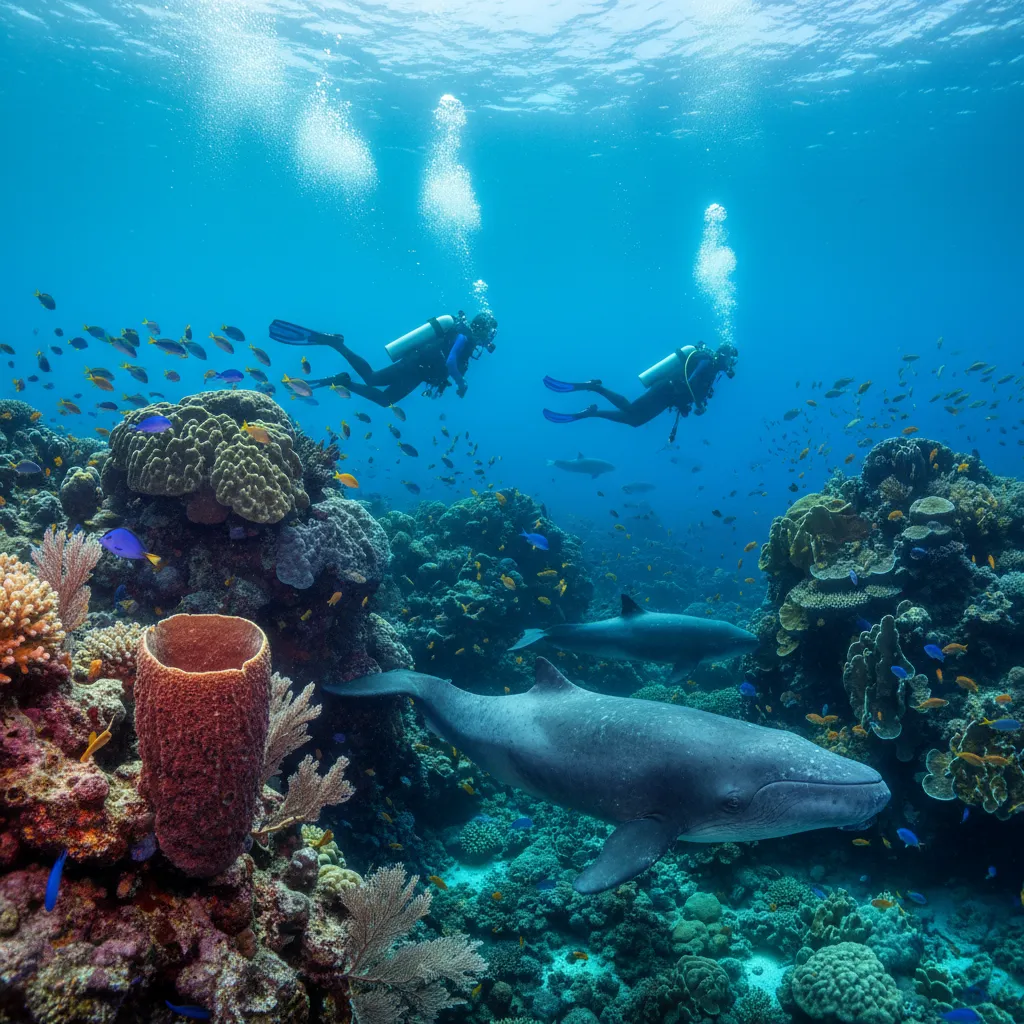
Why Dominica for Your First Dives?
Dominica, often called the "Nature Isle," offers a unique setting for your initial underwater adventures. While some Caribbean destinations focus solely on sandy beaches, Dominica provides dramatic volcanic topography that extends below the surface, creating fascinating dive sites. For beginners, the consistently warm water temperatures, typically ranging from 26-29°C (79-84°F), make for comfortable dives without the chill often associated with colder waters. Visibility is generally excellent, often exceeding 20 meters (65 feet), allowing new divers ample opportunity to orient themselves and appreciate their surroundings.
It's important to note that Dominica's volcanic origins mean some sites feature dramatic drop-offs and potential for currents, which might sound intimidating. However, the 45 dive sites across two main regions cater to all skill levels. Specifically, the Soufriere-Scotts Head Marine Reserve offers numerous sheltered bays and shallower areas perfect for first-time divers to gain confidence. While Dominica is known for its macro life and unique geological formations like submerged volcanic vents (champagne reefs), larger pelagic encounters are less common than in some other Caribbean spots, allowing beginners to focus on fundamental skills and observing the smaller, intricate ecosystems without distraction.
Best Beginner-Friendly Regions
Dominica's dive sites are primarily concentrated in two key regions, with options suitable for beginners:
Soufriere-Scotts Head Marine Reserve: This protected area on the southwestern coast is ideal for new divers. Its sheltered bays and shallower reefs minimize strong currents and offer calm conditions for learning. Sites like Champagne Reef, famous for its warm, bubbling volcanic vents, has a shallow entry and gentle slope, making it an excellent first dive experience. The vibrant coral gardens and abundant fish life, including parrotfish, damselfish, and small schooling fish, are easily accessible. Scott's Head Pinnacle also has shallower sections where beginners can explore before considering deeper areas.
Cabrits & Northern Coast: While generally known for more advanced sites, the Cabrits region near Portsmouth also offers some sheltered coves suitable for initial dives. Specific sites here can provide calmer conditions depending on the weather. Dive operators in this area are adept at selecting appropriate locations for beginners, often utilizing the protected waters within the Cabrits National Park area. The northern sites tend to have healthy coral formations and a good variety of reef fish.
What Certification Do You Need?
To participate in guided fun dives in Dominica, you will need an entry-level scuba diving certification. The most commonly recognized certification worldwide is the PADI Open Water Diver or an equivalent certification from other reputable agencies such as SSI (Scuba Schools International), NAUI, or CMAS. These certifications qualify you to dive to a maximum depth of 18 meters (60 feet) with a buddy. If you are not yet certified, local dive centers in Dominica offer Discover Scuba Diving experiences, which allow you to try diving under direct instructor supervision in shallow water without requiring full certification. They also provide full PADI Open Water Diver courses, typically completed over 3-4 days.
Best Time to Visit
The best time to visit Dominica for diving is during the dry season, which runs from December to May. During these months, you can expect stable weather patterns, minimal rainfall, and calmer seas, leading to excellent visibility. Water temperatures remain consistently warm, averaging 26-28°C (79-82°F). The hurricane season officially runs from June to November, with the peak months typically being August and September. While diving is still possible during this period, there is an increased chance of rain, rougher seas, and potential for storms to disrupt dive plans. Visibility might also be slightly reduced after heavy rainfall. For optimal conditions and predictable diving, the dry season is highly recommended.
What to Expect on Your First Dive
Your first dive in Dominica will typically begin at a local dive center. Upon arrival, you'll check in, confirm your booking, and complete any necessary paperwork, including medical questionnaires. A comprehensive briefing will follow, covering the dive site, safety procedures, communication signals, and marine life you might encounter. You'll then be fitted with your scuba gear-mask, fins, wetsuit (if desired, though not always necessary due to warm water), BCD (Buoyancy Control Device), regulator, and tank. Most beginner dives in Dominica are conducted from a boat, offering access to the best sites. You'll gear up on the boat, receive a final buddy check, and enter the water, often via a controlled backward roll or a giant stride. Once in the water, your instructor will guide you through a few basic skills in shallow, calm conditions before you begin your actual underwater exploration. Expect a relaxed pace, focusing on buoyancy control and enjoying the vibrant reef ecosystems and unique volcanic features like the champagne bubbles. Dives are generally drift-free or have very mild currents, especially at beginner-friendly sites.
Budget Guide
Diving in Dominica offers various options for different budgets. Here's a realistic breakdown:
- Discover Scuba Diving (DSD): A single introductory dive experience typically costs around XCD 200-270 (USD 75-100). This usually includes equipment rental and direct instructor supervision.
- PADI Open Water Course: A full certification course can range from XCD 1350-1750 (USD 500-650). This generally covers all training materials, confined and open water dives, equipment rental for the course duration, and certification fees.
- Fun Dives (Certified Divers): A single boat dive often costs XCD 135-160 (USD 50-60), while a two-tank dive trip is typically XCD 245-300 (USD 90-110). These prices usually include tanks and weights.
- Equipment Rental: If you don't have your own gear, full equipment rental (BCD, regulator, wetsuit, mask, fins) is usually XCD 55-80 (USD 20-30) per day.
- Accommodation: Budget guesthouses and basic apartments might range from XCD 135-270 (USD 50-100) per night. Mid-range hotels and eco-lodges are typically XCD 270-540 (USD 100-200) per night. Luxury resorts can exceed XCD 800 (USD 300+) per night.
Essential Tips
- Book Ahead: Especially during the dry season (December-May), dive centers can be busy. Book your courses or fun dives in advance to secure your spot.
- Hydrate: The tropical climate and diving can lead to dehydration. Drink plenty of water before and after your dives.
- Bring Reef-Safe Sunscreen: Protect your skin from the strong Caribbean sun, but ensure your sunscreen is reef-safe to protect the delicate marine environment.
- Be Prepared for Boat Dives: Most dive sites are accessed by boat. If you are prone to seasickness, consider taking medication before heading out.
- Respect Marine Life: Observe, but do not touch or disturb any marine creatures or coral. Dominica's marine environment is protected.
- Consider Local Currency: While USD is often accepted, having some Eastern Caribbean Dollars (XCD) can be useful for smaller purchases and local establishments.
- Explore Above Water: Dominica's interior is as captivating as its underwater world. Allow time to explore waterfalls, hiking trails, and hot springs.
At a Glance
| Destination | Difficulty | Best Months |
|---|---|---|
| Soufriere-Scotts Head Marine ReserveDominica | Beginner | Jan-Dec |
| Cabrits & Northern CoastDominica | Beginner | Jan-Dec |
Difficulty
Beginner
Best Months
Jan-Dec
Water Temp
27-27C
Dive Centres
3
Practical Info
- dive Sites:
- 31
- dive Centres:
- 3
Cabrits & Northern Coast
Dominica
Difficulty
Beginner
Best Months
Jan-Dec
Water Temp
27-27C
Dive Centres
4
Practical Info
- dive Sites:
- 14
- dive Centres:
- 4
Frequently Asked Questions
Do I need a certification to dive in Dominica?
Yes, to participate in guided fun dives, you need an entry-level certification like PADI Open Water Diver. However, you can try diving without certification via a Discover Scuba Diving experience, always under direct instructor supervision in shallow water.
How much does diving cost in Dominica?
A Discover Scuba Dive typically costs XCD 200-270 (USD 75-100). A full PADI Open Water course is around XCD 1350-1750 (USD 500-650). A two-tank fun dive for certified divers costs XCD 245-300 (USD 90-110), excluding full gear rental.
What is the best time to dive in Dominica?
The best time to dive in Dominica is during the dry season, from December to May. This period offers stable weather, calm seas, and excellent visibility, with water temperatures ranging from 26-28°C (79-82°F).
Is Dominica safe for beginner divers?
Yes, Dominica is suitable for beginner divers. While it has dramatic volcanic topography, specific regions like the Soufriere-Scotts Head Marine Reserve offer sheltered bays and shallower sites with minimal currents, perfect for learning and building confidence.
What marine life will I see in Dominica?
You can expect to see a variety of reef fish like parrotfish, damselfish, and schooling fish, along with healthy coral formations. Dominica is also renowned for its macro life, including seahorses, frogfish, and various nudibranchs. Unique volcanic features like bubbling champagne reefs are also a highlight.
Related Guides
Planning when to go?
See the month-by-month conditions guide