First Time Diving in Dominican Republic - A Beginner's Complete Guide
Everything you need to know before your first dive in Dominican Republic
Why Dominican Republic for Your First Dives?
The Dominican Republic offers a welcoming environment for first-time divers, making it an excellent choice for earning your initial certification or experiencing your first underwater adventure. The country boasts consistently warm water temperatures, typically ranging from 26°C to 29°C (79°F to 84°F) year-round, which eliminates the need for thick wetsuits and contributes to a more comfortable experience. Visibility is generally good, often exceeding 20 meters (65 feet), allowing for clear views of the underwater landscape and its inhabitants.
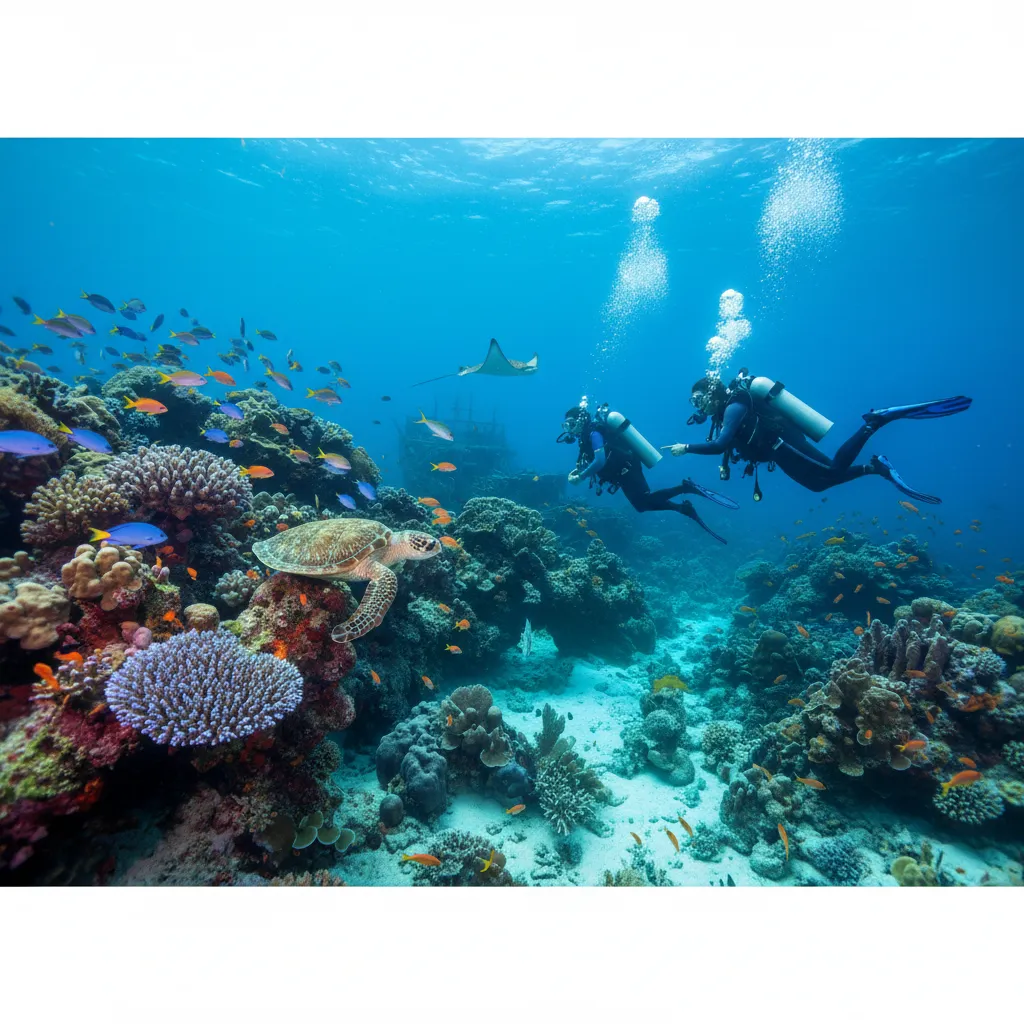
While not known for extreme pelagic encounters, the Dominican Republic's dive sites are rich in vibrant coral formations and diverse reef fish. Beginners can expect to encounter schools of snapper, grunt, and sergeant majors, as well as colorful parrotfish, angelfish, and damselfish. Moray eels, stingrays, and various crab and lobster species are also common sights. The relatively calm conditions at many beginner sites, particularly within protected bays and lagoons, reduce the challenges associated with currents, allowing new divers to focus on buoyancy and technique rather than fighting against the water.
With 118 dive sites across three main regions, including 11 specifically identified as beginner-friendly and another 5 suitable for intermediate divers (which often have beginner sections), the Dominican Republic provides ample choice. The overall diving experience here is accessible and enjoyable for those taking their first fin strokes, prioritizing safety and a gentle introduction to the underwater world.
Best Beginner-Friendly Regions
Bayahibe & La Romana: This region is arguably the most beginner-friendly in the Dominican Republic. Its protected bay offers calm waters and numerous shallow reefs ideal for initial training dives. Sites like St. George Shipwreck, while a shipwreck, has shallow sections that are often used for introductory dives, and the nearby reef areas are perfect for practicing skills. The warm, clear water and minimal currents contribute to a relaxed learning environment. Many dive centers in Bayahibe cater specifically to new divers and offer Discover Scuba Diving programs.
Punta Cana: While known for its resorts, Punta Cana also provides accessible diving opportunities for beginners. The offshore reefs are generally shallow and characterized by gentle currents. Sites such as Marinarium Reef or Catalina Island (a popular day trip from Punta Cana) offer calm, clear waters with good visibility, making them suitable for introductory dives and certification courses. Expect to see plenty of reef fish and healthy coral gardens without overwhelming complexity.
Sosua & Puerto Plata: Located on the north coast, this region offers a mix of dive experiences, with several sites suitable for beginners. Sosua Bay itself is well-protected, and sites like Three Rocks or The Wall have shallower sections with interesting coral formations and plenty of marine life that are perfect for new divers. The calm conditions within the bay allow for comfortable skill practice and initial exploration dives, though some outer sites may experience more surge.
What Certification Do You Need?
To engage in independent recreational diving in the Dominican Republic, you will need a PADI Open Water Diver certification or an equivalent certification from a recognized agency such as SSI, NAUI, or CMAS. This certification demonstrates that you have completed the necessary training in confined water skills, knowledge development, and open water dives to safely dive to a maximum depth of 18 meters (60 feet). If you are not certified, you can enroll in a Discover Scuba Diving (DSD) program, which allows you to experience diving under direct instructor supervision in shallow water without requiring full certification. Many local dive centers throughout the Dominican Republic offer DSD programs, PADI Open Water courses, and advanced certifications.
Best Time to Visit
The Dominican Republic offers good diving conditions year-round due to its tropical climate. However, the optimal time for diving is generally during the dry season, from December to May. During these months, the weather is typically sunny with less rainfall, leading to consistently good visibility and calmer seas. Water temperatures during this period average around 26-28°C (79-82°F).
The wet season, from June to November, sees increased rainfall and the potential for tropical storms or hurricanes, particularly from August to October. While diving is still possible, visibility can be reduced after heavy rains, and sea conditions may be rougher. Water temperatures remain warm, averaging 28-29°C (82-84°F). For the most comfortable and predictable diving experience, target the December-May window.
What to Expect on Your First Dive
Your first dive experience, whether it's a Discover Scuba Dive or the initial open water dive of your certification course, will typically begin at a local dive center. You'll start by checking in, completing necessary paperwork, and receiving a comprehensive briefing from your instructor. This briefing will cover safety procedures, equipment use, communication signals, and an overview of what you'll see underwater.
Next, you'll be fitted with your scuba gear-mask, fins, wetsuit (usually a thin shorty or full 3mm suit), BCD (Buoyancy Control Device), regulator, and tanks. Most beginner dives in the Dominican Republic are conducted from a boat to easily access the best shallow reefs. After a short boat ride, you'll gear up on deck and perform a controlled entry into the water, often a giant stride or a seated back roll. Once in the water, your instructor will guide you through some basic skill practice, such as clearing your mask and recovering your regulator, in shallow, calm conditions. The underwater experience will focus on slow, controlled movements, enjoying the marine life, and practicing buoyancy with your instructor's assistance. Expect calm conditions and a focus on comfort and safety rather than challenging currents.
Budget Guide
Diving in the Dominican Republic can be tailored to various budgets. Here's a realistic breakdown:
- Discover Scuba Diving (DSD) Program: Expect to pay approximately $80 - $120 USD (4,700 - 7,000 DOP) for a single introductory dive experience, including equipment rental and instructor supervision.
- PADI Open Water Course: A full PADI Open Water Diver certification typically costs between $450 - $600 USD (26,500 - 35,000 DOP). This usually includes all materials, equipment rental, confined water sessions, and four open water dives.
- Fun Dives (for certified divers): A two-tank boat dive will generally cost $80 - $110 USD (4,700 - 6,500 DOP), often including equipment rental. Package deals for multiple days of diving can reduce the per-dive cost.
- Equipment Rental: If not included in a package, individual gear rental for a day might be around $15 - $30 USD (900 - 1,700 DOP) for a full set.
- Accommodation: Budget accommodation (guesthouses, hostels) can range from $30 - $60 USD (1,700 - 3,500 DOP) per night. Mid-range hotels are typically $80 - $150 USD (4,700 - 8,800 DOP), while all-inclusive resorts can be $150 USD (8,800 DOP) and upwards per person per night.
Prices can vary by region and dive center, so it's always advisable to shop around and book in advance, especially during peak season.
Essential Tips
- Book in Advance: Especially during the high season (December-May), dive centers and popular courses can fill up quickly. Booking your dives or courses a few weeks ahead is recommended.
- Stay Hydrated: The tropical climate and warm water can lead to dehydration. Drink plenty of water before and after your dives.
- Sun Protection: The Caribbean sun is strong. Use reef-safe sunscreen, wear a hat, and consider a rash guard for surface intervals to prevent sunburn.
- Cash for Tips: While some dive centers may include service charges, it's customary to tip dive instructors and boat crew for good service. Small denominations of USD or Dominican Pesos (DOP) are useful.
- Understand Local Currents: While many beginner sites are calm, some areas, particularly on the north coast or around islands, can experience mild currents. Always listen to your dive guide's briefing and follow their instructions.
- Check for Dive Packages: If you plan multiple dives or a certification course, inquire about package deals, as these often offer better value than booking individual dives.
- Respect Marine Life: Do not touch, chase, or harass marine animals or corals. Maintain a respectful distance and practice good buoyancy to avoid accidental contact.
At a Glance
| Destination | Difficulty | Best Months |
|---|---|---|
| Bayahibe & La RomanaDominican Republic | Beginner | Jan-Dec |
| Punta CanaDominican Republic | Beginner | Jan-Dec |
| Sosua & Puerto PlataDominican Republic | Beginner | - |
Bayahibe & La Romana
Dominican Republic
Difficulty
Beginner
Best Months
Jan-Dec
Water Temp
27-27C
Dive Centres
23
Practical Info
- dive Sites:
- 58
- dive Centres:
- 23
Punta Cana
Dominican Republic
Difficulty
Beginner
Best Months
Jan-Dec
Water Temp
27-27C
Dive Centres
9
Practical Info
- dive Sites:
- 38
- dive Centres:
- 9
Sosua & Puerto Plata
Dominican Republic
Difficulty
Beginner
Dive Centres
2
Practical Info
- dive Sites:
- 22
- dive Centres:
- 2
Frequently Asked Questions
Do I need a certification to dive in Dominican Republic?
To dive independently in the Dominican Republic, you need a PADI Open Water Diver certification or an equivalent from another recognized agency. If you are not certified, you can participate in a Discover Scuba Diving (DSD) program, which allows you to dive under direct instructor supervision in shallow water without full certification.
How much does diving cost in Dominican Republic?
A Discover Scuba Diving program typically costs $80-$120 USD. A full PADI Open Water course ranges from $450-$600 USD. For certified divers, a two-tank fun dive is usually $80-$110 USD, often including equipment rental. Prices can vary by dive center and region.
What is the best time to dive in Dominican Republic?
The best time to dive in the Dominican Republic is during the dry season, from December to May. During these months, you can expect consistently sunny weather, calmer seas, and excellent visibility. Water temperatures average 26-28°C (79-82°F) year-round.
Is Dominican Republic safe for beginner divers?
Yes, the Dominican Republic is considered safe for beginner divers. Many dive sites feature warm, clear, and relatively calm waters with minimal currents, especially in regions like Bayahibe. Local dive centers adhere to safety standards and provide experienced instructors for introductory dives and certification courses.
What marine life will I see in Dominican Republic?
Beginner divers in the Dominican Republic can expect to see a variety of colorful reef fish such as parrotfish, angelfish, snapper, and grunt. You may also encounter moray eels, stingrays, various crab and lobster species, and healthy coral formations. While not common, occasional sightings of turtles or nurse sharks can occur.
Related Guides
Planning when to go?
See the month-by-month conditions guide