First Time Diving in Eritrea - A Beginner's Complete Guide
Everything you need to know before your first dive in Eritrea
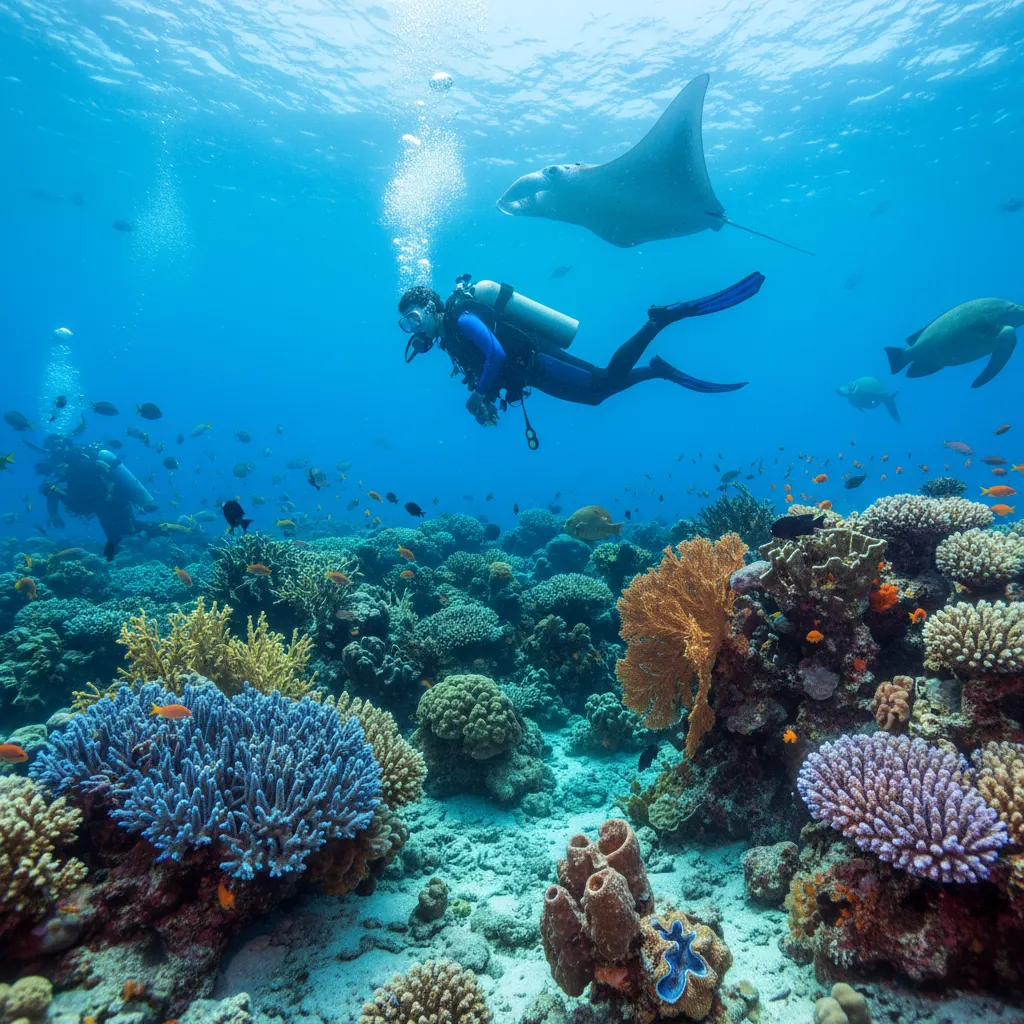
Why Eritrea for Your First Dives?
Eritrea, with its largely unexplored Red Sea coastline, offers a unique opportunity for beginner divers seeking an adventurous introduction to the underwater world. While not as developed for tourism as some neighboring countries, its relative lack of crowds means pristine dive sites and an authentic experience. The warm waters of the Red Sea provide comfortable conditions for extended bottom times, typically ranging from 26-30°C, reducing the need for thick wetsuits and making the overall experience more pleasant for those new to diving.
Visibility in the Dahlak Archipelago is consistently good, often exceeding 20 meters, allowing beginners to easily observe their surroundings and practice buoyancy without feeling disoriented. Marine life highlights include various reef fish, colorful corals, and occasional encounters with larger pelagics like reef sharks and rays. While some sites might present mild currents, the designated beginner sites within the Dahlak Archipelago are generally calm and shallow, ideal for initial training and discovery dives. It's important to note that Eritrea can be a challenging destination in terms of logistics due to less developed infrastructure, but for those who embrace the adventure, the rewards are significant.
Best Beginner-Friendly Regions
Eritrea's diving is concentrated almost entirely within the Dahlak Archipelago, which offers the majority of the country's 35 dive sites. For beginners, the focus will be on the sheltered bays and shallower reefs within this region. While the difficulty mix for Eritrea lists only one beginner site, this refers to a specific, designated site. However, many areas within the Dahlak Archipelago offer suitable conditions for introductory dives and certifications, characterized by minimal currents and depths appropriate for entry-level divers. Dive operators will typically select locations based on the day's conditions and the skill level of their group.
Specific beginner-friendly areas within the Dahlak Archipelago often include sheltered coves near larger islands, which protect divers from stronger open-water currents. These sites typically feature sandy bottoms interspersed with coral patches, providing a gentle environment to practice skills and observe marine life. The designated beginner site, for instance, would be a prime location for initial underwater experiences. These areas allow for a relaxed pace, crucial for new divers to build confidence and enjoy their first encounters with the underwater environment.
What Certification Do You Need?
To participate in guided fun dives in Eritrea, you will generally need a PADI Open Water Diver certification or an equivalent certification from a recognized agency such as SSI, CMAS, or NAUI. This entry-level certification demonstrates that you have completed the necessary theoretical knowledge and practical skills to dive safely to a maximum depth of 18 meters. If you are not yet certified, you can enroll in a PADI Discover Scuba Diving experience, which allows you to try diving under direct supervision in shallow water without prior certification.
Local dive centers in Eritrea, though few, typically adhere to international safety standards and will be able to conduct PADI Open Water Diver courses. It is advisable to inquire about course availability and instructor languages well in advance of your trip. While PADI is widely recognized, other major certification agencies are also accepted. There isn't one particular certification agency that is uniquely popular or dominant in Eritrea; international standards prevail.
Best Time to Visit
The best time to visit Eritrea for diving is generally during the cooler, drier months from October to May. During this period, the weather is more pleasant, and sea conditions are typically calmer, offering optimal visibility and comfort for divers. Water temperatures during these months range from approximately 26°C in October/November to 28-30°C in March/April/May, making a 3mm wetsuit or even just a rash guard sufficient for most divers.
The summer months, June to September, can be very hot, with air temperatures often exceeding 40°C, and while the water remains warm, the overall climate can be less comfortable for surface intervals and land-based activities. Visibility can also be slightly reduced during these months due to plankton blooms, though still generally good. Therefore, planning your trip within the October-May window will provide the most enjoyable diving experience.
What to Expect on Your First Dive
Upon arriving at the dive center or boat, you'll typically begin with a check-in process, where you'll present your certification card (if applicable) and complete any necessary paperwork, including medical declarations. Following this, there will be a comprehensive dive briefing. This briefing will cover the dive site's layout, expected depths, potential marine life, hand signals, and emergency procedures. For Discover Scuba Diving participants, the briefing will also include essential theoretical knowledge and basic skill demonstrations.
Next, you'll be guided through selecting and assembling your dive gear. Instructors will assist beginners with fitting wetsuits, BCDs, regulators, masks, and fins, ensuring everything is comfortable and correctly set up. Most diving in Eritrea is conducted from boats, which will transport you to the dive sites within the Dahlak Archipelago. Entry into the water is usually a giant stride from the side of the boat, or sometimes a back roll. Once in the water, you'll perform a final buddy check before descending slowly with your instructor. The underwater experience will focus on controlled breathing, buoyancy practice, and observing the diverse marine life in a calm, guided environment. The typical dive style is relaxed, with minimal currents at beginner sites, allowing for a focused and enjoyable first experience.
Budget Guide
Diving in Eritrea requires careful budgeting due to the relatively undeveloped tourist infrastructure and the need for specialized services. A Discover Scuba Diving experience, which includes equipment rental and instructor supervision, can range from 100-150 USD. For those looking to get certified, a PADI Open Water Diver course, including materials, instruction, and equipment, typically costs between 500-700 USD, depending on the dive center and duration.
Fun dives for certified divers are usually priced per dive or as part of a package. Expect to pay around 60-80 USD per single dive, with discounts often available for multi-dive packages (e.g., 2 dives for 100-140 USD). Equipment rental, if not included in a course or package, might cost an additional 20-30 USD per day. Accommodation options in Massawa, the main gateway to the Dahlaks, range from basic guesthouses at 30-50 USD per night to more comfortable hotels at 70-120 USD per night. All prices are approximate and subject to change, so confirming with operators in advance is crucial. Local currency is the Eritrean Nakfa (ERN), but USD is widely accepted for tourism services.
Essential Tips
- Book in Advance: Dive centers in Eritrea are limited. Contact operators well before your trip to confirm availability, especially for courses or specific dive trips.
- Visa Requirements: Ensure you have the correct visa for Eritrea, as obtaining one can be a lengthy process. Check current regulations with your embassy.
- Bring Cash (USD): While the local currency is ERN, USD is preferred and often required for tourism services. ATMs are scarce, so bring sufficient cash.
- Respect Local Customs: Eritrea is a conservative country. Dress modestly, especially in public areas, and be mindful of local traditions and etiquette.
- Medical Check-up: Before diving, consult your doctor to ensure you are fit to dive, especially if you have any pre-existing medical conditions.
- Sun Protection: The Red Sea sun is intense. Use high-SPF sunscreen, wear a hat, and stay hydrated, even when cloudy.
- Flexibility is Key: Due to logistical challenges, itineraries might change. Maintain a flexible attitude and be prepared for potential adjustments.
At a Glance
| Destination | Difficulty | Best Months |
|---|---|---|
| Dahlak ArchipelagoEritrea | Beginner | Jan-Dec |
Dahlak Archipelago
Eritrea
Difficulty
Beginner
Best Months
Jan-Dec
Water Temp
28-28C
Practical Info
- dive Sites:
- 35
Frequently Asked Questions
Do I need a certification to dive in Eritrea?
Yes, for guided fun dives in Eritrea, you will need a PADI Open Water Diver certification or an equivalent from a recognized agency. If you are a beginner, you can try a PADI Discover Scuba Diving experience under direct supervision, or enroll in an Open Water Diver course locally.
How much does diving cost in Eritrea?
A Discover Scuba Diving experience typically costs 100-150 USD. A PADI Open Water Diver course ranges from 500-700 USD. Fun dives for certified divers are around 60-80 USD per single dive, with multi-dive packages offering better value. Equipment rental can be an additional 20-30 USD per day.
What is the best time to dive in Eritrea?
The best time to dive in Eritrea is from October to May. During these months, the weather is cooler and drier, sea conditions are generally calmer, and water temperatures are comfortable, ranging from 26-30°C. This period offers optimal visibility and comfort for diving.
Is Eritrea safe for beginner divers?
Eritrea can be suitable for beginner divers, especially within the sheltered parts of the Dahlak Archipelago. Dive sites for beginners typically have calm conditions, good visibility, and warm water. However, logistical challenges due to less developed infrastructure mean divers should be prepared for a more adventurous travel experience.
What marine life will I see in Eritrea?
In Eritrea's Red Sea waters, you can expect to see a variety of reef fish, colorful hard and soft corals, and potentially larger marine life. Common sightings include various species of groupers, snappers, angelfish, parrotfish, and occasional encounters with reef sharks, rays, and sea turtles.
Related Guides
Planning when to go?
See the month-by-month conditions guide