First Time Diving in France - A Beginner's Complete Guide
Everything you need to know before your first dive in France
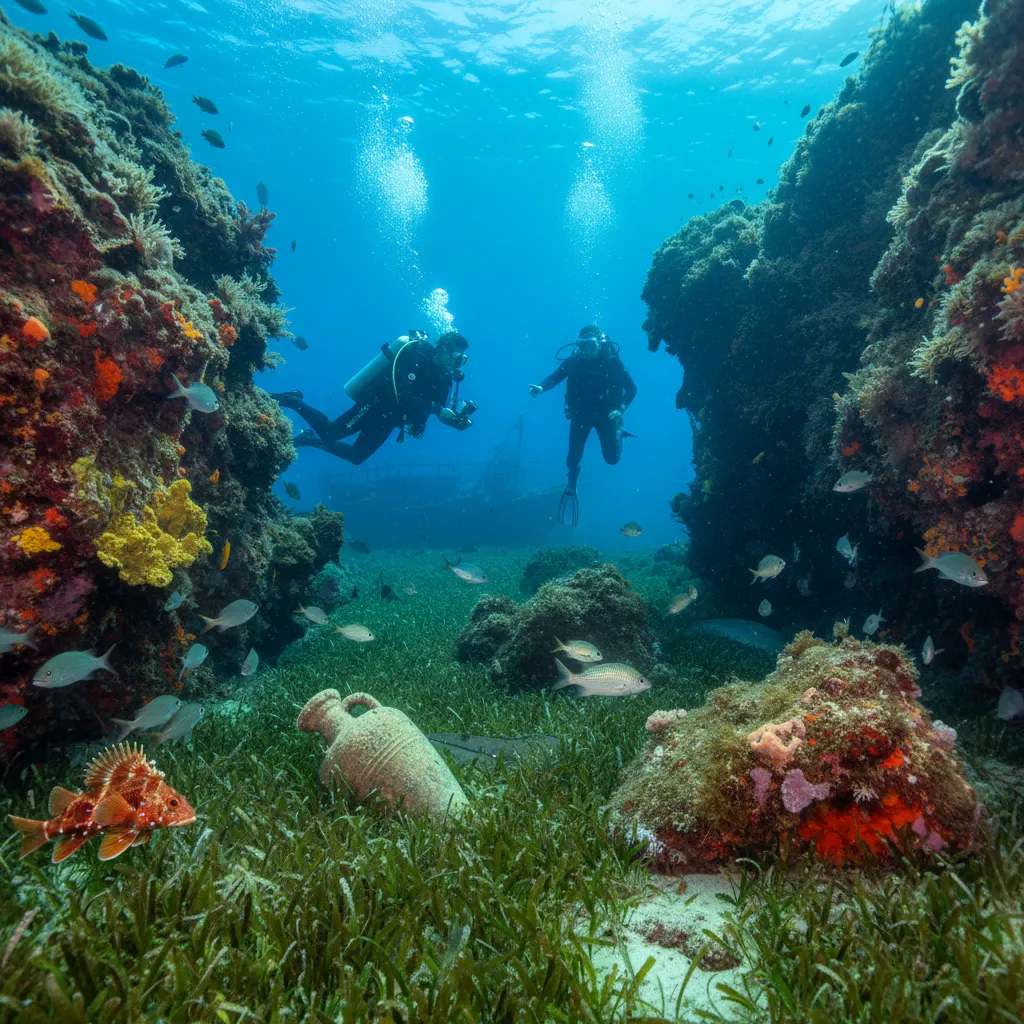
Why France for Your First Dives?
France, with its diverse coastline and rich maritime history, offers a surprisingly accessible entry point for beginner divers. While some areas present more challenging conditions, many sites are well-suited for those taking their first fin strokes. The Mediterranean Sea, particularly around regions like Marseille and Corsica, boasts generally calm waters during peak seasons, with average visibility ranging from 15-30 meters. This excellent visibility makes it easier for new divers to orient themselves and appreciate the underwater scenery without feeling overwhelmed.
The marine life, while not featuring large pelagics like some tropical destinations, is vibrant and engaging for beginners. You can expect to encounter schools of barracuda, colourful wrasses, groupers, moray eels, and various nudibranchs. The underwater topography often includes interesting rock formations, small caves, and seagrass meadows, providing plenty to explore. Water temperatures are comfortable, especially from late spring to early autumn, typically ranging from 18°C to 25°C, reducing the need for very thick wetsuits and making the experience more enjoyable for newcomers.
While France has a strong diving culture that includes technical and cave diving, the infrastructure for recreational diving is robust, with numerous dive centers offering beginner-friendly experiences. Dive operators are experienced in catering to new divers, ensuring safety and a positive introduction to the underwater world. It's a destination where you can progress from a discover scuba dive to an Open Water certification with confidence, supported by professional instruction and well-maintained equipment.
Best Beginner-Friendly Regions
Marseille & Calanques: This region is an excellent choice for beginners due to its protected coves and numerous shallow dive sites. The Calanques National Park offers sheltered waters, often with minimal currents, perfect for gaining confidence. Sites like 'Les Pharillons' near the Riou archipelago or 'Plane Island' provide gentle slopes and abundant fish life at depths suitable for Open Water divers. Many dive centers operate directly from Marseille's Old Port, offering easy access to these sites. The underwater landscapes here feature dramatic limestone cliffs continuing below the surface, creating interesting swim-throughs and small caverns that are safe for new divers to observe from a distance.
Corsica: The island of Corsica presents a stunning backdrop for beginner diving, boasting clear waters and a good mix of sheltered bays. The southern coast, particularly around Bonifacio and Porto-Vecchio, offers numerous shallow reefs and calm conditions. Sites such as 'Le Sec de Capineru' or 'Les Moines' near Bonifacio are known for their gentle currents and rich biodiversity at accessible depths. Corsica's underwater environment is characterized by granite formations and posidonia seagrass meadows, which serve as nurseries for a variety of Mediterranean species. The visibility here is consistently good, enhancing the overall experience for new divers.
While France has 614 dive sites, with a significant number being beginner-friendly (97), the concentration of suitable sites and professional dive centers in Marseille & Calanques and Corsica makes them stand out for first-time divers. The remaining beginner sites are spread across other regions, but these two offer the most concentrated and accessible options.
What Certification Do You Need?
To participate in guided fun dives in France, you will typically need a PADI Open Water Diver certification or an equivalent entry-level certification from another recognized agency, such as SSI, CMAS, or NAUI. Most dive centers in France readily accept these international certifications. If you're completely new to diving, you can start with a 'Discover Scuba Diving' experience, which allows you to try diving under direct supervision without needing a full certification. This is a great way to see if diving is for you before committing to a course.
For those looking to get certified in France, local dive centers offer PADI Open Water Diver courses (or equivalent). It's worth noting that CMAS (Confédération Mondiale des Activités Subaquatiques) is a prominent and respected certification agency in France, with a strong presence in local dive clubs and schools. While PADI is universally accepted, some local French divers may hold CMAS certifications, which are equally valid. Regardless of the agency, ensure your certification is recognized internationally if you plan to dive in other countries.
Best Time to Visit
The best time for beginner divers to visit France is typically from June to September. During these months, the Mediterranean Sea offers its warmest water temperatures and most stable weather conditions, making for a more comfortable and enjoyable experience.
- June: Water temperatures begin to rise, averaging 18-22°C. Air temperatures are pleasant, and tourist crowds are not yet at their peak.
- July & August: These are the warmest months, with water temperatures ranging from 22-25°C. Air temperatures are hot, and visibility is generally at its best. However, these months also see the highest number of tourists, so dive sites and centers can be busy. Booking in advance is highly recommended.
- September: Water temperatures remain warm (20-23°C), and the crowds start to thin out. This can be an ideal month, offering a good balance of comfortable conditions and less crowded dive sites.
While diving is possible outside of these months, the cooler water temperatures (dropping to 12-15°C in winter) and more unpredictable weather can be less appealing for first-time divers, often requiring thicker wetsuits and potentially encountering choppier conditions.
What to Expect on Your First Dive
Your first dive experience in France, whether a Discover Scuba Dive or your initial Open Water training dive, will typically begin at a local dive center. You'll go through a check-in process, which includes paperwork and verification of any existing certifications. Following this, you'll receive a comprehensive briefing covering the dive plan, safety procedures, communication signals, and an overview of the marine life you might encounter. Equipment will be provided and fitted, including a wetsuit, BCD, regulator, mask, fins, and weights.
Most beginner dives in France, especially in regions like Marseille and Corsica, are conducted from a boat. After gearing up, you'll usually take a short boat ride to a sheltered dive site. Entry into the water is commonly a giant stride from the boat, or a back roll depending on the vessel. Once in the water, your instructor or dive guide will help you get comfortable, check your buoyancy, and ensure your equipment is functioning correctly. The initial part of the dive will focus on shallow water skills and acclimatization.
Underwater, the experience will be guided and controlled. You'll descend slowly, focusing on breathing and equalizing your ears. Your instructor will lead you along a reef or specific underwater feature, pointing out marine life. The pace will be relaxed, allowing you to observe and enjoy. Exits are typically back onto the boat, followed by a debriefing where you can share your experience and ask any questions. French dive operators are known for their professionalism and adherence to safety standards, ensuring a secure and enjoyable introduction to diving.
Budget Guide
Diving in France offers a range of options suitable for various budgets. Here's a realistic breakdown:
- Discover Scuba Diving (Introductory Dive): Expect to pay around €70-€100 (approximately $75-$110 USD) for a single introductory experience, including equipment rental and instructor supervision.
- PADI Open Water Diver Course: A full Open Water certification course typically costs between €450-€600 (approximately $480-$650 USD). This usually includes all training materials, equipment rental, and certification fees.
- Fun Dives (Certified Divers): Single boat dives for certified divers generally range from €40-€60 (approximately $43-$65 USD) per dive. Package deals for multiple dives (e.g., 5-10 dives) often reduce the per-dive cost. Equipment rental, if needed, is usually an additional €15-€25 per day.
- Equipment Rental: Daily rental of a full set of gear (wetsuit, BCD, regulator, mask, fins) can cost €20-€35.
- Accommodation: Prices vary significantly by region and season. Budget hostels or guesthouses might start from €40-€70 per night, while mid-range hotels could be €90-€150 per night. Luxury options will be considerably higher.
It's always advisable to check with specific dive centers for their current pricing and what is included in their packages. Booking in advance, especially during peak season, can sometimes secure better rates.
Essential Tips
- Book in Advance: Especially during the high season (July and August), dive centers and popular sites can get very busy. Book your courses and fun dives well ahead of time to secure your spot.
- Learn Basic French Phrases: While many dive professionals speak English, knowing a few basic French phrases can enhance your experience and show respect for local culture.
- Wetsuit Thickness: Even in summer, consider a 5mm or 7mm wetsuit for comfort, especially if you get cold easily. Water temperatures can vary, and repeated dives can lead to chill.
- Log Your Dives: If you are certified, remember to bring your logbook. French dive centers will be happy to sign it.
- Respect Marine Protected Areas: Many dive sites, particularly within the Calanques National Park, are marine protected areas. Adhere strictly to guidelines regarding touching marine life or taking souvenirs.
- Check for Local Holidays: France has several public holidays throughout the year. Dive centers may operate on altered schedules or be busier during these times.
- Travel Insurance: Ensure your travel insurance covers scuba diving activities, especially if you are undertaking a course or plan multiple dives.
At a Glance
| Destination | Difficulty | Best Months |
|---|---|---|
| Marseille & CalanquesFrance | Beginner | - |
| CorsicaFrance | Beginner | - |
Marseille & Calanques
France
Difficulty
Beginner
Water Temp
14-14C
Dive Centres
48
Practical Info
- dive Sites:
- 443
- dive Centres:
- 48
Corsica
France
Difficulty
Beginner
Water Temp
14-14C
Dive Centres
74
Practical Info
- dive Sites:
- 171
- dive Centres:
- 74
Frequently Asked Questions
Do I need a certification to dive in France?
To go on guided fun dives in France, you generally need a PADI Open Water Diver certification or an equivalent from another recognized agency like SSI or CMAS. If you're new to diving, you can try a 'Discover Scuba Diving' experience, which doesn't require certification and is supervised by an instructor.
How much does diving cost in France?
A Discover Scuba Diving experience typically costs €70-€100. A full PADI Open Water course is around €450-€600. For certified divers, a single fun dive usually ranges from €40-€60, with equipment rental being an additional €15-€25 per day.
What is the best time to dive in France?
The best time for beginner diving in France is from June to September. Water temperatures are warmest (18-25°C), and weather conditions are most stable. July and August are peak season, so expect more crowds and book in advance.
Is France safe for beginner divers?
Yes, France is considered safe for beginner divers. Dive centers operate with high professional standards, and many sites in regions like Marseille and Corsica offer sheltered, calm conditions with good visibility, ideal for new divers under supervision.
What marine life will I see in France?
In France's Mediterranean waters, beginner divers can expect to see a variety of marine life including barracuda, wrasses, groupers, moray eels, octopus, and nudibranchs. The underwater landscapes feature interesting rock formations, seagrass meadows, and small caves.
Related Guides
Planning when to go?
See the month-by-month conditions guide