First Time Diving in Iceland - A Beginner's Complete Guide
Everything you need to know before your first dive in Iceland
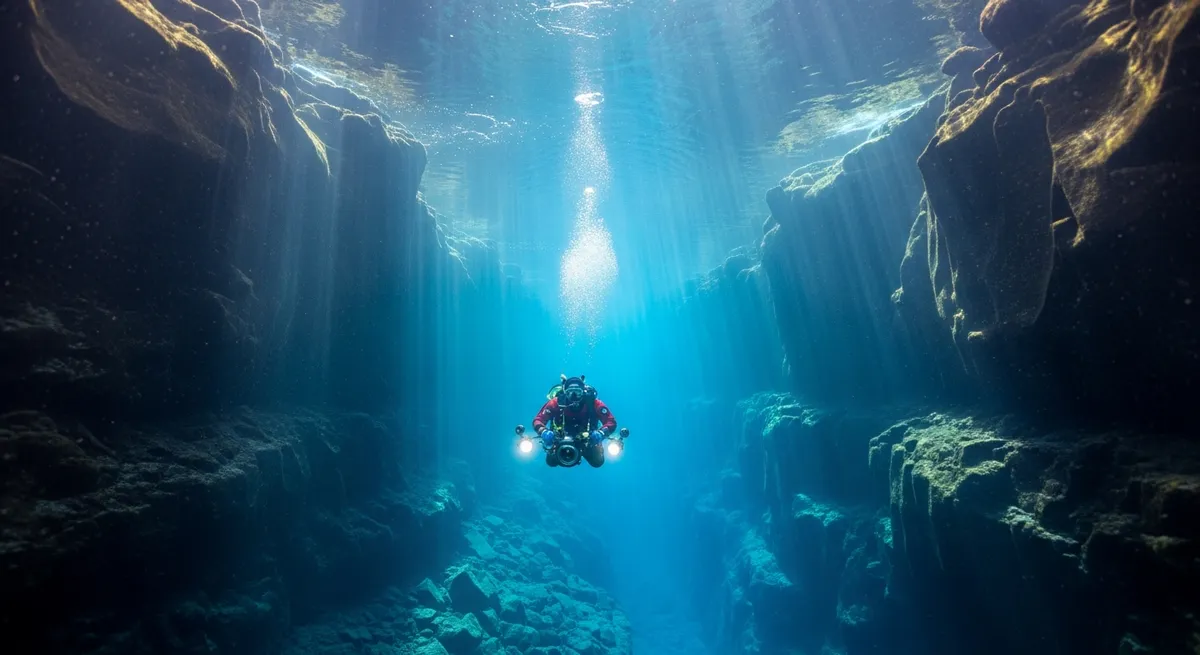
Why Iceland for Your First Dives?
Diving in Iceland offers a unique experience, even for beginners, provided you are prepared for the conditions. While the water is cold, typically ranging from 2-4°C, the visibility in many dive sites is exceptional, often exceeding 50 meters, especially in areas like Silfra. This incredible clarity, due to glacial meltwater and volcanic filtration, makes for a visually stunning first dive experience where you can clearly see the geological formations.
It's important to set realistic expectations regarding marine life. Iceland isn't a coral reef destination. Instead, you'll encounter a different kind of underwater beauty - dramatic geological features such as fissures and lava formations, and specialized cold-water marine species. While large pelagics are rare in beginner-friendly areas, you might spot Arctic char, sticklebacks, and various invertebrates, particularly in the fissures. The challenge of cold water diving is mitigated by the availability of drysuit rental and experienced local guides, making it accessible for those seeking an adventurous start to their diving journey.
Best Beginner-Friendly Regions
Silfra & Thingvellir: This region is arguably Iceland's most famous dive site and surprisingly accessible for beginners (with dry suit certification or an experienced guide). Silfra, located in Thingvellir National Park, is a fissure between the North American and Eurasian tectonic plates. Its unparalleled visibility and the unique experience of diving between continents make it a bucket-list destination. While not teeming with diverse marine life, the geological formations and the clarity of the water are the main attractions.
Strytan & North Iceland: While the Strytan hydrothermal chimney itself requires advanced certification, the surrounding areas in North Iceland offer more sheltered and accessible dive sites suitable for beginners. These sites often feature interesting rock formations and a different array of cold-water marine life compared to Silfra. Local dive centers in Akureyri can guide beginners to suitable, calmer locations in the fjords, providing an introduction to ocean diving in a controlled environment.
Vestmannaeyjar: The Vestmannaeyjar archipelago, or Westman Islands, offers a different flavor of Icelandic diving. While some sites here can be challenging due to currents, local operators can guide beginners to more sheltered areas. The volcanic landscape extends underwater, creating interesting topography. Marine life here can include more fish species and kelp forests. It's a region best explored with local knowledge to ensure beginner-appropriate conditions.
What Certification Do You Need?
To dive in Iceland, you will typically need at least a PADI Open Water Diver certification or an equivalent from another recognized agency such as SSI, CMAS, or BSAC. For diving in cold water environments like Iceland, particularly in Silfra, a dry suit certification is highly recommended and often required by dive centers for independent diving. If you don't have a dry suit certification, many local dive centers offer the course as part of a package or will allow you to dive with an instructor after a dry suit orientation. Iceland has several PADI and SSI dive centers, especially around Reykjavik and Akureyri, making it easy to find courses and guided dives.
Best Time to Visit
The best time to visit Iceland for diving is during the summer months, from June to August. During this period, the weather is milder, with longer daylight hours, sometimes almost 24 hours of daylight in June. Air temperatures range from 10-15°C, making surface intervals more comfortable. Water temperatures remain consistently cold, typically between 2-4°C in Silfra and 4-8°C in coastal ocean sites. While diving is possible year-round, winter brings shorter days, colder air temperatures (often below freezing), and potentially more challenging travel conditions due to snow and ice. The shoulder seasons of May and September can also offer good conditions with fewer crowds.
What to Expect on Your First Dive
Your first dive in Iceland will typically begin at a local dive center or a designated meeting point. You'll check in, complete necessary paperwork, and receive a comprehensive briefing from your guide. This briefing will cover the dive plan, safety procedures, hand signals, and specific details about the dive site, including entry and exit points and expected conditions. Next, you'll be fitted with your dry suit and other gear. Dressing into a dry suit can take some time and practice, so allow for this. Many dives in Iceland are shore-based entries, particularly in Silfra, involving a short walk to the entry point. Once geared up, you'll perform a final buddy check before entering the water. Expect the initial cold shock on your face and hands (if wearing wet gloves), but your dry suit will keep your body warm. The underwater experience in Silfra is characterized by incredibly calm conditions and unparalleled visibility, allowing you to focus on buoyancy and enjoying the unique geological formations. In ocean sites, you might experience mild currents, but guides will choose sheltered areas for beginners. The dive typically lasts 30-45 minutes, depending on air consumption and comfort. After the dive, you'll exit, de-gear, and often warm up with a hot drink and a debrief.
Budget Guide
Diving in Iceland can be a significant investment, reflecting the specialized gear and logistical challenges. Here's a realistic cost breakdown:
- Discover Scuba Diving / Try Dive: Not commonly offered for beginners in a dry suit. Most operators require at least Open Water certification for dry suit diving.
- PADI Open Water Course: Approximately 80,000 - 100,000 ISK (approx. $580 - $720 USD), excluding dry suit specialty.
- Dry Suit Specialty Course: Approximately 40,000 - 60,000 ISK (approx. $290 - $430 USD). Often combined with a Silfra dive.
- Fun Dives (Silfra): A guided two-tank dive in Silfra, including all gear rental (dry suit, tanks, weights, BCD, regulators, mask, fins, gloves), typically costs 20,000 - 30,000 ISK (approx. $145 - $215 USD) per person.
- Ocean Fun Dives (North Iceland/Vestmannaeyjar): Similar pricing to Silfra, often 18,000 - 28,000 ISK (approx. $130 - $200 USD) per dive, including gear.
- Equipment Rental: Included in most guided dive packages. If renting separately, a full dry suit setup can be 10,000 - 15,000 ISK (approx. $70 - $110 USD) per day.
- Accommodation: Ranges widely. Budget hostels: 5,000 - 10,000 ISK (approx. $35 - $70 USD) per night. Mid-range hotels: 15,000 - 30,000 ISK (approx. $110 - $215 USD) per night.
Essential Tips
- Book in Advance: Especially for popular sites like Silfra, tours can sell out, particularly during peak season. Book your dives weeks or even months ahead.
- Dry Suit Familiarity: If you plan to dive in a dry suit, ensure you have a dry suit certification or are comfortable with the concept. Practice buoyancy in a dry suit before your trip if possible.
- Layer Up: Wear warm base layers (wool or synthetic, no cotton) under your dry suit. The colder the water, the more insulation you'll need.
- Stay Hydrated: Despite the cold, it's easy to become dehydrated, especially when wearing a dry suit. Drink plenty of water before and after your dives.
- Bring Warm Clothes: Have plenty of warm, dry clothes for after your dives, including a hat, gloves, and thick socks.
- Respect the Environment: Iceland's natural environment is fragile. Follow all guidelines from your dive guide and avoid touching any geological formations or marine life.
- Check Weather Conditions: Icelandic weather is highly unpredictable. Be prepared for changes and understand that dive plans can be altered or canceled for safety.
At a Glance
| Destination | Difficulty | Best Months |
|---|---|---|
| Silfra & ThingvellirIceland | Beginner | - |
| Strytan & North IcelandIceland | Beginner | Apr-Aug |
| VestmannaeyjarIceland | Beginner | - |
Silfra & Thingvellir
Iceland
Difficulty
Beginner
Water Temp
4-12C
Dive Centres
6
Practical Info
- dive Sites:
- 26
- dive Centres:
- 6
Strytan & North Iceland
Iceland
Difficulty
Beginner
Best Months
Apr-Aug
Water Temp
2-9C
Practical Info
- dive Sites:
- 8
Frequently Asked Questions
Do I need a certification to dive in Iceland?
Yes, you generally need at least a PADI Open Water Diver certification or equivalent. For dry suit diving, which is common in Iceland's cold waters like Silfra, a dry suit certification is highly recommended or required by many operators. Local dive centers offer dry suit orientations or courses.
How much does diving cost in Iceland?
A guided two-tank dive in Silfra, including full gear rental, typically costs 20,000 - 30,000 ISK (approx. $145 - $215 USD). A dry suit specialty course is around 40,000 - 60,000 ISK (approx. $290 - $430 USD). Accommodation and other expenses will add to your budget.
What is the best time to dive in Iceland?
The best time to dive in Iceland is during the summer months, from June to August. Air temperatures are milder (10-15°C), daylight hours are long, and while water temperatures remain cold (2-8°C), surface conditions are generally more comfortable.
Is Iceland safe for beginner divers?
Iceland can be safe for beginner divers, especially in controlled environments like Silfra with experienced guides. The primary challenge is the cold water, which is managed by dry suits. Excellent visibility and calm conditions in places like Silfra make it accessible, provided you are properly trained and prepared.
What marine life will I see in Iceland?
Iceland's diving is more about geological formations and unique cold-water species rather than diverse coral reefs. In freshwater sites like Silfra, you might see Arctic char and sticklebacks. In ocean sites, you could encounter various fish species, crabs, anemones, and kelp forests. Large pelagics are rare in beginner-friendly areas.
Related Guides
Planning when to go?
See the month-by-month conditions guide