First Time Diving in India - A Beginner's Complete Guide
Everything you need to know before your first dive in India
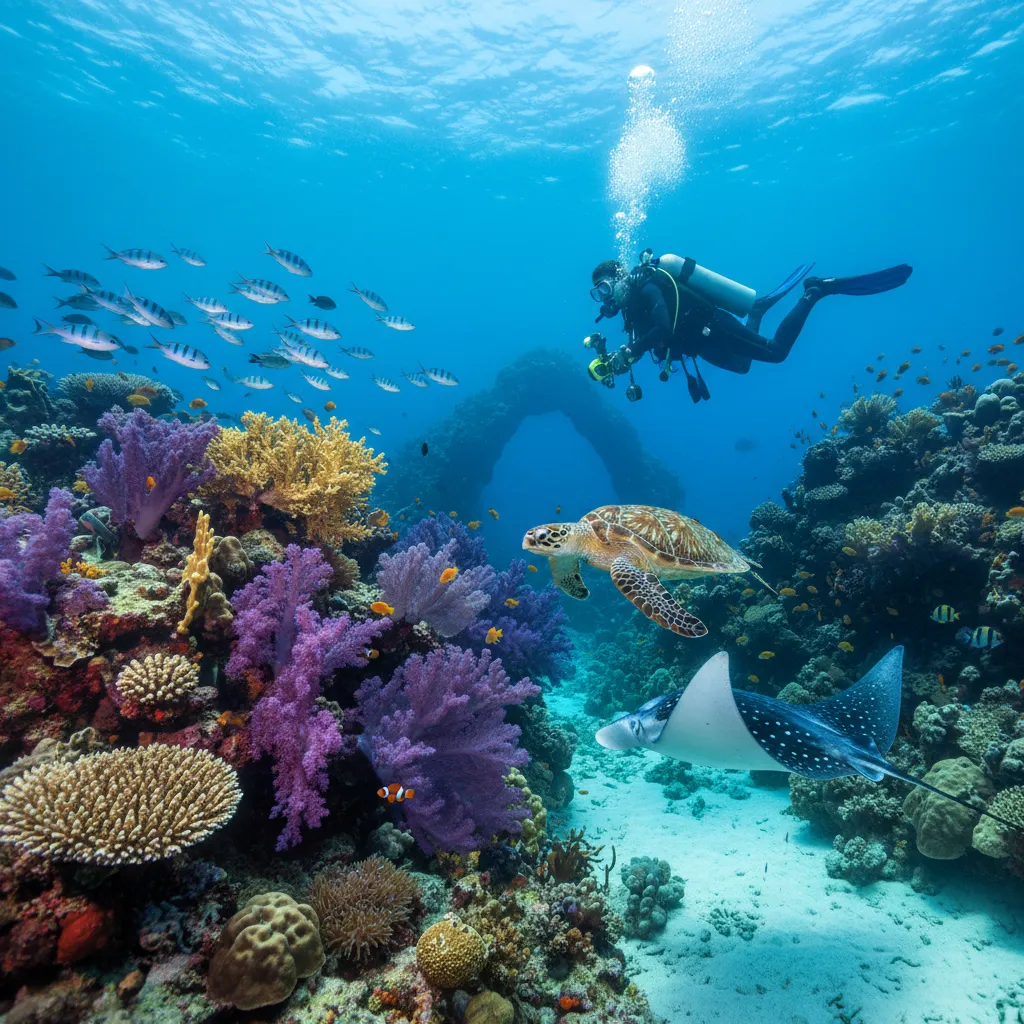
Why India for Your First Dives?
India, with its diverse coastline and islands, offers a surprising and accessible entry point for beginner divers. While it might not have the global recognition of some dive destinations, its 83 dive sites across 4 regions provide ample opportunities, with a significant 43 sites specifically rated for beginners. The warm tropical waters are a major draw, typically ranging from 26°C to 30°C, which means comfortable diving without thick wetsuits and extended bottom times. Visibility often ranges from 10-25 meters, allowing for clear views of the underwater landscape and its inhabitants.
For first-timers, the generally calm conditions in many of the beginner-friendly areas are ideal for building confidence and mastering basic skills. You'll encounter a variety of marine life, from colorful reef fish like angelfish and butterflyfish to moray eels, turtles, and even occasional reef sharks. While some regions can experience currents, the beginner sites are carefully chosen for their sheltered nature, making the learning process less daunting. India presents a unique cultural experience both above and below the water, offering an adventure that combines vibrant local life with fascinating underwater exploration.
Best Beginner-Friendly Regions
Andaman Islands
The Andaman Islands are arguably India's premier dive destination and exceptionally welcoming for beginners. The waters around Havelock Island, in particular, boast numerous shallow, protected reefs with minimal currents. Sites like Nemo Reef and Elephant Beach are perfect for Discover Scuba Diving experiences and initial Open Water certification dives, offering excellent visibility and a rich array of soft and hard corals. You'll frequently spot clownfish, parrotfish, and even turtles in these gentle environments, providing a memorable first underwater experience.
Pondicherry & Tamil Nadu Coast
Pondicherry offers a unique opportunity for beginners to dive on the mainland. While the visibility can sometimes be more variable than the islands, the dive sites here are generally very shallow and calm, making them excellent training grounds. The local dive centers are experienced with beginners, focusing on safety and comfort. You might explore artificial reefs or natural rock formations, encountering groupers, snappers, and smaller reef fish. It's a convenient option for those traveling through South India and seeking an introduction to diving without venturing to the islands.
Goa & Karnataka Coast
Goa and the Karnataka coast provide another accessible option for beginner divers, particularly for those looking to combine diving with a beach holiday. While not as reef-rich as the Andamans, sites around Grande Island in Goa offer calm conditions and shallow depths suitable for introductory dives. You can expect to see parrotfish, angelfish, barracuda, and sometimes even small reef sharks. The dive operations here are well-established and cater to tourists, making the process straightforward for first-timers. Netrani Island off the Karnataka coast also offers some beginner-friendly areas with good visibility and marine diversity.
What Certification Do You Need?
To dive independently in India, you will need an Open Water Diver certification or an equivalent from a recognized agency. PADI (Professional Association of Diving Instructors) Open Water Diver is the most widely accepted and popular certification globally, and you will find numerous PADI dive centers across India, especially in the Andaman Islands and Goa. Other recognized agencies like SSI (Scuba Schools International) and CMAS (Confederation Mondiale des Activites Subaquatiques) are also accepted.
If you're not ready for a full certification, you can opt for a Discover Scuba Diving (DSD) experience. This allows you to dive under the direct supervision of an instructor in shallow water, typically to a maximum depth of 12 meters, without needing prior certification. It's an excellent way to try diving before committing to a full course. Indian dive centers are well-equipped and staffed with certified instructors who adhere to international safety standards.
Best Time to Visit
The best time to visit India for diving varies slightly by region, but generally, the dry season offers the most favorable conditions. For the Andaman Islands, the prime diving season runs from October to May. During these months, the weather is typically sunny, and the seas are calm, leading to excellent visibility. Water temperatures consistently range from 28°C to 30°C.
For Goa and the Karnataka Coast, the diving season is from October to May as well, with similar calm conditions and water temperatures between 26°C and 29°C. Pondicherry and the Tamil Nadu coast generally offer good diving from October to March, though conditions can sometimes extend into April. During the monsoon months (June-September) across most regions, diving is often suspended due to rough seas and poor visibility.
What to Expect on Your First Dive
Your first dive experience in India, particularly a Discover Scuba Dive or the initial dives of an Open Water course, will follow a structured process focused on safety and enjoyment. You'll typically start at the dive center for a check-in, where you'll complete medical forms and get a briefing on the day's plan. Next, you'll receive a comprehensive safety briefing covering basic dive theory, hand signals, equipment use, and what to expect underwater. This is usually followed by a gear fitting session where your instructor will ensure you have correctly sized wetsuit, mask, fins, and BCD (Buoyancy Control Device).
Most beginner dives in the Andaman Islands and Goa are boat dives, meaning you'll travel a short distance to the dive site. Your entry will likely be a controlled seated back roll or a giant stride from the boat. Once in the water, you'll practice a few basic skills in shallow, calm conditions, such as clearing your mask and regulator, before descending with your instructor. The underwater experience will be guided and slow-paced, allowing you to get comfortable with breathing underwater and observing marine life. Expect calm to very mild currents at beginner sites, ensuring a relaxed and enjoyable introduction to the underwater world.
Budget Guide
Diving in India offers a range of price points. A Discover Scuba Diving (DSD) experience typically costs between INR 4,500 - 7,000 (approximately $55 - $85 USD). A full PADI Open Water Diver course, including all materials, equipment rental, and certification, usually ranges from INR 25,000 - 35,000 (approximately $300 - $420 USD). Fun dives for certified divers are generally priced at INR 3,000 - 5,000 per dive (approximately $35 - $60 USD), with discounts often available for multi-dive packages.
Equipment rental is usually included in course prices and DSDs; for fun dives, basic gear rental (BCD, regulator, fins, mask, wetsuit) is often included, but specialized items like dive computers might be extra. Accommodation costs vary widely: budget guesthouses can be found for INR 800 - 2,000 ($10 - $25 USD) per night, mid-range hotels for INR 3,000 - 7,000 ($35 - $85 USD), and resorts upwards of INR 8,000 ($95 USD). Meals are generally affordable, especially local cuisine, ranging from INR 300 - 1,000 ($4 - $12 USD) per person per day.
Essential Tips
- Book in Advance for Andamans: Especially during peak season (October-May), dive centers and popular accommodations in the Andaman Islands can book up quickly.
- Carry ID and Medical Info: Always have a copy of your passport/ID and any relevant medical history or prescriptions, particularly for dive medical forms.
- Stay Hydrated: The tropical climate can lead to dehydration; drink plenty of water, especially before and after dives.
- Respect Local Customs: India is a culturally rich country. Dress modestly when not diving and be mindful of local traditions and etiquette.
- Consider Travel Insurance: Ensure your travel insurance covers scuba diving, as medical facilities can be basic in remote areas.
- Sun Protection is Key: The sun can be intense. Use reef-safe sunscreen, wear a hat, and seek shade when not diving.
- Check for Current Conditions: While beginner sites are chosen for calm, always check with your dive center about specific site conditions on the day of your dive.
At a Glance
| Destination | Difficulty | Best Months |
|---|---|---|
| Andaman IslandsIndia | Beginner | - |
| LakshadweepIndia | Beginner | - |
| Goa & Karnataka CoastIndia | Beginner | - |
| Pondicherry & Tamil NaduIndia | Beginner | - |
Frequently Asked Questions
Do I need a certification to dive in India?
To dive independently in India, you need an Open Water Diver certification (PADI, SSI, CMAS, or equivalent). However, you can try a Discover Scuba Diving (DSD) experience without certification, allowing you to dive under instructor supervision in shallow water.
How much does diving cost in India?
A Discover Scuba Diving (DSD) experience typically costs INR 4,500 - 7,000 ($55 - $85 USD). A full PADI Open Water course ranges from INR 25,000 - 35,000 ($300 - $420 USD). Fun dives for certified divers are INR 3,000 - 5,000 ($35 - $60 USD) per dive.
What is the best time to dive in India?
The best time to dive in the Andaman Islands, Goa, and Karnataka is from October to May. For Pondicherry and Tamil Nadu, October to March is ideal. These months offer calm seas, good visibility, and warm water temperatures (26-30°C).
Is India safe for beginner divers?
Yes, India is suitable for beginner divers. Many dive sites, especially in the Andaman Islands, are specifically chosen for their shallow depths, calm conditions, and minimal currents. Dive centers adhere to international safety standards, with certified instructors guiding first-time divers.
What marine life will I see in India?
In India's waters, you can expect to see a variety of marine life including colorful reef fish like angelfish, parrotfish, and butterflyfish. Moray eels, turtles, various hard and soft corals, and occasional reef sharks are also common sightings, especially in the Andaman Islands.
Related Guides
Planning when to go?
See the month-by-month conditions guide