First Time Diving in Ireland - A Beginner's Complete Guide
Everything you need to know before your first dive in Ireland
Why Ireland for Your First Dives?
Ireland might not be the first place that comes to mind for a beginner diver, but its unique coastal environments offer a rewarding experience. While the water temperatures are cooler than tropical destinations, typically ranging from 8°C in winter to 16°C in summer, modern wetsuits and drysuits make diving comfortable. Visibility can vary significantly, often between 5-15 meters, depending on local conditions and plankton blooms. This variability adds to the adventure, challenging new divers to focus on buoyancy and navigation skills in diverse conditions.
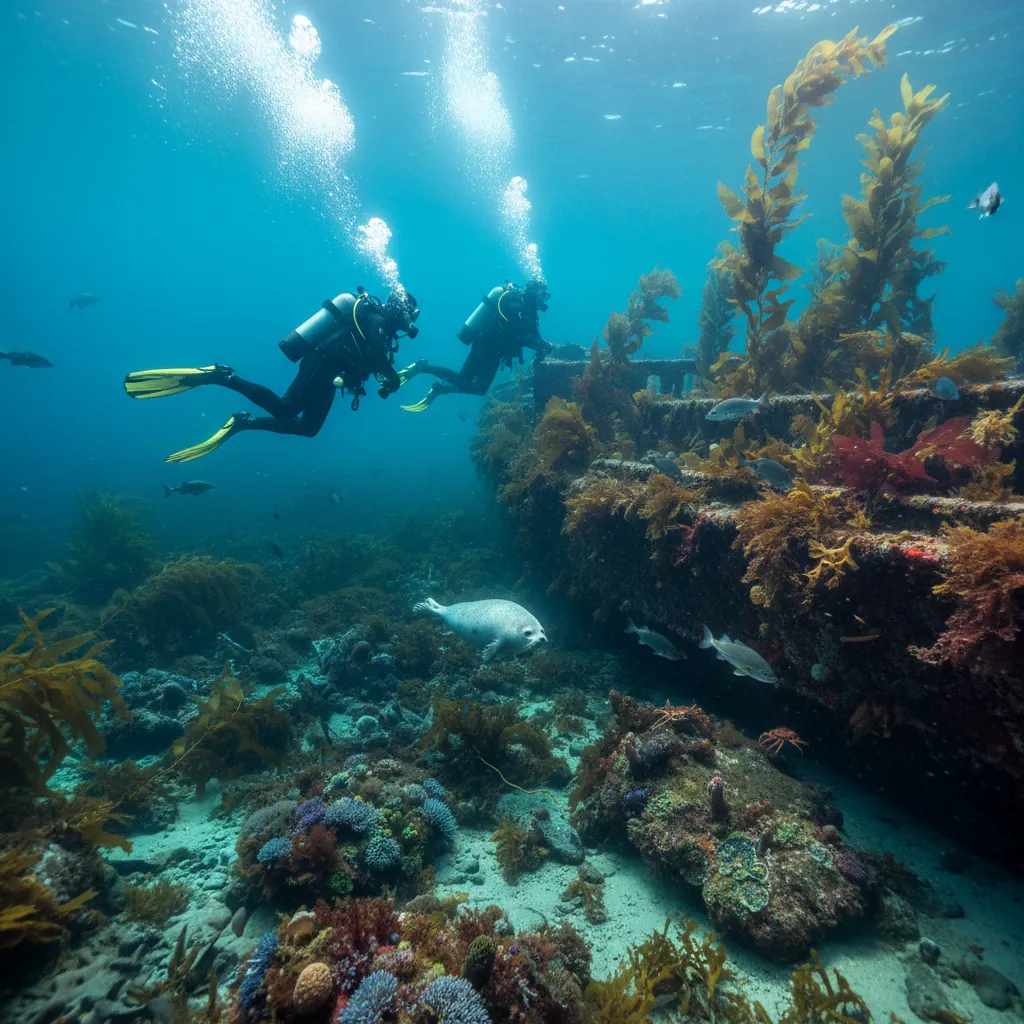
The marine life here is distinct from tropical reefs, offering a fascinating introduction to temperate ecosystems. You can expect to encounter a vibrant array of kelp forests, colourful anemones, crabs, lobsters, and various species of fish like wrasse and pollock. Grey seals are common and often curious, providing memorable encounters. While it presents a different set of challenges compared to warmer waters, Ireland's diving scene is well-supported by experienced dive centres, making it suitable for those looking for a unique and slightly more adventurous start to their diving journey.
With 270 dive sites across just two main regions, Ireland offers a concentrated yet diverse range of diving opportunities. While the difficulty mix shows 12 beginner, 10 intermediate, and 1 advanced site, there are ample sheltered bays and shallow sites perfect for initial training and discovery dives. The focus on shore diving in many locations simplifies logistics for beginners, allowing for easier access and shorter boat trips when necessary.
Best Beginner-Friendly Regions
South Coast: The South Coast of Ireland, particularly areas around Cork and Waterford, offers a good selection of sheltered bays and coves ideal for beginner divers. Sites like those in Kinsale Harbour provide calm, shallow waters with interesting rock formations and abundant small marine life, perfect for practicing basic skills and getting comfortable underwater. Many dive centres operate here, offering guided dives and training in accessible conditions.
West Coast: The West Coast, especially around Galway and Clare, features numerous protected inlets and loughs that provide excellent beginner diving opportunities despite the more exposed nature of the coastline. The Aran Islands, while sometimes requiring boat travel, have very sheltered spots on their eastern sides suitable for initial dives. These areas often feature vibrant kelp forests and a chance to spot seals in calmer conditions. Local dive operators are adept at finding the most suitable sites based on daily weather.
What Certification Do You Need?
To participate in guided fun dives in Ireland, you will typically need a PADI Open Water Diver certification or an equivalent from another recognized agency such as SSI, BSAC, or CMAS. If you are not yet certified, you can complete your PADI Open Water course in Ireland. Most local dive centres offer this full course, which usually takes 3-4 days and includes confined water training, knowledge development, and four open water dives. For those curious about diving without committing to a full course, a PADI Discover Scuba Diving experience is widely available, allowing you to try diving under direct instructor supervision in shallow water.
Best Time to Visit
The best time to visit Ireland for diving is generally during the warmer months, from May to September. During this period, water temperatures are at their highest, ranging from 12°C to 16°C, making for more comfortable diving. Air temperatures are also milder, averaging 15-20°C. Visibility tends to be better during late spring and early summer before significant plankton blooms reduce it in late summer. While diving is possible year-round, winter months (October-April) bring colder water (8-12°C), stronger winds, and often reduced visibility, making conditions more challenging for beginners.
What to Expect on Your First Dive
Your first dive in Ireland will typically begin at a local dive centre. You'll check in, complete any necessary paperwork, and attend a detailed briefing covering the dive site, safety procedures, and what marine life to expect. Following the briefing, you'll be fitted with appropriate gear-a thick wetsuit (7mm or semi-dry) or a drysuit, depending on the season and your preference, along with fins, mask, BCD, and regulator. Many beginner dives in Ireland are shore dives, meaning you'll gear up at the site and enter the water directly from the beach or a gentle slope. This allows for a gradual entry and easy acclimatization. For boat dives, entry is usually a giant stride from the back of the boat. Underwater, expect to follow your instructor closely, practicing basic skills and focusing on buoyancy control. The pace is relaxed, allowing you to absorb the temperate marine environment. Dives are generally calm, without strong currents, especially at beginner-friendly sites.
Budget Guide
- Discover Scuba Diving Experience: €100-€150 (approx. $110-$165 USD)
- PADI Open Water Course: €500-€650 (approx. $550-$715 USD) - includes equipment rental and certification fees.
- Fun Dives (certified divers): €50-€70 per dive (approx. $55-$77 USD), often with discounts for multiple dives. This usually includes tank and weights; full equipment rental is extra.
- Equipment Rental (full kit per day): €30-€50 (approx. $33-$55 USD)
- Accommodation:
- Hostels: €30-€50 per night (approx. $33-$55 USD)
- Mid-range B&Bs/Guesthouses: €80-€150 per night (approx. $88-$165 USD)
Essential Tips
- Dress Warm: Even in summer, Irish waters are cool. Opt for a 7mm wetsuit or consider renting a drysuit, especially for longer dives or if you get cold easily.
- Book Ahead: Dive centres, especially in popular coastal towns, can get busy during peak season (June-August). Book your courses or fun dives in advance.
- Check Local Conditions: Weather in Ireland can be changeable. Always check the forecast and consult with your dive centre about current visibility and sea state.
- Consider Shore Diving: Many beginner sites are accessible from shore, simplifying logistics and reducing costs compared to boat dives.
- Embrace the Green: Irish dive sites are known for their vibrant kelp forests and diverse temperate marine life. Adjust your expectations from tropical reefs and appreciate the unique ecosystem.
- Seal Encounters: Be prepared for potential encounters with curious grey seals, especially on the West Coast. Maintain a respectful distance and observe them quietly.
- Log Your Dives: Start a dive logbook. It's a great way to track your progress and remember your first temperate water experiences.
At a Glance
| Destination | Difficulty | Best Months |
|---|---|---|
| South CoastIreland | Beginner | - |
| West CoastIreland | Beginner | - |
South Coast
Ireland
Difficulty
Beginner
Water Temp
9-9C
Dive Centres
7
Practical Info
- dive Sites:
- 181
- dive Centres:
- 7
West Coast
Ireland
Difficulty
Beginner
Water Temp
9-9C
Dive Centres
2
Practical Info
- dive Sites:
- 89
- dive Centres:
- 2
Frequently Asked Questions
Do I need a certification to dive in Ireland?
Yes, to participate in guided fun dives in Ireland, you typically need a PADI Open Water Diver certification or an equivalent from another recognized agency. If you are not certified, you can complete a Discover Scuba Diving experience or a full Open Water course at local dive centres.
How much does diving cost in Ireland?
A Discover Scuba Diving experience costs €100-€150. A full PADI Open Water course is €500-€650. Fun dives for certified divers are €50-€70 per dive, not including full equipment rental which is an additional €30-€50 per day. Accommodation ranges from €30-€150 per night depending on type.
What is the best time to dive in Ireland?
The best time for diving in Ireland is from May to September. During these months, water temperatures are highest (12°C-16°C), and air temperatures are milder. Visibility tends to be better in late spring and early summer.
Is Ireland safe for beginner divers?
Yes, Ireland is safe for beginner divers, provided you dive with reputable centres and qualified instructors. While the water is cooler and visibility can vary, there are many sheltered, shallow sites suitable for training and initial dives. Modern equipment and experienced guides ensure a safe experience.
What marine life will I see in Ireland?
In Ireland, you can expect to see a variety of temperate marine life including vibrant kelp forests, colourful anemones, crabs, lobsters, wrasse, pollock, and other local fish species. Encounters with curious grey seals are also common, particularly on the West Coast.
Related Guides
Planning when to go?
See the month-by-month conditions guide