First Time Diving in Japan - A Beginner's Complete Guide
Everything you need to know before your first dive in Japan
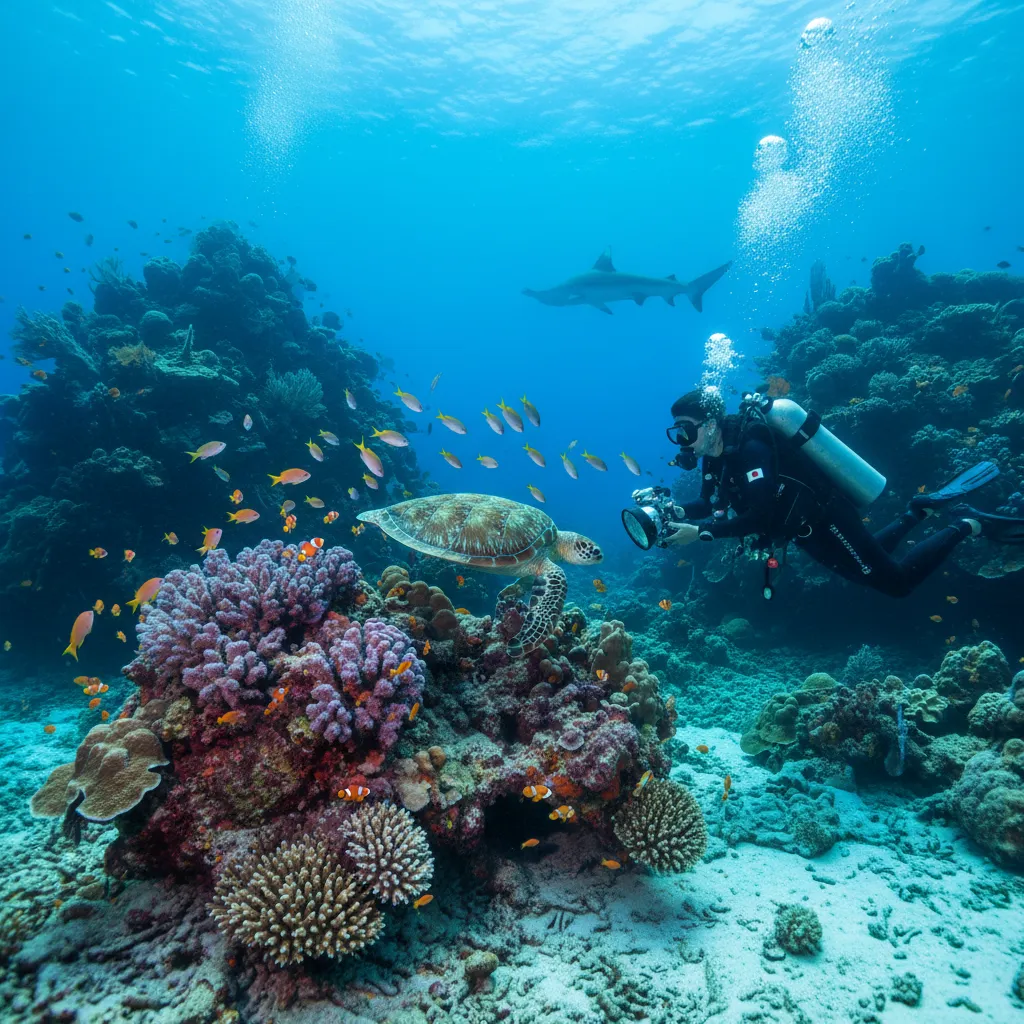
Why Japan for Your First Dives?
Japan might not be the first place that comes to mind for a beginner diver, but it offers a surprisingly welcoming environment with diverse experiences. With 131 beginner-friendly sites out of 238 total, there are plenty of calm, shallow options to get comfortable underwater. While some regions can present stronger currents for advanced divers, the designated beginner sites are carefully chosen for their sheltered conditions. Visibility is often excellent, frequently exceeding 20 meters, allowing for clear views of the vibrant marine ecosystems.
Water temperatures vary significantly by region and season. Southern areas like Okinawa and the Kerama Islands enjoy warm waters year-round, making them ideal for those who prefer less thermal protection. Further north, the Izu Peninsula offers cooler, but still comfortable, conditions in summer. The marine life is a major draw, ranging from colorful coral gardens and reef fish to macro critters. You'll encounter clownfish, angelfish, various nudibranchs, and often sea turtles. Japan provides a unique blend of accessible diving with distinctive underwater landscapes and fascinating creatures.
Best Beginner-Friendly Regions
Kerama Islands: Located west of Okinawa Main Island, the Kerama Islands are renowned for their calm, sheltered bays and abundant reef life, making them a top choice for beginners. The average visibility here is consistently high, and the waters are warm for most of the year. Sites like Zamami Island's 'Nishibama Beach' or 'Arigaa' near Tokashiki Island offer shallow depths, gentle currents, and vibrant coral formations, perfect for building confidence and observing colorful fish species.
Okinawa Main Island: Okinawa offers a convenient base with numerous beginner-friendly dive sites easily accessible from shore or short boat rides. The 'Blue Cave' at Cape Maeda is a popular spot, though it can get crowded, offering a unique cavern experience for novices. Other sites around Onna Village provide calm, shallow reefs with plenty of macro life and often sea turtles. The infrastructure for diving is well-developed, with many dive shops offering beginner courses and guided fun dives.
Izu Peninsula: While known for its cooler waters and some more challenging sites, the Izu Peninsula, accessible from Tokyo, has specific areas excellent for beginners, particularly during the warmer months. Sites like 'Atami' or 'Futo' often feature calm conditions in protected coves. These locations are great for seeing temperate marine life, including various types of crabs, anemone fish, and sometimes larger fish like groupers. The convenience of access from a major city makes it a practical choice for those with limited time.
What Certification Do You Need?
To participate in guided fun dives in Japan, you will need an entry-level scuba diving certification such as the PADI Open Water Diver, SSI Open Water Diver, or an equivalent certification from a recognized agency. This certification demonstrates that you have completed the necessary training to dive independently with a buddy. If you are not yet certified, most dive centers across Japan offer Discover Scuba Diving experiences, which allow you to try diving under direct instructor supervision without requiring certification. They also provide full Open Water Diver courses. PADI is widely recognized and popular in Japan, with many dive shops being PADI certified centers, offering courses in English and other languages.
Best Time to Visit
The best time to dive in Japan largely depends on the region you plan to visit. For the southern islands like Okinawa and the Kerama Islands, the diving season is virtually year-round, with the most pleasant conditions from April to November. During these months, water temperatures range from 25-30°C (77-86°F). The typhoon season typically runs from July to October, which can occasionally disrupt dive plans, but clear days are still frequent. For the Izu Peninsula, the prime diving season is from June to October, when water temperatures are warmest, ranging from 20-27°C (68-81°F). Visibility is generally excellent across all regions during their respective peak seasons. Visiting outside these peak times can offer fewer crowds but may involve cooler water and potentially rougher surface conditions.
What to Expect on Your First Dive
Upon arrival at a Japanese dive center, you'll typically start with a check-in process, presenting your certification card and filling out waivers. A detailed briefing will follow, often in English if you've booked with an international-friendly shop, covering the dive site, marine life to expect, safety procedures, and hand signals. Gear fitting and assembly are next; Japanese dive shops are very organized, and rental equipment is usually well-maintained. Most beginner dives in Japan, especially in the southern regions, are boat dives, with short rides to sheltered sites. Shore dives are also common, particularly in the Izu Peninsula and some Okinawa locations. Entries are usually straightforward-either a giant stride from the boat or a controlled entry from the shore. Underwater, you can expect calm conditions at beginner sites, guided by an instructor who will point out marine life. Dives are typically well-paced, focusing on enjoyment and safety, with clear emphasis on buoyancy control and responsible interaction with the environment.
Budget Guide
Diving in Japan can be more expensive than in some other popular dive destinations, but the quality of service is high. A Discover Scuba Diving experience typically costs around 12,000-18,000 JPY (approximately $80-120 USD). A full PADI Open Water Diver course usually ranges from 60,000-85,000 JPY (approximately $400-570 USD), often including rental equipment and certification fees. Fun dives (for certified divers) generally cost 10,000-15,000 JPY per two-tank boat dive (approximately $67-100 USD), with discounts sometimes available for multiple days. Equipment rental is usually separate for fun dives, costing around 3,000-5,000 JPY (approximately $20-35 USD) per day for a full set. Accommodation varies widely: budget hostels can be 3,000-6,000 JPY ($20-40 USD) per night, mid-range hotels 8,000-15,000 JPY ($55-100 USD), and resort-style accommodation upwards of 20,000 JPY ($135 USD).
Essential Tips
- Book in Advance: Especially for popular regions like Okinawa and the Kerama Islands during peak season (April-October), dive shops can fill up quickly. Book your dives and courses well ahead of time.
- Check English-Speaking Availability: While many dive shops cater to international tourists, verify that instructors and dive guides speak English, especially for courses or if you prefer clear communication underwater.
- Mind Local Customs: Be respectful of local customs. This includes being punctual, following instructions from your guide, and being mindful of noise levels at dive centers and on boats.
- Consider Travel Insurance: Diving can have unforeseen circumstances. Ensure your travel insurance covers scuba diving activities and potential medical emergencies.
- Prepare for Temperature Changes: Even in warmer regions, multiple dives or cooler seasons might warrant a thicker wetsuit. Check water temperatures for your specific travel dates and location.
- Underwater Photography Etiquette: If you bring a camera, be mindful of other divers and marine life. Do not touch or harass animals for a photo.
- Cash is King: While credit cards are accepted in many places, having some Japanese Yen cash is always useful for smaller purchases, transportation, or dive shops that might prefer it.
At a Glance
| Destination | Difficulty | Best Months |
|---|---|---|
| Kerama IslandsJapan | Beginner | - |
| Izu PeninsulaJapan | Beginner | Jun-Nov |
| Okinawa Main IslandJapan | Beginner | Mar-Nov |
| Ishigaki & YaeyamaJapan | Beginner | - |
| Ogasawara (Bonin) IslandsJapan | Beginner | - |
Izu Peninsula
Japan
Difficulty
Beginner
Best Months
Jun-Nov
Water Temp
16-28C
Dive Centres
277
Practical Info
- dive Sites:
- 64
- dive Centres:
- 277
Okinawa Main Island
Japan
Difficulty
Beginner
Best Months
Mar-Nov
Water Temp
21-30C
Dive Centres
32
Practical Info
- dive Sites:
- 55
- dive Centres:
- 32
Frequently Asked Questions
Do I need a certification to dive in Japan?
Yes, for guided fun dives in Japan, you need an entry-level certification like PADI Open Water Diver or equivalent. If you're not certified, you can try a Discover Scuba Diving experience under direct instructor supervision or complete an Open Water course at local dive centers.
How much does diving cost in Japan?
A Discover Scuba Diving experience typically costs 12,000-18,000 JPY ($80-120 USD). A full Open Water Diver course ranges from 60,000-85,000 JPY ($400-570 USD). Two-tank fun dives are usually 10,000-15,000 JPY ($67-100 USD), with equipment rental around 3,000-5,000 JPY ($20-35 USD) per day.
What is the best time to dive in Japan?
For Okinawa and the Kerama Islands, April to November offers the best conditions with water temperatures of 25-30°C. For the Izu Peninsula, June to October is ideal, with water temperatures from 20-27°C. Typhoon season (July-October) can occasionally disrupt plans.
Is Japan safe for beginner divers?
Yes, Japan is very safe for beginner divers. There are 131 designated beginner-friendly sites with calm conditions and excellent visibility. Dive centers prioritize safety, offer professional guidance, and maintain high standards for equipment and instruction.
What marine life will I see in Japan?
You can expect to see a variety of colorful reef fish, including clownfish, angelfish, and butterflyfish. Macro life like nudibranchs is common. Sea turtles are frequently encountered, especially in Okinawa and the Kerama Islands. Coral gardens are also a prominent feature.
Related Guides
Planning when to go?
See the month-by-month conditions guide