First Time Diving in Kenya - A Beginner's Complete Guide
Everything you need to know before your first dive in Kenya
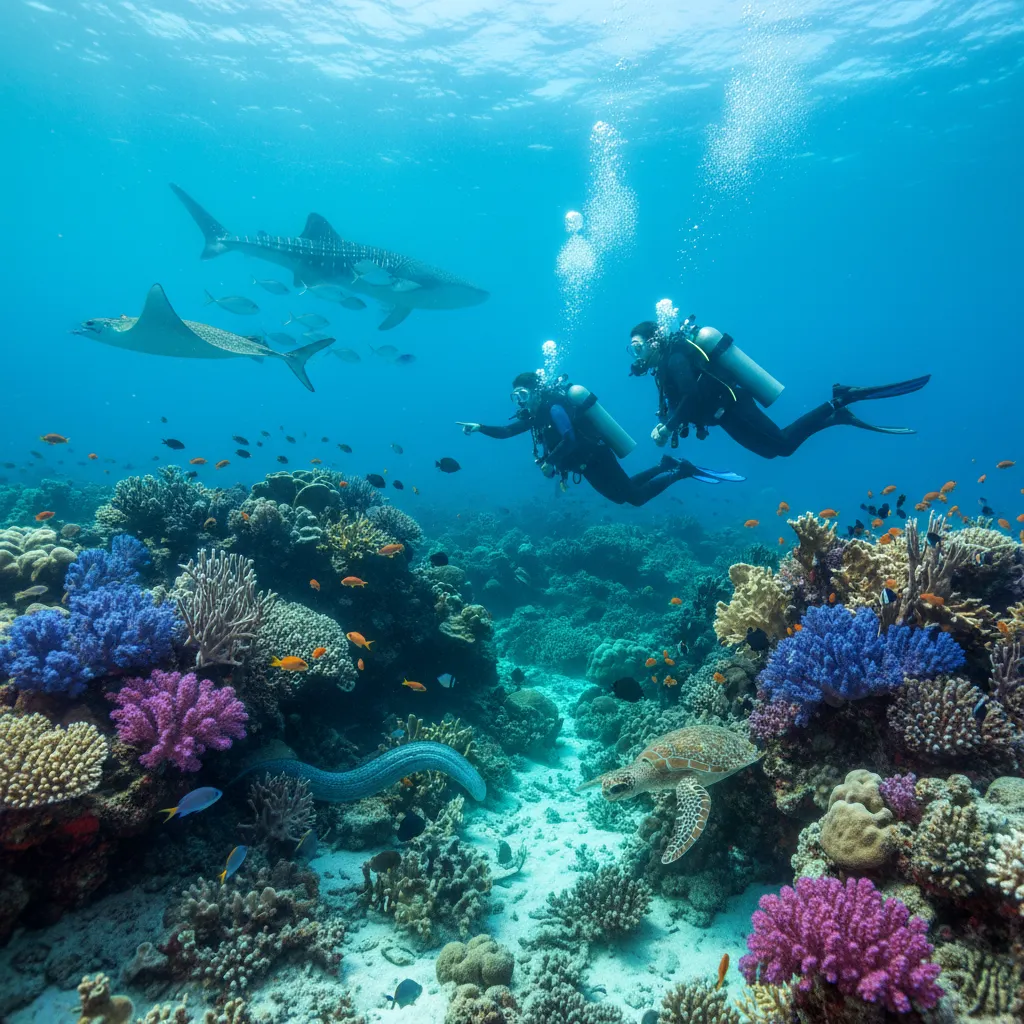
Why Kenya for Your First Dives?
Kenya offers a surprisingly good entry point for new divers, particularly along its protected coastline. With warm Indian Ocean waters averaging 25-29°C, cold isn't a factor, making your first underwater experiences more comfortable. Visibility typically ranges from 15-25 meters, providing clear views of the reef and its inhabitants without overwhelming new divers with vast, open ocean expanses. The relatively calm conditions within the marine parks and sheltered bays reduce common beginner anxieties about strong currents.
While Kenya boasts 41 dive sites across two main regions, it's important to note that only a small portion, specifically 3 sites, are ideal for absolute beginners. The majority cater to intermediate divers, with 2 sites specifically noted for this difficulty. This means careful site selection is crucial, but the designated beginner sites are genuinely suitable. You can expect to encounter a vibrant array of reef fish, turtles, and various corals, offering an engaging introduction to marine ecosystems.
Best Beginner-Friendly Regions
Diani Beach & South Coast: This region is excellent for beginners due to its sheltered reefs and generally calm conditions. The proximity to Mombasa means good infrastructure and several reputable dive centers. Beginner sites here often feature gentle slopes and minimal currents, allowing new divers to focus on buoyancy and equalization. While specific beginner site names can vary by dive center, look for those within the Kisite-Mpunguti Marine Park, which offers protected areas ideal for initial dives.
Watamu & Malindi: Located further north, the Watamu Marine National Park is another strong contender for first-time divers. The protected status of the park means healthy reefs and calmer waters, particularly within the bays. Sites like 'The Canyon' or 'Turtle Reef' in Watamu, while having deeper sections, also offer shallower, protected areas that are perfect for initial dives and skill practice. The abundance of marine life in these areas provides a rewarding experience without demanding advanced dive skills.
What Certification Do You Need?
To participate in guided fun dives in Kenya, you will generally need a PADI Open Water Diver certification or an equivalent certification from a recognized agency such as SSI, NAUI, or CMAS. If you are not yet certified, you can enroll in a Discover Scuba Diving (DSD) program, which allows you to experience diving under direct instructor supervision to a maximum depth of 12 meters, without needing full certification. Most dive centers along the Kenyan coast, particularly in Diani and Watamu, are PADI affiliated and offer a full range of courses from DSD to advanced certifications. SSI is also well-represented.
Best Time to Visit
The best time to visit Kenya for diving is generally during the dry seasons when the sea is calmest and visibility is at its peak. The primary diving season runs from October to March. During these months, the Kaskazi winds are light, leading to flat seas and excellent underwater conditions. Water temperatures during this period range from 27°C to 29°C.
A secondary, shorter diving window occurs from July to September, though conditions can be slightly more variable due to the Kusi winds. Visibility might be slightly reduced compared to the peak season, but it's still good for diving. Water temperatures during this time are typically between 25°C and 27°C. Avoid the main rainy seasons, typically April-May and November, as heavy rainfall can significantly reduce visibility due to runoff.
What to Expect on Your First Dive
Your first dive in Kenya, especially if it's a Discover Scuba Dive or the first open water dive of your certification, will follow a predictable structure. You'll typically begin at the dive center with a check-in and paperwork. This is followed by a comprehensive briefing where your instructor will explain the dive plan, safety procedures, hand signals, and what marine life you might encounter. You'll then be fitted with your gear-wetsuit, BCD, regulator, mask, and fins. Equipment rental is almost always included for DSDs and certification courses.
Entry into the water is predominantly via boat in Kenya. You'll board a local dhow or a speed boat, which will take you to the dive site. Once at the site, you'll gear up on the boat and perform a controlled backward roll or giant stride entry. Your instructor will guide you through your initial descent, focusing on equalization and comfortable breathing. Underwater, the pace will be slow and deliberate, allowing you to get accustomed to the environment. You'll typically stay shallow, within 5-12 meters, exploring reef formations and observing marine life like parrotfish, angelfish, and possibly a green turtle. The dives are generally calm, with minimal current at beginner-friendly sites, allowing for a relaxed and enjoyable experience before a boat ascent and return to shore.
Budget Guide
Diving in Kenya offers a range of price points. Here's a realistic breakdown:
- Discover Scuba Diving (DSD) Course: Expect to pay approximately KES 10,000 - 15,000 (USD 80 - 120). This typically includes equipment rental and direct instructor supervision.
- PADI Open Water Diver Course: A full Open Water certification course usually costs between KES 45,000 - 65,000 (USD 350 - 500). This covers instruction, materials, equipment rental, and certification fees.
- Fun Dives (for certified divers): A single fun dive will cost around KES 6,000 - 8,000 (USD 50 - 65), while a two-dive package is typically KES 10,000 - 14,000 (USD 80 - 110). Prices often include tanks, weights, and boat fees. Full equipment rental is usually an additional KES 1,500 - 2,500 (USD 12 - 20) per day.
- Accommodation: Budget guesthouses can be found for KES 3,000 - 7,000 (USD 25 - 55) per night. Mid-range hotels are KES 8,000 - 15,000 (USD 65 - 120), and higher-end resorts can range from KES 18,000 (USD 140) upwards.
Essential Tips
- Book in Advance: Especially during peak season (October-March), dive centers can get busy. Book your courses or fun dives a few weeks ahead to secure your spot.
- Marine Park Fees: Be aware that most dive sites are within marine protected areas, and daily park fees (typically KES 1,500 - 2,000 for non-residents, around USD 12-15) are usually extra and not included in dive package prices.
- Local Currency: While US dollars are widely accepted in tourist areas, having Kenyan Shillings (KES) for smaller purchases, tips, and local transport is advisable.
- Respect Marine Life: Kenya's marine parks are protected. Do not touch corals or marine animals, and maintain a respectful distance from all wildlife.
- Sun Protection: The equatorial sun is strong. Use reef-safe sunscreen, wear a hat, and stay hydrated, even on cloudy days.
- Stay Hydrated: Tropical climates and diving can lead to dehydration. Drink plenty of water before and after your dives.
- Choose Reputable Centers: Opt for PADI or SSI affiliated dive centers with good reviews to ensure safety standards and well-maintained equipment.
At a Glance
| Destination | Difficulty | Best Months |
|---|---|---|
| Diani Beach & South CoastKenya | Beginner | Jan-Dec |
| Watamu & MalindiKenya | Beginner | Jan-Dec |
Difficulty
Beginner
Best Months
Jan-Dec
Water Temp
28-28C
Dive Centres
14
Practical Info
- dive Sites:
- 32
- dive Centres:
- 14
Watamu & Malindi
Kenya
Difficulty
Beginner
Best Months
Jan-Dec
Water Temp
28-28C
Dive Centres
4
Practical Info
- dive Sites:
- 9
- dive Centres:
- 4
Frequently Asked Questions
Do I need a certification to dive in Kenya?
For guided fun dives, you need a PADI Open Water Diver or equivalent certification. However, if you're not certified, you can participate in a Discover Scuba Diving (DSD) program under direct instructor supervision, allowing you to experience diving without full certification.
How much does diving cost in Kenya?
A Discover Scuba Dive costs approximately KES 10,000-15,000 (USD 80-120). A full PADI Open Water course is around KES 45,000-65,000 (USD 350-500). Fun dives for certified divers are KES 6,000-8,000 (USD 50-65) per dive, plus equipment rental and marine park fees.
What is the best time to dive in Kenya?
The best time to dive in Kenya is during the main dry season from October to March, when conditions are calm, and visibility is excellent. Water temperatures range from 27-29°C. A secondary window is July-September, though conditions can be more variable.
Is Kenya safe for beginner divers?
Yes, Kenya is suitable for beginner divers, especially in designated marine parks like those near Diani Beach and Watamu. These areas offer sheltered sites with warm water, good visibility, and minimal currents, making for a comfortable and safe learning environment. Always choose reputable dive centers.
What marine life will I see in Kenya?
On your first dives in Kenya, you can expect to see a variety of colorful reef fish like parrotfish and angelfish, as well as green turtles, various hard and soft corals, moray eels, and possibly stingrays. The protected marine parks host a healthy diversity of Indian Ocean species.
Related Guides
Planning when to go?
See the month-by-month conditions guide