First Time Diving in Kiribati - A Beginner's Complete Guide
Everything you need to know before your first dive in Kiribati
Why Kiribati for Your First Dives?
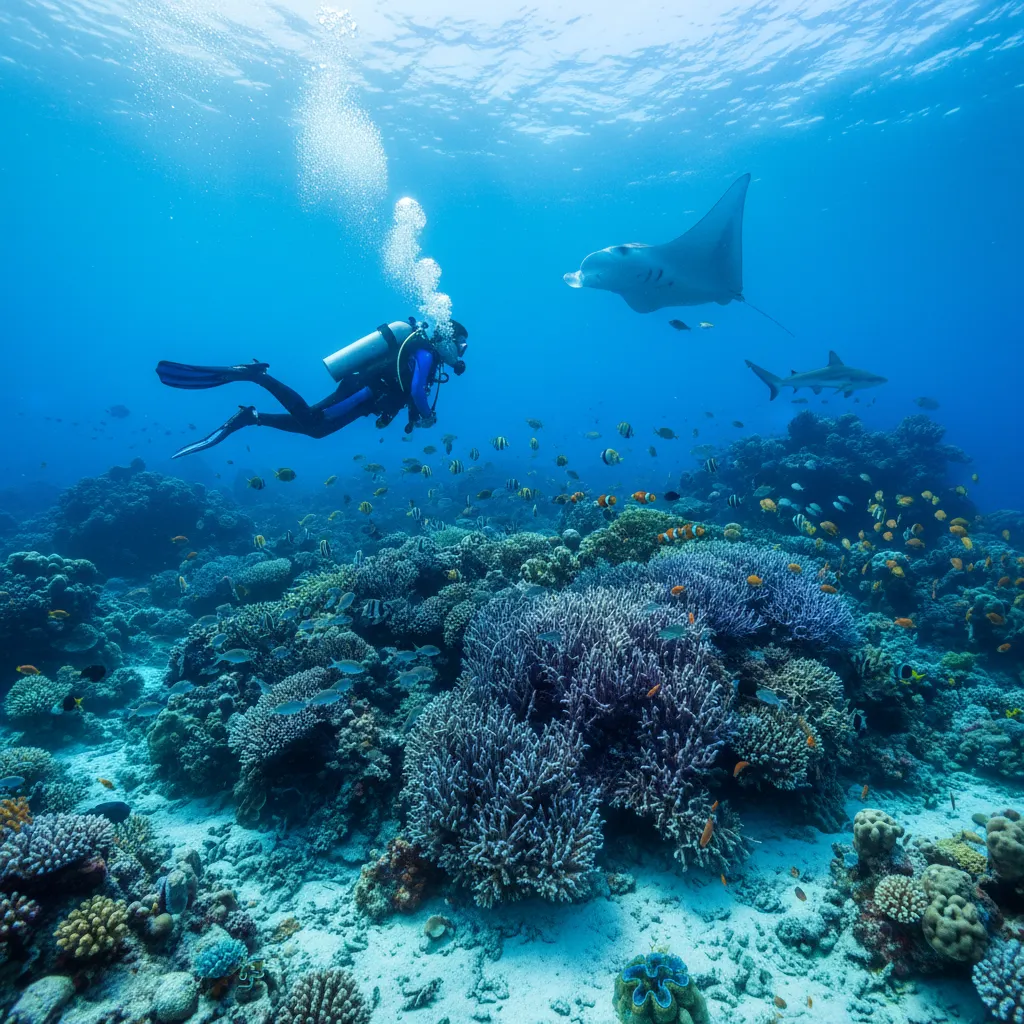
Kiribati offers a unique and largely untouched diving experience, making it an intriguing choice for a first-time diver seeking adventure beyond the well-trodden paths. While some areas present challenges, there are accessible sites suitable for beginners. The warm equatorial waters, typically ranging from 28-30°C (82-86°F), mean comfortable diving without the need for thick wetsuits. Visibility can often exceed 20 meters (65 feet), providing ample opportunity to appreciate the underwater environment.
For beginners, Kiribati's appeal lies in its relative lack of crowds and the chance to witness pristine coral ecosystems and pelagic life. You can expect to encounter reef sharks, manta rays, various reef fish species, and vibrant hard and soft corals. It's important to note that Kiribati is not a destination with extensive dive infrastructure, so a spirit of adventure and flexibility is key. While some currents can be present, beginner-friendly sites are chosen for their calmer conditions, allowing new divers to focus on their skills and enjoyment.
Best Beginner-Friendly Regions
Christmas Island (Kiritimati): As the largest atoll in the world, Kiritimati offers extensive lagoons and sheltered reef systems that are ideal for initial dives. The lagoon areas provide calm, shallow conditions perfect for skill practice and gentle exploration. Specific sites within the lagoon are often chosen by local operators for their protected nature, allowing beginners to ease into the underwater world without strong currents. Expect to see a variety of reef fish and healthy coral formations.
Phoenix Islands: While the Phoenix Islands Protected Area (PIPA) is renowned for its remote and often challenging diving, certain sheltered areas and specific sites may be suitable for advanced beginners under expert guidance. However, for true first-timers, PIPA is generally considered more advanced due to strong currents and remote logistics. It's a destination primarily for experienced divers. Dive operators here are highly specialized and can advise on specific sheltered spots if available, but it's not a primary recommendation for absolute novices.
Tarawa: The capital atoll of Tarawa provides a mix of diving experiences, including historical wreck sites from World War II. While many wrecks are deeper and require advanced certification, some shallower sections or surrounding reef areas can be explored by beginners. The inner lagoon areas around Tarawa can offer calmer conditions. Operators will select sites away from strong tidal flows, focusing on vibrant reef patches and the diverse marine life that congregates in these areas.
What Certification Do You Need?
To participate in guided fun dives in Kiribati, you will generally need a PADI Open Water Diver certification or an equivalent from another recognized agency such as SSI, NAUI, or CMAS. This certification demonstrates that you have completed basic dive training, understand dive safety procedures, and are competent to dive to a maximum depth of 18 meters (60 feet) with a buddy. If you are not yet certified, some local dive centers, primarily on Christmas Island and Tarawa, may offer PADI Discover Scuba Diving experiences, which allow you to try diving under direct instructor supervision in shallow water without full certification. Full PADI Open Water courses are also available at some of these centers, though options may be limited compared to more established dive destinations. It's advisable to complete your certification before arriving if possible, to maximize your dive time.
Best Time to Visit
The best time to visit Kiribati for diving is generally during the dry season, which runs from April to October. During these months, the weather is typically drier with less rainfall, leading to clearer skies and calmer seas. Water temperatures remain consistently warm year-round, usually between 28-30°C (82-86°F), so thermal comfort is rarely an issue. While November to March is considered the wet season, characterized by higher humidity and occasional squalls, diving is still possible, but conditions might be less predictable. Visibility can be slightly reduced after heavy rainfall, especially in lagoon areas. For the most comfortable and reliable diving conditions, planning your trip within the April-October window is recommended.
What to Expect on Your First Dive
Upon arriving at the dive center or meeting point, your first experience will typically involve a check-in process where you present your certification card (if applicable) and complete any necessary waivers. You'll then receive a thorough dive briefing from your instructor or dive guide. This briefing will cover the dive site's specific features, expected marine life, potential hazards, hand signals, and the dive plan (depth, time, and safety stops). Next, you'll be fitted with rental gear, or you'll assemble your own if you brought it. Expect standard BCD, regulator, mask, fins, and weights. Kiribati diving often involves boat dives, though shore entries are possible in some lagoon areas. For boat dives, you'll gear up on the vessel. Entry into the water is usually a giant stride or a controlled backward roll. Once in the water, your instructor will guide you through final checks and a controlled descent. Underwater, expect relatively calm conditions at beginner sites, focusing on buoyancy control and enjoying the marine environment. Dives are typically relaxed, allowing you to observe coral formations and fish. After the dive, you'll ascend slowly, complete a safety stop, and return to the boat or shore for debriefing.
Budget Guide
Diving in Kiribati can be more expensive than in destinations with higher dive tourism volumes due to logistics and remoteness. Here's a realistic cost breakdown:
- Discover Scuba Diving (DSD) experience: Expect to pay around AUD 150-250 (USD 100-170) for a supervised introductory dive.
- PADI Open Water Course: A full certification course can range from AUD 700-1000 (USD 470-670), depending on the dive center and inclusions.
- Fun Dives (certified divers): A single fun dive typically costs AUD 80-120 (USD 55-80). Package deals for multiple dives (e.g., 5-10 dives) will reduce the per-dive cost.
- Equipment Rental: Daily rental of full gear often adds AUD 30-50 (USD 20-35) per day. Some dive packages may include basic gear.
- Accommodation: Budget guesthouses can start from AUD 50 (USD 35) per night. Mid-range hotels are AUD 100-200 (USD 65-135), while higher-end options are limited and more expensive.
These figures are estimates and can vary. Always confirm prices directly with dive operators.
Essential Tips
- Book in Advance: Dive operations in Kiribati are limited, especially outside of Christmas Island and Tarawa. Book your dives and courses well in advance of your trip.
- Be Flexible: Dive schedules can be subject to weather conditions, boat availability, and local circumstances. Maintain a flexible attitude.
- Travel Insurance: Ensure your travel insurance specifically covers scuba diving and potential medical evacuations, given the remote nature of the destination.
- Bring Essential Spares: Pack spare mask straps, fin straps, and any personal dive computer batteries, as local availability for dive gear can be scarce.
- Respect Local Customs: Kiribati is a conservative country. Dress modestly when not diving, and be mindful of local traditions and etiquette.
- Hydrate Well: The tropical climate requires consistent hydration. Drink plenty of water before, during, and after your dives.
- Check Visa Requirements: Confirm entry and visa requirements for Kiribati well before your departure.
At a Glance
| Destination | Difficulty | Best Months |
|---|---|---|
| Christmas Island (Kiritimati)Kiribati | Beginner | - |
| Phoenix IslandsKiribati | Beginner | - |
| TarawaKiribati | Beginner | - |
Frequently Asked Questions
Do I need a certification to dive in Kiribati?
Yes, for guided fun dives in Kiribati, you generally need a PADI Open Water Diver certification or an equivalent from another recognized agency. Some dive centers may offer Discover Scuba Diving experiences for uncertified individuals under direct instructor supervision, or full Open Water courses.
How much does diving cost in Kiribati?
A Discover Scuba Diving experience is around AUD 150-250 (USD 100-170). A full PADI Open Water course can range from AUD 700-1000 (USD 470-670). Single fun dives for certified divers are typically AUD 80-120 (USD 55-80), with equipment rental adding AUD 30-50 (USD 20-35) per day. Accommodation varies from AUD 50-200+ (USD 35-135+) per night.
What is the best time to dive in Kiribati?
The best time to dive in Kiribati is during the dry season, from April to October. This period offers drier weather, calmer seas, and generally better visibility. Water temperatures remain consistently warm, around 28-30°C (82-86°F), year-round.
Is Kiribati safe for beginner divers?
Kiribati can be suitable for beginner divers, particularly in sheltered lagoon areas of Christmas Island and Tarawa. Dive operators will select sites with calmer conditions. However, it's a less developed dive destination, so flexibility and booking with reputable centers are important. Always dive within your training limits and follow instructor guidance.
What marine life will I see in Kiribati?
In Kiribati, you can expect to see a variety of marine life including reef sharks, manta rays, diverse species of reef fish, and healthy hard and soft coral formations. The remote location contributes to relatively untouched ecosystems, offering glimpses of pelagic species and vibrant reef communities.
Related Guides
Planning when to go?
See the month-by-month conditions guide