First Time Diving in Micronesia - A Beginner's Complete Guide
Everything you need to know before your first dive in Micronesia
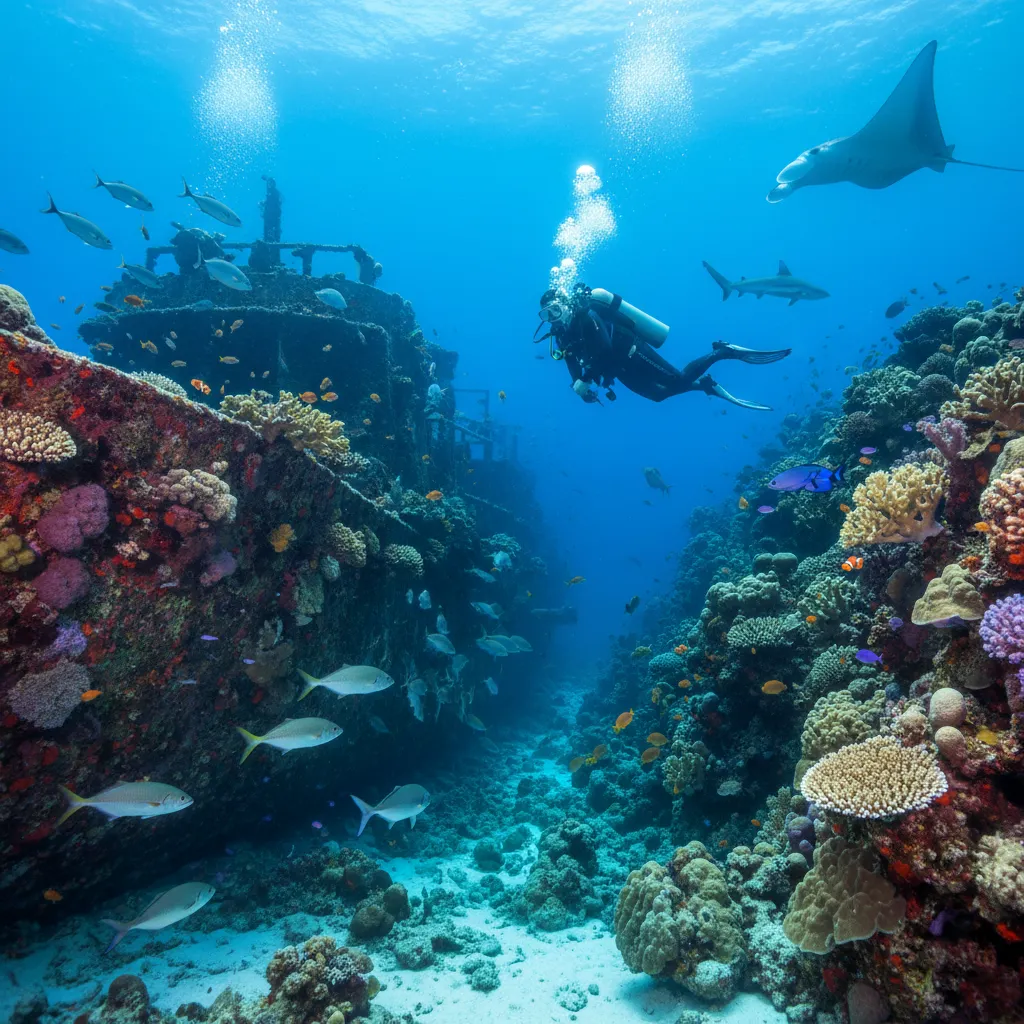
Why Micronesia for Your First Dives?
Micronesia, with its 97 dive sites across four distinct regions, might seem like an advanced destination at first glance. However, it offers a surprising number of suitable options for beginner divers. While it’s true that some of its most famous sites, particularly the World War II wrecks of Chuuk Lagoon, require advanced certification, there are plenty of shallower, calmer sites ideal for those just starting out. The region boasts consistently warm water temperatures, typically ranging from 27-30°C (80-86°F), which makes for comfortable long dives without the need for thick wetsuits. Visibility is generally excellent, often exceeding 20 meters (65 feet), providing a clear view of the vibrant underwater world.
For beginners, Micronesia offers a unique introduction to tropical diving. You'll encounter a diverse array of marine life, from colorful reef fish and healthy coral gardens to larger pelagic species like reef sharks and manta rays in specific locations. While some areas experience strong currents, dive operators in beginner-friendly regions carefully select sites protected from these conditions, ensuring a calm and enjoyable experience. It's important to choose your region and dive operator carefully to align with your skill level, as not all of Micronesia is suitable for a first-time diver.
Best Beginner-Friendly Regions
Pohnpei: Pohnpei is an excellent choice for beginner divers seeking vibrant reef systems and calm conditions. Many of its dive sites are located within protected lagoons or near the barrier reef, minimizing strong currents. Sites like Palikir Pass, while known for pelagics, also have shallower sections suitable for less experienced divers to observe reef life. The abundant hard and soft corals provide a visually rich environment, and the calm waters make buoyancy control easier to master.
Kosrae: Kosrae is often overlooked but offers some of the most pristine and healthy coral reefs in Micronesia, many of which are accessible to beginners. The island's reef system is largely untouched, providing clear waters and a high density of reef fish. Sites such as Blue Hole or sections of the Lelu Wall are known for their gentle currents and abundant marine life in shallower depths, making them perfect for those new to diving. The relaxed pace of Kosrae also contributes to a stress-free learning environment.
Yap: While Yap is renowned for its manta ray encounters, which can sometimes be in areas with stronger currents, there are also numerous beginner-friendly sites. Many of Yap's inner lagoon and reef wall dives offer calm conditions and diverse marine life beyond the mantas. Dive sites like Vertigo or sections of the Mi'il Channel are often suitable for beginners, providing opportunities to see reef sharks, turtles, and a variety of reef fish without challenging conditions. Local dive centers are adept at selecting sites appropriate for all skill levels.
What Certification Do You Need?
To participate in guided fun dives in Micronesia, you will generally need to be a certified PADI Open Water Diver or hold an equivalent certification from a recognized agency such as SSI, NAUI, or CMAS. This certification demonstrates that you have completed the necessary training to dive safely to a maximum depth of 18 meters (60 feet) with a buddy. If you are not yet certified, you can complete a PADI Discover Scuba Diving (DSD) experience, which allows you to try diving under direct instructor supervision in shallow water without needing full certification. This is a great way to test the waters before committing to a full course.
Most dive centers in Micronesia are PADI affiliated, making it easy to complete your Open Water certification while on your trip. They offer courses in English, and sometimes other major languages. It's advisable to complete the academic portion (eLearning) before you arrive to maximize your time in the water. While PADI is the most prevalent, other agencies are also recognized, so check with your chosen dive center if you hold a different certification.
Best Time to Visit
Micronesia generally enjoys a tropical climate year-round, but specific seasons offer optimal diving conditions. The best time to visit for diving is typically during the dry season, which runs from November to May. During these months, you can expect calmer seas, less rainfall, and generally better visibility. Water temperatures remain consistently warm throughout the year, typically ranging from 27-30°C (80-86°F).
The wet season, from June to October, brings more rainfall and can occasionally lead to choppier surface conditions, particularly in exposed areas. However, diving is still possible, and some divers prefer this season for fewer crowds. Visibility might be slightly reduced after heavy rains, especially near shore, but offshore sites usually maintain good clarity. For the most comfortable and predictable diving experience, aim for the dry season months.
What to Expect on Your First Dive
Your first dive in Micronesia, whether it's a DSD or your first certified fun dive, will typically begin at a local dive center. You'll check in, show your certification (if applicable), and fill out any necessary paperwork, including medical questionnaires. A comprehensive briefing will follow, covering the dive site's layout, expected marine life, safety procedures, hand signals, and the dive plan (maximum depth, duration). This is your opportunity to ask any questions.
Next, you'll be assigned or select your gear. Dive centers provide well-maintained rental equipment, including BCDs, regulators, masks, fins, and wetsuits (usually 3mm shorties or full suits, though many divers opt for just a rash guard due to the warm water). After gearing up, you'll typically head to the dive boat. Most diving in Micronesia is boat-based, with comfortable, purpose-built dive vessels. Entry into the water is usually a giant stride from the back of the boat. Once in, your instructor or guide will ensure everyone is comfortable and ready before descending. Expect calm conditions in beginner-friendly sites, allowing you to focus on buoyancy and enjoying the marine environment without strong currents. The dive will be slow-paced, allowing ample time for observation and photography.
Budget Guide
Diving in Micronesia involves various costs, and it's essential to budget realistically. Prices are generally in USD, as it's the official currency in most parts of Micronesia.
- Discover Scuba Diving (DSD): A DSD experience typically costs around $100-$150, including equipment rental and instructor supervision.
- PADI Open Water Course: Expect to pay between $500-$700 for a full Open Water certification course, which usually includes all materials, instruction, dives, and equipment rental.
- Fun Dives (Certified): Single fun dives range from $60-$90, with discounts often available for multi-dive packages (e.g., 10-dive package might bring the per-dive cost down to $50-$70).
- Equipment Rental: If not included in a package, full equipment rental (BCD, regulator, mask, fins, wetsuit) can cost $30-$50 per day. Individual items are usually $5-$15 each.
- Accommodation: Budget accommodation (guesthouses, basic hotels) can be found for $70-$120 per night. Mid-range hotels typically cost $150-$250 per night, while higher-end resorts can exceed $300-$500 per night.
- Food: Local meals are affordable, ranging from $10-$20. Western-style meals or resort dining will be higher, $25-$50 per person per meal.
Essential Tips
- Book Dive Operators in Advance: Especially for popular regions like Yap or during peak season, securing your spot with a reputable dive center is crucial.
- Check Local Dive Schedules: Some islands have fewer dive operators, and their schedules might be less frequent. Confirm availability for beginner-friendly sites.
- Consider Liveaboards for Specific Regions: While not ideal for absolute beginners, some liveaboards offer routes that include shallower sites. Research thoroughly.
- Respect Local Culture: Micronesian cultures are conservative. Dress modestly when not diving, and always ask permission before taking photos of people.
- Hydrate and Protect from Sun: The tropical sun is strong. Drink plenty of water and use reef-safe sunscreen.
- Bring Motion Sickness Medication: While beginner sites aim for calm conditions, boat rides to sites can sometimes be choppy.
- Pack Light Wetsuit or Rash Guard: The water is very warm, so a 3mm shorty or even just a rash guard is usually sufficient for thermal protection.
At a Glance
| Destination | Difficulty | Best Months |
|---|---|---|
| Chuuk (Truk) LagoonMicronesia | Beginner | Jan-Dec |
| YapMicronesia | Beginner | Jan-Dec |
| PohnpeiMicronesia | Beginner | - |
| KosraeMicronesia | Beginner | - |
Chuuk (Truk) Lagoon
Micronesia
Difficulty
Beginner
Best Months
Jan-Dec
Water Temp
29-29C
Dive Centres
4
Practical Info
- dive Sites:
- 42
- dive Centres:
- 4
Yap
Micronesia
Difficulty
Beginner
Best Months
Jan-Dec
Water Temp
29-29C
Dive Centres
3
Practical Info
- dive Sites:
- 36
- dive Centres:
- 3
Frequently Asked Questions
Do I need a certification to dive in Micronesia?
Yes, to participate in guided fun dives, you need a PADI Open Water Diver certification or equivalent. However, you can try diving without certification via a Discover Scuba Diving (DSD) experience under instructor supervision.
How much does diving cost in Micronesia?
A Discover Scuba Diving experience costs $100-$150. A PADI Open Water course is typically $500-$700. Certified fun dives range from $60-$90 per dive, with multi-dive packages offering better rates.
What is the best time to dive in Micronesia?
The best time to visit for diving is during the dry season, from November to May. This period offers calmer seas, less rain, and generally better visibility. Water temperatures are consistently warm, 27-30°C (80-86°F), year-round.
Is Micronesia safe for beginner divers?
Yes, Micronesia can be safe for beginner divers if you choose appropriate regions and dive operators. Beginner-friendly regions like Pohnpei and Kosrae offer calm, shallower sites. Always dive with a reputable center that prioritizes safety and matches sites to your skill level.
What marine life will I see in Micronesia?
You can expect to see abundant reef fish, healthy hard and soft coral gardens, sea turtles, reef sharks, and various invertebrates. In specific regions like Yap, you might also encounter manta rays.
Related Guides
Planning when to go?
See the month-by-month conditions guide