First Time Diving in Mozambique - A Beginner's Complete Guide
Everything you need to know before your first dive in Mozambique
Why Mozambique for Your First Dives?
Mozambique offers a truly unique introduction to scuba diving, especially for beginners. While it boasts a total of 55 dive sites across four regions, with a mix of difficulty levels, it has 7 dedicated beginner-friendly sites, making it accessible. The Indian Ocean waters are consistently warm, typically ranging from 24-29°C (75-84°F), which means comfortable diving without thick wetsuits. Visibility is generally good, often exceeding 15 meters (50 feet), allowing for clear views of the underwater environment. The country's dive sites are characterized by vibrant coral reefs and a rich diversity of marine life. Beginners can expect to encounter colorful reef fish, various species of nudibranchs, rays, and often turtles. While some areas can experience currents, many beginner sites are chosen for their sheltered conditions, providing calm and manageable environments for learning. It's a destination where you can progress from a Discover Scuba Dive to Open Water certification while enjoying impressive marine encounters. Mozambique is a destination that offers a sense of adventure, and while it's not as developed as some other dive destinations, its charm lies in its relatively untouched nature. Dive centers are well-established in key regions and prioritize safety and professional instruction. The combination of warm water, good visibility, and abundant marine life in a less crowded setting makes Mozambique an excellent choice for those taking their first fins-first plunge.Best Beginner-Friendly Regions
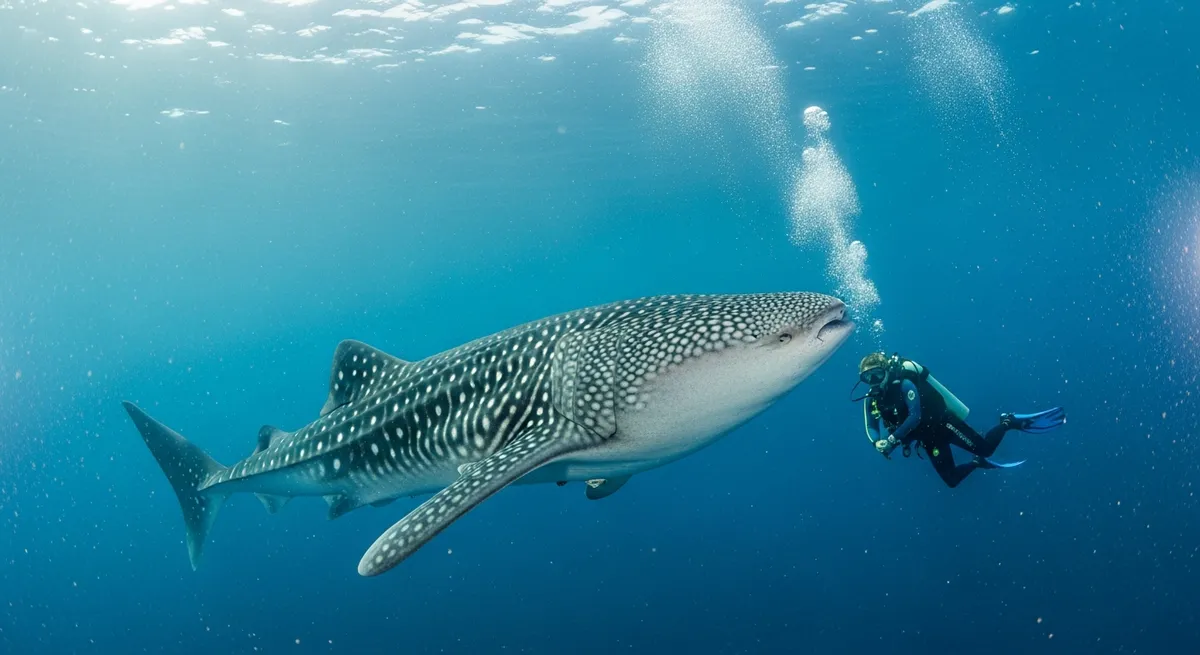
**Tofo & Inhambane:** This region is arguably Mozambique's most popular dive destination and is exceptionally welcoming for beginners. The dive sites here, like the famous Tofo Bay, often feature gentle slopes and sheltered conditions ideal for initial training and comfort dives. While known for its larger pelagic encounters (which can be exciting even for beginners from a distance), the reefs themselves are home to a multitude of smaller, fascinating creatures perfect for new divers to observe. Local dive centers are numerous and highly experienced in guiding new divers through their first underwater experiences. **Ponta d'Ouro:** Located in the south, Ponta d'Ouro is easily accessible from South Africa and offers a variety of shallow, calm reefs suitable for beginners. Sites such as "Shallow Reef" or "Bread Loaf" provide excellent conditions for practicing skills and enjoying the marine environment without strong currents. The area is known for its resident dolphin populations, and while not guaranteed, encountering them on a dive trip can be a magical experience for new divers. The infrastructure here is well-developed for tourism, offering good support for new divers. **Bazaruto Archipelago:** While some sites in the Bazaruto Archipelago are deeper and more exposed, the inner reefs and sheltered bays offer fantastic opportunities for beginners. The clear, calm waters within the archipelago's protected areas are perfect for introductory dives and Open Water training. Imagine learning to dive surrounded by pristine corals and abundant reef fish. Dive operations here typically run from lodges and are well-equipped to cater to all levels, including those taking their very first breaths underwater.What Certification Do You Need?
To participate in guided fun dives in Mozambique, you will typically need a PADI Open Water Diver certification or an equivalent entry-level certification from another recognized agency, such as SSI, NAUI, or CMAS. Most dive centers in Mozambique are PADI-affiliated, making PADI Open Water the most commonly accepted and offered course. If you are not yet certified, you can enroll in a Discover Scuba Diving experience, which allows you to try diving under direct supervision in shallow water without prior certification. Should you enjoy it, you can then progress to the full Open Water Diver course, which usually takes 3-4 days to complete and includes theory, confined water practice, and four open water dives. Local dive centers are plentiful in the main dive regions and offer courses in English, often with multilingual instructors.Best Time to Visit
The best time to visit Mozambique for diving generally falls within two main periods, largely dictated by weather patterns and specific marine life movements. The primary dive season runs from **April to October**. During these months, the weather is typically dry and sunny, with lower humidity. Water temperatures during this period range from approximately **24°C (75°F)** in the cooler months of July and August, warming up to **27°C (81°F)** by October. Visibility is often at its best during these months, especially from May to September, sometimes exceeding 30 meters (100 feet). Another good period is from **November to March**, which is the warmer, wetter season. Water temperatures are at their highest, often reaching **28-29°C (82-84°F)**. While this period brings occasional tropical storms and higher humidity, the diving can still be excellent, particularly for those seeking warmer waters. However, visibility might be slightly reduced after heavy rains. For beginners, the drier, cooler months offer more stable conditions, making the learning experience more comfortable and predictable.What to Expect on Your First Dive
Your first dive in Mozambique, whether a Discover Scuba Dive or the first open water dive of your certification course, will typically begin at a local dive center. Upon arrival, you'll check in and complete any necessary paperwork, including medical questionnaires. This is followed by a thorough briefing from your instructor, covering the dive plan, hand signals, equipment usage, and safety procedures. You'll then be fitted with your scuba gear-mask, fins, wetsuit (often a 3mm shorty or full suit is sufficient), BCD (Buoyancy Control Device), regulator, and cylinder. Most beginner dives in Mozambique are boat dives, meaning you'll gear up at the center and then transfer to a dive boat. Once on the boat, you'll travel to a sheltered, shallow dive site. Entry into the water is usually a giant stride from the side of the boat. Your instructor will assist you in adjusting your gear and ensuring you're comfortable on the surface. For your first descent, you'll typically go down slowly, often holding onto a rope or your instructor, equalizing your ears as you go. Underwater, the experience is focused on comfort and basic skill practice (if part of a course) or simply enjoying the marine environment under close supervision. You'll glide over coral reefs, observe reef fish, and get accustomed to breathing underwater. Dives are generally calm, with instructors closely monitoring air consumption and depth. After the dive, you'll re-board the boat, return to the center, and debrief, sharing your experience and logging your dive.Budget Guide
Diving in Mozambique offers a range of price points, but it's generally considered a mid-range destination. Here's a realistic breakdown of costs: * **Discover Scuba Dive (DSD):** Expect to pay around 3,000-5,000 MZN (approximately $50-$80 USD). This typically includes equipment rental and direct instructor supervision for one introductory dive. * **PADI Open Water Diver Course:** A full Open Water certification course usually costs between 18,000-25,000 MZN (approximately $300-$420 USD). This price generally covers all course materials, equipment rental for the duration of the course, and certification fees. * **Fun Dives (for certified divers):** A single fun dive will cost approximately 2,000-3,000 MZN (approximately $35-$50 USD). Package deals for multiple dives (e.g., 6 or 10 dives) often reduce the per-dive cost. This typically includes cylinder and weights, with other equipment rental being extra. * **Equipment Rental (per day):** If you're a certified diver and need to rent full gear, expect an additional 500-1,000 MZN (approximately $8-$17 USD) per day, or it might be included in some fun dive packages. * **Accommodation:** Budget-friendly hostels or guesthouses can be found for 1,000-2,500 MZN (approximately $17-$40 USD) per night. Mid-range lodges or bungalows typically cost 3,000-7,000 MZN (approximately $50-$120 USD) per night. High-end resorts in areas like Bazaruto can exceed 10,000 MZN ($170 USD) per night. These prices are estimates and can vary depending on the dive center, location, and time of year. Always confirm current prices directly with the dive operator.Essential Tips
* **Book in Advance:** Especially during peak season (April-October and December-January), dive courses and accommodation in popular areas like Tofo and Ponta d'Ouro can fill up quickly. Book your spots well ahead of time. * **Malaria Prophylaxis:** Mozambique is a malaria-risk area. Consult your doctor about appropriate anti-malarial medication before your trip. Also, use insect repellent, especially at dawn and dusk. * **Local Currency and Cash:** While some larger establishments accept credit cards, it's advisable to carry sufficient Mozambican Metical (MZN) cash, especially for smaller purchases, local markets, and tips. ATMs can be scarce outside major towns. * **Sun Protection:** The Mozambican sun is intense. Bring high-SPF sunscreen (reef-safe if possible), a hat, and sunglasses. Consider a rash guard for surface intervals and snorkeling. * **Hydration:** Drink plenty of water, even if you don't feel thirsty, especially on dive days. Dehydration can increase the risk of decompression sickness. * **Respect Local Customs:** Mozambique is a culturally rich country. Be respectful of local customs and traditions. Dress modestly when away from the beach or resort areas, particularly in rural villages. * **Travel Insurance:** Ensure your travel insurance covers scuba diving activities, including medical emergencies and potential evacuation, which can be costly in remote areas.At a Glance
| Destination | Difficulty | Best Months |
|---|---|---|
| Bazaruto ArchipelagoMozambique | Beginner | Jan-Dec |
| Quirimbas ArchipelagoMozambique | Beginner | Jan-Dec |
| Tofo & InhambaneMozambique | Beginner | Jan-Dec |
| Ponta d'OuroMozambique | Beginner | - |
Bazaruto Archipelago
Mozambique
Difficulty
Beginner
Best Months
Jan-Dec
Water Temp
23-28C
Dive Centres
10
Practical Info
- dive Sites:
- 25
- dive Centres:
- 10
Quirimbas Archipelago
Mozambique
Difficulty
Beginner
Best Months
Jan-Dec
Water Temp
29-29C
Dive Centres
1
Practical Info
- dive Sites:
- 19
- dive Centres:
- 1
Tofo & Inhambane
Mozambique
Difficulty
Beginner
Best Months
Jan-Dec
Water Temp
29-29C
Dive Centres
12
Practical Info
- dive Sites:
- 11
- dive Centres:
- 12
Frequently Asked Questions
Do I need a certification to dive in Mozambique?
To go on guided fun dives, you need a PADI Open Water Diver certification or equivalent. However, you can experience diving without certification through a Discover Scuba Diving program, which allows you to dive under direct instructor supervision in shallow water. Dive centers also offer full Open Water courses if you wish to get certified.
How much does diving cost in Mozambique?
A Discover Scuba Dive typically costs 3,000-5,000 MZN ($50-$80 USD). A full PADI Open Water course is around 18,000-25,000 MZN ($300-$420 USD). For certified divers, a single fun dive costs 2,000-3,000 MZN ($35-$50 USD), with discounts for multi-dive packages. Equipment rental is often extra for fun dives.
What is the best time to dive in Mozambique?
The best time for diving in Mozambique is generally from April to October. During these months, the weather is dry and sunny, with water temperatures ranging from 24-27°C (75-81°F) and often excellent visibility. The warmer, wetter season from November to March also offers good diving, with water temperatures up to 29°C (84°F).
Is Mozambique safe for beginner divers?
Yes, Mozambique is suitable for beginner divers, with 7 dedicated beginner-friendly sites. Dive centers in popular regions like Tofo, Ponta d'Ouro, and Bazaruto Archipelago are professional and prioritize safety. They offer calm, shallow sites with good visibility, warm waters, and close instructor supervision, creating a safe learning environment.
What marine life will I see in Mozambique?
Beginner divers in Mozambique can expect to see a variety of colorful reef fish, various species of nudibranchs, stingrays, and often turtles. The reefs are vibrant with soft and hard corals. While not guaranteed for every dive, the region is also known for larger pelagic species, which can be a distant highlight even for new divers.
Related Guides
Planning when to go?
See the month-by-month conditions guide