First Time Diving in Norway - A Beginner's Complete Guide
Everything you need to know before your first dive in Norway
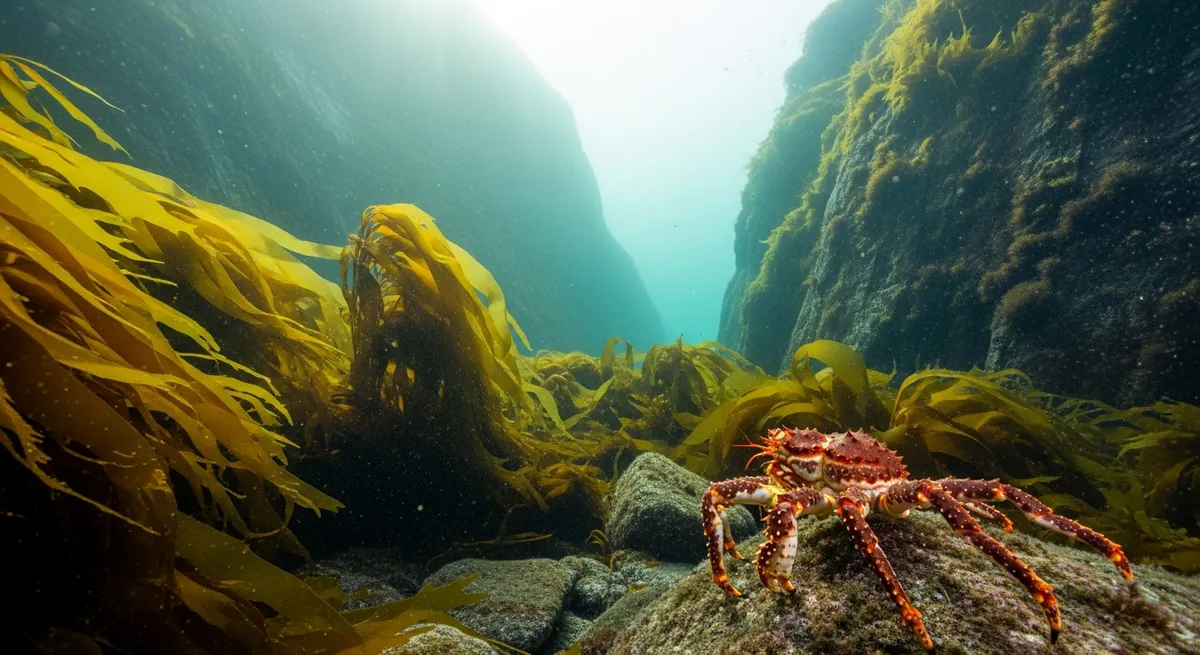
Why Norway for Your First Dives?
Norway, with its 202 dive sites across 6 regions, presents a unique and often challenging environment for new divers. While the country is renowned for its dramatic fjords and stunning landscapes, the underwater world reflects this rugged beauty with cool water temperatures and often vigorous conditions. Beginners will find only one dive site explicitly rated as 'beginner' out of the 11 sites with difficulty ratings, suggesting that most diving here requires a certain level of comfort and skill. However, for those prepared for the conditions, Norway offers an unparalleled experience.
Visibility in Norwegian waters is generally excellent, often exceeding 15-20 meters, especially during colder months. The colder water temperatures, typically ranging from 4-12°C, necessitate appropriate drysuit training, which is a crucial consideration for any first-time diver here. Marine life highlights include various cold-water species such as cod, pollock, wolffish, and an abundance of colorful anemones and soft corals. While not a typical tropical beginner destination, Norway rewards the adventurous novice with unique biodiversity and stunning underwater topography.
Best Beginner-Friendly Regions
Given the general intermediate difficulty of many Norwegian dive sites, finding truly beginner-friendly regions requires careful selection and local guidance. However, some areas offer more sheltered conditions or specific sites suitable for those with less experience, particularly under the supervision of a local dive center.
Stavanger & Rogaland: This southern region, while still demanding, can offer more sheltered fjord diving opportunities compared to the exposed northern coasts. Dive centers in the area often have access to sites with less current and shallower depths, suitable for initial drysuit training and skill refinement. While specific beginner sites aren't widely advertised, the proximity to various sheltered inlets allows for controlled first experiences.
Bergen & Fjords: The deep, calm waters of the fjords around Bergen can provide relatively protected diving conditions. Many dive centers operate out of Bergen, offering courses and guided dives in the surrounding areas. The calmer waters within the fjords, away from the open sea, can be less intimidating for new divers. Again, relying on local expertise to select appropriate sites is key.
Trondheim & Central Coast: The central coast around Trondheim offers a mix of conditions. While some areas are exposed, others provide sheltered bays and inlets where currents are minimal. This region is known for its biodiversity, and local dive operators can guide beginners to sites with manageable depths and calmer conditions, allowing for an introduction to cold-water diving without overwhelming challenges. Always consult with a local dive shop for the most up-to-date information on beginner-suitable sites.
What Certification Do You Need?
To participate in guided fun dives in Norway, you will generally need to be certified as a PADI Open Water Diver or hold an equivalent certification from a recognized agency such as SSI, CMAS, or BSAC. For those looking to take their first steps into diving in Norway, a Discover Scuba Diving experience is an option offered by many local dive centers, allowing you to try diving under direct instructor supervision without prior certification.
However, given Norway's cold water and the prevalence of drysuit diving, it is highly recommended that you either arrive with a Drysuit Diver specialty certification or plan to complete one locally. Most Norwegian dive centers are well-equipped to provide PADI, SSI, and CMAS courses, including introductory drysuit training, which is crucial for comfort and safety in these conditions. PADI and SSI are particularly popular and widely available throughout the country.
Best Time to Visit
The best time to visit Norway for diving largely depends on your tolerance for cold and your preference for daylight hours. The diving season is generally considered to run from spring through autumn, but year-round diving is possible for experienced divers.
- Spring (April-May): Water temperatures begin to rise slightly, ranging from 4-8°C. Visibility is often excellent as plankton blooms have not yet peaked. Days are getting longer, offering more light for diving.
- Summer (June-August): This is the warmest period, with water temperatures typically between 8-12°C in many areas. Surface conditions are generally calmer, and daylight hours are very long, especially in the north. However, plankton blooms can sometimes reduce visibility, particularly in enclosed fjords.
- Autumn (September-October): Water temperatures start to drop, ranging from 5-10°C. Visibility often improves significantly after the summer blooms. This period can offer stable weather and good diving conditions before the onset of winter.
- Winter (November-March): For advanced, experienced drysuit divers, winter offers unique experiences like diving under the Northern Lights. Water temperatures are at their coldest, 0-4°C, but visibility can be exceptional. Daylight hours are very short, especially in the north.
What to Expect on Your First Dive
Your first dive in Norway, especially if it's a Discover Scuba Diving experience or your initial drysuit dive, will follow a structured process focused on safety and skill development in cold water. Expect to spend considerable time on land before entering the water.
Check-in and Briefing: Upon arrival at the dive center, you'll complete necessary paperwork, including medical questionnaires. Your instructor will then conduct a thorough briefing covering the dive site, expected conditions (temperature, visibility, currents), marine life you might encounter, and most importantly, drysuit operation and emergency procedures. Expect a strong emphasis on cold-water safety.
Gear Up: This will be a more involved process than in warmer climates. You'll be fitted with a drysuit, which requires specific undergarments for insulation. Your instructor will guide you through donning the drysuit, ensuring a proper seal. You'll also be equipped with standard scuba gear: BCD, regulator, fins, mask, hood, and gloves. Expect thick gloves and a hood to be essential.
Entry: Most beginner dives in Norway are conducted from shore or from a small boat in a sheltered area. Shore entries might involve a gentle slope or steps. Boat entries are typically giant stride or back roll, depending on the vessel. Your instructor will ensure you are comfortable and properly weighted before entering the water.
Underwater Experience: The initial moments will focus on buoyancy control in the drysuit and getting accustomed to the cold. Your instructor will guide you through basic skills like mask clearing and regulator recovery. You'll then proceed to explore the underwater environment at a shallow, controlled depth. Expect to see cold-water marine life, often clinging to rocks or hiding in crevices. The experience will be calm and focused on building confidence in the unique Norwegian conditions.
Budget Guide
Diving in Norway can be more expensive than in tropical destinations due to equipment requirements and operational costs. Here's a realistic budget guide:
- Discover Scuba Diving: Expect to pay NOK 1,500 - 2,500 (approx. USD 140 - 230). This usually includes all equipment rental and instructor fees.
- PADI Open Water Course: A full Open Water Diver course, often including drysuit orientation, can range from NOK 6,000 - 9,000 (approx. USD 550 - 830). This typically covers course materials, instruction, and equipment rental.
- Fun Dives (per dive): Guided fun dives, including tank and weights, usually cost NOK 500 - 800 (approx. USD 45 - 75) per dive. Package deals for multiple dives are often available.
- Equipment Rental (full drysuit setup): If not included in a package, full drysuit equipment rental can be NOK 300 - 500 (approx. USD 28 - 45) per day. This usually includes the drysuit, undergarments, hood, and gloves.
- Accommodation:
- Hostels/Budget Hotels: NOK 400 - 800 (approx. USD 37 - 75) per night for a dorm bed or basic room.
- Mid-Range Hotels: NOK 1,000 - 2,000 (approx. USD 90 - 185) per night.
- Airbnbs/Cabins: Varies widely, but expect similar to mid-range hotels for a decent stay.
Essential Tips
- Drysuit Training is Crucial: Do not attempt to dive in Norway without proper drysuit training. It's essential for comfort, safety, and enjoyment in the cold waters.
- Book in Advance: Especially during summer or shoulder seasons, dive centers can get busy. Book your courses and fun dives well in advance.
- Layer Up: Even on the surface, Norway can be chilly. Bring warm layers for before and after dives, including a hat and gloves.
- Be Flexible with Dive Sites: Norwegian weather can change quickly. Be prepared for dive plans to be adjusted based on conditions for safety.
- Embrace the Cold: Mentally prepare for cold water. With proper equipment and training, it's a unique and rewarding experience, but a positive mindset helps.
- Respect Local Customs: Norwegians value punctuality and respect for nature. Follow all guidelines from your dive center and be mindful of the environment.
- Consider a Local Guide: Even if certified, hiring a local guide for your first few dives is highly recommended. They know the sites, conditions, and where to find specific marine life.
At a Glance
| Destination | Difficulty | Best Months |
|---|---|---|
| Stavanger & RogalandNorway | Beginner | - |
| Lofoten IslandsNorway | Beginner | - |
| Trondheim & Central CoastNorway | Beginner | - |
| Bergen & FjordsNorway | Beginner | - |
| Tromsø & Northern NorwayNorway | Beginner | - |
Stavanger & Rogaland
Norway
Difficulty
Beginner
Dive Centres
7
Practical Info
- dive Sites:
- 110
- dive Centres:
- 7
Frequently Asked Questions
Do I need a certification to dive in Norway?
Yes, to participate in guided fun dives in Norway, you typically need a PADI Open Water Diver certification or an equivalent from another recognized agency. For those new to diving, many centers offer Discover Scuba Diving experiences under direct instructor supervision. Drysuit training is highly recommended.
How much does diving cost in Norway?
A Discover Scuba Dive ranges from NOK 1,500-2,500 (USD 140-230). A full PADI Open Water course can cost NOK 6,000-9,000 (USD 550-830). Individual fun dives are NOK 500-800 (USD 45-75), with equipment rental extra if not included.
What is the best time to dive in Norway?
The best time for diving in Norway is generally from spring (April-May) through autumn (September-October) when water temperatures are 4-12°C and daylight hours are longer. Summer (June-August) is warmest but can have plankton blooms affecting visibility. Winter offers unique experiences for advanced divers.
Is Norway safe for beginner divers?
Norway can be safe for beginner divers who are properly trained and prepared for cold-water conditions. Drysuit training is essential. While many sites are intermediate, local dive centers can guide beginners to more sheltered locations, ensuring a controlled and safe introduction to Norwegian diving.
What marine life will I see in Norway?
In Norway, you can expect to see a variety of cold-water marine life. Common sightings include cod, pollock, wolffish, various crabs, starfish, and an abundance of colorful anemones, soft corals, and kelp forests. Specific sightings vary by region and season.
Related Guides
Planning when to go?
See the month-by-month conditions guide