First Time Diving in Peru - A Beginner's Complete Guide
Everything you need to know before your first dive in Peru
Why Peru for Your First Dives?
Peru, with its 39 dive sites spread across two main regions, offers a unique and often challenging introduction to diving. While not typically lauded for its tropical reefs, Peru provides a compelling experience for beginners interested in cooler waters and unique marine encounters. The country is known for its nutrient-rich Humboldt Current, which, while reducing visibility in some areas, supports a vibrant ecosystem.
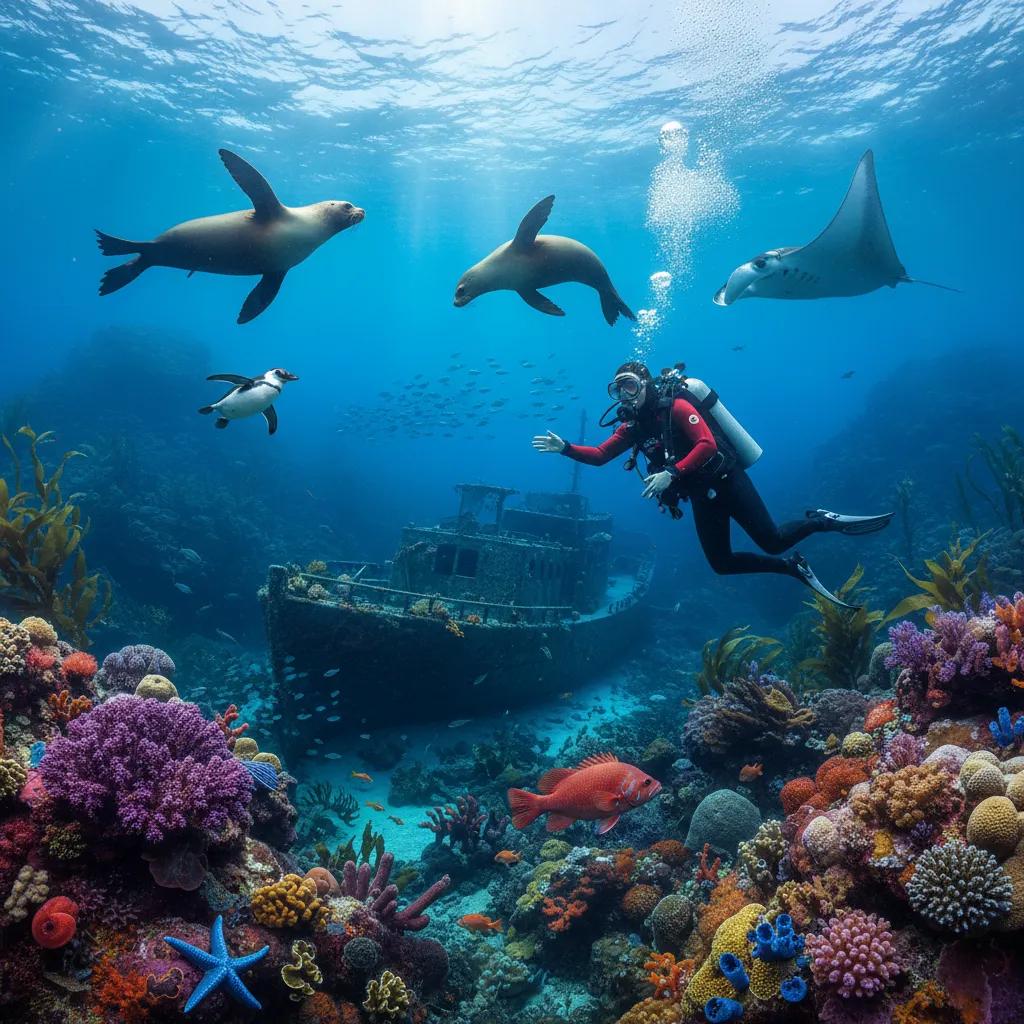
Water temperatures can range significantly, from 15°C to 22°C (59°F to 72°F), requiring appropriate thermal protection like 5mm or 7mm wetsuits. Visibility often hovers around 5-15 meters (16-50 feet), which, while not always extensive, is sufficient for close-up observations of the local marine life. Highlights include sea lions, Humboldt penguins, various species of fish, and a fascinating array of macro life. Peru is generally considered an intermediate to advanced diving destination due to currents and cooler water, but specific beginner-friendly sites do exist, offering a rewarding experience for those ready for a unique challenge.
Best Beginner-Friendly Regions
Despite its reputation for more challenging conditions, Peru does offer specific sites suitable for new divers. The Lima & Palomino Islands region, for instance, provides sheltered areas where beginners can comfortably experience their first open water dives or discover scuba diving. While specific beginner sites aren't widely promoted by name, local dive centers in this area excel at guiding new divers in calmer spots around the islands, focusing on the incredible sea lion interactions in a controlled environment. The focus here is on marine mammal encounters rather than intricate reef systems.
Mancora & North Coast also offers some accessible diving, particularly during specific seasons when conditions are calmer. While not as numerous as advanced sites, local operators can identify areas with gentler currents and better visibility for introductory dives. These sites often feature sandy bottoms and smaller rock formations, allowing new divers to focus on buoyancy and basic skills without the added complexity of strong currents or deep dives.
What Certification Do You Need?
For your first dives in Peru, if you plan to go beyond a Discover Scuba Diving experience, you will need an Open Water Diver certification. This is typically a PADI Open Water Diver certification or an equivalent from another recognized agency like SSI or NAUI. Local dive centers in Peru are well-equipped to offer these courses, with PADI being the most globally recognized and widely available option. It's advisable to check with your chosen dive center about their specific affiliations and course offerings. While Peru doesn't have a unique national certification agency, international standards are universally applied.
Best Time to Visit
The best time to dive in Peru largely depends on the region. For the Lima & Palomino Islands, the warmer months from December to April offer better conditions, with water temperatures ranging from 18°C to 22°C (64°F to 72°F). Visibility can be variable but generally improves during this period. For the Mancora & North Coast, the dry season from May to December often brings calmer seas and more consistent conditions, though water temperatures can be slightly cooler, around 15°C to 20°C (59°F to 68°F). The Humboldt Current is always present, so cooler water and varying visibility should be anticipated regardless of the season. Always confirm current conditions with local dive operators before booking.
What to Expect on Your First Dive
Your first dive in Peru will typically begin at a local dive center for check-in and paperwork. You'll then receive a comprehensive briefing covering the dive plan, safety procedures, marine life expectations, and communication signals. Equipment will be provided and fitted, usually including a 5mm or 7mm wetsuit due to the cooler water. Most dives in Peru, especially in the Lima region, are boat dives, requiring a short ride to the dive site. Entry is usually a giant stride from the boat.
Underwater, expect cooler water and potentially reduced visibility compared to tropical destinations. Your dive guide will lead you, pointing out interesting marine life like sea lions, penguins, and various fish. Currents can be present, even at beginner sites, so focus on maintaining good buoyancy and staying close to your instructor. The experience is often focused on observing the unique temperate marine ecosystem rather than exploring expansive reefs. Exits are typically back onto the boat via a ladder.
Budget Guide
Diving in Peru offers a range of price points. A Discover Scuba Diving experience typically costs between S/250-400 (approximately $70-110 USD). A full PADI Open Water Diver course can range from S/1500-2000 (approximately $400-550 USD), including equipment rental and certification fees. Fun dives for certified divers usually cost S/150-250 per dive (approximately $40-70 USD), with discounts often available for multi-dive packages. Equipment rental is usually included in course prices and sometimes in fun dive packages, but confirm this beforehand. Accommodation can vary widely: hostels start from S/50 ($14 USD) per night, mid-range hotels from S/150 ($40 USD), and higher-end options from S/300 ($80 USD) or more.
Essential Tips
- Thermal Protection is Key: Always opt for a 5mm or 7mm wetsuit, even in warmer months, due to the cooler water temperatures.
- Book in Advance: Especially during peak season (December-April for Lima, May-December for Mancora), book your dives and courses ahead of time.
- Embrace the Wildlife: Peru's diving is less about colorful reefs and more about unique marine mammal encounters-be prepared for sea lions and penguins.
- Current Awareness: Be prepared for potential currents, even at beginner sites. Listen carefully to your dive guide's instructions.
- Local Dive Centers: Choose reputable local dive centers that prioritize safety and have experienced guides familiar with the specific conditions of Peruvian waters.
- Altitude Considerations: If you plan to dive after visiting high-altitude areas like Cusco or Machu Picchu, ensure you allow sufficient surface interval time to decompress before diving.
At a Glance
| Destination | Difficulty | Best Months |
|---|---|---|
| Lima & Palomino IslandsPeru | Beginner | Jan-Dec |
| Mancora & North CoastPeru | Beginner | Jan-Dec |
Difficulty
Beginner
Best Months
Jan-Dec
Water Temp
23-23C
Dive Centres
7
Practical Info
- dive Sites:
- 27
- dive Centres:
- 7
Difficulty
Beginner
Best Months
Jan-Dec
Water Temp
24-24C
Dive Centres
2
Practical Info
- dive Sites:
- 12
- dive Centres:
- 2
Frequently Asked Questions
Do I need a certification to dive in Peru?
For introductory experiences like Discover Scuba Diving, no certification is needed. However, to participate in regular fun dives as a certified diver, you will need a PADI Open Water Diver certification or an equivalent from another recognized agency like SSI or NAUI.
How much does diving cost in Peru?
A Discover Scuba Diving experience typically costs S/250-400 ($70-110 USD). A PADI Open Water course ranges from S/1500-2000 ($400-550 USD). Fun dives for certified divers are usually S/150-250 ($40-70 USD) per dive.
What is the best time to dive in Peru?
For Lima & Palomino Islands, December to April offers warmer water (18°C-22°C). For Mancora & North Coast, May to December generally brings calmer seas (15°C-20°C). Water temperatures and visibility vary by region and season.
Is Peru safe for beginner divers?
Peru can be a challenging destination due to cooler water and currents, making it more suited for intermediate divers. However, specific beginner-friendly sites and experienced local dive centers ensure a safe and rewarding experience for new divers, especially around Lima & Palomino Islands.
What marine life will I see in Peru?
Peru's waters are rich with unique marine life supported by the Humboldt Current. You can expect to see sea lions, Humboldt penguins, various species of fish, crabs, and interesting macro life. It's an ecosystem focused on temperate species rather than tropical corals.
Related Guides
Planning when to go?
See the month-by-month conditions guide