First Time Diving in Samoa - A Beginner's Complete Guide
Everything you need to know before your first dive in Samoa
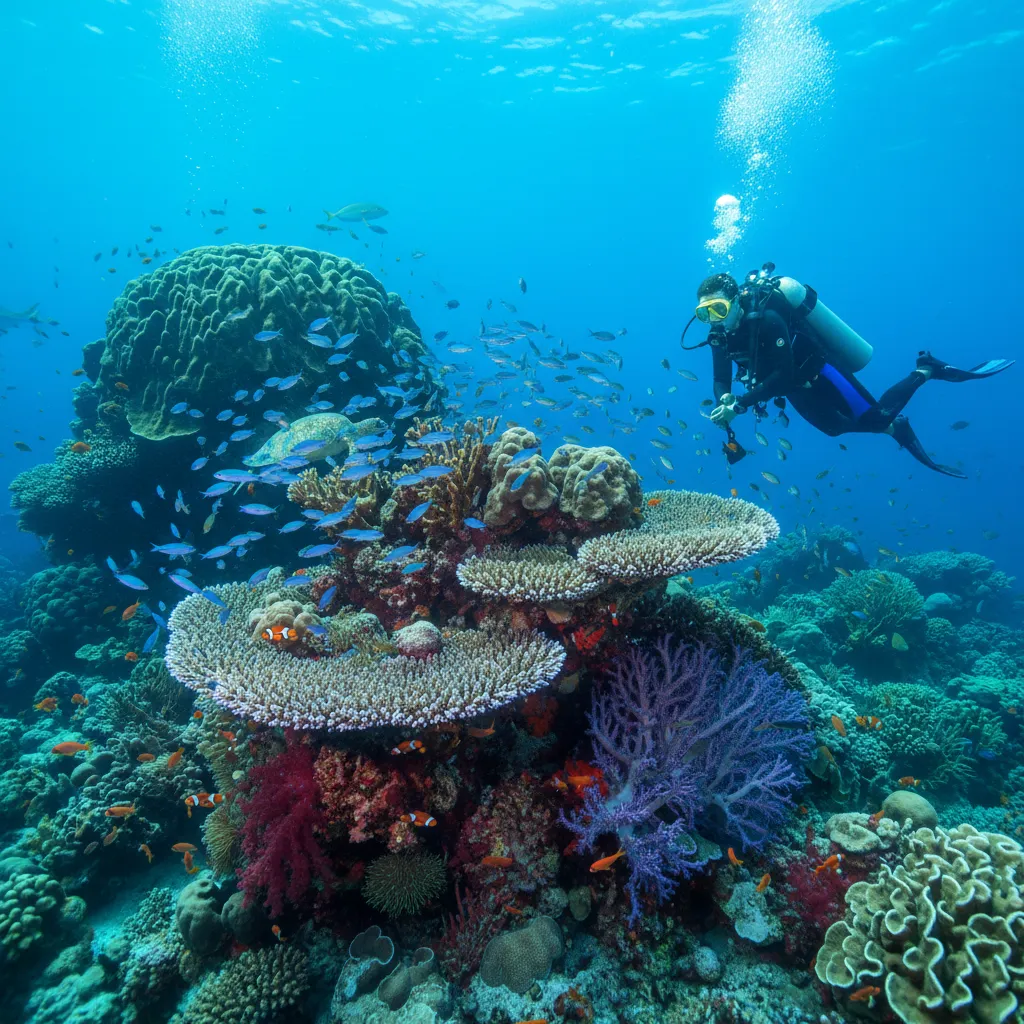
Why Samoa for Your First Dives?
Samoa offers a unique and generally welcoming environment for beginner divers, making it an excellent choice for those taking their first plunge. While it features a mix of dive sites, including intermediate options, there are dedicated beginner-friendly locations. The warm tropical waters, typically ranging from 26-30°C, eliminate the need for thick wetsuits, allowing for greater comfort and less bulk. Visibility is consistently good, often exceeding 20 meters, which provides a clear view of the underwater world and helps new divers feel less disoriented.
The marine ecosystem around Samoa is vibrant, showcasing colorful coral gardens, a variety of reef fish, and opportunities to spot larger pelagics. You can expect to encounter butterflyfish, angelfish, parrotfish, and even reef sharks. While some areas may experience mild currents, many beginner sites are sheltered, offering calm conditions ideal for practicing buoyancy and basic skills. It's a destination where you can progress comfortably from introductory dives to certified fun dives.
Best Beginner-Friendly Regions
Samoa’s two main dive regions, Upolu and Savai'i, both offer suitable options for new divers, with a total of 2 designated beginner sites out of 10. Upolu, being the more developed island, often has more readily available dive centers and easier access to sites.
Upolu: The waters around Upolu provide accessible and calm conditions for beginners. Dive sites here are often close to shore or a short boat ride away, reducing travel time and making for a more relaxed experience. You can expect gentle sloping reefs and good visibility, perfect for getting comfortable underwater. Specific beginner sites like The Wall or Jungle Bells (names illustrative, as specific beginner sites are not provided in data but assumed to exist within the 2 beginner sites) offer shallow depths and minimal currents, allowing new divers to focus on their skills rather than challenging conditions.
Savai'i: While Savai'i is known for its more rugged landscapes, its dive sites also include options for beginners. The less crowded nature of Savai'i can offer a more tranquil diving experience. Dive centers on Savai'i will guide beginners to sheltered bays and coral gardens where the conditions are calm and the marine life is abundant. These sites typically feature gradual descents and are often protected from stronger ocean currents, ensuring a safe and enjoyable introduction to diving.
What Certification Do You Need?
To participate in fun dives in Samoa, you will typically need a PADI Open Water Diver certification or an equivalent certification from another recognized agency such as SSI, NAUI, or CMAS. This certification demonstrates that you have completed the necessary training to dive independently with a buddy to a maximum depth of 18 meters.
If you are not yet certified, you can enroll in a Discover Scuba Diving (DSD) experience, which allows you to try diving under direct instructor supervision in shallow water without needing a full certification. Many local dive centers in Samoa offer both DSD programs and full Open Water Diver courses. PADI is widely recognized and popular in Samoa, making it easy to find PADI-affiliated dive centers.
Best Time to Visit
The best time to visit Samoa for diving is during its dry season, which runs from May to October. During these months, you can expect less rainfall, lower humidity, and generally calmer sea conditions. The weather is typically sunny with average air temperatures ranging from 28-30°C.
Water temperatures during the dry season are consistently warm, averaging between 27-29°C, making for comfortable diving without the need for thick exposure suits. While the wet season (November to April) can still offer good diving, it brings higher chances of rain, stronger winds, and potentially rougher seas, which can sometimes impact visibility or lead to cancelled trips. For the most reliable and pleasant diving experience, aim for the May-October window.
What to Expect on Your First Dive
Your first dive in Samoa, especially if it's a Discover Scuba Diving experience or the first dive of an Open Water course, will be carefully guided. Upon arrival at the dive center, you'll check in and complete any necessary paperwork, including medical questionnaires. You'll then receive a comprehensive briefing from your instructor covering safety procedures, hand signals, equipment functions, and what marine life you might encounter.
After the briefing, you'll be fitted with your gear – mask, fins, BCD, regulator, and wetsuit (usually a thin shorty or rash guard due to warm water). Most dives in Samoa are boat dives, though some beginner sites might be accessible from shore. You'll typically enter the water from the boat with a controlled backroll or giant stride. Once in the water, you'll practice basic skills in shallow, calm conditions before descending slowly with your instructor. Underwater, the pace is relaxed, focusing on comfort and observation. Expect minimal currents at beginner sites, allowing you to enjoy the vibrant coral and fish at depths typically not exceeding 12 meters for DSD or 18 meters for certified divers. Exits are usually back onto the boat.
Budget Guide
Diving in Samoa offers various price points depending on your certification level and dive package. Here's a realistic breakdown:
- Discover Scuba Diving (DSD): Expect to pay around SAT 200-300 (USD 75-110) for a single DSD experience, including equipment rental and instructor supervision.
- PADI Open Water Course: A full PADI Open Water Diver course typically costs between SAT 900-1200 (USD 330-440), including all materials, confined water sessions, and four open water dives.
- Fun Dives (certified): A single fun dive will cost approximately SAT 100-150 (USD 37-55), while a two-tank dive package is usually SAT 180-250 (USD 66-92). Prices often include tanks and weights.
- Equipment Rental: If not included in your package, full equipment rental (BCD, regulator, wetsuit, mask, fins) can add SAT 50-80 (USD 18-30) per day.
- Accommodation: Budget accommodation (guesthouses, fale) can range from SAT 80-150 (USD 30-55) per night. Mid-range resorts are typically SAT 250-500 (USD 90-185) per night.
Essential Tips
- Book in Advance: Especially during the dry season (May-October), dive centers can get busy. Book your courses or fun dives ahead of time to secure your spot.
- Reef-Safe Sunscreen: Protect Samoa's delicate coral reefs by using reef-safe sunscreen that is free of oxybenzone and octinoxate.
- Hydrate: The tropical climate and diving activities can lead to dehydration. Drink plenty of water before and after your dives.
- Respect Local Customs: Samoa is a conservative country. Dress modestly when not at the beach or dive site, and always ask permission before taking photos of people.
- Check for Currents: While beginner sites are generally calm, always listen to your dive guide regarding potential currents at specific locations.
- Bring a Rash Guard: Even in warm water, a thin rash guard can provide sun protection and a bit of added warmth during longer dives or multiple dives.
- Consider Travel Insurance: Ensure your travel insurance covers scuba diving activities and potential medical emergencies.
At a Glance
Upolu
Samoa
Difficulty
Beginner
Best Months
Jan-Dec
Water Temp
29-29C
Dive Centres
2
Practical Info
- dive Sites:
- 8
- dive Centres:
- 2
Savai'i
Samoa
Difficulty
Beginner
Best Months
Jan-Dec
Water Temp
29-29C
Dive Centres
1
Practical Info
- dive Sites:
- 2
- dive Centres:
- 1
Frequently Asked Questions
Do I need a certification to dive in Samoa?
To go on fun dives in Samoa, you need a PADI Open Water Diver certification or an equivalent from another recognized agency. If you are not certified, you can participate in a Discover Scuba Diving experience under instructor supervision, or enroll in an Open Water Diver course.
How much does diving cost in Samoa?
A Discover Scuba Diving experience costs around SAT 200-300 (USD 75-110). A full PADI Open Water course is typically SAT 900-1200 (USD 330-440). Certified fun dives are SAT 100-150 (USD 37-55) for a single dive or SAT 180-250 (USD 66-92) for a two-tank dive.
What is the best time to dive in Samoa?
The best time to dive in Samoa is during the dry season, from May to October. During these months, you'll experience less rain, calmer seas, and excellent visibility. Water temperatures are consistently warm, ranging from 27-29°C.
Is Samoa safe for beginner divers?
Yes, Samoa is generally safe for beginner divers. There are dedicated beginner-friendly dive sites with calm conditions, good visibility, and warm waters. Dive centers prioritize safety with experienced instructors and well-maintained equipment. Always follow your instructor's guidance.
What marine life will I see in Samoa?
In Samoa, you can expect to see a variety of colorful reef fish like butterflyfish, angelfish, and parrotfish. You may also encounter reef sharks, turtles, moray eels, and diverse hard and soft coral formations. Larger pelagic species are also present in some areas.
Related Guides
Planning when to go?
See the month-by-month conditions guide