First Time Diving in Saudi Arabia - A Beginner's Complete Guide
Everything you need to know before your first dive in Saudi Arabia
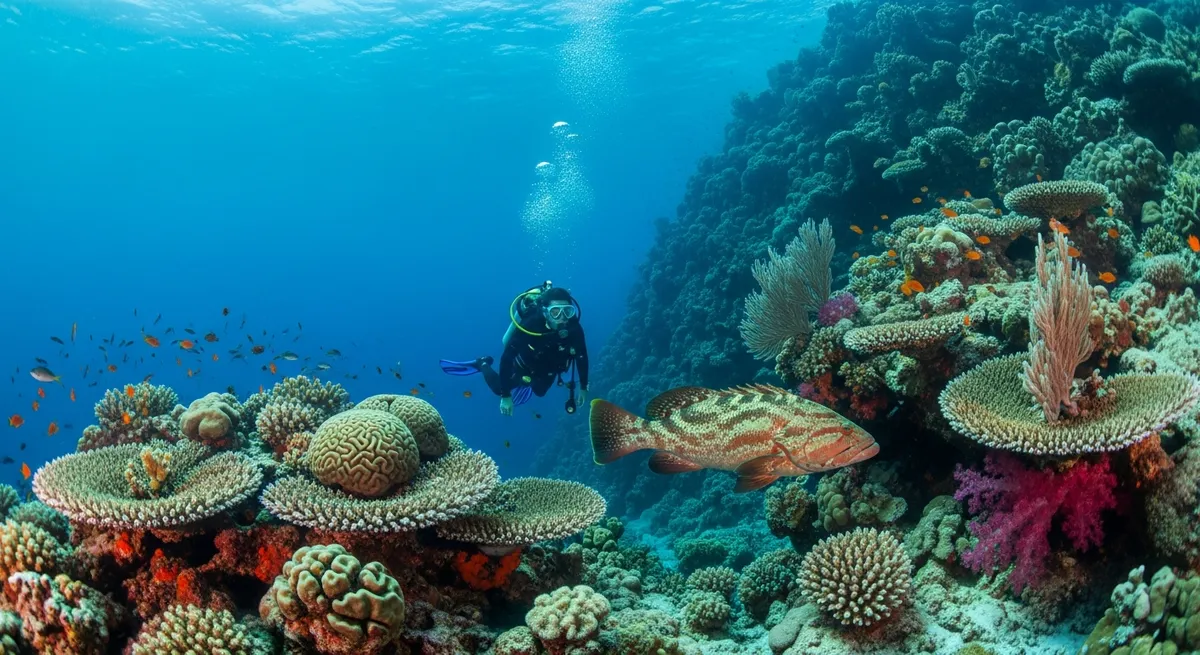
Why Saudi Arabia for Your First Dives?
Saudi Arabia is emerging as a compelling destination for beginner divers, offering a unique opportunity to explore relatively untouched sections of the Red Sea. With 21 out of 121 dive sites specifically categorized as beginner-friendly, there's a strong emphasis on accessible and safe underwater experiences. The Red Sea's consistently warm waters, typically ranging from 25°C to 30°C, eliminate the need for thick wetsuits and make for a comfortable introduction to diving. Visibility is often excellent, frequently exceeding 20 meters, which is ideal for new divers to orient themselves and appreciate their surroundings without feeling overwhelmed.
While some areas of the Saudi Red Sea do present challenges for experienced divers with strong currents or deep wrecks, the designated beginner sites are carefully selected for their calm conditions and shallow depths. You can expect to encounter a vibrant array of marine life, including colorful reef fish, various species of coral, and often sightings of turtles and rays, even in shallower areas. The developing dive infrastructure means less crowded sites compared to more established Red Sea destinations, offering a more serene and personal first-time diving experience.
Best Beginner-Friendly Regions
Jeddah
Jeddah is an excellent starting point for beginner divers due to its accessibility and a good number of shallow, protected reef sites. Being a major city, it offers established dive centers and infrastructure. Sites like the Ann Ann Wreck (the shallowest parts) or the various coral gardens just offshore provide calm conditions, good visibility, and a chance to see vibrant reef fish and soft corals without venturing too deep. Shore dives are possible in some areas, offering a gentle entry into the water, though many beginner dives are conducted from boats.
Yanbu
Yanbu is another strong contender for beginners, offering a more relaxed atmosphere than Jeddah while still providing quality dive experiences. The dive sites here are generally characterized by pristine reefs and calmer waters closer to the shore. Sites like the Seven Sisters or the Abu Galawa area feature beautiful coral formations and abundant fish life at accessible depths, making them perfect for initial open water dives. Boat trips are the primary way to access these sites, offering a comfortable platform for learning and exploration.
Farasan Islands
While some areas around the Farasan Islands are remote and better suited for advanced divers, specific sheltered bays and shallow reefs offer fantastic opportunities for beginners. The pristine nature of the marine environment here means a high chance of encountering larger marine life, such as various shark species (often juveniles in calmer areas) and dugongs, alongside diverse reef ecosystems. Access to the Farasan Islands typically involves a ferry from Jizan, followed by boat trips to the dive sites, making it a slightly more adventurous but rewarding option for those seeking untouched beauty.
What Certification Do You Need?
To participate in guided fun dives in Saudi Arabia, you will generally need to hold an Open Water Diver certification from a recognized agency such as PADI, SSI, NAUI, or CMAS. PADI Open Water Diver is widely accepted and is the most common certification obtained globally. If you are not yet certified, local dive centers across Saudi Arabia offer Discover Scuba Diving experiences for uncertified individuals, allowing you to try diving under direct instructor supervision in shallow water. They also provide full Open Water Diver courses, typically taking 3-4 days to complete, which will qualify you to dive independently with a buddy to a maximum depth of 18 meters.
Best Time to Visit
The best time to visit Saudi Arabia for diving is generally during the cooler months, from October to May. During this period, air temperatures are more comfortable, ranging from 20°C to 30°C. Water temperatures in the Red Sea remain consistently warm, typically between 25°C and 28°C, making for pleasant diving conditions. The summer months (June to September) can be extremely hot, with air temperatures often exceeding 40°C, which can make surface intervals and land-based activities less enjoyable, though water temperatures can reach up to 30°C. Visibility is generally excellent year-round but can be marginally better during the cooler, calmer months.
What to Expect on Your First Dive
Your first dive experience in Saudi Arabia will typically begin at a local dive center. After completing necessary paperwork and a medical questionnaire, you'll receive a comprehensive briefing from your instructor or dive guide. This briefing will cover the dive plan, safety procedures, hand signals, and an overview of the marine life you might encounter. You'll then be fitted with rental equipment - wetsuit, BCD, regulator, mask, fins - ensuring everything fits comfortably. Most beginner dives in Saudi Arabia are conducted from a boat, which will transport you to a suitable, calm dive site. Entry into the water is usually a controlled giant stride or a backroll from the boat. Once in the water, you'll complete a few surface checks before descending slowly with your instructor. The underwater experience will focus on controlled breathing, buoyancy, and enjoying the vibrant reef. Expect calm conditions and a focus on shallow depths, allowing you to gradually adapt to the underwater environment. After the dive, you'll return to the boat, debrief with your instructor, and then head back to the dive center.
Budget Guide
Diving in Saudi Arabia can be a moderate to high-cost activity, reflecting the developing tourism infrastructure. A Discover Scuba Diving experience typically costs between SAR 400-600 (USD 100-160). A full PADI Open Water Diver course can range from SAR 2,000-3,500 (USD 530-930), often including equipment rental and certification fees. Fun dives for certified divers usually cost SAR 250-400 (USD 65-105) per dive, with packages for multiple dives offering better value. Equipment rental, if not included in a package, is generally SAR 50-100 (USD 15-30) per day. Accommodation ranges widely, from budget hotels at SAR 150-300 (USD 40-80) per night to mid-range options at SAR 400-800 (USD 105-215), and luxury resorts exceeding SAR 1,000 (USD 265). Transportation costs will vary depending on location and whether you opt for taxis, ride-sharing apps, or car rental.
Essential Tips
- Book in advance, especially during peak seasons (October-May), as dive centers are still growing their capacity.
- Respect local customs and dress codes on land; conservative attire is generally recommended.
- Ensure your travel insurance covers scuba diving activities, as medical facilities for diving emergencies may be limited in remote areas.
- Be prepared for potentially higher prices compared to other established Red Sea destinations due to the emerging market.
- Verify visa requirements well in advance of your trip; Saudi Arabia has introduced e-visas for tourism.
- Stay hydrated, especially during surface intervals, as the climate can be very dry and hot.
- Consider bringing your own mask and dive computer for comfort and familiarity, even if renting other gear.
At a Glance
| Destination | Difficulty | Best Months |
|---|---|---|
| JeddahSaudi Arabia | Beginner | Jan-Jul, Oct-Dec |
| YanbuSaudi Arabia | Beginner | Jan-Dec |
| NEOM & TabukSaudi Arabia | Beginner | - |
| Farasan IslandsSaudi Arabia | Beginner | - |
| Al Lith & The Red Sea ProjectSaudi Arabia | Beginner | - |
Jeddah
Saudi Arabia
Difficulty
Beginner
Best Months
Jan-Jul, Oct-Dec
Water Temp
25-32C
Dive Centres
26
Practical Info
- dive Sites:
- 105
- dive Centres:
- 26
Yanbu
Saudi Arabia
Difficulty
Beginner
Best Months
Jan-Dec
Water Temp
26-26C
Dive Centres
29
Practical Info
- dive Sites:
- 16
- dive Centres:
- 29
Frequently Asked Questions
Do I need a certification to dive in Saudi Arabia?
Yes, for guided fun dives, you will need an Open Water Diver certification from a recognized agency like PADI or SSI. If you are not certified, you can take a Discover Scuba Diving experience or a full Open Water Diver course at local dive centers.
How much does diving cost in Saudi Arabia?
A Discover Scuba Diving experience typically costs SAR 400-600 (USD 100-160). A full Open Water course is SAR 2,000-3,500 (USD 530-930). Fun dives for certified divers are around SAR 250-400 (USD 65-105) per dive, with multi-dive packages often available.
What is the best time to dive in Saudi Arabia?
The best time for diving is from October to May, when air temperatures are cooler (20°C-30°C) and water temperatures are consistently warm (25°C-28°C). Visibility is generally excellent year-round.
Is Saudi Arabia safe for beginner divers?
Yes, Saudi Arabia is safe for beginner divers, particularly at designated beginner-friendly sites. These locations offer calm conditions, shallow depths, and good visibility. Dive centers adhere to international safety standards.
What marine life will I see in Saudi Arabia?
Even on beginner dives, you can expect to see a variety of colorful reef fish, hard and soft corals, turtles, and rays. In some areas, there's a chance to spot juvenile sharks or dugongs.
Related Guides
Planning when to go?
See the month-by-month conditions guide