First Time Diving in South Korea - A Beginner's Complete Guide
Everything you need to know before your first dive in South Korea
Why South Korea for Your First Dives?
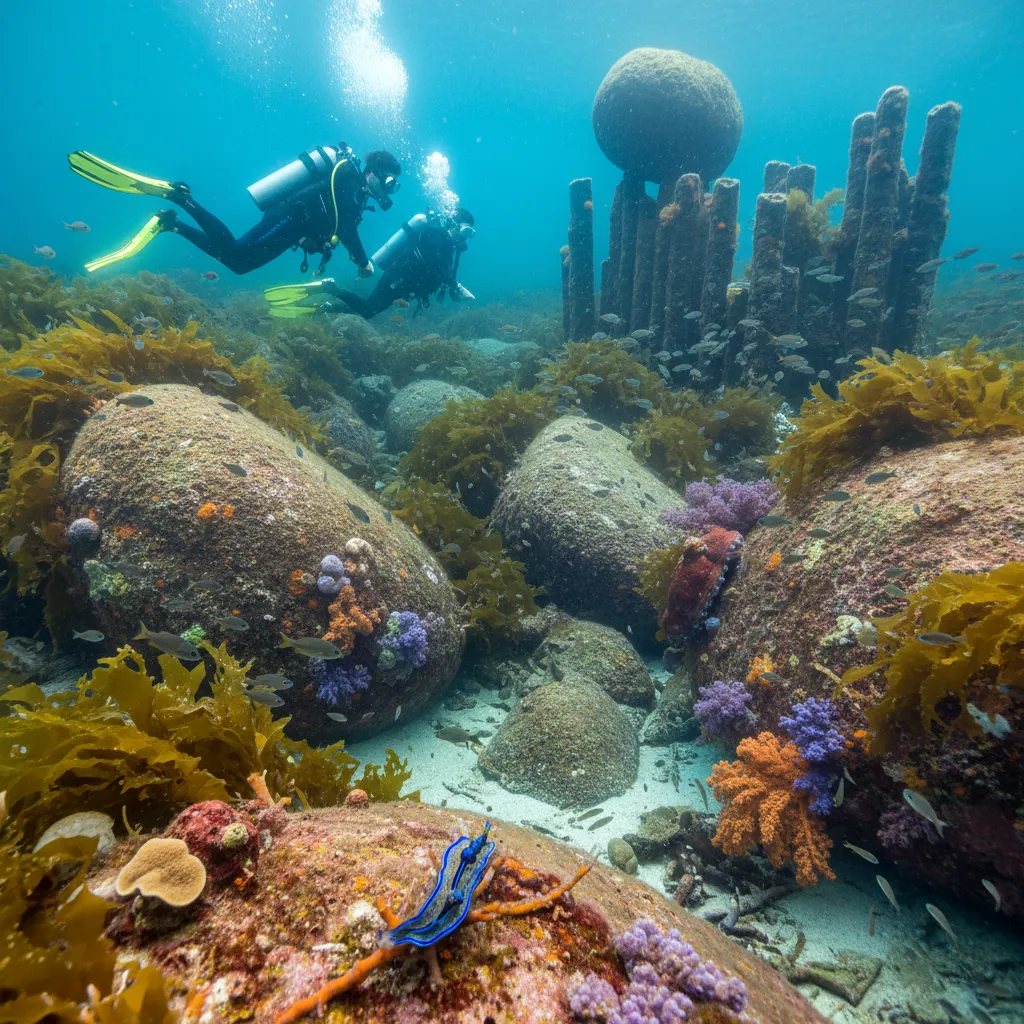
South Korea, with its 26 dive sites spread across three distinct regions, offers a unique and surprisingly accessible entry point for beginner divers. While it might not be the first country that comes to mind for diving, its underwater landscapes provide a compelling experience. The water temperatures, particularly during the peak season, are comfortable, ranging from 20-26°C (68-79°F), reducing the need for excessively thick wetsuits and making the experience more enjoyable for newcomers.
Visibility can vary significantly by region and season, but on good days, it ranges from 10-20 meters (33-66 feet), allowing for clear views of the underwater environment. Marine life, while not as diverse as tropical reefs, includes interesting temperate species such as various types of nudibranchs, octopuses, cuttlefish, and an array of schooling fish. The underwater topography often features volcanic rock formations, creating interesting swim-throughs and small caves that are exciting for new divers to explore under guidance. It's important to note that some areas can experience currents, but beginner-friendly sites are carefully selected by local dive centers to ensure a calm and safe experience.
Best Beginner-Friendly Regions
Jeju Island: As South Korea's largest island, Jeju is a UNESCO World Heritage site and offers some of the most accessible diving. Its volcanic origins mean underwater landscapes are characterized by dramatic rock formations, lava tubes, and a surprising amount of soft coral. Beginner-friendly sites like Munseom Island (specifically its 'Couple Rock' area) and Beomseom Island are popular for their relatively calm conditions and opportunities to spot colorful nudibranchs and schooling fish. Shore entries are common in some areas, simplifying the first few dives.
East Coast: The East Coast, particularly around cities like Sokcho and Gangneung, provides a different diving experience with cooler waters and kelp forests. While some sites can be challenging, designated beginner areas are available and often feature boat dives to calm, sheltered coves. These sites are excellent for experiencing temperate marine life, including various types of crabs, octopuses, and a good variety of schooling fish. Visibility here can be excellent on calm days, offering clear views of the kelp ecosystems.
Ulleungdo: Located further offshore, Ulleungdo is a volcanic island offering dramatic underwater scenery with sheer walls and large rock formations. While it requires a ferry trip, the effort is rewarded with unique diving. Beginner sites are carefully chosen by local operators in sheltered bays, allowing new divers to experience the island's unique geology and marine life in calm conditions. You might encounter various types of rockfish and even smaller sharks in these areas. The island's remote nature means fewer divers and a more pristine environment.
What Certification Do You Need?
To participate in guided fun dives in South Korea, you will typically need an Open Water Diver certification from a recognized agency such as PADI, SSI, NAUI, or equivalent. If you're completely new to diving, local dive centers offer Discover Scuba Diving experiences, which allow you to try diving under direct supervision without a full certification. For those looking to get certified in South Korea, PADI Open Water Diver courses are widely available. Many dive centers have multilingual instructors, particularly in popular tourist areas like Jeju. While international agencies dominate, some local Korean dive agencies also exist, though their certifications might be less recognized internationally.
Best Time to Visit
The best time to visit South Korea for diving is generally during the late spring to early autumn months. Specifically, June to October offers the most favorable conditions. During this period, air temperatures range from 20-30°C (68-86°F) and water temperatures are at their warmest. In June, water temperatures typically hover around 20-22°C (68-72°F). By August, they can peak at 24-26°C (75-79°F), especially around Jeju Island. In October, temperatures gradually cool to 18-20°C (64-68°F). Visibility is also generally better during these warmer months, though it can still be affected by rainfall or strong winds. Avoid the winter months (November-April) as water temperatures drop significantly, making diving much colder and less comfortable for beginners.
What to Expect on Your First Dive
Your first dive in South Korea will typically begin at a local dive center. Upon arrival, you'll check in, complete any necessary paperwork, and attend a detailed safety briefing covering the dive plan, hand signals, and local conditions. You'll then be fitted with rental gear, ensuring everything is comfortable and properly sized. Depending on the dive site, you'll either gear up at the center and head to a shore entry point, or travel by boat to a designated dive spot. Boat dives are common, especially for reaching the more diverse sites around islands like Jeju and Ulleungdo. Expect a thorough pre-dive check by your instructor or dive guide before entering the water. Entry is usually a controlled giant stride from a boat or a gradual walk-in from the shore. Underwater, your instructor will guide you at a slow, comfortable pace, pointing out marine life and ensuring you feel secure. Conditions at beginner sites are generally calm, with minimal currents, allowing you to focus on buoyancy and enjoying the environment. Most dives are around 40-60 minutes, depending on air consumption and depth.
Budget Guide
Diving in South Korea can be a moderate expense. A Discover Scuba Diving experience typically costs around KRW 100,000 - 150,000 (approx. $75-$115 USD). A full PADI Open Water Diver course usually ranges from KRW 600,000 - 800,000 (approx. $450-$600 USD), including equipment rental and certification fees. For certified divers, a single fun dive with equipment rental averages KRW 70,000 - 100,000 (approx. $55-$75 USD), while a package of two dives might be KRW 120,000 - 180,000 (approx. $90-$140 USD). Equipment rental is almost always included in these prices. Accommodation costs vary widely: budget guesthouses can be found for KRW 30,000 - 50,000 (approx. $25-$40 USD) per night, mid-range hotels for KRW 80,000 - 150,000 (approx. $60-$115 USD), and higher-end options for KRW 200,000+ (approx. $150+ USD). Food and transportation are generally affordable, making the overall trip manageable.
Essential Tips
- Book in advance: Especially for Jeju Island and Ulleungdo during peak season (July-August), dive centers can fill up quickly.
- Learn basic Korean phrases: While many dive centers have English-speaking staff, knowing greetings and simple phrases can enhance your experience.
- Check weather carefully: Typhoons can affect coastal areas and islands from July to September, leading to dive cancellations.
- Consider a 5mm wetsuit: Even in summer, water temperatures can be cooler than tropical destinations, so a good wetsuit is advisable for comfort.
- Bring motion sickness medication: Ferry rides to Ulleungdo and some boat dives can be bumpy.
- Respect local customs: Be polite and follow instructions from your dive guide. Tipping is not customary in South Korea.
- Stay hydrated: Drink plenty of water, especially during warmer months, to prevent dehydration.
At a Glance
| Destination | Difficulty | Best Months |
|---|---|---|
| Jeju IslandSouth Korea | Beginner | Jun-Oct |
| East CoastSouth Korea | Beginner | - |
| UlleungdoSouth Korea | Beginner | Jul-Sep |
Jeju Island
South Korea
Difficulty
Beginner
Best Months
Jun-Oct
Water Temp
14-30C
Dive Centres
25
Practical Info
- dive Sites:
- 19
- dive Centres:
- 25
Ulleungdo
South Korea
Difficulty
Beginner
Best Months
Jul-Sep
Water Temp
12-28C
Dive Centres
53
Practical Info
- dive Sites:
- 3
- dive Centres:
- 53
Frequently Asked Questions
Do I need a certification to dive in South Korea?
Yes, for guided fun dives, you typically need an Open Water Diver certification (PADI, SSI, etc.). If you're a beginner, you can try a Discover Scuba Diving experience without full certification, under direct instructor supervision.
How much does diving cost in South Korea?
A Discover Scuba Dive costs around KRW 100,000-150,000 ($75-$115 USD). A full Open Water course is KRW 600,000-800,000 ($450-$600 USD). A single fun dive with rental gear is KRW 70,000-100,000 ($55-$75 USD).
What is the best time to dive in South Korea?
The best time for diving is from June to October. Water temperatures range from 20-26°C (68-79°F), and visibility is generally better during these warmer months.
Is South Korea safe for beginner divers?
Yes, South Korea is safe for beginner divers. Local dive centers offer specific beginner-friendly sites with calm conditions and experienced instructors, particularly around Jeju Island and designated areas of the East Coast and Ulleungdo.
What marine life will I see in South Korea?
You can expect to see temperate marine life such as various nudibranchs, octopuses, cuttlefish, schooling fish, crabs, and different types of soft corals. Underwater topography often includes interesting volcanic rock formations.
Related Guides
Planning when to go?
See the month-by-month conditions guide