First Time Diving in Spain - A Beginner's Complete Guide
Everything you need to know before your first dive in Spain
Why Spain for Your First Dives?
Spain offers an excellent entry point for new scuba divers, boasting 786 dive sites across 7 distinct regions. Its warm Mediterranean and Atlantic waters provide comfortable conditions for learning, often with water temperatures ranging from 18°C in spring and autumn to over 26°C in summer. Visibility is generally good, frequently exceeding 20 meters, which helps beginners feel more at ease as they get accustomed to the underwater environment and practice buoyancy control.
The marine life, while not always characterized by large pelagics, is diverse and appealing for first-time divers. You can expect to encounter vibrant reef fish, octopus, moray eels, nudibranchs, and various crustaceans in many areas. The generally calm conditions in sheltered bays and dedicated dive parks also reduce potential stress for new divers, allowing them to focus on skill development rather than battling strong currents. While some areas offer more challenging dives, Spain has a significant number of sites specifically suited for beginners, with 117 classified as beginner-friendly, plus an additional 3 sites also noted for beginners.
Best Beginner-Friendly Regions
Canary Islands
The Canary Islands, particularly Tenerife and Gran Canaria, are ideal for beginners due to their year-round warm water and volcanic underwater landscapes. Sites like Las Eras in Tenerife offer calm, sheltered conditions with easy shore entry and a wealth of small marine life like cuttlefish and barracudas. The consistent visibility and professional dive centers make it a popular choice for initial certifications and first fun dives.
Medes Islands (Illes Medes)
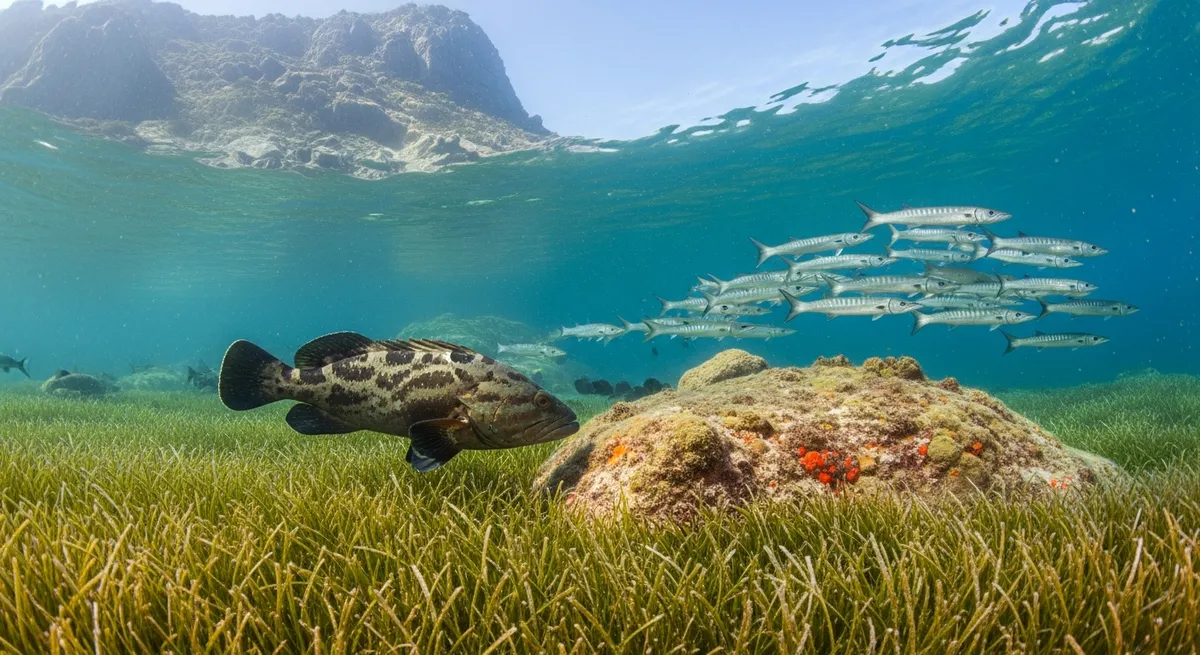
Located off the Costa Brava, the Medes Islands are a protected marine reserve, offering rich biodiversity within manageable depths. While some areas are for experienced divers, many sites around L'Estartit provide gentle conditions suitable for beginners. Expect to see large schools of fish, groupers, and vibrant gorgonian corals. Dive centers here are well-equipped to guide new divers through the marine park's beauty.
Balearic Islands
The Balearic Islands-Mallorca, Menorca, and Ibiza-provide numerous sheltered coves and bays perfect for beginners. Mallorca, in particular, has dive sites with calm, shallow waters and interesting rock formations to explore. The clear waters and abundance of Mediterranean species like bream and wrasse make for enjoyable first underwater experiences, often accessible via short boat trips from numerous coastal towns.
What Certification Do You Need?
To undertake recreational dives in Spain, a PADI Open Water Diver certification or an equivalent certification from another recognized agency (such as SSI, CMAS, or BSAC) is generally required. Most dive centers in Spain are PADI certified and can conduct courses in multiple languages. If you're not yet certified, you can enroll in a PADI Open Water course, which typically takes 3-4 days. Alternatively, a Discover Scuba Diving (DSD) experience allows uncertified individuals to try diving under direct instructor supervision in shallow water, without committing to a full course. Spain has a high density of well-established dive centers, making it easy to find an accredited facility.
Best Time to Visit
The best time to visit Spain for diving largely depends on the region. For the Mediterranean coast (Costa Brava, Balearics, Cabo de Palos), the prime season is from May to October. During these months, water temperatures range from 20°C to 26°C, and surface conditions are generally calm. July and August offer the warmest water but can also be the busiest with tourists. For the Canary Islands, diving is excellent year-round, with water temperatures rarely dropping below 18°C in winter and reaching up to 24°C in summer. Visibility is consistently good across all seasons. If you prefer fewer crowds and still pleasant conditions, late spring (May-June) and early autumn (September-October) are ideal for the mainland and Balearics.
What to Expect on Your First Dive
Your first dive in Spain will typically begin at a local dive center. You'll check in, complete necessary paperwork, and receive a detailed briefing about the dive site, safety procedures, and marine life you might encounter. Following the briefing, you'll be fitted with rental equipment-wetsuit, BCD, regulator, mask, and fins. Many beginner dives in Spain, especially in the Balearics and Costa Brava, are conducted from small boats that take you to sheltered coves or marine park boundaries. Shore dives are also common in areas like the Canary Islands. You'll gear up on the boat or at the shore entry point, perform a buddy check, and then enter the water, often with a giant stride from the boat or a gentle walk-in from the beach. Underwater, your instructor will guide you through basic skills and help you maintain buoyancy as you explore the environment, typically at shallow depths of 5-12 meters, focusing on comfort and observation rather than deep exploration or strong currents.
Budget Guide
Diving in Spain offers options for various budgets. A Discover Scuba Diving (DSD) experience usually costs between €70-€100 (approximately $75-$110 USD). A full PADI Open Water Diver course typically ranges from €400-€550 (approximately $430-$600 USD), including equipment rental and certification fees. Fun dives for certified divers are generally €35-€50 (approximately $40-$55 USD) per dive, with packages for multiple dives often offering a discount. Equipment rental, if not included in a package, can add €15-€25 (approximately $16-$27 USD) per day. Accommodation varies widely: hostel beds can be found for €20-€40 (approx. $22-$44 USD) per night, mid-range hotels for €70-€150 (approx. $75-$165 USD), and apartments for similar prices. Eating out can range from €15-€30 (approx. $16-$33 USD) for a casual meal.
Essential Tips
- Book dive courses and packages in advance, especially during peak summer months (July-August) and in popular regions like the Medes Islands or the Canaries.
- Always carry your certification card and logbook with you, as dive centers will require proof of certification.
- Be aware that some protected marine areas, like the Medes Islands, may have specific regulations regarding dive numbers and entry points-listen carefully to your dive guide.
- Consider bringing your own mask if you have a specific fit preference; rental masks are standard but a personal one can enhance comfort.
- Sun protection is crucial; even on cloudy days, UV exposure is high, especially when on boats or during surface intervals.
- While English is widely spoken in tourist areas and dive centers, learning a few basic Spanish phrases can be helpful and appreciated by locals.
- Check for any local environmental fees or marine park permits that might be added to your dive costs, especially in protected zones.
At a Glance
| Destination | Difficulty | Best Months |
|---|---|---|
| Canary IslandsSpain | Beginner | Jan-Dec |
| Cabo de PalosSpain | Beginner | - |
| Medes IslandsSpain | Beginner | Jun-Oct |
| Balearic IslandsSpain | Beginner | Jun-Oct |
| Costa BravaSpain | Beginner | Jun-Oct |
Canary Islands
Spain
Difficulty
Beginner
Best Months
Jan-Dec
Water Temp
19-24C
Dive Centres
99
Practical Info
- dive Sites:
- 220
- dive Centres:
- 99
Medes Islands
Spain
Difficulty
Beginner
Best Months
Jun-Oct
Water Temp
13-23C
Dive Centres
149
Practical Info
- dive Sites:
- 166
- dive Centres:
- 149
Balearic Islands
Spain
Difficulty
Beginner
Best Months
Jun-Oct
Water Temp
15-27C
Dive Centres
113
Practical Info
- dive Sites:
- 122
- dive Centres:
- 113
Costa Brava
Spain
Difficulty
Beginner
Best Months
Jun-Oct
Water Temp
11-24C
Dive Centres
79
Practical Info
- dive Sites:
- 107
- dive Centres:
- 79
Frequently Asked Questions
Do I need a certification to dive in Spain?
Yes, for recreational fun dives, you generally need a PADI Open Water Diver certification or equivalent. However, you can try a Discover Scuba Diving (DSD) experience without certification, under direct instructor supervision.
How much does diving cost in Spain?
A Discover Scuba Diving experience costs €70-€100. A PADI Open Water course is typically €400-€550. Fun dives for certified divers are €35-€50 each, with equipment rental adding €15-€25 per day if not included.
What is the best time to dive in Spain?
For Mediterranean regions, May to October is best, with water temperatures from 20°C to 26°C. The Canary Islands offer good diving year-round, with water temperatures between 18°C and 24°C.
Is Spain safe for beginner divers?
Yes, Spain is very safe for beginner divers. It has many calm, shallow dive sites, warm waters, and a high concentration of professional, accredited dive centers that prioritize safety and offer beginner-friendly courses.
What marine life will I see in Spain?
Beginner divers in Spain can expect to see a variety of marine life including vibrant reef fish, octopus, moray eels, cuttlefish, nudibranchs, groupers, and various crustaceans, particularly in protected areas.
Related Guides
Planning when to go?
See the month-by-month conditions guide