First Time Diving in St. Lucia - A Beginner's Complete Guide
Everything you need to know before your first dive in St. Lucia
Why St. Lucia for Your First Dives?
St. Lucia offers a compelling introduction to scuba diving, especially for beginners. The island boasts generally calm, warm waters with excellent visibility, making it less intimidating for those new to the underwater world. While St. Lucia has a mix of dive sites ranging from gentle reefs to more challenging wall dives and wrecks, its designated beginner sites are well-protected and shallow, allowing for comfortable skill development.
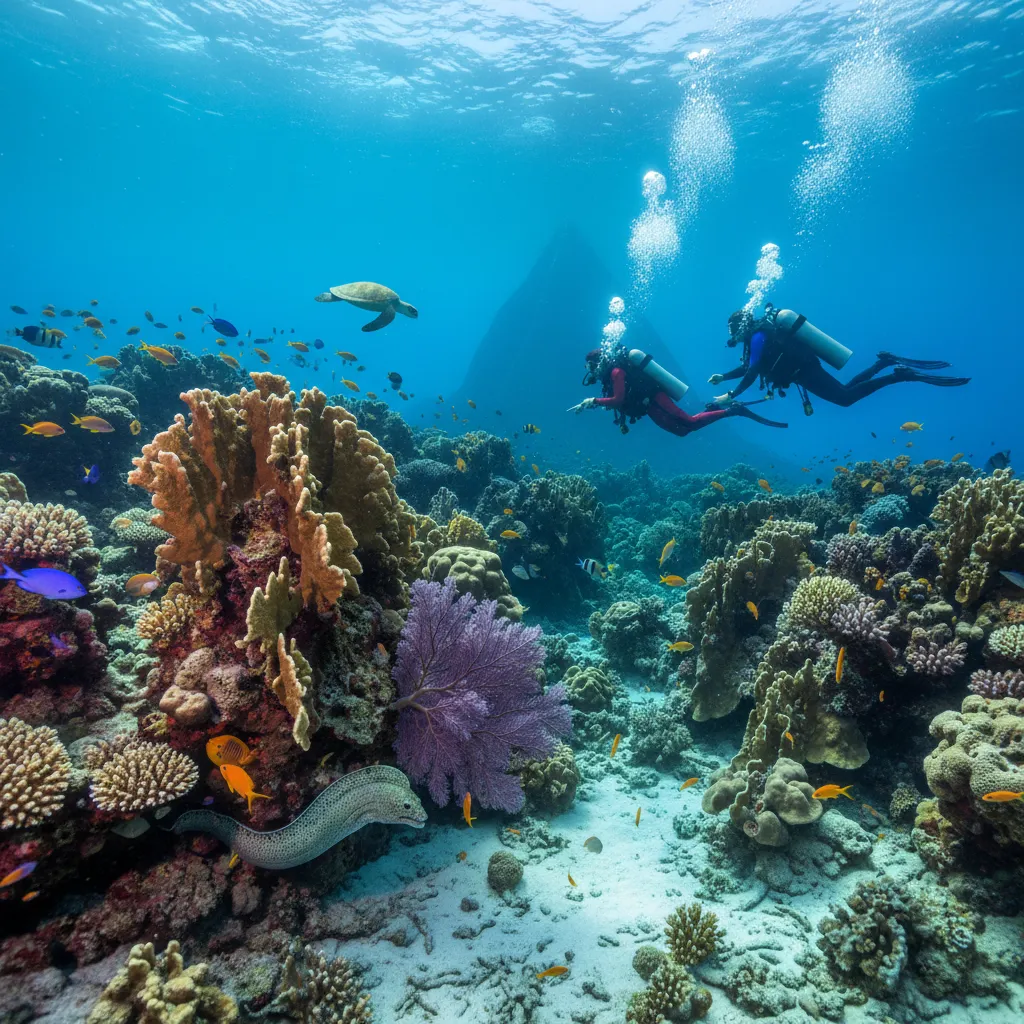
The average water temperature hovers between 26-29°C (79-84°F) year-round, meaning you'll be comfortable in a 3mm wetsuit or even just a rash guard, reducing the bulk and chill often associated with colder water diving. Visibility typically ranges from 20-30 meters (65-100 feet), providing clear views of the vibrant coral formations and diverse marine inhabitants. You can expect to encounter colorful reef fish, moray eels, crabs, and often turtles, even on shallower dives.
While some areas of St. Lucia can experience mild currents, especially around the Pitons, dive operators are adept at choosing sites suitable for skill levels. For beginners, they will select sheltered bays and coves where currents are minimal, ensuring a relaxed and enjoyable first experience. The island's commitment to marine conservation also means healthy reefs, offering a rich visual experience from your very first descent.
Best Beginner-Friendly Regions
St. Lucia features 16 dive sites across two primary regions. For beginners, the focus should be on areas known for their sheltered conditions and manageable depths.
Soufriere & The Pitons: This region, while famous for its dramatic volcanic spires, also offers several excellent beginner sites. Despite the dramatic topography, many dive sites here are protected within bays. For instance, sites like Superman's Flight and Coral Gardens provide shallow, calm conditions with abundant reef life. These sites are typically accessed via short boat rides from Soufriere, allowing for easy entry and exit.
Anse La Raye: Located north of Soufriere, Anse La Raye is another excellent choice for novice divers. The bay itself is often calm and offers a range of shallow reef dives. Dive sites like Anse La Raye Reef are known for their gentle slopes and healthy coral, making them perfect for practicing buoyancy and enjoying the marine environment without the added challenge of strong currents or deep profiles.
What Certification Do You Need?
To participate in guided recreational dives in St. Lucia, you will generally need to hold an entry-level scuba certification such as PADI Open Water Diver or an equivalent certification from another recognized agency like SSI, NAUI, or BSAC. This certification demonstrates that you have completed the necessary academic, confined water, and open water training to dive safely to a maximum depth of 18 meters (60 feet).
If you are not yet certified, you can enroll in a PADI Discover Scuba Diving (DSD) experience. This allows you to try diving under the direct supervision of an instructor in shallow water, often culminating in a single open water dive. However, a DSD is not a certification. To dive independently with a buddy or participate in multiple dives, full certification is required. St. Lucia has numerous PADI and SSI dive centers, making it easy to complete your Open Water course or refresh your skills.
Best Time to Visit
The best time to visit St. Lucia for diving is generally during the dry season, which runs from December to May. During these months, you can expect stable weather patterns, lower humidity, and minimal rainfall.
- December to May: This period offers the most consistent conditions for diving. Air temperatures average 25-30°C (77-86°F), and water temperatures range from 27-29°C (81-84°F). Visibility is typically at its best, often exceeding 25 meters (80 feet). This is also the peak tourist season, so booking accommodations and dive trips in advance is advisable.
- June to November: This is the wet season, characterized by higher humidity and increased chance of rain showers, though often brief. This period also falls within the Atlantic hurricane season. While direct hits are rare, tropical depressions can affect sea conditions and visibility. However, diving is still possible, and you might find fewer crowds and lower prices. Water temperatures remain warm, typically 28-29°C (82-84°F).
What to Expect on Your First Dive
Your first dive in St. Lucia, especially if it's a Discover Scuba Diving experience or the initial open water dives of a certification course, will be carefully managed to ensure your comfort and safety. Here's a typical breakdown:
Check-in & Briefing: You'll start at a local dive center where you'll complete necessary paperwork, including medical forms. Your instructor will provide a detailed briefing covering the dive site, marine life you might encounter, hand signals, equipment usage, and safety procedures. They'll emphasize buoyancy control and proper breathing techniques.
Gear Up: You'll be fitted with appropriate rental gear-mask, fins, wetsuit (if needed), BCD (Buoyancy Control Device), regulator, and weights. Instructors will help you assemble and check your equipment, ensuring everything is correctly set up.
Entry & Descent: Most beginner dives in St. Lucia are boat dives, meaning you'll travel a short distance to the dive site. Entry is typically a giant stride from the boat. Once in the water, you'll practice breathing through your regulator at the surface before performing a controlled descent with your instructor, often by deflating your BCD and equalizing your ears.
Underwater Experience: Your first dive will be relatively shallow, usually between 5-12 meters (15-40 feet). Your instructor will be close by, guiding you through the reef. You'll focus on maintaining neutral buoyancy, enjoying the marine life, and practicing basic skills like mask clearing if you're in a course. St. Lucian dives are generally calm, allowing for relaxed exploration of the vibrant coral gardens and reef inhabitants. Expect to spend 30-45 minutes underwater, depending on your air consumption.
Budget Guide
Diving in St. Lucia can vary in cost depending on the type of experience and duration. Here's a realistic breakdown:
- Discover Scuba Diving (DSD): A single DSD experience, including equipment rental and instructor supervision, typically costs around $100-$130 USD (270-350 XCD).
- PADI Open Water Certification Course: A full Open Water course, which usually spans 3-4 days and includes academic sessions, confined water training, and four open water dives, generally ranges from $450-$600 USD (1200-1600 XCD). This usually includes equipment rental and certification fees.
- Fun Dives (for certified divers): A two-tank boat dive for certified divers, including tanks and weights, typically costs $90-$120 USD (240-325 XCD). Equipment rental, if needed, is an additional $30-$40 USD (80-110 XCD) per day.
- Accommodation: Budget-friendly guesthouses and apartments can be found for $70-$120 USD per night. Mid-range hotels typically cost $150-$300 USD per night. Luxury resorts can range from $400 USD upwards per night.
- Food: Eating at local eateries can cost $10-$20 USD per meal. Restaurant dining will be $30-$60 USD per person.
Essential Tips
- Book in Advance: Especially during the peak dry season (December-May), dive operators and popular accommodations can book up quickly. Secure your spots well ahead of time.
- Stay Hydrated: The tropical climate can lead to dehydration. Drink plenty of water before and after your dives to help prevent decompression sickness and general fatigue.
- Sun Protection: The Caribbean sun is intense. Use reef-safe sunscreen, wear a hat, and seek shade when not diving.
- Bring an Underwater Camera: St. Lucia's reefs are vibrant. A simple waterproof camera will allow you to capture memories of your first dives.
- Respect Marine Life: Do not touch, chase, or disturb any marine creatures or coral. Maintain proper buoyancy to avoid contact with the reef.
- Consider a Refresher Course: If it's been a while since your last dive, consider taking a PADI ReActivate or similar refresher course before heading out for fun dives.
- Learn Basic Creole Phrases: While English is widely spoken, learning a few basic phrases in St. Lucian Kwéyòl (Creole) can enhance your experience and interactions with locals.
At a Glance
| Destination | Difficulty | Best Months |
|---|---|---|
| Soufriere & The PitonsSt. Lucia | Beginner | Jan-Dec |
| Anse La RayeSt. Lucia | Beginner | Jan-Dec |
Soufriere & The Pitons
St. Lucia
Difficulty
Beginner
Best Months
Jan-Dec
Water Temp
28-28C
Dive Centres
1
Practical Info
- dive Sites:
- 10
- dive Centres:
- 1
Anse La Raye
St. Lucia
Difficulty
Beginner
Best Months
Jan-Dec
Water Temp
28-28C
Dive Centres
9
Practical Info
- dive Sites:
- 6
- dive Centres:
- 9
Frequently Asked Questions
Do I need a certification to dive in St. Lucia?
Yes, to participate in guided recreational dives in St. Lucia, you generally need an entry-level certification like PADI Open Water Diver. However, you can try diving without certification through a Discover Scuba Diving (DSD) experience, supervised by an instructor in shallow water.
How much does diving cost in St. Lucia?
A Discover Scuba Diving experience typically costs $100-$130 USD. A full PADI Open Water certification course ranges from $450-$600 USD. For certified divers, a two-tank fun dive usually costs $90-$120 USD, with equipment rental an additional $30-$40 USD per day.
What is the best time to dive in St. Lucia?
The best time to dive in St. Lucia is during the dry season, from December to May. During these months, you can expect stable weather, lower humidity, minimal rain, and optimal visibility, with water temperatures around 27-29°C (81-84°F).
Is St. Lucia safe for beginner divers?
Yes, St. Lucia is considered safe for beginner divers. Dive operators are experienced, and many sites offer calm, shallow conditions with good visibility. Instructors prioritize safety and select sites appropriate for skill levels, especially for those new to diving.
What marine life will I see in St. Lucia?
On your dives in St. Lucia, you can expect to see a variety of colorful reef fish, moray eels, crabs, lobsters, and often sea turtles. The reefs are healthy with diverse coral formations, providing a rich visual experience for divers.
Related Guides
Planning when to go?
See the month-by-month conditions guide