First Time Diving in Sudan - A Beginner's Complete Guide
Everything you need to know before your first dive in Sudan
Why Sudan for Your First Dives?
Sudan offers a unique and largely unspoiled Red Sea diving experience, making it surprisingly suitable for beginners who are comfortable with the idea of a less developed dive infrastructure. While it might not be the first place that comes to mind for a beginner's dive, the generally calm conditions and abundant marine life in protected areas provide an excellent learning environment. The water temperature is consistently warm, typically ranging from 25-30°C (77-86°F) year-round, which means comfortable diving without the need for thick wetsuits. Visibility is usually excellent, often exceeding 20 meters, allowing new divers ample time to orient themselves and observe their surroundings.
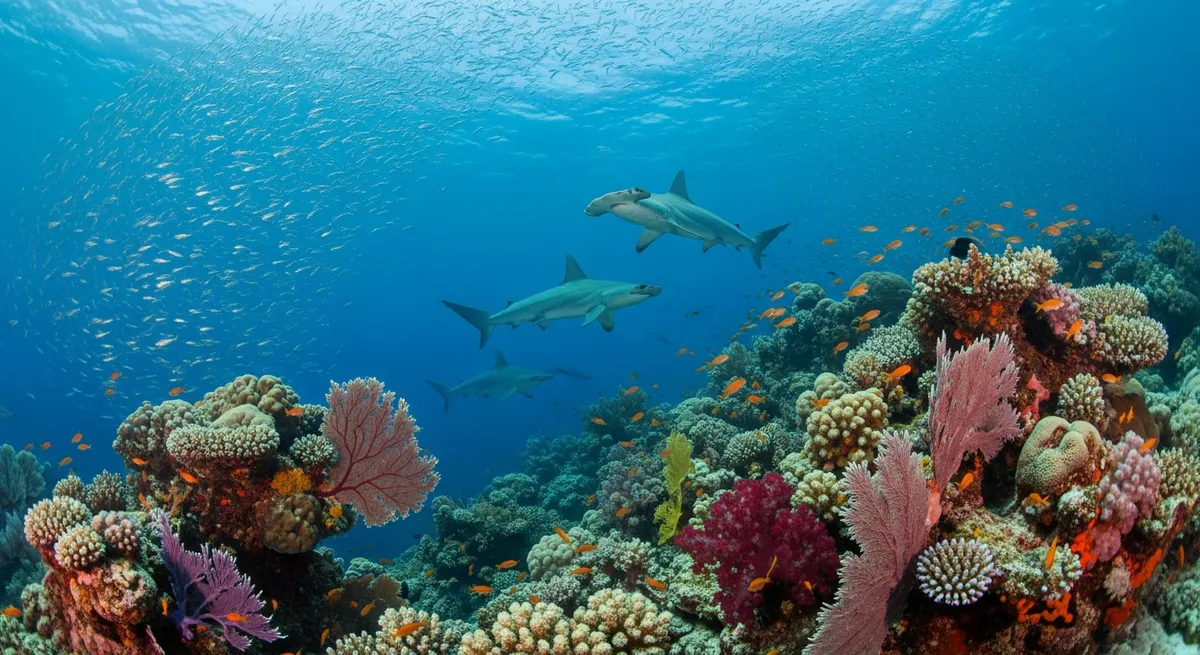
The Sudanese Red Sea is known for its healthy coral reefs and a diverse array of marine species, including various reef fish, turtles, and even occasional encounters with larger pelagic species like sharks (hammerheads, grey reef sharks) further offshore, though beginners will typically stay in shallower, calmer areas. While Sudan has 56 dive sites across 3 regions, with an intermediate difficulty mix of 2, many sites within the designated beginner regions offer sheltered conditions ideal for initial dives. It's important to note that while the diving itself can be beginner-friendly, the overall travel experience to Sudan might present logistical challenges compared to more established dive destinations, requiring a more adventurous spirit from first-time visitors.
Best Beginner-Friendly Regions
Port Sudan & Sanganeb: This region is a great starting point for beginners due to its accessibility and a good mix of sheltered reefs. Dive sites like the reefs around Sanganeb Atoll, particularly the shallower northern and eastern sides, offer calm conditions, vibrant coral gardens, and a high density of reef fish. The proximity to Port Sudan makes logistics simpler, and many introductory dives can be conducted in protected bays with minimal current.
Southern Reefs: The Southern Reefs, while sometimes requiring longer boat journeys, contain numerous sheltered lagoons and shallow reef systems perfect for new divers. These areas are less frequented, meaning less diver traffic and more pristine environments. Sites here often feature gentle slopes, allowing for easy depth control and extended bottom times for observing moray eels, angelfish, and parrotfish without strong currents.
Sha'ab Rumi & Offshore Reefs: While Sha'ab Rumi is famous for Cousteau's Conshelf II experiment and can have deeper sections, its inner lagoon and shallower reef areas provide excellent training grounds. The protected nature of the lagoon means calm waters and a chance to explore the unique underwater structures associated with the Conshelf II project in a controlled environment. Beginners will typically stick to the shallower parts of the reef, avoiding strong currents often found on the outer walls.
What Certification Do You Need?
For your first certified dives in Sudan, you will need a PADI Open Water Diver certification or an equivalent certification from another recognized agency such as SSI, NAUI, or CMAS. If you are completely new to diving, most dive centers in Sudan can facilitate a Discover Scuba Diving experience, which allows you to try diving under direct supervision without full certification. However, to truly explore the reefs and participate in multiple dives, the Open Water certification is essential. Local dive centers, though fewer in number than in more developed dive nations, are typically PADI or SSI affiliated and can provide courses. It's advisable to complete any e-learning portions of your course before arriving to maximize your time in the water.
Best Time to Visit
The best time to visit Sudan for diving is generally from October to May. During these months, the weather is more temperate and the sea conditions are typically calm and clear. Water temperatures during this period range from 25°C (77°F) in the cooler months of January-February to 28°C (82°F) in October-November and April-May. Air temperatures are comfortable, avoiding the intense heat of the Sudanese summer. Visibility is consistently excellent, often exceeding 25 meters. The period from June to September can be very hot, with air temperatures often above 40°C (104°F) and higher humidity, though diving is still possible, water temperatures can reach 30°C (86°F).
What to Expect on Your First Dive
On your first dive in Sudan, you'll typically start by checking in at a dive center or directly at the boat. You'll receive a comprehensive briefing covering the dive site, marine life to expect, safety procedures, and hand signals. Gear will be assembled and checked with the help of your instructor or dive guide. Most diving in Sudan is conducted from liveaboard boats or day boats departing from Port Sudan, as shore diving options are limited outside of specific resorts. You'll gear up on the boat, and entries are usually giant strides from the side of the vessel. Once in the water, your instructor will guide you through basic skills and then lead you on an exploration of the reef. Expect generally calm conditions in beginner areas, with gentle to no currents, allowing you to focus on buoyancy and enjoying the underwater environment. Exits are typically via ladders back onto the boat.
Budget Guide
Diving in Sudan can be a bit more expensive than some other Red Sea destinations due to logistics and infrastructure. A Discover Scuba Diving experience might cost around $100-150 USD. A full PADI Open Water Diver course typically ranges from $450-600 USD, which includes theory, confined water training, and four open water dives. Fun dives on a day trip can cost approximately $60-80 USD per dive, often with discounts for multi-dive packages (e.g., 2 dives for $100-140 USD). Equipment rental is usually included in courses but may cost an additional $20-30 USD per day for fun dives. Accommodation in Port Sudan ranges from basic guesthouses at $30-50 USD per night to mid-range hotels at $70-120 USD per night. Liveaboard trips, which are popular for accessing remote sites, typically start from $1500-2500 USD for a week-long trip, including accommodation, food, and multiple dives.
Essential Tips
- Visa Requirements: Check current visa regulations for Sudan well in advance, as they can be complex and change frequently.
- Cash is King: While some larger establishments might accept cards, cash (Sudanese Pounds or USD) is essential for most transactions.
- Travel Insurance: Ensure your travel insurance specifically covers scuba diving and medical evacuation in remote areas.
- Booking Lead Times: Book dive trips and liveaboards several months in advance, especially during peak season, as availability can be limited.
- Respect Local Customs: Sudan is a conservative country; dress modestly outside of dive boats and be mindful of local traditions.
- Medical Check-up: Obtain a medical clearance for diving before your trip, as medical facilities in Sudan are not extensive.
- Pack Light but Smart: Bring essential toiletries, medications, and sun protection. Specialized dive gear might be harder to find locally.
At a Glance
| Destination | Difficulty | Best Months |
|---|---|---|
| Port Sudan & SanganebSudan | Beginner | Jan-Jun, Oct-Dec |
| Southern ReefsSudan | Beginner | - |
| Sha'ab Rumi & Offshore ReefsSudan | Beginner | - |
Difficulty
Beginner
Best Months
Jan-Jun, Oct-Dec
Water Temp
25-32C
Practical Info
- dive Sites:
- 56
Frequently Asked Questions
Do I need a certification to dive in Sudan?
Yes, to participate in regular fun dives in Sudan, you need a PADI Open Water Diver certification or an equivalent from another recognized agency. If you're new to diving, you can try a Discover Scuba Diving experience under direct supervision without full certification.
How much does diving cost in Sudan?
A Discover Scuba Diving experience costs around $100-150 USD. A PADI Open Water course is typically $450-600 USD. Fun dives range from $60-80 USD per dive, with discounts for packages. Equipment rental is about $20-30 USD per day. Liveaboard trips start from $1500-2500 USD for a week.
What is the best time to dive in Sudan?
The best time to dive in Sudan is from October to May. During these months, water temperatures are 25-28°C (77-82°F) and air temperatures are comfortable. Visibility is consistently excellent, often exceeding 25 meters. Avoid the intense summer heat from June to September.
Is Sudan safe for beginner divers?
While the diving conditions in Sudan can be beginner-friendly with calm waters and good visibility in protected areas, the overall travel experience might present logistical challenges. It's safe when diving with reputable operators, but independent travel requires careful planning. Always check current travel advisories.
What marine life will I see in Sudan?
In Sudan, you can expect to see healthy coral reefs, a diverse array of reef fish including angelfish, parrotfish, and moray eels. You might also encounter turtles, various shark species (like hammerheads and grey reef sharks on offshore sites), and other pelagic life, especially in protected marine parks.
Related Guides
Planning when to go?
See the month-by-month conditions guide