First Time Diving in Sweden - A Beginner's Complete Guide
Everything you need to know before your first dive in Sweden
Why Sweden for Your First Dives?
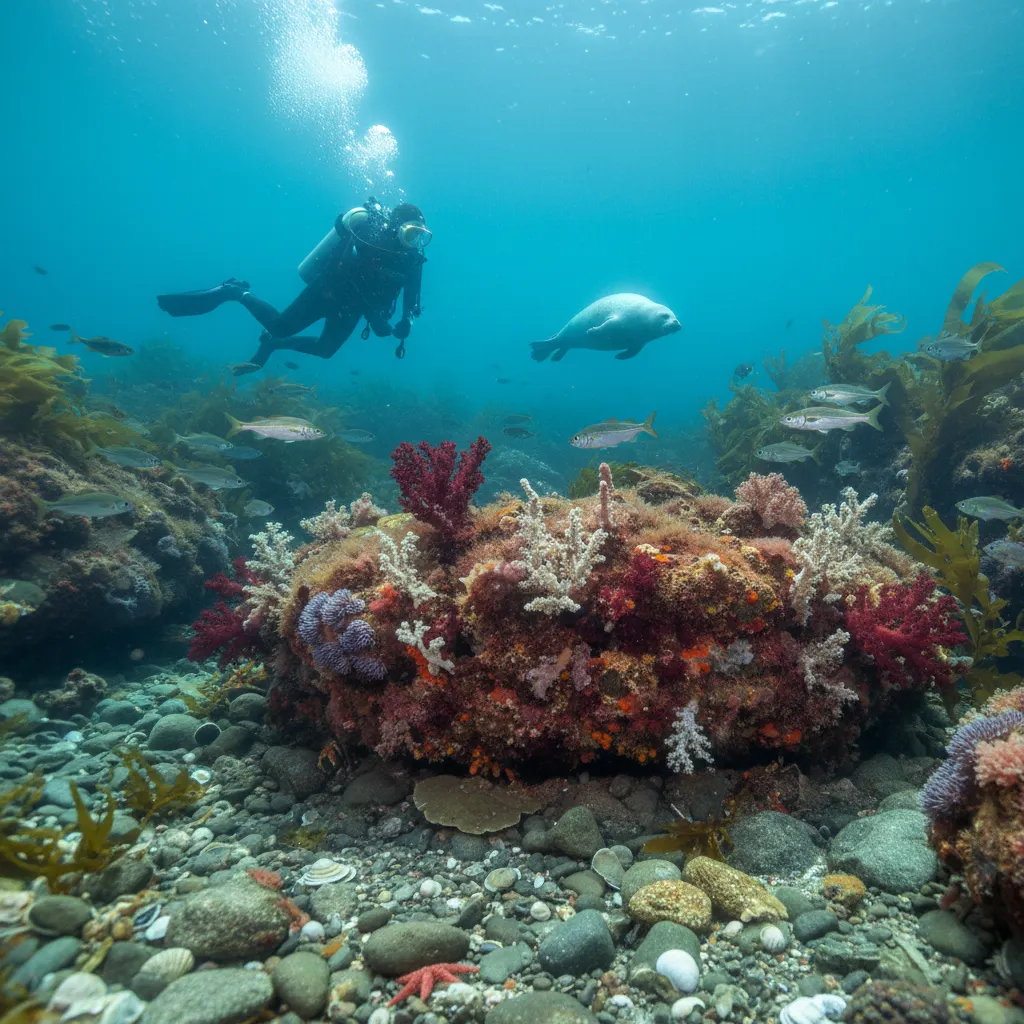
Sweden might not be the first place that comes to mind for a beginner dive trip, but it offers a unique and rewarding experience. With 265 dive sites spread across two main regions, it provides a diverse range of environments. While the water temperatures are cooler than tropical destinations, typically requiring dry suits or thick wet suits, this offers an excellent opportunity for new divers to gain experience in temperate waters. The visibility can often be very good, especially in the colder months, making for clear exploration of the underwater landscapes.
For beginners, Sweden presents a good challenge and an introduction to diving in different conditions. The country has a mix of difficulty levels, with 4 beginner-rated sites and 1 additional beginner site, making up a significant portion of its accessible locations. Marine life highlights include various species of crabs, lobsters, jellyfish, and a range of cold-water fish like cod and pollack. Wreck diving is also prevalent, with many accessible wrecks suitable for those with appropriate training, offering a glimpse into maritime history.
While not a warm-water destination, Sweden is suitable for beginners who are prepared for cooler temperatures and want to expand their diving skills beyond the tropics. The controlled environments of many beginner sites, often sheltered from strong currents, provide a safe space to learn and practice. It's a destination for those seeking adventure and a different kind of underwater beauty.
Best Beginner-Friendly Regions
West Coast (Gothenburg): The West Coast, centered around Gothenburg, is an excellent starting point for beginners. This region offers sheltered bays and calmer waters, making it ideal for initial training and comfort dives. You'll find a good selection of shore entry sites, simplifying logistics for new divers. The marine life here includes common crabs, lobsters, and various fish species that thrive in the colder, nutrient-rich waters. While specific beginner sites aren't always named publicly, local dive centers in the Gothenburg area will guide you to suitable, protected locations for training and first dives.
Baltic Coast: The Baltic Coast provides a different yet equally accessible experience for beginners. The Baltic Sea is brackish, meaning it has lower salinity than the open ocean, which can affect buoyancy slightly but is easily managed with proper instruction. This region is known for its calmer conditions, particularly in sheltered coves and bays. Visibility can vary but is often good, especially outside of algal bloom seasons. The Baltic Coast also offers a unique opportunity for wreck diving on shallower, intact vessels suitable for less experienced divers under supervision, providing an exciting introduction to this specialized type of diving.
What Certification Do You Need?
To participate in guided fun dives in Sweden, you will typically need at least a PADI Open Water Diver certification or an equivalent certification from another recognized agency such as SSI, CMAS, or SDI. If you are new to diving altogether, many local dive centers across Sweden offer the PADI Open Water Diver course. This course usually takes 3-4 days and covers all the necessary theory and practical skills to dive safely to a maximum depth of 18 meters. For those unsure about committing to a full course, a Discover Scuba Diving experience is widely available and allows you to try diving under direct instructor supervision in a controlled environment, usually to a shallower depth, without requiring certification.
Best Time to Visit
The best time to visit Sweden for diving, especially for beginners, is typically during the warmer months from June to September. During this period, surface water temperatures can range from 15°C to 20°C (59°F to 68°F) in sheltered areas, though they will be cooler at depth. While still requiring appropriate thermal protection like a 7mm wetsuit or a dry suit, these months offer the most comfortable conditions. Visibility tends to be good, though it can decrease temporarily after heavy rains or during algal blooms in late summer. Air temperatures are also pleasant, making surface intervals more enjoyable. Diving outside of these months is possible but generally requires dry suit certification due to much colder water temperatures, often dropping below 10°C (50°F).
What to Expect on Your First Dive
Upon arrival at the dive center, you'll typically check in, complete any necessary paperwork, and attend a comprehensive briefing. This briefing will cover the dive site, safety procedures, hand signals, and what marine life to expect. You'll then be fitted with rental gear, which will likely include a thick wetsuit (7mm or semi-dry) or a dry suit, depending on the season and specific site. Most beginner dives in Sweden are conducted as shore dives, offering a gradual entry into the water from a beach or jetty. Boat dives are also common, particularly for accessing certain wreck sites or more remote locations, requiring a backward roll or giant stride entry.
Once in the water, your instructor will guide you through final equipment checks and buoyancy practice at the surface. The underwater experience in Sweden is generally calm with minimal currents at beginner sites. You'll descend slowly, practicing equalization, and explore the underwater environment. Expect to see cold-water marine life like various crabs, small fish, and potentially some jellyfish. The focus will be on comfortable breathing, maintaining buoyancy, and enjoying the unique temperate ecosystem. The dive will conclude with a slow ascent, safety stop, and a debriefing back at the surface.
Budget Guide
Diving in Sweden, like other temperate destinations, can have varying costs. A Discover Scuba Diving experience typically ranges from 900-1500 SEK (approximately 85-140 USD). A full PADI Open Water Diver course can cost between 5,000-7,500 SEK (approximately 470-700 USD), which usually includes equipment rental and certification fees. Fun dives for certified divers are generally 400-600 SEK (approximately 38-57 USD) per dive, with packages for multiple dives often offering a discount. Equipment rental, if not included in a package, can be around 300-500 SEK (approximately 28-47 USD) per day for a full set. Accommodation in Sweden varies widely; budget hostels can be 300-600 SEK (28-57 USD) per night, mid-range hotels 800-1500 SEK (75-140 USD), and higher-end options upwards of 2000 SEK (190 USD).
Essential Tips
- Dry Suit Training Recommended: For diving outside of peak summer or for maximum comfort, consider getting dry suit certified before or during your trip.
- Book in Advance: Especially during the summer months, dive centers and courses can fill up quickly. Book your dives and courses well ahead of time.
- Layer Up: Even in summer, surface temperatures can be cool, and wind chill is a factor. Bring warm layers for before and after your dives.
- Check Visibility Reports: Visibility can vary significantly by season and recent weather. Check with local dive centers for current conditions.
- Respect Local Regulations: Sweden has strict environmental protection laws. Always follow local dive regulations, especially concerning marine life and historical wrecks.
- Consider Car Rental: Many dive sites, especially in the West Coast region, are more easily accessible with a car, allowing for greater flexibility.
- Learn Basic Swedish Phrases: While English is widely spoken, learning a few basic Swedish phrases can enhance your experience and show respect for local culture.
At a Glance
| Destination | Difficulty | Best Months |
|---|---|---|
| West Coast (Gothenburg)Sweden | Beginner | - |
| Baltic CoastSweden | Beginner | - |
West Coast (Gothenburg)
Sweden
Difficulty
Beginner
Water Temp
2-2C
Dive Centres
29
Practical Info
- dive Sites:
- 171
- dive Centres:
- 29
Baltic Coast
Sweden
Difficulty
Beginner
Water Temp
1-1C
Dive Centres
10
Practical Info
- dive Sites:
- 94
- dive Centres:
- 10
Frequently Asked Questions
Do I need a certification to dive in Sweden?
Yes, to participate in guided fun dives in Sweden, you generally need at least a PADI Open Water Diver certification or an equivalent from another recognized agency. If you're new to diving, you can take a Discover Scuba Diving experience or enroll in an Open Water Diver course at a local dive center.
How much does diving cost in Sweden?
A Discover Scuba Diving experience typically costs 900-1500 SEK (85-140 USD). A PADI Open Water Diver course ranges from 5,000-7,500 SEK (470-700 USD). Fun dives for certified divers are usually 400-600 SEK (38-57 USD) per dive, with equipment rental often an additional 300-500 SEK (28-47 USD) per day.
What is the best time to dive in Sweden?
The best time for beginner diving in Sweden is from June to September. During these months, surface water temperatures range from 15°C to 20°C (59°F to 68°F), making conditions more comfortable, although thermal protection like a dry suit or thick wetsuit is still recommended.
Is Sweden safe for beginner divers?
Yes, Sweden is safe for beginner divers, especially when diving with reputable local centers. Beginner-friendly sites often feature calm conditions and sheltered waters. While the water is cooler, proper equipment and guidance ensure a safe and enjoyable experience for new divers.
What marine life will I see in Sweden?
In Sweden's waters, you can expect to see cold-water marine life such as various species of crabs, lobsters, jellyfish, cod, pollack, and other local fish. Some sites also offer unique opportunities to explore accessible shipwrecks.
Related Guides
Planning when to go?
See the month-by-month conditions guide