First Time Diving in Tanzania - A Beginner's Complete Guide
Everything you need to know before your first dive in Tanzania
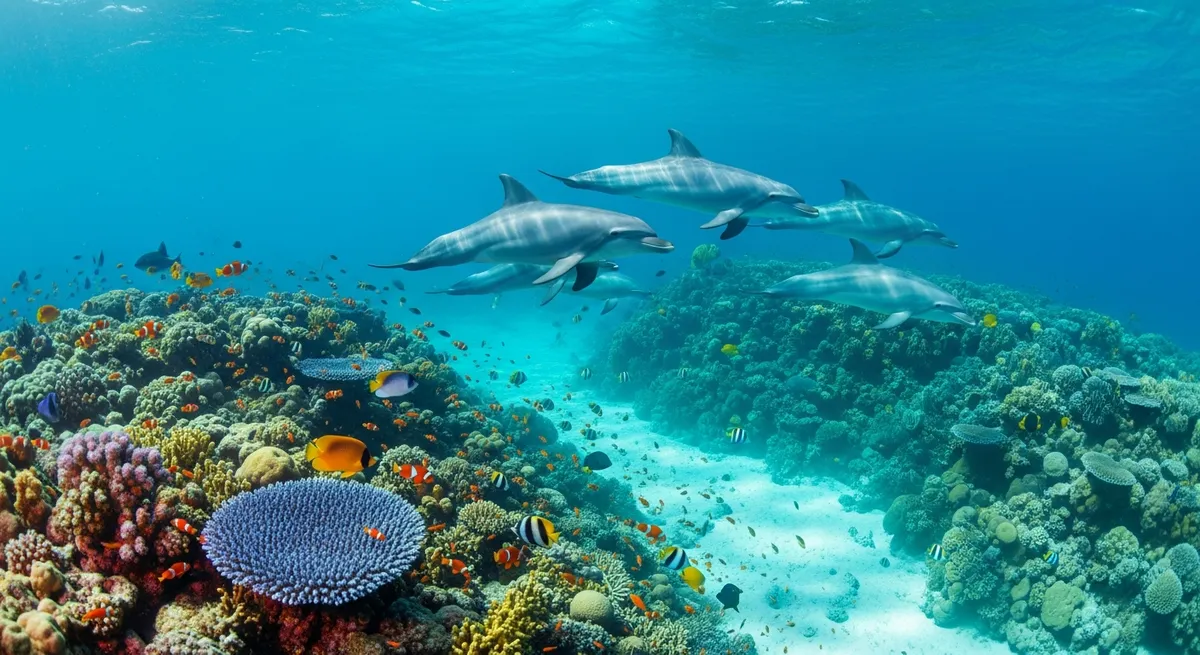
Why Tanzania for Your First Dives?
Tanzania offers a unique and accessible entry point into the underwater world for beginner divers, despite its reputation for more advanced sites. With 149 dive sites spread across five distinct regions, there's ample opportunity to find calm, shallow environments perfect for learning. The warm Indian Ocean waters, typically ranging from 25°C to 29°C year-round, eliminate the need for thick wetsuits, making the experience more comfortable and less intimidating for newcomers. Visibility is generally good, often exceeding 20 meters, allowing for clear views of the vibrant marine ecosystems.
While some areas present stronger currents suitable for experienced divers, regions like Zanzibar and Mafia Island specifically cater to those just starting out. Here, you'll encounter diverse coral gardens, a variety of reef fish, and opportunities to spot larger, docile creatures like turtles and reef sharks in controlled conditions. The dive operators are accustomed to teaching new divers, providing a supportive and safety-focused environment. Tanzania's blend of comfortable conditions and rich biodiversity makes it a suitable, though not entirely effortless, destination for your initial underwater adventures.
Best Beginner-Friendly Regions
Zanzibar & Pemba
Zanzibar is arguably the most popular and accessible region for beginner divers in Tanzania. The calm, shallow reefs along its eastern and northern coasts provide excellent conditions for introductory dives and Open Water courses. Sites like Tumbatu Island or the reefs near Matemwe offer gentle currents, good visibility, and a chance to see colorful reef fish, moray eels, and even occasional dolphins. The infrastructure for dive centers is well-developed here, ensuring a comfortable learning experience.
Mafia Island
Mafia Island is renowned for its protected marine park, offering some of the most pristine and biodiverse diving in Tanzania. While it's famous for whale sharks (seasonal), the inner bays and sheltered reefs within the marine park are ideal for beginners. Sites such as Kinasi Pass (at certain tides) or the reefs around Chole Bay offer calm, shallow environments with abundant coral formations and a huge variety of smaller marine life, including nudibranchs, octopuses, and many species of reef fish. The focus on conservation also means well-maintained dive sites.
Dar es Salaam & Offshore Islands
The area around Dar es Salaam, particularly the offshore islands like Bongoyo and Mbudya, offers convenient and accessible diving for beginners. These islands feature sheltered bays and relatively shallow reefs that are protected from stronger open-ocean currents. The dive sites here provide a good introduction to East African reef ecosystems, with chances to see various hard and soft corals, parrotfish, snappers, and groupers. Its proximity to the mainland makes it a practical choice for those looking to combine diving with other Tanzanian adventures.
What Certification Do You Need?
To participate in guided fun dives in Tanzania, you will typically need a PADI Open Water Diver certification or an equivalent entry-level certification from another recognized agency such as SSI, NAUI, or CMAS. If you are not yet certified, you can enroll in a Discover Scuba Diving experience, which allows you to dive under direct instructor supervision to a maximum depth of 12 meters without prior certification. Most dive centers across Tanzania, especially in Zanzibar and Mafia Island, are PADI or SSI affiliated and offer the full range of courses, from Discover Scuba Diving to Open Water and Advanced certifications. It's advisable to check with your chosen dive center about their specific affiliations and course offerings before arrival.
Best Time to Visit
The best time for diving in Tanzania generally spans two main seasons. The long dry season, from June to October, offers excellent conditions with minimal rainfall, calm seas, and water temperatures averaging 25-27°C. This period typically provides the best visibility across all regions. The short dry season, from December to February, is also highly favorable, with warm waters around 27-29°C and generally good visibility, though occasional short rain showers can occur. The long rainy season (March-May) and short rainy season (November) can bring stronger winds, rougher seas, and reduced visibility, making diving less comfortable, especially for beginners. For whale shark encounters in Mafia Island, the peak season is usually from October to March.
What to Expect on Your First Dive
Your first dive in Tanzania will typically begin at a local dive center with a check-in process, where you'll complete necessary paperwork and try on rental equipment. Following this, you'll receive a comprehensive briefing from your instructor or divemaster, covering the dive plan, safety procedures, hand signals, and what marine life you might encounter. Most beginner dives in Tanzania are boat dives, departing from shore to reach calmer, shallower reefs. Once on the boat, you'll gear up with assistance from the crew. Entry into the water is usually a giant stride from the side of the boat, or a back roll depending on the vessel. Underwater, expect a calm, guided experience, focusing on buoyancy control and observing the marine environment at a relaxed pace. The typical dive style for beginners emphasizes gentle drifts or static dives in sheltered areas with minimal current, ensuring a comfortable introduction to breathing underwater.
Budget Guide
Diving in Tanzania offers a range of price points. A Discover Scuba Diving experience typically costs between 100,000-150,000 TZS (approximately 40-60 USD). A full PADI Open Water Diver course usually ranges from 600,000-850,000 TZS (approximately 240-340 USD), often including equipment rental and certification fees. Fun dives for certified divers are generally 50,000-80,000 TZS (approximately 20-32 USD) per dive, with discounts for multi-dive packages (e.g., 2 dives for 90,000-140,000 TZS or 36-56 USD). Equipment rental, if not included in a package, can be around 15,000-25,000 TZS (approximately 6-10 USD) per day. Accommodation varies widely: budget guesthouses can be 30,000-70,000 TZS (12-28 USD) per night, mid-range hotels 100,000-250,000 TZS (40-100 USD), and high-end resorts 300,000 TZS (120 USD) and upwards.
Essential Tips
- Book dive courses and trips in advance, especially during peak seasons (June-October, December-February), as popular centers can fill up quickly.
- Carry sufficient cash (Tanzanian Shillings - TZS) as many smaller dive centers or remote locations may not accept credit cards.
- Pack light tropical dive gear; water temperatures rarely drop below 25°C, so a 3mm shorty or even just a rash guard is usually sufficient.
- Be aware of marine park fees, particularly when diving around Mafia Island Marine Park, which are usually not included in dive course or fun dive prices.
- Hydrate well, especially after diving, as the tropical climate can lead to dehydration.
- Respect local customs; dress modestly when not at the beach or dive center, particularly in Zanzibar and other predominantly Muslim areas.
- Consider combining your dive trip with a safari for a complete Tanzanian experience, but plan for surface interval time before flying.
At a Glance
| Destination | Difficulty | Best Months |
|---|---|---|
| Zanzibar & PembaTanzania | Beginner | Jan-Dec |
| Mafia IslandTanzania | Beginner | Jan-Dec |
| Dar es Salaam & Offshore IslandsTanzania | Beginner | Jan-Dec |
| Kilwa & Southern CoastTanzania | Beginner | - |
| Tanga & Usambara CoastTanzania | Beginner | - |
Zanzibar & Pemba
Tanzania
Difficulty
Beginner
Best Months
Jan-Dec
Water Temp
28-28C
Dive Centres
30
Practical Info
- dive Sites:
- 76
- dive Centres:
- 30
Mafia Island
Tanzania
Difficulty
Beginner
Best Months
Jan-Dec
Water Temp
29-29C
Dive Centres
3
Practical Info
- dive Sites:
- 46
- dive Centres:
- 3
Dar es Salaam & Offshore Islands
Tanzania
Difficulty
Beginner
Best Months
Jan-Dec
Water Temp
26-29C
Dive Centres
27
Practical Info
- dive Sites:
- 27
- dive Centres:
- 27
Frequently Asked Questions
Do I need a certification to dive in Tanzania?
To go on guided fun dives, you need a PADI Open Water Diver certification or equivalent. However, you can do a 'Discover Scuba Diving' experience without certification, allowing you to dive under instructor supervision to a shallow depth.
How much does diving cost in Tanzania?
A Discover Scuba Diving experience costs around 40-60 USD. A full PADI Open Water course is typically 240-340 USD. Fun dives for certified divers range from 20-32 USD per dive, with discounts for packages. Equipment rental is usually extra, about 6-10 USD per day.
What is the best time to dive in Tanzania?
The best times are the long dry season (June-October) and the short dry season (December-February). These periods offer calm seas, good visibility, and warm water temperatures (25-29°C), ideal for beginners.
Is Tanzania safe for beginner divers?
Yes, Tanzania is suitable for beginner divers. Key regions like Zanzibar and Mafia Island have calm, shallow dive sites and experienced dive centers accustomed to teaching new divers. Safety is a high priority for reputable operators.
What marine life will I see in Tanzania?
Beginner divers can expect to see diverse coral gardens, many species of reef fish (parrotfish, snappers, groupers), moray eels, octopuses, and nudibranchs. Turtles and smaller reef sharks are also commonly sighted in suitable areas.
Related Guides
Planning when to go?
See the month-by-month conditions guide