First Time Diving in Thailand - A Beginner's Complete Guide
Everything you need to know before your first dive in Thailand
Why Thailand for Your First Dives?
Thailand stands out as an excellent choice for beginner divers due to its consistently warm waters and generally good visibility. The average water temperature hovers around 27-30°C (80-86°F) year-round, eliminating the need for thick wetsuits and making for a more comfortable first experience. Visibility often ranges from 15-30 meters (50-100 feet), allowing new divers to easily see their surroundings and feel less confined. This combination reduces common stressors for new divers, enabling them to focus on buoyancy and basic skills.
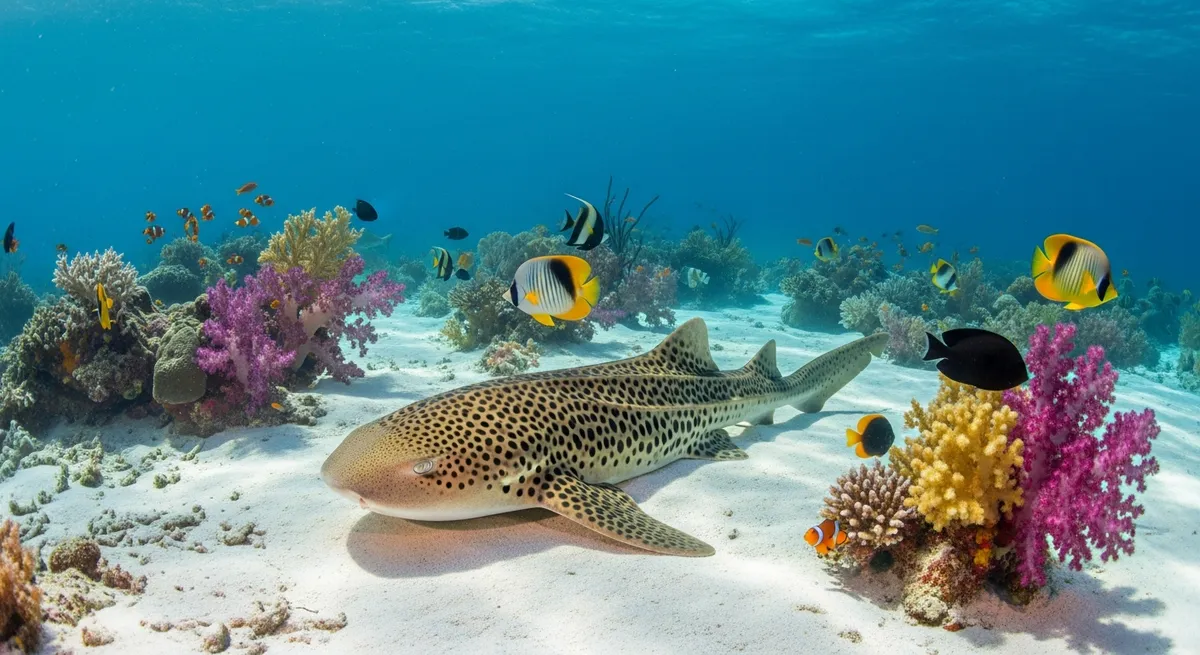
The marine environment in Thailand is remarkably diverse and accessible even at shallower depths. Beginners can expect to encounter a vibrant array of reef fish such as clownfish, angelfish, butterflyfish, and parrotfish. Hard and soft coral gardens are extensive and provide ample visual interest. While it is a popular destination, the vast number of dive sites (539 across 6 regions) means that many beginner-friendly spots are well-managed and offer a relaxed atmosphere. While some areas have stronger currents, the majority of beginner sites are selected for their calm conditions, making skill development straightforward.
Best Beginner-Friendly Regions
Koh Tao: Known as one of the world's most popular places to get certified, Koh Tao offers numerous shallow, sheltered bays perfect for learning. Sites like Japanese Gardens and Mango Bay feature calm, clear conditions and abundant reef fish at depths suitable for Open Water training. The island has a high concentration of dive schools, ensuring competitive pricing and a wide choice of instructors and languages. Its relaxed island vibe further contributes to a positive learning environment.
Koh Lanta & Phi Phi: This region provides a good balance of beginner-friendly sites with opportunities for slightly more varied marine encounters. For beginners, sites around Koh Phi Phi Leh such as Maya Bay and Loh Samah Bay offer protected coves with vibrant coral and plenty of reef fish. Koh Lanta itself is a quieter base with easy access to these sites, often via day trips. The water conditions are generally calm, especially during the peak season, making it suitable for initial training and fun dives.
Similan Islands: While often associated with advanced diving, the Similan Islands also offer specific sites suitable for beginners, particularly the eastern side of the islands. Sites like East of Eden and Breakfast Bend have shallower sections with impressive coral formations and a good chance to see larger pelagic species at appropriate depths without strong currents. Access is typically via liveaboard boats or day trips from Khao Lak, providing a comprehensive dive experience in a protected marine park. Ensure your dive operator explicitly offers beginner-friendly itineraries for this region.
What Certification Do You Need?
To fully explore Thailand's underwater world beyond a Discover Scuba Diving experience, you will need an entry-level certification such as the PADI Open Water Diver or an equivalent from another recognized agency like SSI, NAUI, or CMAS. The PADI Open Water Diver course is widely available across Thailand, with hundreds of dive centers offering instruction in multiple languages. This certification qualifies you to dive independently with a buddy to a maximum depth of 18 meters (60 feet), which is sufficient for accessing the vast majority of beginner and intermediate dive sites in Thailand. Local dive centers are abundant, particularly in Koh Tao, Phuket, and Koh Lanta, making it easy to find a course that fits your schedule and budget. PADI and SSI are the most popular agencies in the region.
Best Time to Visit
Thailand has two main diving seasons, depending on the coast. For the Andaman Sea (Similan Islands, Phuket, Koh Lanta, Phi Phi), the best time to visit is from November to April. During these months, the weather is dry, seas are calm, and visibility is at its best, often exceeding 20 meters. Water temperatures typically range from 27-29°C (80-84°F). The Gulf of Thailand (Koh Tao, Koh Samui, Koh Phangan) experiences its peak season from May to September, with similarly calm conditions and water temperatures of 28-30°C (82-86°F). There is a crossover period in October and May where both coasts can offer good conditions. Always check regional forecasts, as weather patterns can vary. The monsoon season generally runs from May to October on the Andaman side and October to December on the Gulf side, bringing rougher seas and reduced visibility, though diving is often still possible in sheltered areas.
What to Expect on Your First Dive
Your first dive in Thailand, whether a Discover Scuba Dive or part of your Open Water course, typically begins at a local dive center. You'll check in, complete necessary paperwork, and receive a thorough briefing covering equipment, basic safety rules, and underwater communication. You'll then be fitted with gear-mask, fins, wetsuit (usually a thin 3mm shorty or full suit), BCD, regulator, and weights. Most dives in Thailand are boat dives, meaning you'll travel by speed boat or longtail boat to a sheltered dive site. Once at the site, your instructor will guide you through a final gear check before a controlled entry into the water, often a giant stride or back roll from the boat.
Underwater, your instructor will lead you through shallow water skills, such as mask clearing and regulator recovery, before you begin exploring. The pace is slow and controlled, focusing on comfort and enjoyment. Expect calm conditions at beginner sites with minimal current. You'll spend about 30-50 minutes underwater, observing marine life and practicing buoyancy, all under the close supervision of your instructor. Exiting the water is typically back onto the boat, followed by a surface interval and possibly a second dive, depending on your program.
Budget Guide
Diving in Thailand is generally affordable, especially compared to Western countries. A Discover Scuba Diving (DSD) experience, which allows you to try diving under direct supervision without certification, typically costs 2,500-4,000 THB (approximately $70-110 USD) for one or two dives. An Open Water Diver course, including all materials, equipment rental, and certification fees, usually ranges from 10,000-15,000 THB (approximately $280-420 USD) for 3-4 days of instruction. Fun dives for certified divers are around 1,000-1,500 THB (approximately $28-42 USD) per dive, with discounts often available for multi-dive packages. Equipment rental is usually included in course fees and fun dive prices. Accommodation costs vary widely: budget guesthouses can be 300-800 THB ($8-22 USD) per night, mid-range hotels 1,000-2,500 THB ($28-70 USD), and resorts 3,000+ THB ($85+ USD).
Essential Tips
- Book in Advance for Peak Season: Especially for courses or liveaboards in the Similan Islands, booking a few months ahead is advisable during the November-April peak season to secure your spot.
- Choose a Reputable Dive Center: Look for centers with good reviews, well-maintained equipment, and experienced instructors. Don't base your decision solely on price.
- Stay Hydrated: The tropical climate and physical exertion of diving mean you'll dehydrate faster. Drink plenty of water throughout the day.
- Respect Marine Life: Do not touch corals or marine animals. Maintain proper buoyancy to avoid accidental contact with the reef.
- Consider Travel Insurance: Ensure your travel insurance covers scuba diving, as standard policies might exclude it.
- Bring Reef-Safe Sunscreen: Protect your skin without harming the delicate coral ecosystems.
- Learn Basic Thai Phrases: A few simple phrases like 'Sawasdee ka/krap' (hello/goodbye) and 'Kob kun ka/krap' (thank you) will be appreciated by locals.
At a Glance
| Destination | Difficulty | Best Months |
|---|---|---|
| Similan IslandsThailand | Beginner | Jan-Dec |
| Koh TaoThailand | Beginner | Jan-Dec |
| Koh Lanta & Phi PhiThailand | Beginner | Jan-Mar, Oct-Dec |
| Gulf of ThailandThailand | Beginner | Jan-Dec |
| Surin IslandsThailand | Beginner | - |
Similan Islands
Thailand
Difficulty
Beginner
Best Months
Jan-Dec
Water Temp
29-31C
Dive Centres
119
Practical Info
- dive Sites:
- 238
- dive Centres:
- 119
Koh Tao
Thailand
Difficulty
Beginner
Best Months
Jan-Dec
Water Temp
28-31C
Dive Centres
135
Practical Info
- dive Sites:
- 121
- dive Centres:
- 135
Koh Lanta & Phi Phi
Thailand
Difficulty
Beginner
Best Months
Jan-Mar, Oct-Dec
Water Temp
28-31C
Dive Centres
13
Practical Info
- dive Sites:
- 90
- dive Centres:
- 13
Gulf of Thailand
Thailand
Difficulty
Beginner
Best Months
Jan-Dec
Water Temp
28-28C
Dive Centres
120
Practical Info
- dive Sites:
- 90
- dive Centres:
- 120
Frequently Asked Questions
Do I need a certification to dive in Thailand?
To fully explore Thailand's dive sites, an entry-level certification like PADI Open Water Diver or equivalent is needed. This allows you to dive independently with a buddy to 18 meters. However, you can try a Discover Scuba Diving experience without certification, which involves supervised dives to shallower depths.
How much does diving cost in Thailand?
A Discover Scuba Diving experience typically costs 2,500-4,000 THB ($70-110 USD). An Open Water Diver course ranges from 10,000-15,000 THB ($280-420 USD). Fun dives for certified divers are around 1,000-1,500 THB ($28-42 USD) per dive, with equipment rental usually included.
What is the best time to dive in Thailand?
For the Andaman Sea (Phuket, Similan Islands, Koh Lanta), the best time is November to April. For the Gulf of Thailand (Koh Tao), May to September offers the best conditions. These periods feature dry weather, calm seas, and good visibility, with water temperatures around 27-30°C.
Is Thailand safe for beginner divers?
Yes, Thailand is considered very safe for beginner divers. Numerous dive centers cater specifically to new divers, offering calm, shallow sites and experienced instructors. The warm water and good visibility contribute to a comfortable and less stressful learning environment. Always choose a reputable dive center.
What marine life will I see in Thailand?
Beginner divers in Thailand can expect to see a wide variety of reef fish, including clownfish, angelfish, butterflyfish, and parrotfish. You'll also encounter vibrant hard and soft coral gardens, sea anemones, and possibly small reef sharks or turtles at some sites, even at shallower depths.
Related Guides
Planning when to go?
See the month-by-month conditions guide