First Time Diving in Tonga - A Beginner's Complete Guide
Everything you need to know before your first dive in Tonga
Why Tonga for Your First Dives?
Tonga offers a unique introduction to scuba diving, particularly appealing for those seeking a tranquil and uncrowded underwater experience. While some dive sites present intermediate challenges, the country also provides several sheltered and calm locations ideal for beginners. The water temperature consistently ranges from 24-28°C (75-82°F) year-round, eliminating the need for thick wetsuits and enhancing comfort during initial dives. Visibility is generally excellent, often exceeding 20 meters (65 feet), allowing new divers clear views of their surroundings and making it easier to manage buoyancy and observe marine life.
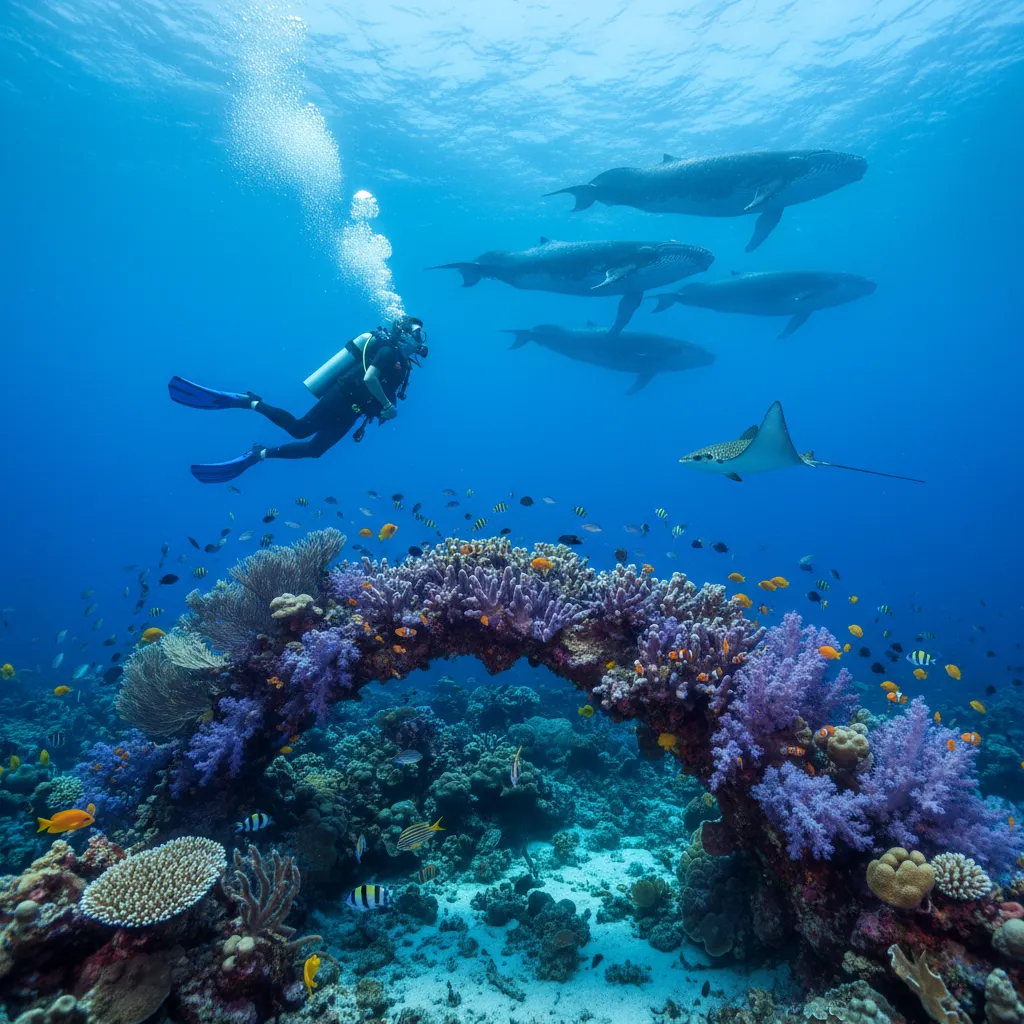
For beginners, Tonga's appeal lies in its gentle reef systems and the opportunity to encounter diverse marine life in a relaxed environment. You can expect to see vibrant reef fish, various hard and soft corals, and even some larger pelagic species like reef sharks and manta rays in appropriate conditions. While Tonga is not exclusively a beginner destination, its specific beginner-friendly sites offer a calm and beautiful setting for gaining confidence underwater, supported by local dive operators who are accustomed to guiding new divers.
Best Beginner-Friendly Regions
With 23 dive sites spread across three main regions, Tonga offers a mix of experiences. For beginners, focusing on specific areas is key.
Vava'u Group: This northern group is known for its sheltered waters and numerous caves and caverns, many of which are accessible to beginner divers with proper guidance. The relatively calm conditions within the lagoons make it an excellent spot for initial dives and skill practice. While specific beginner sites aren't always named universally, local operators frequently use shallow, protected areas for Discover Scuba Diving experiences and Open Water training.
Tongatapu: The main island group, Tongatapu, also offers some accessible dive sites, particularly along its western and northern coasts. These areas often feature shallower reefs with less exposure to strong currents, making them suitable for divers just starting out. Dive operators here can guide you to sites with gentle slopes and abundant reef fish, providing a relaxed introduction to the underwater world.
Ha'apai Group: Positioned centrally, Ha'apai provides a more remote and pristine diving experience. For beginners, the focus will be on the inner lagoon areas and protected coral gardens. These sites typically have good visibility and minimal current, allowing new divers to focus on buoyancy control and enjoying the marine environment. The uncrowded nature of Ha'apai adds to the tranquility of a first dive experience.
What Certification Do You Need?
To participate in guided fun dives in Tonga, you will need a PADI Open Water Diver certification or an equivalent certification from another recognized agency such as SSI, NAUI, or CMAS. This certification demonstrates that you have completed basic dive training and are competent to dive to a maximum depth of 18 meters (60 feet) with a buddy.
If you are not yet certified, you can enroll in a PADI Discover Scuba Diving (DSD) experience. This allows you to dive under direct supervision of an instructor to a shallower depth, typically around 12 meters (40 feet), without needing full certification. Most local dive centers in Tonga offer both DSD programs and full PADI Open Water Diver courses. PADI is the most commonly recognized and offered certification agency in Tonga.
Best Time to Visit
The best time to visit Tonga for diving is during the dry season, which runs from May to November. During these months, the weather is generally stable with less rainfall and lower humidity, leading to calmer seas and excellent underwater visibility. Air temperatures average between 24-28°C (75-82°F), and water temperatures range from 24-27°C (75-81°F).
The peak season for whale watching, which often combines with diving trips, is from July to October. While this period offers the unique opportunity to snorkel with humpback whales, dive operators are still running regular dive trips. The wet season, from December to April, brings higher rainfall and can result in choppier seas and slightly reduced visibility, though diving is still possible. For optimal conditions and comfort, target the May to November window.
What to Expect on Your First Dive
Your first dive in Tonga, especially if it's a Discover Scuba Diving experience or part of an Open Water course, will follow a structured process designed for safety and enjoyment. You'll typically start at a local dive center for check-in and paperwork. Next, a comprehensive briefing will cover the dive plan, safety procedures, hand signals, and what marine life you might encounter. Your instructor will assist you with gearing up, ensuring your equipment fits correctly and you understand its function.
Most dives in Tonga are boat dives, as many of the best sites are offshore. After a short boat ride, you'll enter the water, often with a controlled backward roll or a giant stride entry. Your instructor will guide you through initial breaths underwater and buoyancy checks. The typical dive style for beginners will be in calm, shallow areas with minimal current, allowing you to focus on breathing and enjoying the underwater environment. You'll explore vibrant coral reefs, observe reef fish, and practice basic dive skills under constant supervision. The emphasis is on a relaxed and comfortable introduction to diving.
Budget Guide
Diving in Tonga can be a significant part of your travel budget. Here's a realistic breakdown:
- Discover Scuba Diving (DSD): Expect to pay around TOP 150-250 (USD 65-110) for a DSD experience, which typically includes equipment rental and one supervised dive.
- PADI Open Water Course: A full PADI Open Water Diver course usually costs between TOP 800-1200 (USD 350-520), covering theory, confined water training, and four open water dives, plus certification fees and equipment rental.
- Fun Dives (Certified Divers): A single fun dive typically costs TOP 100-150 (USD 45-65), while a two-tank dive package is around TOP 200-280 (USD 90-120). Discounts are often available for multi-day dive packages.
- Equipment Rental: Most dive packages include basic equipment (BCD, regulator, wetsuit, mask, fins). If rented separately, expect to pay TOP 20-50 (USD 9-22) per item per day.
- Accommodation: Budget guesthouses and fales can range from TOP 80-150 (USD 35-65) per night. Mid-range resorts might cost TOP 200-400 (USD 90-175) per night. Luxury options are available at higher price points.
Essential Tips
- Book in Advance: Especially during peak season (July-October), dive operators and popular accommodations can book up quickly. Secure your spots well ahead of your travel dates.
- Respect Local Customs: Tonga is a conservative country. Dress modestly when not diving, particularly outside of resorts. Sundays are a day of rest, with most businesses closed.
- Sun Protection: The equatorial sun is strong. Use reef-safe sunscreen, wear a hat, and consider a rash guard for surface intervals.
- Small Local Currency: While some larger operators may accept credit cards, it's wise to carry sufficient Tongan Pa'anga (TOP) for smaller purchases, tips, and remote areas.
- Bring Motion Sickness Medication: If you are prone to seasickness, bring appropriate medication, as many dives involve boat travel.
- Hydrate Well: The tropical climate and physical exertion of diving require good hydration. Drink plenty of water before and after your dives.
- Understand Whale Season Impact: If traveling during whale season, be aware that dive operators may prioritize whale snorkeling trips, potentially affecting dive schedules. Confirm dive availability when booking.
At a Glance
| Destination | Difficulty | Best Months |
|---|---|---|
| Vava'u GroupTonga | Beginner | Jan-Dec |
| TongatapuTonga | Beginner | - |
| Ha'apai GroupTonga | Beginner | Jan-Dec |
Vava'u Group
Tonga
Difficulty
Beginner
Best Months
Jan-Dec
Water Temp
28-28C
Dive Centres
2
Practical Info
- dive Sites:
- 12
- dive Centres:
- 2
Ha'apai Group
Tonga
Difficulty
Beginner
Best Months
Jan-Dec
Water Temp
27-27C
Dive Centres
1
Practical Info
- dive Sites:
- 4
- dive Centres:
- 1
Frequently Asked Questions
Do I need a certification to dive in Tonga?
To go on guided fun dives, you need a PADI Open Water Diver certification or equivalent. If you're not certified, you can do a Discover Scuba Diving experience under instructor supervision, or enroll in a full Open Water course.
How much does diving cost in Tonga?
A Discover Scuba Diving experience costs around TOP 150-250 (USD 65-110). A PADI Open Water course is typically TOP 800-1200 (USD 350-520). A two-tank fun dive for certified divers is about TOP 200-280 (USD 90-120), including equipment rental.
What is the best time to dive in Tonga?
The best time to dive is during the dry season, from May to November. This period offers stable weather, calm seas, and excellent visibility. Water temperatures range from 24-27°C (75-81°F).
Is Tonga safe for beginner divers?
Yes, Tonga can be safe for beginner divers. There are specific sheltered dive sites in regions like Vava'u, Tongatapu, and Ha'apai that offer calm conditions, good visibility, and are suitable for learning, with experienced local dive operators.
What marine life will I see in Tonga?
In Tonga's waters, you can expect to see various reef fish, diverse hard and soft corals, reef sharks, and manta rays in appropriate conditions. During the season (July-October), you may also encounter humpback whales while snorkeling or on boat trips.
Related Guides
Planning when to go?
See the month-by-month conditions guide