First Time Diving in Turkey - A Beginner's Complete Guide
Everything you need to know before your first dive in Turkey
Why Turkey for Your First Dives?
Turkey offers a welcoming environment for beginner divers, making it an excellent choice for your initial underwater experiences. With 108 dive sites spread across its beautiful coastline, a significant portion caters to those new to the sport. The Mediterranean climate ensures warm water temperatures, particularly during the summer months, which reduces the need for thick wetsuits and makes long bottom times more comfortable. Visibility is generally very good, often exceeding 20 meters, allowing new divers to maintain orientation and enjoy the underwater scenery without feeling overwhelmed.
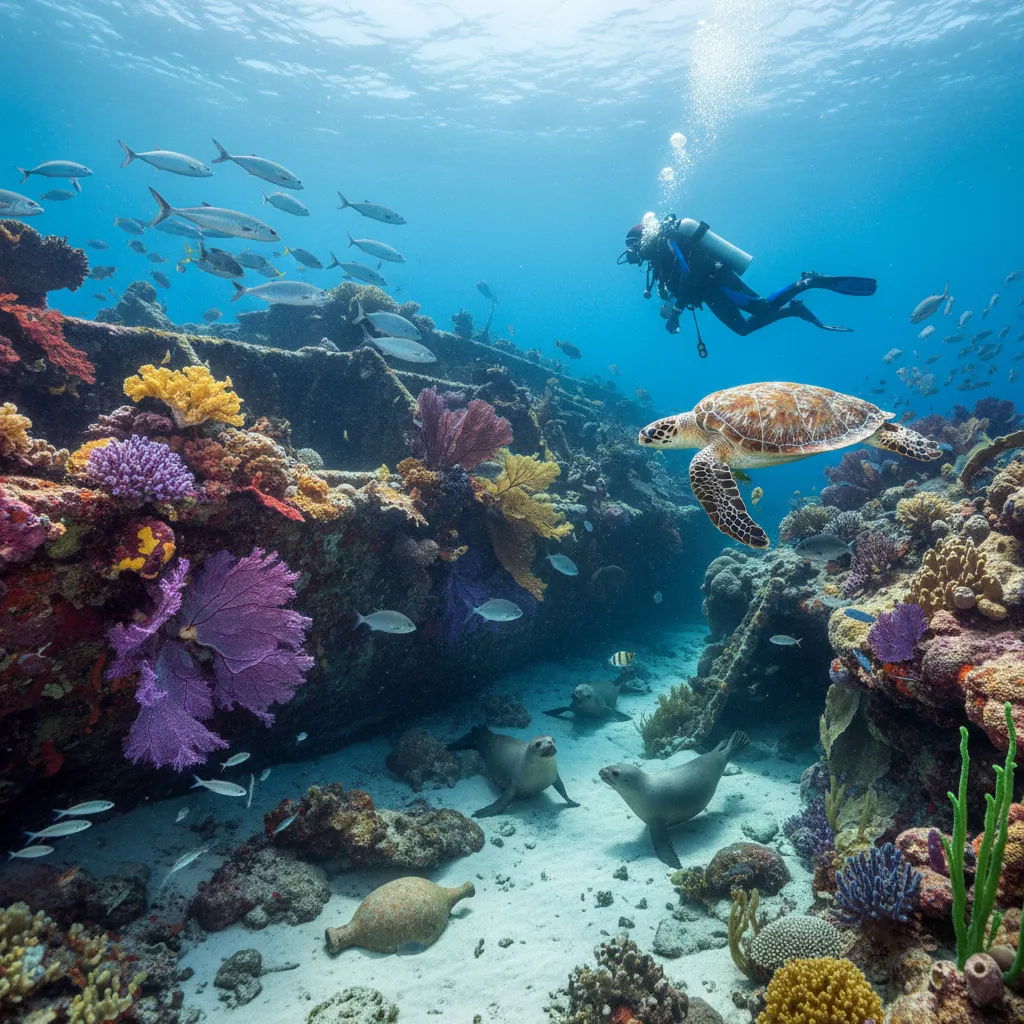
While Turkey may not boast the extensive coral reefs found in some tropical destinations, its underwater landscape is rich with historical artifacts, intriguing rock formations, and a diverse range of Mediterranean marine life. You can expect to encounter various fish species, octopuses, moray eels, and sometimes even sea turtles. The currents in many beginner-friendly areas are typically mild, providing a relaxed and safe environment to practice buoyancy and develop confidence. The presence of numerous professional dive centers also ensures high safety standards and experienced instructors.
Best Beginner-Friendly Regions
Kas & Kekova: Located on Turkey's southwestern coast, this region is renowned for its calm, clear waters and accessible dive sites. Beginners will find numerous shallow reefs and historical sites like the sunken city of Kekova, which offer gentle conditions for their first dives. Sites such as the Canyon or the Lighthouse are popular for their easy entry and calm conditions, allowing new divers to focus on skills rather than challenging environments. The area is also well-served by dive centers.
Bodrum: Situated on the Aegean coast, Bodrum is another excellent choice for beginners. Its sheltered bays provide calm conditions, and many dive sites are close to shore, making for short boat rides. Beginner-specific sites often feature gentle slopes and minimal currents, ideal for skill development. Expect to see various fish and perhaps some smaller wrecks suitable for introductory exploration. Bodrum's well-developed tourism infrastructure also means a wide selection of reputable dive operators.
What Certification Do You Need?
To participate in guided fun dives in Turkey, you will generally need to hold an entry-level certification such as the PADI Open Water Diver or an equivalent qualification from another recognized agency like SSI, CMAS, or BSAC. If you are completely new to diving, you can start with a Discover Scuba Diving (DSD) experience, which allows you to dive under direct instructor supervision without prior certification. Many local dive centers in Turkey are PADI or SSI affiliated, offering courses from DSD to advanced levels with multilingual instructors. It's advisable to check with your chosen dive center about the specific agencies they are affiliated with.
Best Time to Visit
The best time to visit Turkey for diving is from May to October. During these months, the weather is consistently warm and sunny, and the sea conditions are generally calm. Water temperatures range from approximately 20°C (68°F) in May to a peak of 28°C (82°F) in August, gradually cooling to around 24°C (75°F) by October. Peak season, July and August, offers the warmest water but can also be the busiest with tourists. For fewer crowds and still excellent conditions, consider May-June or September-October. Visibility remains consistently good throughout this period, typically ranging from 15-30 meters.
What to Expect on Your First Dive
Upon arrival at the dive center, you'll typically complete registration paperwork and present your certification card if applicable. You'll then receive a thorough dive briefing from your instructor, covering the dive site, safety procedures, communication signals, and marine life you might encounter. Following the briefing, you'll be fitted with your rental equipment, including a wetsuit, BCD, regulator, mask, and fins. Most beginner dives in Turkey are conducted from boats, which usually depart from a harbor. Expect a short boat ride to the dive site.
Once at the site, your instructor will guide you through donning your gear and conducting a buddy check. Entry into the water is usually a giant stride from the boat. You'll spend a few moments on the surface to ensure comfort and perform any final checks before descending slowly with your instructor. The underwater experience will focus on controlled breathing, buoyancy practice, and observing the marine environment. Dives are typically calm with minimal current, allowing for a relaxed introduction to the underwater world. After the dive, you'll return to the boat, de-gear, and enjoy the journey back to the harbor, often with refreshments provided.
Budget Guide
Diving in Turkey is generally considered affordable compared to many other popular dive destinations. Here's a realistic cost breakdown:
- Discover Scuba Diving (DSD) Experience: Expect to pay between ₺1,000 - ₺1,800 (approximately $30 - $55 USD) for a single DSD. This usually includes equipment rental and direct instructor supervision.
- PADI Open Water Diver Course: A full Open Water certification course typically costs between ₺8,000 - ₺15,000 (approximately $250 - $450 USD). This price usually covers all academic materials, confined water sessions, four open water dives, equipment rental, and certification fees.
- Fun Dives (Certified Divers): A single fun dive will cost around ₺800 - ₺1,200 (approximately $25 - $40 USD), while a package of two dives on the same day often ranges from ₺1,200 - ₺2,000 (approximately $40 - $60 USD). These prices usually include tanks, weights, and guide services. Full equipment rental might be an additional ₺200 - ₺400 ($5 - $15 USD) per day.
- Accommodation: Budget-friendly guesthouses or hostels can be found for ₺500 - ₺1,000 ($15 - $30 USD) per night. Mid-range hotels typically cost ₺1,500 - ₺3,000 ($45 - $90 USD) per night.
Essential Tips
- Book in Advance During Peak Season: Especially if traveling between July and August, dive centers can get fully booked. Secure your spot well ahead of time.
- Check Instructor Languages: Many dive centers cater to international tourists, but confirm that instructors fluent in your preferred language are available for courses or briefings.
- Sun Protection is Key: Even when on a boat, the Mediterranean sun is strong. Bring high-SPF sunscreen, a hat, and sunglasses.
- Hydrate Regularly: The warm climate and physical activity of diving require good hydration. Drink plenty of water before and after your dives.
- Respect Marine Life: Observe marine creatures without touching them. This includes not collecting souvenirs like shells or rocks from the dive sites.
- Consider a Rash Guard: While wetsuits are provided, a thin rash guard worn underneath can add extra warmth, prevent chafing, and offer sun protection during surface intervals.
- Bring a Logbook: If you are a certified diver, remember to bring your logbook to record your dives.
At a Glance
| Destination | Difficulty | Best Months |
|---|---|---|
| Kas & KekovaTurkey | Beginner | - |
| BodrumTurkey | Beginner | Jan-Dec |
Bodrum
Turkey
Difficulty
Beginner
Best Months
Jan-Dec
Water Temp
19-19C
Dive Centres
28
Practical Info
- dive Sites:
- 34
- dive Centres:
- 28
Frequently Asked Questions
Do I need a certification to dive in Turkey?
To go on guided fun dives, you'll need an entry-level certification like PADI Open Water Diver or equivalent. If you're new to diving, you can try a Discover Scuba Diving (DSD) experience under direct instructor supervision, which doesn't require prior certification.
How much does diving cost in Turkey?
A Discover Scuba Diving experience typically costs ₺1,000 - ₺1,800 ($30 - $55 USD). A PADI Open Water course is around ₺8,000 - ₺15,000 ($250 - $450 USD). Fun dives for certified divers are ₺800 - ₺1,200 ($25 - $40 USD) per single dive, with packages available.
What is the best time to dive in Turkey?
The best time for diving in Turkey is from May to October. Water temperatures range from 20°C (68°F) in May to 28°C (82°F) in August, with good visibility and generally calm conditions.
Is Turkey safe for beginner divers?
Yes, Turkey is safe for beginner divers. Many dive sites, particularly in regions like Kas & Kekova and Bodrum, offer calm, shallow conditions with minimal currents. Dive centers adhere to safety standards and provide experienced, often multilingual, instructors.
What marine life will I see in Turkey?
While Turkey doesn't have extensive coral reefs, you can expect to see a variety of Mediterranean marine life. This includes various fish species, octopuses, moray eels, and sometimes sea turtles. The underwater landscape also features interesting rock formations and historical artifacts.
Related Guides
Planning when to go?
See the month-by-month conditions guide