First Time Diving in United States - A Beginner's Complete Guide
Everything you need to know before your first dive in United States
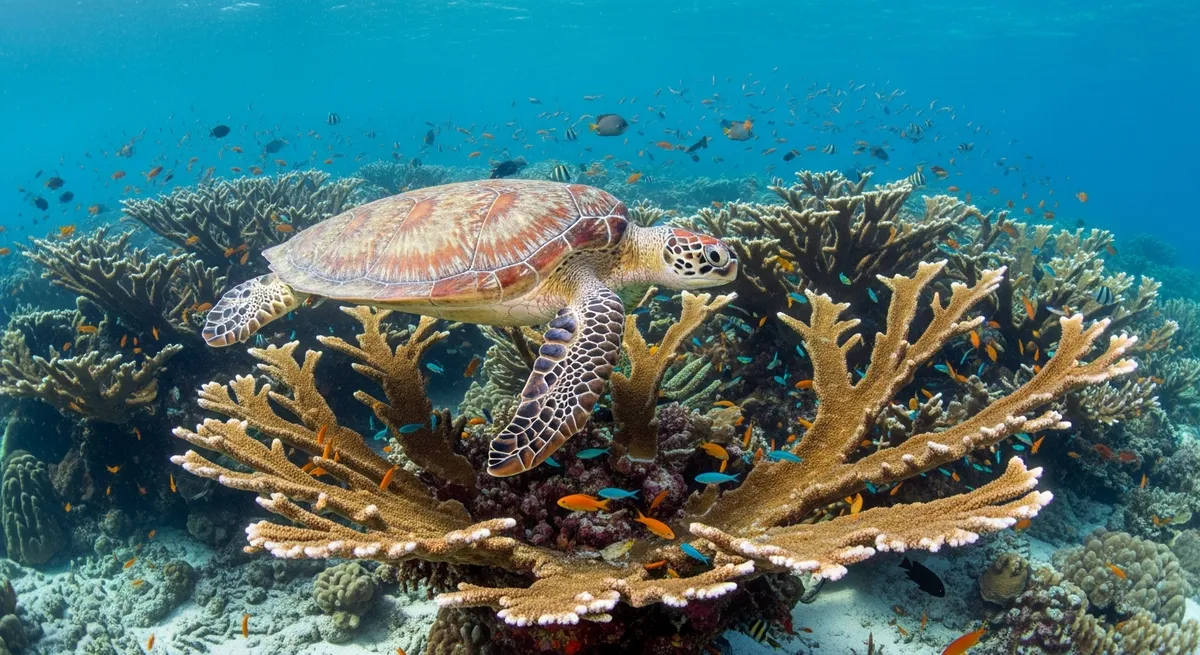
Why United States for Your First Dives?
The United States offers a surprisingly diverse range of diving experiences, making it a suitable, though sometimes challenging, destination for beginners. With 1328 dive sites spread across 10 regions, you'll find everything from warm, calm reefs to cooler, more dynamic environments. For first-time divers, regions like the Florida Keys and Florida Springs provide excellent entry points with generally good visibility and abundant marine life in comfortable water temperatures, often ranging from 75-85°F (24-29°C) in the Keys during summer. While some areas, like the Pacific Northwest, are renowned for their advanced cold-water diving, the sheer volume of sites means there are plenty of options tailored for those just starting out.
While not all US diving is tropical, the beginner-friendly sites often feature gentle currents and shallow depths, perfect for mastering buoyancy and getting comfortable underwater. You can expect to encounter a variety of marine life, from colorful reef fish and turtles in Florida to playful sea lions in parts of California. The infrastructure for diving is well-developed, with numerous dive shops offering courses and guided trips. However, it's important to note that some regions, particularly those with colder water or stronger currents, will present a greater challenge, so choosing your location carefully based on your experience level is crucial. The US offers a practical and accessible pathway into diving, with a strong emphasis on safety and professional instruction.
Best Beginner-Friendly Regions
Florida Keys: This chain of islands boasts warm, clear waters and extensive coral reefs, making it an ideal spot for new divers. The shallow, protected reefs offer gentle conditions and vibrant marine ecosystems. Key Largo is particularly famous, with sites like the Christ of the Abyss statue (in a relatively shallow area) and many easy reef dives at Molasses Reef. Expect to see parrotfish, angelfish, barracuda, and often loggerhead turtles. The consistent warm water and excellent visibility make it easy to focus on your skills.
Florida Springs: For a unique freshwater diving experience, Florida Springs are exceptional. These spring-fed caverns and open water basins offer constant 72°F (22°C) water year-round and often incredible visibility, sometimes exceeding 100 feet. Sites like Ginnie Springs (Devil's Eye, Devil's Ear) and Blue Grotto are popular for certification dives and offer calm, current-free environments. You might encounter freshwater turtles, various fish, and even manatees in some locations during cooler months. It's a very controlled and comfortable environment for learning.
California: While parts of California offer more challenging conditions, there are excellent beginner-friendly options, especially around Catalina Island and parts of Southern California. These areas offer kelp forest diving in relatively calm, protected coves. Sites like Casino Point Underwater Park on Catalina Island are specifically designed for divers, with easy shore access and depths suitable for beginners. You'll encounter Garibaldi (California's state fish), sea lions, leopard sharks, and a variety of colorful invertebrates. While the water is cooler (55-70°F/13-21°C), wetsuits are provided and the experience of diving in a kelp forest is unique.
What Certification Do You Need?
To participate in guided fun dives in the United States, you will generally need to hold an Open Water Diver certification from a recognized agency. PADI (Professional Association of Diving Instructors) Open Water Diver is the most widely accepted certification globally and within the US. However, certifications from other reputable agencies such as SSI (Scuba Schools International), NAUI (National Association of Underwater Instructors), and SDI (Scuba Diving International) are also readily accepted. Most dive centers across the US offer Open Water Diver courses, allowing you to complete your training locally. If you're not yet certified, you can start with a Discover Scuba Diving experience, which allows you to try diving under direct supervision without full certification, typically in shallow, calm water.
Best Time to Visit
The best time to visit for diving in the United States varies significantly by region. For the Florida Keys, late spring (April-May) and early fall (September-October) offer excellent conditions with comfortable water temperatures (78-84°F / 25-29°C), good visibility, and fewer crowds than peak summer. Summer (June-August) is also popular, with water temperatures reaching 85°F (29°C), but it's hurricane season. For Florida Springs, diving is excellent year-round due to the constant 72°F (22°C) water temperature. Winter months (November-March) are popular for manatee sightings, but surface air temperatures can be cooler. In California, especially Southern California and Catalina, summer and early fall (June-October) provide the warmest water (65-70°F / 18-21°C) and best visibility, though diving is possible year-round with appropriate exposure protection. In the Pacific Northwest, summer (July-September) offers the mildest surface conditions and generally better visibility, with water temperatures around 50-55°F (10-13°C). Always check local forecasts and dive shop conditions before booking.
What to Expect on Your First Dive
Your first dive experience in the United States, whether it's a Discover Scuba Dive or your initial certified fun dive, will typically begin at a local dive center. You'll check in, complete any necessary paperwork (waivers, medical forms), and then be provided with rental gear. A thorough briefing will cover the dive site, marine life you might encounter, hand signals, safety procedures, and an overview of the dive plan (depth, time). Depending on the region, your dive might be from a boat or a shore entry.
In places like the Florida Keys, boat dives are common. You'll gear up on the boat, complete a giant stride or back roll entry, and then descend with your instructor or guide. Expect generally calm conditions on popular beginner sites, with minimal current. In Florida Springs, shore entries are typical, with easy access to the water. In California, both boat and shore dives are common, with shore dives often involving a walk into the water from a beach. Underwater, your instructor will guide you, focusing on comfort, breathing, and basic buoyancy. The emphasis is on enjoying the environment and getting comfortable, rather than navigating or performing complex skills. You'll likely spend 30-60 minutes underwater, exploring the reef or spring, before a controlled ascent and return to the surface.
Budget Guide
Diving in the United States can vary in cost depending on the region and type of experience. A Discover Scuba Diving experience, a one-time supervised dive, typically costs around $100-150 USD. An Open Water Diver certification course, which includes instruction, pool sessions, and open water dives, generally ranges from $450-700 USD, often excluding materials and sometimes gear rental. Fun dives (for certified divers) usually cost $80-120 USD for a two-tank boat dive, including tanks and weights. Full equipment rental (BCD, regulator, wetsuit, mask, fins) adds approximately $40-60 USD per day. In cooler regions like California or the Pacific Northwest, drysuit rental might be an additional cost.
Accommodation ranges widely: budget motels can be found for $80-150 USD per night, while mid-range hotels are typically $150-300 USD. Meals can average $40-70 USD per day. Transportation costs will depend on whether you rent a car or rely on local transport. For a week-long trip, including a certification course, budget approximately $1500-2500 USD, not including flights. For certified divers doing multiple fun dives, a week could range from $1000-2000 USD, again, excluding flights.
Essential Tips
- Book in Advance: Especially for popular regions like the Florida Keys or during peak season, dive charters and courses can fill up quickly. Booking several weeks to months ahead is advisable.
- Check Water Temperatures: US dive sites span a wide range of climates. Always confirm the expected water temperature for your chosen region and time of year to ensure you pack appropriate exposure protection (wetsuit thickness, hood, gloves).
- Understand Local Regulations: Some areas, particularly marine protected zones, have specific rules regarding interaction with marine life, fishing, or anchoring. Your dive center will brief you, but it's good to be aware.
- Consider a Dive Accident Insurance: While not mandatory, dive accident insurance (e.g., DAN) is highly recommended due to the potential costs of medical emergencies.
- Factor in Travel Times: Distances between dive regions in the US can be significant. Plan your travel logistics carefully, especially if you intend to visit multiple locations.
- Tip Your Dive Crew: It is customary in the United States to tip dive boat captains and crew if you received good service, typically 15-20% of your dive cost.
- Altitude Considerations: If you plan to dive in mountainous regions (e.g., some lakes) or fly immediately after diving, be mindful of no-fly times and altitude limits for diving.
At a Glance
| Destination | Difficulty | Best Months |
|---|---|---|
| Florida KeysUnited States | Beginner | Mar-Jun, Sep-Nov |
| CaliforniaUnited States | Beginner | Jun-Oct |
| North CarolinaUnited States | Beginner | - |
| Pacific NorthwestUnited States | Beginner | - |
| Florida SpringsUnited States | Beginner | Apr-Jul, Sep-Nov |
Florida Keys
United States
Difficulty
Beginner
Best Months
Mar-Jun, Sep-Nov
Water Temp
19-32C
Dive Centres
88
Practical Info
- dive Sites:
- 308
- dive Centres:
- 88
California
United States
Difficulty
Beginner
Best Months
Jun-Oct
Water Temp
14-21C
Dive Centres
120
Practical Info
- dive Sites:
- 213
- dive Centres:
- 120
North Carolina
United States
Difficulty
Beginner
Dive Centres
43
Practical Info
- dive Sites:
- 175
- dive Centres:
- 43
Pacific Northwest
United States
Difficulty
Beginner
Water Temp
7-17C
Dive Centres
49
Practical Info
- dive Sites:
- 168
- dive Centres:
- 49
Florida Springs
United States
Difficulty
Beginner
Best Months
Apr-Jul, Sep-Nov
Water Temp
16-31C
Dive Centres
8
Practical Info
- dive Sites:
- 123
- dive Centres:
- 8
Frequently Asked Questions
Do I need a certification to dive in United States?
Yes, to participate in guided fun dives in the United States, you will generally need an Open Water Diver certification from a recognized agency like PADI, SSI, NAUI, or SDI. If you are not certified, you can try a Discover Scuba Diving experience under direct supervision.
How much does diving cost in United States?
A Discover Scuba Dive costs $100-150 USD. An Open Water certification course typically ranges from $450-700 USD. Fun dives for certified divers are usually $80-120 USD for a two-tank boat dive, including tanks and weights. Equipment rental adds about $40-60 USD per day.
What is the best time to dive in United States?
For the Florida Keys, late spring (April-May) and early fall (September-October) offer excellent conditions. Florida Springs are great year-round. Southern California and Catalina are best in summer and early fall (June-October) for warmest water and visibility.
Is United States safe for beginner divers?
Yes, many regions in the United States, particularly the Florida Keys and Florida Springs, offer beginner-friendly dive sites with calm conditions, good visibility, and warm water. The diving industry is well-regulated with a strong emphasis on safety and professional instruction.
What marine life will I see in United States?
In Florida, expect colorful reef fish, angelfish, barracuda, and loggerhead turtles. Florida Springs offer freshwater turtles and sometimes manatees. California's kelp forests feature Garibaldi, sea lions, leopard sharks, and various invertebrates.
Related Guides
Planning when to go?
See the month-by-month conditions guide