Mastering Buoyancy Control: The #1 Diving Skill
By DivePlnr Editorial Team | Published March 2026 | Updated March 2026
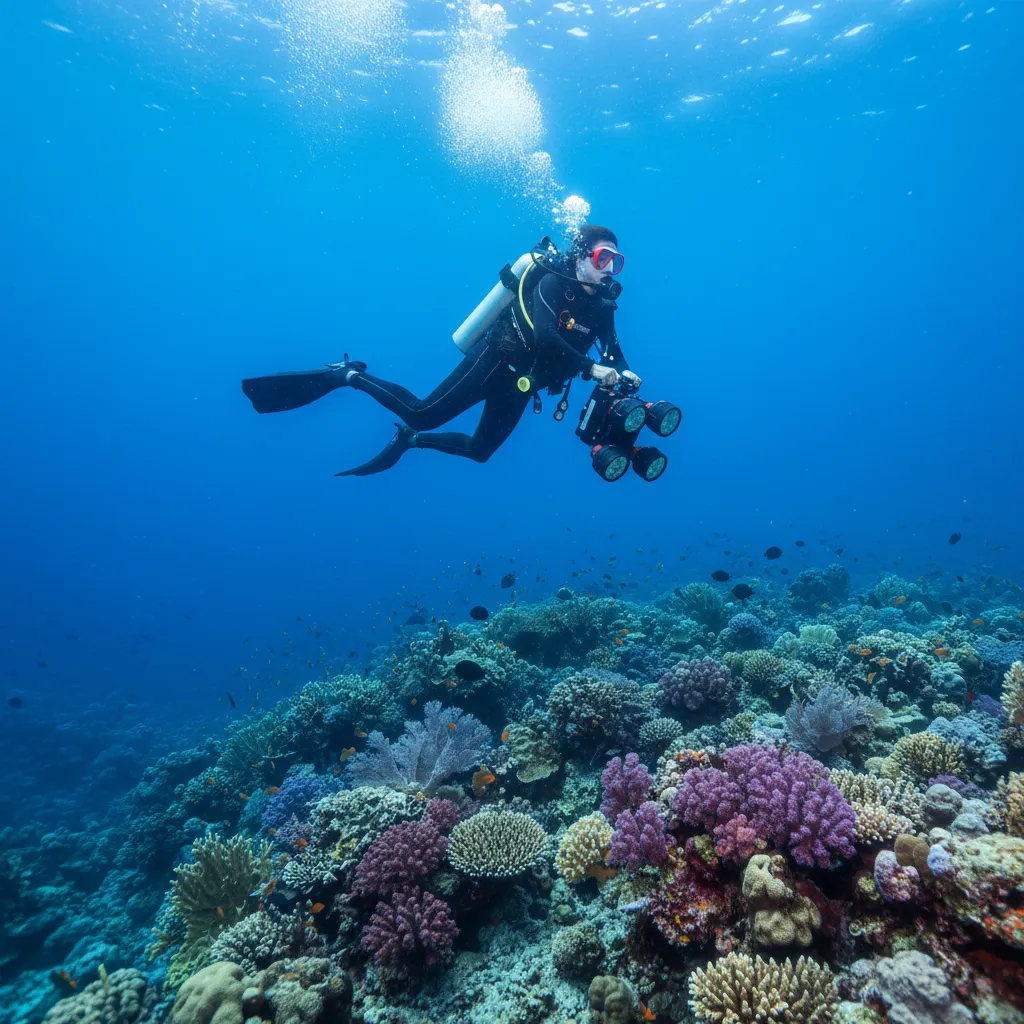
Ask any experienced diver to name the most important diving skill and the answer is almost always the same: buoyancy control. Good buoyancy is the foundation upon which every other diving skill is built. A diver with excellent buoyancy moves through the water effortlessly, hovers motionless over a reef, maintains a perfect horizontal trim, and barely disturbs the environment. A diver with poor buoyancy bounces off the bottom, kicks coral, stirs up silt, burns through air at double the normal rate, and constantly adjusts position. The difference is dramatic and visible from the first few seconds of a dive. Buoyancy control involves managing the interplay between your weight, your exposure suit, the air in your BCD, the air in your lungs, and the compressive effects of water pressure at depth. As you descend, your wetsuit compresses and you become less buoyant. As you ascend, it expands and you become more buoyant. Your BCD compensates for these changes by adding or venting air. But the finest buoyancy adjustments come from your breathing - inhale and you rise slightly; exhale and you sink slightly. This breath-driven control is the secret that separates good divers from great divers. Mastering buoyancy takes practice, awareness, and patience, but the rewards are transformative: longer dives, better air consumption, closer marine life encounters, and a profound sense of control and relaxation underwater.
Understanding the Physics
Archimedes' principle states that an object immersed in fluid experiences an upward buoyant force equal to the weight of the fluid displaced. If the buoyant force exceeds the object's weight, it floats (positive buoyancy). If it is less, the object sinks (negative buoyancy). When they are equal, the object hovers - neutral buoyancy, the diver's goal.
A diver's buoyancy is affected by several factors: body composition (muscle is denser than fat), equipment weight, exposure suit thickness and type, air in the BCD, air in the lungs, depth (which compresses neoprene and air spaces), and even water type (salt water is denser than fresh water, providing more buoyancy).
Proper Weighting
Correct weighting is the foundation of good buoyancy. Too much weight is the single most common buoyancy problem among newer divers. Overweighting forces you to add more air to your BCD to compensate, which creates a larger air volume that changes dramatically with depth, causing the yo-yo effect - sinking rapidly on descent and becoming increasingly buoyant on ascent.
The standard weight check: float at the surface with all equipment on and a full tank. Deflate your BCD completely. With a normal breath, you should float at eye level. When you exhale, you should begin to sink slowly. Add or remove weight until this is achieved. Note that you will be slightly heavier at the start of a dive (full tank) and lighter at the end (near-empty tank), so factor in approximately 2kg for the air you will consume.
BCD Management
Your BCD is a coarse buoyancy adjustment tool, not a fine one. Add air in small bursts during descent - one or two taps on the inflate button at a time, then wait to assess the effect. On ascent, vent air in small amounts to prevent runaway buoyancy. The goal is to make as few BCD adjustments as possible. Many experienced divers make only 2-3 BCD adjustments during an entire dive after achieving initial neutral buoyancy.
Breathing for Buoyancy
This is the key technique that transforms buoyancy control. Your lungs are a variable buoyancy device - they hold 4-6 litres of air, which represents several kilograms of buoyancy change. By breathing slightly deeper, you become more buoyant. By breathing slightly shallower, you become less buoyant. To hover perfectly, find a breathing rhythm where your inhale and exhale produce tiny, balanced vertical oscillations. Slow, controlled breathing is the hallmark of excellent buoyancy control.
Trim and Body Position
Trim refers to your horizontal orientation in the water. Ideal trim is flat and horizontal - parallel to the reef below you. Poor trim, where your body is more vertical with feet below you, increases drag and makes finning less efficient. Good trim is achieved through proper weight placement (not just amount), BCD style, and body awareness. Move weights from your waist belt to higher positions (BCD integrated pockets, tank trim weights) to shift your centre of gravity.
Practice Exercises
Hover in mid-water without kicking or using your hands. Start at a comfortable depth (5-10 metres) and try to maintain position for 60 seconds using breathing alone. Practice the fin pivot: lie face down on a sandy bottom with a slightly negative buoyancy, inhale to raise your upper body off the sand, exhale to lower it. This teaches the direct relationship between breathing and buoyancy. Swim through a series of hoops at different depths without touching them. These exercises build muscle memory that becomes automatic over time.
Key Takeaways
- 1Buoyancy control is universally considered the most important diving skill to master
- 2Correct weighting is the foundation - most new divers carry too much weight
- 3Use your BCD for coarse adjustments and your breathing for fine buoyancy control
- 4Inhale to rise slightly, exhale to sink slightly - breathing is your precision buoyancy tool
- 5Good trim (horizontal body position) reduces drag and improves air consumption
- 6Practice hovering motionless in mid-water using only breathing to maintain depth
Frequently Asked Questions
How do I know if I am overweighted?
Signs of overweighting include: needing to add lots of air to your BCD to stay neutral, experiencing the 'yo-yo' effect (rapid descent, buoyant ascent), feet-down trim despite effort to stay horizontal, and fast air consumption. Do a proper weight check at the surface: with an empty BCD and a normal breath, you should float at eye level and begin to sink when you exhale.
How long does it take to master buoyancy?
Most divers notice significant improvement within 20-30 dives. True mastery - the ability to hover motionless at any depth for extended periods - typically develops over 50-100 dives. Dedicated practice sessions focused specifically on buoyancy accelerate the learning process dramatically. Consider a Peak Performance Buoyancy specialty course.
Why does my buoyancy change during a dive?
Several factors cause buoyancy to change: you become lighter as you breathe air from your tank (losing about 2kg of air weight per dive), your wetsuit compresses with depth (making you less buoyant deeper), and temperature changes can affect neoprene compression. This is why you need to vent BCD air on ascent even if you did not add any - the expanding wetsuit and remaining BCD air increase buoyancy as pressure decreases.
Is buoyancy different in fresh water vs salt water?
Yes - salt water is approximately 2.5% denser than fresh water, providing more buoyancy. A diver who is correctly weighted in salt water will be approximately 2-3 kilograms too heavy in fresh water and vice versa. Always do a weight check when switching between salt and fresh water environments.