How to Choose Your First Dive Destination
By DivePlnr Editorial Team | Published March 2026 | Updated March 2026
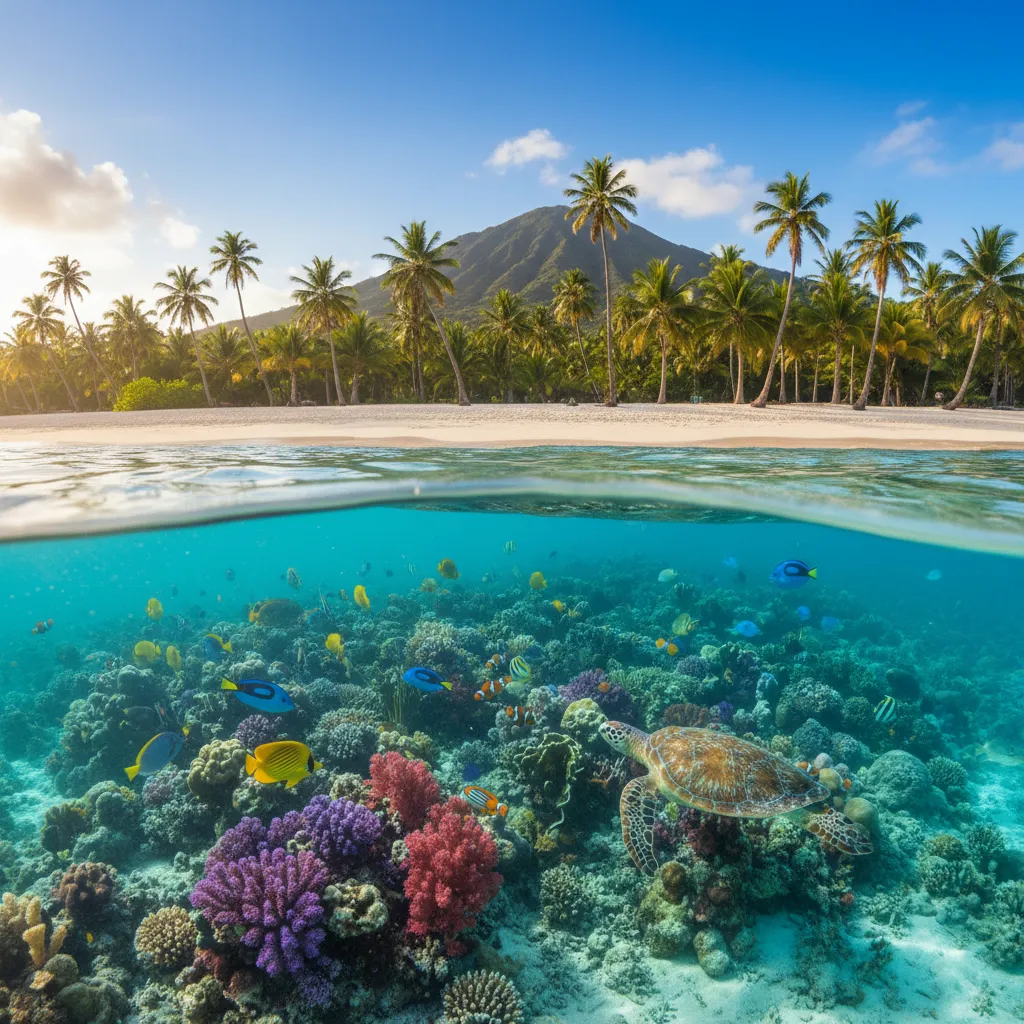
Choosing your first dive destination is one of the most exciting decisions a newly certified diver faces - and one of the most important. The right destination can cement your passion for diving; the wrong one can leave you cold, seasick, or overwhelmed. With thousands of dive destinations across every continent and ocean, narrowing down the options requires balancing several factors: your certification level and experience, budget, time of year, the type of diving and marine life you most want to experience, topside activities for non-diving travel companions, and practical considerations such as travel logistics and health infrastructure. For newly certified divers, the ideal first destination offers warm, clear water with gentle conditions, abundant marine life at shallow depths, well-established dive operations with experienced guides, and a welcoming atmosphere that builds confidence rather than testing limits. As your experience grows, you can venture to more challenging destinations with stronger currents, deeper sites, and more remote locations. This guide walks you through the key factors to consider, with specific recommendations for different types of divers and budgets. The world's best diving is remarkably accessible - you do not need to travel to the ends of the earth to have a life-changing underwater experience.
Key Factors to Consider
Your Experience Level
As a newly certified Open Water diver (limited to 18 metres), you want a destination with excellent diving within your depth range. Fortunately, the most vibrant marine life and healthiest coral is typically found in shallow water where sunlight penetrates. Avoid destinations known primarily for deep wall diving, strong currents, or advanced conditions until you have more experience and training.
Water Temperature and Visibility
Warm water (26-30C) is far more comfortable for new divers and means lighter exposure suits, less weight, and more relaxed diving. Tropical destinations generally offer water temperatures of 27-30C year-round. Visibility - the distance you can see underwater - varies enormously by location and season. Expect 15-30 metres in good conditions at popular tropical destinations, and occasionally 40+ metres at sites known for exceptional clarity.
Budget
Diving costs vary dramatically by destination. Southeast Asia (Thailand, Indonesia, Philippines) offers some of the world's best diving at the lowest prices - $25-50 USD per dive with equipment. The Caribbean and Red Sea are mid-range. The Maldives, Galapagos, and remote liveaboard destinations are premium-priced but offer unique experiences. Factor in accommodation, flights, food, and equipment rental when comparing destinations.
Top Destinations for New Divers
Thailand (Koh Tao)
Koh Tao is where more divers get certified than almost anywhere else in the world. The combination of warm water, affordable prices, a huge community of dive professionals, and decent marine life makes it an ideal starter destination. Dive sites like Japanese Gardens and Twins offer colourful coral, reef fish, and occasional turtles at 8-15 metres.
Egypt (Red Sea)
The Egyptian Red Sea offers world-class coral reefs, excellent visibility (often 30+ metres), and warm water. Sharm el-Sheikh and Hurghada provide easy access to stunning reef diving suitable for all levels. The house reefs of many hotels allow unlimited shore diving, perfect for building experience. The Red Sea's marine life is diverse and abundant, with large schools of fish, moray eels, and the chance of encountering dolphins and turtles.
Indonesia (Bali)
Bali offers diverse diving for all levels with the added bonus of world-class topside culture and activities. The USAT Liberty wreck in Tulamben is accessible to Open Water divers from the shore, and the muck diving in the north offers incredible macro marine life. Water temperatures are a comfortable 27-29C, and dive prices are very reasonable.
Caribbean (Bonaire, Cozumel)
Bonaire is a diver's paradise with over 60 named shore diving sites - no boat needed. The island is surrounded by a marine park with healthy reefs starting in just a few metres of water. Cozumel, Mexico, offers spectacular drift diving with excellent visibility and the world's second-largest barrier reef. Both destinations are easy to reach from North America.
Australia (Great Barrier Reef)
The Great Barrier Reef is the world's largest reef system and a bucket-list destination. Day trips from Cairns and Port Douglas access outer reef sites with spectacular coral gardens, giant clams, reef sharks, and turtles. The water is warm from October to May, and the operation standards are among the highest in the world.
Planning Your Trip
Book with a reputable dive operator - check reviews, verify they are affiliated with a recognised training agency, and ask about guide-to-diver ratios. Ensure your travel insurance covers diving. Pack reef-safe sunscreen. Bring your own mask if you have one. Allow at least one day at the end of your trip before flying. And most importantly, set realistic expectations - your first dive trip is about building experience and confidence, not ticking off the world's most extreme dive sites.
Key Takeaways
- 1New divers should prioritise warm, clear water with gentle conditions and abundant shallow marine life
- 2Southeast Asia offers the best value - world-class diving from $25-50 per dive
- 3The Red Sea, Bali, Caribbean, and Great Barrier Reef are all excellent first-trip destinations
- 4Avoid destinations known primarily for deep diving, strong currents, or advanced conditions until experienced
- 5Book with reputable operators affiliated with recognised training agencies
- 6Allow at least 24 hours between your last dive and any flight
Frequently Asked Questions
Where is the cheapest place to go scuba diving?
Southeast Asia offers the most affordable diving in the world. Thailand (Koh Tao), Indonesia (Bali, Lombok), Philippines (Moalboal, Dumaguete), and Cambodia have dive prices from $25-50 USD including equipment. Accommodation and food are also very affordable. Honduras (Utila, Roatan) is the cheapest option in the Caribbean. Egypt's Red Sea is excellent value for European divers.
What is the best time of year to go diving?
This depends entirely on the destination. Tropical destinations often have year-round diving with wet and dry seasons affecting visibility and conditions. The Red Sea is best from March to November. Southeast Asia varies by coast - Thailand's west coast (Andaman Sea) is best November to April, while the east coast (Gulf of Thailand) is best from March to October. Always research seasonal conditions for your specific destination.
Should I go on a liveaboard for my first dive trip?
Liveaboards are generally better suited to experienced divers who want to maximise dive count and access remote sites. For your first trip, a land-based operation provides more flexibility, the comfort of a hotel room, access to non-diving activities, and less pressure to dive when conditions or your comfort level suggest otherwise. Save liveaboards for when you have 30-50+ dives of experience.
How many dives should I do on my first trip?
Aim for 2-3 dives per day, with rest days interspersed. A week-long trip might include 12-18 dives - enough to build confidence and skills without exhaustion. Listen to your body and do not feel pressured to dive if you are tired, cold, or uncomfortable. Quality dives where you are relaxed and observant are far more valuable than high dive counts.