Ear Equalization Techniques for Scuba Divers
By DivePlnr Editorial Team | Published March 2026 | Updated March 2026
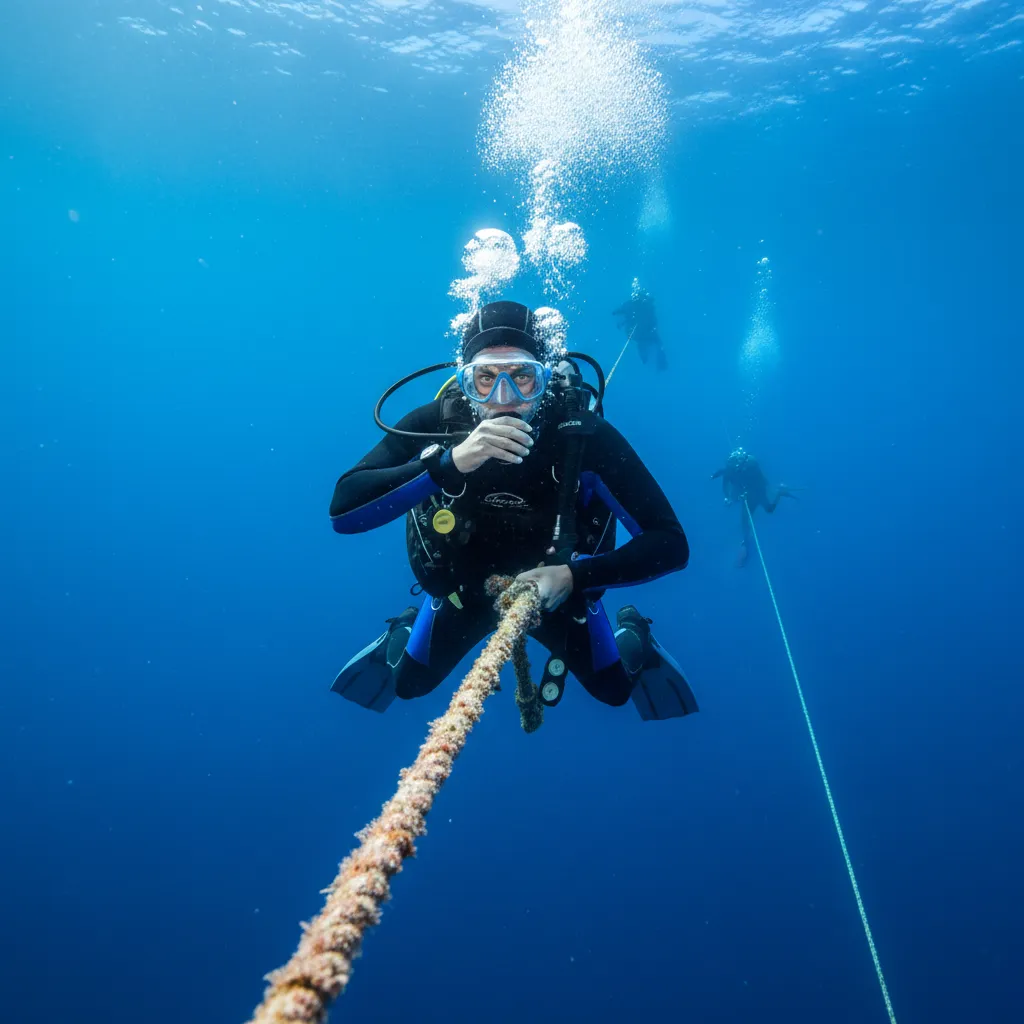
Ear equalisation is one of the most fundamental skills in scuba diving, yet it causes more frustration and aborted dives than almost any other issue. As a diver descends, the increasing water pressure compresses the air spaces in the middle ear, creating an uncomfortable - and potentially painful - pressure differential across the eardrum. Without active equalisation, this pressure difference can cause barotrauma, rupturing the eardrum or damaging the delicate structures of the inner ear. The good news is that equalisation is a learnable skill with multiple techniques available to suit different physiologies. The most commonly taught method is the Valsalva manoeuvre - pinching the nose and gently blowing to force air through the Eustachian tubes into the middle ear. However, several more advanced techniques, including the Frenzel manoeuvre and voluntary tubal opening, are used by experienced divers and freedivers to equalise more efficiently and with less effort. Understanding the anatomy of the ear, the physics of pressure, and the various equalisation techniques available empowers divers to manage this challenge confidently. The key principles are universal: equalise early, equalise often, never force it, and descend feet-first when possible. Divers who master equalisation often find it becomes completely automatic, requiring no more thought than breathing.
The Anatomy of Equalisation
The human ear has three main sections: the outer ear (ear canal and eardrum), the middle ear (an air-filled space containing three tiny bones that transmit sound), and the inner ear (the cochlea for hearing and semicircular canals for balance). The middle ear connects to the back of the throat via the Eustachian tube - a narrow, mucous-membrane-lined passage that normally remains closed but opens briefly during swallowing or yawning.
During descent, water pressure increases by approximately 1 bar for every 10 metres. This increasing pressure pushes the eardrum inward. The diver must actively open the Eustachian tubes to allow higher-pressure air from the throat and nasal cavity to enter the middle ear, pushing the eardrum back to its neutral position. This is equalisation.
Equalisation Techniques
Valsalva Manoeuvre
The most commonly taught technique. Pinch your nostrils closed through your mask's nose pocket and gently blow through your nose. This increases pressure in the nasopharynx, forcing air through the Eustachian tubes. The key word is "gently" - aggressive blowing can damage the round window of the inner ear or cause a reverse block. If the Valsalva does not work immediately, do not blow harder. Instead, ascend slightly and try again.
Frenzel Manoeuvre
Used by freedivers and experienced scuba divers. Close the back of your throat (as if straining to lift something heavy), pinch your nose, and use your tongue as a piston by pushing it backward and upward against the soft palate. This generates pressure in the nasopharynx without using the lungs and is effective at all depths. The Frenzel requires practice to master but is the gold standard of equalisation.
Toynbee Manoeuvre
Pinch your nose and swallow simultaneously. The swallowing action opens the Eustachian tubes while the pinched nose creates the pressure differential needed to force air into the middle ear. Useful as a complement to other techniques.
Voluntary Tubal Opening (BTV)
Some people can open their Eustachian tubes voluntarily by tensing muscles in the throat and jaw. If you can make your ears "click" at will, you may already be doing this. This hands-free technique is the most elegant but cannot be learned by everyone - it depends on individual anatomy.
Tips for Easier Equalisation
Descend feet-first - this positions air above the Eustachian tube openings, making it easier for air to enter the middle ear. Equalise before you feel pressure - begin on the surface and continue every metre of descent. Look up during equalisation, as extending the neck helps open the Eustachian tubes. Use a descent line or wall to control your descent rate, giving you time to equalise properly. Avoid dairy products and alcohol before diving, as they can increase mucous production and congest the Eustachian tubes.
When Equalisation Fails
If you cannot equalise, stop descending immediately. Ascend a metre or two until the pressure eases, then try again slowly. Never push through pain - ear barotrauma is the most common diving injury and can cause temporary or permanent hearing loss, vertigo, and tinnitus. If you repeatedly cannot equalise, abort the dive. Common causes of difficulty include nasal congestion from colds or allergies, sinus infection, Eustachian tube dysfunction, and anxiety causing muscle tension. Over-the-counter decongestants can help mild congestion but consult a dive medicine physician rather than self-medicating.
Key Takeaways
- 1Equalise early and often - start at the surface and continue every metre of descent
- 2The Valsalva manoeuvre (pinch nose, gently blow) is the most commonly taught technique
- 3Never force equalisation - if it does not work, ascend slightly and try again
- 4Descending feet-first makes equalisation significantly easier
- 5The Frenzel manoeuvre is more efficient and is preferred by experienced divers
- 6Never dive with a cold or nasal congestion - swollen tissues block the Eustachian tubes
Frequently Asked Questions
Why can't I equalise my ears when diving?
The most common causes are nasal congestion (cold, allergies, sinusitis), descending too fast, descending head-first instead of feet-first, and tension or anxiety. Ensure you are equalising proactively - before you feel pressure - and descend slowly. If problems persist, consult a dive medicine physician to rule out Eustachian tube dysfunction.
Can I dive with a cold?
It is strongly advised not to dive with a cold or significant nasal congestion. Swollen mucous membranes can block the Eustachian tubes, preventing equalisation during descent and potentially causing a 'reverse block' on ascent where expanding air cannot escape the middle ear. Decongestants may wear off during a dive, creating a dangerous situation at depth.
What is a reverse block?
A reverse block occurs during ascent when expanding air in the middle ear cannot escape through congested Eustachian tubes. This is extremely painful and can cause eardrum rupture. If you feel ear pressure during ascent, stop, descend slightly, and try to open your Eustachian tubes by swallowing, jaw movement, or gentle Valsalva. Ascend very slowly.
What happens if I don't equalise?
Continuing to descend without equalising will first cause discomfort, then pain, and eventually barotrauma - the eardrum can rupture, allowing cold water to enter the middle ear, which causes severe vertigo and disorientation. Middle ear barotrauma can also damage the tiny bones of the middle ear. Always stop descent at the first sign of ear discomfort.