Your First Scuba Dive: What to Expect
By DivePlnr Editorial Team | Published March 2026 | Updated March 2026
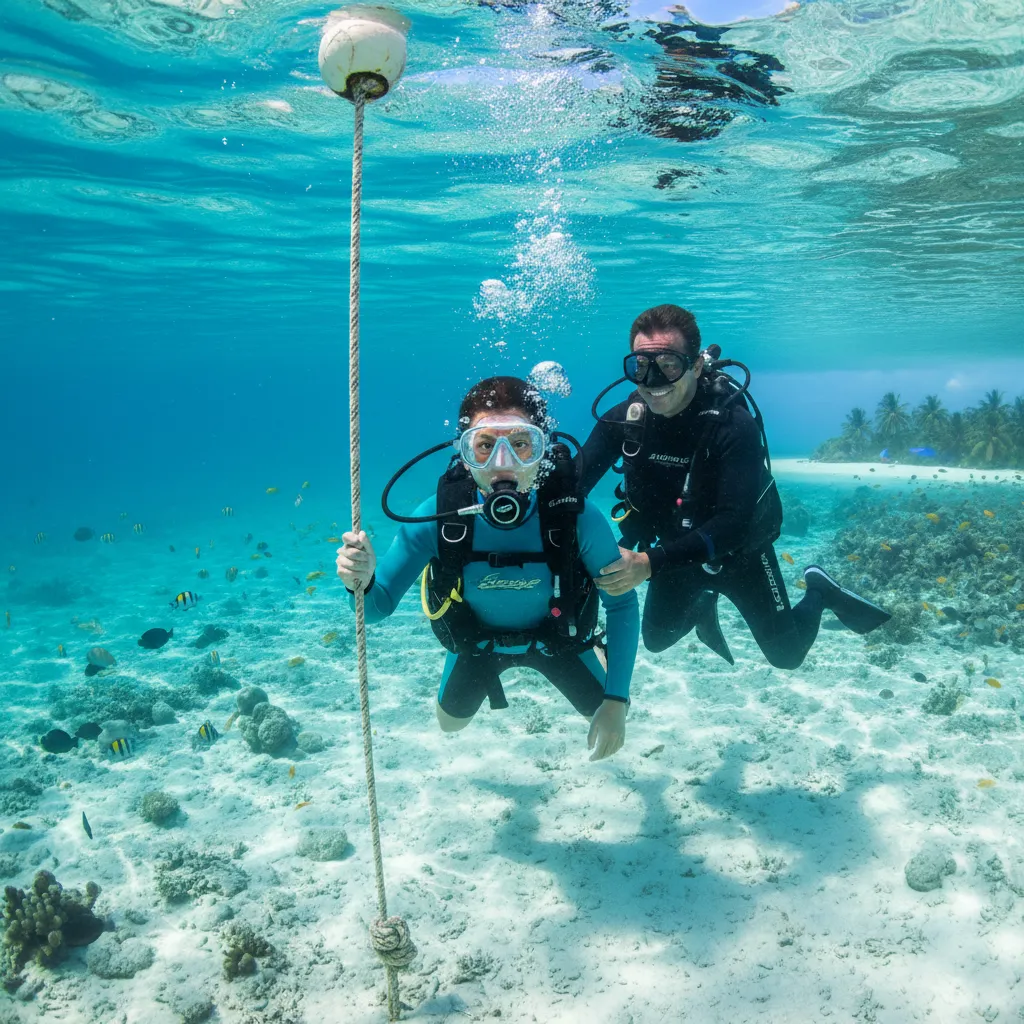
Your first scuba dive is an experience you will remember for the rest of your life. Whether it is a Discover Scuba Diving experience, a try-dive at a resort, or the first open water dive of your certification course, the combination of excitement, anticipation, and perhaps a touch of nervousness is entirely normal. Understanding what to expect removes much of the anxiety and allows you to focus on what matters most - enjoying the extraordinary sensation of breathing underwater and witnessing marine life in its natural habitat. The first few minutes are always the most intense. Breathing from a regulator feels strange at first - the air is dry and comes on demand rather than continuously. The sensation of sinking below the surface while still breathing triggers a primal response that your brain quickly learns to override. Within minutes, most people find a rhythm: breathe slowly, look around, and let the wonder take over. Your instructor will be by your side throughout, managing your buoyancy and guiding you through the dive. All you need to do is relax, breathe, and enjoy the ride. Thousands of people complete their first dive every single day around the world, and the overwhelming response is the same - sheer amazement at the underwater world and an immediate desire to do it again.
Before You Get in the Water
Your instructor will begin with a thorough briefing covering equipment, breathing technique, hand signals, ear equalisation, and what the dive will involve. Pay close attention - this information is practical and immediately useful. You will be shown how the equipment works, including how to breathe from the regulator, how to clear water from your mask, and how to equalise the pressure in your ears as you descend.
Equipment will be fitted to you - a wetsuit appropriate for the water temperature, a BCD (buoyancy compensator device) with an attached tank, a regulator to breathe from, a mask, and fins. Your instructor will check all equipment and ensure everything fits comfortably. Do not hesitate to speak up if anything feels wrong - a poorly fitting mask or tight wetsuit will detract from your experience.
The Descent
The moment of descent is when most first-time divers feel a surge of adrenaline. Your instructor will have you deflate your BCD and begin a slow, controlled descent. The most important thing to remember is to equalise your ears - pinch your nose through your mask and gently blow. Do this early and often, every metre or so. If you feel pressure or pain in your ears, stop descending, signal your instructor, and equalise again. Never push through ear pain.
As you sink below the surface, the world transforms. Sound changes - you hear your own breathing and the crackling of a living reef. Colours shift as depth absorbs red light first, leaving blues and greens dominant. Your body feels weightless, supported by the water. Take slow, deep breaths. Fast, shallow breathing consumes air quickly and increases anxiety.
During the Dive
Your instructor will control the dive profile - depth, direction, and duration. Your job is to breathe normally, stay close to your instructor, and enjoy what you see. Move slowly and deliberately - flailing arms and rapid fin kicks disturb marine life and consume energy. The best divers are the calmest divers.
You will likely see fish immediately. On a tropical reef, expect an explosion of colour - parrotfish, butterflyfish, angelfish, wrasses, and possibly larger creatures such as turtles, rays, or reef sharks. On a temperate dive, expect kelp, nudibranchs, crabs, and curious fish species. Every environment has something fascinating to observe.
Common First-Dive Concerns
Running Out of Air
Your instructor monitors air supply constantly. A standard tank provides 45-60 minutes of breathing for a relaxed first-timer at shallow depth. You will never be allowed to run out of air - your instructor will end the dive with ample reserve remaining.
Feeling Claustrophobic
Some people worry about mask anxiety or feeling enclosed. If this happens, stop, breathe slowly, and focus on exhaling. The open water around you is vast. If necessary, signal your instructor - they are trained to help you manage any anxiety calmly and safely.
Equalisation Problems
This is the most common physical challenge for new divers. If you cannot equalise, ascend slightly until the pressure eases, then try again. Never force it. Descending feet-first rather than head-first often makes equalisation easier. Avoid diving with a cold or congestion - swollen nasal passages make equalisation difficult or impossible.
After the Dive
The post-dive feeling is unique - a combination of exhilaration, calm, and a desire to talk about everything you saw. You may feel tired, which is normal. Drink plenty of water, avoid alcohol immediately after diving, and do not fly for at least 18-24 hours after your last dive. If you loved it - and most people do - ask your instructor about the next steps toward full certification.
Key Takeaways
- 1Your first dive nervousness is completely normal - it fades within minutes of being underwater
- 2Equalise your ears early and often during descent - pinch your nose and gently blow
- 3Breathe slowly and deeply - fast shallow breathing wastes air and increases anxiety
- 4Move slowly and calmly - the best divers use minimal movement
- 5Your instructor manages the entire dive - you just need to relax and breathe
- 6Never push through ear pain and always signal your instructor if something feels wrong
- 7Do not fly for at least 18-24 hours after diving
Frequently Asked Questions
What if I panic during my first dive?
Feeling anxious is normal and your instructor is trained to recognise and manage it. If you feel panicky, stop all movement, hold onto something stable, and focus on slow deep breathing. Signal your instructor immediately. You can always ascend slowly and safely at any time. Many divers who feel anxious on their first attempt go on to become confident, passionate divers.
How deep will my first dive be?
A typical first dive (Discover Scuba or Try Dive) goes to a maximum of 12 metres (40 feet), and often stays shallower at 6-8 metres. The first open water training dive of a certification course is usually 8-12 metres. These depths are sufficient to experience the underwater world fully while maintaining a comfortable margin of safety.
Do I need my own equipment for a first dive?
No - all equipment is provided by the dive centre or resort. You just need swimwear and a towel. If you wear prescription glasses, mention this beforehand as some centres have corrective lens masks available. Bring sunscreen (reef-safe), drinking water, and a snack for afterwards.
Can I wear contact lenses while diving?
Yes, most divers who wear contact lenses dive with them in. Soft contact lenses are preferred over hard lenses. There is a small risk of losing a lens if your mask floods, but this is uncommon. Alternatively, prescription mask lenses are available for purchase or sometimes rental.